• 亿邦公众号
    • APP下载

重磅 I 零探路径PathZero能碳废污一体化数智化系统发布 助力中国零碳转型

作者:龚作仁 文章来源:Laborer

2026-11-09 13:50

作者:龚作仁 文章来源:Laborer

2026-11-09 13:50

邦小白快读

EN
全文速览

总1:全球绿色贸易规则收紧,企业碳管理面临新要求。

1. 2026年欧盟CBAM全面实施,跨国品牌对供应链范围三排放溯源要求加严,中国出海企业进入合规深水区。

2. 传统碳盘查系统数据孤立、核算滞后,难以支撑国际核查的穿透式审计。

总2:零探路径PathZero发布能碳废污一体化数智化系统,定位零碳工厂与零碳供应链基础底座。

1. 系统覆盖能源、组织碳与产品碳、建筑隐含碳、可持续供应链、水资源、废弃物六大维度。

2. 内置ISO 14064与ISO 14067核算引擎,支持组织碳账本和产品碳足迹核算。

3. AI驱动数据治理、核算与决策,实现异常能耗甄别、排放因子匹配、绿电消纳与错峰用能优化。

总3:企业可获得的实操启示。

1. 打通能源流、碳流、水流、废物流,构建统一数据底座。

2. 从事后编制报告转向实时在线且可验证的资产沉淀。

3. 以合规确定性、运营敏捷性、品牌信任力构建绿色竞争力。

总1:绿色贸易规则正在重塑品牌出海的信任门槛。

1. 欧盟CBAM全面实施与跨国品牌范围三排放溯源要求,使供应链碳数据成为品牌合规与市场准入的关键。

2. 品牌需要用真实可溯的数据向世界传递绿色承诺,构建品牌信任力。

总2:产品与供应链层面的品牌营销抓手。

1. 系统可核算产品碳足迹,内置ISO 14067标准,为产品研发与低碳卖点提供数据支撑。

2. 可持续供应链管理向上游延伸,建立供应商碳数据采集与协同机制,回应国际大客户穿透式核查。

3. 建筑隐含碳、水与废弃物管理可纳入品牌零碳工厂叙事,形成差异化绿色品牌形象。

总3:成本与竞争层面的启示。

1. 减碳可转化为利润空间,AI给出绿电消纳、错峰用能等最优解,缓解合规成本压力。

2. 跨境品牌客户已有战略级深度部署案例,说明绿色数据底座可服务品牌全球化。

3. 合规确定性、运营敏捷性、品牌信任力三重优势,可作为品牌绿色营销的传播框架。

总1:政策与风险提示。

1. 2026年欧盟CBAM全面实施,跨国品牌对范围三排放严苛溯源,出海企业进入合规深水区。

2. 传统碳盘查系统数据孤立、核算滞后,缺少实时能耗支撑,难以构建国际核查认可的证据链,存在审计与供应链响应风险。

总2:机会与应对措施。

1. 零探路径PathZero发布能碳废污一体化数智化系统,定位零碳工厂与零碳供应链基础底座,可视为绿色贸易新秩序下的基础设施机会。

2. 系统打通能源、碳、水、废数据,覆盖六大维度,支持ISO 14064与ISO 14067核算,帮助企业从事后报告转向实时在线可验证。

3. 可持续供应链管理可协同上游供应商,应对范围三穿透式核查;AI可优化绿电消纳、错峰用能与水废资源化。

总3:可学习点与合作提示。

1. 可学习其统一数据底座、实时采集、AI事前控制的思路。

2. 已有跨境品牌客户战略级部署案例,说明可面向出海品牌提供合作。

3. 卖家应关注合规确定性、运营敏捷性、品牌信任力三重优势,提前布局绿色数据能力。

总1:工厂零碳转型的基础设施需求。

1. 传统环境数据分散在能源、碳、水、废各端口,跨部门壁垒降低核算效率,碳核算滞后于生产实际。

2. 零碳工厂需要统一数据底座,将能源流、碳流、水流、废物流底层打通。

总2:生产与设计层面的覆盖能力。

1. 能源管理覆盖电、气、热、冷及可再生能源,智能计量实时采集与动态优化调度。

2. 组织碳与产品碳内置ISO 14064与ISO 14067核算引擎,既算企业碳账本,也算产品碳足迹。

3. 建筑隐含碳将厂房基建、建材消耗全生命周期隐含碳排放纳入管控,产品设计和基建选材可据此优化。

4. 水资源与废弃物管理实现全口径追踪和资源化管控,量化减排贡献。

总3:数字化与商业机会启示。

1. AI实现异常能耗甄别、排放因子智能匹配、多标准并行核算,并基于实时负荷预测给出绿电消纳、错峰用能、水废资源化最优解。

2. 工厂可从被动合规转向主动降本增效,把减碳转化为利润空间。

3. 零碳工厂作为智慧生态节点,可对接零碳供应链和国际客户核查,形成商业机会。

总1:行业趋势与客户痛点。

1. 2026年全球绿色贸易规则收紧,欧盟CBAM全面实施,跨国品牌对范围三排放穿透式溯源,碳管理从量化计算转向底层数据支撑国际审计。

2. 客户痛点在于环境数据分散、跨部门壁垒、核算滞后、缺少实时能耗支撑,难以构建国际核查认可的证据链。

总2:新技术与解决方案。

1. 零探路径PathZero发布能碳废污一体化数智化系统,以统一数据底座打通能源流、碳流、水流、废物流。

2. 系统覆盖能源、组织碳与产品碳、建筑隐含碳、可持续供应链、水资源、废弃物六大维度,内置ISO 14064与ISO 14067核算引擎。

3. AI驱动数据治理、核算与决策,实现异常能耗自动甄别、排放因子智能匹配、多套标准并行、绿电消纳与错峰用能优化。

总3:服务商可切入的价值点。

1. 帮助企业从事后编制报告转向实时在线且可验证的资产沉淀。

2. 面向跨境品牌客户已有战略级深度部署案例,可复制到零碳工厂与零碳供应链场景。

3. 围绕合规确定性、运营敏捷性、品牌信任力三重优势设计服务产品。

总1:商业对平台的需求与问题。

1. 2026年欧盟CBAM全面实施,跨国品牌要求范围三排放穿透式溯源,企业需要能支撑国际核查的数据平台。

2. 传统碳盘查系统数据孤立、核算滞后,平台需解决跨部门数据壁垒和证据链不足问题。

总2:平台最新做法与运营管理。

1. 零探路径PathZero推出能碳废污一体化数智化系统,定位零碳工厂与零碳供应链基础底座,构建统一数据底座。

2. 平台覆盖能源、组织碳与产品碳、建筑隐含碳、可持续供应链、水资源、废弃物六大维度,内置ISO 14064与ISO 14067核算引擎。

3. 以AI为中枢,实现异常能耗甄别、排放因子智能匹配、多标准并行核算、实时负荷预测与绿电消纳、错峰用能、水废资源化调度。

总3:招商与风向规避启示。

1. 可面向跨境品牌、出海制造企业和零碳工厂招商,已有跨境品牌客户战略级部署案例。

2. 运营管理强调实时在线、过程可溯、价值可证,从事后报告转向资产沉淀。

3. 风向规避上要聚焦CBAM、范围三合规与数据可信,围绕合规确定性、运营敏捷性、品牌信任力构建平台价值。

总1:产业新动向。

1. 2026年全球绿色贸易规则加速收紧,欧盟CBAM全面实施,跨国品牌对供应链范围三排放提出严苛溯源要求,中国出海企业进入合规深水区。

2. 零探路径PathZero发布能碳废污一体化数智化系统,提出零碳工厂与零碳供应链基础底座,标志碳管理从工具走向基础设施。

总2:新问题与政策法规启示。

1. 传统碳盘查系统暴露能源、碳、水、废数据孤立和核算滞后问题,合规分水岭转向底层数据能否支撑穿透式审计。

2. 系统内置ISO 14064与ISO 14067核算引擎,支持多套国际与国内标准并行,为国际核查证据链和范围三溯源提供参考。

3. 建筑隐含碳、可持续供应链、水资源、废弃物管理被纳入统一框架,拓展了零碳工厂的边界。

总3:商业模式与理论启示。

1. AI驱动数据治理、核算与决策,使碳管理从事后算账转向事前控制,减碳转化为利润空间。

2. 系统定位为连接智慧生态节点的操作系统,已有跨境品牌客户战略级部署案例,体现基础设施型商业模式。

3. 合规确定性、运营敏捷性、品牌信任力三重战略优势,可作为零碳转型评价框架。

声明:快读内容全程由AI生成,请注意甄别信息。如您发现问题,请发送邮件至 run@ebrun.com 。

我是 品牌商 卖家 工厂 服务商 平台商 研究者 帮我再读一遍。

Quick Summary

Summary 1: Global green trade rules are tightening, creating new requirements for corporate carbon management.

1. The EU CBAM will be fully implemented in 2026, and multinational brands are imposing stricter Scope 3 emissions traceability requirements on supply chains, pushing Chinese companies expanding overseas into a deeper phase of compliance.

2. Traditional carbon inventory systems have isolated data and lagging accounting, making them ill-equipped to support the end-to-end audits required for international verification.

Summary 2: PathZero has launched an integrated digital-intelligent system for energy, carbon, waste, and wastewater, positioned as the foundational base for zero-carbon factories and zero-carbon supply chains.

1. The system covers six dimensions: energy, organizational and product carbon, embodied carbon in buildings, sustainable supply chains, water resources, and waste.

2. It includes ISO 14064 and ISO 14067 accounting engines, supporting organizational carbon ledgers and product carbon footprint accounting.

3. AI drives data governance, accounting, and decision-making, enabling identification of anomalous energy consumption, emission factor matching, and optimization of green electricity consumption and off-peak energy use.

Summary 3: Practical implications for companies.

1. Connect energy flows, carbon flows, water flows, and waste flows to build a unified data foundation.

2. Shift from ex-post report preparation to real-time, online, and verifiable data asset accumulation.

3. Build green competitiveness through compliance certainty, operational agility, and brand trust.

Summary 1: Green trade rules are reshaping the trust threshold for brands expanding overseas.

1. The full implementation of the EU CBAM and multinational brands' Scope 3 emissions traceability requirements make supply-chain carbon data critical to brand compliance and market access.

2. Brands need to communicate their green commitments to the world with authentic, traceable data and build brand trust.

Summary 2: Brand marketing levers at the product and supply-chain levels.

1. The system can account for product carbon footprints and has ISO 14067 built in, providing data support for product development and low-carbon selling points.

2. Sustainable supply chain management extends upstream, establishing supplier carbon data collection and collaboration mechanisms to respond to end-to-end verification by major international customers.

3. Embodied carbon in buildings and water and waste management can be incorporated into the brand's zero-carbon factory narrative, creating a differentiated green brand image.

Summary 3: Implications for cost and competition.

1. Carbon reduction can be converted into profit margins; AI provides optimal solutions for green electricity consumption and off-peak energy use, easing compliance cost pressure.

2. Cross-border brand clients already have strategic, in-depth deployment cases, showing that a green data foundation can support brand globalization.

3. The three advantages of compliance certainty, operational agility, and brand trust can serve as a communications framework for brand green marketing.

Summary 1: Policy and risk alerts.

1. The EU CBAM will be fully implemented in 2026, and multinational brands are imposing stringent Scope 3 emissions traceability requirements, pushing companies expanding overseas into a deeper phase of compliance.

2. Traditional carbon inventory systems have isolated data and lagging accounting and lack real-time energy consumption support, making it difficult to build an evidence chain recognized by international verification; this creates audit and supply-chain response risks.

Summary 2: Opportunities and response measures.

1. PathZero has launched an integrated digital-intelligent system for energy, carbon, waste, and wastewater, positioned as the foundational base for zero-carbon factories and zero-carbon supply chains, and can be seen as an infrastructure opportunity under the new green trade order.

2. The system connects energy, carbon, water, and waste data, covers six major dimensions, supports ISO 14064 and ISO 14067 accounting, and helps companies move from ex-post reporting to real-time, online, verifiable data.

3. Sustainable supply chain management can collaborate with upstream suppliers to address end-to-end Scope 3 verification; AI can optimize green electricity consumption, off-peak energy use, and water and waste resource recovery.

Summary 3: Lessons and partnership cues.

1. Companies can learn from its approach to a unified data foundation, real-time collection, and AI-enabled proactive control.

2. There are already strategic deployment cases with cross-border brand clients, indicating opportunities to partner with brands expanding overseas.

3. Sellers should focus on the three advantages of compliance certainty, operational agility, and brand trust, and build green data capabilities in advance.

Summary 1: Infrastructure needs for factories' zero-carbon transition.

1. Traditional environmental data is scattered across energy, carbon, water, and waste functions; cross-departmental barriers reduce accounting efficiency, and carbon accounting lags behind actual production.

2. Zero-carbon factories need a unified data foundation that connects energy flows, carbon flows, water flows, and waste flows at the underlying level.

Summary 2: Coverage capabilities at the production and design levels.

1. Energy management covers electricity, gas, heat, cooling, and renewable energy, with smart metering for real-time collection and dynamically optimized dispatch.

2. Organizational carbon and product carbon are equipped with built-in ISO 14064 and ISO 14067 accounting engines, calculating both the corporate carbon ledger and product carbon footprints.

3. Embodied carbon in buildings brings lifecycle embodied carbon emissions from plant infrastructure and building material consumption under control, enabling product design and infrastructure material selection to be optimized accordingly.

4. Water resource and waste management achieve full-scope tracking and resource recovery control, quantifying emission reduction contributions.

Summary 3: Implications for digitalization and business opportunities.

1. AI enables identification of anomalous energy consumption, intelligent matching of emission factors, and parallel accounting under multiple standards; based on real-time load forecasting, it provides optimal solutions for green electricity consumption, off-peak energy use, and water and waste resource recovery.

2. Factories can move from passive compliance to proactive cost reduction and efficiency improvement, converting carbon reduction into profit margins.

3. As smart ecosystem nodes, zero-carbon factories can connect with zero-carbon supply chains and international customer verification, creating business opportunities.

Summary 1: Industry trends and customer pain points.

1. In 2026, global green trade rules are tightening and the EU CBAM will be fully implemented; multinational brands are requiring end-to-end Scope 3 emissions traceability, and carbon management is shifting from quantitative calculation to underlying data that supports international audits.

2. Customer pain points include fragmented environmental data, cross-departmental barriers, lagging accounting, and a lack of real-time energy consumption support, making it difficult to build an evidence chain recognized by international verification.

Summary 2: New technologies and solutions.

1. PathZero has launched an integrated digital-intelligent system for energy, carbon, waste, and wastewater, using a unified data foundation to connect energy flows, carbon flows, water flows, and waste flows.

2. The system covers six major dimensions—energy, organizational and product carbon, embodied carbon in buildings, sustainable supply chains, water resources, and waste—and includes ISO 14064 and ISO 14067 accounting engines.

3. AI drives data governance, accounting, and decision-making, enabling automatic identification of anomalous energy consumption, intelligent matching of emission factors, parallel operation of multiple standards, and optimization of green electricity consumption and off-peak energy use.

Summary 3: Value entry points for service providers.

1. Help companies move from ex-post report preparation to real-time, online, and verifiable data asset accumulation.

2. There are already strategic, in-depth deployment cases with cross-border brand clients that can be replicated in zero-carbon factory and zero-carbon supply chain scenarios.

3. Design service offerings around the three advantages of compliance certainty, operational agility, and brand trust.

Summary 1: Business needs and problems for platforms.

1. The EU CBAM will be fully implemented in 2026, and multinational brands are requiring end-to-end Scope 3 emissions traceability; companies need data platforms that can support international verification.

2. Traditional carbon inventory systems have isolated data and lagging accounting; platforms need to solve cross-departmental data barriers and insufficient evidence chains.

Summary 2: Latest platform practices and operational management.

1. PathZero has launched an integrated digital-intelligent system for energy, carbon, waste, and wastewater, positioned as the foundational base for zero-carbon factories and zero-carbon supply chains and building a unified data foundation.

2. The platform covers six major dimensions—energy, organizational and product carbon, embodied carbon in buildings, sustainable supply chains, water resources, and waste—and includes ISO 14064 and ISO 14067 accounting engines.

3. With AI as the hub, it enables identification of anomalous energy consumption, intelligent matching of emission factors, parallel accounting under multiple standards, real-time load forecasting, and scheduling for green electricity consumption, off-peak energy use, and water and waste resource recovery.

Summary 3: Implications for partner recruitment and trend-risk avoidance.

1. It can target cross-border brands, overseas-expanding manufacturers, and zero-carbon factories for partner recruitment; there are already strategic deployment cases with cross-border brand clients.

2. Operational management emphasizes real-time online operation, traceable processes, and provable value, shifting from ex-post reporting to data asset accumulation.

3. For trend-risk avoidance, focus on CBAM, Scope 3 compliance, and data credibility, and build platform value around compliance certainty, operational agility, and brand trust.

Summary 1: New industry developments.

1. In 2026, global green trade rules are tightening faster, the EU CBAM will be fully implemented, and multinational brands are imposing stringent Scope 3 emissions traceability requirements on supply chains, pushing Chinese companies expanding overseas into a deeper phase of compliance.

2. PathZero has launched an integrated digital-intelligent system for energy, carbon, waste, and wastewater and proposed a foundational base for zero-carbon factories and zero-carbon supply chains, marking a shift in carbon management from a tool to infrastructure.

Summary 2: New issues and policy and regulatory implications.

1. Traditional carbon inventory systems expose problems of isolated energy, carbon, water, and waste data and lagging accounting; the compliance dividing line has shifted to whether underlying data can support end-to-end audits.

2. The system includes ISO 14064 and ISO 14067 accounting engines and supports parallel operation of multiple international and domestic standards, providing a reference for international verification evidence chains and Scope 3 traceability.

3. Embodied carbon in buildings, sustainable supply chains, water resources, and waste management are incorporated into a unified framework, expanding the boundaries of zero-carbon factories.

Summary 3: Business model and theoretical implications.

1. AI drives data governance, accounting, and decision-making, moving carbon management from ex-post accounting to proactive control and converting carbon reduction into profit margins.

2. The system is positioned as an operating system connecting smart ecosystem nodes, and there are already strategic deployment cases with cross-border brand clients, reflecting an infrastructure-style business model.

3. The three strategic advantages of compliance certainty, operational agility, and brand trust can serve as an evaluation framework for zero-carbon transition.

Disclaimer: The "Quick Summary" content is entirely generated by AI. Please exercise discretion when interpreting the information. For issues or corrections, please email run@ebrun.com .

I am a Brand Seller Factory Service Provider Marketplace Seller Researcher Read it again.

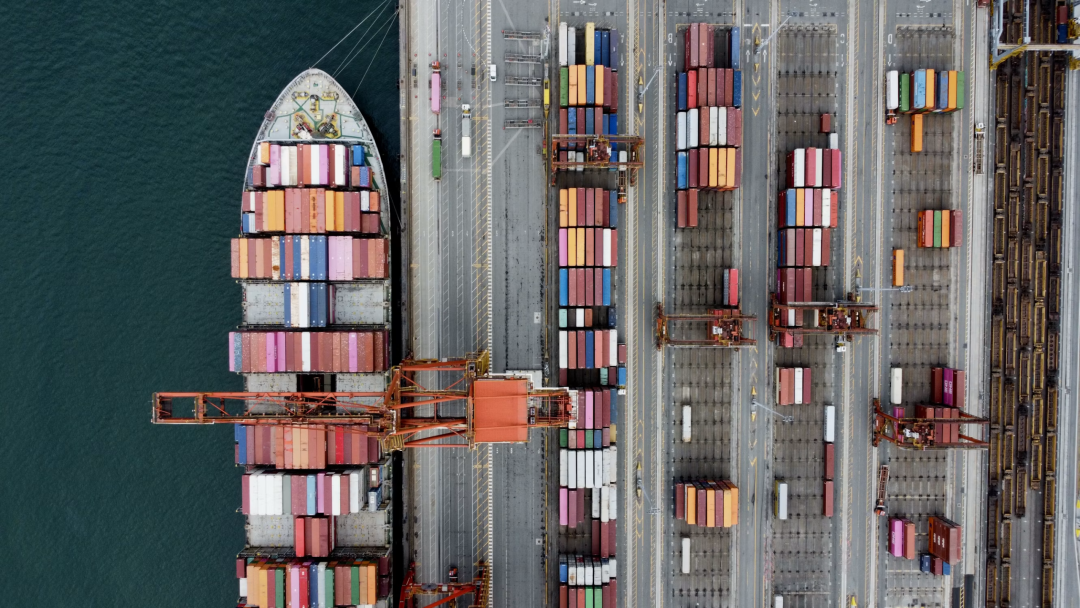
2026年,全球绿色贸易规则加速收紧。欧盟CBAM的全面实施,以及跨国品牌对供应链“范围三(Scope 3)”排放的严苛溯源要求,将中国出海企业推向了合规的深水区。
图片

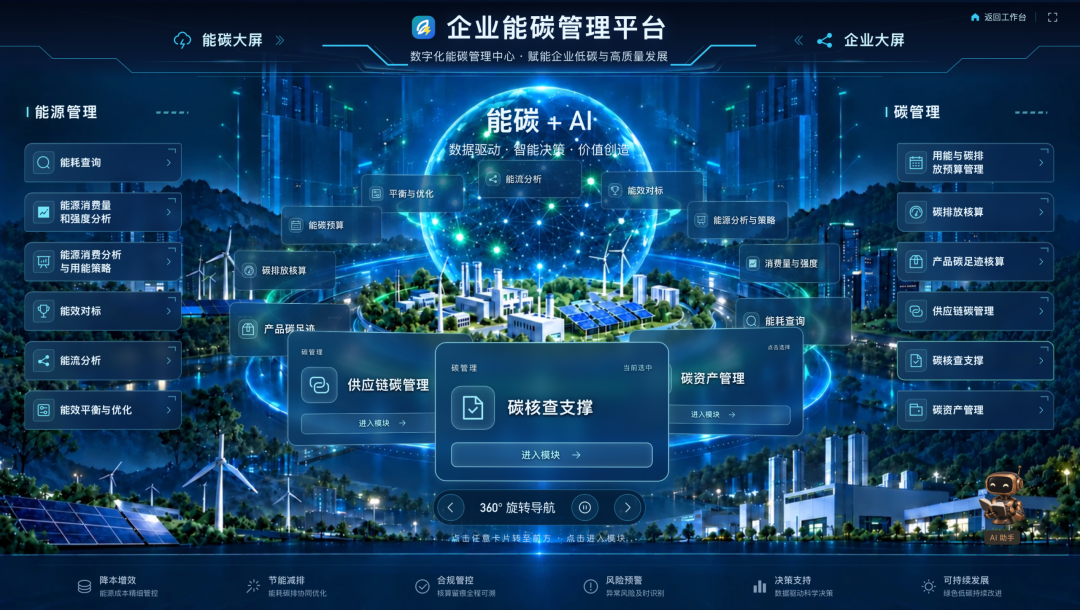
面对穿透式的国际审计,传统的碳盘查系统暴露出明显的局限性:能源、碳、水资源与废弃物数据彼此孤立,碳核算严重滞后于生产实际。面对这一痛点,零探路径PathZero® 正式发布能碳废污一体化数智化系统。

我们将其定位为支撑国内零碳工厂与零碳供应链的基础底座。它不只是一套碳核算工具,更是助力中国制造突破绿色贸易壁垒、面向全球低碳竞争的底层运行体系。

01 //痛点洞察//传统碳管理难以回应穿透式合规

在应对CBAM等国际碳规制时,企业亟待跨越的合规分水岭,已不在于“碳盘查的量化计算”,而在于“底层数据能否支撑起国际核查机构的穿透式审计”。

不少企业环境数据分散于各业务端口,跨部门数据壁垒显著。这一现状降低了核算效率,难以构建国际核查认可的证据链。缺少实时能耗支撑的碳数据,在供应链穿透核验下说服力不足;数据归集的滞后性,也给企业供应链碳信息响应带来压力。

零探路径PathZero®推出这套系统的初衷,正是为了打破数据孤岛。通过构建统一的数据底座,我们将原本分散的能源流、碳流、水流与废物流进行底层打通,让企业的碳管理从“事后编制报告”转向“实时在线且可被验证的资产沉淀”。
图片

02  // 基座架构//六大维度构筑零碳工厂底座

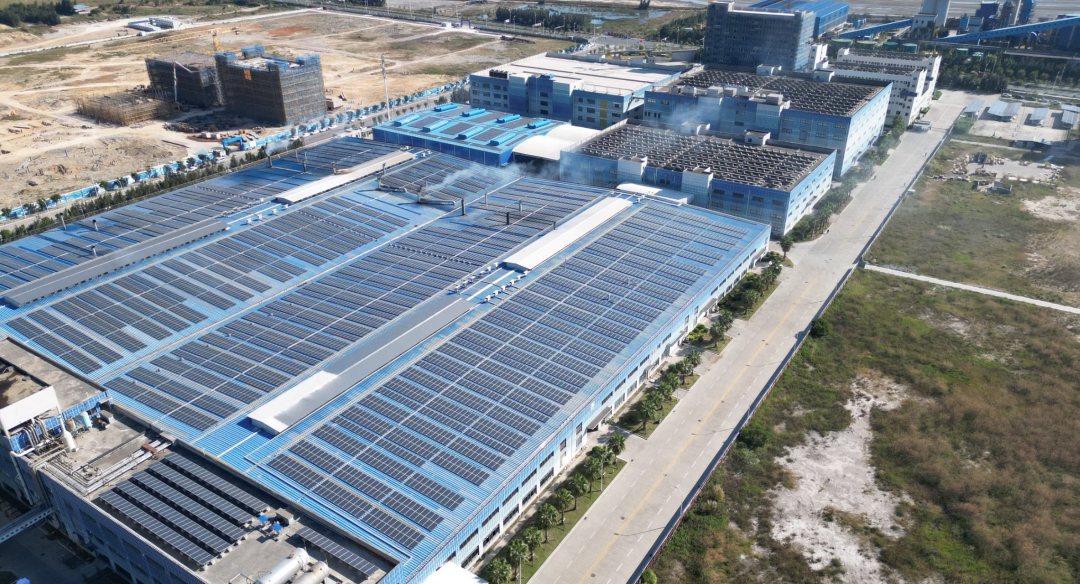
作为零碳基础设施,系统实现了对工厂全环境要素的深度覆盖,其核心能力体现在六大维度:
图片

1 能源管理

覆盖电、气、热、冷及可再生能源等全品类,通过智能计量实现用能数据的实时采集与动态优化调度。

2 组织碳与产品碳

内置符合ISO 14064与ISO 14067标准的核算引擎,既算清企业整体的“组织碳账本”,也精准核算流向市场的“产品碳足迹”。

3 建筑隐含碳

打破传统核算盲区,将厂房基建、建材消耗等全生命周期隐含的碳排放纳入数智化管控。

4 可持续供应链管理

向上游延伸,建立供应商碳数据的采集与协同机制,从容应对国际大客户对范围三排放的穿透式核查。

5 水资源管理

针对废水、中水与雨水进行全口径追踪,以数据驱动水资源的循环利用与节水改造。

6 废弃物管理

对工业废弃物与生活废弃物进行全流程资源化管控,精准量化废弃物处理过程中的减排贡献。

03 // 核心引擎//基于AI驱动的数智管控中枢

基础设施的价值,不仅在于记录过去,更在于预见未来。系统的硬核底座,在于AI驱动。

面对海量的底层环境数据,AI算法在其中发挥了决定性作用:在数据治理端,AI实现异常能耗的自动甄别与排放因子的智能匹配;在核算端,系统支持多套国际与国内标准并行;在决策端,AI能够基于实时负荷预测,给出绿电消纳、错峰用能及水废资源化的最优解。AI让碳管理从“事后算账”走向“事前控制”,真正将减碳转化为企业的利润空间。

04 // 愿景展望//以基础设施赋能中国制造的绿色全球化

真正的系统级能力,需要经过最严苛商业环境的淬炼。在此次系统正式发布前,零探路径PathZero® 已协助众多跨境品牌客户群完成了战略级的深度部署,为其应对全球供应链的穿透式合规要求夯实了数据底座。

这不仅是单一企业的数字化升级,更折射出中国制造在面对全球绿色浪潮时的战略觉醒。

在零探路径PathZero® 的愿景中,未来的零碳工厂不应是孤立的数据孤岛,而应是一个个具备自我感知、自我优化能力的智慧生态节点。而这套能碳废污一体化系统,正是连接这些节点的“操作系统”。

我们深知,基础设施的价值在于其长期性与稳定性。 零探路径PathZero® 致力于以这套系统,助力中国企业在全球绿色贸易新秩序中构建三重战略优势:

一是合规的确定性,让企业在面对多变的国际规则时从容不迫;

二是运营的敏捷性,将减碳压力转化为降本增效的内生动力;

三是品牌的信任力,用真实可溯的数据向世界传递中国制造的绿色承诺。

零碳转型是一场长跑,基础设施的完善程度决定了企业能跑多远。

零探路径PathZero® 能碳废污一体化数智化系统的发布,正是为了夯实中国零碳工厂与零碳供应链的底座。我们期待以这套AI驱动的系统,助力更多中国企业在全球绿色贸易新秩序中,建立数据可信、过程可溯、价值可证的扎实优势。

零探路径PathZero®以数智底座支撑零碳运营,以可信数据连接全球信任,期待与更多的企业并肩,在全球绿色新秩序中,共同树立中国品牌的低碳标杆。

注:文/龚作仁,文章来源:Laborer,本文为作者独立观点,不代表亿邦动力立场。

【版权提示】亿邦动力倡导尊重与保护知识产权。未经许可,任何人不得复制、转载、或以其他方式使用本网站的内容。如发现本站文章存在版权问题,烦请提供版权疑问、身份证明、版权证明、联系方式等发邮件至run@ebrun.com,我们将及时沟通与处理。

已点赞

+1

{{ praise_text }}

好文章,值得被更多人看到

FAQ回顾

零探路径PathZero能碳废污一体化系统是什么?

零探路径PathZero发布的能碳废污一体化数智化系统,定位为零碳工厂与零碳供应链的基础底座。它打通能源、碳、水和废弃物数据,覆盖能源、组织碳与产品碳、建筑隐含碳、可持续供应链、水资源及废弃物六大管理维度,并基于AI进行数据治理、核算和优化决策。

企业为什么需要能碳废污一体化管理来应对国际碳合规?

欧盟CBAM全面实施及跨国品牌对范围三排放的严苛溯源,要求企业接受穿透式国际审计。传统碳盘查系统能源、碳、水和废弃物数据孤立,碳核算滞后于生产,跨部门数据壁垒降低核算效率,难以构建国际核查认可的证据链;缺少实时能耗支撑的碳数据在供应链穿透核验下说服力不足。

零探路径PathZero系统如何帮助企业应对CBAM和范围三排放核查?

零探路径PathZero系统通过统一数据底座打通能源流、碳流、水流与废物流,内置符合ISO 14064和ISO 14067的核算引擎,覆盖组织碳与产品碳;同时向上游延伸建立供应商碳数据采集与协同机制,支撑国际大客户对范围三排放的穿透式核查,并用AI实现异常甄别、排放因子匹配和用能优化。

零碳工厂需要管理哪些环境要素和碳管理维度?

零碳工厂需覆盖能源管理、组织碳与产品碳、建筑隐含碳、可持续供应链管理、水资源管理和废弃物管理六大维度。能源管理包括电、气、热、冷及可再生能源;组织碳与产品碳按ISO 14064和ISO 14067核算;供应链管理则建立供应商碳数据采集与协同机制。

AI在零探路径PathZero能碳管理系统中发挥什么作用?

AI在系统中承担数据治理、核算和决策支持:自动甄别异常能耗、智能匹配排放因子;支持多套国际与国内标准并行核算;基于实时负荷预测给出绿电消纳、错峰用能及水废资源化最优解,使碳管理从“事后算账”转向“事前控制”,把减碳转化为企业利润空间。

广告

下一篇

跨境电商资源对接

《全球跨境电商服务商资源手册》第二期手册现已发布,触达更多资源,了解跨境服务商信息,欢迎点击链接下载。

了解详情

千峰访谈Payful CEO Jonathan Ye:跨境支付正从“费率竞争”转向“本地化深度竞争”

在2026千峰奖访谈期间,亿邦动力、亿邦智库与Jonathan Ye,围绕“AI与出海带来的模态进化”进行了深度交流。

服务商 B2B 跨境电商

2026-11-09 13:40:49