• 亿邦公众号
    • APP下载

50+欧美经销商和买手、全球10+零售平台官方亲临 11.24深圳对接卖货渠道!

作者:龚作仁 文章来源:Laborer

2026-11-06 17:31

作者:龚作仁 文章来源:Laborer

2026-11-06 17:31

邦小白快读

EN
全文速览

总1:峰会核心信息可直接用于出海对接

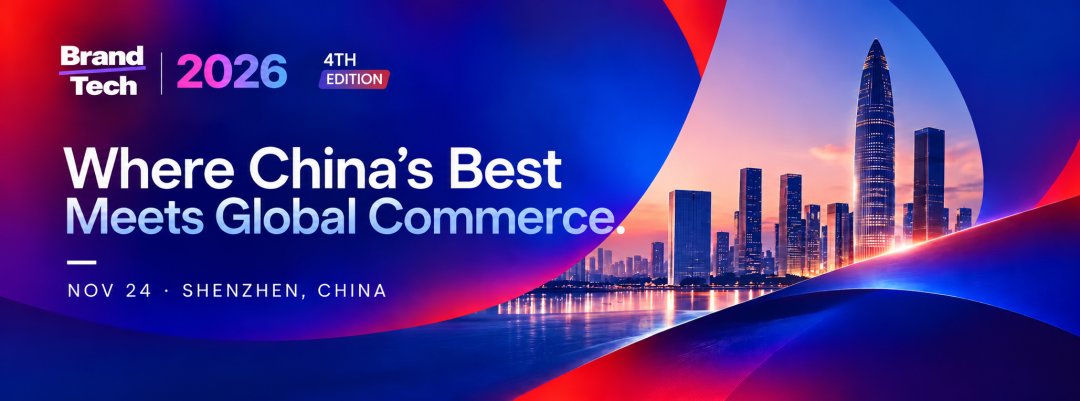
1. 时间地点为11月24日深圳福田会展中心7号馆,场馆7500㎡;第四届BrandTech 2026从单一行业峰会升级为展+会双驱模式。

2. 现场汇聚50+欧美经销商和买手、全球10+零售平台官方代表、20+全球渠道、50+海外嘉宾、30+AI原生,一天可完成行业认知升级、资源对接和人脉沉淀。

总2:实操路径是带着需求面对面谈落地

1. 品牌带需求来、渠道带采购资源来,可面对面谈品类、谈入驻、谈合作,减少邮件石沉大海和远赴海外参展的高成本低效率。

2. 六大主题展区覆盖全球平台矩阵、全链路平台生态服务商、国际优质配套服务商、AI硬件与智能Agent、DTC独立站生态、社交电商新势力;主会场解读趋势和标杆案例,平行会场研讨品牌塑造与渠道策略,闭门大师课做高密度干货交付,Launch Zone做新品首发。

3. 峰会四年迭代主线清晰:从为何出海塑牌、依托生态做强品牌、全球资源落地中国,到紧握全球零售核心通路、实现确定性增长突围。

总1:品牌出海要从卖货转向价值塑牌

1. 流量红利见顶只是表层,真正难点是本土化落地壁垒:货品出海未完成品牌扎根,远程运营难懂本土消费者真实需求与偏好,也摸不透渠道规则和文化语境,营销投入难建立品牌心智。

2. 全球渠道通路断层:传统电商内卷、获客与运营成本攀升,对接海外线下零售商、区域分销商、本土生态伙伴资源分散、对接无门,邮件难触达决策关键人。

总2:峰会提供品牌渠道建设与营销落地资源

1. 10+全球顶级零售平台官方代表并非代理或服务商,可面对面谈品类、入驻、合作;50+欧美经销商和买手、20+全球渠道、50+海外嘉宾、30+AI原生齐聚,覆盖欧美日韩头部核心渠道。

2. 六大展区含DTC独立站生态、社交电商新势力、AI硬件与智能Agent,Launch Zone助力新品首发;主会场复盘标杆品牌案例,平行会场围绕品牌塑造、渠道策略深度研讨。

3. 品牌可借精准渠道、通畅通路和核心资源人脉实现产品上架、品牌落地,完成从货品出海到品牌扎根。

总1:增长机会集中在全球零售通路和本土化需求

1. 现场有50+欧美经销商和买手、10+全球顶级零售平台官方代表、20+全球渠道、50+海外嘉宾、30+AI原生,覆盖欧美日韩头部核心渠道,可面对面谈品类、入驻和合作。

2. 六大展区覆盖全球平台矩阵、全链路平台生态服务商、国际优质配套服务商、AI硬件与智能Agent、DTC独立站生态、社交电商新势力,提供新渠道和新商业模式观察。

总2:风险与应对措施明确

1. 风险提示:流量红利见顶、传统电商平台内卷白热化、获客与运营成本持续攀升;品牌对接海外线下零售商、区域分销商、本土生态伙伴时资源分散、对接无门,跨境邮件石沉大海,远赴海外参展成本高、效率低。

2. 应对机会:11月24日深圳福田会展中心7号馆,7500㎡展+会双驱,品牌带需求来、渠道带采购资源来,精准洽谈、面对面锁定合作;主会场解读全球出海大势、复盘标杆案例,平行会场研讨品牌塑造和渠道策略,闭门大师课高密度答疑,Launch Zone做新品首发。

3. 可学习点为四年迭代主线:从价值塑牌、生态做强品牌、全球资源落地中国,到紧握全球零售核心通路实现确定性增长。

总1:产品机会在于新品首发与AI硬件等新赛道

1. 文章强调中国出海品牌不缺优质产品,稀缺的是被海外本土市场接纳、落地、扎根的能力;工厂可关注产品如何借助渠道完成上架和品牌落地。

2. 六大主题展区包含AI硬件与智能Agent、DTC独立站生态、社交电商新势力、全链路平台生态服务商、国际优质配套服务商;专属Launch Zone打造新品首发阵地,助力国货品牌抢占全球视野。

总2:数字化和电商启示是从卖货转向渠道扎根

1. 品牌出海的痛点包括本土化落地壁垒和全球渠道通路断层,远程运营难懂本土消费者真实需求与偏好,传统电商内卷、获客与运营成本攀升。

2. 峰会以展+会双驱、展会与论坛双轨并行,聚焦真实对接、精准洽谈、落地合作;50+欧美经销商和买手、10+零售平台官方代表、20+全球渠道等可让工厂观察产品需求与商业机会。

3. 可借鉴路径是借精准渠道、通畅通路和核心资源人脉,推动产品上架、品牌落地,而不是只依赖单一广告投放。

总1:行业趋势是从单一峰会走向展+会双驱和全球通路直达

1. BrandTech 2026包下7500㎡深圳福田会展中心7号馆,从单一行业峰会升级为展+会双驱,展会与论坛同步并行、双向赋能,聚焦真实对接、精准洽谈、落地合作。

2. 六大主题展区覆盖全球平台矩阵、全链路平台生态服务商、国际优质配套服务商、AI硬件与智能Agent、DTC独立站生态、社交电商新势力,体现平台生态、AI和独立站等服务机会。

总2:客户痛点与解决方案清晰

1. 客户痛点是本土化落地壁垒和全球渠道通路断层:货品出海难品牌扎根,远程运营难懂本土需求偏好、渠道规则和文化语境,营销投入难建立品牌心智;传统电商内卷、获客运营成本攀升,对接海外线下零售商、区域分销商和本土生态伙伴资源分散、对接无门。

2. 解决方案是汇聚10+全球顶级零售平台官方代表、50+欧美经销商和买手、20+全球渠道、50+海外嘉宾、30+AI原生,让品牌面对面谈品类、入驻、合作;主会场解读趋势和标杆案例,平行会场研讨品牌塑造、渠道策略,闭门大师课做高密度干货交付和深度答疑。

总1:平台需求是帮品牌打通本土市场和渠道通路

1. 中国品牌出海面临本土化落地壁垒与全球渠道通路断层,平台需要回应品牌对精准渠道、通畅通路、核心资源人脉的需求,而不只是单一广告投放。

2. 传统电商平台内卷白热化、获客与运营成本攀升,品牌又难对接海外线下零售商、区域分销商、本土生态合作伙伴,存在资源分散、对接无门的痛点。

总2:平台最新做法与招商机会在官方代表面对面

1. 10+全球顶级零售平台官方代表齐聚,涵盖欧美日韩头部核心渠道,不是代理、不是服务商,而是官方代表,可面对面谈品类、谈入驻、谈合作。

2. 峰会设六大主题展区,其中全球平台矩阵、全链路平台生态服务商、DTC独立站生态、社交电商新势力等可为平台招商和生态运营提供场景;主会场解读全球出海大势,平行会场围绕品牌塑造、渠道策略研讨。

3. 风向规避上,文章提示流量红利见顶、传统电商内卷、获客运营成本攀升,以及远程运营难懂本土消费者需求偏好、渠道规则和文化语境;平台可借7500㎡展+会双驱、精准洽谈和Launch Zone新品首发降低对接成本、提升合作确定性。

总1:产业新动向是BrandTech从峰会升级为展+会双驱

1. 第四届BrandTech 2026于11月24日落地深圳福田会展中心7号馆,包下7500㎡场馆,从单一行业峰会升级为展+会双驱,展会与论坛同步并行、双向赋能。

2. 六大主题展区覆盖全球平台矩阵、全链路平台生态服务商、国际优质配套服务商、AI硬件与智能Agent、DTC独立站生态、社交电商新势力;议程含主会场趋势解读与标杆案例复盘、平行会场品牌塑造和渠道策略研讨、闭门大师课、Launch Zone新品首发。

总2:新问题与商业模式启示集中在品牌扎根和渠道通路

1. 新问题:流量红利见顶只是表层,深层是本土化落地壁垒和全球渠道通路断层;货品出海未完成品牌扎根,远程运营难懂本土消费者真实需求与偏好、渠道规则和文化语境,营销投入难建立品牌心智;传统电商内卷、获客运营成本攀升,海外线下零售商、区域分销商、本土生态伙伴资源分散、对接无门。

2. 商业模式启示:中国出海品牌不缺优质产品,稀缺被海外本土市场接纳、落地、扎根的能力;突围不靠单一广告投放,而靠精准渠道、通畅通路、核心资源人脉。峰会四年迭代从价值塑牌、生态做强品牌、全球资源落地中国,到紧握全球零售核心通路实现确定性增长。

3. 数据线索:50+欧美经销商和买手、10+全球顶级零售平台官方代表、20+全球渠道、50+海外嘉宾、30+AI原生,可作为研究全球零售通路与AI原生创业者的观察样本。

声明:快读内容全程由AI生成,请注意甄别信息。如您发现问题,请发送邮件至 run@ebrun.com 。

我是 品牌商 卖家 工厂 服务商 平台商 研究者 帮我再读一遍。

Quick Summary

Summary 1: The summit's core information can be used directly for overseas business matching

1. The event will be held on November 24 at Hall 7 of the Shenzhen Futian Convention and Exhibition Center, with a 7,500 sqm venue; the fourth BrandTech 2026 is upgrading from a single-industry summit to a dual-driver format of exhibition plus conference.

2. The event brings together 50+ European and US distributors and buyers, official representatives of 10+ global retail platforms, 20+ global channels, 50+ overseas guests, and 30+ AI-native companies, enabling attendees to complete industry insight upgrading, resource matching, and network building in one day.

Summary 2: The practical path is to bring needs and discuss implementation face to face

1. Brands come with needs and channels come with procurement resources, allowing face-to-face discussions on categories, onboarding, and cooperation, reducing the inefficiency of unanswered emails and the high cost, low efficiency of traveling overseas to attend exhibitions.

2. Six thematic exhibition zones cover the global platform matrix, full-chain platform ecosystem service providers, high-quality international supporting service providers, AI hardware and intelligent agents, the DTC independent-site ecosystem, and new social commerce forces; the main venue will interpret trends and benchmark cases, parallel venues will discuss brand building and channel strategies, closed-door masterclasses will deliver high-density practical insights, and the Launch Zone will host new product launches.

3. The four-year evolution of the summit follows a clear main line: why go overseas and build a brand, strengthening brands through the ecosystem, landing global resources in China, and grasping core global retail channels to achieve breakthrough growth with certainty.

Summary 1: Brand globalization must shift from selling goods to value-based brand building

1. The traffic dividend ceiling is only the surface; the real difficulty is localization barriers: goods going overseas has not completed brand rooting; remote operations struggle to understand local consumers' real needs and preferences, as well as channel rules and cultural context; marketing spend struggles to build brand mindshare.

2. There is a gap in global channel pathways: traditional e-commerce is overly competitive, and customer acquisition and operating costs are rising; resources for connecting with overseas offline retailers, regional distributors, and local ecosystem partners are fragmented and hard to access, and emails rarely reach key decision-makers.

Summary 2: The summit provides resources for brand channel building and marketing implementation

1. Official representatives of 10+ top global retail platforms are not agents or service providers and can discuss categories, onboarding, and cooperation face-to-face; 50+ European and US distributors and buyers, 20+ global channels, 50+ overseas guests, and 30+ AI-native companies gather, covering core leading channels in Europe, the US, Japan, and Korea.

2. Six exhibition zones include the DTC independent-site ecosystem, new social commerce forces, and AI hardware and intelligent agents; the Launch Zone supports new product launches; the main venue reviews benchmark brand cases; parallel venues deep-dive into brand building and channel strategy.

3. Brands can use precise channels, open pathways, and core resource networks to get products listed and land their brands, completing the shift from goods going overseas to brand rooting.

Summary 1: Growth opportunities are concentrated in global retail channels and localized demand

1. On site are 50+ European and US distributors and buyers, official representatives of 10+ top global retail platforms, 20+ global channels, 50+ overseas guests, and 30+ AI-native companies, covering core leading channels in Europe, the US, Japan, and Korea, with face-to-face discussions on categories, onboarding, and cooperation.

2. Six exhibition zones cover the global platform matrix, full-chain platform ecosystem service providers, high-quality international supporting service providers, AI hardware and intelligent agents, the DTC independent-site ecosystem, and new social commerce forces, offering observations of new channels and business models.

Summary 2: Risks and responses are clear

1. Risk warning: the traffic dividend ceiling, intensifying competition on traditional e-commerce platforms, and continuously rising customer acquisition and operating costs; when brands connect with overseas offline retailers, regional distributors, and local ecosystem partners, resources are fragmented and access is difficult, cross-border emails go unanswered, and overseas exhibition participation is costly and inefficient.

2. Opportunity response: November 24 at Hall 7 of the Shenzhen Futian Convention and Exhibition Center, with a 7,500 sqm exhibition plus conference dual-driver; brands bring needs and channels bring procurement resources for precise meetings and face-to-face cooperation; the main venue interprets global overseas expansion trends and reviews benchmark cases; parallel venues discuss brand building and channel strategies; closed-door masterclasses provide high-density Q&A; the Launch Zone hosts new product launches.

3. The learning point is the four-year evolution line: from value-based brand building and strengthening brands through the ecosystem to landing global resources in China and grasping core global retail channels to achieve certain growth.

Summary 1: Product opportunities lie in new product launches and new tracks such as AI hardware

1. The article emphasizes that Chinese overseas brands do not lack quality products; what is scarce is the ability to be accepted, implemented, and rooted in overseas local markets; factories can focus on how products can use channels to complete listing and brand landing.

2. Six thematic exhibition zones include AI hardware and intelligent agents, the DTC independent-site ecosystem, new social commerce forces, full-chain platform ecosystem service providers, and high-quality international supporting service providers; the dedicated Launch Zone creates a base for new product launches, helping Chinese brands capture global visibility.

Summary 2: Digitalization and e-commerce implications: shift from selling goods to rooting through channels

1. Brand globalization pain points include localization barriers and global channel pathway gaps; remote operations struggle to understand local consumers' real needs and preferences; traditional e-commerce is overly competitive and customer acquisition and operating costs are rising.

2. The summit uses an exhibition plus conference dual-driver and a dual-track format of exhibition and forum, focusing on real matching, precise meetings, and implementation-oriented cooperation; 50+ European and US distributors and buyers, official representatives of 10+ retail platforms, 20+ global channels, and others allow factories to observe product demand and business opportunities.

3. The path to learn from is using precise channels, open pathways, and core resource networks to drive product listing and brand landing, rather than relying only on single-channel advertising.

Summary 1: The industry trend is moving from a single summit to an exhibition plus conference dual-driver and direct access to global channels

1. BrandTech 2026 has booked the 7,500 sqm Hall 7 of the Shenzhen Futian Convention and Exhibition Center, upgrading from a single-industry summit to an exhibition plus conference dual-driver; exhibition and forum run in parallel and empower each other, focusing on real matching, precise meetings, and implementation-oriented cooperation.

2. Six thematic exhibition zones cover the global platform matrix, full-chain platform ecosystem service providers, high-quality international supporting service providers, AI hardware and intelligent agents, the DTC independent-site ecosystem, and new social commerce forces, reflecting service opportunities in platform ecosystems, AI, and independent sites.

Summary 2: Client pain points and solutions are clear

1. Client pain points are localization barriers and global channel pathway gaps: goods going overseas struggle to root brands; remote operations struggle to understand local needs and preferences, channel rules, and cultural context; marketing spend struggles to build brand mindshare; traditional e-commerce is overly competitive, customer acquisition and operating costs are rising; resources for connecting with overseas offline retailers, regional distributors, and local ecosystem partners are fragmented and hard to access.

2. The solution is to bring together official representatives of 10+ top global retail platforms, 50+ European and US distributors and buyers, 20+ global channels, 50+ overseas guests, and 30+ AI-native companies, enabling brands to discuss categories, onboarding, and cooperation face-to-face; the main venue interprets trends and benchmark cases, parallel venues discuss brand building and channel strategy, and closed-door masterclasses deliver high-density practical insights and in-depth Q&A.

Summary 1: Platform needs are to help brands connect with local markets and channel pathways

1. Chinese brands going overseas face localization barriers and global channel pathway gaps; platforms need to respond to brands' demand for precise channels, open pathways, and core resource networks, not just single-channel advertising.

2. Traditional e-commerce platforms are intensely competitive, customer acquisition and operating costs are rising, and brands struggle to connect with overseas offline retailers, regional distributors, and local ecosystem partners; there are pain points of fragmented resources and inaccessible connections.

Summary 2: The latest platform practices and merchant recruitment opportunities lie in face-to-face meetings with official representatives

1. Official representatives of 10+ top global retail platforms gather, covering core leading channels in Europe, the US, Japan, and Korea; they are not agents or service providers but official representatives, able to discuss categories, onboarding, and cooperation face-to-face.

2. The summit sets up six thematic exhibition zones, among which the global platform matrix, full-chain platform ecosystem service providers, the DTC independent-site ecosystem, and new social commerce forces can provide scenarios for platform merchant recruitment and ecosystem operations; the main venue interprets global overseas expansion trends, and parallel venues discuss brand building and channel strategy.

3. On trend risk avoidance, the article highlights the traffic dividend ceiling, intense competition in traditional e-commerce, rising customer acquisition and operating costs, and the difficulty of remote operations in understanding local consumer needs and preferences, channel rules, and cultural context; platforms can use the 7,500 sqm exhibition plus conference dual-driver, precise meetings, and the Launch Zone for new product launches to reduce matching costs and increase cooperation certainty.

Summary 1: A new industry development is BrandTech upgrading from a summit to an exhibition plus conference dual-driver

1. The fourth BrandTech 2026 will take place on November 24 at Hall 7 of the Shenzhen Futian Convention and Exhibition Center, booking a 7,500 sqm venue and upgrading from a single-industry summit to an exhibition plus conference dual-driver; exhibition and forum run in parallel and empower each other.

2. Six thematic exhibition zones cover the global platform matrix, full-chain platform ecosystem service providers, high-quality international supporting service providers, AI hardware and intelligent agents, the DTC independent-site ecosystem, and new social commerce forces; the agenda includes trend interpretation and benchmark case reviews at the main venue, brand building and channel strategy discussions at parallel venues, closed-door masterclasses, and new product launches at the Launch Zone.

Summary 2: New issues and business model implications center on brand rooting and channel pathways

1. New issues: the traffic dividend ceiling is only the surface; deeper issues are localization barriers and global channel pathway gaps; goods going overseas have not completed brand rooting; remote operations struggle to understand local consumers' real needs and preferences, channel rules, and cultural context; marketing spend struggles to build brand mindshare; traditional e-commerce is overly competitive and customer acquisition and operating costs are rising; resources for overseas offline retailers, regional distributors, and local ecosystem partners are fragmented and hard to access.

2. Business model implications: Chinese overseas brands do not lack quality products; what is scarce is the ability to be accepted, implemented, and rooted in overseas local markets; breakthrough does not rely on single-channel advertising but on precise channels, open pathways, and core resource networks. The four-year evolution of the summit moves from value-based brand building and strengthening brands through the ecosystem to landing global resources in China and grasping core global retail channels to achieve certain growth.

3. Data clues: 50+ European and US distributors and buyers, official representatives of 10+ top global retail platforms, 20+ global channels, 50+ overseas guests, and 30+ AI-native companies can serve as observational samples for research on global retail channels and AI-native entrepreneurs.

Disclaimer: The "Quick Summary" content is entirely generated by AI. Please exercise discretion when interpreting the information. For issues or corrections, please email run@ebrun.com .

I am a Brand Seller Factory Service Provider Marketplace Seller Researcher Read it again.

从2023年到2026年,BrandTech峰会已经走到第四届。

首届峰会落地深圳,以“品牌×技术”为核心定调,向跨境出海行业抛出核心命题:告别单纯卖货,转向价值塑牌;第二届落地华侨城OCAT艺术中心,以“跨境·跨界”为内核,凭借策展式沉浸式体验与六大主题展区,搭建起完整的出海生态版图;第三届以“Where Global E-Commerce Meets China”为愿景,汇聚18个国家的零售商、分销商与平台方,升级为链接全球通路的核心载体。

此刻,第四届BrandTech 2026全新启幕。

中国品牌出海的环境,已经和四年前完全不同。流量红利见顶,只是最表层的行业现状。真正困住品牌的,是两大核心痛点:

其一,本土化落地壁垒。很多品牌实现了货品出海,却没能完成品牌扎根。长期依托远程运营布局海外市场,看不懂本土消费者的真实需求与消费偏好,摸不透渠道底层规则与地域文化语境。持续投入营销预算,却始终无法建立品牌心智,品牌与海外市场之间,隔着一道无法逾越的认知壁垒。

其二,全球渠道通路断层。传统电商平台内卷白热化,获客与运营成本持续攀升。品牌想要对接海外线下零售商、区域分销商、本土生态合作伙伴,却面临资源分散、对接无门的困境。跨境沟通邮件石沉大海,远赴海外参展成本高昂、效率极低,难以触达手握合作决策权的核心关键人。

归根结底,中国出海品牌从不缺优质产品,真正稀缺的,是被海外本土市场接纳、落地、扎根的能力。能让品牌真正突围的,从来不是单一的广告投放,而是精准的渠道、通畅的通路,是能助力品牌打通本土市场、实现产品上架、品牌落地的核心资源与人脉。

这正是第四届BrandTech 2026的核心价值:汇聚全球顶级渠道资源与行业核心决策者,为中国出海品牌搭建直达海外零售核心圈层的合作通道。

我们为此包下了一整座7500㎡的场馆——深圳福田会展中心7号馆。

场地扩容绝非简单的规模升级,更是峰会形态的迭代升级:BrandTech从单一行业峰会,升级为「展+会」双驱模式。除了出海趋势分享、品牌实战经验,更聚焦真实对接、精准洽谈、落地合作,让品牌带着需求来,让渠道带着采购资源来,面对面锁定合作机会。

全新双轨模式,展会与论坛同步并行、双向赋能。

六大主题展区全域覆盖全球平台矩阵、全链路平台生态服务商、国际优质配套服务商、AI硬件与智能Agent、DTC独立站生态、社交电商新势力,全方位搭建出海产业生态。

全天重磅议程同步落地:主会场解读全球出海大势、复盘标杆品牌实战案例;平行会场围绕品牌塑造、渠道策略等板块,开展细分主题深度研讨。闭门大师课高密度干货交付、深度答疑;专属Launch Zone板块打造新品首发阵地,助力国货品牌抢占全球视野。

10+全球顶级零售平台官方代表齐聚峰会现场,涵盖欧美日韩头部核心渠道。不是代理、不是服务商,而是官方代表。来到这里,你不是只听趋势,而是可以面对面谈品类、谈入驻、谈合作。

20+ 全球渠道、50+ 海外嘉宾、30+AI原生——这些数字背后,指向的是同一件事:你不用再飞往全球各个国家去找人。欧美零售商的买手、日韩平台的招商负责人、海外本地营销机构的决策者、AI领域的创业者,都将齐聚7500㎡展馆之内。一天时间,完成行业认知升级、优质资源对接、商业人脉沉淀,一站式破解品牌出海难题。

以往需要耗时半年、跨越万里才能完成的资源对接,11月24日,在BrandTech峰会现场,就能高效实现。

回望BrandTech峰会四年迭代:第一届解答“品牌为何要出海塑牌”,第二届落地“如何依托生态做强品牌”,第三届实现“全球资源落地中国”,而第四届,将助力中国品牌紧握全球零售核心通路,实现确定性增长突围。

7500㎡的场馆之内,相聚的不仅是行业同仁,更是中国品牌与全球商业之间,最贴近落地、最贴近结果的一次双向奔赴。

11月24日,深圳福田会展中心7号馆。中国最好的品牌与全球最好的零售通路,面对面。

注:文/龚作仁,文章来源:Laborer,本文为作者独立观点,不代表亿邦动力立场。

【版权提示】亿邦动力倡导尊重与保护知识产权。未经许可,任何人不得复制、转载、或以其他方式使用本网站的内容。如发现本站文章存在版权问题,烦请提供版权疑问、身份证明、版权证明、联系方式等发邮件至run@ebrun.com,我们将及时沟通与处理。

已点赞

+1

{{ praise_text }}

好文章,值得被更多人看到

FAQ回顾

BrandTech 2026是什么活动?

BrandTech 2026是第四届BrandTech峰会,将于2026年11月24日在深圳福田会展中心7号馆举办。活动包下7500㎡场馆,采用“展+会”双驱模式,汇聚全球零售平台官方代表、海外渠道和AI原生力量,帮助中国出海品牌对接全球零售通路。

中国品牌出海目前面临哪些核心痛点?

中国品牌出海主要有两大痛点:一是本土化落地壁垒,品牌实现货品出海却难以完成品牌扎根,缺乏对本土消费者需求、渠道规则和地域文化语境的理解;二是全球渠道通路断层,传统电商平台内卷、获客成本攀升,海外线下零售商和区域分销商资源分散、对接无门。

BrandTech 2026能帮助中国品牌对接哪些海外渠道资源?

BrandTech 2026汇聚10家全球顶级零售平台官方代表,涵盖欧美日韩头部核心渠道,并联动20家全球渠道、50位海外嘉宾。欧美零售商买手、日韩平台招商负责人、海外本地营销机构决策者及AI领域创业者将到场,品牌可面对面谈品类、谈入驻、谈合作。

BrandTech 2026的“展+会”双驱模式有什么特点?

BrandTech 2026从单一行业峰会升级为“展+会”双驱模式。六大主题展区覆盖全球平台矩阵、全链路平台生态服务商、国际优质配套服务商、AI硬件与智能Agent、DTC独立站生态和社交电商新势力;同期论坛解读全球出海大势、复盘标杆品牌案例,并设闭门大师课和Launch Zone新品首发。

哪些企业适合参加BrandTech 2026?

适合希望拓展海外零售渠道、破解本土化落地和渠道断层问题的中国出海品牌,尤其是消费品牌、DTC独立站、社交电商、AI硬件与智能Agent企业。需要对接全球平台官方代表、欧美线下零售商、区域分销商和本土生态合作伙伴的品牌团队,也可在峰会现场寻找合作机会。

广告

下一篇

跨境电商资源对接

《全球跨境电商服务商资源手册》第二期手册现已发布,触达更多资源,了解跨境服务商信息,欢迎点击链接下载。

了解详情

这届“多多农研” 跟草莓较个什么劲?

一颗草莓的生长,对环境有着近乎苛刻的要求。温度高了,花芽分化可能受到影响;光照不足,果实的生长和品质也会打折扣。

拼多多 未来零售 农业 农产品

2026-11-06 16:43:02