• 亿邦公众号
    • APP下载

千元国货美妆大卖:高端化是风口还是幻觉?

作者:张从容 文章来源:亿邦动力

2026-11-06 16:26

作者:张从容 文章来源:亿邦动力

2026-11-06 16:26

邦小白快读
EN
全文速览

总:千元国货美妆正从趋势变成可观察的消费选择,选购时应看真实成交价、功效证据和复购口碑,而不是只看标价和概念。

1.数据:2025年800元以上护肤品GMV增速持续超10%,购买高端美妆时国货偏好46.5%,超过欧美31.7%。

2.产品形态:次抛精华、双仓次抛、精华油胶囊、安瓶、水光面膜等;宣传集中在7至28天美白淡纹、准医美级短时功效。

3.避坑:部分品牌标价高但成交打折加赠,实价可能为标价2/3甚至1/2;有概念添加,成分占比口径可能只是复合液占比。

4.实操:关注能公开实际功效、复购率高的产品;线下可做皮肤检测、试用和护理体验;通过本地生活团购、店播老客连带了解优惠。

5.价格参考:养生堂称同等功效价格约为国际大牌1/2至1/3;植物医生核心人群心理价位400至600元,仅黑松露单品达千元。

总:千元国货高端化已有结构性增长,但品牌不能只靠标价,要在定价纪律、功效差异化、复购和线下体验上建立系统能力。

1.趋势数据:800元以上护肤品GMV增速持续超10%;消费者高端美妆国货偏好46.5%,超欧美31.7%。

2.定价渠道:养生堂ALL IN千元级且严控售价,抵制平台券破价、不与低价带货主播合作,线下经销占七成,低价流出即停供;多数品牌是在原产品线上推少量千元新品,毛戈平、自然堂、植物医生较克制。

3.产品研发:自研逆时因、山茶噬黑677、传明酸、王浆酸、PDRN等;切入大牌刺激性和美白空位,主打功效接近但更温和,价格为大牌1/2至1/3。

4.营销:传播从成分原理转向确定性功效,准医美级7至28天效果更有效;林清轩细胞自噬传播失败,改细胞级抗皱后供不应求。

5.用户:重视种子用户、达人明星持续种草、老客复购和口口相传;线下设KPI、护理体验、皮肤检测,植物医生用本地生活团购引流。

总:千元国货带来增长市场和新合作机会,但卖家要同时识别价格秩序、概念营销和线上线下冲突风险。

1.机会:800元以上护肤品GMV增速持续超10%,高端美妆国货偏好46.5%;千元价格带、温和美白、准医美短时功效、低线熟人口碑都是需求缝隙。

2.可学习:养生堂用控价、停供防窜货,拒绝平台券破价和低价主播;品牌重视复购、种子用户、达人明星多次合作、店播老客连带。

3.风险:部分标价高但打折加赠,实价低至标价2/3或1/2;存在概念添加和成分占比口径问题;低价产品会伤害线上发展,线上线下尚未一盘货。

4.合作:线下护理、皮肤检测、美容院渠道、本地生活团购券可引流;品牌对线下有KPI,销售考核线下线上绩效比可达1:10。

5.提示:选品看真实功效与复购,不只看标价和科研叙事;关注平台大促券导致国货价格劣势、被挤出排行榜。

总:千元国货热给工厂带来高端次抛、胶囊、安瓶和水光类产品的生产设计机会,也要求配合品牌做功效确定性和渠道数字化。

1.产品需求:次抛精华、双仓次抛、精华油胶囊、安瓶、眼霜、精华水乳霜、水光面膜等;成分涉及王浆酸、传明酸、山茶噬黑677、PDRN、多肽、玻色因类叙事。

2.设计方向:强调7至28天美白淡纹、14天年轻百分比、准医美级水光院线级;包装趋向小剂量、次抛、双仓和胶囊,便于保鲜与功效表达。

3.商业机会:高端国货价格带扩张,品牌自研原料和独家成分成为区分白牌的关键;工厂可围绕温和功效、美白空位、低线人群需求开发。

4.电商数字化启示:配合品牌控价防窜货,管住平台券和低价流出;用店播做老客连带,用本地生活团购把线上流量引入线下门店。

5.风险:概念添加、成分占比口径不清会反噬品牌;只做科研叙事难形成溢价,实际功效和复购才是长期订单基础。

总:千元国货美妆的客户痛点集中在功效证明、价格秩序、复购和线上线下协同,服务商可从成分、传播、渠道和体验切入。

1.趋势:800元以上护肤品GMV增速持续超10%,高端美妆国货偏好46.5%;准医美级短时功效成为2026年新品整体策略,填补平价护肤与医美项目之间空白。

2.技术成分:自研逆时因、山茶噬黑677、传明酸、王浆酸、PDRN、双仓次抛等;主打功效接近国际大牌但更温和,温和性是377的62倍等叙事。

3.客户痛点:大牌成分有刺激性,科研叙事泛化消费者听腻,标价高但实价打折,概念添加和成分占比口径引发信任问题,破价窜货和线上线下流量冲突难解。

4.解决方案:用确定性功效和短时数据传播;严控售价、停供防窜货;用种子用户、达人明星持续种草带动复购;线下做皮肤检测、试用、护理,植物医生用本地生活团购引流。

总:千元国货对平台的核心需求是价格秩序、内容种草和线上线下流量协同,平台可围绕高端国货招商与本地生活、店播运营做文章。

1.平台需求与问题:品牌要抵制平台券破价和低价主播,大促平台券令部分国货失去价格优势被挤出排行榜;电商、即时零售抢线下经销商流量,线下试线上低价买造成控价难题。

2.招商机会:800元以上护肤品GMV增速持续超10%,高端美妆国货偏好46.5%;千元国货、次抛精华、准医美级护肤、区域高端品牌可成为招商对象。

3.运营做法:帮助品牌做价格监测和防窜货,统一货盘;用店播承接老客复购和连带购买;用本地生活团购券为线下门店引流,总部买流量、门店做转化服务。

4.风向规避:警惕虚标高价再打折、概念添加、成分占比口径不清;避免低价产品伤害品牌线上发展,推动线上线下一盘货和长期口碑。

总:千元国货美妆是国货高端化的新样本,既显示结构性增长,也暴露成分标注、功效宣称、价格秩序和渠道协同的新问题。

1.产业新动向:2025年800元以上护肤品GMV增速持续超10%,高端美妆国货偏好46.5%首超欧美31.7%;国货以ALL IN千元级、原产品线推新品、噱头包装三种姿态进入。

2.商业模式:以大牌平替和功效接近更温和切入,价格为大牌1/2至1/3;抓住美白空位、低线稳定职业人群和准医美短时功效空白;靠复购、种子用户和熟人口碑形成护城河。

3.新问题:部分标价高但实价打折,存在概念添加和成分占比仅指复合液占比;科研叙事泛化、线上线下货盘未统一、平台券破价与窜货冲击价格体系。

4.政策法规启示:文章提示应关注成分标注和占比口径的透明性、准医美级和水光院线级宣称的边界、促销打折与标价一致性,以及平台大促券对价格秩序的治理。

5.研究价值:关注高端国货如何从流量首购转向长期复购,线下护理体验与本地生活引流能否成为可持续模式。

声明:快读内容全程由AI生成,请注意甄别信息。如您发现问题,请发送邮件至 run@ebrun.com 。

我是 品牌商 卖家 工厂 服务商 平台商 研究者 帮我再读一遍。

Quick Summary

Summary: The rise of thousand-yuan domestic beauty products is moving from a trend to an observable consumer choice. When buying, consumers should look at actual transaction prices, efficacy evidence, and repurchase reputation rather than list prices and marketing concepts.

1. Data: In 2025, GMV growth for skincare products priced above RMB 800 continued to exceed 10%; when purchasing high-end beauty products, 46.5% preferred domestic brands, exceeding 31.7% for European and American brands.

2. Product formats: single-use serums, dual-chamber single-use serums, serum oil capsules, ampoules, hydro-glow masks, etc.; marketing focuses on 7- to 28-day whitening and wrinkle-reduction and quasi-medical-aesthetic short-term efficacy.

3. Pitfalls: some brands set high list prices but offer discounts and gifts at transaction, so the real price may be two-thirds or even one-half of the list price; some use concept-based additions, and ingredient share figures may refer only to the share of a compound liquid.

4. Practical steps: focus on products that disclose actual efficacy and have high repurchase rates; offline, consumers can do skin testing, trials, and treatment experiences; learn about discounts through local lifestyle group buying and store livestreams targeting existing customers.

5. Price reference: Yangshengtang says the price of comparable efficacy is about one-half to one-third of international brands; DR PLANT's core customer psychological price range is RMB 400–600, with only the black truffle single product reaching RMB 1,000.

Summary: Premiumization of thousand-yuan domestic brands has achieved structural growth, but brands cannot rely on list prices alone; they need to build systemic capabilities in pricing discipline, efficacy differentiation, repurchase, and offline experience.

1. Trend data: GMV growth for skincare products above RMB 800 continued to exceed 10%; consumer preference for domestic high-end beauty brands reached 46.5%, surpassing 31.7% for European and American brands.

2. Pricing and channels: Yangshengtang is all-in on the RMB 1,000 band and strictly controls selling prices, resisting platform-coupon price disruption and refusing to work with low-price livestream sellers; offline distributors account for 70%, and supply is cut off if low-price goods flow out. Most brands launch a small number of thousand-yuan new products within existing lines; Mao Geping, Chando, and DR PLANT are more restrained.

3. Product R&D: self-developed Reverse-Time Factor, Camellia Melanin-Blocking 677, tranexamic acid, royal jelly acid, PDRN, etc.; they target gaps in irritation and whitening left by major brands, emphasizing close-to-major-brand efficacy but greater gentleness, at one-half to one-third of major-brand prices.

4. Marketing: communication is shifting from ingredient mechanisms to definite efficacy; quasi-medical-aesthetic seven- to 28-day results are more effective; Lin Qingxuan's cell autophagy messaging failed, while demand exceeded supply after it repositioned to cell-level anti-wrinkle.

5. Users: focus on seed users, sustained seeding by influencers and celebrities, existing-customer repurchase, and word of mouth; offline operations set KPIs, treatment experiences, and skin testing; DR PLANT uses local lifestyle group buying for traffic.

Summary: Thousand-yuan domestic brands create a growing market and new partnership opportunities, but sellers must simultaneously identify risks around price order, concept marketing, and online-offline conflicts.

1. Opportunities: GMV growth for skincare above RMB 800 continued to exceed 10%, and domestic preference for high-end beauty reached 46.5%; the thousand-yuan price band, gentle whitening, quasi-medical-aesthetic short-term efficacy, and word-of-mouth in lower-tier markets are demand gaps.

2. What to learn: Yangshengtang uses price control and supply cuts to prevent channel diversion, and rejects platform-coupon price disruption and low-price livestreamers; brands emphasize repurchase, seed users, repeated influencer and celebrity collaborations, and store livestream cross-selling to existing customers.

3. Risks: some products have high list prices but discounts and gifts bring real prices down to two-thirds or one-half of list; concept-based additions and ingredient-share reporting issues exist; low-price products can hurt online development, and online and offline inventory is not yet unified.

4. Cooperation: offline treatments, skin testing, beauty-salon channels, and local lifestyle group-buying vouchers can drive traffic; brands set offline KPIs, and sales assessment performance ratios between offline and online can reach 1:10.

5. Reminder: select products based on actual efficacy and repurchase, not just list price and scientific narrative; watch for platform promotion coupons that put domestic brands at a price disadvantage and push them off rankings.

Summary: The thousand-yuan domestic beauty boom creates production and design opportunities for factories in high-end single-use serums, capsules, ampoules, and hydro-glow products, while requiring them to support brands in delivering definite efficacy and channel digitalization.

1. Product demand: single-use serums, dual-chamber single-use serums, serum oil capsules, ampoules, eye creams, essence/serum/lotion/cream, hydro-glow masks, etc.; ingredients involve royal jelly acid, tranexamic acid, Camellia Melanin-Blocking 677, PDRN, peptides, and pro-xylane-type narratives.

2. Design direction: emphasize seven- to 28-day whitening and wrinkle reduction, 14-day youthfulness percentages, and quasi-medical-aesthetic, clinic-grade hydro-glow effects; packaging is trending toward small doses, single-use formats, dual chambers, and capsules to facilitate preservation and efficacy claims.

3. Commercial opportunities: the high-end domestic price band is expanding, and brands' self-developed raw materials and exclusive ingredients are key differentiators from white-label products; factories can develop around gentle efficacy, whitening gaps, and lower-tier consumer needs.

4. E-commerce digitalization implications: support brands in price control and anti-channel-diversion, manage platform coupons and low-price outflows; use store livestreams for existing-customer cross-selling and local lifestyle group buying to bring online traffic to offline stores.

5. Risks: concept-based additions and unclear ingredient-share reporting can backfire on brands; scientific narrative alone is unlikely to create premium pricing, while actual efficacy and repurchase are the basis for long-term orders.

Summary: Client pain points for thousand-yuan domestic beauty products center on efficacy proof, price order, repurchase, and online-offline coordination; service providers can enter through ingredients, communication, channels, and experience.

1. Trend: GMV growth for skincare above RMB 800 continued to exceed 10%, and domestic preference for high-end beauty reached 46.5%; quasi-medical-aesthetic short-term efficacy has become the overall strategy for 2026 new products, filling the gap between affordable skincare and medical-aesthetic procedures.

2. Technology and ingredients: self-developed Reverse-Time Factor, Camellia Melanin-Blocking 677, tranexamic acid, royal jelly acid, PDRN, dual-chamber single-use formats, etc.; products emphasize efficacy close to international major brands but gentler, with narratives such as being 62 times gentler than 377.

3. Client pain points: major-brand ingredients can be irritating, scientific narratives have become generic and consumers are tired of them, list prices are high but transaction prices are discounted, concept-based additions and ingredient-share reporting raise trust issues, and price disruption, channel diversion, and online-offline traffic conflicts are hard to resolve.

4. Solutions: communicate with definite efficacy and short-term data; strictly control selling prices and cut supply to prevent channel diversion; use seed users and sustained seeding by influencers and celebrities to drive repurchase; provide offline skin testing, trials, and treatments; DR PLANT uses local lifestyle group buying for traffic.

Summary: The core demands of thousand-yuan domestic brands on platforms are price order, content seeding, and online-offline traffic coordination; platforms can focus on high-end domestic brand recruitment, local lifestyle services, and store livestream operations.

1. Platform needs and problems: brands want to resist platform-coupon price disruption and low-price livestreamers; promotion platform coupons cause some domestic brands to lose price advantages and be pushed off rankings; e-commerce and instant retail siphon traffic from offline distributors, and offline trials followed by online low-price purchases create price-control challenges.

2. Recruitment opportunities: GMV growth for skincare above RMB 800 continued to exceed 10%, and domestic preference for high-end beauty reached 46.5%; thousand-yuan domestic brands, single-use serums, quasi-medical-aesthetic skincare, and regional high-end brands can become recruitment targets.

3. Operational approaches: help brands with price monitoring and anti-channel-diversion and unify inventory; use store livestreams to capture existing-customer repurchase and cross-selling; use local lifestyle group-buying vouchers to drive traffic to offline stores, with headquarters buying traffic and stores converting and serving customers.

4. Risk avoidance: be alert to artificially high list prices followed by discounts, concept-based additions, and unclear ingredient-share reporting; avoid low-price products that damage brands' online development, and promote unified online-offline inventory and long-term reputation.

Summary: Thousand-yuan domestic beauty products are a new sample of domestic premiumization, showing structural growth while exposing new issues in ingredient labeling, efficacy claims, price order, and channel coordination.

1. New industry dynamics: in 2025, GMV growth for skincare above RMB 800 continued to exceed 10%, and domestic preference for high-end beauty reached 46.5%, surpassing 31.7% for European and American brands for the first time; domestic brands enter through three postures: all-in on the RMB 1,000 band, launching new products within existing lines, and gimmicky packaging.

2. Business model: they position themselves as affordable alternatives to major brands with close efficacy and greater gentleness, at one-half to one-third of major-brand prices; they capture whitening gaps, stable occupational groups in lower-tier markets, and the short-term efficacy gap of quasi-medical aesthetics; they build moats through repurchase, seed users, and word-of-mouth among acquaintances.

3. New problems: some products have high list prices but discounted real prices; concept-based additions exist, and ingredient shares may refer only to the share of a compound liquid; scientific narratives are generic, online and offline inventory is not unified, and platform-coupon price disruption and channel diversion undermine the price system.

4. Policy and regulatory implications: the article suggests attention to transparency in ingredient labeling and share reporting, the boundaries of quasi-medical-aesthetic and clinic-grade hydro-glow claims, consistency between promotional discounts and list prices, and governance of platform promotion coupons' impact on price order.

5. Research value: examine how high-end domestic brands can move from traffic-driven first purchases to long-term repurchase, and whether offline treatment experiences and local lifestyle traffic acquisition can become sustainable models.

Disclaimer: The "Quick Summary" content is entirely generated by AI. Please exercise discretion when interpreting the information. For issues or corrections, please email run@ebrun.com .

I am a Brand Seller Factory Service Provider Marketplace Seller Researcher Read it again.

“手握千元预算,消费者为何选我?”千元级国货美妆做对了什么?

文丨张从容    编辑丨黄俊峰

【亿邦原创】“这么多年,一直是双位数以上的增长。”谈到养生堂YOSEIDO时,品牌主理人吴依凡的语气并不夸张。但放在一个爆品精华售价超千元、部分套组售价2700元的国货护肤品牌身上,含金量可想而知。

养生堂并非孤例。近期,一款定价超过千元的次抛精华销售额已突破亿元。同时,头部美妆公司也在继续向千元级价格带拓展:福瑞达旗下瑷尔博士推出王浆酸系列,部分套组售价在700元以上;自然堂集团旗下美素MAYSU推出双仓次抛精华,40天用量定价近900元;林清轩发布首款美白精华油,50ml售价约800元。(注:以上价格为日常售价,非大促优惠价)

国货+千元级,行业数据印证了这一新趋势。据久谦数据,2025年四个季度,800元以上护肤品GMV增速持续超10%,明显跑赢其他价格带;青眼情报则显示,2025年消费者购买高端美妆时对国货品牌的偏好度为46.5%,首次大幅超越欧美品牌的31.7%。

结构性增长是确定的。但“国货美妆崛起”,市场上已经出现多次,风口过后,还能否持续繁荣?想搞清这个问题,必须要了解“千元国货美妆”谁在做,如何做,面对国际大牌高端产品线和国内白牌中低价品,它的竞争优势何在。

国货做千元护肤的三种姿态

国货品牌做千元护肤,大致有三种姿态。

▎第一种:ALL IN,只做千元级高端

他们不只“敢卖千元”,而且“不轻易打折”。

要知道海外大牌护肤都已在打折促销。大促期间部分大额平台券只有大牌高端吃得到,导致不少国货失去价格优势而被挤出排行榜。

“讲真话,我根本不在意那个(大促)排名!”养生堂主理人吴依凡说。

养生堂严格管理售价:坚决抵制平台券导致的破价,拒绝与低价带货主播合作。对于占比七成的线下经销体系,一旦有货低价流出,立马追查,发现即停供。

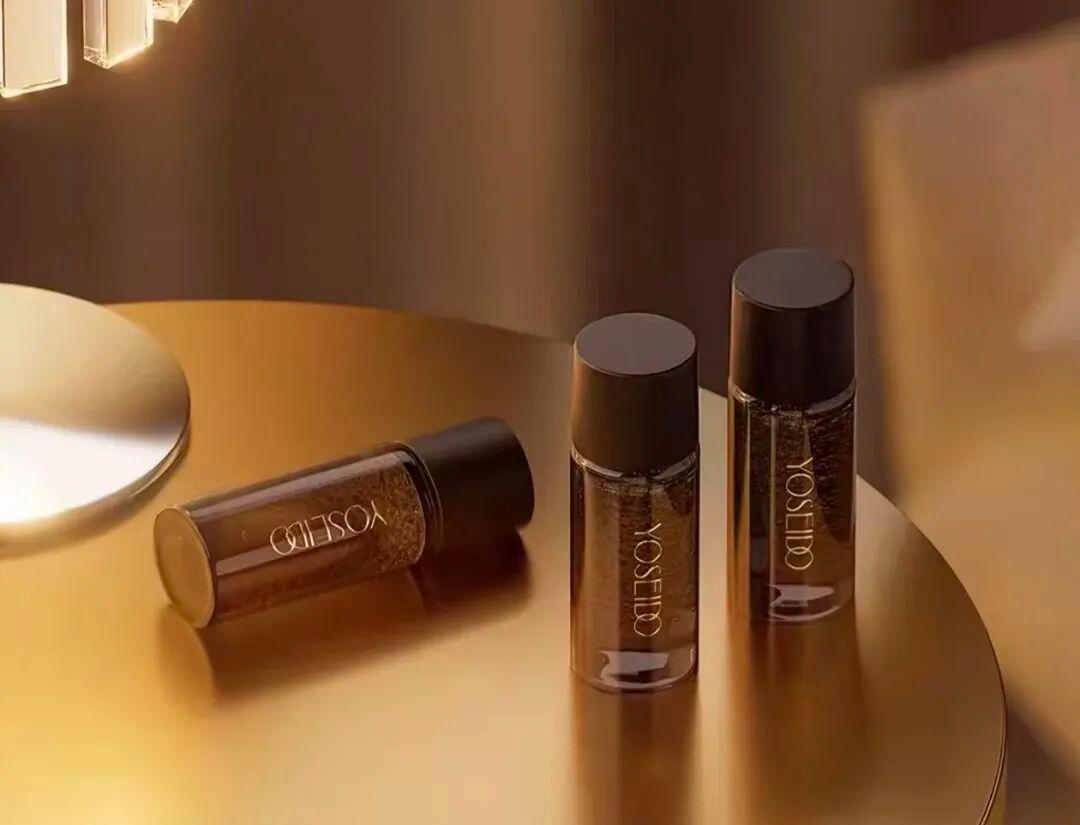
2017年开始做护肤品的养生堂,在2022年吴依凡加入后,推出第一代冬孕无水抗衰系列,跃升至千元价位;第二代添加自研成分“逆时因”,价格随之略微上调。

吴依凡称,2024年至今,养生堂客单价几乎不变。未来冬孕系列如果推出运用新技术的第三代,定价可能还会上调。
图片

图源:养生堂天猫旗舰店

▎第二种:原有产品线基础上,推出千元级新品

从业者并非都对国产贵价美妆充满信心。有品牌创始人直言:国内尚不具备国货做贵价的土壤,更适合做亲民大众的产品和品牌。行业上市龙头珀莱雅集团,目前仅推出1款千元级产品;另一龙头上美集团,则暂未进军千元档。

成功登陆资本市场的毛戈平,高端化尝试也相对克制。仍在IPO进程中的自然堂和植物医生,都未以高端化为主战略,而是通过推出少量千元级单品向上试探价格带。

自然堂旗下的千元级产品,集中于其高端品牌“美素MAYSU”。而作为集团重点的自然堂品牌,仍主打价格亲民。

植物医生创始人解勇认为,目前品牌核心消费人群的心理价位,在400元至600元。旗下仅黑松露系列单品售价达1000元。整体销售数据仍呈纺锤形。

▎第三种:以“千元级”“高端化”为噱头包装

有行业人士称,部分国货品牌标价虽高,但成交时会打折并加赠品,实价仅为标价的2/3甚至1/2。另有从业者透露“概念添加”的现象,有品牌声称添加某核心成分,实际只在一大桶中加一试管底。

千元美妆中类似现象相对收敛但仍存在。某品牌主打某种天然成分,其内部人员称,品牌向消费者公开成分占比,且该占比达两位数。然而对添加成分的注明中显示,其公布的数据只是核心成分复合液的占比,而非成分本身。

上下两端围剿,千元国货美妆如何突围

“消费者有千元级预算,为什么选我?”

最核心的关键词是:功效传递。

国货贵价美妆的对手,一类是同样高价的国际大牌,拥有更高的品牌信任度、更成熟的成分叙事;另一类是国内平价产品,同样有科研背书和功效承诺,但价格更低。

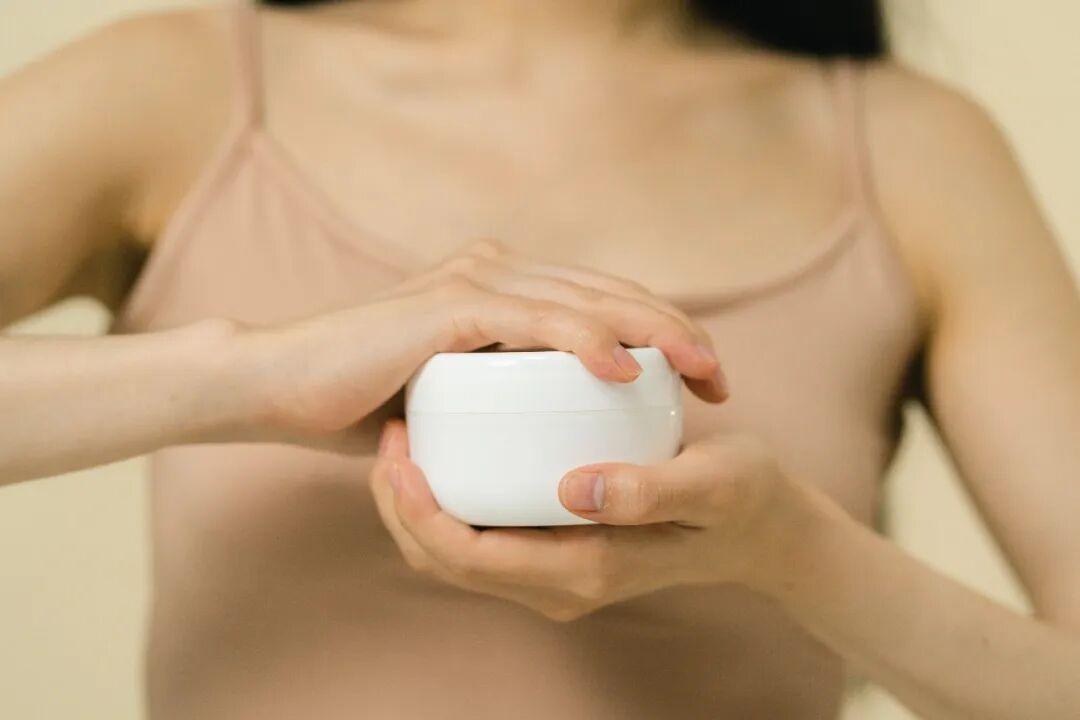
面对国际大牌,千元级国货的切入点是“功效接近,但更温和”。在成分侧,国际大牌优势明显:无论是Olay的烟酰胺、赫莲娜的玻色因,还是雅诗兰黛的二裂酵母等,大牌深耕多年,有科研基础和消费者的稳定认知。若一味卷相同成分,无异于虎口夺食。但这些功效成分,也有缺陷。
图片

以烟酰胺为例。某海外高端护肤品牌的科学传播负责人就直言,烟酰胺几乎无懈可击,但永远会留有“刺激性”这个把柄。品牌能做的只是提高纯度、减少烟酸残留。同为美白成分的377,也存在不够温和的缺陷。但温和本身又相对主观,“多温和算温和?没有那个标准”。

行业人士称,白牌的开品逻辑是对标国际大牌成分,高端国货品牌则是媲美大牌功效。“温和”这一模糊区间,创造了机会:“功效一致但适合国人肤质”,成为千元级国货对标大牌的重要话术。

“美白”也是国际大牌残留的空位。林清轩创始人孙来春提到,欧洲很多研究所并不重点做美白,美白更多面向亚洲市场,林清轩也因此在下半年陆续推出精华水、精华液、精华霜、眼霜等美白产品。核心原料山茶噬黑677,温和性是377的62倍。类似的还有美素今年的次抛精华新品,其美白成分是更温和的传明酸,全部成分低风险。

区域消费也存在缝隙和机会。不同于大牌死盯一二线城市精英,植物医生抓住了县城里收入稳定的公务员、老师、医生等人群。在解勇看来,他们在护肤上有更高的消费潜力,“上限到几千块都有可能”。

大牌“平”替,是千元级国货的传统路径。吴依凡称,保证同等功效的前提下,养生堂的价格仅为国际大牌的1/2至1/3。其目标用户,正是用遍各类品牌,有一定阅历、消费能力,且有高端护肤消费体验的女性。

而对比中端和平价国货,千元级国货的优势并不在科研或科研叙事。

解勇称,独家原料是区分品牌和白牌的关键要素,但深度科研出的好产品不一定卖高价。科研叙事已然泛化,消费者早就听“腻”,难形成强溢价。

他直言:卖出第一件,商家和顾客谁都不赚。复购才是千元国货的护城河,实际功效则是复购的决定因素。据了解,另一品牌的千元级国货产品宣称有“14天肉眼年轻2岁多”的功效,单品复购率近80%。

养生堂复购率是均值2倍以上。吴依凡认为,达人带货、明星代言,本质都是品牌的种子用户。因此,除了被种草人群的首购金额,养生堂还关注复购金额,有多少沉淀为长期用户。针对真实长期使用产品的明星和达人,会多次合作,持续种草,带动粉丝复购。

据估算,美素部分爆品复购率可达50%。次抛精华新品上线初期,也以老客下单为主。在店播中,美素已经下架了部分老爆品,仍有老客点名让主播上架太空霜;主播介绍新品与太空霜搭配更好,老客也会连带购买。

值得注意的是,解勇和吴依凡都提到了一个关键词:口口相传。解勇强调在低线城市熟人之间口口相传,好产品和品牌更容易形成口碑;吴依凡则认为,种子用户将产品推荐给亲朋好友,这种难以统计的数据更加珍贵。在电商时代乃至AI电商时代,最原始的熟人推荐,反而成为高端国货重视的一环。

“准医美”,贵价护肤的定价量尺

我曾使用过某海外品牌的高端眼霜,但效果一般。某展会现场,我恰好见到了该产品的销售,便聊起效果。得知自家产品没效果,对方上来是反问了我一大串问题:

是否有鼻炎?是否有家族遗传黑眼圈?是否坚持擦防晒?是否熬夜?是否长时间玩手机?量是不是没用够?有没有长期使用?是否搭配工具?

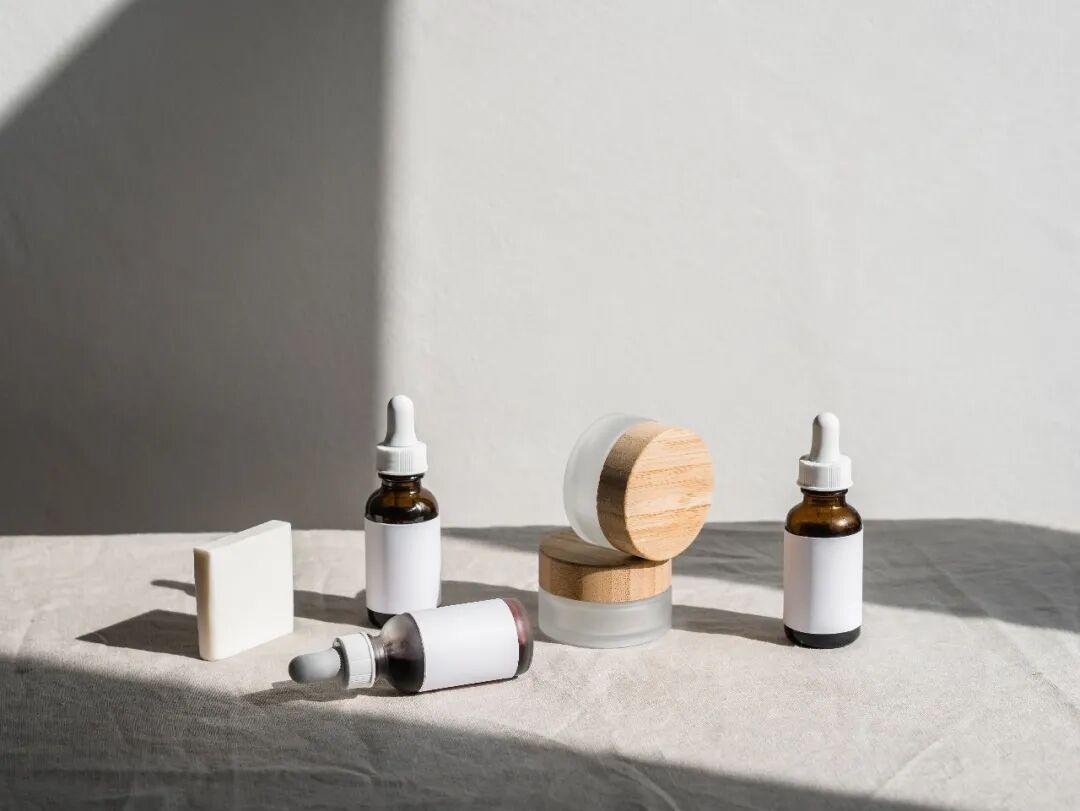
对比之下,千元级国货大多直接用功效说话:瑷尔博士王浆酸精华油胶囊,能做到14天肌肤年轻2.43岁;美素次抛安瓶,宣称“7天白一度,21天淡纹30.7%”;养生堂冬孕精华,4周减少40%以上皮肤皱纹。
图片

强调产品“准医美级”的短时强功效,已成为2026年国货护肤新品的整体策略。

如华熙生物的轻龄眼霜,宣称功效对标医美“热玛吉”项目,上海家化典萃多肽2.0奇迹瓶,宣称效果媲美肉毒针+胶原针;部分则在用词上使用“水光”“院线级”等体现功效,如颐莲的院线级水光面膜,敷尔佳PDRN水光系列使用医美注射级PDRN。更多则直接放出短时效果:7至28天,实现美白/淡纹的百分比。

敷尔佳市场营销总监李宣宣表示,目前的护肤趋势之一,是消费者希望不破皮、不打针,获得医美级效果。价格与风险双低、但功效一般的护肤品,和高风险高功效、价格数千至上万的医美项目之间,存在一定空白。

千元级国货美妆把握这一空白,品宣重点应打在“确定性”功效,而非成分或原理。

林清轩创始人孙来春分享,品牌的第四代产品,主打传播细胞自噬科学概念,但“失败得一塌糊涂”。下一代产品的传播概念改为“细胞级抗皱”,供不应求。

为了向消费者直观呈现确定性功效,千元国货大多注重线下。一种是在内部设置线下KPI,据了解,有高端品牌对员工的销售考核,线下、线上绩效要求比例甚至达到1:10。另一种与美容绑定,通过美容师手法和专业仪器,让产品达成更好效果:林清轩在线下门店提供皮肤检测、试用、护理等服务;吴依凡认为,在线下要让消费者深度尝试,要求线下直营店提供护理体验。部分品牌则逐步拓展美容院渠道。

百年前,雅诗兰黛创始人兰黛女士说:“抚摸顾客的脸,你就成功了一半”。赫莲娜创始人赫莲娜·鲁宾斯坦,在销售面霜前也会让顾客先体验。而如今的信息时代,线上线下的关系不可回避。一方面是流量,电商、即时零售,抢走了线下经销商的流量。另一方面是控价,部分国际大牌面临消费者线下试、线上低价买的尴尬处境。

流量方面,植物医生用线上本地生活服务团购券,将线上流量引入线下,相当于总部出钱买流量,门店无需花钱拓新,只负责服转化和服务。

控价方面,护肤品牌还在尝试。植物医生做过一批低价产品,只在线上销售。后来发现,这对品牌未来在线上的发展有一定伤害,于是后续逐步统一货盘。但当被问及是否“线上线下一盘货”时,品牌表示暂未实现,因为其还有庞大的经销商体系。

千元级国货护肤的起势,并非偶然。它踩中了消费者对大牌祛魅、对功效渴求、对温和期待的多重情绪,也填补了平价产品与医美项目之间的空白。但高端化并非一蹴而就,当年国际大牌从拳头产品到品牌叙事,也需要长期的口碑积累与时间沉淀,没有捷径可走。

亿邦持续追踪报道该情报,如想了解更多与本文相关信息,请扫码关注作者微信。

本文首发于 亿邦动力 官方网站

【版权提示】亿邦动力倡导尊重与保护知识产权。未经许可,任何人不得复制、转载、或以其他方式使用本网站的内容。如发现本站文章存在版权问题,烦请提供版权疑问、身份证明、版权证明、联系方式等发邮件至run@ebrun.com,我们将及时沟通与处理。

已点赞

+1

{{ praise_text }}

好文章,值得被更多人看到

FAQ回顾

国货美妆高端化是真实趋势吗?

是结构性增长。久谦数据显示,2025年四个季度800元以上护肤品GMV增速持续超10%,跑赢其他价格带;青眼情报显示,2025年消费者购买高端美妆时对国货品牌偏好度达46.5%,首次大幅超越欧美品牌的31.7%。

向千元级价格带拓展的国货护肤品牌有哪些?

包括养生堂YOSEIDO冬孕系列、福瑞达旗下瑷尔博士王浆酸系列、自然堂集团旗下美素MAYSU双仓次抛精华、林清轩美白精华油、植物医生黑松露系列;华熙生物轻龄眼霜、上海家化典萃、颐莲、敷尔佳等也在以准医美功效切入高端价格带。

千元级国货美妆如何与国际大牌竞争?

核心是功效传递:以“功效接近但更温和、适合国人肤质”为切入点,避开国际大牌已深耕的成分叙事;在保证同等功效下,养生堂价格约为国际大牌的1/2至1/3,并强调准医美级短时确定性功效,通过线下体验和护理强化效果感知。

国货品牌做千元护肤有哪几种策略?

大致三种:一是ALL IN千元级并严格控价、不轻易打折,如养生堂;二是在原有产品线上推出少量千元级新品向上试探,如美素MAYSU、植物医生黑松露系列;三是以高端化为噱头标高价,但成交时打折并加赠品,实价可能仅为标价2/3甚至1/2。

千元级国货美妆靠什么提升复购?

复购是千元国货的护城河,实际功效是决定因素,口口相传和种子用户推荐也受重视。养生堂复购率为均值2倍以上,美素部分爆品复购率可达50%,另有千元级产品宣称14天肉眼年轻2岁多、单品复购率近80%。

广告

下一篇

征集报名《品牌数字化服务商资源手册》

《品牌数字化服务商资源手册》展示数字化服务商风采,亿邦全年零售大会通发,触达更多资源,马上加入!

马上入驻

Meta出海体验中心扩展至广深:广州对接外贸制造 深圳聚焦“一人公司”

Meta联合省广集团及钛动科技分别在广州与深圳正式启动两座全新的出海体验中心。其中,Meta出海体验中心(广州)由省广集团运营,Meta 出海体验中心(深圳)由钛动科技运营。