• 亿邦公众号
    • APP下载

亮相跨境电商AI峰会,首款专为多平台跨境卖家打造的AI数字助理AllyNext正式发布

作者:王昱 文章来源:亿邦动力

2026-11-05 11:15

作者:王昱 文章来源:亿邦动力

2026-11-05 11:15

邦小白快读

EN
全文速览

总:峰会与新品发布带来跨境电商AI落地的重点信息,核心是从卖家痛点、产品能力到实操场景。

1. 活动信息:FastMoss中国首届跨境电商AI峰会在深圳落幕,原计划500人,报名超1700人,AllyNext正式发布。

2. 产品定位:AllyNext是首款面向多平台跨境卖家的AI数字助理,发布前已有100多家客户参与内测。

3. 实操方式:用户可用自然语言创建数字助理,把工作方法整理成SOP,配置Skill、MCP、知识库和长记忆,覆盖选品、内容、数据、店铺操作。

4. 典型场景:多平台实时数据分析与选品、商品标题撰写、Listing与电商图片一键生成、TikTok脚本拆解、视频生成、达人筛选与建联。

总:文章显示AI工具正进入品牌内容生产、品牌调性管理和组织经验沉淀。

1. 品牌营销:AllyNext可生成商品标题、Listing、电商图片、TikTok脚本、视频,并用于达人筛选与建联。

2. 品牌调性:知识库、会话Context和上下文管理形成企业标签体系与认知边界,调用AI时约束业务口径与品牌调性,推动全员对齐。

3. 用户与团队:通过长记忆沉淀优秀员工经验与实战打法,形成个人和企业数字资产;AI协同将人和人、人和AI、部门间协同变成赋能过程。

4. 趋势判断:未来两年变化巨大,单点平台优势不够,卖家需借AI重构组织、活化数字资产,实现复利增长;AI会放大懂AI与不懂AI的差距。

总:文章给多平台卖家展示AI提效机会,也提示组织重构与敏感决策风险。

1. 增长机会:AllyNext覆盖选品、内容、数据、店铺操作,支持多平台实时数据分析和选品、标题、Listing、图片、视频、达人建联,降低重复培训与跨平台运营依赖。

2. 痛点应对:针对招聘周期长、培训成本高、新员工上手慢、经验随人员流动流失、通用AI不专业且工具分散等问题,用垂直模型、知识库、长记忆和Skill沉淀经验。

3. 风险提示:头部卖家肖湘认为多数AI Agent上下文理解不足,卖家不敢让AI执掌利润、税务等敏感数据关键决策,仍需专人专办。

4. 合作与投入:AllyNext已内测100多家客户,将投入上亿元持续训练跨境专属模型;卖家愿为先进产能支付更高订阅费,甚至把AI技术成本与人力成本看齐。

总:文章虽聚焦跨境卖家AI助理,但对工厂做产品表达、内容素材和数字化沉淀有启示。

1. 产品与设计需求:AllyNext可一键生成Listing与电商图片、生成视频、拆解TikTok脚本,说明工厂可围绕商品展示、内容素材和视频化表达准备产品信息。

2. 商业机会:选品、多平台实时数据分析、标题撰写、达人筛选与建联等场景,可帮助工厂更贴近跨境卖家的选品与营销需求。

3. 数字化启示:企业可把优秀员工工作方法整理成SOP,再创建Skill和助理;知识库、Context、长记忆可沉淀经验,形成数据资产和统一认知边界。

4. 组织效率:AI有助于降低培训成本、缩短新人上手时间、减少经验随人员流动流失,并让跨平台运营不再完全依赖反复培训的专业人员。

总:峰会显示跨境电商AI正从通用工具走向垂直化、组织化解决方案,客户痛点和落地能力是核心。

1. 行业趋势:FastMoss中国首届跨境电商AI峰会报名超1700人,AllyNext发布前已有100多家客户内测,显示卖家对AI进入跨境业务的关注。

2. 客户痛点:招聘周期长、培训成本高、新员工上手慢;优秀员工经验难沉淀为企业资产;通用大模型专业性不足、操作复杂;AI工具分散;跨平台运营依赖专业人员反复培训。

3. 解决方案:AllyNext建立长程记忆、跨境电商垂直模型、数据底座和可共享知识库,支持自然语言创建Agent,配多个Skill与MCP,覆盖选品、内容、数据、店铺操作。

4. 落地价值:可做多平台实时数据分析与选品、标题、Listing、图片、TikTok脚本、视频、达人建联;并以知识库和Context约束业务口径与品牌调性。

总:文章体现多平台跨境卖家的运营需求正在催生AI数字助理,平台生态需要提效工具与标准化协作。

1. 平台需求与问题:卖家跨平台运营仍依赖专业人员并反复培训,AI工具分散难沉淀统一知识体系、品牌调性和业务认知边界。

2. 最新做法:FastMoss举办跨境电商AI峰会并发布AllyNext,定位首款面向多平台跨境卖家的AI数字助理;发布前100多家客户内测。

3. 运营管理:AllyNext把行业数据、Skill、数字助理、知识库与长记忆结合,支持SOP化、自然语言创建Agent,覆盖选品、内容、数据、店铺操作和多平台实时分析。

4. 风向与风险:AI将改变团队工作方式和组织治理,但多数Agent上下文理解仍不足,敏感数据关键决策仍需专人;平台生态可关注垂直模型、知识库和长记忆能力。

总:文章提供跨境电商AI垂直化、组织治理和竞争格局变化的观察样本。

1. 产业新动向:AllyNext以长程记忆、跨境电商垂直模型、数据底座、共享知识库和Skill/MCP切入多平台卖家运营,发布前有100多家内测,计划投入上亿元持续训练专属模型。

2. 新问题:通用大模型专业性与操作门槛不足、AI工具分散、经验难资产化、跨平台运营依赖人力;同时Agent上下文理解有限,敏感决策仍难交给AI。

3. 观点与商业模式:史文禄提出“问答即沉淀,协作即赋能”,对话沉淀为个人和企业数字资产,人与AI、部门间协同变成赋能;卖家可能为先进产能支付更高订阅费,甚至把AI成本与人力成本看齐。

4. 竞争启示:未来两年卖家不能靠单点平台优势,要借AI重构组织、活化数字资产形成复利增长;AI不是简单平权,而会放大懂AI与不懂AI的差距。

声明:快读内容全程由AI生成,请注意甄别信息。如您发现问题,请发送邮件至 run@ebrun.com 。

我是 品牌商 卖家 工厂 服务商 平台商 研究者 帮我再读一遍。

Quick Summary

Overall: The summit and product launch provided key signals on AI adoption in cross-border e-commerce, centered on seller pain points, product capabilities, and practical use cases.

1. Event: FastMoss's first China Cross-Border E-Commerce AI Summit concluded in Shenzhen. It was originally planned for 500 attendees but drew more than 1,700 registrations, and AllyNext was officially launched.

2. Product positioning: AllyNext is the first AI digital assistant designed for multi-platform cross-border sellers. More than 100 customers participated in beta testing before launch.

3. Operating approach: Users can create digital assistants in natural language, codify work methods into SOPs, and configure Skills, MCP, knowledge bases, and long-term memory to cover product selection, content, data, and store operations.

4. Typical scenarios: real-time multi-platform data analysis and product selection, product title writing, one-click listing and e-commerce image generation, TikTok script breakdown, video generation, and influencer screening and outreach.

Overall: The article shows that AI tools are entering brand content production, brand tone management, and organizational knowledge capture.

1. Brand marketing: AllyNext can generate product titles, listings, e-commerce images, TikTok scripts, and videos, and can be used for influencer screening and outreach.

2. Brand tone: Knowledge bases, conversational context, and context management create a company tagging system and cognitive boundaries, constraining business messaging and brand tone when AI is used and helping align the whole organization.

3. Users and teams: Long-term memory captures high-performing employees' experience and practical playbooks, forming individual and corporate digital assets. AI collaboration turns person-to-person, person-to-AI, and interdepartmental coordination into an empowerment process.

4. Trend judgment: The next two years will bring major change. A single-platform advantage will not be enough; sellers need to use AI to restructure their organizations and activate digital assets to achieve compound growth. AI will widen the gap between those who understand it and those who do not.

Overall: The article presents AI-driven efficiency opportunities for multi-platform sellers while flagging organizational restructuring and sensitive-decision risks.

1. Growth opportunities: AllyNext covers product selection, content, data, and store operations, and supports real-time multi-platform data analysis and product selection, titles, listings, images, videos, and influencer outreach. It reduces reliance on repeated training and specialized staff for cross-platform operations.

2. Pain-point response: To address long hiring cycles, high training costs, slow onboarding, experience loss when staff leave, and the lack of specialization and fragmentation of general AI tools, it uses vertical models, knowledge bases, long-term memory, and Skills to capture experience.

3. Risk warning: Top seller Xiao Xiang believes most AI agents have insufficient context understanding, and sellers are unwilling to let AI make key decisions involving sensitive data such as profit and tax. Dedicated staff are still needed for such matters.

4. Cooperation and investment: AllyNext has beta-tested with more than 100 customers and will invest more than RMB 100 million to continue training cross-border-specific models. Sellers are willing to pay higher subscription fees for advanced capabilities, and some even view AI technology costs as comparable to labor costs.

Overall: Although the article focuses on an AI assistant for cross-border sellers, it offers lessons for factories in product presentation, content assets, and digital knowledge capture.

1. Product and design needs: AllyNext can generate listings and e-commerce images in one click, generate videos, and break down TikTok scripts, suggesting that factories can prepare product information around product display, content assets, and video-based expression.

2. Business opportunities: Product selection, real-time multi-platform data analysis, title writing, and influencer screening and outreach can help factories get closer to cross-border sellers' product-selection and marketing needs.

3. Digitalization lessons: Companies can codify high-performing employees' work methods into SOPs and then create Skills and assistants. Knowledge bases, context, and long-term memory can capture experience, form data assets, and establish unified cognitive boundaries.

4. Organizational efficiency: AI can help reduce training costs, shorten onboarding time, prevent experience loss when staff leave, and make cross-platform operations less dependent on repeatedly trained specialists.

Overall: The summit shows that AI in cross-border e-commerce is moving from general-purpose tools to vertical, organization-level solutions, with customer pain points and implementation capability as the core.

1. Industry trend: FastMoss's first China Cross-Border E-Commerce AI Summit drew more than 1,700 registrations, and AllyNext had more than 100 customers in beta before launch, indicating seller interest in bringing AI into cross-border operations.

2. Customer pain points: Long hiring cycles, high training costs, and slow onboarding; difficulty turning high-performing employees' experience into corporate assets; insufficient specialization and complex operation of general large models; fragmented AI tools; and cross-platform operations that rely on specialists and repeated training.

3. Solution: AllyNext builds long-term memory, cross-border e-commerce vertical models, a data foundation, and shareable knowledge bases. It supports natural-language agent creation, equipped with multiple Skills and MCP, covering product selection, content, data, and store operations.

4. Implementation value: It can handle real-time multi-platform data analysis and product selection, titles, listings, images, TikTok scripts, videos, and influencer outreach, while using knowledge bases and context to constrain business messaging and brand tone.

Overall: The article reflects how multi-platform cross-border sellers' operational needs are spawning AI digital assistants, and how platform ecosystems need efficiency tools and standardized collaboration.

1. Platform needs and problems: Sellers' cross-platform operations still depend on specialists and repeated training. AI tools are fragmented and make it difficult to build a unified knowledge system, brand tone, and business cognitive boundaries.

2. Latest move: FastMoss held the Cross-Border E-Commerce AI Summit and launched AllyNext, positioned as the first AI digital assistant for multi-platform cross-border sellers. More than 100 customers beta-tested it before launch.

3. Operations management: AllyNext combines industry data, Skills, digital assistants, knowledge bases, and long-term memory, supports SOP-based and natural-language agent creation, and covers product selection, content, data, store operations, and real-time multi-platform analysis.

4. Direction and risks: AI will change how teams work and how organizations are governed, but most agents still have insufficient context understanding, and key decisions involving sensitive data still require dedicated staff. Platform ecosystems can focus on vertical models, knowledge bases, and long-term memory capabilities.

Overall: The article provides a case for observing verticalization of AI in cross-border e-commerce, organizational governance, and changes in the competitive landscape.

1. New industry development: AllyNext enters multi-platform seller operations with long-term memory, cross-border e-commerce vertical models, a data foundation, shareable knowledge bases, and Skills/MCP. It had more than 100 beta customers before launch and plans to invest more than RMB 100 million to continue training dedicated models.

2. New problems: General large models lack specialization and have high operating barriers; AI tools are fragmented; experience is hard to turn into assets; cross-platform operations depend on manpower. At the same time, agents have limited context understanding, and sensitive decisions are still difficult to hand over to AI.

3. Viewpoint and business model: Shi Wenlu proposes that Q&A becomes knowledge accumulation and collaboration becomes empowerment. Conversations become individual and corporate digital assets, and coordination between people and AI and across departments becomes an empowerment process. Sellers may pay higher subscription fees for advanced capabilities and may even treat AI costs as comparable to labor costs.

4. Competitive implications: In the next two years, sellers cannot rely on a single-platform advantage. They need to use AI to restructure organizations and activate digital assets to achieve compound growth. AI does not simply level the playing field; it widens the gap between those who understand AI and those who do not.

Disclaimer: The "Quick Summary" content is entirely generated by AI. Please exercise discretion when interpreting the information. For issues or corrections, please email run@ebrun.com .

I am a Brand Seller Factory Service Provider Marketplace Seller Researcher Read it again.

【亿邦原创】日前,FastMoss中国首届跨境电商AI峰会暨AllyNext新品发布会在深圳落幕。据悉,本次活动汇集了中国头部投资人、出海大卖、品牌方以及行业机构等跨境电商生态关联方,共同探讨AI如何进入跨境业务、改变团队的工作方式。大会盛况空前,原计划500人的活动,最终报名人数超过1700人。

本次大会的核心成果之一,是AllyNext作为首款面向跨境电商的AI数字助理的正式发布。

发布会上,AllyNext&FastMoss创始人史文禄亲临现场并发表演讲:“依托公司在美国和中国的产业力量,历时5个月,AllyNext建立了底层长程记忆、跨境电商独有的垂直模型、独有的数据底座,以及卖家企业中可以共享、沉淀的知识库。我们要做的,是成为全球电商卖家的跨境助理智能体。”

据现场介绍,AllyNext在正式发布前,已有100多家客户参与内测。围绕跨境业务,AllyNext将行业数据、Skill(技能)、数字助理、知识库与长记忆结合起来。运营可以把自己的工作方法整理成SOP,说明需要什么资料、按什么步骤执行、达到什么标准,再创建对应的技能和助理。

具体而言,AllyNext瞄准的是跨境电商运营链路中组织能力与智能化建设所面临的多重制约:

招聘周期长、培训成本高且新员工上手慢,影响团队更替节奏;

优秀员工积累的专业经验难以转化为企业数据资产与组织资产,人员流动即造成经验流失;

现有AI大模型偏向通用场景,在跨境电商领域的专业性不足,缺乏跨境电商专属底层模型与电商数据支撑,且操作复杂、配置门槛高;

员工使用的AI工具分散,难以沉淀为统一的知识体系、品牌调性与业务认知边界,无法沉淀为企业级的数字资产;跨平台运营仍需依赖专业人员并反复培训,业务认知难以摆脱对人力的依赖。
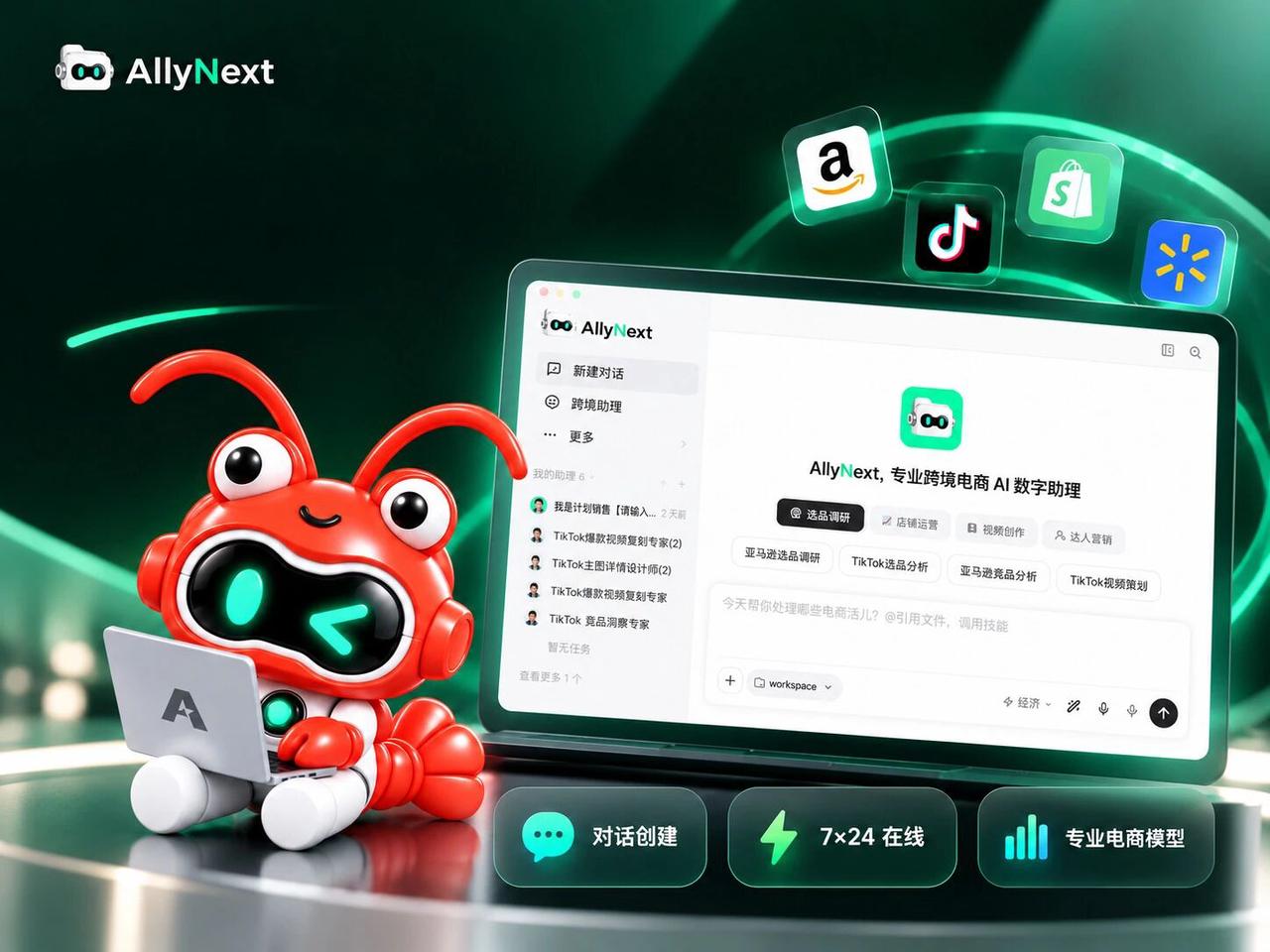
面向上述痛点场景,AllyNext构建了针对性的核心能力。

其支持用户通过自然语言对话创建专业跨境电商数字助理(Agent),并配备多个专业Skill与MCP,高度匹配跨境电商业务生态,覆盖选品、内容、数据、店铺操作等环节。

此外,AllyNext还改变了跨境团队的经验积累方式。它支持AI自动化沉淀企业优秀员工的专业经验与实战打法,构建数据资产,并更好地赋能其他员工。这一功能依托AllyNext的核心组件——即对使用者业务偏好的长记忆能力。

同时,AllyNext知识库与会话中的Context还能形成上下文管理,形成企业独特的标签体系与认知边界,在调用AI时保证业务口径与品牌调性的全员对齐约束。

在发布会上,史文禄演示了多个典型卖家场景的应用,例如多平台实时数据分析与选品、商品标题撰写、Listing与电商图片一键生成、TikTok脚本拆解、视频生成、达人筛选与建联等。
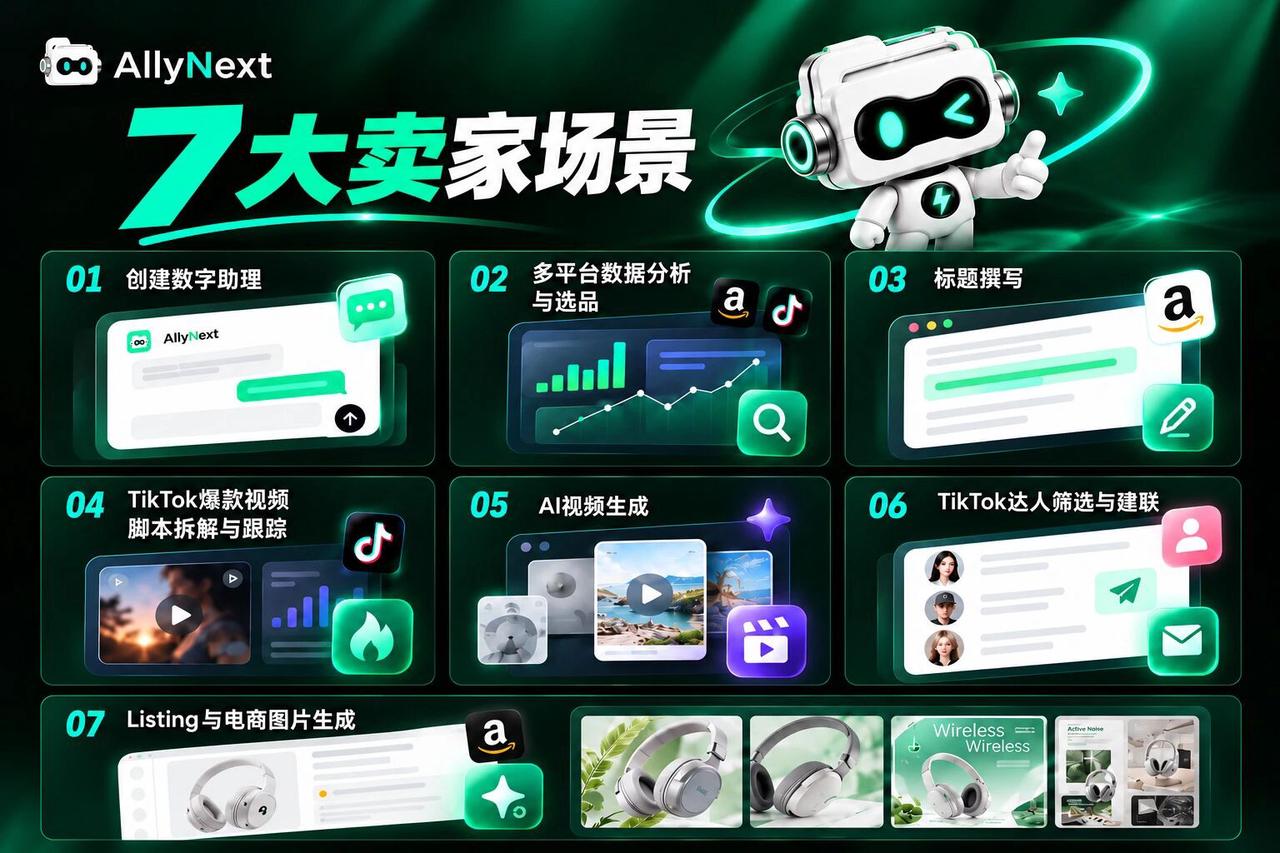
“很多卖家在用一些AI工具撰写标题。但你会发现,即便是ChatGPT写出来的标题,虽然非常华丽,却连亚马逊有标题字符限制这样的基本红线都不知道。AllyNext的区别在于,写出来的标题懂你的业务。只需用过一次,下次进入时,你不需要告诉它你是谁,也不需要告诉它你是哪个品牌,就可以自动生成实用的标题。因为我们的知识库、上下文和Context已经帮你做好了管理。”史文禄以标题生成为例,阐述了AllyNext专精跨境电商运营场景的独特价值。

“我们希望让卖家过去正确的做法,在正确的时候重现。”他表示。

在会上,史文禄还就AI如何改变跨境电商行业的未来局势发表了诸多观点。

“问答即沉淀,协作即赋能。”他指出,AI将重塑企业内部的治理模式。“每次在AI工具里的对话,都应该沉淀成个人的数字资产、企业的数字资产。未来企业里的人和人、人与AI、部门和部门之间的协同,都会变成个体对另一个个体的赋能过程,最终拉齐组织内从业者共同的协作水平。”

面向行业竞争,史文禄指出,AI在C端引发的剧变,将很快传导至B端的供给端和卖家的组织方式中。

“未来两年会出现巨大变化。卖家能否在竞争中幸存,一定不再依靠‘亚马逊做得好’、‘TikTok做得好’、‘美区做得好’这样的单点优势,而是取决于能否抓住短暂的窗口期,借助AI工具重构组织、活化内部数字资产,撬动可持续的复利增长。”他表示,“当企业真的使用AI时,你会发现AI带来的并不是简单的平权效应,而是放大真正懂AI和不懂AI之间的差距。”

大会现场,亿邦还采访了大会特邀嘉宾、Temu多类目头部大卖肖湘。他从卖家视角出发,就AI应用将如何深刻影响跨境电商行业等话题分享了自己的见解。

“从历史周期看,这是生产工具的时代更迭,卖家要做的是拥抱变化并彻底理解它。正是因为AI仍处在快速成长的早期,很多应用尚不成熟,创业公司才有机会弯道超车。如果行业很成熟,创业公司反而没有机会。”他表示。“没有AI的横空出世,我可能不会出来跨行创业,公司也不可能在人力极少的情况下快速跻身为大卖。”

另一方面,他也对以AllyNext为代表的生产力工具提出了自己的期许。

“现在大多数AI Agent产品对上下文的理解还存在问题,所以卖家还不太敢让AI执掌涉及敏感数据的关键决策,比如产品应保留多少利润、税务申报流程能否自助化等。这类事务仍需专人专办,对真人员工的依赖较重。”肖湘坦言。“未来,如果AI工具的上下文记忆窗口更大、企业历史数据的复用效率足够高、综合决策能力更强,很多工作就可以交给它;为了先进产能,我们也愿意支付更高的订阅费用,甚至把AI技术成本与普通人力成本看齐。”

针对卖家期待AI工具持续进化的诉求,AllyNext官方还透露,目前,AllyNext的模型基于跨境电商数据自主训练。接下来,其将投入上亿元持续训练跨境电商专属模型,并在长程记忆、长程任务、RSI等方向不断加强,帮助更多卖家优化运营。


亿邦持续追踪报道该情报,如想了解更多与本文相关信息,请扫码关注作者微信。

本文首发于 亿邦动力 官方网站

【版权提示】亿邦动力倡导尊重与保护知识产权。未经许可,任何人不得复制、转载、或以其他方式使用本网站的内容。如发现本站文章存在版权问题,烦请提供版权疑问、身份证明、版权证明、联系方式等发邮件至run@ebrun.com,我们将及时沟通与处理。

已点赞

+1

{{ praise_text }}

好文章,值得被更多人看到

FAQ回顾

AllyNext是什么?它能帮跨境电商卖家做什么?

AllyNext是首款面向跨境电商的AI数字助理,由AllyNext&FastMoss创始人史文禄在深圳发布。它建立了长程记忆、跨境电商垂直模型、数据底座和可共享知识库,支持用自然语言创建数字助理,配备覆盖选品、内容、数据、店铺操作等环节的Skill与MCP,可完成多平台数据分析、标题撰写、Listing与图片生成、TikTok脚本拆解、视频生成、达人筛选建联等工作。

跨境电商团队在应用AI时普遍面临哪些痛点?

主要包括:招聘周期长、培训成本高、新员工上手慢,影响团队更替节奏;优秀员工的经验难以转化为企业数据资产,人员流动即造成经验流失;通用大模型缺乏跨境电商专业性和专属数据支撑,操作复杂、配置门槛高;员工使用的AI工具分散,难以沉淀统一知识体系与品牌调性;跨平台运营仍依赖专业人员并需反复培训。

AllyNext和ChatGPT等通用AI工具在跨境电商场景下有什么区别?

区别在于专精跨境电商业务。史文禄以标题生成为例指出,ChatGPT写出的标题虽然华丽,却不知道亚马逊有标题字符限制这类基本红线;AllyNext写出的标题懂卖家业务,且依托知识库、上下文和Context管理,用户用过一次后,下次无需再告知身份和品牌即可自动生成实用标题。其模型基于跨境电商数据自主训练。

跨境卖家如何把优秀运营的经验沉淀成企业数字资产?

运营可把自己的工作方法整理成SOP,说明需要什么资料、按什么步骤执行、达到什么标准,再在AllyNext中创建对应技能和助理。AllyNext支持AI自动化沉淀优秀员工的专业经验与实战打法,依托长记忆能力记录使用者业务偏好,并通过知识库与会话Context形成企业标签体系和认知边界,保证业务口径与品牌调性全员对齐。

AI会如何改变跨境电商卖家的组织方式和行业竞争格局?

史文禄提出“问答即沉淀,协作即赋能”,认为AI对话应沉淀为个人和企业的数字资产,人与AI、部门间的协同将变成个体赋能个体。他判断未来两年行业将发生巨大变化,卖家不能只靠单一平台或单一市场的优势,而要在窗口期借助AI重构组织、活化数字资产;AI不会简单平权,而会放大懂AI与不懂AI之间的差距。

广告

下一篇

跨境电商资源对接

《全球跨境电商服务商资源手册》第二期手册现已发布,触达更多资源,了解跨境服务商信息,欢迎点击链接下载。

了解详情

Wayfair Q3营收同增9.7%至34.2亿美元 活跃客户规模涨到2220万

Wayfair Q3营收34.2亿美元增9.7%,扭亏为盈净赚6200万美元,美国市场双位数增长,靠抢份额与促销策略创疫情以来最强增速。

跨境电商 零售商 家居 家具

2026-11-05 11:08:03