• 亿邦公众号
    • APP下载

重返百亿之后 国民女装拉夏贝尔开启新一轮增长

作者:龚作仁 文章来源:Laborer

2026-09-29 12:04

作者:龚作仁 文章来源:Laborer

2026-09-29 12:04

邦小白快读

EN
全文速览

总:对普通读者来说,这篇文章的重点是拉夏贝尔已重返百亿级规模,并开始用产品升级回应消费者的真实需求。

1. 品牌获得全国时尚女装领导品牌和全国女裤销量第一两项认证,说明其市场地位重新回到行业头部。

2. 三季羽绒服提出一件穿三季,主打好看、轻量、百搭,通过轻量结构、可拆组合和叠穿进入秋冬春场景,让羽绒服不再只是最冷时穿的衣服。

3. 拉夏鲜羽把羽绒新鲜度变成可感知的标准,强调0至6小时原料采集、4℃冷链运输、48至72小时黄金加工窗口,最终达到更轻、更蓬、更净、更少异味。

总:线下渠道扩展让消费者有更多机会体验品牌。

1. 主品牌La Chapelle线下已有200家门店,仅10月就新开30家,La Chapelle CITY在营129家,未来5年计划达到2000家。

2. 品牌还在机场、高铁等场景投放广告,城市级曝光增强,消费者接触品牌更频繁。

总:从品牌营销看,拉夏贝尔正在用设计资源和权威认证建立差异化。

1. 全球海量设计师战略不再只是联名,而是把全球设计资源转化为版型、色彩、面料、结构和商品开发能力,国际设计师参与羽绒产品设计即是落地例证。

2. 尚普咨询认证与机场高铁广告投放形成组合,既增强品牌可信度,也提高城市公共空间中的曝光。

总:渠道建设层面,线下被当成长期品牌资产来经营。

1. 主品牌200家门店进入密集开店期,La Chapelle CITY在营129家,主打A级核心市场和城市中心商场,单店面积多为150至180平方米。

2. La Chapelle HOME千平方米门店和未来5年2000家门店规划,显示品牌通过统一终端形象累积长期价值。

总:产品研发和消费趋势方面,三季羽绒服和拉夏鲜羽提供了可参考的打法。

1. 三季羽绒服回应消费者对实穿价值的追求,用轻量结构、可拆组合和丰富叠穿场景延长销售周期,扩大搭配和货盘空间。

2. 拉夏鲜羽把传统隐藏在供应链的品质能力标准化、显性化,解决消费者对羽绒品质的信任问题。

总:这篇文章有值得卖家学习的新商业模式和增长机会。

1. BMS+D模式以品牌为枢纽,连接制造、销售与设计,通过专业化分工形成生态,避免了传统服装企业设计生产库存销售全自营的重资产模式。

2. 三季羽绒服把商品周期从冬季延伸到秋冬春,正好切中更长销售周期、更丰富搭配场景和更大货盘延展的增长市场。

总:消费需求变化中隐含着机会。

1. 消费者购买羽绒服的核心问题从最冷时穿什么变成一件羽绒服一年能穿多少次,实穿好搭成为新的需求锚点。

2. 全国女裤销量第一和未来5年2000家门店目标,提示女裤与线下渠道相关的供应链、分销都存在合作空间。

总:事件应对和风险提示同样值得关注。

1. 拉夏贝尔司法重整后,先恢复经营秩序,再重构商业模式,最终重建百亿生态,这种处理顺序可以作为危机应对的参考。

2. 文章也隐含着风险信号:规模重建后如果没有品牌差异化,消费者持续选择的原因依然缺失,卖家应避免只做规模不做品牌。

总:制造企业能从拉夏贝尔的BMS+D模式中看到新的协同关系。

1. BMS+D把制造端与品牌、销售、设计连接起来,工厂不再只是孤立接单,而是参与一个需要专业分工和产业协同的生态。

2. 拉夏鲜羽把供应链能力标准化,包括0至6小时原料采集、4℃冷链运输、48至72小时黄金加工窗口,制造端需要匹配这些更高标准。

总:产品设计变化带来明确的生产和工艺需求。

1. 三季羽绒服强调轻量结构、可拆组合和单穿、套穿、叠穿,工厂需要在新版型、新工艺上配合。

2. 国际设计师参与产品设计,要求工厂能够承接高端女装设计在版型比例、色彩和面料上的落地要求。

总:渠道扩张意味着订单机会。

1. 主品牌线下已有200家门店并密集开店,未来5年目标2000家,对货品规模、稳定供货提出持续需求。

2. 羽绒产品最终要落到更轻、更蓬、更净、更少异味,检测和品控也会成为工厂的竞争点。

总:从行业趋势看,服装品牌正从规模竞争走向品牌价值竞争。

1. BMS+D模式通过品牌、制造、销售、设计的分工协同重建百亿规模,可作为服务商服务服装客户的模式样板。

2. 羽绒服竞争不再只比厚度、暖度和参数,而是比使用场景和穿着频率,说明行业需要从产品生命周期角度做方案。

总:客户痛点和相应解决方案非常明确。

1. 规模重建后,品牌面对的新问题是消费者为什么持续选择,以及长期差异化在哪里,服务商可围绕品牌定位和商品体系提供解决思路。

2. 三季羽绒服解决怎么穿的问题,拉夏鲜羽解决品质是否可信的问题,设计师解决好不好看的问题,构成一个完整的问题拆解框架。

总:供应链和渠道能力也可以转化为服务产品。

1. 拉夏鲜羽把0至6小时采集、冷链运输、黄金加工窗口等供应链标准变成消费者听得懂的语言,这种从产业语言到消费语言的转化方法可复制。

2. 线下门店密集扩张和机场高铁投放,说明服务商需要同时考虑终端体验、广告投放和渠道管理的一体化。

总:拉夏贝尔的线下扩张计划为商业平台带来直接的招商机会。

1. 主品牌La Chapelle线下已有200家门店,10月新开30家,未来5年计划达到2000家,商场可关注拓店节奏。

2. La Chapelle CITY在营129家,重点布局A级核心市场和城市中心商场,单店面积多为150至180平方米,适合匹配核心楼层和客流位置。

总:品牌正在探索更大体量业态,平台可提供相应场景。

1. La Chapelle HOME千平方米门店已在南宁、九江落地,需要城市级商业空间承载品牌展示和品类延展。

2. 多地标杆门店单日业绩突破2万元,说明这类品牌能为商场带来销售额和品牌形象双重价值。

总:平台商还可以从流量和运营角度与品牌合作。

1. 品牌在机场、高铁等核心交通场景投放广告,可引导城市客流进入门店,商场可考虑与品牌开展场景联动。

2. BMS+D模式要求销售端与品牌、制造、设计协同,平台商需要关注品牌对统一终端形象和高效运营的要求,及时优化配套服务。

总:拉夏贝尔重返百亿提供了一种产业组织新动向。

1. BMS+D模式以品牌为枢纽连接制造、销售与设计,以专业化分工替代全链条自营,为服装产业组织研究提供案例。

2. 尚普咨询授予的全国时尚女装领导品牌和全国女裤销量第一,可作为观察品牌市场占有率和品类地位的参考。

总:品牌价值重建路径值得深入拆解。

1. 全球海量设计师战略强调把设计资源转化为商品开发全流程能力,探索品牌差异化从定位到产品落地的机制。

2. 三季羽绒服和拉夏鲜羽分别从使用场景和品质信任两个维度推动品类创新,展示产品体系如何承接品牌战略。

总:渠道和增长逻辑也提供了新的研究问题。

1. 未来5年2000家线下门店规划将渠道视为长期品牌资产,可研究实体门店在品牌价值累积中的作用。

2. 从规模增长走向品牌增长,提示研究者在关注企业收缩与恢复时,应同时关注问题转换:规模重建后的下一个命题如何被定义和解决。

声明:快读内容全程由AI生成,请注意甄别信息。如您发现问题,请发送邮件至 run@ebrun.com 。

我是 品牌商 卖家 工厂 服务商 平台商 研究者 帮我再读一遍。

Quick Summary

Overall: For general readers, this article focuses on La Chapelle having returned to the RMB 10 billion scale and begun using product upgrades to respond to consumers' real needs.

1. The brand received two certifications — national leading fashion women's wear brand and No. 1 in national women's trousers sales — indicating that its market position is back among the industry leaders.

2. The three-season down jacket proposes wearing one jacket across three seasons, emphasizing good looks, lightness, and versatility. Through lightweight construction, detachable combinations, and layered styling, it enters autumn, winter, and spring scenarios, so down jackets are no longer only for the coldest days.

3. La Chapelle Fresh Down turns down freshness into a perceptible standard, emphasizing raw-material collection within 0-6 hours, cold-chain transport at 4°C, and a 48-72 hour golden processing window, ultimately delivering lighter, fluffier, cleaner down with less odor.

Overall: Offline channel expansion gives consumers more opportunities to experience the brand.

1. The main La Chapelle brand already has 200 offline stores, with 30 new stores opened in October alone. La Chapelle CITY has 129 stores in operation, and the five-year plan is to reach 2,000 stores.

2. The brand is also placing ads in airports, high-speed rail stations, and other scenarios, increasing city-level exposure and giving consumers more frequent brand touchpoints.

Overall: From a brand marketing perspective, La Chapelle is building differentiation through design resources and authoritative certifications.

1. The strategy of leveraging a vast global designer pool is no longer limited to co-branding. It converts global design resources into capabilities in pattern-making, color, fabrics, structure, and product development; international designers participating in down-product design is a concrete example.

2. The combination of Shangpu Consulting certification and airport/high-speed rail advertising strengthens brand credibility while increasing exposure in urban public spaces.

Overall: In channel development, offline stores are being treated as long-term brand assets.

1. The main brand's 200 stores are entering a period of intensive expansion. La Chapelle CITY has 129 stores in operation, focused on A-level core markets and downtown malls, with most stores ranging from 150 to 180 square meters.

2. La Chapelle HOME's thousand-square-meter stores and the 2,000-store target over five years show that the brand is accumulating long-term value through a consistent store image.

Overall: In product R&D and consumer trends, the three-season down jacket and La Chapelle Fresh Down offer practical playbooks.

1. The three-season down jacket responds to consumers' pursuit of practical wear value, using lightweight construction, detachable combinations, and abundant layering scenarios to extend the sales cycle and expand styling options and assortment capacity.

2. La Chapelle Fresh Down standardizes and makes visible the quality capabilities traditionally hidden in the supply chain, addressing consumer trust in down quality.

Overall: This article offers sellers new business models and growth opportunities worth studying.

1. The BMS+D model makes the brand the hub connecting manufacturing, sales, and design. Through specialized division of labor, it forms an ecosystem and avoids the asset-heavy model of full self-operation in design, production, inventory, and sales that traditional apparel companies follow.

2. By extending the product cycle from winter to autumn, winter, and spring, the three-season down jacket directly targets the growth opportunity created by longer selling seasons, richer styling scenarios, and a broader assortment.

Overall: Consumer demand changes imply clear opportunities.

1. The core question in buying a down jacket has shifted from what to wear in the coldest days to how many days a year a single down jacket can be worn, making practicality and easy styling the new demand anchor.

2. The No. 1 ranking in national women's trousers sales and the five-year target of 2,000 stores suggest cooperation space in supply chain and distribution related to women's trousers and offline channels.

Overall: The way the company handled the crisis and the risk signals are also worth attention.

1. After judicial reorganization, La Chapelle first restored operational order, then rebuilt its business model, and finally reconstructed the 10-billion-yuan ecosystem. This sequence can serve as a reference for crisis response.

2. The article also implies a risk: after scale is rebuilt, if brand differentiation is missing, consumers will still lack a reason to keep choosing the brand. Sellers should avoid focusing only on scale without building brand equity.

Overall: Manufacturers can see new collaboration dynamics in La Chapelle's BMS+D model.

1. BMS+D connects manufacturing with brand, sales, and design, so factories are no longer isolated order takers. Instead, they participate in an ecosystem that requires specialized division of labor and industrial coordination.

2. La Chapelle Fresh Down standardizes supply-chain capabilities, including raw-material collection within 0-6 hours, cold-chain transport at 4°C, and a 48-72 hour golden processing window, and manufacturers need to meet these higher standards.

Overall: Product design changes bring clear production and process requirements.

1. The three-season down jacket emphasizes lightweight construction, detachable combinations, and options for wearing it alone, over other pieces, or in layers, so factories need to support new patterns and new processes.

2. With international designers involved in product design, factories must be able to execute high-end women's wear design requirements in pattern proportions, colors, and fabrics.

Overall: Channel expansion means order opportunities.

1. The main brand already has 200 offline stores and is opening new ones intensively, with a five-year target of 2,000, creating sustained needs for merchandise volume and stable supply.

2. Down products ultimately need to be lighter, fluffier, cleaner, and less odorous, so testing and quality control will become competitive points for factories.

Overall: In terms of industry trends, apparel brands are moving from scale competition to brand-value competition.

1. The BMS+D model rebuilds a 10-billion-yuan scale through coordinated division of labor among brand, manufacturing, sales, and design, and can serve as a model for service providers serving apparel clients.

2. Down jacket competition is no longer only about thickness, warmth, and specs; it is now about use scenarios and wearing frequency, which means the industry needs solutions designed from a product-lifecycle perspective.

Overall: Client pain points and their corresponding solutions are very clear.

1. After scale reconstruction, the new questions are why consumers continue to choose the brand and where long-term differentiation lies. Service providers can address these through brand positioning and product system thinking.

2. The three-season down jacket solves the how-to-wear problem, La Chapelle Fresh Down solves the is-quality-credible problem, and designers solve the does-it-look-good problem, forming a complete framework for problem decomposition.

Overall: Supply chain and channel capabilities can also be translated into service offerings.

1. La Chapelle Fresh Down turns supply-chain standards such as 0-6 hour collection, cold-chain transport, and the golden processing window into language consumers understand. This method of converting industrial language into consumer language is replicable.

2. With intensive offline store expansion and airport/high-speed rail advertising, service providers need to integrate terminal experience, advertising, and channel management.

Overall: La Chapelle's offline expansion plan creates direct leasing opportunities for commercial platforms.

1. The main La Chapelle brand already has 200 offline stores, opened 30 new stores in October, and plans to reach 2,000 in five years, so malls should watch the store-opening pace.

2. La Chapelle CITY has 129 stores in operation, focusing on A-level core markets and downtown malls, with most stores covering 150 to 180 square meters, suitable for core floors and high-traffic positions.

Overall: The brand is exploring larger-format retail, and platforms can offer suitable venues.

1. La Chapelle HOME has opened thousand-square-meter stores in Nanning and Jiujiang, requiring city-level commercial space to support brand display and category extension.

2. Benchmark stores in several cities have exceeded RMB 20,000 in single-day sales, showing that such brands bring both sales and brand-image value to malls.

Overall: Platform operators can also collaborate with the brand from traffic and operations perspectives.

1. The brand's ads in airports and high-speed rail stations can direct city traffic into stores, so malls can consider scenario-based cooperation with the brand.

2. The BMS+D model requires the sales side to coordinate with brand, manufacturing, and design, so platform operators need to address the brand's requirements for consistent store image and efficient operations and adjust supporting services accordingly.

Overall: La Chapelle's return to the 10-billion-yuan scale provides a new direction in industrial organization.

1. The BMS+D model links manufacturing, sales, and design with the brand as the hub, replacing full-chain self-operation with specialized division of labor, and offers a case for studying apparel industry organization.

2. The titles of national leading fashion women's wear brand and No. 1 in national women's trousers sales, awarded by Shangpu Consulting, can serve as reference points for observing the brand's market share and category position.

Overall: The path of brand value reconstruction deserves detailed analysis.

1. The strategy of leveraging a vast global designer pool emphasizes turning design resources into capabilities throughout the entire product development process, offering a way to explore how brand differentiation moves from positioning to product reality.

2. The three-season down jacket and La Chapelle Fresh Down drive category innovation along the dimensions of use scenarios and quality trust, respectively, showing how the product system can carry brand strategy.

Overall: The channel and growth logic also raises new research questions.

1. The five-year plan for 2,000 offline stores treats channels as long-term brand assets, enabling research on the role of physical stores in brand-value accumulation.

2. The shift from scale growth to brand growth suggests that when researchers study corporate contraction and recovery, they should also focus on problem transition: how is the next proposition after scale reconstruction defined and solved?

Disclaimer: The "Quick Summary" content is entirely generated by AI. Please exercise discretion when interpreting the information. For issues or corrections, please email run@ebrun.com .

I am a Brand Seller Factory Service Provider Marketplace Seller Researcher Read it again.

2026年下半年,拉夏贝尔正在进入一个新的阶段。

司法重整之后,拉夏贝尔先后完成经营秩序恢复与商业模式重构,并重新形成百亿级生态规模,这一规模重建也获得了权威市场机构的认证。根据尚普咨询集团于2025年12月出具的《市场地位声明书》,拉夏贝尔(La Chapelle)荣获“全国时尚女装领导品牌”及“全国女裤销量第一”两项市场地位认证。这标志着拉夏贝尔不仅完成了经营秩序与生态规模的重建,其品牌力与市场占有率也重新回到了行业头部阵营。如今,当规模重新建立,品牌面对的问题也随之变化:下一轮增长从哪里来?

从“全球海量设计师”战略落地,到“三季羽绒服”“拉夏鲜羽”,再到未来5年2000家线下门店规划,拉夏贝尔正在从规模重建走向品牌价值重建。

BMS+D完成第一次重构,拉夏贝尔重返百亿

拉夏贝尔这一轮变化的起点,是BMS+D模式。

以BMS+D为核心,品牌重新组织了品牌、制造、销售、设计及合作伙伴之间的关系。所谓BMS+D,即Brand(品牌)+Manufacturer(制造)+Sales(销售)+Designer(设计),以品牌为枢纽,连接制造端、销售端与设计端,通过专业化分工与产业协同,形成新的经营生态。

相比传统服装企业从设计、生产、库存到销售均由自身承担的重资产模式,BMS+D更强调产业链各环节之间的专业协同。这套模式首先解决了规模与效率问题,也推动拉夏贝尔重新形成百亿级生态。

但当规模回来,新的问题也随之出现:消费者为什么持续选择拉夏贝尔?品牌长期的差异化又在哪里?

如果说BMS+D解决的是“如何把生意重新做大”,那么百亿之后,拉夏贝尔需要进一步回答“如何把品牌重新做强”。

“全球海量设计师”,从品牌定位走向产品落地

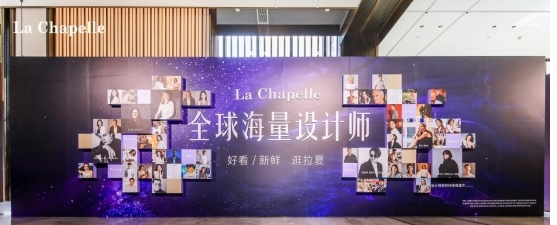
“全球海量设计师”由此成为拉夏贝尔新的战略定位。

它并不是简单增加设计师联名,而是试图把全球设计资源转化为可以持续调用的品牌能力,让设计真正进入版型、色彩、面料、结构和商品开发。

2026秋冬大师联名三件套,就是这一战略落地的代表产品之一。前Moncler女装设计师Charlotte R.参与产品设计,将国际高端女装设计经验融入羽绒品类,从流动波浪绗缝、版型比例,到色彩与三件套结构,都围绕都市女性真实穿着场景展开。

背后的品牌命题也更加清晰:如何把羽绒服重新做得更像女装?

对于拉夏贝尔而言,真正重要的不是合作多少设计师,而是能否持续把全球设计资源转化为消费者看得见、穿得到的商品。当设计资源最终进入商品体系,“全球海量设计师”才从一句定位真正成为品牌能力。
三季羽绒服,成为品牌升级后的第一场品类战

品牌战略最终需要产品承接,拉夏贝尔选择羽绒服作为重要突破口。

不同于传统羽绒服围绕“更厚、更暖、更高参数”展开竞争,拉夏贝尔提出“实穿好搭的三季羽绒服”,希望建立“一件穿三季,好看、轻量、百搭”的产品认知。

“三季”的关键并不只是温度区间,而是通过轻量结构、可拆组合、单穿、套穿与叠穿,让同一件产品真正进入秋、冬、春更多场景。

过去消费者购买羽绒服,解决的是“最冷的时候穿什么”;而“三季”重新计算的是:一件羽绒服,一年究竟可以穿多少次?

从消费者角度看,这是对实穿价值的提升;从经营角度看,则意味着更长的销售周期、更丰富的搭配场景和更大的货盘延展空间。

拉夏鲜羽,把供应链能力变成品质资产

如果“三季”解决“怎么穿、穿多久”的问题,那么“拉夏鲜羽”解决的则是品质感知的问题。

按照拉夏贝尔现有定义,“拉夏鲜羽”围绕羽绒“新鲜度”建立品质体系,从原料采集、运输、加工到成品检测,把过去隐藏在供应链后台的能力进一步标准化、显性化。

其中包括0—6小时原料采集、4℃冷链运输、48—72小时黄金加工窗口等环节,并最终落到更轻、更蓬、更净、更少异味等消费者能够感知的产品体验上。
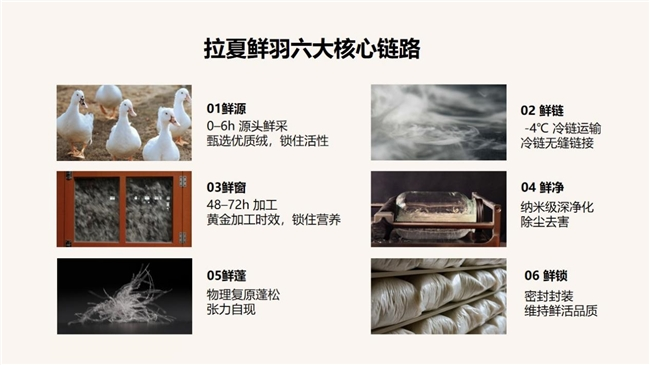
一句“羽绒也有新鲜度”,完成了从产业语言到消费语言的转化。

由此,拉夏贝尔羽绒产品体系也形成了更清晰的逻辑:设计师解决“好不好看”的问题,三季解决“怎么穿”的问题,鲜羽解决“品质是否可信”的问题。

未来5年剑指2000家线下门店,强化品牌长期价值

随着品牌和产品升级,线下也从渠道布局进一步升级为拉夏贝尔长期品牌战略的重要支点。

对于服装品牌而言,线下门店的价值早已不只是销售。核心商圈里的实体门店,既是消费者感知品牌形象、体验产品的重要触点,也是品牌长期经营能力最直观的呈现。统一的门店形象、商品陈列与消费体验,也让品牌战略真正落到消费者可感知的终端场景中。

目前,主品牌La Chapelle线下已有200家门店,并进入密集开店期,仅10月就有30家新店陆续开出。La Chapelle CITY线下实体门店矩阵也在持续拓展,目前在营门店129家,重点布局A级核心市场及城市中心商场,单店面积大多在150—180平方米,多地标杆门店单日业绩突破2万元。

除常规商场门店外,拉夏贝尔也在探索更大体量的线下业态。今年“五一”期间,La Chapelle HOME分别在南宁、九江落地千平方米级门店,进一步拓展品牌展示、消费体验和品类承载空间。

与此同时,品牌还在多地加大机场、高铁等核心交通场景的广告投放,让品牌从商场终端进一步延伸至城市公共空间,持续增强城市级品牌曝光与消费者触达。
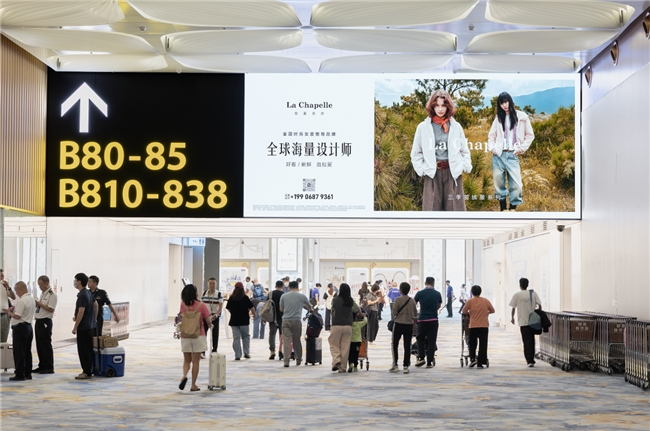
按照现有规划,拉夏贝尔未来5年线下开店规模将达到2000家。

这意味着,拉夏贝尔线下布局已不只是门店数量的增加,而是在更广泛的城市覆盖、更统一的终端形象和更完整的消费体验中,持续累积品牌资产。当“全球海量设计师”“三季羽绒服”“拉夏鲜羽”等新的品牌内容逐渐形成后,线下门店也成为这些变化真正被消费者看见、体验和感知的重要场所。

百亿不是终点,而是新一轮增长的起点

把这些动作放在一起,拉夏贝尔百亿之后的增长路径已经逐渐清晰。

BMS+D重构商业模式,“全球海量设计师”建立品牌差异化,“三季羽绒服”承担核心品类突破,“拉夏鲜羽”把供应链能力转化为品质资产,而不断扩大的线下网络,则进一步连接品牌、产品与消费者。

这些变化共同指向一个新的增长逻辑:从规模增长走向品牌增长。

重返百亿不是故事的结尾,而是新一轮增长的起点。

注:文/龚作仁,文章来源:Laborer,本文为作者独立观点,不代表亿邦动力立场。

【版权提示】亿邦动力倡导尊重与保护知识产权。未经许可,任何人不得复制、转载、或以其他方式使用本网站的内容。如发现本站文章存在版权问题,烦请提供版权疑问、身份证明、版权证明、联系方式等发邮件至run@ebrun.com,我们将及时沟通与处理。

已点赞

+1

{{ praise_text }}

好文章,值得被更多人看到

FAQ回顾

拉夏贝尔是什么品牌?

拉夏贝尔(La Chapelle)是中国国民女装品牌,司法重整后完成经营秩序恢复与商业模式重构,重新形成百亿级生态规模,获尚普咨询集团“全国时尚女装领导品牌”和“全国女裤销量第一”认证。目前主品牌线下已有200家门店,并规划未来5年达到2000家线下门店。

拉夏贝尔的BMS D模式是什么?

BMS D是拉夏贝尔重构的商业模式,即Brand(品牌)、Manufacturer(制造)、Sales(销售)、Designer(设计),以品牌为枢纽连接制造端、销售端与设计端,形成专业化分工与产业协同的新经营生态,解决了规模与效率问题,推动拉夏贝尔重新形成百亿级生态。

拉夏贝尔的三季羽绒服有什么特点?

拉夏贝尔提出“实穿好搭的三季羽绒服”,通过轻量结构、可拆组合、单穿、套穿与叠穿,让同一件羽绒服覆盖秋季、冬季、春季更多穿着场景,建立“一件穿三季,好看、轻量、百搭”的产品认知。对消费者是实穿价值提升,对经营则意味着更长销售周期和更丰富的搭配场景。

拉夏贝尔的拉夏鲜羽是什么?

拉夏鲜羽是拉夏贝尔围绕羽绒“新鲜度”建立的品质体系,覆盖原料采集、运输、加工到成品检测,包括0—6小时原料采集、4℃冷链运输、48—72小时黄金加工窗口,最终落到更轻、更蓬、更净、更少异味等消费者可感知的产品体验上。

拉夏贝尔未来在线下门店方面有什么计划?

拉夏贝尔规划未来5年线下开店规模达到2000家。目前主品牌La Chapelle已有200家门店,仅10月就有30家新店开出;La Chapelle CITY在营129家,重点布局A级核心市场及城市中心商场;La Chapelle HOME已在南宁、九江落地千平方米级门店。

广告

下一篇

跨境电商资源对接

《全球跨境电商服务商资源手册》第二期手册现已发布,触达更多资源,了解跨境服务商信息,欢迎点击链接下载。

了解详情

12万条AI假笔记被清理 小红书“AI种草”要变天了?

?最近,不少做小红书的运营人都在忙同一件事,回翻自己过去发过的笔记,看看有没有AI成分。