• 亿邦公众号
    • APP下载

酒店老板开始听AI的 美团既白进入酒店决策链

作者:姜琪 文章来源:亿邦动力

2026-09-28 18:33

作者:姜琪 文章来源:亿邦动力

2026-09-28 18:33

邦小白快读

EN
全文速览

总:普通读者可从这篇文章了解一个实用的AI工具“美团既白”,它已免费向中小酒店开放,能帮经营者做数据分析、定价参考和经营诊断,且已有真实案例验证效果。

1. 实操干货:酒店老板在面临剩余房量和市场波动时,可通过既白获取调价建议,避免慌乱中低价甩卖。例如成都尚锦品酒店在旺季晚8点使用既白判断可以稳一稳,获得更优收益。

2. 案例证明:既白帮助民宿主艾小川用碎片时间管理副业,收入与主业持平;帮助清风小筑史凯明确经营短板,节省时间筹备第二家店;帮助爱上邂逅酒店交叉分析流量和转化数据,间夜周环比最高提升42%,成交额涨约4成。

3. 免费使用:既白轻享版免费开放,已覆盖14万中小酒店商家,旗舰版则面向高星及连锁酒店推出。普通读者若经营民宿或小酒店,可直接尝试轻享版。

总:对于品牌商,这篇文章揭示了酒店行业从扩规模转向精运营的必然趋势,并提供了用AI提升品牌酒店精细化运营能力的路径。

1. 行业压力:华住、亚朵等头部集团2025年RevPAR和入住率均下滑,品牌商需重新审视投入方式,不能再单纯依赖扩店和渠道扩张。

2. 定价与竞争:既白旗舰版整合线上线下全渠道数据,结合目的地热度和商圈变化,为品牌酒店提供定价参考和预算管理,帮助在存量竞争中做出更快判断。杭州雷迪森酒店已用一句话指令生成经营分析PPT,显著缩短时间,让收益经理投入销售和服务。

3. 品牌能力沉淀:既白将专业经营能力转化为集团开放资产,使个人经验成为组织能力,有利于品牌连锁的标准化和规模化复制。

4. 商业机会:美团把吃喝玩乐生态优势融入产品逻辑,品牌商可借助平台AI工具提升单店收益,并关注消费者需求变化带来的产品研发方向。

总:卖家(酒店经营者)面临供需逆转和同行激增的压力,文章提供了美团既白这一免费AI工具的应对机会,并展示了实际收益提升案例。

1. 市场变化与风险:酒店行业从扩规模转向精运营,新疆伊宁周边两年涌入超千家新店,价格战加剧,卖家需要更精细的经营能力才能生存。

2. 应对措施:既白轻享版免费向中小酒店开放,能自动诊断经营问题、提供定价参考,解决缺人手、缺经验痛点。成都尚锦品酒店用既白稳住价格避免低价甩卖;爱上邂逅酒店通过交叉分析流量与订单,间夜周环比最高提升42%,成交额涨约4成。

3. 机会提示:既白已覆盖14万中小酒店商家,深度使用商家RevPAR平均提升11%,谁能更快把AI融入日常经营流程,谁就更容易在同样的客房规模上做出更高收益。

4. 风险提示:AI建议需要数据持续校准,商家信任要逐步建立,卖家需根据自身情况选择适合版本,不能盲目依赖单一工具。

总:工厂及相关制造企业可从本文看到AI技术进入酒店经营场景后的新需求和数字化供应链机会,尤其是围绕数据整合、PMS对接和智能硬件的中小商家市场。

1. 商业机会:酒店行业从扩规模转向精运营,对提升效率的AI工具有强烈需求,既白轻享版免费覆盖14万中小酒店商家,说明性价比极高的数字化工具存在大量市场空间。

2. 产品需求:文章强调AI必须理解订单、价格、库存、曝光、预算及渠道等经营信息,并与商家PMS系统深度对接,这意味着数据接口、系统集成和数据分析相关产品和服务存在需求。

3. 数字化启示:真正解决行业痛点的AI需要长在交易场景里,在策略、数据与执行之间打通闭环。工厂在开发数字化产品时,应优先切入高价值场景,而非只做表层功能。

4. 未来方向:连锁和中小单体酒店之间的能力鸿沟正被AI快速抹平,这提示B端产品应追求普惠性和易用性,以更低门槛获取中小客户。

总:本文为服务商展示了AI在垂直行业落地的一线案例,核心趋势是AI从表层助手进入商家真实经营决策链,以经营结果作为检验标准。

1. 客户痛点:酒店经营者面临数据分散(订单、曝光、价格、渠道等分布在不同系统)、市场变化难以及时判断(商圈流量和竞对价格变化难辨真伪)、分析执行脱节(诊断、决策、执行工具分离增加协同成本)三大难题。

2. 解决方案:美团既白分为轻享版和旗舰版,轻享版免费解决中小酒店缺人手、缺经验问题,旗舰版整合线上线下全渠道数据并内置AI专家团,服务高星及连锁酒店,解决市场研判、定价参考、预算管理和复盘汇报等核心环节。

3. 产品能力:既白能理解订单、价格、库存、曝光、预算及渠道等经营信息,与商家PMS深度对接,将分散数据转化为统一决策上下文;案例显示一句话指令即可生成经营分析PPT。

4. 落地关键:企业级AI须具备高价值场景、高质量上下文和闭环执行能力,深度使用既白的商家RevPAR平均提升11%,旗舰版诊断准确率98%,全链路管理提效20%,这些是服务商设计产品时的重要参考。

总:平台商可从美团既白案例中看到平台如何以AI工具深入商家经营决策链,通过解决真实痛点增强商家粘性并建立竞争壁垒。

1. 最新做法:美团推出酒店商家端AI产品既白,轻享版免费开放给中小酒店,旗舰版面向高星及连锁酒店,并与商家PMS深度对接;近期还发布整体解决方案,覆盖14万中小酒店商家。

2. 平台定位:既白不是简单问答工具,而是进入市场研判、经营诊断、预算管理和复盘汇报的决策参谋,通过整合线上线下全渠道数据为商家提供可执行建议,体现平台从交易撮合向经营赋能延伸。

3. 生态优势:美团将吃喝玩乐等本地生活生态优势融入AI产品逻辑,结合酒店优质操盘手方法论,让AI更懂本地生意,这为平台商提供了构建差异化能力的方向。

4. 运营管理启示:面对行业从扩规模转向精运营,平台需要帮助商家拿到经营结果才能留住客户。深度使用既白的商家RevPAR平均提升11%,旗舰版诊断准确率98%,这些数据是平台招商和运营的有力卖点。

5. 风向规避:AI建议需要时间校准,商家信任要逐步建立,平台应注重通过持续经营结果验证价值,避免过度承诺。

总:本文呈现了AI成为酒店行业新质生产力的产业动向,并提供了一个企业级AI落地的生动案例,对研究产业数字化和商业模式创新有参考价值。

1. 产业变革:中国酒店业过去依靠扩店、连锁化、线上化和信息化获得增长,但供给增速快于需求增长后,行业从扩规模转向精运营,华住、亚朵等头部集团经营数据下滑是重要信号。

2. 新问题:酒店经营痛点集中在数据分散、市场变化难以及时判断、分析和执行脱节,这为AI应用提供了明确场景。

3. 商业模式创新:美团既白以轻享版免费覆盖中小商家、旗舰版服务高星连锁的分层模式,深度使用商家RevPAR平均提升11%,旗舰版诊断准确率98%,验证了工具加服务、从回答到解决问题的闭环路径。

4. 理论启示:企业级AI落地需要高价值场景、高质量上下文和闭环执行能力;AI应嵌入交易场景,将数据转化为行动建议,并改变经营决策从依赖个人经验转向经验加实时数据结合,最终抹平连锁与单体酒店的能力鸿沟。

5. 政策与治理:AI建议需数据持续校准,商家信任需在经营结果中建立,这提示行业需关注AI决策的可解释性和责任归属,为后续监管提供参考。

声明:快读内容全程由AI生成,请注意甄别信息。如您发现问题,请发送邮件至 run@ebrun.com 。

我是 品牌商 卖家 工厂 服务商 平台商 研究者 帮我再读一遍。

Quick Summary

Overview: General readers can learn about a practical AI tool, Meituan Jibai, which is now open to small and medium hotels for free. It can help hotel operators with data analysis, pricing reference and operating diagnosis, and real cases have already validated its results.

1. Practical takeaway: When hotel owners face unsold rooms and market fluctuations, they can use Jibai to get price adjustment recommendations and avoid panic-driven discounting. For example, during peak season at 8 pm, Chengdu Shangjin Hotel used Jibai to judge that it was safe to hold prices and achieved better revenue.

2. Proven cases: Jibai helped B&B owner Ai Xiaochuan manage his side business in spare time, with income comparable to his main job; helped Shi Kai of Qingfeng Xiaozhu identify operating weaknesses and save time to prepare for a second property; helped Aishang Xiehou Hotel cross-analyze traffic and conversion data, raising week-over-week room nights by up to 42% and transaction volume by roughly 40%.

3. Free access: Jibai Lite is free and already covers 140,000 small and medium hotel merchants, while the Flagship Edition is positioned for high-star and chain hotels. General readers who run a B&B or a small hotel can try the Lite Edition directly.

Overview: For brand owners, this article reveals the inevitable shift in the hotel industry from scale expansion to refined operations, and offers a path for using AI to strengthen the precision operations of branded hotels.

1. Industry pressure: Headline groups such as Huazhu and Atour saw RevPAR and occupancy decline in 2025. Brand owners need to rethink how they invest and stop relying solely on adding stores and expanding channels.

2. Pricing and competition: Jibai Flagship integrates online and offline data across all channels, combines destination heat and changes in the surrounding business district, and provides brand hotels with pricing reference and budget management. This helps them make faster decisions in the competition for existing demand. Hangzhou Radisson Hotel already uses a one-sentence command to generate a business analysis PPT, significantly shortening preparation time and allowing the revenue manager to focus on sales and service.

3. Brand capability building: Jibai transforms professional operating capabilities into an open group asset, turning individual experience into organizational capability. This supports standardization and scaled replication for brand chains.

4. Commercial opportunity: Meituan has embedded its local lifestyle ecosystem advantages into the product logic. Brand owners can use platform AI tools to improve per-store revenue and should also adjust product R&D priorities by monitoring changes in consumer demand.

Overview: Sellers (hotel operators) are under pressure from the reversal of supply and demand and a surge of new competitors. This article highlights the free AI tool Jibai as a response, and shows real cases where it raised revenue.

1. Market changes and risks: The hotel industry is shifting from scale expansion to refined operations. In the area around Yining, Xinjiang, more than 1,000 new properties opened in two years, intensifying price wars. Hotel sellers need more precise operating capabilities to survive.

2. Response: Jibai Lite is free and available to small and medium hotels. It automatically diagnoses operating problems and provides pricing references, addressing the pain points of scarce labor and limited experience. Chengdu Shangjin Hotel used Jibai to hold prices and avoid low-price sellouts; Aishang Xiehou Hotel cross-analyzed traffic and orders, lifting week-over-week room nights by up to 42% and transaction volume by roughly 40%.

3. Opportunity: Jibai now covers 140,000 small and medium hotel merchants. Merchants that use it deeply see average RevPAR lift of 11%. Whoever integrates AI into daily operations faster is more likely to generate higher revenue from the same room capacity.

4. Risk reminder: AI suggestions require continuous data calibration and merchant trust must be built gradually. Hotel sellers should choose a suitable version based on their own situation and should not blindly rely on any single tool.

Overview: Factories and related manufacturers can see from this article the new demand created once AI enters hotel operating scenarios, plus digital supply-chain opportunities, especially in the SMB merchant market around data integration, PMS connectivity and smart hardware.

1. Commercial opportunity: The hotel industry is shifting to refined operations and has strong demand for AI tools that improve efficiency. Jibai Lite covers 140,000 small and medium hotel merchants for free, proving that there is ample market space for highly cost-effective digital tools.

2. Product demand: The article emphasizes that AI must understand orders, prices, inventory, exposure, budgets and channels, and must be deeply integrated with the merchant's PMS. This implies demand for products and services in data interfaces, system integration and data analysis.

3. Digitalization insight: AI that truly solves industry pain points needs to be embedded in transaction scenarios and close the loop among strategy, data and execution. When developing digital products, factories should enter high-value scenarios first rather than building superficial features.

4. Future direction: The capability gap between chain hotels and independent small properties is being narrowed quickly by AI. This reminds B2B product teams to prioritize inclusiveness and ease of use, using lower entry barriers to win smaller merchants.

Overview: This article gives service providers front-line examples of AI landing in a vertical industry. The core trend is that AI is moving from a surface-level assistant into merchants' real operating decision chain, and the criterion is actual business results.

1. Customer pain points: Hotel operators face three major challenges: fragmented data (orders, exposure, pricing and channels scattered across different systems), difficulty judging market changes in a timely way (real vs false signals in district traffic and competitor pricing are hard to tell apart), and disconnection between analysis and execution (separate diagnosis, decision and execution tools increase coordination costs).

2. Solution: Meituan Jibai has a Lite Edition and a Flagship Edition. Lite is free and solves the shortage of labor and experience in small and medium hotels. Flagship integrates online and offline data from all channels and includes a built-in AI expert team for high-star and chain hotels, covering market research, pricing reference, budget management and review reporting.

3. Product capability: Jibai can understand orders, prices, inventory, exposure, budgets and channel information, and is deeply interfaced with the merchant's PMS. It turns scattered data into a unified decision context. In the reported cases, a one-sentence command can generate an operating analysis PPT.

4. Key to implementation: Enterprise-grade AI needs high-value scenarios, high-quality context and closed-loop execution. Merchants that use Jibai deeply see average RevPAR lift of 11%; Flagship diagnosis accuracy is 98%; and full-process management efficiency rises 20%. These are important benchmarks for service providers when designing products.

Overview: Platform operators can see from the Meituan Jibai case how a platform can deploy AI tools deep into merchants' operation decision chain, strengthen merchant retention by solving real pain points and build competitive moats.

1. Latest move: Meituan has launched Jibai, a merchant-side AI product for hotels. The Lite Edition is free for small and medium hotels, the Flagship Edition targets high-star and chain hotels, and both are deeply integrated with merchant PMS systems. Meituan recently released a broader solution covering 140,000 small and medium hotel merchants.

2. Platform positioning: Jibai is not a simple Q&A tool. It acts as a decision advisor in market research, operating diagnosis, budget management and review reporting, integrating online and offline data from all channels to provide actionable recommendations. This shows the platform extending from transaction matching to operating empowerment.

3. Ecosystem advantage: Meituan embeds its local-life ecosystem advantages, such as food and entertainment data, into Jibai's product logic, combined with methodology from leading hotel operators. This makes the AI more knowledgeable about local business and gives platform operators a direction for building differentiated capabilities.

4. Operations and retention insight: As the industry shifts from scale expansion to refined operations, platforms must help merchants achieve business results in order to retain them. Merchants that use Jibai deeply see an average RevPAR lift of 11%, and Flagship diagnosis accuracy reaches 98%. These metrics are strong selling points for merchant acquisition and operations.

5. Risk prevention: AI suggestions need time for calibration and merchant trust must be built gradually. Platforms should validate value through sustained business results and avoid over-promising.

Overview: This article presents an industrial trend in which AI is becoming a new productive force in the hotel industry, and provides a vivid case of enterprise AI implementation. It is a useful reference for research on industrial digitalization and business model innovation.

1. Industrial change: China's hotel industry previously grew through store expansion, chainization, onlineization and informatization. But as supply growth outpaced demand growth, the industry shifted from scale expansion to refined operations. The declining operating data of leading groups such as Huazhu and Atour is an important signal.

2. New problems: Hotel operating pain points concentrate on fragmented data, difficulty in judging market changes in time, and the disconnection between analysis and execution. These provide clear scenarios for AI applications.

3. Business model innovation: Meituan Jibai adopts a layered model, with the Lite Edition free for small and medium merchants and the Flagship Edition serving high-star and chain hotels. Deep users see average RevPAR lift of 11%, Flagship diagnosis accuracy is 98%, and the model validates a closed-loop path from tools and services to answering and solving problems.

4. Theoretical implications: Enterprise AI implementation requires high-value scenarios, high-quality context and closed-loop execution capabilities. AI should be embedded in transaction scenarios, convert data into action recommendations, and change operational decisions from relying on individual experience to combining experience with real-time data. In the process, AI narrows the capability gap between chain and independent hotels.

5. Policy and governance: AI recommendations need continuous data calibration, and merchant trust must be established through actual operating results. This suggests the industry should pay attention to the interpretability and accountability of AI decisions, providing a reference for future regulation.

Disclaimer: The "Quick Summary" content is entirely generated by AI. Please exercise discretion when interpreting the information. For issues or corrections, please email run@ebrun.com .

I am a Brand Seller Factory Service Provider Marketplace Seller Researcher Read it again.

【亿邦原创】晚上8点,成都春熙路的尚锦品酒店里,门店负责人张总盯着后台的剩余房量,心里有些发紧。旺季的节奏快得让人喘不过气,每小时甚至半小时就要看一次进单量实时调整。按照过去的习惯,这个时间还有空房,大概率要赶紧降价甩出去,能回一点是一点。

这个场景几乎所有酒店经营者都不陌生。变化发生在最近几个月——他用上了美团推出的酒店经营AI工具“既白”。调价前,他习惯性点进既白,既白结合当天时段、剩余房量和商圈热度走势,判断可以“稳一稳”。他决定听AI的。

“如果没有既白,可能会自乱阵脚,快快地以低价的形式把库存甩出去。但既白会告诉你稍微再稳一稳,相当于吃了一个定心丸。”上述负责人说道。

这颗“定心丸”背后,是AI在酒店行业中的角色正在发生变化。它不再只用于生成文案、回复消息或查询信息,而是开始进入商家诊断、分析和复盘等具体经营环节。

2025年6月,美团上线酒店商家端AI产品既白;2026年8月,推出既白轻享版,免费向中小酒店商家开放。近期,美团又进一步发布酒店AI既白的整体解决方案,并推出面向高星及连锁酒店的旗舰版。

目前,既白已经进入酒店经营的市场研判、经营诊断、预算管理和复盘汇报等环节,可将过去分散在不同系统和经营流程中的数据,转化为商家可参考、可执行的经营建议。
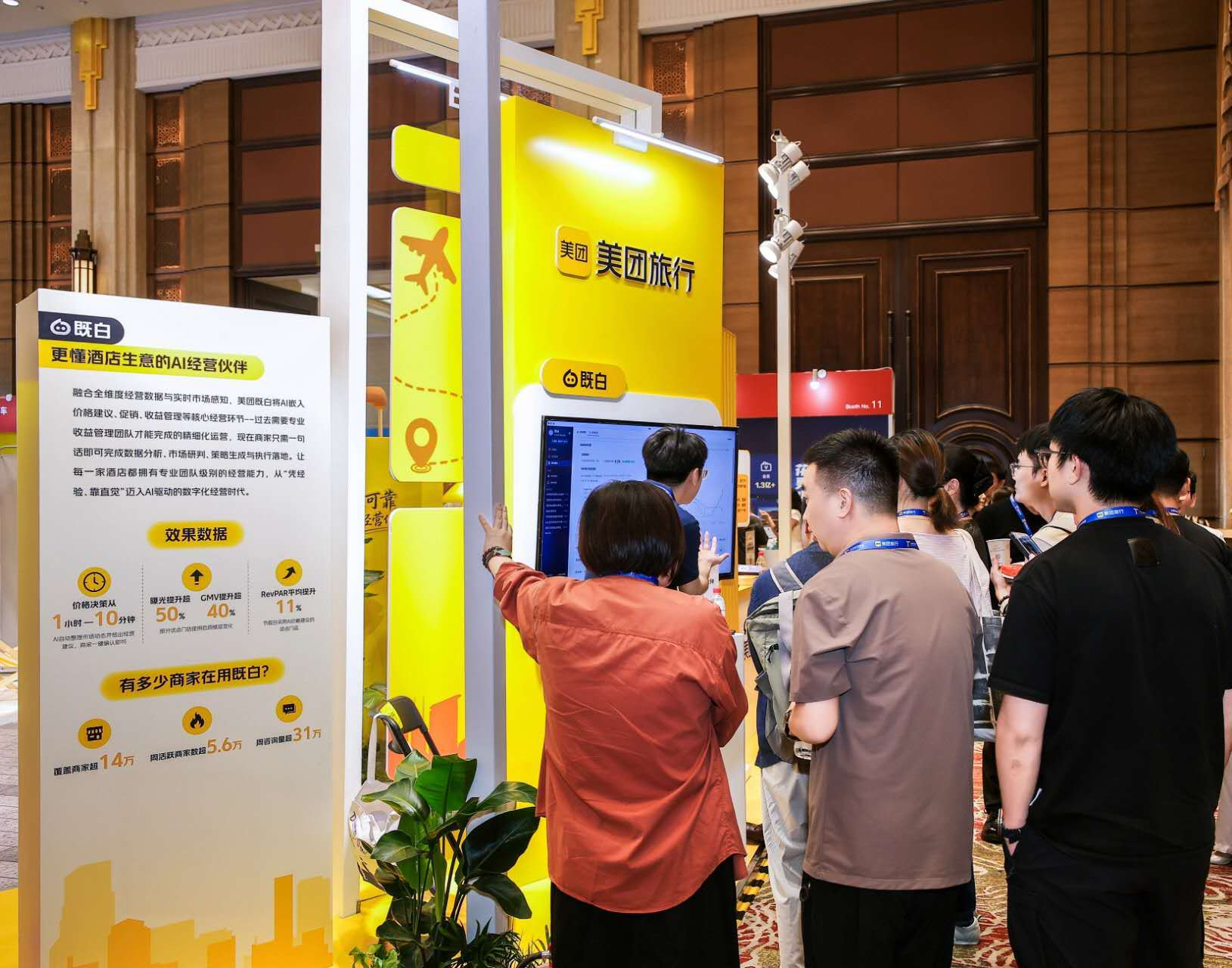
对酒店商家而言,判断AI价值的标准也在发生变化:关键不只是有没有相关功能,而是AI能否进入真实经营流程,为判断和执行提供帮助,并在实际经营结果中得到验证。

01

行业转向,酒店从扩规模转向精运营

过去二十余年,中国酒店业沿着扩店、连锁化、线上化和信息化的路径获得增长:扩店增加了可供销售的客房,连锁化建立了相对统一的品牌、产品和管理标准,线上渠道扩大了获客范围,PMS等信息化系统则提高了订单、库存和房态管理效率。

在行业发展的不同阶段,这些路径都释放过明显的增长红利。但当行业供给增速快于需求增长,传统的投入方式开始面临边际回报递减的局面。新开一家酒店,并不意味着一定能获得与新增客房相匹配的需求;上线更多渠道,也不必然带来更高的单店收益。

多家酒店集团2025年的经营数据也反映出这种压力。华住中国区全部在营酒店RevPAR由235元降至232元,入住率由81%降至80%;亚朵全部酒店入住率由77.4%降至75.9%,RevPAR由351.3元降至339.6元。

单体酒店感受到的压力更为直接。新疆伊宁的清风·小筑villa酒店老板史凯坦言,周边两年内涌入超千家新店,“去年200多块钱闭眼卖、今年160块钱都抢不到客。”

对大多数酒店经营者而言,面对供需变化带来的行业现状,需要解决的现实问题是:在房量、位置和人力相对固定的情况下,如何把现有生意做得更精细。

亿邦动力在和业内人士交流时获悉,当前酒店经营者面临的经营难题主要集中在三个环节:

一是数据分散。订单、曝光、价格、渠道和酒店内部经营数据可能分布在不同系统中。经营者看到了波动结果,却未必能快速判断原因。

二是市场变化难以及时判断。经营者即使发现商圈流量和其他酒店价格发生变化,也需要进一步判断这是短期波动,还是需要调整策略的信号。

三是分析和执行容易脱节。诊断、决策和执行分散在不同工具和环节中,增加了信息传递和协同成本。

面对以上痛点,AI开始成为酒店行业破局的关键变量。美团旅行技术负责人高尚近期公开表示,AI正在成为酒店业的第二条增长曲线,也是行业走出内卷的新质生产力。而当新的生产力真正进入经营场景,酒店经营的上限也将被重新定义。

02

从助手到参谋,AI如何进入真实经营场景?

近两年通用大模型让行业眼花缭乱,但和个人使用的AI不同,面向垂直品类的AI需要进入商家的经营场景,如果停留在写文案、回消息的表层,就无法对酒店的交易结果产生实质性拉动。

真正能解决行业痛点的AI,必须长在交易场景里,在策略、数据与执行之间打通闭环。具体而言,面向酒店商家的AI,需要理解订单、价格、库存、曝光、预算及渠道等酒店实际经营信息,才能转化为可落地的经营分析和行动建议。

当前,不同类型的酒店,面临的问题并不相同。

大量中小酒店缺人手、缺经验,也没有足够预算配置专业的数据分析和收益管理团队。经营者往往需要同时处理获客、定价、服务和日常管理,首先需要解决的是专业经营能力“用得上”的问题。

高星及连锁酒店虽然已具有一定的数字化基础,但随着门店数量和经营复杂度增加,数据可能分散在多个系统和渠道中,决策链条也更长。它们需要解决的是如何整合内部经营信息和外部市场变化,更及时地形成经营判断。

基于这些差异,美团将既白产品整体解决方案分为轻享版和旗舰版。

作为国内首个酒店商家端AI工具,既白将轻享版免费开放给商家使用,希望首先解决“手”的问题。核心逻辑是帮经营者解决缺人手、缺经验的问题,用AI把酒店老板从繁琐的日常执行中抽离出来,提供基础经营分析支持,帮助其处理经营问答、问题诊断和定价参考等日常任务,减少反复查找和整理信息的时间。

艾小川主业是一名教师,同时经营着一家民宿。过去她最头疼的是跨平台信息整合,“经常错过最佳窗口,市场火热时来不及调价,定价低了导致损失;淡季时价格又过高,导致空房。”去年年底开始使用既白后,AI自动诊断并给出经营建议,让她仅靠午休和通勤的碎片时间,就把民宿副业的收入做到了与主业持平。

史凯过去也经常在网上查找酒店管理、数据分析和引流相关内容,有时会看到深夜。使用既白AI后,哪个地方需要改善、通过什么去加强、哪些做得薄弱需要主攻,回答干脆利落,一目了然。史凯将省下来的时间和精力用到了扩大经营规模,已在筹备第二家店。

常州爱上·邂逅酒店老板曹美杰的感受是“多了一个帮手”。既白AI兼具数据分析师和策略专家的角色,能通过交叉分析订单和曝光等数据,精准定位“流量高但转化低”的经营瓶颈。在既白AI的专业建议和效能提升之下,其酒店的间夜周环比最多提升42%,成交额也大概涨了4成。“现在有了既白,让我有了跟专业收益经理、运营经理掰掰手腕的底气。”曹美杰称。

近期推出的既白旗舰版,产品能力进一步升级,主要解决“脑”的问题。旗舰版面向高星及连锁酒店等多渠道经营需求,在已有数字化基础上,提高经营数据转化为判断的效率。旗舰版内置一批“AI专家团”,通过与商家自有PMS系统深度对接,既白将线上线下全渠道数据整合为统一的决策上下文,真正嵌入市场研判、定价参考、预算管理、复盘汇报等核心环节。

对高星及连锁酒店来说,酒店的定价、预算和经营策略,一方面取决于自身的订单、价格、库存等经营数据,另一方面也受到目的地热度、消费需求和市场变化影响。这意味着,酒店经营AI既需要理解一家酒店“自己的生意”,也需要理解酒店之外“正在发生什么”。

杭州一家雷迪森酒店的收益经理提到,他们利用既白AI做数据分析工作,省下的时间投入到销售和服务中。“过去做月度经营分析,要从PMS系统里一个个翻找历史数据,很麻烦。现在一句话指令直接生成经营分析PPT,时间大幅缩短。”

这里的变化,并不是把经营分析完全交给AI,而是将数据查找、汇总和初步呈现交给工具,并由AI提供经营分析和建议,让收益经理把更多时间用于销售、服务和策略判断。酒店负责人吕松将这种变化概括为“专业的能力不再是单个人的本事,而是成为了集团的开放资产。”

亿邦动力了解到,目前,深度使用既白的商家,RevPAR平均提升11%。旗舰版与首批多家高星及连锁酒店共建落地,诊断建议准确率98%,全链路管理提效20%。

03

更懂生意的AI,才能帮商家拿到经营结果

高尚在近期的演讲中表示,拿到经营结果,是检验企业级AI的唯一标准。而高价值场景、高质量上下文和闭环执行能力,是企业级AI的三个落地关键。

高价值场景决定AI解决的是不是真问题,高质量上下文影响判断是否准确,闭环执行则决定这些判断能否转化为行动和结果。三者共同指向一条从“回答问题”走向“解决问题”的新路径,也让美团的AI产品更具务实性。
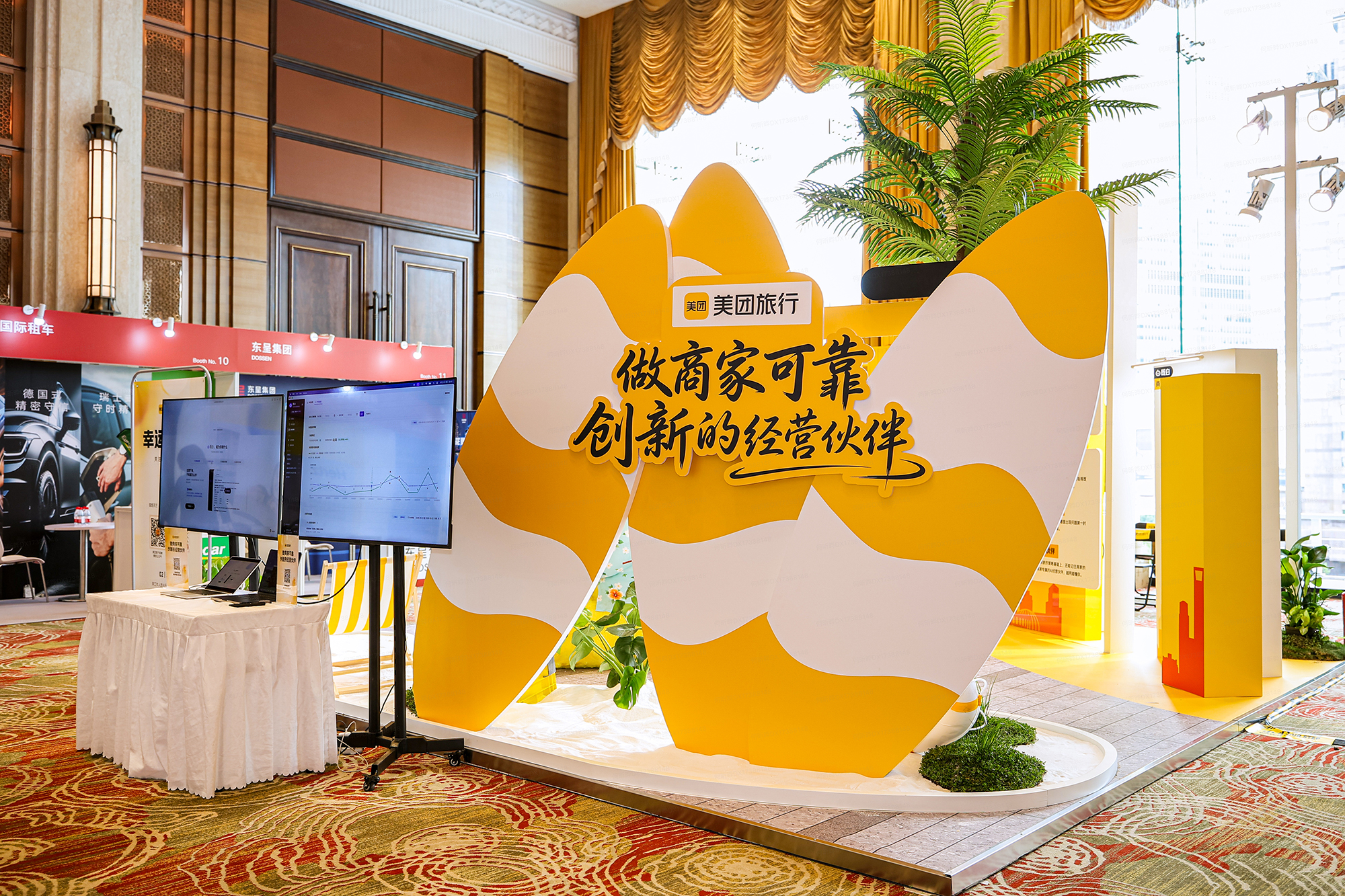
这背后也是美团“更懂生意”的底气。既白将酒店优质操盘手们的实战方法论积累与吃喝玩乐等本地生活生态优势融入到产品逻辑中,AI不再停留在处理信息维度,而是深入到具体场景中去理解实际的经营需求,为商家提供更贴近市场变化的经营建议。

美团核心本地商业CEO王莆中在今年年初提到,美团希望建设物理世界AI底座,帮每个商家都用上自己的AI助理。

当AI真正嵌入酒店商家的经营环节,改变的就不只是单店效率,还有整个行业的经营上限。目前,既白轻享版已覆盖14万中小酒店商家。

最直接的变化是专业运营能力的普惠。既白在酒店生意的不同阶段提供相匹配的支持,把过去只有连锁品牌运营团队才具备的数据分析和收益管理能力,以近乎零门槛交付给每一位酒店商家。连锁与中小单体酒店之间的能力鸿沟,正在被AI快速抹平。

更深层的变化发生在竞争逻辑上。当市场感知、经营诊断和复盘分析都能实时获得,酒店的经营决策正从依赖个人经验,转向“经验+实时数据”的结合。存量竞争之下,谁能更快把AI融入日常经营流程,谁就更容易在同样的客房规模上做出更高的收益。

对酒店经营者而言,AI的价值并不在于替代经验,而在于让数据整理、市场感知和经营复盘更及时,使人的经验能够建立在更完整的信息基础上。

既白目前展示的是一种可能:当AI真正进入定价、预算、诊断和复盘等环节,酒店使用AI的标准,也将从“是否接入一项功能”,转向“是否改善具体经营问题”。

这个过程不会一蹴而就:AI的建议需要数据和时间持续校准,商家的信任,也要在一次次经营结果中逐步建立。但评价体系的标尺已经换了。谁能先完成这个转变,谁就先拿到存量时代的入场券。

本文首发于 亿邦动力 官方网站

【版权提示】亿邦动力倡导尊重与保护知识产权。未经许可,任何人不得复制、转载、或以其他方式使用本网站的内容。如发现本站文章存在版权问题,烦请提供版权疑问、身份证明、版权证明、联系方式等发邮件至run@ebrun.com,我们将及时沟通与处理。

已点赞

+1

{{ praise_text }}

好文章,值得被更多人看到

FAQ回顾

美团既白是什么?能帮酒店解决什么问题?

既白是美团于2025年6月上线的酒店商家端AI工具,已进入酒店经营的市场研判、经营诊断、预算管理和复盘汇报等环节。它可将分散在不同系统和流程中的数据,转化为商家可参考、可执行的经营建议,主要解决酒店数据分散、市场变化难以及时判断、分析执行脱节三大难题。

既白轻享版和旗舰版有什么区别?

既白分为轻享版和旗舰版,2026年8月推出的轻享版免费向中小酒店开放,提供经营问答、问题诊断和定价参考等任务;旗舰版面向高星及连锁酒店,内置AI专家团并与商家PMS系统深度对接,整合线上线下全渠道数据,覆盖市场研判、定价参考、预算管理、复盘汇报等核心环节。

酒店用既白AI后经营收益有多大提升?

深度使用既白的商家RevPAR平均提升11%,旗舰版诊断建议准确率98%,全链路管理提效20%。常州爱上邂逅酒店老板曹美杰使用后,间夜周环比最多提升42%,成交额约增长四成。目前,既白轻享版已覆盖14万中小酒店商家。

酒店行业为什么需要AI辅助经营?

酒店行业供给增速快于需求增长,传统扩规模方式边际回报递减。华住2025年RevPAR由235元降至232元,亚朵RevPAR由351.3元降至339.6元,入住率均下滑,单店收益承压。经营者还面临数据分散、市场变化难判断、分析和执行脱节等问题,AI能帮助把分散数据转化为可执行的经营建议,实现精细运营。

广告

下一篇

征集报名《品牌数字化服务商资源手册》

《品牌数字化服务商资源手册》展示数字化服务商风采,亿邦全年零售大会通发,触达更多资源,马上加入!

马上入驻

AI能力赋能、四大升级举措加持 商家在京东里的增长新机会来了

在存量竞争加剧、商家普遍陷入“流量焦虑”的当下,如何在不确定性中锁定高质量的确定性增长,正在成为整个电商行业共同考量的核心命题。