• 亿邦公众号
    • APP下载

《“丝路电商”合作发展报告2026》正式发布 “丝路电商”朋友圈高质量扩围

作者:亿邦会展 文章来源:亿邦动力

2026-09-24 17:41

作者:亿邦会展 文章来源:亿邦动力

2026-09-24 17:41

邦小白快读

EN
全文速览

总1:报告让普通消费者看到更多海外优质商品进入中国。

1.截至2025年底,全国近200个线上线下国家馆、百余个商品馆,集中推介约85个国家的农特产品、轻工消费品和特色加工品。

2.海外产地直达国内市场全链条进口流通体系,大幅降低商品入华门槛,日常购物选择更丰富。

总2:个人可关注电商技能学习与就业机会。

1.丝路电商云上大讲堂已办137场,覆盖80余国、惠及近11万人次,含直播电商、跨境物流、AI+电商等实用内容。

2.广西桂海商坊等地方项目培养本地电商人才,也展示了直播运营、AI选品、跨境客服等新岗位能力要求。

总3:需要注意相关风险。

1.报告提示全球经济增长乏力、地缘紧张可能影响跨境物流与价格。

2.跨境规则收紧可能让代购、海淘等渠道出现不确定性。

总1:报告显示丝路电商提供了进入中国市场的渠道建设机会。

1.近200个国家馆和百余个商品馆面向中国消费者精准推介伙伴国产品,是海外品牌开拓中国市场的直通渠道。

2.中国采购商与主流电商平台和伙伴国生产商、贸易商建立起常态化对接体系,可降低品牌进入中国的信息壁垒。

总2:消费趋势和用户行为有可观察的新变化。

1.伙伴国农特产品、轻工消费品、特色加工品等细分品类通过国家馆和商品馆触达消费者,反映中国消费者对全球特色好物的接受度提升。

2.丝路电商惠全球主题活动及丝路云品等品牌推动海外产品入华,品牌商可围绕中国电商出海、伙伴国产品入华调整市场策略。

总3:数字化与基础设施为品牌运营提供新支撑。

1.跨境电子发票互操作、数字身份跨境互认、跨境互助通关等制度创新,有助于提升跨境交易效率。

2.江苏前展后仓智能仓储和中欧班列模式,可支撑品牌实现展销一体、快速周转。

总1:政策与监管红利是卖家可把握的基础。

1.丝路电商朋友圈高质量扩围,兼顾不同发展水平国家,形成广覆盖、多层次合作格局;先行区围绕跨境电子发票、数字身份互认、通关便利开展制度创新,形成可复制经验。

2.政策交流平台常态化运行,卖家可关注伙伴国电子商务发展战略对接带来的规范与便利。

总2:增长市场与合作机会明确。

1.全球电商市场扩容,AI赋能和数实融合为跨境电商带来新动力。

2.中国采购商、主流电商平台与伙伴国生产商、贸易商常态化对接,伙伴国商品入华通道更顺畅;广西桂海商坊帮助400余家企业掌握直播运营、AI选品和跨境客服;江苏荷兰前展后仓项目促成超百万欧元光伏订单,是可参考的商业模式。

总3:风险与应对需提前规划。

1.全球经济增长乏力、跨境规制收紧、地缘紧张加剧履约风险。

2.卖家应关注合规体系、物流预案和通关政策变化,避免因规则变动造成损失。

总1:工厂可从丝路电商产业对接中寻找新订单机会。

1.中国采购商和主流电商平台与伙伴国生产商、贸易商常态化对接,需求信息更透明,中小工厂可据此拓展出口渠道。

2.海外农产品、轻工消费品、特色加工品需求旺盛,工厂可关注源头直采、线上展销、高效通关、全域分销的全链条流通体系。

总2:数字化和电商能力成为工厂转型关键。

1.广西桂海商坊帮助400余家企业实现直播运营、AI选品、跨境客服能力本地化,说明工厂需加快电商团队和AI工具应用。

2.江苏前展后仓项目依托智能仓储和中欧班列,启发工厂用展品即库存、展商即卖家模式降低库存、加快周转。

总3:技术与制度趋势影响供应链布局。

1.跨境电子发票、数字身份互认、AI赋能、数实融合等新趋势,要求工厂在生产和供应链管理中融入数字化。

2.报告指出全球经济不确定性和地缘风险,工厂需在备货和跨境合作中留出灵活空间。

总1:报告揭示行业发展趋势。

1.全球电商市场扩容、AI深度赋能、数实融合厚植产业根基,治理模式多元化,这些为服务商创造新的业务场景。

2.未来十年丝路电商从夯基立梁走向质量跃升,服务商可作为生态参与方获得长期机会。

总2:客户痛点明确,解决方案有样板。

1.跨境信息不对称、供需匹配低效、渠道碎片化是伙伴国商家和中国采购商的核心痛点。

2.常态化对接体系、全链条进口流通体系、云上大讲堂等能力建设项目,已经在帮助客户解决这些问题。

总3:可切入的重点服务领域。

1.跨境电子发票互操作、数字身份跨境互认、跨境互助通关带来合规技术和物流通关服务需求。

2.云上大讲堂已覆盖80余国、近11万人次,AI+电商、直播电商、跨境物流、跨境电商培训需求旺盛,广西项目累计培训1.4万人次,服务商可提供相应课程和工具。

总1:平台可抓住招商与增长机会。

1.丝路电商伙伴国网络覆盖多层次国家,全球电商市场扩容和AI赋能为平台带来增量用户和商品供给。

2.近200个国家馆和百余个商品馆,展示约85国特色商品,平台可引入更多海外品类满足国内需求。

总2:平台已有参与模式可借鉴。

1.主流电商平台被报告提及参与产业对接,并在云上大讲堂为伙伴国从业者授课,平台可继续以培训、生态合作方式增强国际影响力。

2.广西桂海商坊帮助企业实现直播运营、AI选品和跨境客服本地化,启示平台可关注本地化运营工具和服务需求。

总3:合规与风控需重点关注。

1.跨境规制收紧、多边数字规则受阻、地缘紧张加剧制度与履约风险。

2.平台应关注先行区制度创新成果,完善合规体系,帮助商家规避电子发票、数字身份、通关等环节的潜在问题。

总1:产业新动向显著。

1.丝路电商形成政策交流、产业对接、能力建设、地方合作四位一体合作体系,朋友圈高质量扩围。

2.截至2025年底近200个国家馆和百余个商品馆,说明跨境消费基础设施正在快速扩展。

总2:制度创新与问题并存。

1.先行区围绕跨境电子发票互操作、数字身份跨境互认、跨境互助通关先行先试,形成可复制推广的制度创新成果。

2.全球经济增长乏力、多边数字规则受阻、跨境规制收紧、地缘紧张构成新挑战;数字鸿沟和南北发展差距仍是现实问题。

总3:未来研究方向。

1.下一个十年是丝路电商从夯基立梁向质量跃升的关键阶段,可研究AI赋能、数实融合对合作模式的深层影响。

2.能力建设项目如云上大讲堂已惠及近11万人次,广西培训1.4万人次,可进一步评估其对伙伴国电商生态和就业的长期效果。

声明:快读内容全程由AI生成,请注意甄别信息。如您发现问题,请发送邮件至 run@ebrun.com 。

我是 品牌商 卖家 工厂 服务商 平台商 研究者 帮我再读一遍。

Quick Summary

Summary 1: The report shows ordinary consumers that more high-quality overseas goods are entering China.

1. By the end of 2025, nearly 200 national pavilions online and offline and over 100 product pavilions will showcase agricultural specialties, light industrial consumer goods, and specialty processed products from about 85 countries.

2. A full-chain import and distribution system connecting overseas origins directly to the domestic market significantly lowers the barrier for foreign goods to enter China, making everyday shopping choices more diverse.

Summary 2: Individuals can explore e-commerce skill training and job opportunities.

1. The Silk Road E-commerce Cloud Lecture Hall has held 137 sessions, covering over 80 countries and benefiting nearly 110,000 participants, with practical content including livestream e-commerce, cross-border logistics, and AI-plus-e-commerce.

2. Local projects such as Guangxi's Guihai Commerce Hub cultivate local e-commerce talent and demonstrate the skill requirements of emerging roles like livestream operations, AI product selection, and cross-border customer service.

Summary 3: Relevant risks should be noted.

1. The report warns that weak global economic growth and geopolitical tensions may affect cross-border logistics and prices.

2. Tightening cross-border regulations could introduce uncertainty for daigou (purchasing agents), overseas online shopping, and other channels.

Summary 1: The report shows that Silk Road E-commerce offers channel-building opportunities for entering the Chinese market.

1. Nearly 200 national pavilions and over 100 product pavilions precisely introduce partner-country products to Chinese consumers, serving as direct channels for overseas brands to expand in China.

2. A regularized matchmaking system between Chinese buyers, major e-commerce platforms, and partner-country producers and traders reduces information barriers for brands entering China.

Summary 2: Observable shifts in consumer trends and user behavior are emerging.

1. Partner-country agricultural specialties, light industrial consumer goods, and specialty processed products reach consumers through national and product pavilions, reflecting Chinese consumers' growing acceptance of distinctive global goods.

2. Initiatives such as the Silk Road E-commerce Global Benefits campaign and the Silk Road Cloud Select brand promote overseas products into China, prompting brands to adjust their market strategies around Chinese e-commerce going global and partner-country products entering China.

Summary 3: Digitalization and infrastructure provide new support for brand operations.

1. Institutional innovations such as cross-border e-invoice interoperability, mutual recognition of digital identities, and cross-border mutual assistance in customs clearance help improve cross-border transaction efficiency.

2. Jiangsu's exhibition-then-warehouse model and smart warehousing, combined with the China-Europe freight train model, support brands in achieving integrated display and sales with rapid inventory turnover.

Summary 1: Policy and regulatory dividends are a foundation sellers can leverage.

1. The Silk Road E-commerce partnership has expanded with high-quality growth, accommodating countries at different development levels and creating a broad, multi-tiered cooperation landscape. Pilot zones have carried out institutional innovations in cross-border e-invoices, mutual recognition of digital identities, and customs facilitation, generating replicable experience.

2. Policy exchange platforms operate on a regular basis, so sellers can track the rules and conveniences arising from partner countries' e-commerce development strategy alignment.

Summary 2: Growth markets and cooperation opportunities are clear.

1. The global e-commerce market is expanding, and AI empowerment plus digital-physical integration bring new momentum to cross-border e-commerce.

2. Regularized matchmaking among Chinese buyers, major e-commerce platforms, and partner-country producers and traders makes the inbound channel for partner-country goods smoother. Guangxi's Guihai Commerce Hub has helped over 400 companies master livestream operations, AI product selection, and cross-border customer service. Jiangsu's exhibition-then-warehouse project in the Netherlands facilitated photovoltaic orders exceeding one million euros, providing a viable business model.

Summary 3: Risks and responses need advance planning.

1. Weak global economic growth, tighter cross-border regulations, and heightened geopolitical tensions increase fulfillment risks.

2. Sellers should focus on compliance systems, logistics contingency plans, and customs policy changes to avoid losses from regulatory shifts.

Summary 1: Factories can seek new order opportunities through Silk Road E-commerce industrial matchmaking.

1. Regularized matchmaking among Chinese buyers, major e-commerce platforms, and partner-country producers and traders makes demand information more transparent, allowing small and medium factories to expand export channels.

2. Strong demand exists for overseas agricultural products, light industrial goods, and specialty processed products. Factories can tap into the full-chain distribution system covering direct sourcing, online display, efficient customs clearance, and nationwide distribution.

Summary 2: Digitalization and e-commerce capabilities are key to factory transformation.

1. Guangxi's Guihai Commerce Hub has helped over 400 companies localize capabilities in livestream operations, AI product selection, and cross-border customer service, showing that factories must accelerate e-commerce team building and AI tool adoption.

2. Jiangsu's exhibition-then-warehouse project, leveraging smart warehousing and China-Europe freight trains, inspires factories to use the model of "exhibits as inventory, exhibitors as sellers" to lower inventory costs and speed up turnover.

Summary 3: Technology and institutional trends influence supply chain layout.

1. New trends such as cross-border e-invoices, mutual recognition of digital identities, AI empowerment, and digital-physical integration require factories to embed digitalization into production and supply chain management.

2. The report highlights global economic uncertainty and geopolitical risks, so factories need to maintain flexibility in stock preparation and cross-border cooperation.

Summary 1: The report reveals industry development trends.

1. Global e-commerce market expansion, deep AI enablement, and digital-physical integration strengthen the industrial foundation, while diversified governance models create new business scenarios for service providers.

2. Over the next decade, Silk Road E-commerce will move from foundation-building to quality leap, offering service providers long-term opportunities as ecosystem participants.

Summary 2: Customer pain points are clear, and solution models already exist.

1. Cross-border information asymmetry, inefficient supply-demand matching, and fragmented channels are core pain points for partner-country merchants and Chinese buyers.

2. Regularized matchmaking systems, full-chain import distribution systems, and capability-building initiatives like the Cloud Lecture Hall are already helping clients address these issues.

Summary 3: Key service areas to enter are identifiable.

1. Cross-border e-invoice interoperability, mutual recognition of digital identities, and cross-border mutual assistance in customs clearance generate demand for compliance technology and logistics-clearance services.

2. The Cloud Lecture Hall has covered over 80 countries and reached nearly 110,000 participants, with strong demand for AI-plus-e-commerce, livestream e-commerce, cross-border logistics, and cross-border e-commerce training. Guangxi's project has trained 14,000 participants cumulatively, so service providers can offer corresponding courses and tools.

Summary 1: Platforms can capture merchant recruitment and growth opportunities.

1. The Silk Road E-commerce partner-country network covers countries at multiple development levels, while global e-commerce market expansion and AI empowerment bring incremental users and product supply to platforms.

2. Nearly 200 national pavilions and over 100 product pavilions display specialty goods from about 85 countries, allowing platforms to introduce more overseas categories to meet domestic demand.

Summary 2: Existing participation models can be replicated.

1. Major e-commerce platforms are cited in the report as participants in industrial matchmaking and as instructors in the Cloud Lecture Hall for partner-country practitioners. Platforms can continue enhancing their international influence through training and ecosystem cooperation.

2. Guangxi's Guihai Commerce Hub helps companies localize livestream operations, AI product selection, and cross-border customer service, suggesting that platforms should pay attention to localized operational tools and service needs.

Summary 3: Compliance and risk control require close attention.

1. Tightening cross-border regulations, setbacks in multilateral digital rules, and heightened geopolitical tensions increase institutional and fulfillment risks.

2. Platforms should monitor institutional innovation results in pilot zones, improve compliance systems, and help merchants avoid potential issues in e-invoices, digital identity, and customs clearance processes.

Summary 1: Notable new industrial trends are emerging.

1. Silk Road E-commerce has formed a four-pronged cooperation system covering policy exchange, industrial matchmaking, capacity building, and local cooperation, with the partnership network expanding at high quality.

2. By the end of 2025, nearly 200 national pavilions and over 100 product pavilions indicate that cross-border consumption infrastructure is expanding rapidly.

Summary 2: Institutional innovation and challenges coexist.

1. Pilot zones have carried out pioneering efforts in cross-border e-invoice interoperability, mutual recognition of digital identities, and cross-border mutual assistance in customs clearance, generating replicable and scalable institutional innovation outcomes.

2. Weak global economic growth, setbacks in multilateral digital rules, tightening cross-border regulations, and geopolitical tensions pose new challenges, while the digital divide and North-South development gap remain real issues.

Summary 3: Future research directions.

1. The next decade is a critical stage for Silk Road E-commerce to transition from foundation-building to quality leap, and research can examine the deep impact of AI empowerment and digital-physical integration on cooperation models.

2. Capacity-building projects such as the Cloud Lecture Hall have already benefited nearly 110,000 participants, and Guangxi has trained 14,000; further assessment is needed on their long-term effects on partner countries' e-commerce ecosystems and employment.

Disclaimer: The "Quick Summary" content is entirely generated by AI. Please exercise discretion when interpreting the information. For issues or corrections, please email run@ebrun.com .

I am a Brand Seller Factory Service Provider Marketplace Seller Researcher Read it again.

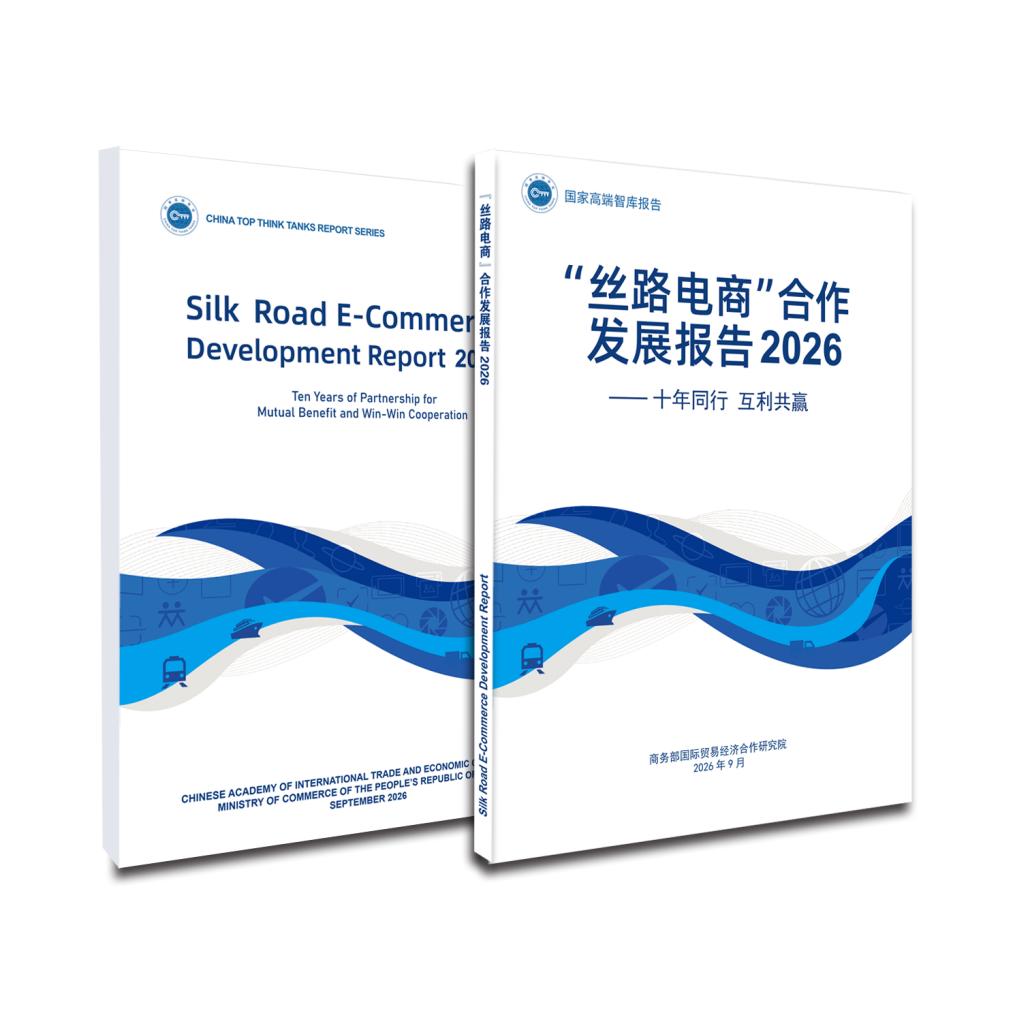
【亿邦原创】9月24日,商务部国际贸易经济合作研究院在第五届数字贸易博览会“丝路电商日”启动仪式上,正式发布《“丝路电商”合作发展报告2026——十年同行 互利共赢》(以下简称《报告》)。《报告》系统呈现了2025年以来我国与“丝路电商”伙伴国在政策交流、产业对接、能力建设、地方合作等领域的实践成果,全面呈现“丝路电商”合作图景。
01

四个核心篇章系统呈现“丝路电商”十年发展成效

《报告》全文共分为四个核心篇章,覆盖最新进展、发展成效、面临形势与未来展望全链条内容。

“进展篇”系统梳理了“丝路电商”合作在高质量扩围朋友圈、深化制度创新、携手共建全球电子商务大市场、持续完善多维合规体系等方面的新变化,完整呈现“丝路电商”四位一体的合作体系。《报告》指出,“丝路电商”合作兼顾最不发达国家、发展中国家与发达国家,构建起广覆盖、多层次的国际电商合作格局。“丝路电商”合作先行区充分发挥改革试验平台作用,围绕跨境电子发票互操作、数字身份跨境互认、跨境互助通关等重点方向先行先试,形成一批制度创新成果与可复制推广实践案例。

“成效篇”以详实的数据展现“丝路电商”有力拓展了电商合作空间,释放了共赢生态红利,强化了伙伴国内生动力。《报告》指出,截至2025年底,全国已有近200个线上线下国家馆和百余个商品馆,面向中国消费者精准推介来自约85个国家的农特产品、轻工消费品、特色加工品等细分品类,打造海外优质特色产品拓展中国大市场的电商直通车。“丝路电商惠全球”主题活动成效显著,“丝路电商”国家馆、“云上大讲堂”、“丝路云品”、“丝路电商日”等一批特色合作品牌蓬勃发展,有力促成“中国电商出海、伙伴国产品入华”,共同绘就普惠包容、互利共赢的数字经贸合作新图景。

“形势篇”分析了“丝路电商”合作面临的发展形势,从全球电商市场扩容、AI赋能注入强劲动力、数实融合厚植产业根基、治理模式多元丰富制度内涵等角度分析了“丝路电商”未来的发展机遇。同时也指出全球经济增长乏力带来不确定性、多边数字规则受阻带来制度挑战、跨境规制收紧构成外部压力、地缘紧张局势加剧履约风险等为“丝路电商”合作带来挑战。

“展望篇”指出,在人工智能技术深度赋能电子商务发展背景下,下一个十年将是“丝路电商”从夯基立梁向质量跃升的关键阶段,应以更坚定的决心、更务实的行动、更开放的姿态,持续推进普惠共赢的电商国际合作,推动“丝路电商”合作高质量发展,为全球电商发展贡献更具分量的中国智慧与中国方案。

02

“丝路电商”四大合作领域稳步推进

《报告》指出,在政策交流方面,中国政府高度重视电子商务领域国际合作与政策交流,通过搭建常态化政策交流平台推动全球电子商务规则对接与务实合作。2025年以来中国在“丝路电商”合作框架下举办电子商务合作机制伙伴国联络员会议、电子商务合作机制伙伴国交流会、电子商务国际合作圆桌会等电商交流对接活动,加强与伙伴国电子商务发展战略对接,分享在数字基础设施、物流体系建设、支付结算等方面的政策经验,为各方电子商务发展创造有利环境。

《报告》认为,在产业对接方面,“丝路电商”以伙伴国实际需求为导向,持续搭建起中国采购商、主流电商平台与丝路伙伴国生产商、贸易商之间的常态化对接体系,有效破解跨境信息不对称、供需匹配低效、渠道碎片化等痛点。中国政府全方位打通“海外产地直达国内市场”跨境进口新通道,构建“源头直采、线上展销、高效通关、全域分销”的全链条进口流通体系,大幅降低丝路伙伴国商品入华门槛。

《报告》显示,在能力建设方面,“丝路电商”云上大讲堂帮助伙伴国培养电商人才,提升其数字技能和就业竞争力,推动缩小数字鸿沟,解决南北发展差距中的现实关切和发展痛点。2025年以来,云上大讲堂先后在泰国、老挝、埃及、摩洛哥举办海外实训专场,覆盖政府、行业和中小企业150余名代表。2026年7月全新推出中阿双语阿拉伯专场,邀请主要电商平台结合本土化经营、数字化转型实操授课,围绕人工智能、跨境物流、跨境电商、直播电商等内容开展专项培训,专门增设备受关注的“AI+电商”内容,吸引21个阿拉伯国家近千名电商从业者参与,持续为伙伴国输送实用电商运营经验。截至2026年7月,“丝路电商”云上大讲堂已成功举办137场多双边国家专场,覆盖欧洲、亚洲、非洲、南美洲等80余个国家,累计惠及近11万人次。

《报告》提出,在地方合作方面,各地积极推动电商合作实体项目共建,形成可落地、可持续的跨境合作生态。广西打造“桂海商坊”平台,在泰国、马来西亚、印度尼西亚、老挝、越南、新加坡设立10个海外实训基地,累计培训东盟本地电商人才1.4万人次,帮助400余家企业实现“直播运营+AI选品+跨境客服”能力本地化,推动“东盟出产+广西集散+中国畅销”模式落地。江苏与荷兰北布拉邦省共建“前展后仓”双向贸易项目,依托中欧班列南京—蒂尔堡线路,在荷兰设立“江苏制造”展销中心与智能仓储仓,实现“展品即库存、展商即卖家”,已促成南京新能源企业签订超百万欧元光伏订单,引入荷兰花卉、奶制品等优质商品进入江苏市场。

本文首发于 亿邦动力 官方网站

【版权提示】亿邦动力倡导尊重与保护知识产权。未经许可,任何人不得复制、转载、或以其他方式使用本网站的内容。如发现本站文章存在版权问题,烦请提供版权疑问、身份证明、版权证明、联系方式等发邮件至run@ebrun.com,我们将及时沟通与处理。

已点赞

+1

{{ praise_text }}

好文章,值得被更多人看到

FAQ回顾

什么是“丝路电商”合作?

“丝路电商”是中国与伙伴国开展的电子商务国际合作机制,涵盖政策交流、产业对接、能力建设和地方合作四大领域,构建起兼顾最不发达国家、发展中国家和发达国家的国际电商合作格局,目标是促进中国电商出海、伙伴国产品入华,实现普惠共赢。

《“丝路电商”合作发展报告2026》有哪些主要内容?

报告由商务部国际贸易经济合作研究院于2026年9月24日在第五届数字贸易博览会“丝路电商日”上发布,分为进展、成效、形势、展望四篇。进展篇梳理朋友圈扩围、制度创新等;成效篇展示国家馆、云上大讲堂等成果;形势篇分析AI赋能机遇与外部挑战;展望篇提出下一个十年从夯基立梁向质量跃升。

“丝路电商”云上大讲堂具体做了什么?

“丝路电商”云上大讲堂是面向伙伴国的电商人才培养项目,截至2026年7月已举办137场多双边国家专场,覆盖欧洲、亚洲、非洲、南美洲等80余国,惠及近11万人次;2026年7月推出中阿双语阿拉伯专场,吸引21个阿拉伯国家近千名从业者参与,并专门增设AI电商内容,围绕人工智能、跨境物流、直播电商等开展培训。

“丝路电商”地方合作有哪些典型模式?

广西打造“桂海商坊”平台,在泰国、马来西亚、印度尼西亚、老挝、越南、新加坡设立10个海外实训基地,累计培训东盟本地电商人才1.4万人次,帮助400余家企业实现“直播运营、AI选品、跨境客服”能力本地化;江苏与荷兰北布拉邦省共建“前展后仓”项目,依托中欧班列南京—蒂尔堡线路,促成南京新能源企业签订超百万欧元光伏订单,并引入荷兰花卉、奶制品等商品。

“丝路电商”对全球电商市场有什么影响?

报告指出,“丝路电商”通过高质量扩围朋友圈、深化制度创新和共建全球电子商务大市场,拓展了电商合作空间,释放了共赢生态红利。截至2025年底,全国已有近200个线上线下国家馆和百余个商品馆,面向约85个国家推介农特产品、轻工消费品等特色品类,形成中国电商出海、伙伴国产品入华的互利共赢图景。

广告

下一篇

跨境电商资源对接

《全球跨境电商服务商资源手册》第二期手册现已发布,触达更多资源,了解跨境服务商信息,欢迎点击链接下载。

了解详情

ChatGPT移动端上线语音代理功能 支持跨应用执行任务

OpenAI为ChatGPT移动端上线语音代理功能,支持跨应用执行文档、邮件等任务,基于GPT-6模型并适配CarPlay,向《Her》愿景推进,面临竞品压力。

AI 互联网 服务商 语音

2026-09-24 16:20:13