• 亿邦公众号
    • APP下载

不止为订单:2026杭州跨博会上,海外采购商与外贸工厂都在“求解”什么?

作者:杨培钰 文章来源:亿邦动力

2026-09-22 15:47

作者:杨培钰 文章来源:亿邦动力

2026-09-22 15:47

邦小白快读

EN
全文速览

2026杭州跨博会已顺利收官,参展各方不再仅追求现场即时成交,更看重长期资源对接、信息互通,逛展可以获取不少行业实操信息与实用资源。

1. 逛展可高效对接供需:展会集结20个源头产业带、1000多家外贸工厂的万余款热销品,还有23家AI服务商的相关应用展示,汇聚了越南等全球多区域的专业采购商,参观者可横向比对同品类货源,现场对接后留存联系方式,后续可延伸深入合作,不少参展工厂还会参加10月香港秋季电子展,可持续跟进对接。

2. 可获取实用行业资源:现场能和同行交流跨境直播、运营的实战经验,还可通过跨境知识问答社区知无不言的展位加入从业者同城社群,获取持续的实操干货,也能对接支持小批量、现货、定制化的柔性供应链资源,满足小批量采货需求。

2026杭州跨博会呈现的消费趋势、供应链变化、渠道机会,可为品牌商的产品研发、渠道布局提供务实参考。

1. 产品研发可重点关注情绪价值赛道:当前联名盲盒、二次元周边、AI毛绒玩具、手办拼图、桌面摆件等情绪价值类产品展会关注度高,其中二次元文创、非遗手作类产品已获得加拿大等海外市场客户意向,潮玩类产品适配日本等动漫文化成熟市场的需求,但品牌布局需提前确认IP的海外市场授权资质,避免合规风险。

2. 渠道与供应链端存在合作红利:当前大量源头工厂开始拓展跨境客户,普遍支持小订量、现货、按需定制的柔性合作,甚至有定制袜品牌可实现一双起订,适配品牌轻库存测款需求;不少受关税影响的传统外贸工厂正开拓多元渠道,品牌可对接这类高性价比产能,同时可布局TikTok直播等新兴跨境销售渠道提升转化。

2026杭州跨博会释放了明确的跨境赛道增长机会、供应链对接资源与降本提效方向,可供跨境卖家参考布局。

1. 选品与供应链层面存在明确红利:俄罗斯、中东、葡萄牙、东南亚等新兴市场采购需求旺盛,具备情绪价值的联名盲盒、二次元周边、AI毛绒玩具、手办摆件等品类海外关注度高,是可选的增量选品方向;展会上的源头工厂直供货源不与经销商竞争,普遍支持小批量、现货、按需定制,甚至有品牌可做到一双起订,能大幅降低卖家备货压力。

2. 运营与模式层面有可复制经验:当前跨境AI工具的市场接受度明显提升,卖家可选用适配平台规则的AI工具提效,比如适配亚马逊标题新规的优化工具、按效果付费的AI客服工具,有自研AI能力的卖家也可将内部打磨成熟的系统对外输出,靠服务收入反哺跨境主业;卖家可对接有政府背景的跨境服务平台,用好1039市场采购贸易等合规政策降低出口成本,也可加入同城行业社群交流跨境直播等实操经验。

2026杭州跨博会传递出明确的海外需求特征、渠道转型方向、生产模式变革信号,可为各类生产工厂寻找新增长提供务实参考。

1. 多元市场对接的机会充足:当前海外采购商普遍认可中国供应链稳定、生产效率高、性价比高的优势,除传统欧美市场外,越南等东南亚采购团正在主动对接国内高档供应链,覆盖快消、家电、缝纫、文创等多行业;受关税影响的传统外贸工厂可对接俄罗斯、中东、葡萄牙、日本等新兴市场客户,内贸工厂也可借助跨境展会、有政府背景的国资跨境服务平台对接出海资源,降低跨境业务的入门门槛。

2. 生产端可提前适配新趋势:当前情绪价值类的潮玩、二次元周边、非遗手作等产品海外关注度高,小批量定制、现货快反的模式广受认可,甚至一双起订的定制模式可支撑年产能3亿的规模,工厂可提前布局柔性生产能力;有条件的工厂可借助AI工具提效,也可试水TikTok直播、独立站等新渠道,内部打磨成熟的数字化系统还可对外服务创造新收入。

2026杭州跨博会呈现的跨境服务需求变化、客户核心痛点、技术应用趋势,可为服务商优化产品、找准定位提供明确参考。

1. AI类服务的市场接受度正在快速提升:2026年跨境商家对AI服务的顾虑明显降低,但客户不再为概念买单,核心关注工具能否解决真实业务问题、实际落地效果如何,服务商需要拿出可验证的落地案例才能获得信任,从卖家真实业务场景中生长出来的AI工具,因适配实际业务需求,相比纯技术类产品更具竞争力。

2. 不同客群的痛点分层明显:年营收10亿以上的大卖家对价格敏感度低,愿意为效果确定的高价值服务付费,比如年服务费25万左右、按效果付费的AI客服产品就精准匹配这类客群需求;中小卖家的需求集中在平台规则适配,比如亚马逊75字符新标题规则下的优化工具、跨境直播语言支持、实操经验交流、合规出口服务等方面;内陆产业带的工厂普遍缺乏跨境运营经验,需要资源对接、政策辅导类的公共服务,服务商可针对性设计分层产品。

2026杭州跨博会折射出供需两端对平台服务的真实诉求,可为各类跨境电商平台、展会平台、产业服务平台的招商、运营、风险引导提供参考。

1. 平台可针对性匹配供需两端的核心诉求:采购商希望平台能汇聚多源头产业带的直供货源,减少中间经销环节,方便横向比对同品类产品,同时搭建从业者信息互通的渠道;内陆产业带的工厂普遍专注生产、缺乏跨境运营经验,需要平台提供品牌曝光、跨境合规辅导、1039市场采购贸易等政策对接服务,降低出海的入门门槛。

2. 平台运营与招商可紧扣最新趋势:招商端重点引入支持小批量定制、现货快反的源头工厂,补充联名潮玩、二次元周边、非遗文创、AI智能产品等热门品类,同时引入能解决真实运营痛点、有落地案例的AI服务商,完善平台生态;运营端可搭建同城从业者社群、实操经验交流板块,满足商家的信息获取需求,同时做好风向引导,提醒商家开拓俄罗斯、中东、东南亚等多元市场,降低单一市场关税变动带来的经营风险,引导商家合理使用AI工具提效。

2026杭州跨博会折射出当前跨境电商产业的多个新动向、模式变革与新特征,具备较高的研究价值。

1. 产业对接逻辑出现明显转变:跨境展会的核心功能已从单次订单成交的对接场,转向集资源积累、信息互通、趋势交流于一体的综合价值平台,海外采购商、外贸工厂、卖家等参与者不再仅追求现场签单,更看重长期合作资源储备、行业前沿信息,如AI应用趋势的获取。

2. 多个领域出现新的模式变化:供应链端,内贸工厂、内陆产业带正加速通过展会、国资跨境服务平台对接出海渠道,受关税影响的传统外贸工厂加速开拓多元新兴市场,小批量柔性定制、情绪价值类文创潮品成为供给端新趋势;AI应用端,行业对AI服务的接受度大幅提升,应用导向从概念转向真实效果验证,还出现了跨境卖家将内部打磨成熟的自研AI系统对外输出、以服务收入反哺跨境主业的新模式,AI服务商也出现了聚焦高净值大客、按效果付费的分层服务趋势;贸易服务端,国资背景的产业服务平台、1039市场采购贸易等合规政策,正成为产业带跨境转型的重要支撑载体。

声明:快读内容全程由AI生成,请注意甄别信息。如您发现问题,请发送邮件至 run@ebrun.com 。

我是 品牌商 卖家 工厂 服务商 平台商 研究者 帮我再读一遍。

Quick Summary

The 2026 Hangzhou Cross-Border E-Commerce Expo has successfully concluded. Rather than focusing solely on on-site immediate transactions, exhibitors and attendees now prioritize long-term resource matching and information exchange. The expo offers a wealth of practical industry insights and useful resources for visitors.

1. Efficient supply-demand matching: The event gathers over 10,000 best-selling products from 20 source industrial belts and more than 1,000 foreign trade factories, alongside AI application showcases from 23 AI service providers. It also attracts professional buyers from multiple global regions including Vietnam. Visitors can compare supplies across the same category, exchange contact information for follow-up in-depth cooperation, and continue engaging with participating factories—many of which will also attend the Hong Kong Autumn Electronics Fair in October.

2. Access to practical industry resources: On site, attendees can exchange hands-on experience in cross-border live streaming and operations with peers. They can also join local industry communities via the booth of cross-border Q&A platform Zhibuyiyan for ongoing practical insights, and connect with flexible supply chain resources supporting small-batch, spot, and customized orders to meet small-volume procurement needs.

The consumer trends, supply chain shifts and channel opportunities observed at the 2026 Hangzhou Cross-Border E-Commerce Expo provide practical references for brands’ product development and channel layout.

1. Prioritize the emotional value track in product development: Emotional-value products such as co-branded blind boxes, anime merchandise, AI plush toys, figurines and puzzles, and desktop ornaments received high attention at the expo. Among them, anime cultural and creative products and intangible cultural heritage handcrafts have received purchase intent from buyers in markets including Canada, while trendy toys align well with demand in mature anime markets such as Japan. Brands should confirm overseas IP licensing qualifications in advance when entering these segments to avoid compliance risks.

2. Cooperation dividends exist across channels and supply chains: A large number of source factories are now expanding cross-border client bases, generally offering flexible cooperation terms including small minimum order quantities (MOQs), spot inventory, and on-demand customization—with some custom sock brands even supporting a MOQ of one pair, which fits brands’ needs for light-inventory product testing. Many traditional foreign trade factories affected by tariffs are also exploring diversified channels; brands can tap into this high-cost-effective production capacity while expanding into emerging cross-border sales channels such as TikTok live streaming to boost conversion.

The 2026 Hangzhou Cross-Border E-Commerce Expo outlines clear growth opportunities, supply chain matching resources, and cost-reduction and efficiency-improvement directions for cross-border sellers to reference in their strategic layout.

1. Obvious dividends in product selection and supply chain: Procurement demand is strong in emerging markets including Russia, the Middle East, Portugal, and Southeast Asia. Emotional-value categories such as co-branded blind boxes, anime merchandise, AI plush toys, figurines and ornaments have high overseas recognition and represent viable incremental product directions. Direct supply from source factories at the expo does not compete with distributors, and generally supports small-batch orders, spot inventory, and on-demand customization—with some suppliers even offering a MOQ of one pair—greatly reducing sellers’ inventory pressure.

2. Replicable experience in operations and business models: Market acceptance of cross-border AI tools has improved significantly. Sellers can adopt AI tools aligned with platform rules to improve efficiency, such as optimization tools for Amazon’s new title rules and performance-based AI customer service tools. Sellers with in-house AI development capabilities can also externalize their mature internal systems to generate service revenue that supports their core cross-border business. Additionally, sellers can cooperate with government-backed cross-border service platforms, leverage compliance policies such as the 1039 market procurement trade mode to reduce export costs, and join local industry communities to exchange practical experience in areas such as cross-border live streaming.

The 2026 Hangzhou Cross-Border E-Commerce Expo conveys clear signals about overseas demand characteristics, channel transformation directions, and production model changes, providing practical references for all types of manufacturing factories seeking new growth.

1. Sufficient opportunities for multi-market connection: Overseas buyers widely recognize Chinese supply chains for their stability, high production efficiency, and cost-effectiveness. Beyond traditional European and American markets, procurement groups from Southeast Asian countries such as Vietnam are actively engaging with domestic high-end supply chains covering sectors including fast-moving consumer goods, home appliances, sewing products, and cultural and creative goods. Traditional foreign trade factories affected by tariffs can connect with clients in emerging markets such as Russia, the Middle East, Portugal, and Japan. Domestic trade factories can also leverage cross-border expos and government-backed state-owned cross-border service platforms to access overseas expansion resources, lowering the entry threshold for cross-border business.

2. Proactively adapt production to emerging trends: Emotional-value products such as trendy toys, anime merchandise, and intangible cultural heritage handcrafts are gaining high overseas attention. Models featuring small-batch customization and rapid spot inventory response are widely recognized, with one custom model supporting a MOQ of one pair even sustaining an annual production capacity of 300 million units. Factories can build flexible production capabilities in advance. Qualified factories can also improve efficiency with AI tools, test new channels such as TikTok live streaming and independent sites, and generate new revenue by offering external services based on their internally refined digital systems.

The shifts in cross-border service demand, core client pain points, and technology application trends observed at the 2026 Hangzhou Cross-Border E-Commerce Expo provide clear references for service providers to optimize products and position themselves effectively.

1. Rapidly rising market acceptance of AI services: Cross-border merchants’ concerns about AI services have decreased significantly in 2026. However, clients no longer pay for concepts; they prioritize whether tools can solve real business problems and deliver measurable results. Service providers need verifiable use cases to gain trust. AI tools developed based on sellers’ real business scenarios are more competitive than purely technology-focused products, as they align with actual operational needs.

2. Distinct pain point segmentation across client groups: Large sellers with annual revenue exceeding RMB 1 billion have low price sensitivity and are willing to pay for high-value services with guaranteed outcomes—for example, a performance-based AI customer service product with an annual service fee of around RMB 250,000 precisely matches this group’s needs. Small and medium-sized sellers’ demands focus on platform rule adaptation, such as optimization tools for Amazon’s new 75-character title rule, cross-border live streaming language support, practical experience exchange, and compliant export services. Factories in inland industrial belts generally lack cross-border operation experience and need public services including resource matching and policy guidance. Service providers can design tiered products to target these differentiated needs.

The 2026 Hangzhou Cross-Border E-Commerce Expo reflects real demands from both supply and demand sides for platform services, providing references for investment attraction, operation, and risk guidance for cross-border e-commerce platforms, expo platforms, and industrial service platforms.

1. Targeted matching of core demands across supply and demand: Buyers expect platforms to aggregate direct supply from multiple source industrial belts, reduce intermediate distribution links, facilitate cross-category product comparison, and build channels for information exchange among industry practitioners. Factories in inland industrial belts generally focus on production and lack cross-border operation experience; they need platforms to provide services including brand exposure, cross-border compliance guidance, and policy alignment such as the 1039 market procurement trade mode to lower the threshold for overseas expansion.

2. Align platform operation and investment attraction with latest trends: For investment attraction, prioritize onboarding source factories supporting small-batch customization and rapid spot response, expand hot categories including co-branded trendy toys, anime merchandise, intangible cultural heritage cultural and creative products, and AI smart products, and introduce AI service providers with verifiable use cases that solve real operational pain points to improve the platform ecosystem. For operations, establish local practitioner communities and practical experience exchange sections to meet merchants’ information needs. Platforms should also provide guidance on market trends, reminding merchants to explore diversified markets such as Russia, the Middle East, and Southeast Asia to reduce operational risks from tariff changes in single markets, and guide merchants to use AI tools appropriately to improve efficiency.

The 2026 Hangzhou Cross-Border E-Commerce Expo reflects multiple new trends, model transformations, and emerging characteristics of the current cross-border e-commerce industry, holding high research value.

1. Significant shift in industrial connection logic: The core function of cross-border expos has evolved from a venue for one-off order transactions to a comprehensive value platform integrating resource accumulation, information exchange, and trend communication. Participants including overseas buyers, foreign trade factories, and sellers no longer focus solely on on-site contract signing; instead, they prioritize long-term cooperation resource reserves and access to cutting-edge industry information, such as trends in AI applications.

2. New model changes across multiple sectors: On the supply chain side, domestic trade factories and inland industrial belts are accelerating connections to overseas channels through expos and state-owned cross-border service platforms; traditional foreign trade factories affected by tariffs are rapidly expanding into diverse emerging markets; small-batch flexible customization and emotional-value cultural and creative trendy products have become new trends on the supply side. On the AI application side, industry acceptance of AI services has risen sharply, with the application orientation shifting from concept promotion to real effect verification. New models have also emerged, such as cross-border sellers externalizing their mature in-house AI systems to generate service revenue that supports their core cross-border business, while AI service providers are developing tiered service trends targeting high-value large clients with performance-based pricing. On the trade service side, state-backed industrial service platforms and compliance policies such as the 1039 market procurement trade mode are becoming important supporting carriers for the cross-border transformation of industrial belts.

Disclaimer: The "Quick Summary" content is entirely generated by AI. Please exercise discretion when interpreting the information. For issues or corrections, please email run@ebrun.com .

I am a Brand Seller Factory Service Provider Marketplace Seller Researcher Read it again.

【亿邦原创】“这次带着我们企业代表团来中国,想要跟中国的企业家交流,也需要更多地了解中国市场和产品。但除了采购之外,我们也会看看中国供应链和人工智能的动向。不仅是学习,也希望能够抓到可以长期合作的机会。”在2026杭州出口跨境电商博览会上,一位越南采购团的代表向亿邦动力介绍此行目的。

日前,2026杭州出口跨境电商博览会顺利收官(以下简称“跨博会”)。20个源头产业带、1000多家外贸工厂、万余款热销品,让跨博会供给侧的丰富度拉满,23家AI服务商聚集的GETfair跨境AI嘉年华看点也不少。来展会寻求合作的,除了越南采购团,还有来自各大跨境电商主流市场与潜力新兴区域的众多专业采购商。

不过,对逛展人与参展商而言,在展会关注的重点不仅仅是现场谈妥合作、签好订单的快速成交。正如越南采购团商家上述所言,成交不再是唯一目标,积累资源、互通信息具有更长远的价值。此外,行业如何应对轰轰烈烈的AI浪潮也牵扯众多跨博会参与者的心,毕竟数智化能力也正成为拉开卖家间差异的核心竞争力。

海外采购商们具体关心些什么?制造厂家又最在意什么?跨境电商中的AI应用有哪些新动态?一众问题的答案最终都归结到“求解法”三个字上。

01 横向比货、信息互通,采购商求解好货源

产品怎么卖、起订量是多少、功能表现如何、有没有现货,是跨博会中出现最为频繁的问题。这些或带着采购意向,或进行市场调研的采购商来此想要寻求的解法是:如何能够找到更加优质的供应链?

展会现场,众多同品类的不同货源展位一个挨着一个,为那些四处搜寻的采购商横向比较提供便利,问清楚这一家的情况,紧接着到下一家继续打听。最常见的现象是,几句话一聊,联系方式一加,相遇的故事就暂且告一段落,更深入的交流,则在展会之外延伸。
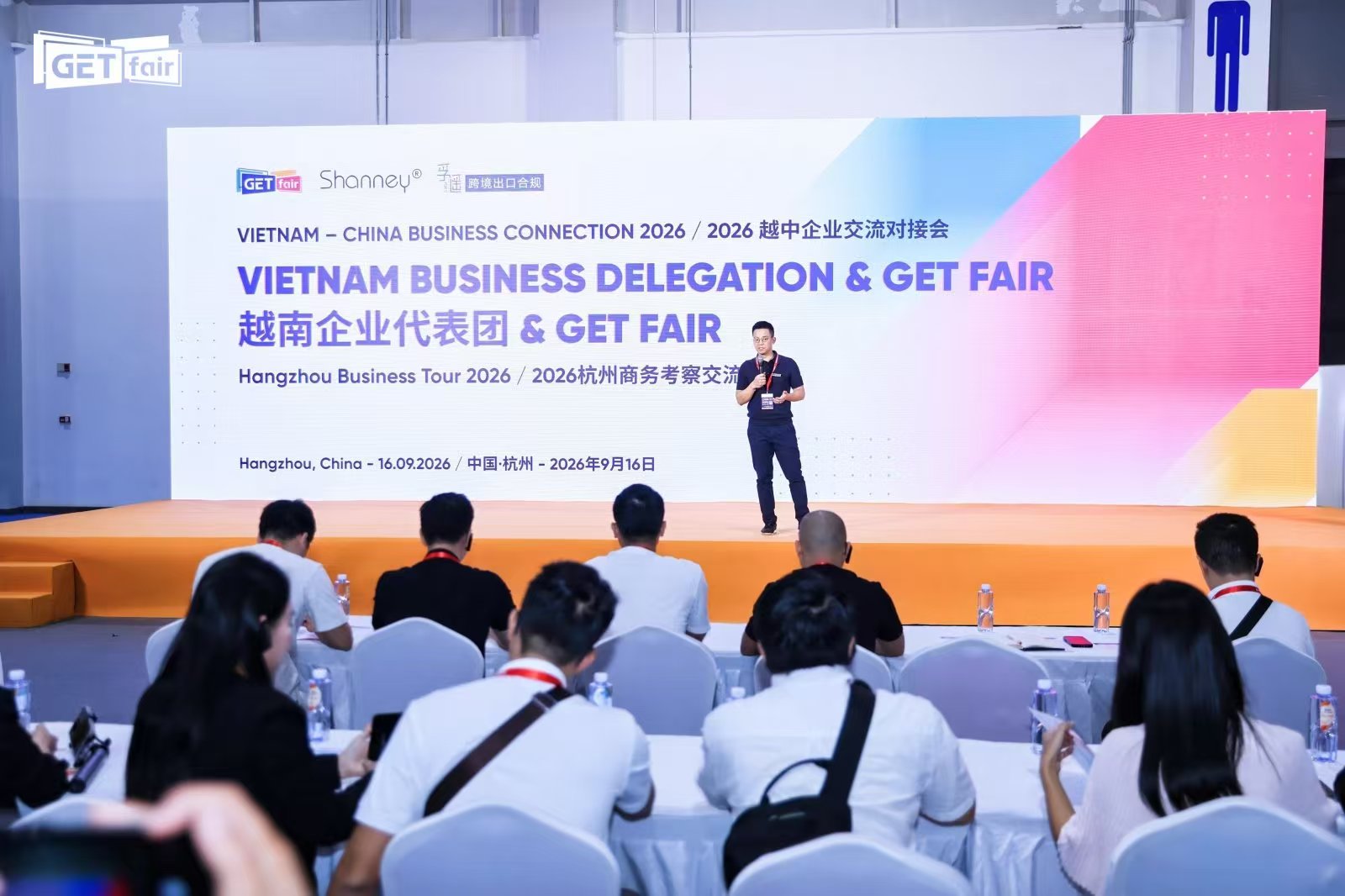
越南采购团内,一位经营缝纫产品的采购商表明了对供应链的关注:“希望能够在浙江这边找到比较高档的供应链,来提高我们缝纫行业的发展。”据了解,越南采购团的20多位企业采购商,来自快消、家电、MCN等多个行业,他们之所以对中国供应链如此关注,是因为“中国的供应链稳定,生产速度非常快,性价比高”。

“我们是源头工厂,只供货,不和经销商竞争。”一家真空密封机工厂的工作人员向亿邦动力介绍着那些销往俄罗斯、中东、葡萄牙等地的产品。这样的展会她经常参加,一次参展可能就无意间为后续合作积累资源,“十月份香港秋季电子展去吗”,现场询问的采购商得到已经报名的肯定回答后,撂下一句“香港见”便匆匆离开,这家工厂可能也就此留在采购商的备选名单中。

这些怀揣着学习经验或积累资源目的而来的采购商和卖家并不少见,即便买卖不成,也能在信息上互通有无。

做跨境直播同声传译产品的数桥人工智能展位上,工作人员拿话筒演示产品功能的声音吸引了一波接一波的人群。现场一位卖家本来和他聊着产品,价格虽然不在卖家预期内,但俩人开始了直播生意经分享,计划进军跨境直播的卖家,也趁此机会提出相关困惑。

更多的跨境电商从业者,则聚集在跨境电商知识问答社区知无不言的展位前,希望进入相关的同城会社群,方便获得更多实操干货。

02 向外转型、潮品定制,制造商求解增长新机会

今年在跨博会中出现的产业带有一个非常明显的特点,不仅能看到杭州周边的优质产业带,也有四川、江西、河北等其他省份城市的产业带。询问过其中几个展位后,亿邦动力发现,其中有不少原本只做国内市场的厂家,开始在跨境类展会寻找出海机会。

“我们这个镜子国内基本上不行,就是出口的。”据邢台荣越玻璃科技有限公司工作人员介绍,公司做外贸做了十几年,给亚马逊、沃尔玛的中间商供货,来参加展会是因为做的传统外贸受美国加征关税影响,希望在这里开发其他渠道。

经营厨具的杭州有勤智能科技有限公司,也想要在展会拓展做跨境电商的客户,“今天来咨询的客户中,有的在采购完商品后会通过TikTok直播的方式去卖”。甚至云南的非遗手工绣片,也有了加拿大客户。
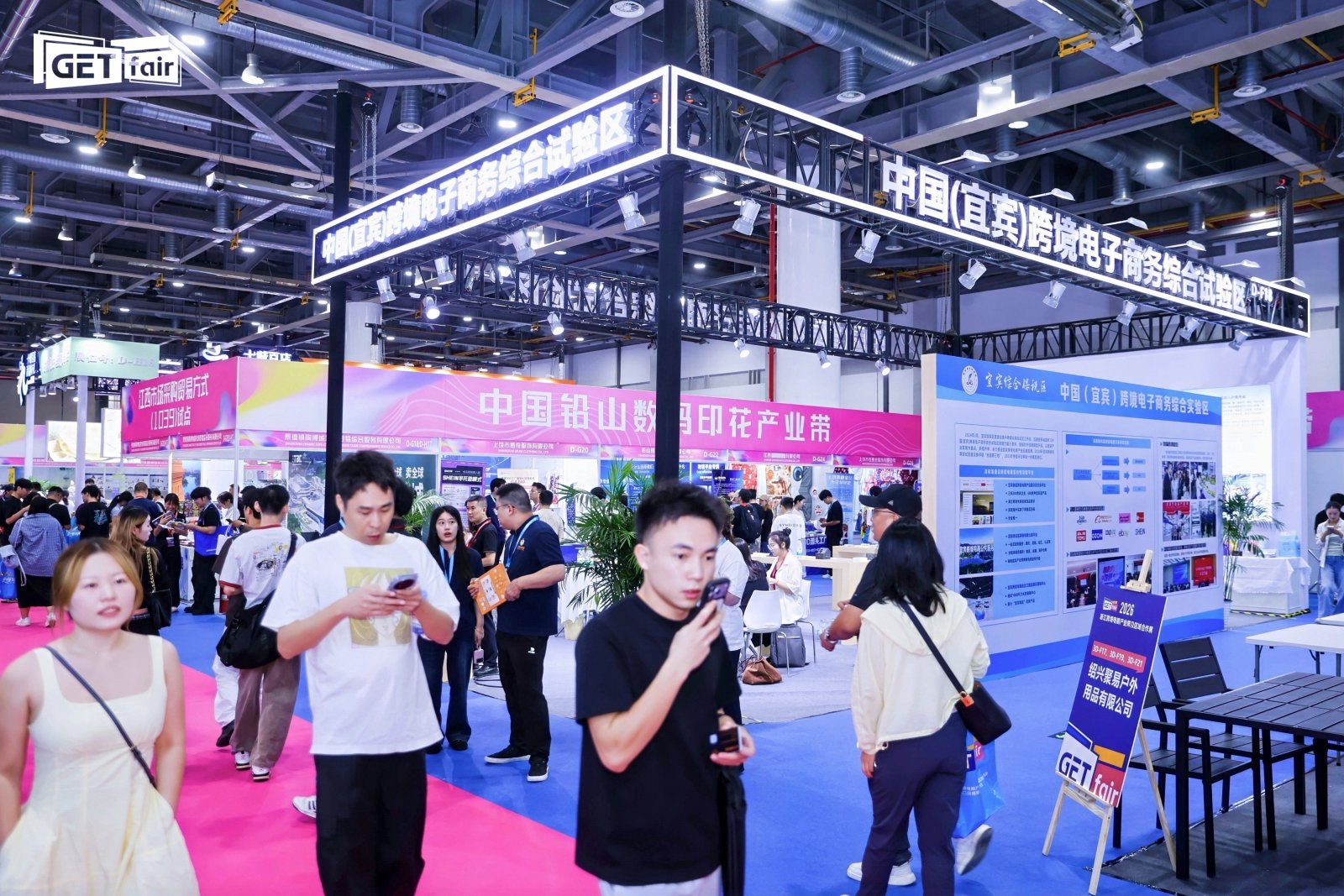
那些跨境业务发展暂且薄弱的其他省份产业带,更多的则是依托有政府背景的跨境服务平台与外界资源对接。“本地的厂家,其实更多地专注生产,他们也不太懂跨境。”景德镇陶博城跨境贸易综合服务有限公司作为国企,背靠全球最大的陶瓷批发交易市场,有600家商铺资源。对于来参展,工作人员称:“一个是希望我们景德镇的陶瓷在市场上能有更多曝光,第二个就是推荐我们景德镇的1039市场采购贸易方式。”

在跨博会,能提供情绪价值的产品多起来了,联名盲盒、二次元周边、AI毛绒玩具、手办拼图、桌面摆件等产品的身影都能找到,而且还颇受欢迎。

与王者荣耀联名的盲盒潮玩品牌凤凰潮集告诉亿邦动力:“计划主要往日本销售,因为日本的动漫比较好,上午有几个外国人对这个还是很感兴趣的。”不过目前还没有出海,因为还需要和联名方谈海外市场授权。

“来的人比周围的几个展位还是多一点。”温州什阳工艺品有限公司主要做二次元的冰箱贴和透卡,现在“想走外贸的渠道认识一些商家”。

此外,按需定制(POD)的模式也在更广泛地被接受,现场不少生产商展位都标记着小订量、现货、定制的字样。定制袜品牌Loomood甚至可以一双起订,通过将袜子和创意结合,既做独立站又接受代工,年产能有三个多亿。

03 效果说话、渗透提高,行业求解AI赋能价值

当话题回到采购商和卖家热议的AI,会发现大家关注的都是AI在跨境电商中如何应用——到底能不能干活、干活的效果怎么样。做相关业务的服务商,也都在尽力展示自己的AI服务够靠谱,应用后的效果提升数据都被放大加粗显示。
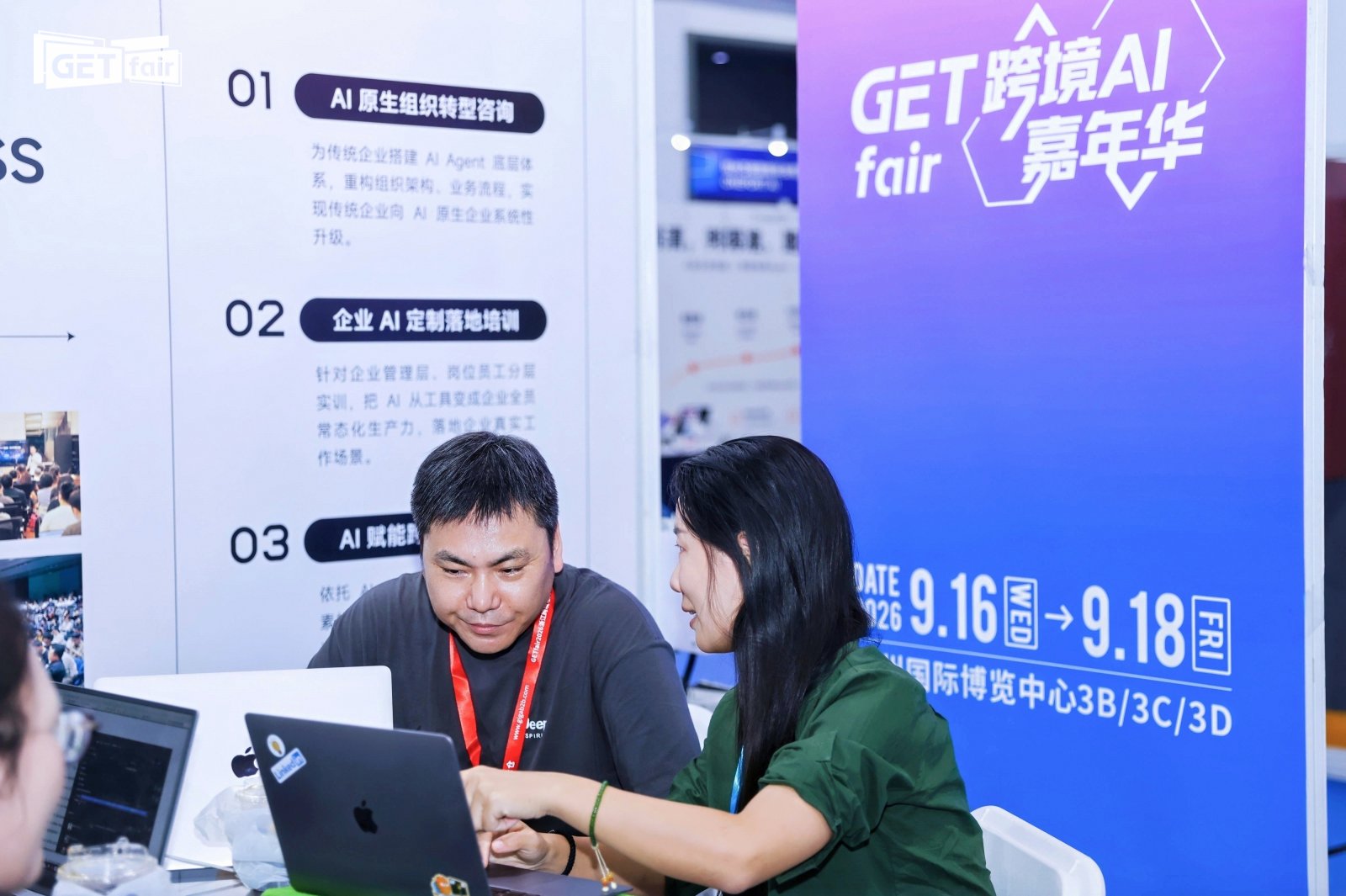
解决真实的问题,是AI跨境应用的价值所在。杭州客攀网络科技有限公司只做亚马逊平台的AI运营服务,其AI服务的用途之一,就是如何根据亚马逊现在75字符的新规去帮助卖家设计标题,让产品更容易被推荐。

“从今年开始,客户对AI服务的接受程度,肉眼可见变高了很多,去年的话其实大家还会有些顾虑,说实话还是得做出几个案例出来。”该公司工作人员向亿邦动力介绍这两年AI在跨境电商中的信任度变化。

在众多的AI运营服务商,那些能够讲出差异化卖点的服务商吸引参展者驻足的时间也更长。“我们和其他竞品公司最大的区别在于,我们是按效果付费的。”杭州数里行间科技有限公司华东客户经理自信地展示公司的AI客服产品,这样产品效果好自带底气的服务商,也在反向选择卖家,“我们只服务年营业额在10亿以上的卖家,因为我们的客单价还蛮贵的,如果要达到基础服务效果,基本上一年费用在25万左右,所以大卖才OK。”

但最让人意外的是,做AI跨境应用的,不止专业的服务商,有卖家也做起了服务商的生意。Artux AI的工作人员介绍这款产品是“我们自己的跨境电商业务中长出来的”,经了解,他们本身是做家居类的卖家,这套AI系统已经在内部使用了一年多。

而把内部系统推向市场的理由也很直接,“打算用卖AI服务来补贴以下,因为跨境电商还挺烧钱的”。卖家卖AI运营服务,也有独特优势,“因为是我们自己真实在用过,而且也知道大家需要的大概是哪一些业务场景,是可以让AI去做一个真正赋能。”

本文首发于 亿邦动力 官方网站

【版权提示】亿邦动力倡导尊重与保护知识产权。未经许可,任何人不得复制、转载、或以其他方式使用本网站的内容。如发现本站文章存在版权问题,烦请提供版权疑问、身份证明、版权证明、联系方式等发邮件至run@ebrun.com,我们将及时沟通与处理。

已点赞

+1

{{ praise_text }}

好文章,值得被更多人看到

FAQ回顾

2026杭州出口跨境电商博览会有哪些亮点?

2026杭州出口跨境电商博览会汇聚了20个源头产业带、1000多家外贸工厂和万余款热销品,并设有23家AI服务商参与的GETfair跨境AI嘉年华,吸引了越南等多国采购团。展会不仅促成订单,更成为采购商和制造商交流供应链信息、了解AI应用动向的平台。

海外采购商在中国跨博会上主要关注什么?

海外采购商除了直接采购,还重点考察中国供应链的稳定性、生产速度和性价比,并关注人工智能动向,希望寻找优质货源和长期合作机会。例如越南采购团中一位经营缝纫产品的采购商表示,希望在浙江找到高档供应链来提升行业发展。

外贸工厂如何应对传统外贸面临的挑战?

不少外贸工厂通过跨界展会开发新渠道。例如邢台荣越玻璃科技有限公司因美国加征关税影响,转向跨境类展会寻找其他渠道;杭州有勤智能科技有限公司则希望拓展跨境电商客户,其采购商通过TikTok直播等方式销售产品。此外,部分工厂开始接受定制和POD模式,如定制袜品牌Loomood可实现一双起订。

跨境电商中的AI应用有哪些新趋势?

AI在跨境电商中的应用更强调解决实际问题和效果付费。例如客攀网络根据亚马逊75字符新规帮助卖家设计标题;数里行间的AI客服产品按效果付费,主要服务年营业额10亿以上的卖家;Artux AI则将自用一年多、在家居业务中打磨出的AI系统推向市场,以真实业务场景赋能其他卖家。

广告

下一篇

跨境电商资源对接

《全球跨境电商服务商资源手册》第二期手册现已发布,触达更多资源,了解跨境服务商信息,欢迎点击链接下载。

了解详情

微信小店双11政策出炉:平台出资补贴 最高激励200万点成长卡

亿邦动力获悉,微信小店发布2026年双11大促激励政策。活动将于10月12日启动,持续至11月15日,共35天。本次大促包含三项核心玩法:跨店满减补贴、直播大场及跃迁激励、主播专属券激励。

腾讯 平台 社交媒体 微信

2026-09-22 15:29:01