• 亿邦公众号
    • APP下载

华为坤灵升级“4+10+N”场景化方案,发布“经纬计划”和50个样板点

作者:龚作仁 文章来源:Laborer

2026-09-16 20:19

作者:龚作仁 文章来源:Laborer

2026-09-16 20:19

邦小白快读

EN
全文速览

本次华为坤灵2026发布会的核心信息清晰,面向有办公、经营场景智能化需求的用户提供了多类可直接选用的高适配产品与服务。

1.方案直击普通经营主体做智能化的常见痛点,针对过去智能化改造中产品杂、集成难、部署慢、需专业团队运维、成本高的问题,围绕四大实用特质升级了一站式方案,覆盖办公、商业、教育、医疗多个场景。

2.发布的多款新品实用性强,包括可同时实现网络、安防功能的融合一体机、适合酒店场景的酒店宝、预集成多业务模块的数字诊疗IT平台、无需专业人员就能操作配单排障的小灵智能体,还有高性价比的企业级协作平板、Wi-Fi 7路由器,质量可靠故障少。

普通用户获取相关服务的门槛大幅降低。

1.目前华为坤灵的销售服务网络已覆盖全国300个城市,在核心商圈、电脑城、工程商密集区域做了网格化布局,就近就能找到服务点,响应速度快。

2.全国落地的50个样板点可供有需求的用户实地参考,直观了解智能化改造的实际效果,减少决策踩坑。

华为坤灵本次发布的产品方案与渠道打法,为面向企业客户的品牌开展产品研发、品牌建设与渠道布局提供了高价值参考。

1.品牌价值主张锚定精准,直面分销市场客户在智能化转型中遇到的产品功能单一、跨品集成难、部署周期长、运维效率低的共性痛点,明确打出化繁为简、开箱即用、智驭智维、品质普惠的价值标签,清晰传递“把复杂留给自己,把简单留给客户”的品牌理念,有效降低客户决策门槛。

2.产品研发逻辑清晰,围绕智能办公、商业、教育、医疗四大核心场景打造预集成的场景化方案,推出20款针对性新品,以解决实际场景问题为核心做产品设计,而非单纯堆砌参数。

品牌渠道建设的落地路径具备复用价值。

1.联动1.5万余家工程商伙伴搭建覆盖300城的网格化销售服务网络,近距离触达用户提升服务响应速度。

2.在全国落地50个实体样板点,用实景案例做品牌信任背书,打消客户对智能化转型效果的顾虑。

本次华为坤灵发布的渠道政策与产品布局,为分销领域卖家指明了明确的增长机会与可参与的合作路径。

1.增量市场空间清晰,当前中小微企业、垂直行业经营主体的智能化转型需求正在释放,客户普遍存在不想对接多供应商、不想承担高额集成与运维成本的核心诉求,低门槛、高可靠、一站式的智能化方案是明确的需求风口,覆盖办公、酒店、教育、医疗、商业零售等多个细分场景。

卖家可依托华为的“经纬计划”获得实实在在的经营支持。

1.该计划面向分销伙伴开放,将联动1.5万余家工程商搭建覆盖300城的网格化销售服务网络,参与的卖家可获得全系列场景化产品的供货支持,还能借助小灵智能体的智能配单、组网、排障能力,大幅降低自身交付、运维的技术门槛,无需配备高价专业技术团队即可服务客户。

2.全国落地的50个样板点可作为卖家谈单的实景参考,有效降低客户教育成本,提升签单效率。

本次华为坤灵的产品升级与生态布局,为生产制造类工厂明确了产品设计方向、自身转型路径与可对接的商业机会。

1.企业级智能化产品的设计需求发生明确变化,过去单一功能、需要客户自行集成的产品已无法满足分销市场需求,一体化融合设计、场景预集成、易部署易运维、高性价比的产品更受青睐,比如整合网络与安防功能的融合一体机、适配酒店场景的专用设备、预集成多业务模块的行业IT平台,还有采用严苛品控、低故障率的普惠型企业级办公硬件,都存在明确的市场缺口,生产端可参考这种品质普惠的思路,将严苛质量要求融入生产流程,打造高可靠的适配产品。

工厂可挖掘多重实际价值。

1.有自身智能化转型需求的工厂,可选用其预集成的场景化方案,降低转型过程中的部署、运维成本,借助小灵智能体这类工具,减少专业运维人员的投入。

2.具备本地化工程服务能力的工厂,可申请加入“经纬计划”成为合作工程商,依托华为的产品与工具支持,承接本地企业智能化改造的相关业务,共享覆盖300城的网格化渠道资源。

3.全国落地的50个样板点也可供工厂考察参考,直观了解智能化方案的落地效果,优化自身转型路径。

华为坤灵本次发布的新方案、新技术工具与服务网络布局,为智能化服务商明确了行业发展趋势、客户核心痛点与可落地的解决方案思路。

1.行业发展趋势已经发生变化,下沉分销市场的智能化服务已经从过去销售单一硬件产品,转向提供一站式场景化解决方案,客户的核心痛点集中在产品功能分散、跨产品集成难度大、部署周期长、专业运维成本高,对低门槛、高可靠、交付快的服务需求迫切。

可直接借鉴的落地解决方案与工具体系清晰。

1.方案设计上可参考四大逻辑:通过多产品融合减少设备数量,降低客户集成成本;通过场景化预集成缩短业务上线周期;借助智能化运维工具降低服务技术门槛,比如小灵智能体可实现智能配单、组网、排障,能让非专业人员也能完成交付,可大幅降低服务商的人力成本;通过高品控硬件降低售后故障概率。

2.服务布局上可参考网格化贴近用户的思路提升响应速度,配套打造可参观的样板点降低客户教育成本。

本次华为坤灵的生态搭建与服务运营思路,为企业服务类平台商明确了平台参与方的核心需求,提供了招商、运营管理的可参考方向。

1.平台生态中各方的核心诉求清晰,客户端需要易部署、易运维、高性价比的一站式智能化方案,反感多供应商对接、集成复杂、售后响应慢的服务体验;平台入驻的工程商、卖家需要平台提供标准化的方案支持、低门槛的交付工具,降低自身的技术与人力投入成本。

可参考的平台运营与招商打法具备实操价值。

1.招商布局层面,可联动区域内的工程商、线下门店伙伴,按照核心商圈、电脑城、工程商聚集区做网格化划分,搭建覆盖广、响应快的销售服务网络,缩短和最终用户的触达距离。

2.运营管理层面,一方面要打造标准化、预集成的场景化方案,配套智能化的配单、组网、排障工具,降低入驻伙伴的交付门槛;另一方面要落地实体样板点,给伙伴提供可复用的谈单素材,同时规避只追求单一产品参数、忽略客户实际使用体验的运营偏差,真正围绕易用、可靠的核心需求做服务。

本次华为坤灵的方案升级、“经纬计划”发布与样板点布局,反映出国内ICT分销市场与企业智能化服务领域的多个产业新动向与新问题,具备较高的产业研究价值。

1.产业发展面临的新问题明确,当前国内企业智能化转型已经进入下沉渗透阶段,分销市场存在明显的供需错配问题,传统分散的单一功能产品无法匹配中小微企业、行业分支机构的实际需求,跨产品集成难度大、部署周期长、运维技术门槛高、综合成本高,是阻碍智能化能力向下普及的核心堵点。

产业出现的新型商业模式与发展动向值得重点关注。

1.头部ICT企业正在探索“场景化预集成方案+智能化运维工具+网格化伙伴网络+实景样板点”的新型分销模式,产品端坚持将复杂技术整合在后台,为客户与伙伴提供开箱即用的简易产品;渠道端减少多层分销环节,直接联动1.5万余家工程商,以网格为单位覆盖300个城市,提升服务响应效率;交付端用智能工具体系降低技术门槛,推动企业级智能化产品从专业高价向品质普惠方向发展。

声明:快读内容全程由AI生成,请注意甄别信息。如您发现问题,请发送邮件至 run@ebrun.com 。

我是 品牌商 卖家 工厂 服务商 平台商 研究者 帮我再读一遍。

Quick Summary

The core takeaways from Huawei KunLun’s 2026 launch are clear: it delivers a portfolio of highly compatible, ready-to-use products and services tailored for users seeking to bring intelligence to their office and business operation scenarios.

1. The solutions directly address common pain points that ordinary business operators face when pursuing intelligent upgrades: fragmented product offerings, difficult system integration, slow deployment, reliance on specialized teams for operation and maintenance (O&M), and high costs. The upgraded one-stop solution suite is built around four practical, user-centric features, covering office, commercial, education, and healthcare scenarios.

2. The newly launched lineup delivers strong practical value: it includes an all-in-one integrated device that supports both networking and security functions, a dedicated “Hotel Bao” device for hospitality scenarios, a pre-integrated digital diagnosis and treatment IT platform, the XiaoLing AI agent that supports order configuration and troubleshooting without professional technical staff, as well as cost-effective, highly reliable enterprise collaboration displays and Wi-Fi 7 routers with low failure rates.

The barrier for ordinary users to access these services has been significantly reduced.

1. Huawei KunLun’s sales and service network now covers 300 cities nationwide, with a grid-based layout across core business districts, tech malls, and areas with dense engineering service providers, so users can access nearby service points for fast response.

2. Fifty on-site demonstration sites deployed across the country allow interested users to visit and observe the real-world performance of intelligent upgrades, helping them avoid missteps during decision-making.

Huawei KunLun’s newly launched product portfolio and channel strategy offer high-value references for B2B brands developing products, building brand equity, and designing channel networks.

1. The brand’s value proposition is sharply positioned: it directly addresses the common pain points of distribution market customers in intelligent transformation—limited single-product functionality, difficult cross-product integration, long deployment cycles, and low O&M efficiency. It clearly frames its value around simplifying complexity, out-of-the-box usability, AI-powered management and O&M, and high-quality accessible technology, conveying the core brand philosophy of “keeping complexity in-house, and leaving simplicity to customers,” which effectively lowers customers’ decision-making barriers.

2. Its product development logic is clearly structured: it has built pre-integrated, scenario-specific solutions across four core scenarios—smart office, commercial, education, and healthcare—launching 20 targeted new products designed around solving real scenario pain points, rather than simply stacking technical specifications.

The brand’s channel construction approach is highly replicable.

1. It has partnered with more than 15,000 engineering service providers to build a grid-based sales and service network covering 300 cities, enabling closer user reach and faster service response.

2. It has deployed 50 physical demonstration sites nationwide, using real-world cases as brand trust proof to ease customer concerns about the actual outcomes of intelligent transformation.

Huawei KunLun’s newly announced channel policies and product layout point to clear growth opportunities and accessible cooperation paths for sellers in the distribution sector.

1. The incremental market opportunity is well-defined: demand for intelligent transformation among micro, small and medium-sized enterprises (MSMEs) and vertical business operators is growing rapidly. These customers share core demands: they do not want to coordinate with multiple vendors, nor bear high integration and O&M costs. Low-threshold, highly reliable, one-stop intelligent solutions represent a clear demand upswing, covering sub-scenarios including offices, hotels, education, healthcare, and commercial retail.

Sellers can access tangible operational support through Huawei’s “Jingwei Plan.”

1. Open to distribution partners, the program will connect more than 15,000 engineering service providers to build the grid-based sales and service network across 300 cities. Participating sellers will receive supply support for the full lineup of scenario-specific products, and leverage the XiaoLing AI agent’s capabilities in intelligent order configuration, network setup, and troubleshooting to drastically lower the technical threshold for delivery and O&M, allowing them to serve customers without hiring high-cost specialized technical teams.

2. The 50 nationwide demonstration sites can serve as real-world reference assets for sellers during client pitches, effectively reducing customer education costs and improving deal closure rates.

Huawei KunLun’s product upgrades and ecosystem layout provide clear direction for manufacturing factories, covering product design priorities, internal transformation paths, and accessible commercial partnership opportunities.

1. Design requirements for enterprise-grade intelligent products have shifted notably: traditional single-function products that require customers to handle integration on their own no longer meet distribution market demand. Products with integrated all-in-one design, scenario-specific pre-integration, easy deployment and O&M, and high cost performance are favored—including the network-security integrated all-in-one device, dedicated equipment for hotel scenarios, industry IT platforms with pre-integrated business modules, and accessible enterprise-grade office hardware built with strict quality control and low failure rates, all of which have clear market gaps. Manufacturers can reference this “high-quality, accessible technology” approach, embed strict quality standards into production processes, and build highly reliable, scenario-adapted products.

Factories can unlock multiple tangible values from this ecosystem.

1. Factories pursuing their own intelligent transformation can adopt pre-integrated scenario solutions to cut deployment and O&M costs during transformation, and use tools like the XiaoLing AI agent to reduce reliance on specialized O&M staff.

2. Factories with local engineering service capabilities can apply to join the Jingwei Plan as partner engineering providers, leverage Huawei’s product and tool support to take on local enterprise intelligent upgrade projects, and share access to the grid-based channel resources covering 300 cities.

3. The 50 nationwide demonstration sites are also open for factory visits, allowing teams to observe the real-world implementation of intelligent solutions and optimize their own transformation roadmaps.

Huawei KunLun’s newly launched solutions, new technical tools, and service network layout offer clear guidance for intelligent service providers on industry trends, core customer pain points, and actionable solution design.

1. The industry trajectory has shifted: intelligent services for the lower-tier distribution market have evolved from selling discrete hardware products to delivering one-stop, scenario-specific solutions. Core customer pain points center on fragmented product functions, high cross-product integration difficulty, long deployment cycles, and high professional O&M costs, creating urgent demand for low-threshold, highly reliable, fast-delivery services.

The actionable solution frameworks and tool systems that service providers can reference are clearly defined.

1. Solution design can follow four core logics: reduce the number of deployed devices via multi-product integration to lower customer integration costs; shorten service launch timelines via scenario-specific pre-integration; lower technical service thresholds via intelligent O&M tools—for example, the XiaoLing AI agent supports intelligent order configuration, network setup, and troubleshooting, allowing non-specialist staff to complete delivery and drastically reducing service providers’ labor costs; and cut after-sales failure rates via strictly quality-controlled hardware.

2. For service network layout, providers can reference the grid-based, user-proximate approach to improve response speed, and complement this with visitable demonstration sites to reduce customer education costs.

Huawei KunLun’s ecosystem building and service operation approach provides clear insights for enterprise service platforms on the core needs of ecosystem participants, and offers actionable references for merchant recruitment and operation management.

1. The core demands of all parties in the platform ecosystem are clear: customers need easy-to-deploy, easy-to-maintain, cost-effective one-stop intelligent solutions, and are frustrated by multi-vendor coordination, complex integration, and slow after-sales response; engineering service providers and sellers on the platform need standardized solution support and low-threshold delivery tools to reduce their own technical and labor input costs.

The referenced platform operation and merchant recruitment strategies offer practical, implementable value.

1. For merchant recruitment and layout: platforms can partner with regional engineering service providers and offline store partners, divide coverage into grids based on core business districts, tech malls, and engineering provider clusters, and build a wide-reaching, fast-response sales and service network to shorten the distance to end users.

2. For operation management: on one hand, platforms should develop standardized, pre-integrated scenario solutions, paired with intelligent tools for order configuration, network setup, and troubleshooting to lower delivery barriers for resident partners; on the other hand, they should deploy physical demonstration sites to provide reusable pitch assets for partners, while avoiding the operational misstep of overemphasizing single-product specifications at the expense of real user experience, to truly build services around core demands for ease of use and reliability.

Huawei KunLun’s solution upgrades, the launch of the Jingwei Plan, and its demonstration site layout reflect multiple new industry trends and emerging issues in China’s ICT distribution market and enterprise intelligent service sector, carrying high value for industrial research.

1. New challenges facing the industry are clearly defined: China’s enterprise intelligent transformation has entered the stage of deeper, lower-tier penetration, and there is a notable supply-demand mismatch in the distribution market. Traditional, fragmented single-function products cannot meet the actual needs of MSMEs and industry branch offices; high cross-product integration difficulty, long deployment cycles, high technical thresholds for O&M, and high overall costs are the core bottlenecks preventing wider adoption of intelligent capabilities among smaller and lower-tier market players.

The new business models and development trends emerging in the sector merit close attention.

1. Leading ICT enterprises are exploring a new distribution model defined by “scenario-specific pre-integrated solutions + intelligent O&M tools + grid-based partner network + real-scenario demonstration sites.” On the product side, companies keep complex technology integrated in the backend to deliver easy, out-of-the-box products for customers and partners. On the channel side, they reduce multi-layer distribution links, directly partner with more than 15,000 engineering service providers, and cover 300 cities on a grid basis to improve service response efficiency. On the delivery side, they use intelligent tool systems to lower technical thresholds, driving the evolution of enterprise-grade intelligent products from specialized, high-priced offerings to accessible, high-quality solutions for broader market adoption.

Disclaimer: The "Quick Summary" content is entirely generated by AI. Please exercise discretion when interpreting the information. For issues or corrections, please email run@ebrun.com .

I am a Brand Seller Factory Service Provider Marketplace Seller Researcher Read it again.

9月16日,华为坤灵新品发布会2026在上海举行。华为常务董事、ICT BG CEO杨超斌宣布,华为坤灵全面升级 “4+10+N” 一站式场景化方案,发布20款新品,并面向中国分销伙伴发布“经纬计划”和50个样板点,让智能世界触手可及。
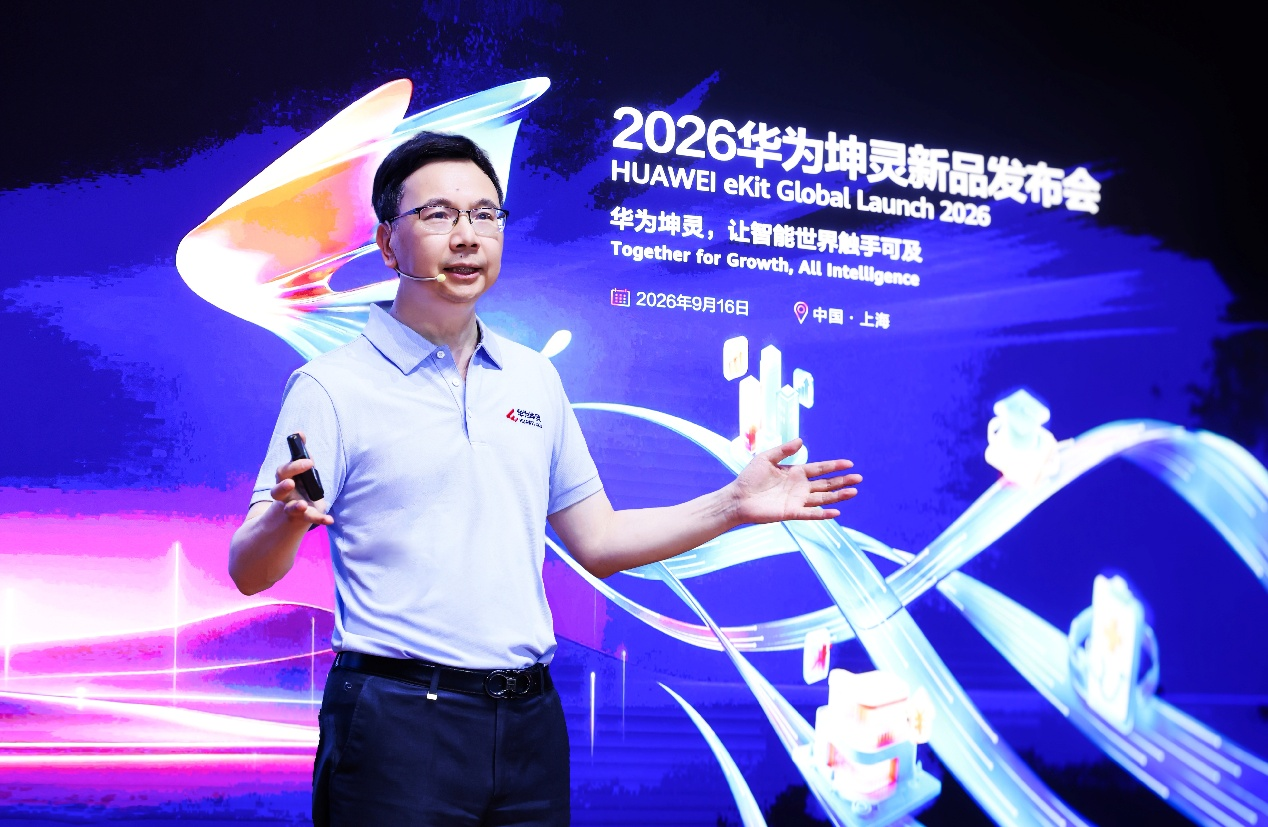
华为常务董事、ICT BG CEO杨超斌发表主题演讲

围绕四大特质,升级“4+10+N”场景化方案

在企业加速智能化转型的过程中,网络、存储、安全成为高效释放AI算力的关键要素。但在分销市场,企业仍存在共性挑战,包括产品功能单一、跨产品集成难、部署周期长、运维效率低等。

为解决以上挑战,华为坤灵围绕“化繁为简、开箱即用、智驭智维,品质普惠”四大特质,聚焦智能办公、商业、教育、医疗四大核心场景、十个场景化方案及N个明星产品,全面升级“4+10+N”场景化方案。

化繁为简:发布业界首个网络安防融合一体机AR281、酒店宝F1004等产品,通过一体化多产品融合,用更少的设备,带来更强的能力,简化产品集成,降低交付门槛。

开箱即用:发布数字诊疗IT平台,集FusionCube Nemo 630超融合、存储及网络于一体,实现一套系统支撑影像、信息、病历等多种业务,通过场景化方案预集成,让业务上线更高效,系统运行更可靠。

智驭智维:推出“小灵智能体”,通过智能化装维工具,具备智能配单、智能组网、智能排障等核心能力,让非专业人员也可轻松驾驭配单、组网和运维。

品质普惠:发布交互式协作平板IdeaHub B3 Base和企业级Wi-Fi 7无线路由器Aura10,通过流程化硬件设计与品控,将华为企业级严苛质量要求融入生产工作场景,以高可靠的产品,降低故障风险。

杨超斌表示:“全场景智能化前景广阔,华为坤灵将坚定围绕‘4+10+N’持续打造一站式场景化方案,把复杂留给自己,把简单留给客户和伙伴。”

发布“经纬计划”及50个样板点

为更高效服务客户,华为坤灵发布“经纬计划”,通过全域联动1.5万多家工程商伙伴,构建覆盖全国300个城市的销售与服务网络。目前,华为坤灵已在全国300个城市的核心商圈、电脑城、工程商密集区域,识别1万多个网格,极大拉近华为坤灵与最终用户的距离,提升服务响应速度。

同时,华为坤灵发布50个样板点,为广大客户提供智能化实践参照,助力更多企业走好智能化转型之路。

注:文/龚作仁,文章来源:Laborer,本文为作者独立观点,不代表亿邦动力立场。

【版权提示】亿邦动力倡导尊重与保护知识产权。未经许可,任何人不得复制、转载、或以其他方式使用本网站的内容。如发现本站文章存在版权问题,烦请提供版权疑问、身份证明、版权证明、联系方式等发邮件至run@ebrun.com,我们将及时沟通与处理。

已点赞

+1

{{ praise_text }}

好文章,值得被更多人看到

FAQ回顾

华为坤灵的4 10 N场景化方案是什么?

华为坤灵“4 10 N”是面向企业智能化转型的一站式场景化方案,围绕化繁为简、开箱即用、智驭智维、品质普惠四大特质,聚焦智能办公、商业、教育、医疗四大核心场景,覆盖10个场景化方案及N个明星产品,可解决分销市场企业产品集成难、部署周期长、运维效率低等痛点。

华为坤灵推出的经纬计划有什么作用?

华为坤灵面向中国分销伙伴发布的“经纬计划”,通过联动1.5万多家工程商伙伴,构建覆盖全国300个城市的销售与服务网络,目前已布局1万多个服务网格,可拉近与最终用户的距离,大幅提升服务响应速度。

分销市场企业推进智能化转型有哪些共性痛点?

企业在加速智能化转型过程中,网络、存储、安全是高效释放AI算力的关键要素,当前分销市场的企业普遍面临产品功能单一、跨产品集成难度高、部署周期长、运维效率低等共性挑战。

华为坤灵小灵智能体具备哪些核心能力?

华为坤灵推出的“小灵智能体”是智能化装维工具,具备智能配单、智能组网、智能排障三大核心能力,可降低技术使用门槛,让非专业人员也能轻松完成配单、组网及运维工作。

广告

下一篇

跨境电商资源对接

《全球跨境电商服务商资源手册》第二期手册现已发布,触达更多资源,了解跨境服务商信息,欢迎点击链接下载。

了解详情

TikTok for Business发布六大增长新机会:新商品 新素材 新体裁 新人群 新国家 新渠道

TikTok for Business举办2026 SHOPNOW品牌电商出海营销峰会,指出驱动生意增长的六大新机会——新商品、新素材、新体裁、新人群、新国家与新渠道,并提供了一系列全新升级的智能营销产品和解决方案