• 亿邦公众号
    • APP下载

给旺季做“减法”:易达云加拿大旺季履约福利来袭!

作者:易达云 文章来源:易达云

2026-09-16 16:47

作者:易达云 文章来源:易达云

2026-09-16 16:47

邦小白快读

EN
全文速览

这篇内容是面向加拿大站点跨境从业者的2026年Q4旺季履约实用指南,核心围绕旺季物流成本上涨问题给出可落地的应对参考。

1. 首先明确了旺季的核心成本压力:当前加拿大物流端燃油附加费持续走高,2026年9月FedEx费率达45.5%、UPS接近50%,亚马逊10月15日起将征收单均0.39加元的旺季配送费,叠加各项成本后端派送费较淡季涨近3成,大件重货物流成本占比逼近30%。

2. 整理了可直接享受的实操福利:2026年10月1日至2027年1月15日,易达云两款核心派送产品可享燃油附加费9折;2026年9月16日起,符合条件的客户可申请覆盖库内操作、仓租、增值服务的定制优惠。

3. 附带实用经营参考:加拿大市场有五类适合海外仓备货的高潜力品类,采用东西部分仓备货模式,可将78%的订单覆盖到低运费、高时效区域,有效压缩履约成本。

这篇内容披露了加拿大跨境电商市场的消费特征、需求偏好与成本环境,可为品牌布局加拿大站点提供决策参考。

1. 消费趋势方面,加拿大是北美区域高客单价、高复购的优质站点,2026年5月单月电商零售额达50亿加元,同比增长3.1%,本地消费者需求与居住场景高度绑定,因独立屋占比高、冬季漫长,对适配场景的家居、汽配、带电类产品需求旺盛。

2. 产品研发方向上,当前车库收纳、平板拆装家具、庭院收纳、皮卡/SUV配件、冬季带电五大品类中国供应链优势突出,其中金属家具类中国供货占加拿大进口份额的56.7%,汽配类年进口规模达17.9亿美元,适合重点布局。

3. 价格竞争参考,旺季履约成本较淡季上涨近3成,可通过分仓备货、适配高性价比尾程渠道的方式压缩物流成本,保持终端价格竞争力。

这篇内容明确了加拿大站点2026年Q4旺季的市场机会、风险点与专属履约扶持政策,可直接指导卖家备货决策。

1. 风险提示层面,旺季物流成本将明显攀升,主流快递燃油附加费持续上涨,亚马逊10月15日起加征单均0.39加元的旺季配送费,末端总成本较淡季涨近30%,大件重货物流成本占比逼近30%,同时行业普遍存在旺季库容紧张、一仓难求的问题。

2. 市场机会层面,加拿大电商零售保持3.1%的同比增速,车库收纳、平板家具、庭院收纳、皮卡/SUV配件、冬季带电五大品类中国供应链优势强、本地需求明确,旺季爆单潜力大。

3. 扶持政策层面,易达云推出覆盖全旺季节点的履约福利,核心派送产品燃油费9折,符合条件的客户可申请库内、仓租类定制优惠,依托三城仓网可将78%的订单落在低运费高时效区域,帮助卖家降本提效。

这篇内容披露了加拿大跨境市场的热销产品特征、渠道需求与履约配套,可为外贸工厂对接跨境渠道、优化产品设计提供方向参考。

1. 产品生产设计需求上,加拿大市场五类产品需求旺盛:平板化包装的金属收纳家具、可拆装平板床架等家居品、平板包装庭院收纳品、皮卡/SUV非安全类汽配附件、适配冬季场景的锂电工具等带电产品,其中金属家具类中国供货占加拿大进口量的56.7%,汽配类年进口规模达17.9亿美元,市场空间充足。

2. 商业机会层面,这类热销产品普遍适配海外仓一件代发模式,工厂可重点优化产品的平板化、模块化设计,预留补件操作空间,对接布局加拿大站点的卖家,通过前置备货提升交付竞争力。

3. 配套支撑层面,当前加拿大已有覆盖东西部核心城市的自营仓网、带电类产品危险品仓储资质、多元尾程渠道,可降低工厂布局跨境渠道的物流门槛。

这篇内容披露了跨境电商加拿大站点旺季履约的客户核心痛点、落地解决方案与行业趋势,可为跨境服务商优化服务产品提供参考。

1. 客户核心痛点方面,2026年Q4旺季卖家普遍面临多重成本压力,燃油附加费、平台旺季配送费叠加推动末端成本较淡季涨近30%,大件重货品类成本压力尤其突出;同时存在旺季库容紧张、单仓备货跨区成本高时效慢、带电类产品缺少合规仓储资质等共性问题。

2. 可借鉴的解决方案方面,易达云的服务模式具备参考价值:布局多伦多、温哥华、蒙特利尔三城超5万平自营仓网,引导客户分仓备货,将78%的订单覆盖到低运费时效区;整合多元尾程渠道,按货型、时效需求匹配最优派送方案;旺季推出定向燃油折扣、库内定制优惠,直击客户核心成本痛点;配套危险品仓储资质承接带电类产品需求,补齐服务短板。

这篇内容反映了跨境卖家布局加拿大站点时的履约痛点与服务需求,可为平台优化商家服务、制定旺季运营策略提供参考。

1. 商家核心需求层面,旺季期间卖家面临多重物流成本上涨压力,公共渠道燃油费上调、平台征收的旺季配送费会进一步抬高履约成本,同时存在旺季库容不足、单仓备货跨区配送成本高时效慢、带电与大件类产品缺少合规履约配套的问题,直接影响商家旺季经营稳定性。

2. 运营优化方向上,平台可联动优质第三方海外仓、物流服务商为商家争取专属旺季物流折扣,补充旺季库容供给,引导商家根据订单地域分布分仓备货,降低跨区配送成本、提升妥投时效;针对带电、大件等特殊品类,对接具备对应资质的履约服务商补齐服务短板。

3. 招商选品参考上,可重点引入具备供应链优势的收纳类、平板家具、庭院用品、汽配、冬季带电类商家,匹配本地消费需求,提升平台品类适配度。

这篇内容呈现了2026年中国跨境电商布局加拿大市场的产业新特征、共性痛点与创新履约模式,可作为跨境电商产业研究的实践素材。

1. 产业新动向方面,加拿大作为北美高客单价、高复购的优质跨境站点,电商渗透率稳步提升,2026年5月电商销售额占社会零售总额6.8%,同比增长3.1%;热销品类高度适配中国供应链优势,金属家具类中国产品占加拿大进口份额的56.7%,汽配类进口规模持续扩大,海外仓前置备货成为大件、重货、季节性品类的主流履约选择。

2. 行业新问题方面,旺季期间多重成本叠加抬高了履约门槛,燃油附加费、平台旺季附加费推动末端成本较淡季上涨近30%;单仓备货模式下近半数订单属于高运费跨区订单,存在时效慢、成本高的问题;旺季库容缺口、带电类特殊品类合规仓储资质不足,也成为制约卖家经营的共性问题。

3. 模式创新方面,第三方服务商通过布局核心城市自营仓网、整合多元尾程渠道、推出旺季定向成本补贴的方式帮卖家降本提效,成为跨境履约服务的新范式。

声明:快读内容全程由AI生成,请注意甄别信息。如您发现问题,请发送邮件至 run@ebrun.com 。

我是 品牌商 卖家 工厂 服务商 平台商 研究者 帮我再读一遍。

Quick Summary

This article is a practical 2026 Q4 peak season fulfillment guide for cross-border operators selling on the Canadian marketplace, with actionable recommendations for navigating rising peak-season logistics costs.

1. Core peak-season cost pressures are first outlined: Fuel surcharges across Canada’s logistics network remain elevated, with FedEx’s rate reaching 45.5% and UPS’s approaching 50% as of September 2026. Starting October 15, Amazon will impose an average peak delivery fee of CAD 0.39 per order. Combined with other surcharges, last-mile delivery costs are expected to rise nearly 30% compared to the off-peak season, with logistics costs for oversized and heavy goods accounting for close to 30% of total product value.

2. Tangible, ready-to-use cost benefits are compiled: From October 1, 2026 to January 15, 2027, EZComet’s two core delivery products are available at a 10% discount on fuel surcharges; starting September 16, 2026, eligible customers can apply for customized discounts covering in-warehouse operations, storage fees, and value-added services.

3. Additional practical operational guidance is included: Five high-potential product categories in the Canadian market are well-suited for overseas warehouse stockpiling. Adopting a split-warehouse model covering Eastern and Western Canada can cover 78% of orders with lower-fee, faster-delivery zones, effectively reducing overall fulfillment costs.

This article outlines consumer behavior, demand preferences, and cost dynamics in Canada’s cross-border e-commerce market, to support brands’ strategic decision-making for their Canadian marketplace expansion.

1. Consumer trends: Canada is a high-value, high-repeat-purchase premium market in North America. Monthly e-commerce retail sales reached CAD 5 billion in May 2026, up 3.1% year over year. Local consumer demand is closely tied to residential characteristics: with a high share of detached homes and long winters, demand is strong for home goods, auto parts, and battery-powered products tailored to these scenarios.

2. Product development priorities: Five categories hold outsized Chinese supply chain advantages: garage storage, flat-pack furniture, yard storage, pickup/SUV accessories, and winter-oriented battery-powered products. Chinese metal furniture suppliers account for 56.7% of Canada’s metal furniture imports, while annual imports of Chinese auto parts reach USD 1.79 billion, making these categories high-priority expansion targets.

3. Pricing competitiveness considerations: Peak-season fulfillment costs are nearly 30% higher than off-peak levels. Brands can reduce logistics costs and maintain end-price competitiveness via split-warehouse stockpiling and selection of cost-effective last-mile delivery channels.

This article defines market opportunities, risk factors, and exclusive fulfillment support policies for the 2026 Q4 peak season on the Canadian marketplace, to directly inform sellers’ stockpiling decisions.

1. Risk alerts: Peak-season logistics costs will rise significantly, with major couriers implementing continuous fuel surcharge hikes and Amazon imposing an average peak delivery fee of CAD 0.39 per order starting October 15. Total last-mile costs will rise nearly 30% versus the off-peak season, with logistics costs for oversized and heavy goods approaching 30% of product value. Widespread industry constraints include tight peak-season warehouse capacity and limited available storage space.

2. Market opportunities: Canada’s e-commerce retail sales are growing at a 3.1% year-over-year rate. Five categories—garage storage, flat-pack furniture, yard storage, pickup/SUV accessories, and winter battery-powered products—combine strong Chinese supply chain advantages and clear local demand, with high potential for peak-season sales surges.

3. Support policies: EZComet is launching peak-season fulfillment benefits spanning the full high-demand window, including a 10% discount on fuel surcharges for core delivery products, and customized in-warehouse and storage discounts for eligible customers. Leveraging its three-city warehouse network, sellers can cover 78% of orders via low-fee, high-speed delivery zones to cut costs and improve efficiency.

This article outlines high-demand product attributes, channel requirements, and fulfillment infrastructure in Canada’s cross-border e-commerce market, to guide foreign trade factories as they connect with cross-border channels and optimize product design.

1. Product design and production demand: Five categories have strong demand in Canada: flat-pack metal storage furniture, home goods such as disassemblable flat-pack bed frames, flat-pack yard storage products, non-safety-related pickup/SUV auto accessories, and winter-adapted battery-powered products such as lithium-ion tools. Chinese metal furniture suppliers hold 56.7% of Canada’s import share for the category, while annual auto parts imports reach USD 1.79 billion, indicating substantial market space.

2. Business opportunities: These high-demand products are broadly compatible with the overseas warehouse dropshipping model. Factories can prioritize optimizing products for flat-pack, modular design, reserve capacity for replacement part handling, partner with Canada-focused sellers, and improve delivery competitiveness via forward stockpiling.

3. Supporting infrastructure: Canada now has a self-operated warehouse network covering core Eastern and Western cities, hazardous goods storage qualifications for battery-powered products, and diversified last-mile channels, reducing the logistics barrier for factories expanding into cross-border sales channels.

This article outlines core customer pain points, actionable solutions, and industry trends for peak-season fulfillment on Canada’s cross-border e-commerce market, to support cross-border service providers in refining their service offerings.

1. Core customer pain points: During the 2026 Q4 peak season, sellers will face widespread multi-layered cost pressures: combined fuel surcharges and platform peak delivery fees will drive last-mile costs up nearly 30% from off-peak levels, with oversized and heavy goods facing particularly acute cost strain. Common additional pain points include tight peak-season warehouse capacity, high costs and slow delivery from single-warehouse stockpiling due to long cross-zone distances, and a lack of compliant storage qualifications for battery-powered products.

2. Reference-worthy solutions: EZComet’s service model offers relevant benchmarks: it operates over 50,000 square meters of self-operated warehouse space across Toronto, Vancouver, and Montreal, guiding customers to adopt split-warehouse stockpiling to cover 78% of orders in low-fee, high-speed delivery zones; it integrates diversified last-mile channels to match optimal delivery solutions based on product type and delivery speed requirements; it launched targeted fuel discounts and customized in-warehouse promotions during peak season to directly address core customer cost pain points; and it offers hazardous goods storage qualifications to support battery-powered product demand, filling a key service gap.

This article reflects fulfillment pain points and service demands among cross-border sellers operating in the Canadian marketplace, to inform platforms’ merchant service improvements and peak-season operational strategy design.

1. Core merchant needs: During peak season, sellers face layered logistics cost increases: rising public-channel fuel surcharges and platform-imposed peak delivery fees will further elevate fulfillment costs. Additional pressures include insufficient peak-season warehouse capacity, high cross-zone delivery costs and slow speeds from single-warehouse stockpiling, and a lack of compliant fulfillment support for battery-powered and oversized goods, all of which directly threaten the stability of merchants’ peak-season operations.

2. Operational improvement priorities: Platforms can partner with high-quality third-party overseas warehouses and logistics providers to secure exclusive peak-season logistics discounts for merchants, expand peak-season warehouse capacity, and guide merchants to adopt split-warehouse stockpiling aligned with order geographic distribution, to reduce cross-zone delivery costs and improve delivery success speeds. For special categories such as battery-powered and oversized goods, platforms can connect merchants with qualified fulfillment providers to close service gaps.

3. Merchant recruitment and category selection guidance: Platforms can prioritize onboarding merchants in categories with strong supply chain advantages—including storage products, flat-pack furniture, yard goods, auto parts, and winter battery-powered products—to match local consumer demand and improve category fit on the platform.

This article presents emerging industry characteristics, common pain points, and innovative fulfillment models for Chinese cross-border e-commerce players expanding into the Canadian market in 2026, serving as practical empirical material for cross-border e-commerce industry research.

1. New industry trends: As a high-average-order-value, high-repeat-purchase premium cross-border market in North America, Canada has seen steady growth in e-commerce penetration: e-commerce sales accounted for 6.8% of total retail sales in May 2026, up 3.1% year over year. High-demand categories align closely with Chinese supply chain strengths: Chinese products hold 56.7% of Canada’s metal furniture import share, auto parts import volumes continue to expand, and forward stockpiling in overseas warehouses has become the dominant fulfillment model for oversized, heavy, and seasonal goods.

2. Emerging industry challenges: Layered cost surcharges during peak season have raised fulfillment barriers: fuel surcharges and platform peak fees push last-mile costs nearly 30% above off-peak levels. Under the single-warehouse stockpiling model, nearly half of orders are high-cost cross-zone deliveries, associated with slower speeds and elevated costs. Peak-season warehouse capacity gaps and insufficient compliant storage qualifications for special categories such as battery-powered goods have also become widespread constraints on seller operations.

3. Model innovation: Third-party service providers have developed a new cross-border fulfillment service paradigm, helping sellers cut costs and improve efficiency by building self-operated warehouse networks in core cities, integrating diversified last-mile channels, and offering targeted peak-season cost subsidies.

Disclaimer: The "Quick Summary" content is entirely generated by AI. Please exercise discretion when interpreting the information. For issues or corrections, please email run@ebrun.com .

I am a Brand Seller Factory Service Provider Marketplace Seller Researcher Read it again.

黑五、网一、圣诞接连临近,2026年Q4旺季备货正在加速。

加拿大作为北美市场高客单价、高复购的优质站点,是众多卖家冲业绩的主战场;但伴随旺季而来的,除了暴涨的订单量,还有持续走高的物流成本:

一方面,受能源价格和国际形势影响,燃油附加费一路走高。2026年9月初,加拿大FedEx的费率已经一路飙升到45.5%,UPS的燃油费率更是距离50%仅一步之遥,Canada Post等渠道也执行动态上调机制,海运、卡车运输等环节的燃油成本也同步走高。

另一方面,亚马逊加拿大站将于10月15日起叠加征收假日旺季配送费,单件商品平均涨幅约0.39加元。

基础运费、燃油附加费、旺季附加费等多重成本叠加,让末端派送成本较淡季上涨近三成,部分大件、重货品类物流成本占比逼近30%。如何在保障旺季履约效率的同时压缩物流成本,成为所有布局加拿大市场卖家的核心需求。

01双重旺季福利:从入库到派送全方位减负

为缓解卖家旺季成本上涨的压力,易达云正式推出加拿大市场专属活动:

活动一:燃油附加费9折

●覆盖产品:加拿大FedEx Ground派送产品、加拿大标准派送产品

●活动对象:新/老客户

●活动时间:2026年10月1日-2027年1月15日

活动二:专属定制优惠

除尾程燃油优惠外,还根据您的货型、货量,提供从入仓到发货的一系列库内优惠

●覆盖范围:库内操作、仓租及增值服务

●活动时间:2026年9月16日-2027年1月15日

●活动对象:新客户/满足条件的老客户

具体活动详情,请咨询易达云官方。

① 加拿大FedEx Ground派送

针对家具家居、健身器材、户外用品等中大件货件,FedEx Ground依托加拿大全境官方派送网络,全面覆盖商业地址与住宅地址,拥有成熟的重货分拣、末端派送体系,时效稳定、售后完善,是中大件卖家旺季履约的优选渠道。

② 加拿大标准派送

针对服饰鞋包、3C配件、家居装饰等普货小件,标准派送依托加拿大邮政为主的聚合末端网络,可覆盖商业、住宅以及PO‑Box邮箱地址,全境包含北部偏远区域无额外偏远附加费,具备高性价比的派送能力,是铺货型、走量型、追求性价比卖家的首选。

易达云针对这两款高频使用的派送产品,推出燃油附加费9折优惠,直接从末端核心成本切入,扎扎实实为卖家减负。

02加拿大市场值得做吗?哪些品类好卖?

Statistics Canada最新数据显示,2026年5月加拿大单月零售电商销售额约50亿加元,占全国零售额6.8%;相比2025年同期增长3.1%。以下五大品类中国供应链优势突出、加拿大本地需求明确,适合海外仓备货,旺季爆单潜力大:

● 车库收纳 / 家居收纳

金属货架、车库柜、工作台、壁挂收纳等,在加拿大备受青睐。

车库收纳在加拿大已发展成一个成熟的零售品类,仅Home Depot Canada的车库货架类目,就有192款在售产品;Heavy Duty Garage Shelving相关商品覆盖从百加元左右到数百加元不等,不少成熟SKU拥有数千条真实用户评价,市场接受度很高。

中国供应链在这类产品上的供应链优势突出。根据UN Comtrade最新贸易数据汇总,2025年7月至2026年6月,加拿大从中国进口HS940320“其他金属家具”约4.45亿美元,中国供应约占加拿大该品类进口的56.7%;更重要的是,这类商品通常平板化、模块化、多SKU,适合标准化仓储与一件代发模式,本地备货的价值明显。

● 床架 / 家具家居

金属平台床、储物床架以及其他可拆装平板家具,同样是优质选品。

和车库收纳品类有一个共同特点:中国制造优势强,而且货型天然适合海外仓。 相比整装家具,这类产品通常可以拆成规则纸箱运输,但又存在长边、多箱、缺件等售后问题,提前备货到加拿大海外仓,可以在本地完成快速出库、补件、退货处理和重新上架。

● 庭院收纳

加拿大独立屋、车库和庭院使用场景,也带来了不少具有本地特色的机会。

以deck box为例,目前Home Depot Canada在售约131款,Suncast、Keter、Rubbermaid等品牌已经形成成熟品类。Deck box、树脂储物柜、中小型户外收纳等产品通常体积较大、适合平板包装、季节性明显,更适合提前海运备货,在旺季通过本地仓快速消化订单。

● 皮卡 /SUV用品

汽配一直是加拿大乃至整个北美的热门赛道。Statistics Canada最新数据显示,2026年5月加拿大汽车零配件、附件及轮胎零售额达到13.79亿加元,同比增长2.7%。

从供应链看,截至2026年6月,过去12个月,加拿大从中国进口HS8708汽车零部件及附件约17.9亿美元,整体贸易规模依然庞大,像tonneau cover、running board、roof rack、cargo carrier等皮卡/SUV非安全类附件,既符合加拿大生活场景,也很适合通过海外仓提前备货,尤其对于长边、重货大件,FedEx一类渠道有不错的时效和成本优势。

● 带电品类

加拿大独栋多、冬季漫长,锂电工具、厨房小家电、电暖器、锂电除雪机、智能家居等带电产品也备受欢迎。

易达云在加拿大东部和西部设有具备危险品存储和操作资质的海外仓,可承接符合要求的带电产品。由于不同电池类型、包装方式和运输渠道对应的要求不同,具体可根据产品功率和尺寸确认相应的仓储和运输方案。

03加拿大海外仓:三城仓网+多元尾程,支撑旺季履约

加拿大地广人稀,东西跨度大,人口主要集中在东部和西部沿海区域,单仓备货的情况下,如果遇到跨区订单,即使仓租和尾程便宜一些,后面的跨区派送成本也可能补回来。

根据我们的内部数据显示,单仓备货的场景下,约有47%的订单落在了运费最贵的5、6区,一旦横跨加拿大,从下单到妥投一般需要3-5天时间;但如果东部和西部同步备货,78%的订单都可以落在运费和时效都最优的0、1、2区,下单到妥投仅需1-3天。
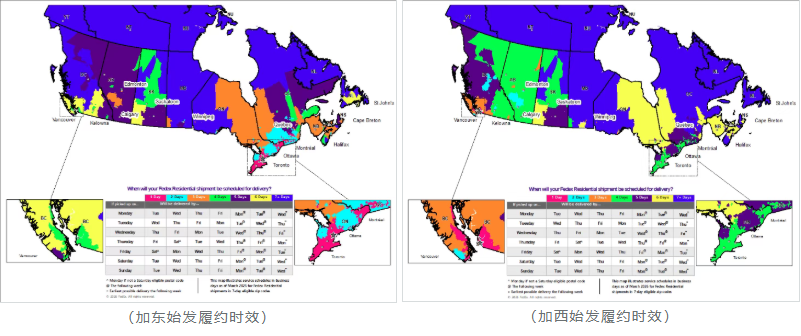
目前,易达云在加拿大多伦多、温哥华、蒙特利尔等核心经济区布局了规模化自营海外仓群,总仓储面积50000+m²。卖家可依据自身订单地域分布灵活安排库存,而不是把所有货都压在一个区域,为大量的高分区订单支付更贵的运费。

尤其进入销售旺季后,市场库容纷纷告急、一仓难求,多仓点、大库容的自营海外仓网,除了能拉近与消费者的距离、提升履约时效外,还能支持卖家在同一套价格水平下,存入更多货柜。这为卖家留出备货缓冲空间,成本预算也更可控,旺季无需四处紧急寻找临时仓库,也不会因仓位短缺,错失最优备货价与补货窗口。

尾程渠道方面,易达云整合FedEx、UPS、Canada Post、Purolator、Canpar等加拿大派送渠道资源,可根据商品重量、包装尺寸、目的地、时效及服务要求匹配最优配送方案。

本次加拿大FedEx Ground派送产品和加拿大标准派送产品的燃油附加费9 折优惠,活动时间为2026年10月1日至2027年1月15日,完整覆盖Q4旺季备货、黑五网一、圣诞等大促周期。专属定制优惠即日生效,为您的旺季备货保驾护航。

易达云将以加拿大本土自营仓网、多元化尾程渠道和实打实的优惠,助力各位卖家在Q4旺季轻装上阵,稳控成本,高效履约,现在对接易达云官方,即刻锁定旺季优惠名额,定制加拿大专属物流方案。

注:文/易达云,文章来源:易达云,本文为作者独立观点,不代表亿邦动力立场。

【版权提示】亿邦动力倡导尊重与保护知识产权。未经许可,任何人不得复制、转载、或以其他方式使用本网站的内容。如发现本站文章存在版权问题,烦请提供版权疑问、身份证明、版权证明、联系方式等发邮件至run@ebrun.com,我们将及时沟通与处理。

已点赞

+1

{{ praise_text }}

好文章,值得被更多人看到

FAQ回顾

2026年加拿大电商旺季物流成本上涨的原因是什么?

2026年Q4加拿大电商旺季物流成本上涨主要有两点原因:一是受能源价格和国际形势影响,FedEx、UPS、Canada Post等末端渠道及海运、卡车运输环节燃油附加费持续走高;二是亚马逊加拿大站10月15日起征收假日旺季配送费,单件平均上涨0.39加元,多重成本叠加下末端派送成本较淡季上涨近三成。

加拿大跨境电商旺季有哪些高潜力备货品类?

结合中国供应链优势与加拿大本地需求,2026年旺季高潜力备货品类主要有五类:车库/家居收纳类、可拆装平板家具类、庭院收纳类、皮卡/SUV非安全类汽配用品、锂电工具/小家电等带电品类,上述品类适配海外仓备货模式,旺季爆单潜力较大。

做加拿大跨境电商选单仓还是多仓备货更划算?

加拿大地广人稀东西跨度大,单仓备货约47%订单落在运费最高的5、6区,跨区妥投需3-5天,综合成本高、时效慢,旺季还易遇库容不足问题;东西部多仓备货可让78%订单落在运费时效最优的0-2区,妥投仅需1-3天,综合性价比更高。

跨境卖家如何降低加拿大电商旺季的物流履约成本?

卖家可优先选择多仓布局的自营海外仓服务,例如易达云在多伦多、温哥华、蒙特利尔布局共5万平自营仓,通过东西部分仓备货减少跨区派送成本;2026年10月1日-2027年1月15日易达云还推出指定派送渠道燃油附加费9折、库内操作及仓租定制优惠,可匹配多元尾程渠道控本提效。

广告

下一篇

跨境电商资源对接

《全球跨境电商服务商资源手册》第二期手册现已发布,触达更多资源,了解跨境服务商信息,欢迎点击链接下载。

了解详情

一只猫一条狗 天猫京东抖音的新战场|第28届亚宠展观察

今年亚宠展上,亿邦动力看到的是:不同平台在用自己最擅长的能力,重新切入“养一只宠物”这件事。