• 亿邦公众号
    • APP下载

聚焦核心零部件|2026世界机器人大会同期活动在北人亦创国际会展中心成功举办

作者:龚作仁 文章来源:Laborer

2026-08-21 14:25

作者:龚作仁 文章来源:Laborer

2026-08-21 14:25

邦小白快读

EN
全文速览

本次内容围绕2026世界机器人大会同期举办的具身智能机器人精密零部件产业主题活动展开,梳理了当前机器人核心零部件产业的发展现状、技术成果与行业共识,核心干货如下

1. 本次活动直击产业核心痛点,当前具身智能机器人产业已经迈入量产快车道,但核心卡点仍集中在关节模组、高端精密零部件的国产化、高可靠设计、规模化量产环节,同时还存在数据质量低、模型泛化不足、成本控制难等问题

2. 当前产业已经涌现出大量技术创新成果,包括外径最小3mm的超微谐波减速器、扭矩密度提升28%的新型关节模组等,多个核心企业产能已经进入扩张期

3. 行业达成共识:未来5年内垂直领域专用机器人将率先跑通商业闭环,通用型人形机器人实现大规模商业化仍需更长时间的技术积累

本次活动传递了具身智能机器人核心零部件产业的最新发展趋势,对品牌商布局产业有以下核心参考干货

1. 产业与消费趋势:当前具身智能机器人迎来高速发展机遇,核心零部件占人形机器人整机成本的50%-60%,国产化替代需求迫切,未来市场将呈现垂类场景先行落地、通用机器人长期演进的格局,垂直领域专用机器人的需求会率先爆发

2. 产品研发方向:核心零部件品牌需要围绕高可靠性、微型化、高扭矩密度、低成本方向攻关,兼顾定制化与模块化开发,量产一致性、交付稳定性与良率控制将成为品牌竞争的核心分水岭

3. 品牌增长机会:品牌可以依托产业协会平台参与标准建设,对接产业链供需,和上下游企业开展协同攻关,借助蚂蚁工场这类平台的柔性制造服务缩短研发周期,加速产品落地,提升品牌市场竞争力

本次活动梳理了机器人核心零部件赛道的最新发展情况,给赛道内卖家提供了以下干货参考

1. 政策与市场机会:北京已经出台中试平台、场景开放等配套产业政策,持续优化具身智能产业生态,当前具身智能已经进入量产快车道,核心零部件国产化缺口大,是明确的增量市场

2. 机会与风险提示:赛道未来会呈现多传动路线并存、定制化与模块化并行的格局,具备全栈技术能力与规模化制造实力的卖家才能占据产业红利,卖家需要提前攻克成本管控、良率提升、量产一致性的核心难题

3. 可利用的资源与可学习的模式:卖家可以对接蚂蚁工场的柔性敏捷制造服务和垂类AI设计平台,解决打样周期长、批量生产难的痛点,缩短研发周期,还可以通过产业对接平台开展战略合作,实现资源互补

本次活动针对机器人核心零部件生产工厂,传递了明确的市场需求和发展方向,核心干货如下

1. 产品生产与设计需求:当前机器人关节模组等核心零部件对可靠性、微型化、扭矩密度、成本控制都提出了更高要求,产品需要根据不同应用场景的工况匹配参数,量产阶段的一致性、稳定性和良率是工厂核心竞争力

2. 商业机会:具身智能机器人产业高速发展带动核心零部件需求暴涨,国产化替代空间大,头部企业2026年第二季度的关节交付量已经超过去年全年总和,市场需求旺盛,工厂扩产对接产业需求有较大增长空间

3. 数字化转型启示:工厂可以搭建智能产线提升生产自动化率,借助面向机械加工领域的垂类AI平台提升设计研发效率,还可以和产业平台协同推进规模化量产,参与行业标准制定,提升自身的行业影响力

本次活动明确了当前具身智能机器人零部件领域的行业发展趋势和客户痛点,给相关服务商提供了以下干货

1. 行业发展趋势:具身智能已经迈入量产与产业化快车道,核心零部件国产化、规模化量产的需求迫切,产业对柔性制造服务、智能化设计工具、产业链对接服务的需求会持续增长,市场空间广阔

2. 客户核心痛点:当前机器人企业普遍存在非标零部件打样周期长、批量生产难度大,机械设计加工效率低,关节模组缺乏统一测试标准、可靠性难保障,产业链供需对接不畅等痛点

3. 解决方案布局方向:服务商可布局柔性敏捷制造一站式服务,解决企业打样与量产难题;可开发面向机械设计加工的垂类大模型服务,提供图纸解析、成本核算、工艺规划等智能服务;还可以搭建产业对接平台,推动产学研用协同攻关,参与行业标准体系建设

本次活动总结了当前机器人核心零部件产业对产业平台的需求,也给出了平台发展的参考方向,核心干货如下

1. 产业端对平台的核心需求:当前产业存在核心技术攻关难、供需信息不对称、中小厂商打样难批量生产难、研发周期长等问题,亟需平台提供一站式制造服务、技术支撑、供需对接等综合服务

2. 平台可落地的运营方向:平台可以推出面向机器人行业的零部件柔性敏捷制造服务,解决企业打样周期长、批量生产难的痛点;同时开发垂类AI工作平台,为非标零部件设计生产提供智能支撑;还可以定期举办产业主题活动,汇聚产学研各方资源,对接供需,组织战略合作,推动全产业链协同创新

3. 需要规避的发展风向:不要盲目跟风通用人形机器人的短期概念,优先聚焦垂直领域的真实落地需求,围绕核心零部件的真实痛点布局服务,逐步推动产业成熟

本次活动披露了当前具身智能机器人核心零部件产业的最新动向,给相关研究者提供了丰富的研究素材,核心干货如下

1. 产业最新动向:当前具身智能已经进入量产产业化阶段,核心零部件关节模组占人形机器人整机成本的50%-60%,其产业化进度直接决定整个具身智能产业的商业化进程,当前多家核心企业产能快速扩张,技术创新成果密集发布,国产化替代进程明显加速

2. 产业现存新问题:目前产业仍存在高端核心零部件设计、量产的卡点,同时面临数据质量不足、模型泛化能力差、成本居高不下,缺乏统一的测试标准和行业规范等问题,通用人形机器人的大规模商业化仍需要长期技术与数据积累

3. 产业研究方向:未来产业将呈现垂类场景先行落地、通用机器人长期演进,多技术路线并存、定制化与模块化并行的格局,量产能力将成为产业竞争的分水岭,柔性敏捷制造加垂类AI服务的新型产业服务模式已经落地,产业链协同创新成为当前主流的产业发展模式,值得深入研究

声明:快读内容全程由AI生成,请注意甄别信息。如您发现问题,请发送邮件至 run@ebrun.com 。

我是 品牌商 卖家 工厂 服务商 平台商 研究者 帮我再读一遍。

Quick Summary

This content summarizes key takeaways from the embodied intelligent robotics precision components industry event held alongside the 2026 World Robot Conference, covering the current development status, technical achievements and industry consensus of the robot core components sector:

1. The event directly addresses core industry pain points. While the embodied intelligent robotics industry has entered a fast track of mass production, key bottlenecks remain in localization of joint modules and high-end precision components, high-reliability design, and large-scale mass production. Additional challenges include low-quality training data, insufficient model generalization, and high cost control pressure.

2. A wave of technical innovation has emerged in the industry, including an ultra-miniature harmonic reducer with a minimum outer diameter of 3mm and a new joint module with 28% higher torque density. Multiple leading core component companies have entered a phase of capacity expansion.

3. The industry has reached a consensus that specialized robots for vertical sectors will achieve viable commercial closed loops within the next five years, while general-purpose humanoid robots will require much longer technical accumulation before reaching large-scale commercialization.

This event shares the latest development trends of the core components sector for embodied intelligent robotics, with key takeaways for brand players planning industry布局:

1. Industry and consumer trends: Embodied intelligent robotics is experiencing high-growth opportunities. Core components account for 50-60% of the total cost of a humanoid robot, and demand for localized substitution is urgent. The future market will follow a pattern of vertical sector adoption first, followed by long-term evolution of general-purpose robots, with demand for specialized vertical-sector robots set to surge first.

2. Product R&D direction: Core component brands need to prioritize R&D focused on high reliability, miniaturization, high torque density, and low cost, while balancing customization and modular development. Mass production consistency, delivery stability and yield control will become the key differentiators for brand competition.

3. Brand growth opportunities: Brands can participate in standard setting through industry association platforms, connect with supply and demand across the industrial chain, conduct collaborative R&D with upstream and downstream partners, and leverage flexible manufacturing services from platforms like Maywork to shorten R&D cycles, accelerate product launch, and improve market competitiveness.

This event sorts out the latest development of the robot core components track, with key insights for sellers in the sector:

1. Policy and market opportunities: Beijing has introduced supporting industrial policies including pilot test platforms and open application scenarios to continuously optimize the embodied intelligence industry ecosystem. The sector has entered a mass production fast track, and there is a large unmet demand for localized core components, making it a clear incremental market.

2. Opportunity and risk notes: The track will develop with multiple transmission technologies coexisting, and both customized and modular product offerings parallel. Only sellers with full-stack technical capabilities and large-scale manufacturing strength can capture industry dividends. Sellers need to solve core challenges of cost control, yield improvement and mass production consistency in advance.

3. Available resources and learning models: Sellers can access Maywork's flexible agile manufacturing services and vertical AI design platform to solve pain points of long prototyping cycles and difficult mass production, shorten R&D cycles, and pursue strategic cooperation through industry matchmaking platforms to achieve resource complementarity.

This event delivers clear market demand and development direction for factories producing robot core components, with key takeaways as follows:

1. Product design and manufacturing requirements: Core components such as robot joint modules now face higher requirements for reliability, miniaturization, torque density, and cost control. Products need to match parameters to working conditions of different application scenarios, while mass production consistency, stability and yield are the core competitiveness of factories.

2. Business opportunities: The rapid growth of the embodied intelligent robotics industry has driven a sharp surge in demand for core components, with large room for localization substitution. The joint delivery volume of leading enterprises in Q2 2026 has already exceeded the total delivery of the whole of last year, reflecting strong market demand. Factories expanding capacity to meet industry demand have large room for growth.

3. Insights for digital transformation: Factories can build smart production lines to improve production automation, leverage vertical AI platforms for mechanical processing to improve design and R&D efficiency, collaborate with industrial platforms to推进 large-scale mass production, participate in industry standard setting, and enhance their industry influence.

This event clarifies current industry development trends and customer pain points in the embodied intelligent robotics components sector, with key takeaways for relevant service providers as follows:

1. Industry development trends: Embodied intelligence has entered the fast track of mass production and industrialization. Demand for localization and large-scale mass production of core components is urgent, and industry demand for flexible manufacturing services, intelligent design tools and industrial chain matchmaking services will continue to grow, creating broad market space.

2. Core customer pain points: Robot companies generally face pain points including long prototyping lead times for non-standard components, difficulties in mass production, low mechanical design and processing efficiency, lack of unified testing standards for joint modules that makes reliability hard to guarantee, and poor supply-demand matching across the industrial chain.

3. Solution布局 directions: Service providers can布局 one-stop flexible agile manufacturing services to solve prototyping and mass production challenges for enterprises; develop vertical large model services for mechanical design and processing to provide intelligent services such as drawing analysis, cost calculation and process planning; and build industry matchmaking platforms to promote collaborative R&D across industry, academia, research and application, and participate in building industry standard systems.

This event summarizes current industry demand for industrial platforms in the robot core components sector, and provides reference directions for platform development, with key takeaways as follows:

1. Core industry demand for platforms: The industry currently faces problems including difficulties in core technology breakthroughs, information asymmetry between supply and demand, prototyping and mass production challenges for small and medium-sized manufacturers, and long R&D cycles. There is an urgent need for platforms to provide comprehensive services including one-stop manufacturing, technical support, and supply-demand matchmaking.

2. Actionable operational directions for platforms: Platforms can launch flexible agile manufacturing services for robotic components to solve the pain points of long prototyping cycles and difficult mass production; develop vertical AI working platforms to provide intelligent support for the design and production of non-standard components; and hold regular industry-themed events to bring together resources from industry, academia and research, match supply and demand, organize strategic cooperation, and promote collaborative innovation across the entire industrial chain.

3. Development risks to avoid: Do not blindly follow the short-term hype around general-purpose humanoid robots. Prioritize addressing real落地 demand in vertical sectors,布局 services around real pain points of core components, and gradually推动 industry maturation.

This event discloses the latest developments in the core components sector of embodied intelligent robotics, providing rich research materials for relevant researchers, with key takeaways as follows:

1. Latest industry developments: Embodied intelligence has entered the stage of mass production and industrialization. Core components, led by joint modules, account for 50-60% of the total cost of a humanoid robot, and their industrialization progress directly determines the commercialization process of the entire embodied intelligence industry. Currently, multiple leading core component companies are expanding capacity rapidly, releasing dense technical innovation achievements, and the localization substitution process has accelerated significantly.

2. Existing new industry challenges: The industry still faces bottlenecks in the design and mass production of high-end core components, along with insufficient data quality, poor model generalization, persistently high costs, and a lack of unified testing standards and industry norms. Large-scale commercialization of general-purpose humanoid robots still requires long-term accumulation of technology and data.

3. Recommended research directions: The industry will develop with a pattern of vertical sector adoption first, followed by long-term evolution of general-purpose robots, coexistence of multiple technical routes, and parallel development of customization and modularization. Mass production capability will become the competitive watershed in the industry. A new industry service model combining flexible agile manufacturing and vertical AI services has already been落地, and collaborative innovation across the industrial chain has become the mainstream development model, both of which are worthy of in-depth research.

Disclaimer: The "Quick Summary" content is entirely generated by AI. Please exercise discretion when interpreting the information. For issues or corrections, please email run@ebrun.com .

I am a Brand Seller Factory Service Provider Marketplace Seller Researcher Read it again.

图片

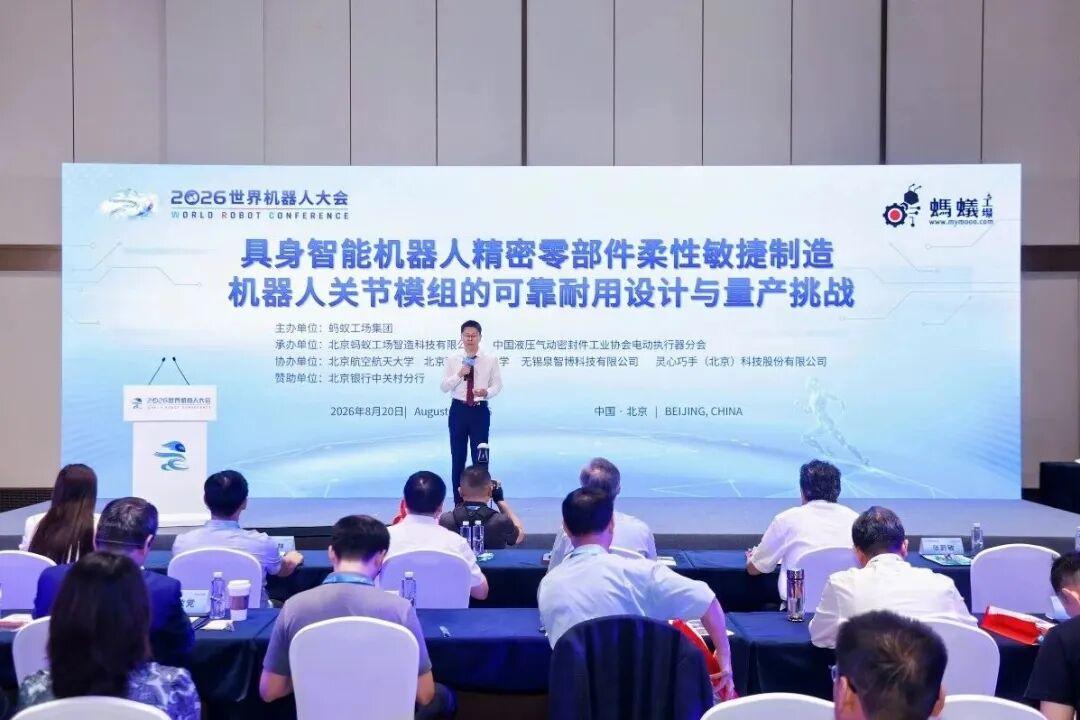
2026年8月20日,作为2026世界机器人大会重要同期活动,“具身智能机器人精密零部件柔性敏捷制造——机器人关节模组的可靠耐用设计与量产挑战”在北京亦庄北人亦创国际会展中心盛大举行。本次活动紧扣聚焦具身智能产业核心赛道,直击机器人关节模组、高端精密零部件国产化、高可靠设计、规模化量产等产业关键卡点与核心痛点,共同探讨关节模组和精密零部件的技术创新与规模化落地路径。本次活动由蚂蚁工场集团主办,北京蚂蚁工场智造科技有限公司、中国液压气动密封件工业协会电动执行器分会联合承办,北京科技职业大学、无锡泉智博科技有限公司、灵心巧手(北京)科技股份有限公司倾力协办,北京银行中关村分行赞助支持。
图片

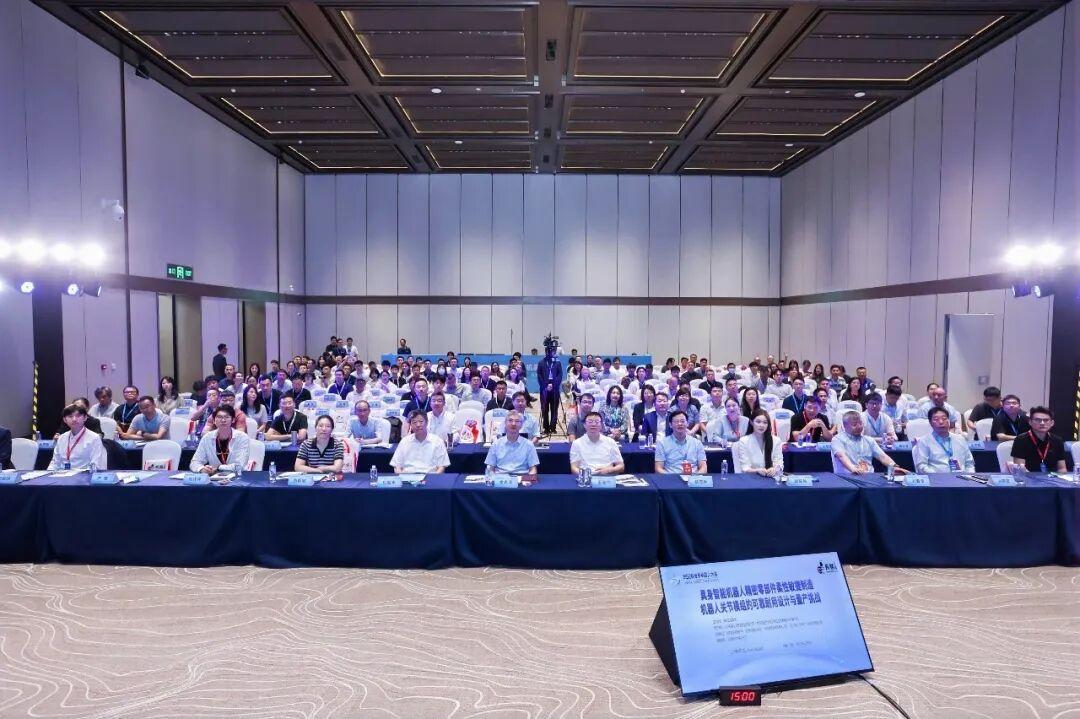
本次活动汇聚政府领导、行业权威专家、高校科研院所、产业链龙头企业代表共计500余人,出席本次活动的领导及嘉宾有:中国液压气动密封件工业协会理事长杜旭东、北京市发展和改革委员会二级巡视员王志伟、北京亦庄投资控制有限公司副总经理金光泽、中国信息通信研究院人工智能研究所具身智能与机器人部副主任张蔚敏、北京市经信局智能装备处副处长粱洪郡、SMC中国有限公司总经理马清海、北京银行中关村分行行长赵政党、灵心巧手(北京)科技股份有限公司联合创始人郏筱佑 、本末动力(北京)股份有限公司总裁刘许洋、北京灵足时代科技有限公司联合创始人刘奕扬、上海一指智造科技有限公司总经理刘燕庭、浙江来福谐波传动股份有限公司CTO张瀚 、北京航空航天大学教授严亮 、无锡泉智博科技有限公司首席科学家刘春宝、北京航空航天大学教授、蚂蚁工场集团创始人蔡茂林、北京元航投资管理有限公司创始人杨锦燕、深圳市汇川技术股份有限公司董事副总裁宋君恩、无锡泉智博科技有限公司董事长陈万楷、深核动力(北京)科技创新有限公司董事长姚捷、北京笛卡尔系科技有限公司‌CEO林惟锓共同探讨具身智能机器人产业发展、关键核心技术攻关、产业链协同和应用场景建设等。

领导致辞
图片

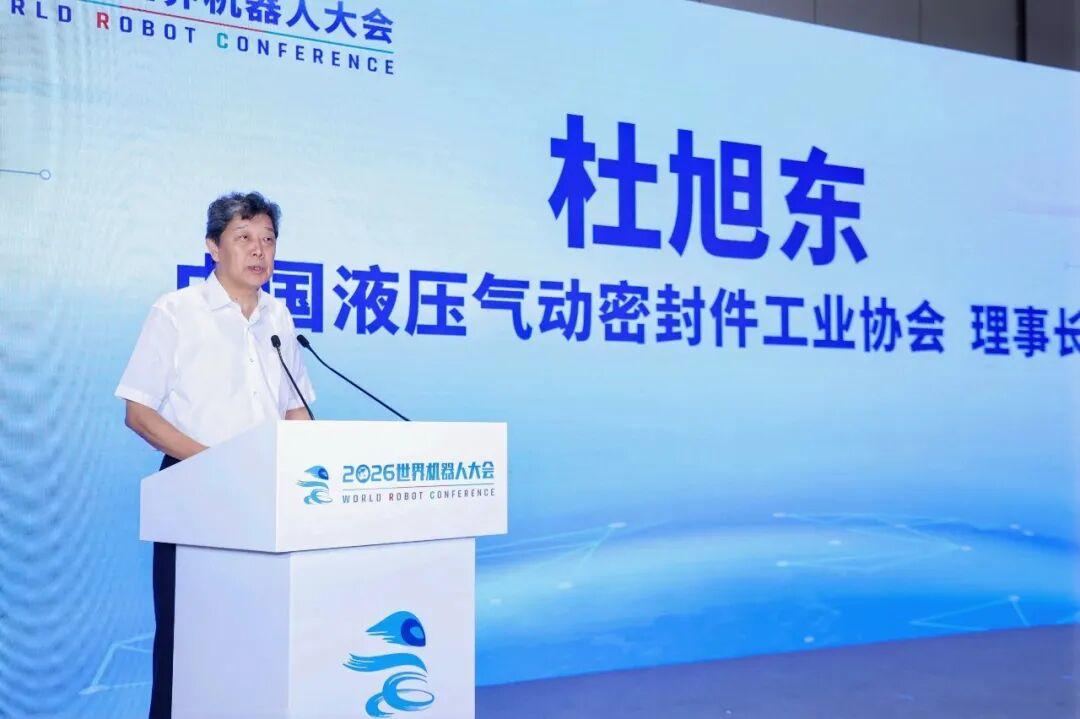
中国液压气动密封件工业协会理事长 杜旭东

中国液压气动密封件工业协会理事长杜旭东指出,液压气动密封件是高端装备核心基础元件,与机器人关键模组需求高度匹配。当前具身智能机器人产业迎来高速发展机遇,机器人性能高度依赖核心零部件可靠性。协会将依托电动执行器分会平台,围绕标准建设、供需对接、产教融合持续发力,期盼各方协同攻关,共同推动机器人核心零部件产业提质升级,助力制造强国建设。
图片

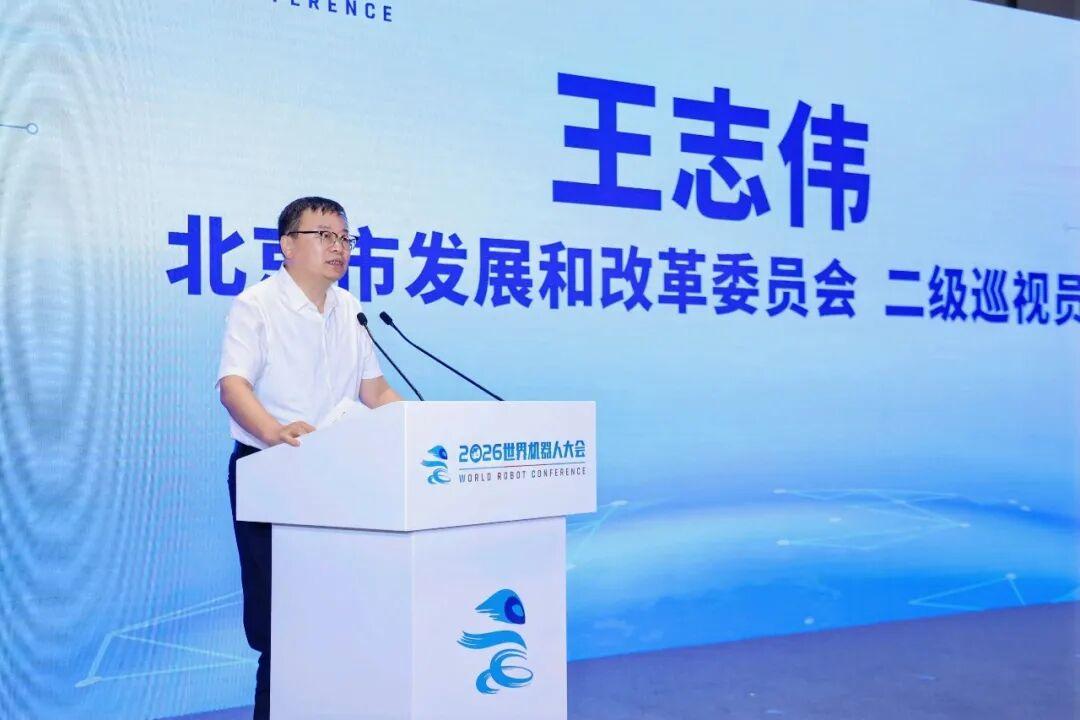
北京市发展和改革委员会二级巡视员 王志伟

北京市发展和改革委员会二级巡视员王志伟表示,具身智能是先进制造业与现代服务业深度融合的典型实践。北京持续推进两业融合试点建设,培育一批示范园区与试点企业,涌现出蚂蚁工场等典型平台。本市出台中试平台、场景开放等配套政策,搭建产业对接平台促进融通创新。未来将持续优化产业生态,因地制宜发展新质生产力,助力首都现代化产业体系建设。

专题报告
图片

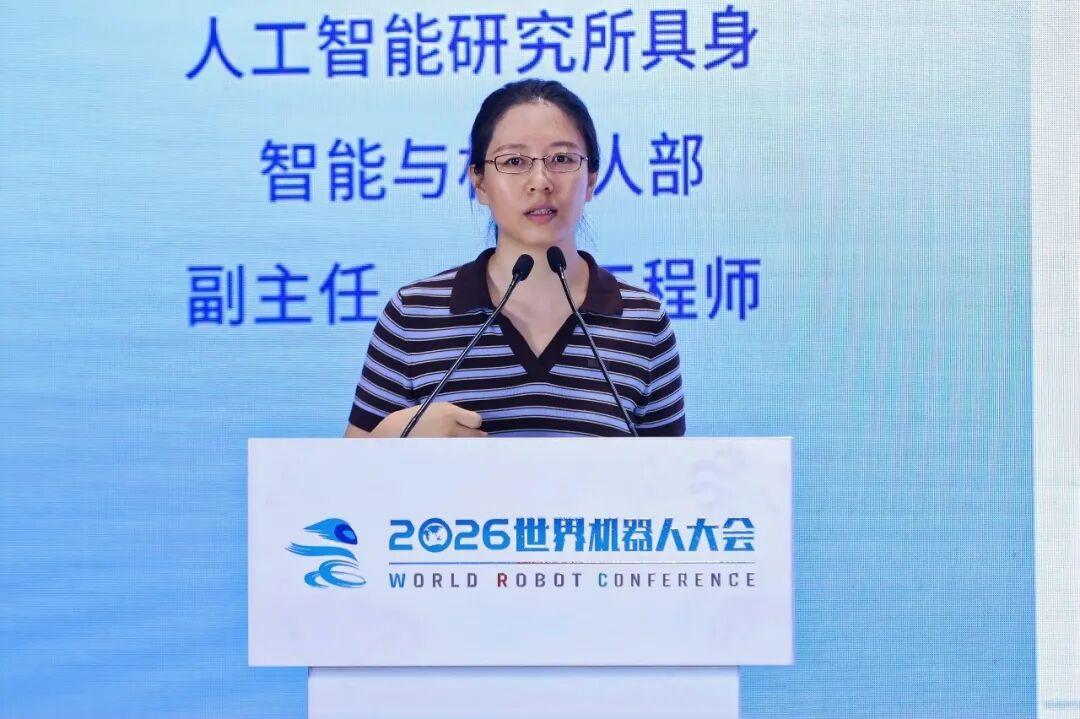
中国信息通信研究院人工智能研究所具身智能与机器人部副主任 张蔚敏

中国信息通信研究院人工智能研究所具身智能与机器人部副主任张蔚敏指出,具身智能已迈入量产与产业化快车道,但数据质量、模型泛化、本体部署及成本控制仍存挑战。信通院正通过标准研制与全链路测试实验室,推动技术成熟与场景落地,助力产业高质量发展。

图片

灵心巧手(北京)科技股份有限公司联合创始人 郏筱佑

灵心巧手(北京)科技股份有限公司联合创始人郏筱佑表示,灵巧手是具身智能时代的核心零部件,地位堪比新能源电池与AI算力。公司全栈自研灵巧手及操作大模型,覆盖全技术路线,全球市占率居第一梯队并发布了灵巧手装配灵巧手(自我制造)的工作视频。他预测人形机器人将成为"中国制造"新招牌,具身智能时代即将到来。
图片

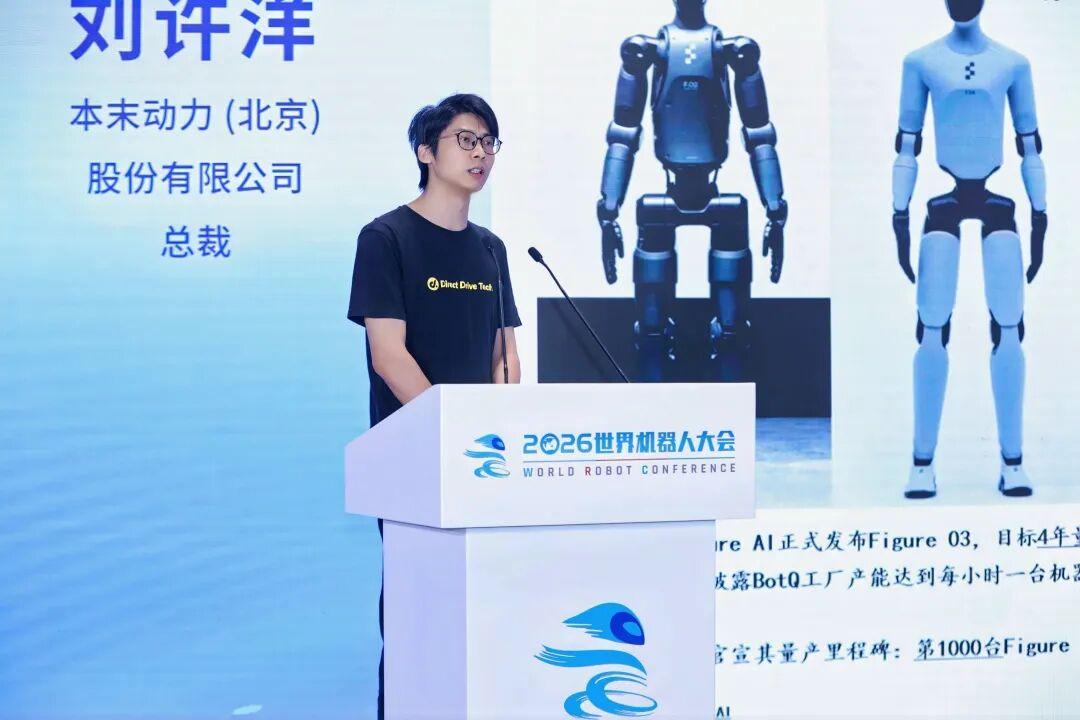
本末动力(北京)股份有限公司总裁 刘许洋

本末动力(北京)股份有限公司总裁刘许洋表示,人形机器人量产加速,核心零部件占整机成本50%—60%。上游关节模组供应商需具备一体化集成与系统能力,同时攻克成本管控与良率难题。本末动力拥有30余条生产线,呼吁行业协同共享,推动具身智能商业化落地。
图片

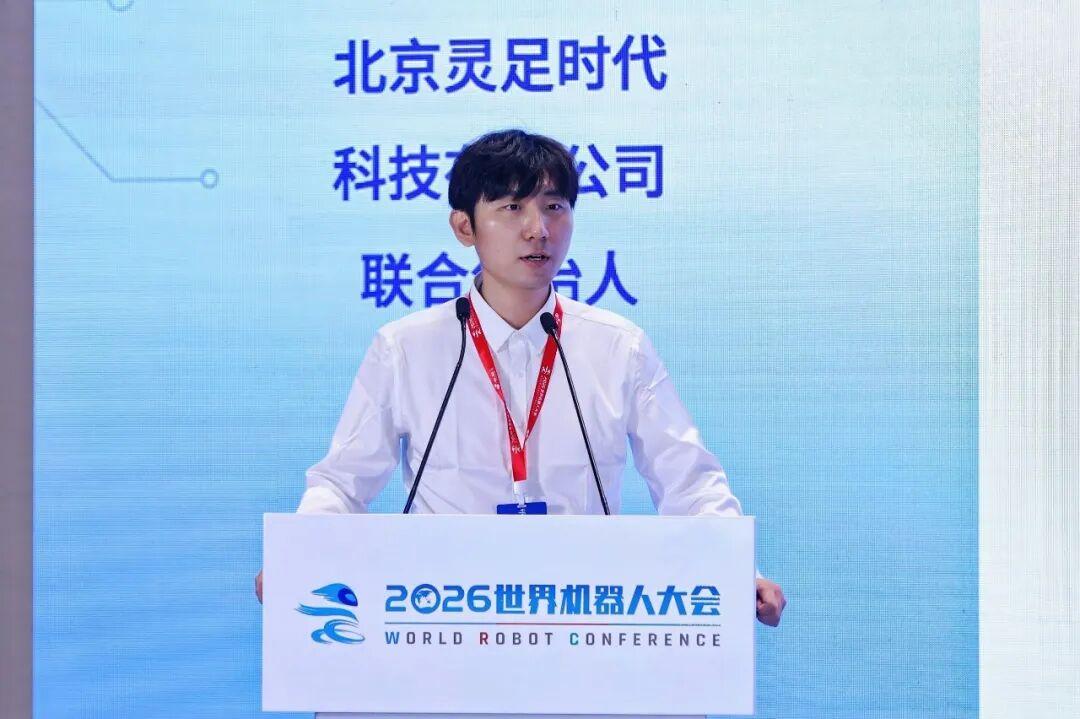
北京灵足时代科技有限公司联合创始人 刘奕扬

北京灵足时代科技有限公司联合创始人刘奕扬指出,关节模组可靠性需由机器人场景定义,应据工况匹配减速比与响应。公司部分型号月产能达4-5万台、自动化率近90%,通过关键参数一致与智能产线实现量产。他呼吁建立测试体系与标准化,减少磨合,推动机器人商业化落地。
图片

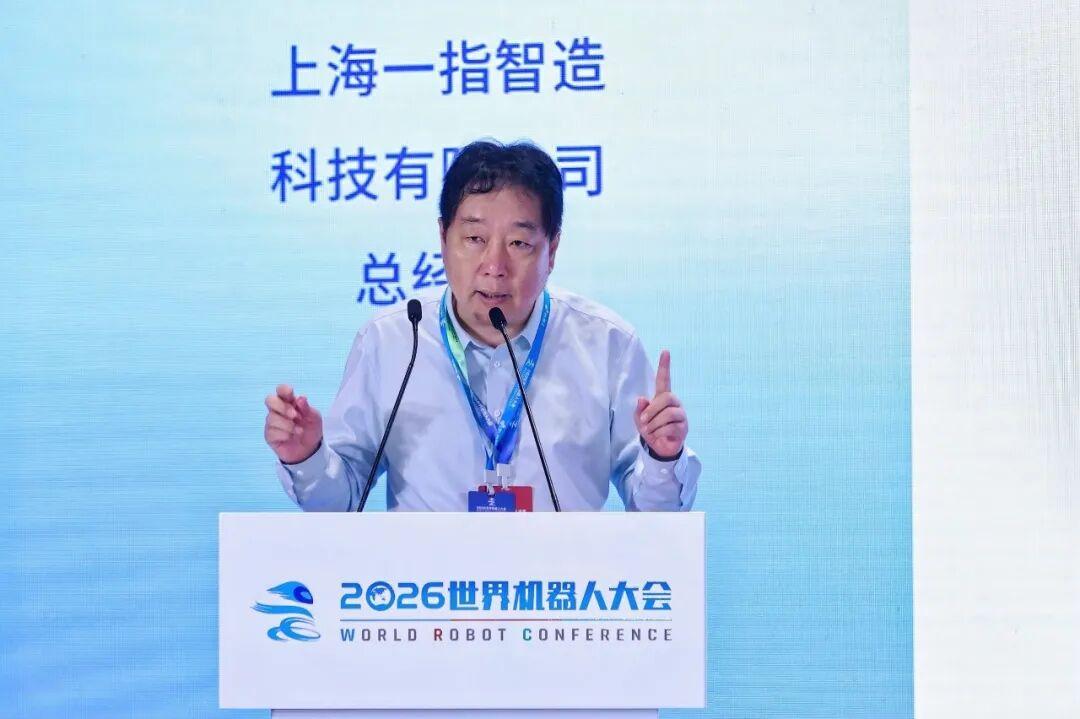
上海一指智造科技有限公司总经理 刘燕庭

上海一指智造科技有限公司总经理刘燕庭发布超微谐波减速器及灵巧手指关节模组,外径做到8mm(最小3mm),成本优势显著,通过200万次可靠性验证。该模组应用于食指指尖关节输出扭矩0.5Nm、功率3W,被誉为具身智能领域的颠覆性技术创新。
图片

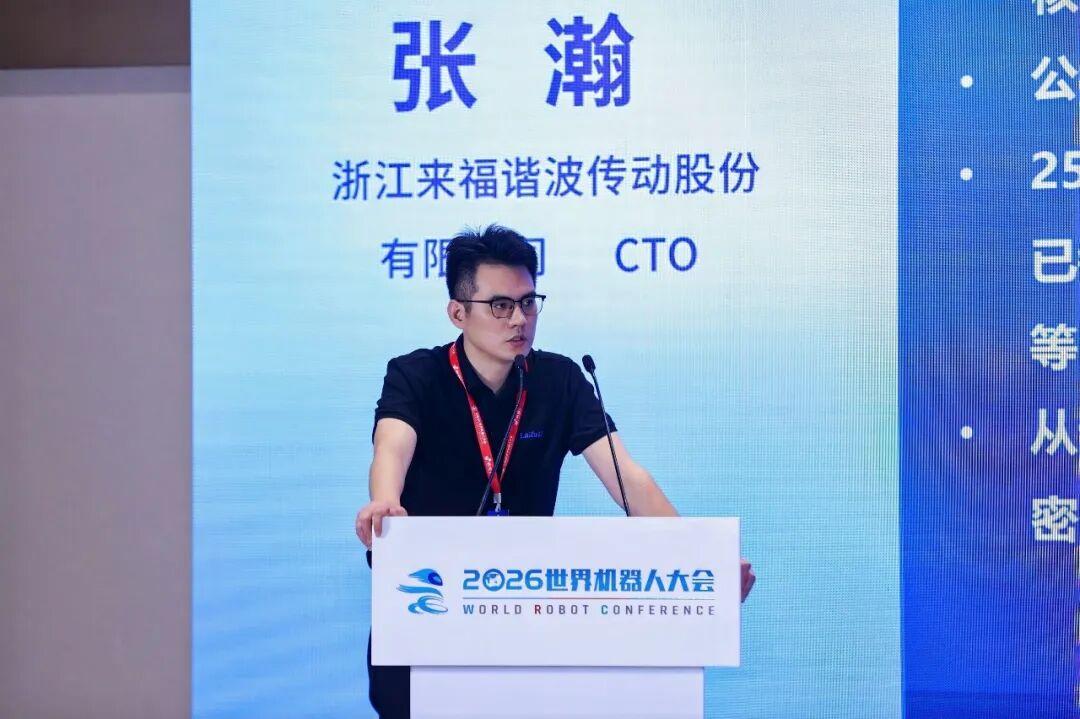
浙江来福谐波传动股份有限公司CTO张瀚

浙江来福谐波传动股份有限公司CTO张瀚表示,公司6月港交所上市,今年谐波减速器出货量预计70万台,同比翻番。依托全工序自研,推出人形专用方案:结构减重30%、力控关节一体化、微型减速器抗冲击扭矩提至24Nm,助力核心部件国产化。

新品发布
图片

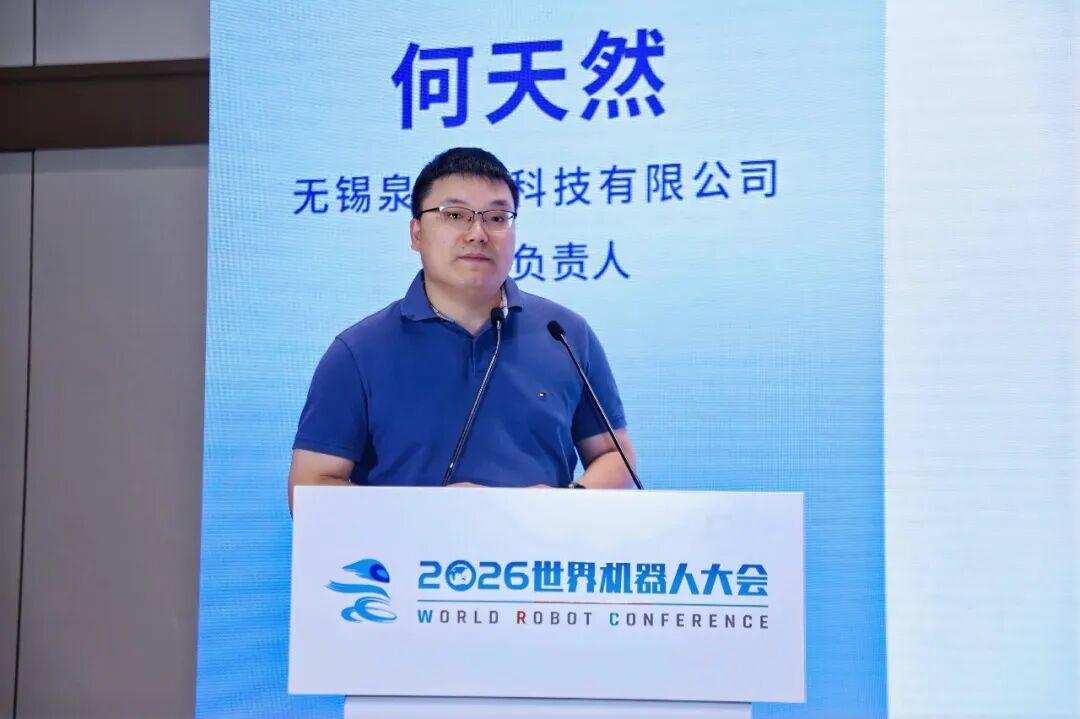
无锡泉智博科技有限公司电机部门负责人 何天然

无锡泉智博科技有限公司电机部门负责人何天然 发布解耦控制双定子关节模组,突破传统单定子电机性能瓶颈。该模组扭矩与体积密度均提升28%,最大速度提升60%,可智能切换四种工作模式,配合AI热管理实现低温高效运行,为具身智能机器人提供高爆发动力。
图片

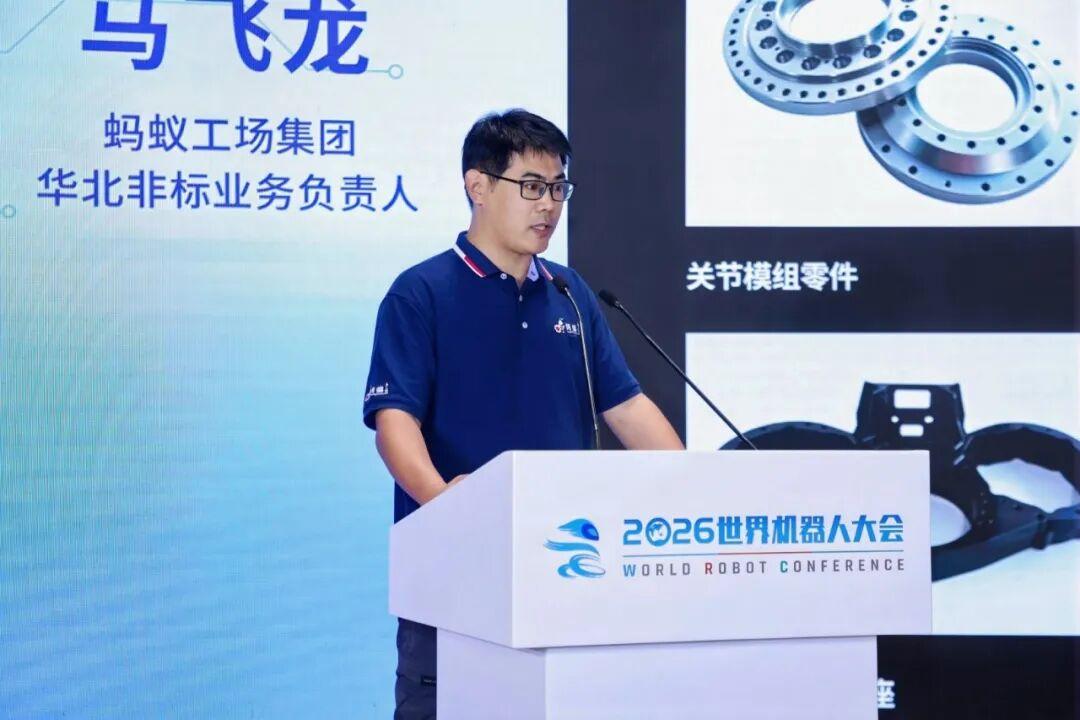
蚂蚁工场华北非标业务负责人 马飞龙

蚂蚁工场华北非标业务负责人马飞龙发布面向机器人行业提供零部件柔性敏捷制造服务,一站式解决打样周期长、批量生产难等痛点。今年上半年北京蚂蚁工场已完成机器人非标零部件打样13.3万件、图纸4.2万张,服务北京机器人及灵巧手公司30余家,助力机器人企业缩短研发周期,加速产品落地。
图片

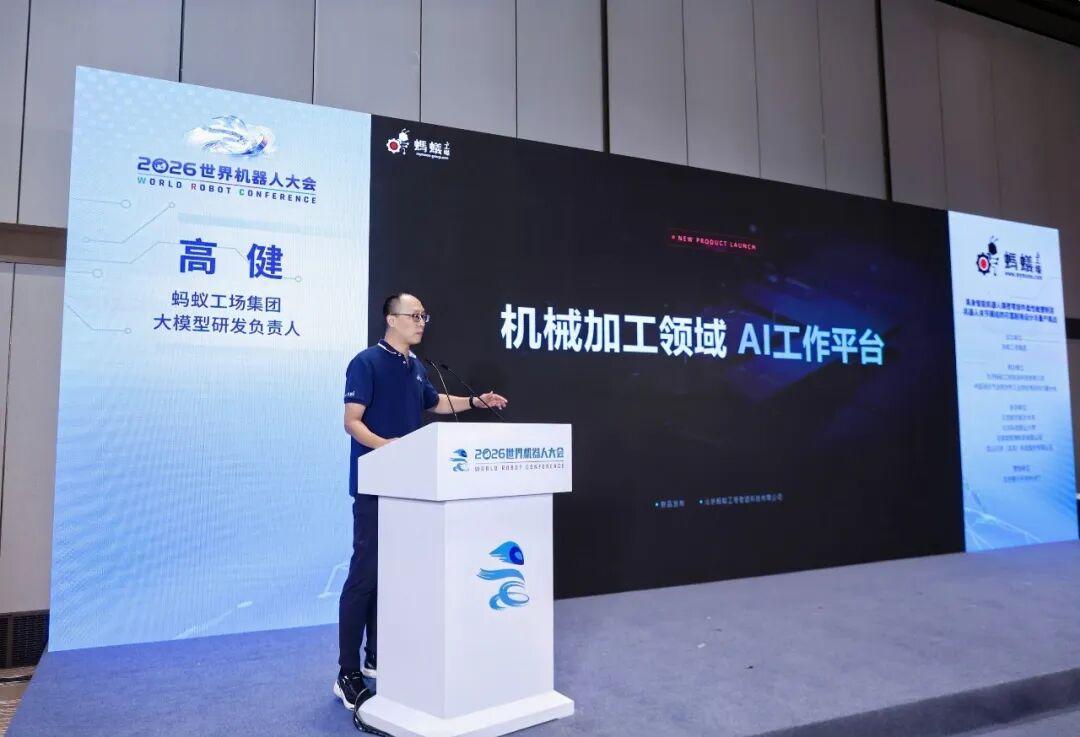
蚂蚁工场集团大模型研发负责人 高健

蚂蚁工场集团大模型研发负责人高健正式发布面向机械设计与加工领域的垂类AI工作平台“蚂蚁格物”。该平台基于大模型,提供图纸解析、成本核算、工艺规划等智能服务,为非标零部件制造提供技术支撑,助力行业智能化升级。

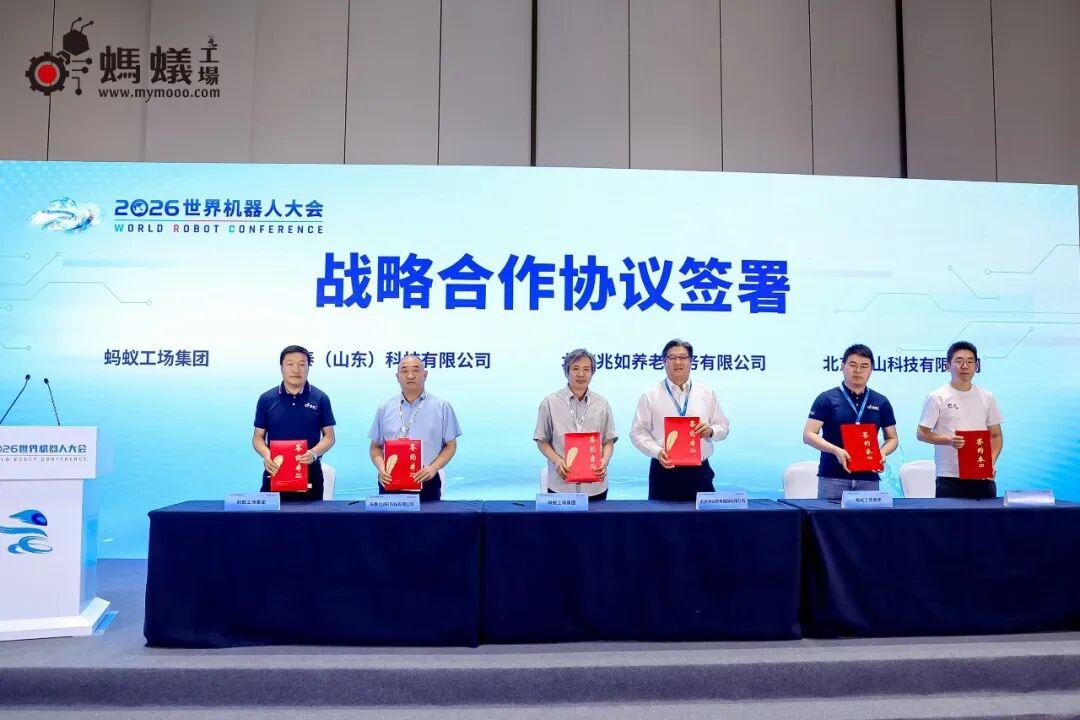
战略合作协议签署
图片

图片

图片

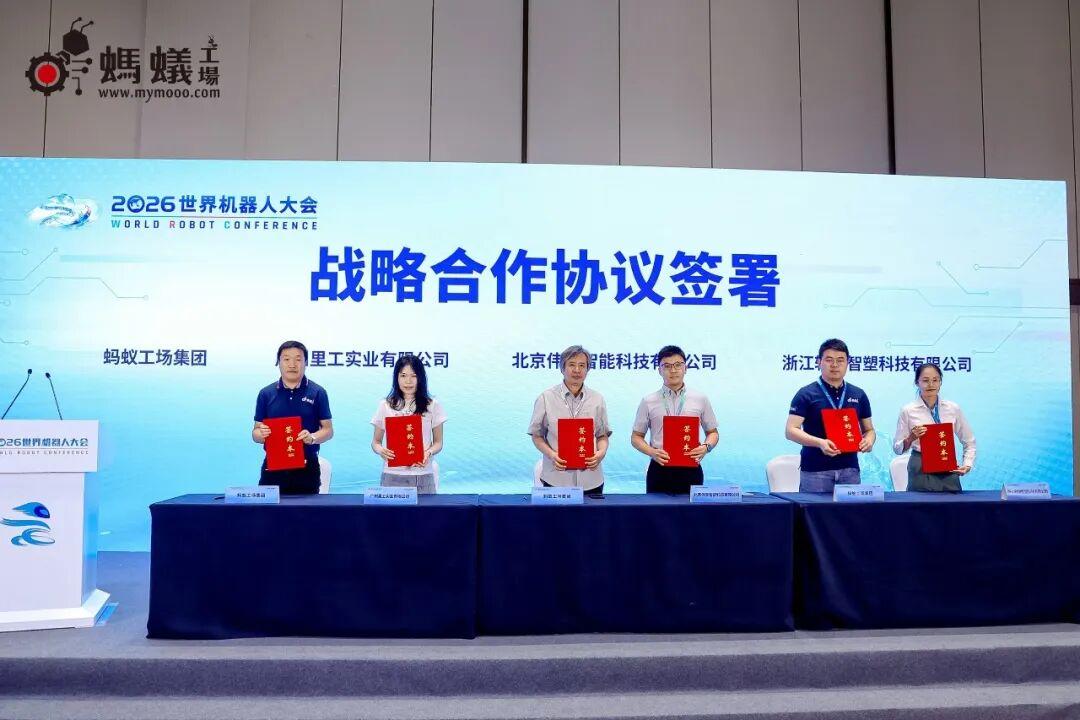
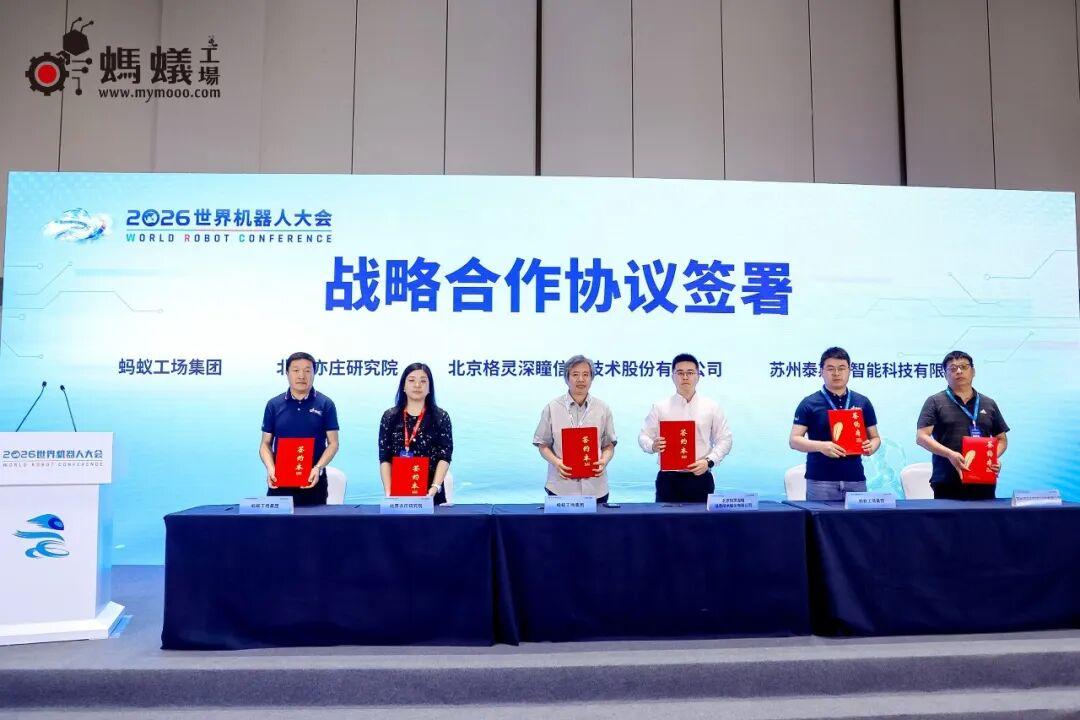
活动现场举行了战略合作签约仪式,蚂蚁工场集团与北京兆如养老服务有限公司、北京他山科技有限公司、东泰(山东)科技有限公司、北京伟景智能科技有限公司、浙江轻镁智塑科技有限公司、广州里工实验有限公司、北京格灵深瞳信息技术股份有限公司 、苏州泰斯特智能科技有限公司、北京亦庄研究院多家企业正式达成战略合作,资源互补和市场联动,推动机器人核心部件的全链条制造协同。

专家报告
图片

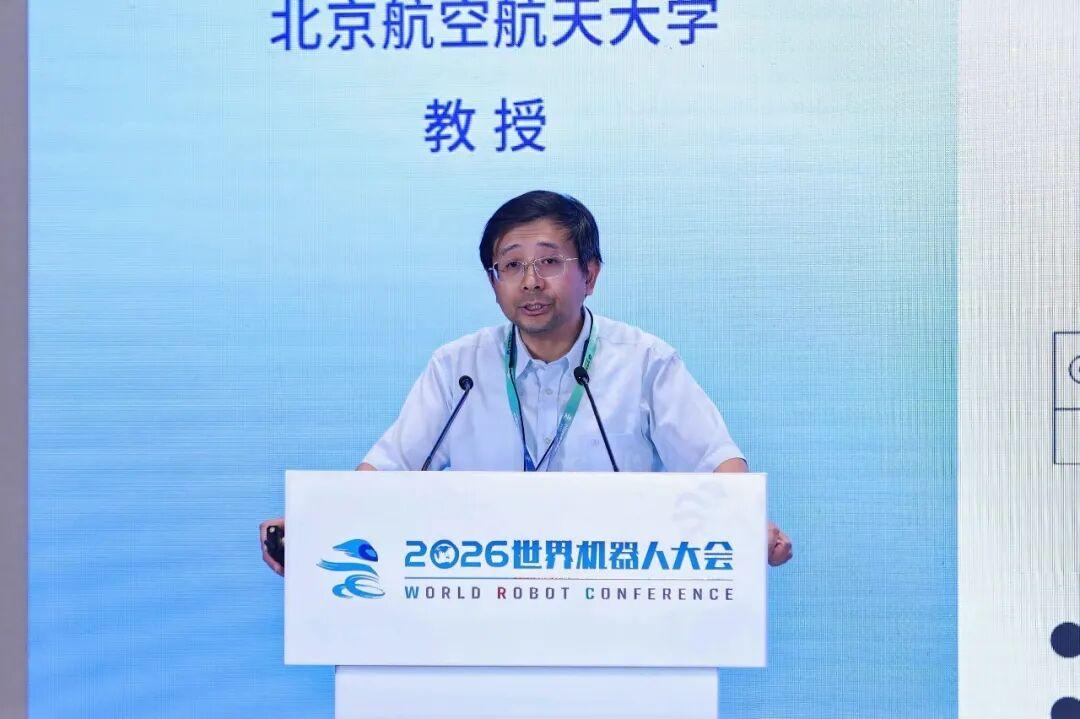
北京航空航天大学教授 严亮

北京航空航天大学教授严亮分享人形机器人高性能电磁驱动关节关键技术,提出复合异型磁极构型(去背铁、减重50%)、共溶化散热(降温34%)、磁-机融合减速(强柔顺)三大创新,并研发国际领先的高转矩密度解耦球形关节。
图片

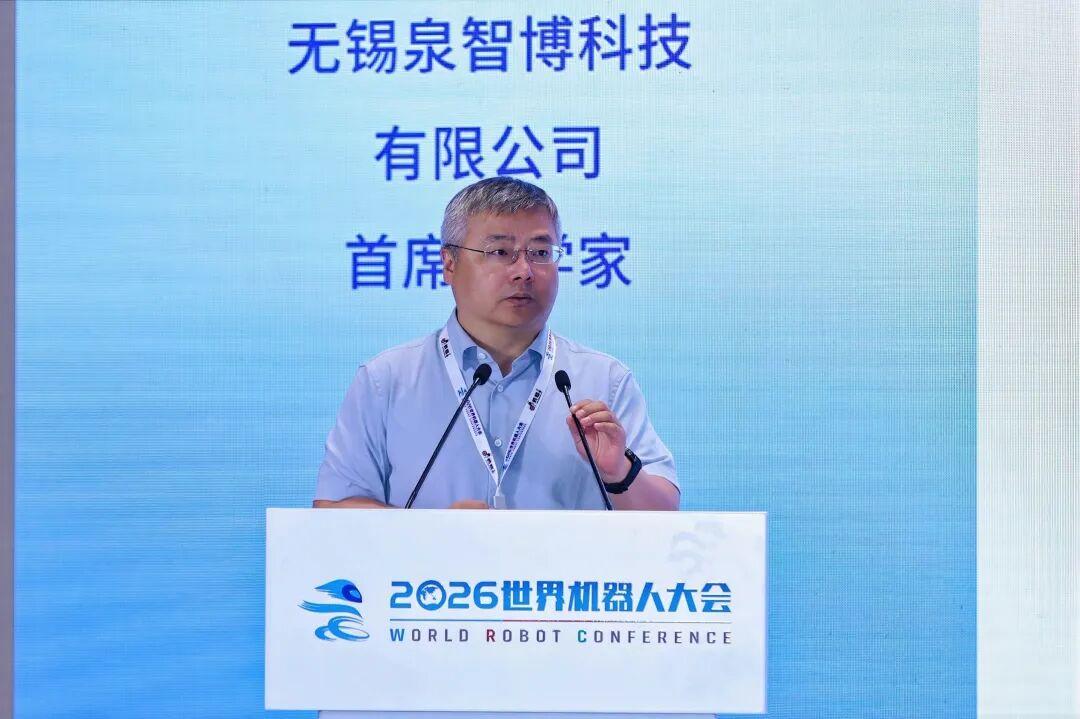
无锡泉智博科技有限公司首席科学家 刘春宝

无锡泉智博科技有限公司首席科学家刘春宝表示,公司2026年Q2关节交付量达11万台,超去年全年,目标2027年产能破百万台。其产品功率密度达210Nm/kg,峰值扭矩400N,覆盖行星、谐波、摆线全系。他提出对标“关节界宁德时代”,正牵头制定国家标准,并与蚂蚁工场协同推进规模化量产。

高峰对话
图片

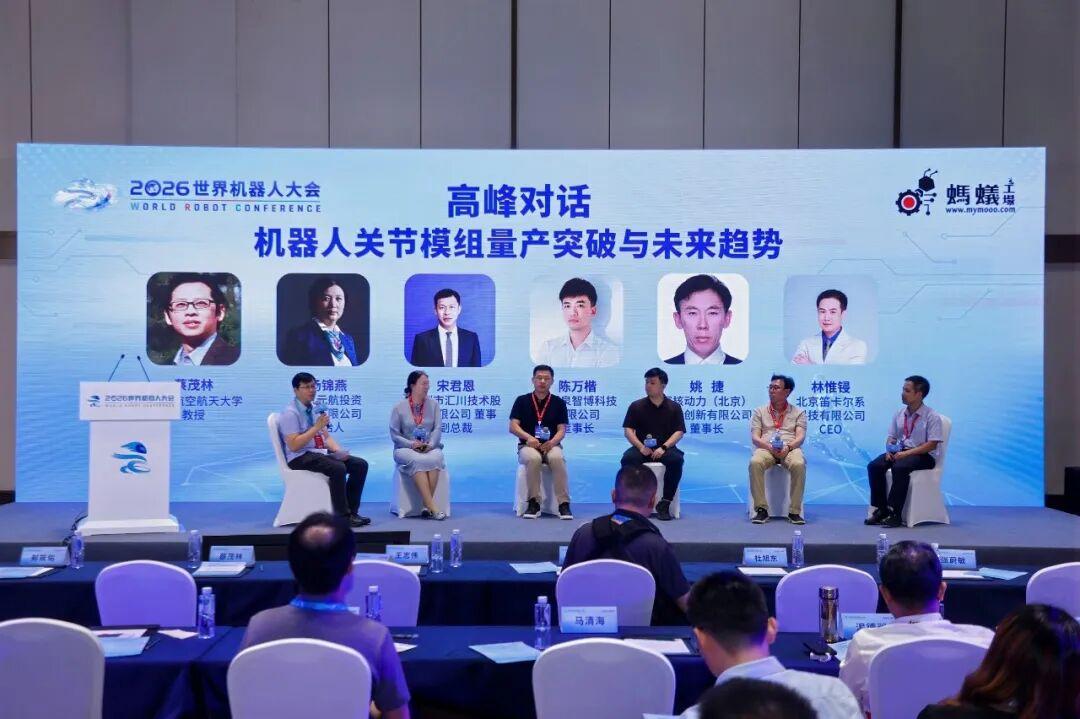
由蚂蚁工场集团创始人蔡茂林主持,北京元航投资管理有限公司创始人杨锦燕、深圳市汇川技术股份有限公司副总裁宋君恩、无锡泉智博科技有限公司董事长陈万楷、深核动力(北京)科技创新有限公司董事长姚捷、北京笛卡尔系科技有限公司CEO林惟锓,围绕机器人关节模组量产突破与未来趋势这一主题展开深度的研讨,多位行业专家达成共识:未来5年内,垂直领域专用机器人将率先跑通商业闭环,通用型人形机器人实现大规模商业化仍需更长时间的技术与数据积累。

关节模组作为占人形机器人整机成本50%—60%的核心环节,其产业化节奏直接决定具身智能的商业化进程。未来行业将呈现"垂类场景先行落地、通用机器人长期演进;多传动路线并存、定制化与模块化并行;量产一致性、交付稳定性与良率控制成为分水岭"的格局,具备全栈技术能力与规模化制造实力的企业将在这一轮产业红利中占据主导地位。

随着标准化体系逐步建立与柔性敏捷敏捷响应,具身智能核心零部件正加速迈向“中国制造”的新高地,为机器人走进千行百业奠定坚实基础。

注:文/龚作仁,文章来源:Laborer,本文为作者独立观点,不代表亿邦动力立场。

【版权提示】亿邦动力倡导尊重与保护知识产权。未经许可,任何人不得复制、转载、或以其他方式使用本网站的内容。如发现本站文章存在版权问题,烦请提供版权疑问、身份证明、版权证明、联系方式等发邮件至run@ebrun.com,我们将及时沟通与处理。

已点赞

+1

{{ praise_text }}

好文章,值得被更多人看到

FAQ回顾

当前具身智能机器人产业发展存在哪些核心痛点?

当前具身智能机器人产业核心痛点包括机器人关节模组、高端精密零部件国产化、高可靠设计、规模化量产等关键卡点,同时还存在数据质量、模型泛化、本体部署及成本控制等问题,需攻克成本管控、良率提升、标准化体系建设等难题。

机器人关节模组的发展对具身智能产业有什么影响?

关节模组占人形机器人整机成本的50%—60%,其产业化节奏直接决定具身智能的商业化进程。未来量产一致性、交付稳定性与良率控制将成为行业竞争分水岭,具备全栈技术能力与规模化制造实力的企业将占据产业主导地位。

未来5年机器人行业的商业化发展趋势是什么?

未来5年内,垂直领域专用机器人将率先跑通商业闭环,通用型人形机器人实现大规模商业化仍需更长时间的技术与数据积累,行业将呈现垂类场景先行落地、多传动路线并存、定制化与模块化并行的发展格局。

机器人非标零部件制造有哪些高效解决方案?

蚂蚁工场推出面向机器人行业的零部件柔性敏捷制造服务,可一站式解决打样周期长、批量生产难等痛点,其自研的垂类AI工作平台“蚂蚁格物”可提供图纸解析、成本核算等智能服务,助力企业缩短研发周期。

广告

下一篇

跨境电商资源对接

《全球跨境电商服务商资源手册》第二期手册现已发布,触达更多资源,了解跨境服务商信息,欢迎点击链接下载。

了解详情

字节跳动重组Seed大模型团队 筹划5万亿参数模型

字节跳动重组Seed大模型事业部为四个一级部门,目前正筹划研发参数规模超5万亿的大模型,相关计划尚处早期阶段。

AI AI技术 其它属性 大模型

2026-08-21 13:48:22