• 亿邦公众号
    • APP下载

一个号报价20万、爆雷不断 为何跨境卖家还抢着买“本土号”?

作者:李梦琪 文章来源:亿邦动力

2026-08-12 16:15

作者:李梦琪 文章来源:亿邦动力

2026-08-12 16:15

邦小白快读

EN
全文速览

这篇文章梳理了跨境电商行业本土号买卖的热门现象,拆解了行业现状、需求逻辑与风险,核心干货如下:

1. 本土号指以海外本地公司或个人主体注册的电商平台店铺,当前行业需求旺盛,热门平台的稀缺本土号报价已经接近20万元,即便如此也没有现成账号,需要排队等待。

2. 卖家抢买本土号的核心原因:一是部分平台和高利润类目仅对本土主体开放,本土号是进入市场的必要入场凭证;二是卖家普遍认为本土号能获得平台流量倾斜,配合本地发货可提升消费者信任,降低差评率提升复购;三是本土店竞争压力更小,本土收款账户能降低换汇成本,减少资金冻结风险。

3. 买号模式存在极高风险,已有多起服务商爆雷、店铺被封、货款冻结的事件,本身也挑战监管红线,普通参与者不要盲目跟风,真有需求需合规自行搭建主体,不要迷信本土号能自带增长,核心经营能力才是增长关键。

本文梳理了跨境电商本土号行业的发展现状,对出海品牌布局海外市场有较多参考干货,具体如下:

1. 消费趋势与用户行为:海外消费者普遍更信任本地发货的本土店铺,对跨境店铺的长物流时效存在不信任感,本土店配合海外仓能大幅缩短配送时间,降低消费者的售后不安全感,可有效降低差评率,提升复购率。

2. 品牌渠道建设:当前不少平台和高利润类目仅对本土主体开放,本土号被普遍认为在搜索算法中拥有更高权重,能获得更多流量曝光,可帮助品牌进入原本无法切入的市场和类目,打开增长空间。

3. 成本与定价优势:本土号搭配本地企业收款账户,可减少跨币种转换产生的手续费,降低个人收款的额外费率和冻结风险,有助于品牌控制运营成本,留出更多定价空间。

4. 风险提醒:买号模式本身违规风险高,易出现封号损失,品牌不要将本土号等同于本土化,核心还是要做好产品适配本地需求、落地本土化运营,才能真正获得长期增长。

本文针对跨境卖家关注的本土号问题,梳理了现存的机会、风险与应对方案,核心干货如下:

1. 机会提示:本土号是进入特定平台、限制类目入场券,普遍被认为可获得平台流量倾斜,配合海外仓能提升履约效率,降低差评提升复购,相比跨境店,本土店面临的同质化竞争更小,还能降低换汇成本和资金风险,是当前跨境出海可把握的增长方向。

2. 风险提示:买号模式本身挑战平台监管红线,当前服务商资质参差不齐,不少号商是无资质个体户,资源层层流转,容易出现共用主体触发平台审核、服务商失联等问题,最终导致店铺被封、货款冻结,就算买到账号,后续仓储、物流、售后都需要卖家自行投入,任何环节出错都会损失全部前期投入。

3. 应对建议:确实需要本土主体的卖家,要合规自行搭建经营主体,掌握核心权限,第三方仅作为服务提供者,新手试水阶段不要盲目高价买号,要清晰认知本土号只是工具,核心增长还是依靠产品和本土化运营能力。

本文围绕跨境本土号生意展开分析,对出海布局跨境电商的工厂有诸多干货启示,具体如下:

1. 商业机会:当前跨境市场对本土号需求旺盛,本土店可帮助工厂产品进入更多原本不对跨境主体开放的市场和高利润类目,还能获得更多平台流量曝光,工厂可以发挥自身供应链效率、选品成本的优势,避开跨境店赛道中国卖家的同质化内卷,获得更高的利润空间。

2. 产品生产设计需求:海外市场消费者对产品适配性、本地履约体验要求较高,工厂布局本土店运营,需要根据当地消费者的需求调整产品设计与定价,匹配当地市场的需求特点,才能获得消费者认可。

3. 推进电商转型的启示:工厂布局跨境出海不要盲目迷信本土号的作用,不要高价买号试错,确实需要本土主体,要合规自行搭建本土主体,掌握核心权限,同时逐步配套落地本地化仓储、物流、售后体系,稳步推进全环节本土化运营,才能真正转化本土号的优势。

本文梳理了跨境本土号行业的发展现状、痛点与现存问题,对从事本土号相关业务的服务商有较多参考干货,具体如下:

1. 行业发展趋势:当前本土号已经从少数卖家的准入刚需,变成大量卖家主动寻求的经营资源,需求旺盛,覆盖亚马逊、TikTok Shop等多个主流平台,涉及全球多个核心出海市场,不同价位的账号都有稳定需求,行业市场空间较大。

2. 客户核心痛点:广大中小卖家没有海外本地资源,难以自行完成本土公司注册、银行开户、年度维护,也无法满足平台对本地法人身份的验证要求,对现成合规本土号有刚性需求,同时卖家十分关注账号后续的稳定性和验证服务。

3. 行业现存问题:当前行业供给分散,多数号商是个体从业者,资源难以标准化,很多账号资源层层流转,还存在为降成本共用注册地址等违规操作,容易引发爆雷,多数服务商不提供后续经营配套服务,影响行业整体信誉。

4. 发展方向建议:服务商可定位为合规服务提供者,帮助卖家自行搭建本土主体,还可将本土号注册服务和海外仓、物流、回款、本地客服打包,给卖家提供一站式解决方案,提升自身竞争力。

本文曝光了当前跨境本土号违规买卖的行业乱象,对平台的招商、运营和风险治理都有参考价值,核心干货如下:

1. 商家端需求与现存问题:中国出海卖家对本土经营主体有大量刚性需求,部分平台对非本土主体设置了较多准入和类目限制,促使卖家通过违规买号的方式进入市场,而大量违规流转的账号,往往存在多个账号共用注册地址、主体信息不符等问题,既容易触发平台风控,也会引发大量卖家损失,影响平台的市场口碑。

2. 平台运营与招商方向:平台可以进一步明确本土主体的注册规则,简化合规本土主体的注册流程,给想要合规做本土经营的卖家提供清晰的准入指引,降低合规卖家的入场门槛。

3. 风险规避方向:平台需要加强账号资质审核,打击违规账号转让买卖行为,定期排查共用主体、共用地址等违规情况,维护平台的合规经营秩序,同时可以针对合规经营的中国出海卖家开放更多类目权限,减少卖家对违规买号的需求,从源头减少此类风险事件。

本文梳理了跨境电商领域本土号买卖这一隐秘新兴产业的发展现状、商业模式和存在问题,对产业研究有较高的参考价值,核心内容如下:

1. 产业新动向:随着中国跨境卖家出海深度不断增加,本土号已经从最早少数卖家的准入刚需,发展为全行业大量卖家主动寻求的经营资源,当前需求旺盛,热门稀缺账号价格已经被炒到接近20万元,生意覆盖多个主流平台和全球多个核心市场,形成了完整的上下游产业链。

2. 现有商业模式:本土号产业上游是海外本地公司、法人、地址等资源提供者,中游主要分为三类供给方,分别是做海外企业服务延伸的服务商、综合性跨境服务商、专职号商/资源商,行业大多采用预定撮合的交易模式,资源难以标准化,很难形成规模化经营。

3. 产业存在的新问题:整个产业目前游走在监管灰色地带,违规买号模式风险极高,近年来已经发生多起爆雷事件,给大量卖家带来巨额损失,同时行业内普遍存在认知误区,不少参与者将本土号等同于全环节本土化,过度放大了本土号的作用。

4. 产业发展启示:合规化是本土号产业未来的必然发展方向,行业需要引导卖家正确认知本土号的工具定位,推动本土主体经营的合规化发展。

声明:快读内容全程由AI生成,请注意甄别信息。如您发现问题,请发送邮件至 run@ebrun.com 。

我是 品牌商 卖家 工厂 服务商 平台商 研究者 帮我再读一遍。

Quick Summary

This article analyzes the booming phenomenon of buying and selling local e-commerce accounts in the cross-border e-commerce industry, breaking down its current status, demand logic and risks. Key takeaways are as follows:

1. Local accounts refer to e-commerce store accounts registered with overseas local corporate or individual entities. Demand for such accounts is surging at present. Scare local accounts for popular platforms are priced close to 200,000 RMB, and even at this price, no ready accounts are available — buyers have to join a waiting list.

2. Three core reasons sellers rush to purchase local accounts: First, some platforms and high-margin categories are only open to local entities, so a local account is a mandatory entry ticket to these markets. Second, sellers generally believe local accounts receive preferential traffic allocation from platforms; paired with local fulfillment, they can boost consumer trust, reduce negative review rates and increase repeat purchases. Third, local stores face less competition, and local payment accounts can lower currency exchange costs and reduce the risk of fund freezes.

3. The account-purchasing model carries extremely high risks. There have been multiple cases of service provider defaults, store bans and fund freezes, and the practice itself crosses regulatory red lines. Ordinary participants should not follow the trend blindly. For those with genuine demand, it is recommended to build a compliant local entity independently. Do not overestimate the inherent growth potential of local accounts; core operational capability remains the key to growth.

This article sorts out the current development of the cross-border e-commerce local account industry, offering valuable insights for global brands expanding overseas. Key takeaways are as follows:

1. Consumer trends and user behavior: Overseas consumers generally trust local stores with local fulfillment far more than cross-border stores, which are often associated with long delivery lead times. Local stores paired with overseas warehouses can drastically shorten delivery times, ease consumers' post-purchase concerns, effectively reduce negative review rates and boost repeat purchase rates.

2. Brand channel development: Many platforms and high-margin categories are currently only open to local entities. Local accounts are widely believed to have higher algorithmic weight in platform search, gaining more traffic and exposure. They can help brands enter previously inaccessible markets and categories, unlocking new growth opportunities.

3. Cost and pricing advantages: Local accounts paired with local corporate payment accounts reduce cross-currency conversion fees, cut the extra fees and freeze risks associated with personal payment methods, helping brands control operating costs and retain more flexibility in pricing.

4. Risk reminder: The third-party account purchasing model carries high compliance risk and often leads to losses from account bans. Brands should not equate owning a local account with full localization. Long-term growth ultimately relies on adapting products to local demand and implementing end-to-end localized operations.

This article addresses the topic of local accounts that cross-border sellers widely focus on, sorting out existing opportunities, risks and coping strategies. Key takeaways are as follows:

1. Opportunity outlook: Local accounts serve as entry tickets to specific platforms and restricted categories, and are widely believed to receive preferential platform traffic. Paired with overseas warehouses, they improve fulfillment efficiency, reduce negative reviews and boost repeat purchases. Compared with cross-border stores, local stores face less homogeneous competition, and also reduce currency exchange costs and capital risks, making them a viable growth opportunity for cross-border sellers today.

2. Risk warning: The account purchasing model violates platform regulatory rules. Current service provider qualifications vary widely, and many account dealers are unlicensed individual operators. Resources are passed through multiple layers of middlemen, increasing the risk of issues such as shared entities triggering platform audits and service providers disappearing, which often leads to store bans and fund freezes. Even if buyers successfully acquire an account, they still need to invest independently in warehousing, logistics and after-sales service, meaning any mistake along the chain can wipe out all upfront investment.

3. Recommendations: For sellers that truly need a local entity, it is recommended to build a compliant local entity independently to retain control over core permissions, and only use third parties as service providers. New sellers should not purchase overpriced accounts blindly. It is important to recognize that local accounts are just a tool, and core growth still relies on product strength and localized operational capability.

This article analyzes the local account business in cross-border e-commerce, offering valuable insights for factories expanding via cross-border e-commerce. Key takeaways are as follows:

1. Business opportunities: Demand for local accounts is currently booming in the cross-border market. Local stores can help factories access more high-margin categories and markets that were previously closed to cross-border entities, and gain more platform traffic exposure. Factories can leverage their advantages in supply chain efficiency and product sourcing costs to avoid the homogeneous competition among Chinese cross-border sellers, and capture higher profit margins.

2. Product design and development requirements: Overseas consumers have high requirements for product adaptation and local fulfillment experience. For factories operating local stores, adjusting product design and pricing to align with local consumer demand and market characteristics is necessary to win consumer recognition.

3. Insights for e-commerce transformation: Factories expanding cross-border should not overestimate the impact of local accounts, nor test the waters by purchasing overpriced accounts. If a local entity is truly needed, factories should build a compliant local entity independently to control core permissions, while gradually building out localized warehousing, logistics and after-sales systems, and advancing full-link localized operations step by step to unlock the full benefits of local accounts.

This article sorts out the development status, pain points and existing problems of the cross-border local account industry, offering valuable reference for service providers engaged in local account-related business. Key takeaways are as follows:

1. Industry development trends: Local accounts have evolved from an entry necessity for a small number of sellers to an operational resource actively sought by large numbers of sellers. Demand is robust across multiple major platforms including Amazon and TikTok Shop, covering core global outbound markets, with stable demand for accounts at all price points, creating substantial market space for the industry.

2. Core customer pain points: Most small and medium-sized sellers lack local overseas resources, making it difficult for them to complete local company registration, bank account opening and annual compliance maintenance independently, nor can they meet platforms' requirements for local legal person identity verification. They have rigid demand for ready, compliant local accounts, and also attach great importance to long-term account stability and follow-up verification services.

3. Existing industry problems: Current industry supply is highly fragmented. Most account dealers are individual operators, and resources are difficult to standardize. Many account resources are passed through multiple layers of middlemen, and common non-compliant practices such as sharing registered addresses to cut costs often lead to industry crises. Most service providers do not offer supporting follow-up operational services, hurting the overall reputation of the industry.

4. Recommendations for future development: Service providers should position themselves as compliant service providers that help sellers build local entities independently. They can also bundle local account registration services with overseas warehousing, logistics, fund settlement and local customer service to offer sellers one-stop solutions, and improve their own market competitiveness.

This article exposes the current chaotic market of illegal local account trading in cross-border e-commerce, offering reference for platforms' merchant recruitment, operations and risk governance. Key takeaways are as follows:

1. Merchant demand and existing problems: Chinese cross-border sellers have massive rigid demand for local operating entities. Many platforms impose strict entry and category restrictions on non-local entities, pushing sellers to enter the market via illegal account purchases. A large number of illegally traded accounts often have issues such as multiple accounts sharing a single registered address and inconsistent entity information. This not only easily triggers platform risk controls, but also causes substantial losses for sellers and damages platforms' market reputation.

2. Implications for platform operation and merchant recruitment: Platforms can further clarify registration rules for local entities, simplify the registration process for compliant local entities, provide clear entry guidance for sellers seeking to operate compliant local businesses, and lower entry barriers for compliant sellers.

3. Implications for risk mitigation: Platforms need to strengthen account qualification verification, crack down on illegal account transfer and trading, conduct regular inspections for non-compliant practices such as shared entities and shared addresses, and maintain a compliant operating order on the platform. At the same time, platforms can open up more category access for compliant Chinese cross-border sellers to reduce sellers' demand for illegal account purchases and eliminate such risks at the source.

This paper sorts out the current development, business model and existing problems of the hidden emerging industry of local account trading in cross-border e-commerce, offering high reference value for industrial research. Key content is as follows:

1. New industrial trends: As Chinese cross-border sellers deepen their global expansion, local accounts have evolved from an entry necessity for a small number of early sellers to an operational resource actively sought by large numbers of sellers across the industry. Demand is currently booming, and prices for popular scarce accounts have been driven up to nearly 200,000 RMB. The business covers multiple mainstream platforms and core global markets, and has formed a complete upstream and downstream industrial chain.

2. Existing business models: The upstream of the local account industry consists of providers of resources such as local overseas companies, legal persons and registered addresses. The midstream is divided into three main categories of suppliers: service providers that extend into overseas corporate services, comprehensive cross-border service providers, and dedicated account dealers/resource brokers. Most of the industry operates on a pre-order matching model. Resources are difficult to standardize, making large-scale scaling challenging.

3. New emerging problems in the industry: The entire industry currently operates in a regulatory gray area, and the illegal account purchasing model carries extremely high risk. Multiple industry crises have occurred in recent years, causing huge losses for a large number of sellers. At the same time, there is widespread cognitive bias in the industry: many participants equate owning a local account with full end-to-end localization, and overestimate the role of local accounts.

4. Implications for industrial development: Compliance is the inevitable future development direction for the local account industry. The industry needs to guide sellers to correctly understand that local accounts are just a operational tool, and promote the compliant development of local entity operations.

Disclaimer: The "Quick Summary" content is entirely generated by AI. Please exercise discretion when interpreting the information. For issues or corrections, please email run@ebrun.com .

I am a Brand Seller Factory Service Provider Marketplace Seller Researcher Read it again.

商家究竟在为什么买单?

文丨李梦琪    编辑丨何洋

【亿邦原创】一批中国卖家在某跨境电商平台上的本土店铺突然被关停的消息,打破了8月的平静。

事件涉及深圳一家主营拉美本土号的服务商,其提供的1000多个巴西本土店铺主体陆续出现异常。店铺子账号被封,主账号触发人脸或KYC验证,甚至还有遭遇货款冻结的。卖家们损失巨大。

类似情况其实并非首次出现。比如,今年2月,一家主营本土店注册、代运营和汇款结汇的服务商爆雷,致使数百位卖家受影响的事件,也引发行业关注。

不断出现的本土号风波,把一门原本藏在跨境行业隐秘角落的生意推到了台前。

所谓本土号,通常指以海外本地公司主体注册的电商平台店铺账号。相比以中国主体注册的跨境店铺,本土号店铺可以满足部分平台对于主体身份、经营类目或运营规则的要求。对于中国卖家来说,它既可能是进入特定市场和类目的必要条件,也在某种程度上被赋予了流量、利润和增长空间等经营价值。

但由于搭建一个本土店铺,需要解决海外主体、当地身份及后续平台验证等问题,对没有海外团队和本地资源的中小卖家来说门槛不低,因而大量卖家选择直接购买现成的号。这就催生了一条围绕本土号交易的产业链。服务商在海外组织本地公司和资源,再将具备了本土身份的电商平台店铺账号打包出售给卖家。

图片

这在业内已习以为常,各个平台、各大市场的“本土号”都在市面上大量流通。然而,接连发生的爆雷事件,也暴露了这个买卖的漏洞和风险,一旦某个环节出问题,全盘皆受到影响。而且,从不断收紧的合规政策趋势来看,这种方式本身也或多或少地挑战着监管红线。

商家花高价买个账号,究竟是在购买真实的经营优势,还是在为一种尚未被充分验证的预期付费?围绕本土号形成的这门生意,究竟解决了哪些问题,又放大了哪些问题?

跨境电商平台的“本土号”成了抢手货

据一位跨境卖家反馈,今年,一些热门平台的本土号报价甚至已经接近20万元了,而且可能还没有现成账号,需要排队等待。

价格既反映了海外主体的注册和维护成本,也从侧面印证了商家围绕本土号的旺盛需求。

最初,本土号解决的是部分商家的市场准入问题。

一位长期服务跨境卖家的业内人士告诉亿邦动力,2017至2018年前后,围绕海外主体注册、本土店铺开设和账号流转的需求就已经出现。原因在于,不同平台对跨境主体和本土主体设置了不同的准入规则、开放类目和经营要求,且部分平台只能接受当地公司注册,一些监管要求较高的类目,也更倾向于向本地商家开放。

对于那些想要进入这些市场和类目的中国卖家而言,本土主体首先是一张入场券。但与此同时,部分商家在经营中发现,本土店铺还可能享有一些平台的倾斜性资源。因此一些原本可以继续经营跨境店铺的卖家,也开始主动寻找本土号。

“本土店才是平台的‘亲儿子’。”一位卖家打趣道。据他观察,中国营业执照注册的跨境店铺在一些平台往往更容易遇到风控问题,而本土店在流量、转化、类目开放程度和账号稳定性上都更有优势。“平台给流量,转化蹭蹭涨。高利润类目也能做。”

其中,流量扶持是卖家讨论本土号时最常提到的优势之一。尽管各个平台是否存在明确且普遍的面向本土店的流量倾斜,目前还没有人能给出确定性结论,但部分商家依旧相信,本土店铺的商品有机会获得更多曝光。

“平台搜索算法会把本土主体、本地发货计入核心权重,所以,同款商品,本土店更容易挤进搜索前几页。”一位本土号服务商表示,在大促中,这样的自然流量差距更加明显。

本地化履约带来的消费者体验优势,似乎也进一步影响了本土号商品和店铺的流量表现。一些商家认为,大部分海外消费者都更倾向于选择从本地发货的本土店铺,而对跨境店铺商品的履约存在天然的不信任感。

一位经营俄罗斯市场的商家举例,跨境店铺在当地某平台上的物流时效是10-30天,本土店配合海外仓后可以缩短至3-7天,本土店在降低消费者对售后不安全感的同时,还通过更快的本地履约大大降低了运费和退换货成本。“我们从跨境号切换到本土号后,差评率下降了90%,复购率也有所增长。”该商家表示。

事实上,流量表现受诸多因素影响,本地化履约也并非本土店的专属能力——经营跨境店的商家同样可以备货至海外仓、实现本地发货,但在竞争环境上,部分行业人士认为,本土号的确有可能直接帮助卖家获取一些优势。

“一个平台或者一个类目里,中国商家少一点,生意往往更好做。”上述业内人士指出,中国卖家经营跨境店铺时,往往需要与大量供应链和运营手段同质化的中国商家竞争。而进入主要由当地商家经营的平台或类目后,竞争对象发生变化,中国商家的供应链效率、选品能力和运营经验,便可能形成相对明显的优势。

在销量和利润的诱惑之外,本土号的资金流转效率也是商家最为关注的因素之一。

部分卖家认为,海外公司及相应的企业收款账户,在到账、资金周转和长期经营上更符合本地业务需要,也能减少部分跨币种转化产生的成本。有卖家指出,例如,部分平台向美国银行账户进行美元转账通常不收取交易费用,但跨币种转入其它国家账户则会产生一定转换成本。如果是个人账户收款,还要额外产生收款费率的成本,也面临账户冻结的风险。

而对于经营规模逐步扩大的卖家来说,店铺主体、收款体系和当地业务逐渐形成匹配,也被视作提高经营稳定性的一种方式。

从进入特定平台和类目的刚性需求,发展到对流量、履约、竞争环境和资金效率的期待,拥有一个本土号便逐渐从少数商家必须解决的准入问题,变成越来越多人主动寻求的经营资源。

图片

卖家自己去注册一家海外公司的成本未必很高。据一位服务商介绍,在美国注册一家公司的基础费用可能只有几千元人民币,欧洲部分国家则可能达到几万至十几万元。但真正的门槛是,商家还需要处理银行开户、公司地址维护、记账申报等工作,这些工作涉及不同机构和本地资源,需要专业人员的长期维护。更大的难点还可能在于,部分平台会要求董事或法人具备当地身份。

对具备海外团队和海外公司体系的企业来说,这些能力可以在短时间内搭建,不是什么问题。但更广泛的中小卖家却缺少相应的专业能力和本地资源,于是,购买现成的本土号就成为了一条相对便捷的路径。

本土号远不止一个账号

据亿邦动力了解,目前跨境电商行业中的本土号交易,“供给”方主要来自三类服务商。

第一类原本就从事海外企业服务,为中国企业处理在海外注册公司、银行开户等业务,后来将电商平台的本土号注册延伸成新的服务项目。

另一类来自跨境电商综合服务行业。他们会把本土号与海外仓、物流、回款等业务组合到一起,同时为卖家提供多项服务。

还有一类更接近业内所称的“号商”或资源商。他们通常直接组织当地公司、法人和已经申请完的平台账号,再将这些资源转手卖给卖家。

再往上游,还有当地公司、法人、地址以及其它资源的提供者。前述跨境服务商表示,“号商”手中的资源也不一定完全属于自己,他们会通过购买、租用或者合作的方式,在这些上游资源商手中获得主体的使用权,再用于申请平台店铺。“大部分服务商手中通常不会长期囤积大量现成账号,热门资源更多采取预定和临时撮合的方式,且一套账号还可能在不同服务商之间流转。”他说道。

这也意味着,这类“号商”手中的本土号供给很难标准化。“这些号商大多是个体户,很多连公司招牌都没有。”上述服务商透露。尽管本土号交易涉及很多平台、国家和地区,但是受制于供给方式,很难形成规模。

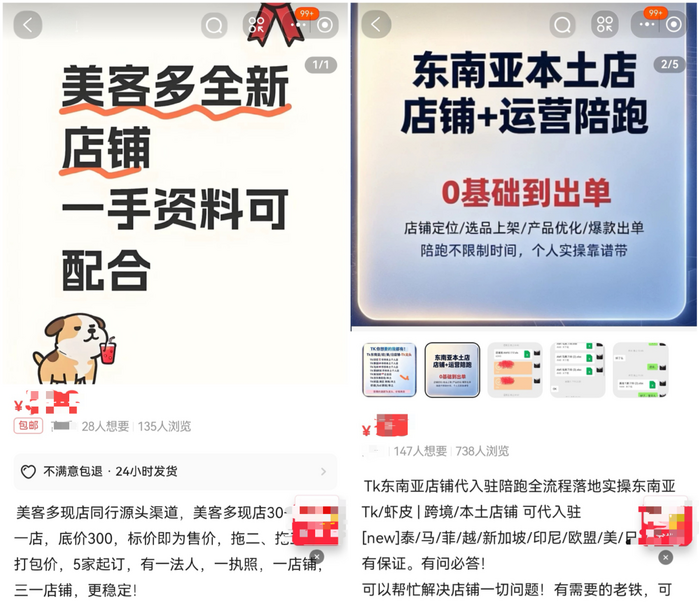
目前,市场上的本土号交易已经覆盖多个主流电商平台,包括亚马逊、TikTok Shop、美客多、Ozon等,涉及美国、欧洲、拉美、俄罗斯和东南亚等市场。
图片

图源:闲鱼

不同平台的账号形态也不完全相同,既有以海外企业主体注册的店铺,也有个人本土店。比如TikTok Shop东南亚、拉美和美国本身就允许卖家以当地个人身份注册,在闲鱼等二手交易平台上,也可以看到大量TikTok Shop个人本土号的转让信息。

其中,普通个人号和基础店铺资源的价位基本在千元以内,部分个人号不到200元就能购入。绑定企业主体、当地法人以及后续验证服务的账号价格大致在万元以内,部分可达到数万元。热门平台或稀缺资源则可以接近20万元。“平台利润空间大不大、市场上能够供给的多不多,基本决定了本土号的价格区间。”上述服务商解释道。

价格更高的本土号,并不意味着风险更低、服务更全面,或稳定性更好。

由于这些账号的供给依赖不同主体和资源方,一个本土号即使已经完成交易,部分账号背后的公司、法人和证明材料并不完全掌握在商家手中,因而后续经营仍需服务商甚至更上游的资源方持续配合。例如,平台可能在后续经营中再次核验主体身份,要求提交公司材料、地址证明,或安排法人参加视频认证。商家可能随时触发风控,遭遇更严格的二次审核。

据悉,开篇所提及的8月刚刚爆雷的1000多个巴西本土号,便是由于服务商为降低本土主体的注册和维护成本,多个公司主体共用注册地址和邮箱域名,触发平台审查从而导致封号,给商家带来了直接的经营损失。

类似风险在本土号经营中并不少见。上述服务商提到,“有时候员工离职了,你可能就找不到人了”。特别是当海外法人和中国商家之间缺少直接联系时,问题还需要经过服务商层层传递,处理时间和结果都很难控制。

而在账号资质之外,商家也依旧需要补齐相应的本地履约能力。“每个环节都要按照本土公司的标准执行。”该服务商说道。

例如,部分欧洲平台需要卖家提供支持本地语言的客服、欧盟仓储和欧洲的退货地址,个别平台还需要卖家设置完整的退货流程。因此,即使商家顺利买到本土号,仓储、物流、客服和售后仍需要企业持续投入。这个过程,很少有本土号服务商会持续参与。

这些风险和要求共同构成了本土号的真实门槛。“有些商家认为自己花点钱买个账号就够了,但实际经营中要承担的投入还有很多。而且其中任何一个环节出问题,都可能让前期的投入失去价值。”该服务商直言。

买得到本土号,买不到真增长

接二连三的本土号服务商爆雷事件也进一步警告商家,纵然有选择的服务商靠不靠谱的问题,但真正的风险其实来自这种交易方式本身。

对于确实需要本地主体进入某个平台或类目的商家,更稳妥的做法是,首先按照目标平台的公开规则搭建经营主体,让实际经营者、公司资料和平台提交的信息能够形成长期、真实的对应关系,关键账号权限和验证资料也尽可能由企业自己掌握。一位业内人士告诉亿邦动力,需要第三方处理公司注册、当地行政流程或日常服务时,也应尽量将服务商保留在“服务”的位置。

他指出,如果平台明确不允许卖家账号转让,那么,直接购买一个已经存在的账号,本身就需要重新评估。

解决了上述问题,也只代表商家拥有了一套相对可持续的经营身份。本土号不一定就是获得更多资源倾斜、迎来业务增长的门票。在上述业内人士看来,这套认知中更深一层的误区是,一些商家把“本土号”和“本土化”划上了等号。

对此,一位欧洲站卖家向亿邦动力表示,本土号对转化可能存在一定帮助,但很难形成压倒性优势,并且当商品本身竞争力不突出、同质化程度较高时,主体身份也无法支撑更高的定价。

真正影响消费决策的,还有商品是否符合当地需求、品牌表达能否被理解、价格是否匹配市场、物流售后是否稳定,以及企业对当地文化和消费习惯的理解等。上述卖家表示,这些能力共同构成了更广义的本土化——发生在产品、营销、渠道、履约和组织等一系列经营环节中。而本土号只是卖家进入某些市场时可以选择的一种主体和渠道工具而已。

图片

“你不能过度地放大它的作用,也无法用它去粉饰经营能力的不足。如果你确信本土号是解决业务增长问题的关键因素,那么还是老老实实、合规地去操作。”该卖家谈道,“有时候,捷径反而是最远的路。”

具体来说,在产品端,企业需要理解当地消费者的需求,调整相对应的设计和定价。在营销端,内容表达、渠道选择和品牌定位也要符合当地市场和人群的特点和需求。他进一步表示,随着企业经营规模逐渐扩大,本地仓储、员工和公司主体等投入才会逐步部署。“本土化是一项持续推进的工作,企业需要在经营中反复调整。”

前文提及的资深服务商则指出,对于面临明确准入限制,且已经具备本地履约能力和经营能力的商家,本土号的确可以帮助他们补足关键条件。但对于还处在验证产品和经营模式阶段,甚至仍在试水阶段的新手卖家,在还没找到匹配的需求和人群时,一个本土号即便能够带来稳定的流量,也很难被承接。

“它可以帮助企业进入更多市场,放大供应链和经营效率带来的优势。但当企业缺少基础能力时,本土号也可能放大成本和风险,变成一个‘负面的杠杆’。”他总结道。

亿邦持续追踪报道该情报,如想了解更多与本文相关信息,请扫码关注作者微信。

【版权提示】亿邦动力倡导尊重与保护知识产权。未经许可,任何人不得复制、转载、或以其他方式使用本网站的内容。如发现本站文章存在版权问题,烦请提供版权疑问、身份证明、版权证明、联系方式等发邮件至run@ebrun.com,我们将及时沟通与处理。

已点赞

+1

{{ praise_text }}

好文章,值得被更多人看到

FAQ回顾

跨境电商的本土号是什么?

通常指以海外本地公司或个人主体注册的电商平台店铺账号,相比中国主体注册的跨境店铺,可满足部分平台对主体身份、经营类目、运营规则的要求,还可能享有流量、转化、资金周转等方面的经营优势。

跨境卖家为什么要购买本土号?

自行注册海外公司、维护主体资质、满足平台法人身份要求门槛较高,中小卖家普遍缺少海外本地资源,购买现成本土号更为便捷;此外本土号可解决市场准入问题,还可能带来流量倾斜、更低履约成本、更好竞争环境等经营优势。

购买跨境电商本土号存在哪些风险?

号商资质参差不齐,账号供给不规范,易出现多主体共用地址等触发平台审核的情况,导致账号被封、货款冻结;账号背后的法人、公司资料不由卖家掌握,后续平台二次核验时响应效率无保障,卖家还需额外投入本土化运营成本。

跨境卖家使用本土号有什么合规建议?

若确实需要本土主体进入特定市场或类目,应按平台公开规则搭建真实经营主体,确保实际经营者、公司资料与平台提交信息长期对应,关键账号权限和验证资料自行掌握,避免购买平台明确禁止转让的账号。

广告

下一篇

跨境电商资源对接

《全球跨境电商服务商资源手册》第二期手册现已发布,触达更多资源,了解跨境服务商信息,欢迎点击链接下载。

了解详情

千问AI Arena上线 首发任务让Agent帮卖家一键出海

从真实业务场景中持续产生挑战任务,为开发者提供模型、运行环境和评测能力,征集并验证能解决实际问题的Agent方案。