• 亿邦公众号
    • APP下载

李佳琦摊上事了 被全网审判

作者:赵云合 文章来源:电商头条

2026-06-22 10:24

作者:赵云合 文章来源:电商头条

2026-06-22 10:24

邦小白快读

EN
全文速览

本文核心围绕涉事纸尿裤甲酰胺争议以及牵扯李佳琦的舆论事件梳理了事件全貌,给普通消费者整理了核心信息和应对参考。

1.核心事件脉络:经济参考报抽样检测发现好奇、碧芭宝贝、Babycare等品牌婴幼儿纸尿裤检出生殖毒性物质甲酰胺,长期接触会损伤肝肾与生殖系统,而我国现行纸尿裤国标未对甲酰胺设置检测和限量要求,涉事品牌均回应产品符合国标,仅Babycare下架了涉事系列,不少消费者退货诉求被拒,目前尚无官方定论。

2.普通消费者应对:现阶段可先暂停给孩子使用涉事品牌相关产品,耐心等待官方最终调查结果,再根据结论做进一步处理,无需过度恐慌但也需提高警惕。

本次甲酰胺事件给母婴品牌带来多方面启发,涉及品控、危机应对、渠道合作多个维度,对品牌运营有较强参考价值。

1.品控研发层面:当前国家纸尿裤标准未覆盖甲酰胺检测,不能仅满足于符合现行国标,品牌需要主动将甲酰胺纳入日常检测范围,从原料采购、生产环节管控该物质残留,匹配消费者对母婴产品越来越高的安全要求。

2.危机应对层面:事件中部分品牌仅甩出合格检测报告拒绝消费者退货诉求,引发消费者更多不满,品牌面对质量争议时,需要积极响应消费者合理诉求,主动公开更多检测信息,而非回避问题,避免品牌信任受损。

3.渠道合作层面:头部主播带货占品牌销量大头,消费者信任主播,产品出问题会牵连品牌口碑,品牌需要和主播同步品控信息,出问题后协同应对,共同降低舆论负面影响。

本次纸尿裤质量争议事件,给各类带货卖家、线上母婴产品卖家带来了明确的风险提示和机会参考。

1.风险提示:母婴类产品是消费者安全敏感度极高的品类,一旦带货产品曝出质量问题,卖家哪怕只是分销渠道,也会被卷入舆论漩涡,损伤自身口碑,因此卖家不能只依赖品牌提供的检测报告,必须强化自身前置选品的品控审核环节。

2.事件应对参考:如果遭遇带货产品质量争议,要参考李佳琦的做法及时公开回应,主动联合品牌开展额外检测,响应消费者关切,不能沉默回避,要主动承担对应责任,降低对自身口碑的影响。

3.机会提示:当前消费者对母婴产品安全有了更高要求,卖家可以主打产品安全透明化,主动筛选符合更高安全标准的产品,契合消费需求变化,获得新的增长机会。

本次纸尿裤甲酰胺争议事件,给纸尿裤生产加工工厂带来了生产方向调整的启示和新的商业机会。

1.生产需求层面:消费者对纸尿裤安全的要求已经高于现行国家标准,现有国标未要求检测甲酰胺,但消费者已经对该物质产生普遍焦虑,工厂需要调整生产标准,在原料采购环节筛选低甲酰胺残留的原料,优化生产工艺,主动增加甲酰胺专项检测环节,匹配消费者新的安全需求。

2.商业机会:率先完成生产标准升级,能对外公开甲酰胺检测结果,明确标注产品无甲酰胺残留的生产厂家,能更快获得品牌和消费者的认可,抢占新的市场份额,建立竞争优势。

3.发展启示:工厂可以将生产流程、检测数据数字化公开,给品牌和消费者提供可查询的安全信息,提升产品信任度,助力自身市场拓展。

本次纸尿裤甲酰胺事件暴露出母婴电商行业的多个痛点,给各类相关服务商指明了新的业务方向。

1.行业痛点与客户需求:目前我国纸尿裤国标缺失甲酰胺限量标准,品牌和带货主播的现有品控检测体系已经满足不了消费者对安全的需求,消费者不信任品牌自证,主播选品也需要更专业的第三方检测支持,品牌和主播都有额外专项检测的需求。

2.行业发展趋势:随着消费者对母婴产品安全要求不断提升,除甲酰胺外,更多现行国标未覆盖的有害物检测需求会逐步释放,母婴产品专项安全检测的市场会不断扩大。

3.解决方案方向:第三方检测服务商可以针对性推出纸尿裤等母婴产品的甲酰胺专项检测服务,为品牌、主播提供具备公信力的检测报告,帮助其向消费者做信用背书,解决消费者的信任焦虑,也满足客户的品控需求。

本次纸尿裤甲酰胺争议事件,给电商平台在招商、运营管理、风险规避等方面带来了不少启示。

1.招商与品控层面:平台需要完善母婴品类的入驻检测要求,针对现行国家标准未覆盖的常见有害物,可以推出平台统一的自主检测标准,要求入驻品牌提供对应项目的检测报告,从招商入口把好安全关,降低后续出现质量争议的风险。

2.运营规则层面:平台需要完善售后维权规则,明确当产品出现质量争议、消费者提出退货退款诉求时,品牌需要积极响应,保障消费者的合理权益,避免消费者维权无门引发集体信任危机。

3.舆情应对层面:当出现行业性质量争议时,平台可以牵头委托权威第三方对涉事产品进行统一检测,及时向公众公布结果,发挥平台的公信力,快速平息舆论,规避行业风险对平台口碑的负面影响。

本次纸尿裤甲酰胺事件以及牵扯出的直播电商主播责任问题,折射出我国母婴产业和直播电商行业的多个新动向新问题,具备较高的研究价值。

1.产业层面新问题:一是母婴用品的国家标准更新滞后于消费者需求升级,现行纸尿裤国标未设置甲酰胺检测项目和限量要求,出现合规不等于安全的矛盾,消费者的安全权益得不到充分保障,标准更新的需求已经十分迫切。二是直播电商模式下,头部主播的品控责任边界没有清晰界定,消费者因信任主播下单,主播需要承担比普通渠道更高的品控责任,但现有规则没有明确对应要求。

2.产业新动向:消费者对母婴产品安全的要求不断提升,安全透明化已经成为产业发展的必然方向,会倒逼行业标准更新和全行业品控升级,推动产业规范化发展。

3.商业模式层面:直播电商已经成为主流消费渠道,头部主播深度参与商品选品把控,已经改变了传统品牌分销的商业模式,三方责任重新划分是必然趋势。

声明:快读内容全程由AI生成,请注意甄别信息。如您发现问题,请发送邮件至 run@ebrun.com 。

我是 品牌商 卖家 工厂 服务商 平台商 研究者 帮我再读一遍。

Quick Summary

This article provides a comprehensive overview of the recent formamide safety controversy involving multiple diaper brands and the related public uproar that has entangled top influencer Li Jiaqi, organizing key takeaways and guidance for general consumers.

1. Key event timeline: A sampling test conducted by *Economic Information Daily* detected formamide—a substance with reproductive toxicity that can damage the liver, kidneys and reproductive system with long-term exposure—in diapers from popular brands including Huggies, Beaba and Babycare. Currently, China’s national safety standard for diapers does not include formamide testing or residue limits. All involved brands have stated their products meet national standards, and only Babycare has pulled the affected product lines from shelves, while many consumers have had their return requests rejected. No official conclusion on the incident has been released to date.

2. Guidance for consumers: For the time being, consumers can suspend using the affected diaper products for their children and wait patiently for the final official investigation result before taking further action. There is no need for excessive panic, but it is reasonable to remain vigilant.

The formamide diaper incident offers multi-dimensional insights for mother and baby product brands across quality control, crisis response and channel collaboration, with valuable takeaways for brand operations.

1. R&D and quality control: Since formamide testing is not required under current national diaper standards, brands should not stop at meeting only existing regulatory requirements. Brands should proactively add formamide to their routine testing scope, and control residue of the substance from raw material procurement through production, to match consumers’ rising safety expectations for maternal and infant products.

2. Crisis response: In this incident, some brands only released compliance test reports and rejected consumer return requests, triggering greater public dissatisfaction. When facing quality disputes, brands should actively respond to consumers’ reasonable demands, voluntarily disclose more testing information, rather than avoiding issues, to prevent long-term damage to brand trust.

3. Channel collaboration: Top influencer streams account for a large share of many brands’ sales, and consumers purchase based on the influencer’s credibility. When product issues arise, the brand’s reputation inevitably suffers. Brands should share quality control information with partnered influencers in advance, and coordinate response efforts when problems occur to jointly mitigate negative reputational impact.

This diaper quality dispute delivers clear risk warnings and opportunity insights for all influencers and online maternal and infant product sellers.

1. Risk warning: Maternal and infant products are an extremely safety-sensitive category for consumers. If a product you promote is involved in a quality scandal, even sellers that only act as distribution channels will be pulled into the public backlash and suffer reputational damage. Therefore, sellers cannot rely solely on test reports provided by brands, and must strengthen pre-market quality control and product screening.

2. Incident response guidance: When caught up in a quality dispute for a promoted product, sellers can follow Li Jiaqi’s example of issuing a public response promptly, collaborating with brands to conduct additional third-party testing, and addressing consumer concerns directly. Silence and avoidance are not the right approach; taking proactive responsibility helps minimize damage to your own reputation.

3. Growth opportunity: Consumers now have higher safety expectations for maternal and infant products. Sellers can lean into product safety transparency, proactively curate products that meet stricter safety standards, align with shifting consumer demand, and capture new growth opportunities.

The formamide diaper controversy offers insights for production adjustment and new business opportunities for diaper manufacturers and processors.

1. Production adjustment: Consumer safety expectations for diapers already outpace current national standards. While existing regulations do not require formamide testing, consumers now have widespread concern about this substance. Manufacturers need to update their production standards, source raw materials with low formamide residue, optimize production processes, and add dedicated formamide testing links to meet consumers’ new safety demands.

2. New business opportunity: Manufacturers that upgrade their production standards early, publicly disclose formamide test results, and clearly label products as free of formamide residue will gain recognition from both brands and consumers faster, allowing them to capture new market share and build a sustained competitive advantage.

3. Long-term development insight: Manufacturers can digitize and disclose production processes and test data to provide traceable safety information for brands and consumers. This boosts product trust and supports long-term market expansion.

The formamide diaper incident exposes multiple pain points in the maternal and infant e-commerce industry, and points to new business directions for relevant service providers.

1. Industry pain points and customer demand: China’s current national diaper standard lacks a limit for formamide, and existing quality control and testing systems for brands and influencers can no longer meet consumer safety demands. Consumers do not trust self-reported compliance from brands, and influencer product screening requires more professional third-party testing support. Both brands and influencers now have unmet demand for additional dedicated testing.

2. Industry growth trend: As consumers continue to raise safety requirements for maternal and infant products, demand for testing of more harmful substances not covered by existing national standards—beyond just formamide—will gradually emerge. The market for dedicated safety testing of maternal and infant products will continue to expand.

3. Solution direction: Third-party testing service providers can develop targeted dedicated formamide testing services for diapers and other maternal and infant products. They can provide credible test reports for brands and influencers to help build credibility with consumers, ease consumer trust anxiety, and meet clients’ quality control needs.

The formamide diaper controversy offers meaningful insights for e-commerce platforms on招商, operation management and risk prevention.

1. Onboarding and quality control: Platforms need to完善 onboarding testing requirements for the maternal and infant category. For common harmful substances not covered by existing national standards, platforms can establish unified, platform-level voluntary testing standards, and require onboarding brands to provide test reports for the specified items. This enables platforms to enforce safety checks at the onboarding stage and reduce the risk of future quality disputes.

2. Operational rule improvement: Platforms need to improve after-sales and rights protection rules. When product quality disputes occur and consumers submit return and refund requests, platforms should require brands to actively respond to protect consumers’ legitimate rights, and avoid collective trust crises triggered by consumers having no channel to resolve complaints.

3. Public opinion response: When an industry-wide quality dispute breaks out, platforms can take the lead in commissioning authoritative third parties to conduct unified testing of involved products, publish results to the public in a timely manner, leverage the platform’s public credibility to quickly defuse public anger, and prevent industry risk from damaging the platform’s own reputation.

The diaper formamide incident and the resulting discussion over influencer accountability in live-stream e-commerce reveal multiple new trends and problems in China’s maternal and infant industry and live-stream e-commerce sector, with high research value.

1. New industry problems: First, national standards for maternal and infant products are updating slower than consumer demand upgrading. The current national diaper standard does not include formamide testing or residue limits, creating a contradiction between "regulatory compliance" and "actual safety", leaving consumers’ safety rights insufficiently protected. The need for standard updating is already very urgent. Second, under the live-stream e-commerce model, the boundary of quality control responsibility for top influencers has not been clearly defined. Consumers purchase based on the influencer’s credibility, so influencers should bear higher quality control obligations than traditional distribution channels, but existing rules do not have clear requirements for this.

2. New industry trends: As consumer demand for safer maternal and infant products continues to rise, safety transparency has become an inevitable direction for industry development. This will force updates to industry standards and industry-wide quality control upgrading, driving standardized development across the sector.

3. Business model shift: Live-stream e-commerce has become a mainstream sales channel, and top influencers now play a deep role in product selection and quality control. This has reshaped the traditional brand distribution business model, and a redefinition of tripartite responsibility between brands, influencers and platforms is an inevitable trend.

Disclaimer: The "Quick Summary" content is entirely generated by AI. Please exercise discretion when interpreting the information. For issues or corrections, please email run@ebrun.com .

I am a Brand Seller Factory Service Provider Marketplace Seller Researcher Read it again.

人红是非多,李佳琦又被推到舆论枪口。

出品 | 电商头条 作者 |赵云合

这两天,不少消费者陷入了恐慌之中。

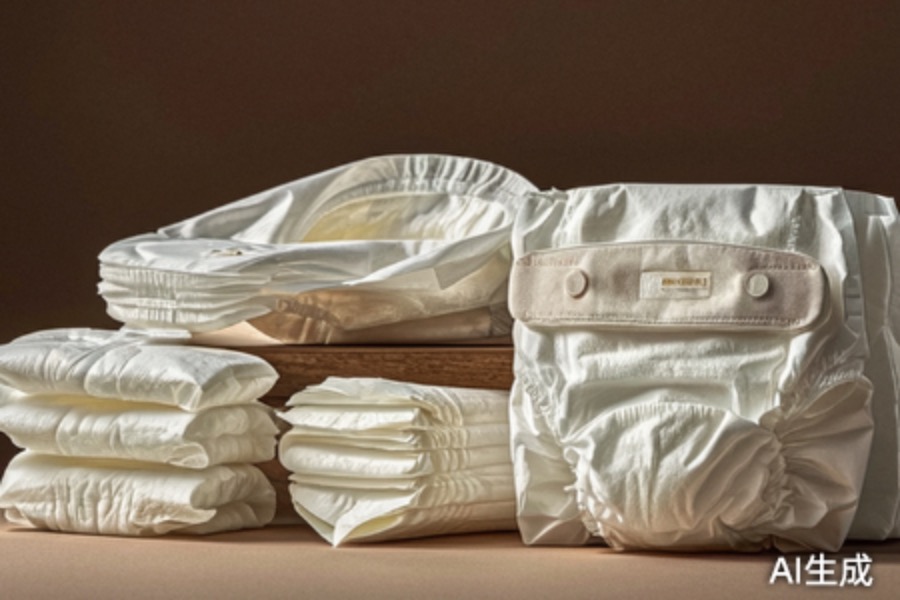
原因在于一个词条为“纸尿裤 有毒”的微博热搜,多个品牌纸尿裤被爆检测出毒物质,不少人为婴儿的健康捏了一把汗。

为此,不少消费者纷纷向品牌方讨要说法。与此同时,因为此前直播间上架售卖过相关的纸尿裤产品,李佳琦也被牵扯进了这场争议中。

带货纸尿裤被爆检出毒物质

李佳琦紧急回应

纸尿裤作为刚需用品,婴儿几乎一整天都在贴身使用。然而,近日有多名消费者反映,使用部分品牌的婴幼儿纸尿裤后,孩子反复出现红臀、湿疹、皮肤破溃等症状,停用产品后症状得以缓解。

据经济参考报透露,为核实相关情况,其委托专业检测机构对市场上部分品牌婴幼儿纸尿裤开展抽样检测,结果在“好奇”“碧芭宝贝”“Babycare”等多个品牌的婴幼儿纸尿裤中,检出毒性物质——甲酰胺。

公开资料显示,在欧盟分类中,甲酰胺属于1B类生殖毒性物质,在我国的《化妆品禁用原料目录》还被明令禁止使用。长期接触甲酰胺会损伤肝肾、干扰生殖系统发育。

经济参考报还透露,为进一步核实甲酰胺与纸尿裤的关联性,相关工作人员购买了一品牌婴幼儿纸尿裤,亲自穿戴(因尺寸问题,实际捆绑于上臂)一夜后进行检测。

结果显示,该工作人员血液中甲酰胺检出量从穿戴前的约2000ng/ml飙升到超4000ng/ml,增长明显。

不过,经济参考报所发布的有关纸尿裤的文章存在争议,具体体现在文中所展示的特聘专家于兆衍的言论。当前,山东省公共卫生临床中心于内部发布了对此事的声明。

但该事件曝光后,还是引发了消费者的担忧。不少网友也在社交平台上现身说法,表示自己的孩子确实存在使用相关纸尿裤后出现红屁股的现象。

与此同时,有网友发现“好奇”“碧芭宝贝”“Babycare”等多款纸尿裤产品,此前均在李佳琦直播间上架售卖。对此,不少网友希望李佳琦能给消费者一个合理的说法。

李佳琦直接在直播间做出回应,他表示,各位妈妈可以放心,目前各涉事品牌都在做进一步的检测,也会有一些声明,大家可以持续关注。同时,直播间也会和品牌一起去做额外的检测。

虽然产品存在质量争议的主要责任在品牌方,但李佳琦作为带货主播,也应承担起选品把关的责任。如果处理不好,对李佳琦本人的声誉和形象都会造成负面影响。

当前,“好奇”“碧芭宝贝”“Babycare”这三大品牌都对争议做出了回应,并各自发布了涉事纸尿裤的检测报告,称产品并未检出甲酰胺,且各项指标符合现行国家标准。

赵云合在相关电商平台搜索发现,“Babycare”将涉事纸尿裤非法大师系列下架了。不过,其他两家品牌的产品仍在正常售卖。

虽然品牌做出了回应,但有网友提出质疑,“合规”不等于“不存在安全风险”。因为我国现行国标GB/T 28004.1-2021《纸尿裤第1部分:婴儿纸尿裤》,尚未对甲酰胺设置检测项目和限量要求。

为此,不少消费者依旧心存疑虑,无法确认纸尿裤是否绝对安全。不少购买了相关纸尿裤的消费者,要求退货退款。然而,有消费者爆料称退货遭到了拒绝,品牌方客服直接甩出了检测报告,以证明产品没问题。

说实在的,作为普通消费者,真的不知道应该相信谁,相关媒体和品牌方的说法不一,给出了不同结果的检测报告。如今能做的,也只能是等待官方的调查结果,希望能得到准确的回应。

现在这件事情还没有一个可以令消费者完全信服的论断,而争议的出现,让大量消费者对品牌失去信心,更引发了“不知道买什么纸尿裤”的集体焦虑,消费者本不应该承担这样的风险。而该事件最后走向哪种结局,还有待官方定夺。

带货产品出问题,主播该怎么办

不知道大家有没有发现,只要商品爆出质量争议,带货主播往往会同步卷入舆论漩涡,成为大众质疑的核心对象。就像此次纸尿裤甲酰胺风波里的李佳琦,还有此前优思益造假事件中的董宇辉,皆是如此。

为什么会出现这样的现象呢,核心原因有两点。一方面,直播电商早已成为国民主流消费渠道,头部主播直播间的出货量,甚至能占到品牌整体销量的大头;另一方面,多数消费者选择在直播间下单,驱动他们消费的并非单纯的品牌本身,而是主播自身的个人影响力。

直白来讲,很多消费者是为主播的人设、口碑与信任感买单,他们真正信赖的是主播这个人,而非产品本身。这份由消费者主动交付的信任,本质上是把商品筛选、品质把关的责任,一并交到了主播手中。

这意味着,主播要承担远高于普通分销渠道的责任:他们的工作不能只停留在推销商品、拉动销量层面,更要对售出产品的品质安全兜底。

就拿优思益造假事件来说,据公开消息,当时董宇辉旗下的直播间与辉同行曾卖出近10万单优思益。事件曝光后,不少网友喊话董宇辉出来回应,并将此视为其带货翻车,辜负了消费者的信任。

更重要的是,此前董宇辉自称团队通过实地验厂、批次检测、员工试吃等流程严控品质,且每月检测费用超百万元。但这次却未能识别优思益造假,暴露了审核流程存在漏洞。

不过,也有网友表示,是品牌方坑了董宇辉。李佳琦这次的纸尿裤事情,同样出现了类似的声音,有网友称不去找品牌方索赔,反倒找一个主播要说法。

产品有争议时,出现不同的声音是正常的。客观来说,主要责任确实在品牌方,产品原料管控生产流程、出厂质检、合规标准完善均由品牌主导。产品有问题,根源在于品牌方品控的疏漏。

但这并不代表带货主播可以置身事外、毫无责任。无论主播事前是否知晓产品存在安全隐患,只要经由其直播间售出的商品曝出质量问题,就足以说明主播团队在前置选品审核环节存在疏漏。

消费者是冲着主播的信任下单,筛选、核验产品本就是主播的分内工作,选品失责,就要承担对应的后果。

这要求带货主播在选品上更加谨慎,这不仅是对消费者负责,更是对自身口碑和形象负责。就目前来说,大主播都十分重视选品。比如与辉同行会举办选品评审会,对产品共同打分,同时配套实地验厂、批次送检机制;

李佳琦背后的美腕设置了“三选三检”的严格选品机制,整体通过率仅5%;辛选全集团组建了千人品控团队,还有“六大品控节点” 全链条管控等等。

当然,谁也无法保证选品环节万无一失,只能谨慎再谨慎。如果出现问题,主播还是要承担起应有的责任,及时响应消费者的售后需求,妥善处理。

行业发展至今,主播早已不只是单纯的推销员,更是商品品质的把关人。只有坚守品控底线、提供优质服务,才能守住来之不易的用户信任。

注:文/赵云合,文章来源:电商头条(公众号ID:ecxinwen),本文为作者独立观点,不代表亿邦动力立场。

【版权提示】亿邦动力倡导尊重与保护知识产权。未经许可,任何人不得复制、转载、或以其他方式使用本网站的内容。如发现本站文章存在版权问题,烦请提供版权疑问、身份证明、版权证明、联系方式等发邮件至run@ebrun.com,我们将及时沟通与处理。

已点赞

+1

{{ praise_text }}

好文章,值得被更多人看到

广告

下一篇

跨境电商资源对接

《全球跨境电商服务商资源手册》第二期手册现已发布,触达更多资源,了解跨境服务商信息,欢迎点击链接下载。

了解详情

欧盟7月正式取消低价商品进口免税 亚马逊向卖家宣告合规要求

建议卖家将库存前置到欧盟境内的履约网络,因为欧盟境内发往消费者的订单不受该进口关税限制。