



• 亿邦公众号
    • APP下载

京东发布国内首个智能体自主支付协议 为AI“花钱”定规则

作者:龚作仁 文章来源:Laborer

2026-06-12 12:45

作者:龚作仁 文章来源:Laborer

2026-06-12 12:45

邦小白快读

EN
全文速览

本文介绍京东发布国内首个专门为智能体自主支付设计的A2P2协议,解决AI代用户消费支付的安全和预算管控问题,普通用户可提前了解这项即将改变消费习惯的新技术核心干货。

1. 核心规则:协议将智能体支付自主化划分为L0到L5六个等级,从完全人工确认到完全自主支付,重点聚焦可满足多数场景需求的L3、L4级,适配不同用户的授权需求。

2. 安全保障:首创ARI智能体运行时身份机制,支付时核验真实用户、智能体身份、运行环境三方信息,拦截异常扣款;还设置隔离专用账户,智能体无法直接触碰用户主账户,额度、场景都受严格限制。

3. 实际利好:该协议可动态适配用户的任务需求,管控预算,每笔交易都可追溯、可审计,未来用户只需要发语音指令,AI就能自动完成订票、买花等全流程消费,无需手动输密码点确认。

京东发布国内首个智能体自主支付协议,预示着AI原生任务式消费场景即将大规模落地,品牌商可提前把握行业变化,布局新赛道。

1. 消费趋势变化:未来智能体将替代用户完成选品、下单、支付全流程,用户授权智能体完成消费会成为新的主流消费习惯,品牌需要适配智能体的任务式撮合逻辑,调整自身的商品展示和匹配逻辑。

2. 产品调整方向:协议明确了分级自主支付规则,品牌可以针对不同支付等级的场景设计对应的产品,比如针对高授权的L4级智能体,推出适合高频刚需的小额标准化商品,匹配智能体的推荐逻辑。

3. 信任红利:该协议建立了完整的可追溯存证体系,降低了智能消费的交易纠纷,有助于提升用户对AI场景消费的信任,提前布局的品牌将优先获得新场景的流量和销量红利。

京东推出国内首个智能体自主支付协议,补齐了智能体消费落地的最后一块短板,打开了AI原生消费新赛道,卖家可以从中把握新机会,规避潜在风险。

1. 机会提示:智能体自主支付解决了AI消费的信任问题,未来任务式消费会快速增长,卖家可以提前布局适配智能体搜索推荐的商品,其中高频小额的生活服务类商品、标准化日用商品,更容易获得智能体的推荐,获得新增量。

2. 风险提示:新规则下,卖家需要适配协议的存证、合规要求,确保交易信息可追溯,避免产生交易纠纷,同时要提前对接新的支付规则,避免出现链路不通的问题。

3. 合作机会:京东正联合全行业共建智能体支付生态,卖家可以参与协议配套规范的建设,提前对接相关能力,抢占新场景的流量红利。

京东发布智能体自主支付协议,标志着AI驱动的零售全链路智能化正在加速落地,给工厂带来了新的发展机会和转型启示。

1. 产品生产设计需求:未来智能体将根据用户的动态任务需求匹配商品,工厂可以开发更多适配高频小额任务场景的标准化商品,同时优化商品的参数信息,满足智能体的参数化匹配要求,方便智能体筛选推荐。

2. 数字化转型启示:智能体支付的落地意味着全链路数字化是零售行业的必然趋势,工厂需要加速推进自身的数字化改造,适配智能零售时代交易匹配、结算链路的数字化要求,提升对接效率。

3. 商业机会:新的智能消费生态正在全行业共建,工厂可以提前对接该生态,获得更多精准的用户需求匹配,缩短交易链路,提升交易效率,拓展新的销量增长渠道。

智能体自主支付是智能经济时代的核心刚需基础设施,京东发布的A2P2协议明确了行业痛点和成熟解决方案,给支付、AI技术等各类服务商指明了发展方向。

1. 行业发展趋势:随着智能体应用的快速普及,自主支付是必不可少的基础能力,市场空间十分广阔,目前国内还没有统一的行业标准,相关服务商可提前布局抢占先机。

2. 核心客户痛点:当前行业和C端用户的核心痛点是智能支付的安全信任问题,传统静态免密授权无法适配智能体动态任务支付的需求,也缺少完整可信的争议追溯机制。

3. 可落地的参考方案:京东提出的分级自主化体系、ARI三方校验机制、专用账户隔离、存证链追溯这套完整方案,可以作为行业基础框架,服务商可以基于此开发配套技术服务,对接全行业客户的需求。

京东推出国内首个智能体自主支付协议,给各类电商、AI智能体平台的生态建设提供了成熟参考,也明确了行业对平台的新要求。

1. 行业对平台的新需求:智能体生态发展离不开安全合规可监管的支付基础设施,平台只有补齐支付环节的信任短板,才能吸引更多开发者和用户入驻,落地更多智能体应用。

2. 可借鉴的运营做法:平台可参考京东的分级支付体系、ARI身份校验、隔离账户、存证链这套成熟规则,搭建自有智能体支付体系,有效提升用户信任度,降低安全风险。

3. 生态建设方向:智能体支付需要全行业共建,平台可以联合开发者、商户、技术服务商共同完善规则,开放相关能力开展招商,同时要做好合规和风险管控,满足监管要求,规避政策风险。

本次京东发布国内首个智能体自主支付协议,是智能经济领域支付基础设施的重要创新,给产业和技术研究提供了新的方向和落地样本。

1. 产业新动向:随着大模型和智能体应用的普及,智能体自主完成用户委托的全流程任务成为新的发展方向,支付环节的自主化是智能体应用落地的关键核心,当前行业已经开始启动相关标准和基础设施的建设。

2. 创新价值:本次京东首创了分级支付等级划分体系、ARI运行时身份校验机制、存证链存证追溯体系,解决了传统支付无法适配动态智能任务支付的痛点,形成了完整可落地的智能支付商业模式基础框架。

3. 研究启示:智能体相关的监管合规、跨厂商生态共建是接下来重要的研究方向,该协议提出的在监管合规前提下全行业共建生态的思路,给相关政策研究和产业研究提供了新的参考方向。

声明:快读内容全程由AI生成,请注意甄别信息。如您发现问题,请发送邮件至 run@ebrun.com 。

我是 品牌商 卖家 工厂 服务商 平台商 研究者 帮我再读一遍。

Quick Summary

This article introduces JD.com’s launch of China’s first A2P2 protocol specifically designed for autonomous agent-based payments, which solves security and budget control challenges for AI-managed consumer payments on behalf of users. General readers can get a clear grasp of the core technology that is set to transform consumer habits.

1. Core rules: The protocol divides autonomous agent payment into six levels from L0 to L5, ranging from full manual confirmation to fully autonomous payment. It focuses on L3 and L4, which meet the needs of most scenarios and adapt to different users’ authorization requirements.

2. Security guarantees: It introduces the industry-first ARI agent runtime identity mechanism, which verifies information of the real user, the agent, and the runtime environment to block abnormal deductions. It also adopts an isolated dedicated account system, where agents cannot access users’ main accounts directly, with strict constraints on transaction limits and applicable scenarios.

3. Practical benefits: The protocol dynamically adapts to users’ task requirements and enables budget control, with every transaction traceable and auditable. In the future, users will only need to issue voice commands, and AI can automatically complete the entire consumption process such as ticket booking or flower ordering, without requiring manual password entry or confirmation taps.

JD.com has released China’s first autonomous agent payment protocol, signaling that large-scale adoption of AI-native task-based consumption scenarios is imminent. Brands can get ahead of industry shifts and position themselves for this emerging track.

1. Shifting consumer trends: In the future, agents will replace users to complete the full process from product selection to ordering and payment. User-authorized agent-managed consumption will become a new mainstream habit, so brands need to adapt to the task-based matching logic of agents and adjust their product presentation and matching strategies accordingly.

2. Product adjustment directions: With clear tiered autonomous payment rules defined by the protocol, brands can design targeted products for scenarios with different payment levels. For example, for high-authorization L4-level agents, brands can launch small-value standardized products that fit high-frequency essential needs, to align with agents’ recommendation logic.

3. Trust dividend: The protocol establishes a complete traceable evidence storage system, reduces transaction disputes in smart consumption, and helps improve user trust in AI-powered consumption scenarios. Brands that position themselves early will gain priority access to traffic and sales dividends in this new space.

JD.com’s launch of China’s first autonomous agent payment protocol fills the final gap for the commercialization of agent-based consumption and opens up a new track for AI-native consumption. Sellers can seize new opportunities while avoiding potential risks.

1. Opportunity outlook: Autonomous agent payment solves the trust problem of AI consumption, and task-based consumption will grow rapidly in the future. Sellers can lay out products adapted to agent search and recommendation logic in advance. Among them, high-frequency small-value daily service products and standardized daily goods are more likely to get recommended by agents and capture new growth.

2. Risk warnings: Under the new rules, sellers need to comply with the protocol’s evidence storage and compliance requirements to ensure transaction information is traceable and avoid disputes. They also need to integrate with the new payment rules early to prevent connection failures in transaction links.

3. Collaboration opportunities: JD is co-building an agent payment ecosystem with the whole industry. Sellers can participate in the development of supporting standards for the protocol, connect with relevant capabilities early, and seize traffic dividends in the new scenario.

JD.com’s release of the autonomous agent payment protocol marks the accelerated implementation of AI-driven end-to-end intelligent retail, bringing new development opportunities and transformation insights for factories.

1. Product design and development demands: In the future, agents will match products based on users’ dynamic task requirements. Factories can develop more standardized products adapted to high-frequency small-value task scenarios, and optimize product parameter information to meet the parametric matching requirements of agents, facilitating agent screening and recommendation.

2. Digital transformation insights: The implementation of agent payment indicates that end-to-end digitalization is an inevitable trend in the retail industry. Factories need to accelerate their own digital transformation, adapt to the digital requirements for transaction matching and settlement in the smart retail era, and improve connection efficiency.

3. Business opportunities: A new smart consumption ecosystem is being co-built across the industry. Factories can connect to the ecosystem early to access more accurate user demand matching, shorten transaction links, improve transaction efficiency, and expand new sales growth channels.

Autonomous agent payment is a core fundamental infrastructure for the smart economy era. The A2P2 protocol released by JD identifies industry pain points and provides a mature solution, pointing out clear development directions for various service providers including payment and AI technology players.

1. Industry development trends: With the rapid popularization of agent applications, autonomous payment is an essential foundational capability with huge market potential. Currently, there is no unified industry standard in China, so relevant service providers can lay out early to seize the first-mover advantage.

2. Core customer pain points: At present, the core pain point for the industry and end consumers is security and trust in intelligent payment. Traditional static no-password authorization cannot adapt to the dynamic task payment requirements of agents, and the industry also lacks a complete and credible dispute traceability mechanism.

3. Actionable reference solution: JD’s complete solution, including the tiered autonomy framework, ARI triple verification mechanism, dedicated account isolation, and blockchain-based traceability, can serve as a foundational industry framework. Service providers can develop supporting technical services based on this framework to meet the needs of industry-wide clients.

JD.com’s launch of China’s first autonomous agent payment protocol provides a mature reference for ecosystem building for e-commerce and AI agent platforms, and clarifies new industry requirements for platforms.

1. New industry requirements for platforms: The development of the agent ecosystem relies on secure, compliant and regulatable payment infrastructure. Only by fixing the trust gap in the payment link can platforms attract more developers and users, and enable the launch of more agent applications.

2. Replicable operational practices: Platforms can refer to JD’s mature framework, including the tiered payment system, ARI identity verification, isolated accounts, and evidence traceability, to build their own agent payment systems, effectively improve user trust, and reduce security risks.

3. Ecosystem building direction: Agent payment requires collaborative development across the industry. Platforms can join forces with developers, merchants, and technology service providers to refine rules, open relevant capabilities to recruit partners, and implement sound compliance and risk control to meet regulatory requirements and avoid policy risks.

JD.com’s release of China’s first autonomous agent payment protocol is an important innovation in payment infrastructure for the smart economy, providing new directions and a practical implementation sample for industrial and technological research.

1. New industrial trends: With the popularization of large language models and agent applications, agents that autonomously complete end-to-end tasks delegated by users have become a new development direction, and payment autonomy is the core enabler for agent commercialization. The industry has already started to develop relevant standards and infrastructure.

2. Innovation value: JD has pioneered a tiered payment classification system, the ARI runtime identity verification mechanism, and a blockchain-based evidence storage and traceability system. These innovations solve the pain point that traditional payment cannot adapt to dynamic intelligent task payment, and form a complete and implementable foundational framework for the intelligent payment business model.

3. Research implications: Regulatory compliance and cross-vendor ecosystem collaboration for agents will be key research directions going forward. The protocol’s approach of industry-wide co-construction under regulatory compliance provides new reference for relevant policy and industrial research.

Disclaimer: The "Quick Summary" content is entirely generated by AI. Please exercise discretion when interpreting the information. For issues or corrections, please email run@ebrun.com .

I am a Brand Seller Factory Service Provider Marketplace Seller Researcher Read it again.

想象一下,你对着手机说“帮我订一张今天下午的科幻电影票”,智能体自动比价、选票并完成支付——整个过程无需你亲自输密码、点确认。但问题也随之而来:谁来保证这笔扣款不会超预算?它是不是足够安全?

6月11日,京东正式发布智能体自主支付协议,即Agent Autonomous Payment Protocol(以下简称京东A2P2协议)。这是国内首个专门为智能体自主支付设计的协议,目的是让用户用AI省心又放心地花钱,同时每一笔都能查、都能追溯。这意味着,你的智能体不再只是帮你把商品放进购物车、等你亲手付钱,而是真正具备了在规则约束下自主完成支付的能力。

首个用分层划清边界的协议,明确智能体支付定义

大多数人以为的AI支付是这样的:对着手机说“点杯饮料”,AI帮你选好、下单,然后弹出支付页面等你确认。这就像AI帮用户把东西放到了收银台,但用户本人还需执行“掏钱”的动作。

未来,智能体的自主支付在供应链流转与生活消费场景中将扮演越来越重要的角色。京东A2P2协议补上了智能经济时代支付领域最关键的信任短板,为未来数亿的智能体应用提供安全、合规、可监管的支付基础设施。
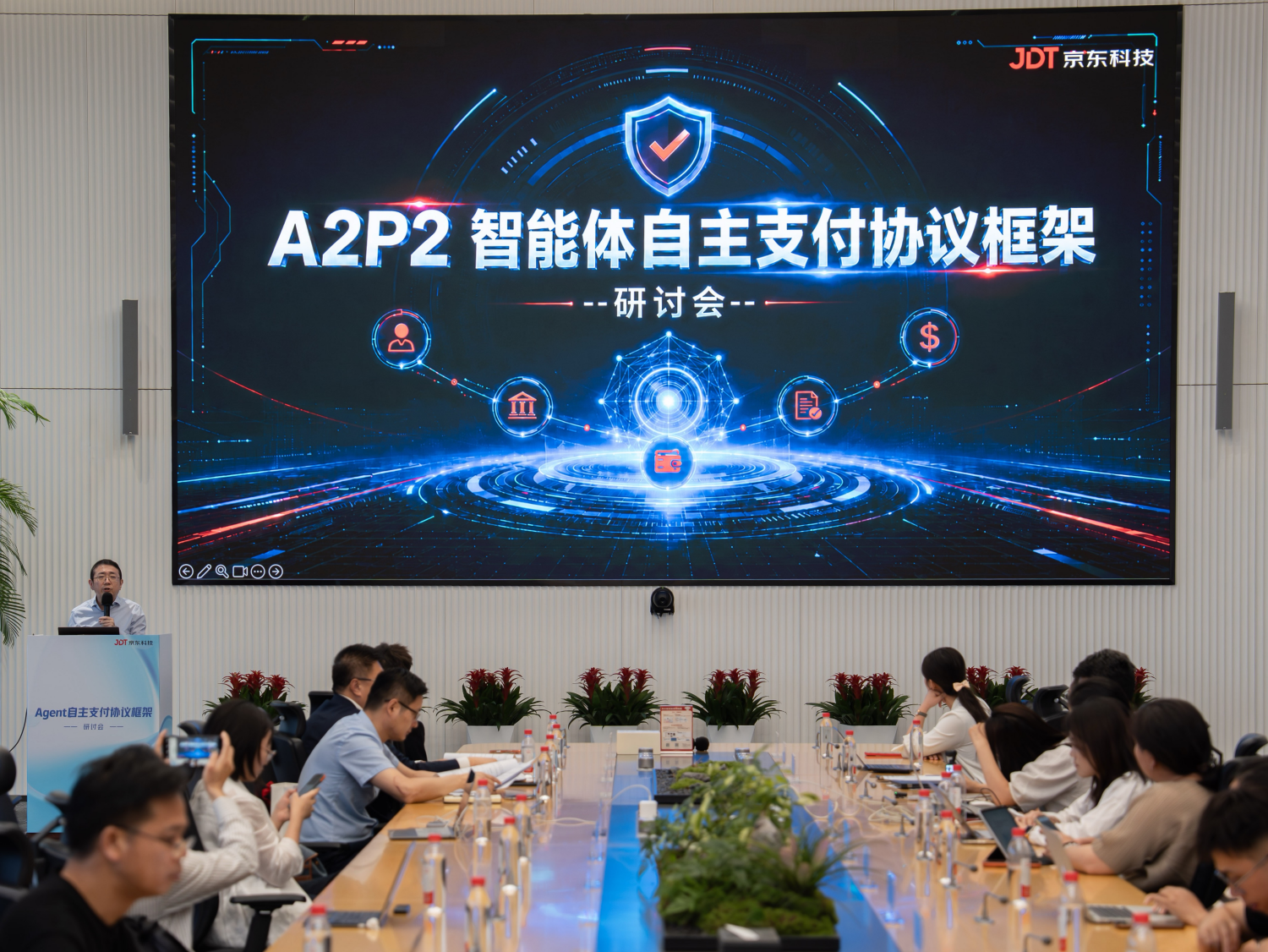
为此,京东A2P2协议首次系统性地将智能体支付自主化划分为L0至L5六个等级,为不同场景下的自主化程度提供了清晰的演进路径。

L0是完全由人确认每一笔支付,L5是智能体完全自主支付。该协议重点聚焦中间的L3和L4两个等级:L3指智能体在单一任务内可以自主发起支付请求,系统在用户设定的边界内裁决是否放行;L4则给予智能体更多授权,只要支付金额、场景、用户等要素在预设范围内,智能体即可自主完成支付。

京东A2P2协议产品经理表示,传统支付的核心是“人按确认”,智能体支付的核心是“系统基于用户意图进行判断”。

举例来说,用户希望“用不超过200元为我订一束花送给朋友”。在传统支付系统中,用户需手动筛选低于200元的花,且需点击后再扣款。而京东A2P2协议引入“任务委托凭证”(Mandate),把用户的自然语言指令转化为机器可校验的任务凭证。这能保证在扣款前,系统充分理解用户的意图,并实时核对金额、品类、收款方。如果智能体试图购买300元的花,系统会直接拒绝或要求用户本人确认。

这也解释了为什么传统的免密支付或代扣无法适用智能体场景,因为那些授权是静态、长期的,而智能体的支付请求是在具体任务中动态产生的。

首创ARI机制:三方信息校验,支付更安心

当智能体自己发起支付,资金安全是用户最关注的问题。京东A2P2协议首创了ARI(智能体运行时身份)机制,在支付瞬间实时绑定三方信息:真实用户、智能体身份、智能体的运行时环境。

当智能体发起扣款请求时,系统会立刻核验:这笔钱最终由用户本人承担;执行的是用户唯一授权的那一个智能体版本;该智能体当前运行在可信设备上、没有被恶意程序注入。三个条件全部满足,请求才能推进。如果智能体被“劫持”,试图在用户不知情的情况下转账,ARI会在第一时间发现运行环境异常,直接拦截。
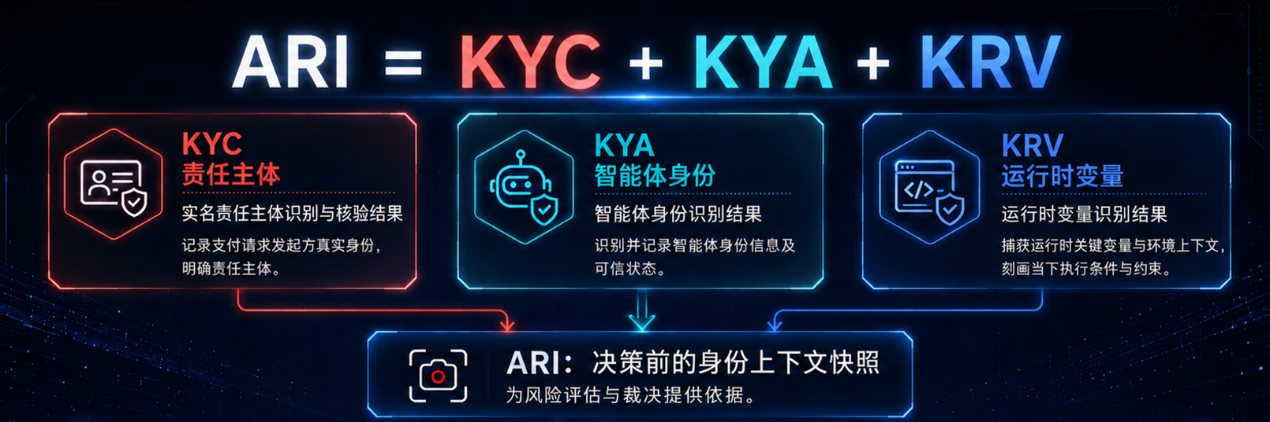
京东A2P2协议产品经理打了个比方:“这就像给每个智能体发了一张带芯片的身份证,支付时不仅要看脸,还要看现场环境和动作指令,三合一才能通过。”

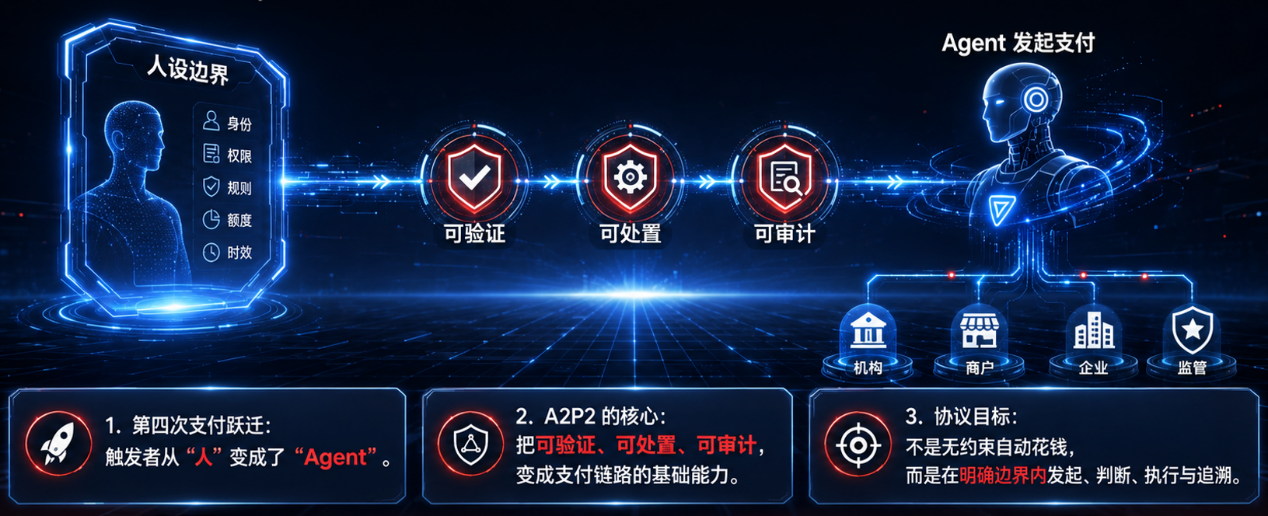
此外,京东A2P2协议还设计了“资金载体”隔离层。用户主账户不会被智能体直接调用,而是新设立一个严格受限的“专用账户”,对金额上限、使用场景、有效时间和允许的收款方都设有硬性规定。即使智能体被恶意控制,也突破不了这些限制,触碰不到用户的主账户。用户可以随时查看每个智能体被分配了多少钱、花在了哪里,也可以随时收回授权。

每笔交易都可信,携手伙伴共建智能体支付信任生态

智能体自主支付完成后,钱是否真的花在了约定的任务上?一旦发生争议,能否快速追溯到源头?京东A2P2协议在支付结算与治理审计两个层面给出了清晰答案。

在支付与结算层,系统会立即将这笔支付结果与前序的任务委托凭证、ARI身份、决策裁决及执行令牌强行绑定,形成完整的证据闭环。为解决智能体支付关键事实分散在不同架构层、而传统日志排查往往信息不全的问题,京东A2P2协议引入了“存证链”作为统一的事实锚点。让每一笔AI交易可验证、可处置、可审计。
京东科技相关负责人表示:“智能体自主支付需要全行业的生态共建。我们会在监管合规前提下推进京东A2P2协议的完善与落地,也将联合Agent平台与Skill生态、商户与服务方、开源社区与技术开发者等合作伙伴,共同打磨协议配套规范,实现不同厂商、系统的无缝对接。通过以上举措,京东将与合作伙伴共建行业规则、共拓应用场景,让AI技术真正服务实体经济。”

注:文/龚作仁,文章来源:Laborer,本文为作者独立观点,不代表亿邦动力立场。

【版权提示】亿邦动力倡导尊重与保护知识产权。未经许可,任何人不得复制、转载、或以其他方式使用本网站的内容。如发现本站文章存在版权问题,烦请提供版权疑问、身份证明、版权证明、联系方式等发邮件至run@ebrun.com,我们将及时沟通与处理。

已点赞

+1

{{ praise_text }}

好文章,值得被更多人看到

广告

下一篇

跨境电商资源对接

《全球跨境电商服务商资源手册》第二期手册现已发布,触达更多资源,了解跨境服务商信息,欢迎点击链接下载。

了解详情

Wildberries推出“海关直送仓”新模式:取消中间转运环节以降本增效

日前,俄罗斯电商平台Wildberries正式推出名为“集装箱供货”的全新物流模式,允许跨境商品在完成海关清关后直接进入平台仓库。

平台 珠宝 鞋 服装

2026-06-12 12:39:40









