• 亿邦公众号
    • APP下载

高端奶卖不动了 中国乳业的下一个增长故事在哪?

作者:卜晚乔 文章来源:亿邦动力

2026-06-10 18:52

作者:卜晚乔 文章来源:亿邦动力

2026-06-10 18:52

邦小白快读

EN
全文速览

当前中国乳业已经告别过去的高速增长进入调整期,传统靠营销概念溢价的高端牛奶玩法已经失效,核心干货信息如下:

1. 市场现状:目前多个传统高端牛奶品牌都在降价促销,渠道自有品牌牛奶价格已经降到地板价,55元以下价位乳制品增长最快,100元以上高端乳制品销量下滑,消费者不再愿意为微小的营养差距付几倍的溢价,消费越来越理性。

2. 增长趋势:目前成人奶粉、低温鲜奶、功能性乳品、乳品深加工都保持较快增长,2026年第一季度低温纯牛奶增速达到30.7%,中老年奶粉增速27.4%,功能性乳品未来三年复合增速可达15%-20%。

3. 选奶建议:普通消费者买奶不用盲目追求高价高端品牌,可以根据自身需求看配料表和营养参数,渠道自有品牌牛奶性价比更高,营养和高端品牌差距不大。

当前中国乳业已经进入存量调整期,高端化发生结构性分化,对品牌布局营销、研发的干货总结如下:

1. 消费趋势变化:当前并非全面消费降级而是消费分级,市场呈现高低两旺特征,传统面向大众的泛溢价高端化已经退潮,新的高端化是面向窄人群、强场景的证据型高端化,消费者从为故事买单转向为可验证的真实价值买单。

2. 产品研发方向:原来靠叠加A2、娟姗牛、有机等概念抬价的玩法已经失效,需要聚焦细分人群真实需求,比如母婴群体关注低敏安全、银发群体关注补钙控糖、健身群体关注高蛋白低糖,这些细分方向都有增长空间。

3. 营销渠道调整:原来砸钱投综艺高举高打的营销边际效益递减,传统精品超市的价格屏障也被超级渠道打破,品牌需要投入技术研发打造真实壁垒,优化供应链控制成本,才能获得稳定增长。

当前乳业市场正在经历结构性转型,给卖家整理的机会、风险和经营干货如下:

1. 当前市场风险:乳业整体大盘持续收缩,2026年1月全渠道销售额下滑17.2%,传统高端液态奶价格持续下行,100元至237元价位乳制品销量下滑6.4%,单纯靠概念营销的伪高端产品会被市场淘汰,卖家需要警惕库存和价格竞争风险。

2. 新的增长机会:目前多个细分赛道保持较快增长,伊利成人奶粉2025年前三季度增长13.7%,新乳业低温奶保持双位数增长,功能性乳品市场规模达800亿元,未来三年复合增速15%-20%,2026年一季度低温纯奶、中老年奶粉增速分别达30.7%、27.4%,增长潜力大。

3. 经营建议:选品要避开泛高端概念的红海,聚焦细分人群的具体需求,可以对接上游供应链推出高性价比产品,也可以和渠道合作定制产品,匹配当前消费者的需求变化。

当前乳业市场的转型给生产端带来了新的需求和机会,相关干货总结如下:

1. 产品生产设计需求变化:消费者不再为泛高端的营销概念买单,更看重产品真实可验证的价值,要求产品匹配具体的功能场景,工厂需要调整研发方向,围绕母婴、银发、健身、乳糖不耐等细分人群的需求开发对应功能产品,不要再靠堆砌概念做产品。

2. 可对接的商业机会:目前低温奶、成人奶粉、功能性乳品都处于增长阶段,市场空间大,同时盒马、七鲜等超级渠道都在找工厂定制自有品牌乳品,工厂可以对接渠道订单,依托渠道流量获得稳定销量,降低自身营销成本。

3. 转型发展启示:工厂需要加大技术投入打造真实的产品壁垒,比如建专业细分产线、研发新型杀菌保鲜技术,才能获得溢价空间,同时要优化供应链,缩短中间环节,控制生产和流通成本,提升整体效率,应对当前的价格竞争。

当前中国乳业正处于转型期,衍生出很多新的行业需求,给服务商的干货总结如下:

1. 行业整体发展趋势:传统泛高端液态奶已经进入存量调整期,产业正在从营销驱动转向技术和供应链驱动,结构性机会集中在窄人群、强场景的细分功能性赛道,全行业对专业化生产、供应链优化、消费者洞察的需求明显提升。

2. 行业核心客户痛点:乳企的核心痛点是旧的高端增长模式失效,找不到新的增长方向,传统低温奶生产受保质期短限制,配送半径小,通用产线无法满足细分产品的生产需求;渠道需要高性价比的定制产品满足消费者需求,乳企和渠道都需要更精准的消费者需求洞察。

3. 可布局的业务方向:可以围绕细分品类开发专业生产设备和技术,比如希腊酸奶的乳清分离设备、低温奶的保鲜杀菌技术,也可以推出供应链优化服务,帮助乳企砍掉中间环节降低成本,还可以推出消费者洞察服务,帮助品牌对接细分人群需求。

当前乳业的结构性变化给平台带来了新的增长机会,相关干货总结如下:

1. 市场对平台的新需求:消费者越来越追求高性价比、品质可靠的乳品,乳企也有去中间化、降低流通成本、对接精准消费者的需求,传统渠道的价格屏障已经被打破,平台依托自身的流量和用户信任,有很大的运作空间。

2. 已经验证的成功玩法:盒马、七鲜等超级平台推出自有品牌定制乳品,通过和区域乳企深度合作,砍掉中间环节和营销成本,推出的产品价格比传统大牌低30%-50%,品质差异不大,获得了消费者的认可,还提振了整体乳品消费。

3. 运营招商建议:平台可以加大高性价比定制乳品、细分增长品类的招商布局,重点引入低温奶、中老年奶粉、功能性乳品等增长赛道的品牌,突出产品真实价值帮助消费者建立认知,同时可以依托自身优势打造自有乳品线,控制供应链成本,避开伪高端概念产品的风险。

文章梳理了中国乳业转型期的产业新动向、新问题和新模式,给研究者的干货总结如下:

1. 产业新动向:中国乳业告别过去十年的高速增长进入存量调整期,高端化发展出现结构性分化,原来依托信息不对称、营销概念、渠道屏障打造的泛溢价高端化模式已经失效,面向窄人群、强场景、有真实技术支撑的证据型高端化正在形成,市场呈现消费分级、高低两旺的特征。

2. 行业现存新问题:当前行业存在原奶阶段性过剩、低价竞争持续、两极分化加剧的问题,中国奶牛饲养成本高,加上流通检测环节的溢价,整体奶价远高于国际水平,中国人均奶类消费量仅为世界平均的三分之一,仅达到膳食指南推荐量下限的37%,还有很大增长空间但价格壁垒限制了消费增长。

3. 新商业模式探索:目前已经出现两种可行的新商业模式,一是超级渠道的自有品牌定制模式,通过缩短供应链提供高性价比产品;二是垂直细分品牌聚焦小众高端人群,靠技术和产品力建立壁垒的模式,为产业转型提供了新的研究方向。

声明:快读内容全程由AI生成,请注意甄别信息。如您发现问题,请发送邮件至 run@ebrun.com 。

我是 品牌商 卖家 工厂 服务商 平台商 研究者 帮我再读一遍。

Quick Summary

China's dairy industry has exited its previous high-growth phase and entered a period of adjustment. The traditional playbook for premium milk that relied on marketing-driven price premiums no longer works. Key takeaways are as follows:

1. Market status quo: Multiple established premium dairy brands have cut prices to drive sales, and private-label dairy products from retail channels have hit rock-bottom prices. Dairy products priced below 55 yuan are growing the fastest, while sales of premium products priced above 100 yuan are declining. Consumers are no longer willing to pay multiples in premiums for minor nutritional differences and are shopping more rationally.

2. Growth trends: Adult milk powder, low-temperature fresh milk, functional dairy products, and deep-processed dairy are all growing at a solid pace. In Q1 2026, low-temperature plain milk grew 30.7% year-over-year, while middle-aged and senior milk powder grew 27.4%. Functional dairy is projected to achieve a 15-20% compound annual growth rate over the next three years.

3. Milk-buying tips: General consumers do not need to blindly chase high-priced premium brands. You can check the ingredient list and nutrition facts based on your own needs. Private-label dairy from retail channels offers far better value for money, with minimal nutritional differences compared to premium branded products.

China's dairy industry has entered a period of存量 adjustment, and premiumization is undergoing structural differentiation. Below is a summary of key insights for brand strategy, marketing and R&D:

1. Shifting consumer trends: The market is seeing consumption grading, not an across-the-board downgrade, with strong demand at both the high and low ends. The traditional one-size-fits-all premiumization model that relied on broad-based price premiums for mass consumers has faded. The new premium model focuses on evidence-based value for niche consumer groups and specific usage scenarios, as consumers shift from paying for brand stories to paying for verifiable, tangible value.

2. Product R&D priorities: The old strategy of driving up prices by stacking concepts such as A2 protein, Jersey cow milk, and organic is no longer effective. Brands need to focus on the real needs of niche consumer segments. For example, mother and child consumers prioritize hypoallergenic safety; silver consumers want calcium supplementation and sugar control; and fitness consumers focus on high protein and low sugar. All of these niche directions offer growth opportunities.

3. Marketing and channel adjustments: The marginal returns of the old high-budget marketing strategy of sponsoring big variety shows are declining. Traditional premium supermarkets' price barriers have also been broken by large modern retail channels. To achieve stable growth, brands need to invest in R&D to build real product barriers and optimize supply chains to control costs.

The dairy market is undergoing structural transformation. Below is a summary of opportunities, risks and operational insights for sellers:

1. Current market risks: The overall dairy market is contracting: total all-channel sales fell 17.2% in January 2026. Prices of traditional premium liquid milk continue to decline, and sales of dairy products priced between 100 yuan and 237 yuan fell 6.4%. "Pseudo-premium" products that rely purely on concept marketing will be squeezed out of the market, so sellers should watch for risks related to inventory and price competition.

2. New growth opportunities: Multiple niche segments are maintaining solid growth. Yili's adult milk powder grew 13.7% in the first three quarters of 2025, and New Dairy's low-temperature fresh milk has maintained double-digit growth. The functional dairy market already has a size of 80 billion yuan, with a projected 15-20% CAGR over the next three years. In Q1 2026, low-temperature plain milk and middle-aged and senior milk powder grew 30.7% and 27.4% respectively, showing strong growth potential.

3. Operational recommendations: Avoid the red ocean of generic premium concepts, and focus on the specific needs of niche consumer segments. You can work with upstream suppliers to launch high-value products, or cooperate with retail channels to develop customized products that align with current shifts in consumer demand.

The ongoing transformation of the dairy market has created new demand and opportunities for producers. Below is a summary of key insights:

1. Shifting product design and manufacturing demand: Consumers no longer pay for generic premium marketing concepts, and instead prioritize verifiable real product value, requiring products tailored to specific functional scenarios. Factories need to adjust their R&D focus to develop functional products for niche segments including mothers and infants, older adults, fitness enthusiasts, and lactose-intolerant consumers, rather than building products around stacked marketing concepts.

2. Accessible business opportunities: Low-temperature milk, adult milk powder, and functional dairy are all in a growth phase with large market potential. Meanwhile, major retail channels including Hema and 7Fresh are actively seeking factories to customize private-label dairy products. Factories can partner with these channels for customized orders, leveraging channel traffic to secure stable sales volume and reduce their own marketing costs.

3. Insights for transformation and development: Factories need to increase investment in technology to build real product barriers, such as building specialized segmented production lines and developing new pasteurization and preservation technologies, to capture price premiums. They also need to optimize supply chains, cut intermediate links, control production and distribution costs, improve overall operational efficiency, and compete effectively in the current price-competitive market.

China's dairy industry is in a period of transformation, which has spawned many new industry demand. Below is a summary of key insights for service providers:

1. Overall industry development trends: Traditional generic premium liquid milk has entered a存量 adjustment period, and the industry is shifting from marketing-driven growth to technology and supply chain-driven growth. Structural opportunities are concentrated in the narrow, scenario-specific functional niche segments, and demand across the industry for specialized production, supply chain optimization, and consumer insight has increased significantly.

2. Core pain points of key clients: Dairy companies' core pain point is that their old premium growth model is no longer effective, and they cannot identify new growth directions. Traditional low-temperature milk production is limited by short shelf life and small distribution radius, and general-purpose production lines cannot meet the demand for producing segmented products. Channels need high-quality, cost-effective customized products to meet consumer demand, and both dairy companies and channels need more accurate insight into consumer demand.

3. Business areas to explore: Service providers can develop specialized production equipment and technologies for segmented categories, such as whey separation equipment for Greek yogurt and preservation and pasteurization technologies for low-temperature milk. They can also offer supply chain optimization services to help dairy companies cut intermediate links and reduce costs, or launch consumer insight services to help brands connect with the needs of niche consumer groups.

The structural shift in the dairy industry has created new growth opportunities for platforms. Below is a summary of key insights:

1. New market demand for platforms: Consumers are increasingly seeking cost-effective, reliable dairy products, while dairy enterprises have demand for disintermediation, lower distribution costs, and access to targeted consumers. Traditional channels' price barriers have already broken down, and platforms have significant room to operate leveraging their own traffic and consumer trust.

2. Proven successful models: Major platforms including Hema and 7Fresh have launched customized private-label dairy products through deep cooperation with regional dairy enterprises, cutting out intermediate links and marketing costs. Their products are priced 30-50% lower than traditional leading brands with little difference in quality, winning consumer recognition and boosting overall dairy consumption.

3. Operational and merchant recruitment recommendations: Platforms can expand recruitment and product selection for cost-effective customized dairy and fast-growing segmented categories, prioritizing brands in growth tracks including low-temperature milk, middle-aged and senior milk powder, and functional dairy. They should highlight products' tangible value to build consumer awareness, and can leverage their own advantages to build private-label dairy lines, control supply chain costs, and avoid the risks associated with pseudo-premium concept products.

This article sorts out new industry trends, problems and models during China's dairy industry transformation, with key takeaways for researchers as follows:

1. New industry trends: After a decade of rapid growth, China's dairy industry has entered a存量 adjustment period, and premiumization is undergoing structural differentiation. The traditional泛 premiumization model, which relied on information asymmetry, marketing concepts and channel barriers to drive price premiums, has become obsolete. A new evidence-based premiumization model focused on niche groups, specific scenarios and real technology-backed value is emerging. The market is characterized by consumption grading and strong demand at both the high and low ends.

2. New existing industry problems: The industry currently faces challenges including periodic raw milk oversupply, persistent price competition, and growing polarization. China's cattle breeding costs are high, and combined with markups in distribution and testing links, overall domestic milk prices are far higher than international levels. China's per capita dairy consumption is only one-third of the global average, and reaches just 37% of the lower limit recommended by the national dietary guidelines. There is large room for consumption growth, but price barriers have limited this expansion.

3. Exploration of new business models: Two viable new business models have emerged so far. The first is the private-label customization model led by large retail channels, which delivers high cost-effective products by shortening the supply chain. The second is the model of vertical niche brands that focus on small premium consumer groups and build barriers through technology and product strength. These two models open up new research directions for industry transformation.

Disclaimer: The "Quick Summary" content is entirely generated by AI. Please exercise discretion when interpreting the information. For issues or corrections, please email run@ebrun.com .

I am a Brand Seller Factory Service Provider Marketplace Seller Researcher Read it again.

你愿意在喝一口牛奶上花多少钱?

文丨卜晚乔

编辑丨张睿

【亿邦原创】牛奶越来越便宜了。

超市里不同品牌第二件半价、第二瓶1元或者买一送一已经成为常态。

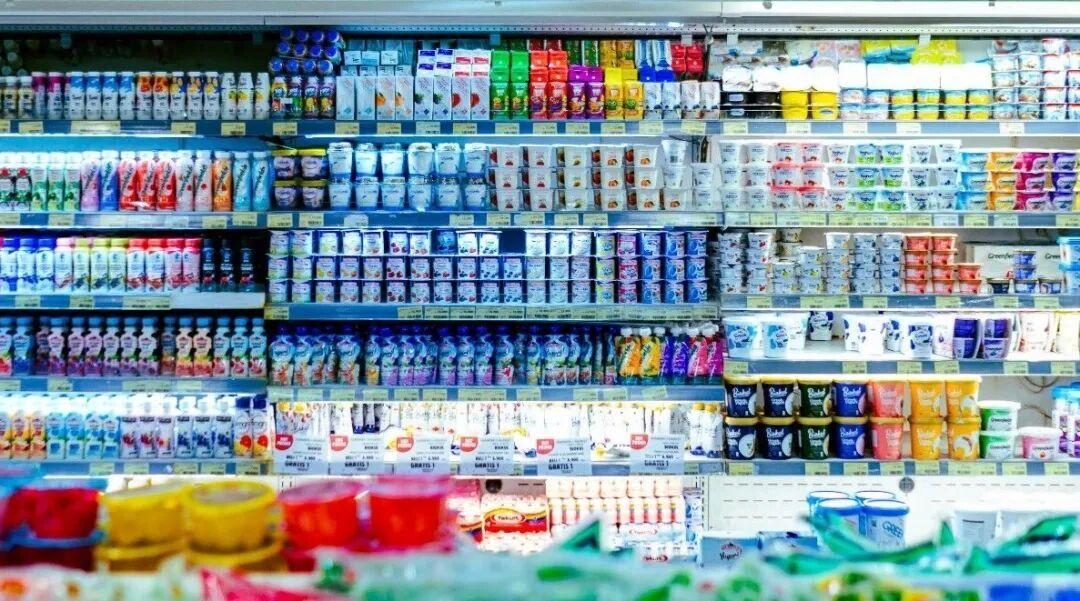
曾经的高端乳品纷纷降价:特仑苏250ml/12盒规格在部分超市的促销价最低仅28.42元;金典纯牛奶250ml/12盒的最低价33.9元,新希望澳特兰有机纯牛奶250ml/10盒最低价33.9元。

折扣超市和渠道自有品牌牛奶更是达到了地板价:小象超市1.5升装售价13.9元(2.3元/250ml),沃集鲜4.0纯牛奶950ml售价9.9元(2.6元/250ml),盒马超合算NB的950ml鲜牛奶6.9元(1.82元/250ml),七鲜1L常温奶5.9元(1.475元/250ml)。

久谦数据显示,截至2026年4月,电商渠道乳制品55元以下增长最快,达到55%,而100元至237元的乳制品销量下滑6.4%。

高端牛奶卖不动了,背后原因一方面是乳业整体大盘正在持续收缩,尼尔森IQ数据显示,2025年乳品全渠道销售额下滑8.6%,2026年1月单月下滑17.2%,行业告别过去十年的高速增长跌入调整期,各品牌乳企降价促销、清理渠道库存。

但更深层的原因在于,当消费者发现10元的牛奶和3元的牛奶,营养差距并没有那么大,就不再会盲目为“高端”概念买单,过去单纯依靠营销概念、包装和稀缺奶源故事来支撑高溢价的故事失效了。

取而代之的,是另一组增长数据:奶粉及奶制品赛道,伊利2025年前三季度同比增长13.7%,2025年成人奶粉市场份额达25%;低温鲜奶赛道,新乳业保持双位数增长,第三季度低温纯牛奶销售额同比增长近20%;乳品深加工市场已达615亿元;功能性乳品市场规模达800亿元,预计未来三年复合增长15%-20%。

换句话说,高端化这件事,正在经历一场剧烈的分化。

乳品高端化失效了吗?

诞生于2005年的蒙牛特仑苏,是乳品高端化最成功的代表。

蒙牛的营收结构被称为 “888”结构,即:公司约80%的收入来自液态奶,液态奶约80%的收入来自常温奶,而常温奶约80%的收入依赖特仑苏。据此估算,特仑苏单一品牌对蒙牛总营收的贡献率约为51.2%(80% ×80% ×80%)。可以说,特仑苏是蒙牛业绩的绝对支柱。

特仑苏在2025年下半年采取了主动降价,其核心高端产品——沙漠·有机奶零售价从118元/箱降至99元/箱,降幅高达16%,其他特仑苏经典单品终端售价降价10-11元/箱左右。而且,此次降价完全由品牌方主导:直接承担对渠道商的差额补贴,并对外承诺“全年不回调”。

在存量竞争中降价,反应在财报上,蒙牛的液态奶营收从2024年的730.65亿降至649.39亿,同比跌幅高达11.1%,远超集团总收入7.3%的降幅。2025年财报业绩会上,蒙牛总裁高飞坦言:“价格下降了约3%”。

如果说“不是所有牛奶都叫特仑苏”的高端定位在存量市场中遇到了增长瓶颈,那么特仑苏的“徒弟”——越秀辉山在2024年11月推出的“谢添地”则是在行业下行期“刻舟求剑”。
图片

谢添地的操盘手正是蒙牛创始成员、特仑苏模式的缔造者白瑛,加入越秀辉山后,他试图在用稀缺奶源和品牌轰炸,复制特仑苏曾经的成功。

谢添地4.3g蛋白的娟姗奶卖到12.8元/盒,被冠以“牛奶界爱马仕”的名号,一度被视为乳业高端化的新标杆。而其冠名芒果TV热门综艺,业内估算费用数千万。然而仅仅一年后,谢添地在线下渠道已跌至3.5元/盒,降幅超过70%。

从特仑苏到谢添地,中国乳业高端化的故事变了。

过去20年,中国乳业正处于“增量市场”阶段——城镇居民人均奶类消费量从2000年的9.9公斤/年增长到2006年的18.3公斤/年,年均增长超过10%。在这个快速增长的市场里,特仑苏的成功逻辑很简单:在基础产品之上,通过“更高蛋白含量”、“限定奶源”、“有机认证”等概念,切出一块“更好”的市场,卖给愿意为品质多付钱的中产家庭。

这套打法后来被伊利金典、光明优倍等品牌复制,并不断叠加新概念:A2蛋白、娟姗牛、草饲、有机、零乳糖……每一个新概念的提出,都伴随着一轮价格上探。最高峰时,一瓶250ml的牛奶可以卖到几十元。

这套模式有效的前提是信息不对称和渠道可控。 消费者并不清楚A2和普通牛奶的营养差异究竟有多大,而品牌方可以通过广告和精品超市的货架位置,营造出“贵=好”的认知。

但今天,几个前提都在瓦解。

第一,信息壁垒被打破。 “成分党”消费文化的兴起,让消费者学会了看配料表、对比营养成分。营养学专家早就指出,普通牛奶每100ml含蛋白质约3g、钙约100mg,而所谓高端牛奶的蛋白质含量通常在3.4-3.6g/100ml、钙约110mg,差异远没有价格差异那么大。一瓶12.8元的谢添地娟姗奶,蛋白质含量比普通奶高约0.7g——相当于一盒奶多出不到2个鸡蛋的蛋白质量。用接近4倍的价格买2个鸡蛋的蛋白,这个账越来越多消费者算得过来。

图片

第二,渠道格局变了。过去高端奶的溢价依赖于精品超市、便利店等特定渠道的“价格屏障”。但今天,以盒马、七鲜、小象超市为代表的“超级渠道”正在重塑游戏规则。这些渠道拥有自己的流量和用户信任,纷纷推出自有品牌牛奶——七鲜与新希望旗下天香乳业定制的2L鲜奶只卖15.5元,与天津海河乳业定制的1L常温奶只卖5.9元。当消费者发现,渠道自有品牌的价格比传统大牌低30%-50%,而品质差异并不明显时,“品牌溢价”就开始蒸发。

第三,营销“高举高打”的边际效益递减。 谢添地的案例堪称教科书式的反面教材。母公司越秀辉山请来当年操盘特仑苏的白瑛担任总经理,投入数千万级资金冠名芒果TV综艺,试图复制特仑苏的“广告轰炸+稀缺故事”模式。但结果是,“谢添地”这个名字传遍网络,很多人却“听说过这个名字,但不知道它是牛奶”。在一个信息过载、注意力碎片化的时代,光靠砸钱投综艺已经无法建立有效的品牌心智。
图片

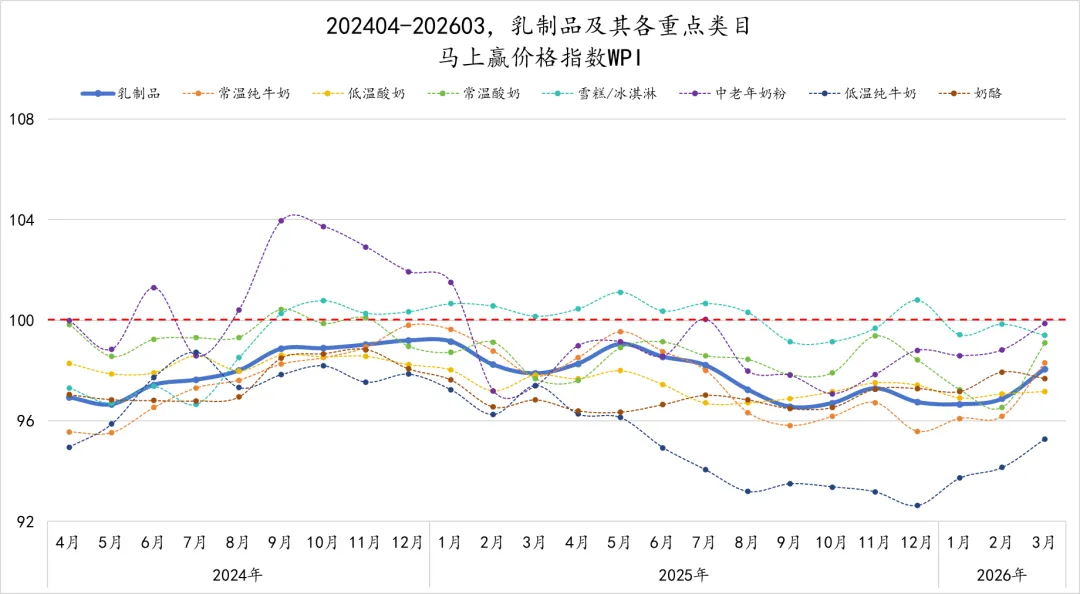
马上赢价格指数(WPI)显示,2024年4月至2026年3月,乳制品价格水平整体压力较大,绝大多数时间、绝大多数类目的WPI均<100,意味着价格水平同比下滑。(WPI以100为基准值,其数值上下波动为类目的价格指数与去年同期价格指数的相对百分比)

从“卖故事”到“做证据”

传统高端液态奶面临前所未有的价格压力,同时平价奶在快速扩张。这并非简单的“大家都没钱了”的全面消费降级,而是一场消费分级。

根据上海睿农咨询总经理侯军伟的分析,当前乳品市场呈现“高低两旺”的特征。高端消费的增长来自两类群体:一是高收入中产以上群体,其消费习惯稳定,未明显受经济环境影响;二是次中产群体,因高端乳品降价20%而增加了购买。与此同时,高性价比产品的消费群体则包括三类:习惯性重度消费者、新晋消费者,以及因收入预期变化而“降级”的消费者。

不是没有高端需求,而是高端供给与真实需求之间存在错位。真正愿意为“极致奶品”持续付费的人群,大概是那些“恩格尔系数在0.2以下”、在“吃”上已经实现自由的人群。按中国的人口结构估算,这个群体大约在1亿人左右。这是一个不小的市场,但不足以支撑所有乳企同时“向上走”。

据久谦中台的观察,和三年前相比,消费者最大的不同是:以前更容易被品牌、进口包装、高端货架说服,现在更在意“为什么贵、贵在哪里、是不是适合我”。过去是认品牌、看故事,现在是查配料表、看营养参数、看功能成分、看口感体感、看渠道和履约是否可靠。过去可以为想象中的品质付费,现在只为被验证、被感知、能解决具体问题的价值付费。

这意味着,当前仍愿意为高端乳品持续买单的,并不只是“高收入人群”,更准确地说,是高任务密度、高风险规避、高信息敏感的人群。主要包括:母婴和儿童家庭,愿意为安全、吸收、低敏买单;银发和家庭健康管理者,关注补钙、蛋白、控糖;健身减脂人群,追求高蛋白、低糖、低负担;肠胃敏感和乳糖不耐者,对A2、0乳糖、清洁配方特别敏感。此外,礼赠场景在特定节点也仍然存在。
图片

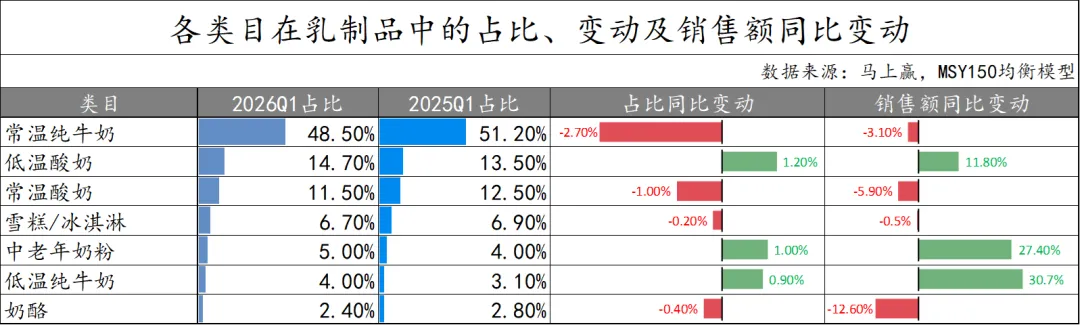
马上赢情报站数据显示,2026年第一季度,常温纯牛奶、常温酸奶以及奶酪的表现则不乐观,但低温纯牛奶和中老年奶粉销售额同比增速分别为30.7%和27.4%,低温酸奶销售额也同比提升11.80%。各有涨跌的类目表现,或许说明消费者并非不再喝奶,而是对“喝什么奶”的选择在不断改变。

图片

低温酸奶中的小众品类希腊酸奶,是高端化增长的一个典型例子。

与普通酸奶相比,希腊酸奶滤掉了大量乳清(水分+乳糖+部分矿物质),所以更浓稠,营养更"浓缩",受到控糖/低碳饮食人群欢迎。希腊酸奶的价格高出普通酸奶数倍,比如,吾岛720g家庭桶售价约46-66元(每100克6.5-9元)。

吾岛成立仅五年销售额接近10亿元,线上复购率达到行业平均水平的两倍,其策略是只服务60个高线城市中消费水平最高的10%人群,总量约5000万。在品牌成立之前,吾岛先花三年、投入2.4亿元建成国内首个专为生产希腊酸奶设计的工厂,日处理原奶能力达800吨。核心设备是来自德国GEA的乳清分离机,单台价值超千万,全国拥有同类产线的工厂不超过五家。

低温纯牛奶也是契合了消费者对新鲜、健康的需求,成为增长比较突出的品类。

低温奶最大的痛点是保质期短、配送半径有限。传统巴氏奶保质期仅7天左右,销售半径被死死框在工厂周边。

君乐宝在2017年推出的“悦鲜活”,采用INF 0.09秒超瞬时杀菌技术,将保质期延长至19天,比传统巴氏奶多出12天。君乐宝方面称,这一与江南大学联合研发的技术,不仅保留更多活性蛋白,更将冷链配送半径从300公里扩展到1500公里,真正实现“北奶南卖”。2024年,“悦鲜活”以24.0%的市占率登顶中国高端鲜奶第一品牌。

乳业高端化市场的结构性变迁,揭示出一个核心问题:既然旧模式失灵了,但高端化本身并未被否定,那么在新环境下,真正走得通的高端化路径是什么?

对于这个问题,久谦中台行研显示:面向大众的泛溢价高端化在退潮,新的、面向窄人群和强场景的证据型高端化在形成。

人均奶类消费量还能增长吗?

一个不能回避的现实是:中国的人均奶类消费量仍然偏低。

根据国家统计局、农业农村部及行业报告数据,中国居民人均奶类消费量近年来在40-42公斤区间徘徊,这一数值仅为世界平均水平的三分之一,亚洲平均水平的二分之一,而且与《中国居民膳食指南(2022)》推荐的每人每天300-500克(即年消费量110-183公斤)相比,目前实际消费量仅达到推荐量下限的约37%。

中国奶业协会常务理事王丁棉曾直言,将牛奶刻意分为“高端”与“低端”并无必要,即使在乳业成熟的欧美市场,也少见这样的区分。“牛奶就是牛奶,其根本的特性没有改变,一万年还是牛奶。” 这个判断虽然绝对,但点出了一个核心事实:牛奶是标准化程度极高的农产品,而不是可以无限差异化的工业品。当所有品牌都能拿到娟姗牛、都能做A2蛋白、都能标榜有机时,所谓的“高端”就只剩下营销外壳,而缺乏实质性的技术壁垒。

与世界其他国家相比,中国奶牛饲养成本高,昂贵的检测成本和流通中的溢价行为,导致牛奶最终售价并不便宜,远高于美国、日本、印度、巴西等国家。如果以牛奶价格12.29元/升计,要达到人均每天300克的饮奶推荐量,牛奶支出要分别占到农村和城镇居民食品支出的22.2%、13.8%,很多低收入居民喝不起奶。
图片

盒马、七鲜的渠道自有品牌能够以低价提供高品质牛奶,依靠缩短供应链——去掉中间环节、自有渠道消化营销成本、与区域乳企深度定制,有益于提振人均奶类消费量。

中国乳业正处于转型的关键节点。原奶阶段性过剩、低价竞争持续、行业两极分化加剧。在这种环境下,单纯依靠概念和营销的“伪高端”会被淘汰,而能够提供真实价值的产品会获得溢价空间。

当“谢添地”们褪去光环,未来的竞争,将是供应链效率、成本控制能力与对消费者真实价值洞察的综合比拼。

亿邦持续追踪报道该情报,如想了解更多与本文相关信息,请扫码关注作者微信。

【版权提示】亿邦动力倡导尊重与保护知识产权。未经许可,任何人不得复制、转载、或以其他方式使用本网站的内容。如发现本站文章存在版权问题,烦请提供版权疑问、身份证明、版权证明、联系方式等发邮件至run@ebrun.com,我们将及时沟通与处理。

已点赞

+1

{{ praise_text }}

好文章,值得被更多人看到

广告

下一篇

征集报名《品牌数字化服务商资源手册》

《品牌数字化服务商资源手册》展示数字化服务商风采,亿邦全年零售大会通发,触达更多资源,马上加入!

马上入驻

XbotGo谈科峰:100万起家,在20%退货率中跑通逻辑

在一次马蹄社的深度访谈中,XbotGo创始人谈科峰与马蹄社CEO刘宸进行了一场坦诚的对话。

跨境电商

2026-06-10 16:27:50