• 亿邦公众号
    • APP下载

义乌没有AI焦虑,只有AI行动

作者:张睿 文章来源:亿邦动力

2026-05-28 14:46

作者:张睿 文章来源:亿邦动力

2026-05-28 14:46

邦小白快读
EN
全文速览

本文核心分享了义乌中小微企业落地AI的真实实践,证明AI不是大企业专属,普通小团队也能用AI提效,干货内容如下:

1. 核心案例是义乌做投影灯的老牌企业优克拉,它是典型的前店后厂模式,不到百人的团队全链路落地AI,月均投入仅一万元,整体工作效率提升三倍以上,投入产出比很高。

2. 普通人也能上手的AI实操场景:用AI自动抓取全平台爆款数据、提炼用户评论的需求、辅助产品设计研发、自动处理多平台商品上架、优化广告投流,还能实时翻译整理线下外商的需求,打通从门店到工厂的数据流。

3. 核心收获:AI能打破经验认知的边界,帮企业发现被忽略的市场机会,降低决策失误风险,把人力从重复劳动解放出来做更高价值的工作。

本文为中小消费品牌的AI转型提供了可复制的实操样本,涵盖品牌运营各环节的干货经验如下:

1. 产品研发端:AI可以自动抓取全平台类目爆款数据,提炼用户评论的痛点、痒点和抓人点,辅助生成设计方案,帮助品牌打破经验思维定式,优克拉通过AI把新品首发成功率从60%提升到92%,还发现了年轻群体百元低价投影灯的需求空白。

2. 营销运营端:AI能自动完成多平台商品上架,提前校验信息合规性,还能在投流前评估广告的词-图-人匹配度,投放中动态调整各区域预算,拦截低点击率素材,优克拉靠AI优化的短视频选题,把抖音日销从三四千元提升到两万元以上。

3. 外贸经营端:AI可以实时翻译外商对话,整理结构化需求同步给后端团队,打通门店到研发供应链的需求链路,适配品牌做全球生意的需求。

本文给中小电商、外贸卖家梳理了AI转型的落地机会和可直接借鉴的经验,核心干货如下:

1. 当前中小卖家普遍面临流量越来越贵、靠经验决策越来越难赢市场的痛点,AI可以低成本解决这些痛点,不需要大预算聘请专业技术团队,就能落地见效。

2. 可直接复用的实操方法:需求端用AI抓取全平台爆款数据、分析用户评论、整理线下外商需求,能发现被经验忽略的市场机会;运营端用AI自动处理多平台商品上架、优化广告投流,把人力从重复劳动解放出来,投入到内容创作等高价值环节。

3. 机会提示:AI能帮中小卖家补信息效率和决策能力的短板,降低新品研发失败风险,优克拉的实践证明月均投入一万元就能获得三倍以上的效率提升,门槛低投入产出比高,值得中小卖家尝试。

本文给前店后厂模式的工贸一体工厂,提供了AI数字化转型的清晰路径,核心干货如下:

1. 产品设计生产端:AI可以提前给新品设计方案打分,帮助发现设计风险,过去优克拉曾因没考虑光学聚焦产生的高温烧毁材料,损失四十万模具费,现在AI能提前预警这类问题,还能提炼用户需求生成设计方案,把新品成功率从60%提到92%。

2. 需求对接端:AI能实时翻译线下外商的对话,自动整理结构化的需求清单,同步到工厂研发和供应链环节,解决过去信息传递错漏、慢的问题,打通从门店到车间的数据链路。

3. 转型启示:工厂不需要庞大的IT团队,也不需要昂贵的定制开发,只要用现成的AI工具,就能补上信息效率的短板,充分发挥自身制造灵活、供应链响应快的优势,门槛很低见效快。

本文帮企业服务类服务商理清了中小工贸企业的AI服务需求,核心干货如下:

1. 行业发展趋势:AI已经从头部大企业走向广大中小微工贸企业,这类企业的AI落地需求非常旺盛,是一片巨大的蓝海市场,义乌产业带已经出现了群体尝试AI转型的趋势。

2. 客户核心痛点:中小微工贸企业普遍没有专业IT团队,预算有限,过去靠人工做数据整理、运营上架、需求汇总,不仅效率低成本高,靠经验决策还很容易踩坑,损失惨重。

3. 解决方案方向:不需要开发复杂的定制化系统,要做低门槛、易操作、能直接嵌入现有工作流的标准化AI工具,覆盖从研发设计、运营推广到客户需求管理全链路,按实际使用收费降低准入门槛,贴合中小客户的务实需求。

本文给面向中小商家的各类平台,指明了服务升级和运营优化的方向,核心干货如下:

1. 商家核心需求:中小工贸一体商家对AI的需求非常务实,不需要复杂的技术概念,需要低门槛、低成本的AI工具,能打通多平台数据、嵌入日常工作流程,实实在在解决提效降本的问题。

2. 平台可落地的优化方向:可以整合现成AI能力,为商家推出标准化工具,覆盖竞品数据抓取、用户需求分析、上架信息校验、投流优化等场景,降低商家AI使用门槛;针对义乌这类特色产业带商家,可以推出针对性的AI工具包,还可以联合落地做得好的商家做培训,带动更多商家使用。

3. 注意事项:AI不能做噱头,必须贴合商家原有工作流程,解决实际问题,才能真正获得商家的认可。

本文为产业数字化研究提供了鲜活的一线案例,展现了AI落地中小产业带的全新动向,核心干货如下:

1. 产业新动向:不同于头部大企业的AI落地路线,义乌中小微工贸企业走出了一条普惠AI的新路线,不需要庞大的技术团队、不需要高额的研发投入,用现成的AI工具嵌入现有工作流,就能实现真实的效率变革,优克拉不到百人团队月投一万元效率提升三倍就是典型验证。

2. 新商业模式验证:义乌本身拥有完整制造能力、灵活小单定制、快速供应链、全球集散网络的优势,过去的短板是信息处理效率低、决策慢,AI恰好补上这块短板,形成了“制造能力+普惠AI”的新型中小微企业竞争力模式,证明AI是普惠生产力,不是大企业专属。

3. 研究启示:未来中小产业带的AI落地会成为产业数字化的核心方向,落地要贴合原有产业生态,解决真实痛点,不需要追求高端技术概念。

声明:快读内容全程由AI生成,请注意甄别信息。如您发现问题,请发送邮件至 run@ebrun.com 。

我是 品牌商 卖家 工厂 服务商 平台商 研究者 帮我再读一遍。

Quick Summary

This article shares real-world AI adoption practices of micro, small and medium-sized businesses (MSMBs) in Yiwu, proving that AI is not exclusive to large enterprises—small teams can also leverage AI to boost efficiency. Key takeaways are as follows:

1. The core case is Youkela, a veteran projection light manufacturer in Yiwu that operates a typical "front shop, back factory" model. Its team of fewer than 100 employees has implemented AI across its entire business workflow, with an average monthly investment of only 10,000 yuan. The company has seen an over three-fold increase in overall efficiency, delivering an excellent return on investment.

2. The article outlines accessible AI use cases that even non-technical staff can master: automatically scraping trending product data across all platforms, extracting unmet user needs from customer reviews, supporting product design and R&D, automating product listing across multiple platforms, optimizing advertising delivery, and providing real-time translation and organization of overseas buyers’ on-site demands to connect data flow from retail stores to factories.

3. Core insight: AI breaks the boundaries of experience-based cognition, helps businesses identify overlooked market opportunities, reduces the risk of decision-making errors, and frees up staff from repetitive work to focus on higher-value tasks.

This article provides a replicable, actionable roadmap for AI transformation for small and medium-sized consumer brands, covering hands-on experience across all brand operation links:

1. Product R&D: AI can automatically collect data on top-selling products in a category across all platforms, extract customer pain points, unmet needs and engaging points from reviews, and support design generation. This helps brands break experience-based mindsets. For Youkela, AI increased new product launch success rate from 60% to 92%, and helped the company identify an unmet demand for affordable entry-level projection lights priced under 100 yuan among young consumers.

2. Marketing and operations: AI automates multi-platform product listing and pre-upload information compliance checks. It also evaluates keyword-image-audience matching before ad launch, dynamically adjusts regional budgets during campaigns, and pauses low-click-through rate creative. AI-optimized short-video topic selection helped Youkela boost its daily Douyin sales from 3,000-4,000 yuan to over 20,000 yuan.

3. Cross-border business: AI provides real-time translation of conversations with overseas buyers, organizes structured demands and synchronizes them to back-end teams, connecting the demand chain from retail stores to R&D and supply chains to meet the needs of brands doing global business.

This article sorts out practical AI transformation opportunities and directly replicable experience for small and medium-sized e-commerce and cross-border sellers. Key insights are as follows:

1. Most small and medium-sized sellers currently face pain points including rising customer acquisition costs and declining competitiveness of experience-based decision-making. AI can solve these problems at low cost: it delivers tangible results without requiring large budgets to hire in-house technical teams.

2. Directly replicable practices: On the demand side, AI helps collect top-selling product data across platforms, analyze customer reviews, and organize demands from in-person overseas buyers to uncover market opportunities missed by experience-based judgment. On the operation side, AI automates multi-platform product listing and optimizes advertising, freeing up staff from repetitive work to focus on high-value tasks like content creation.

3. Opportunity outlook: AI helps small and medium-sized sellers make up for gaps in information processing efficiency and decision-making capability, and reduces the risk of new product development failure. Youkela’s case proves that an average monthly investment of 10,000 yuan can deliver an over three-fold efficiency gain, with a low barrier to entry and strong ROI. This makes AI adoption well worth trying for small and medium sellers.

This article provides a clear roadmap for AI-driven digital transformation for integrated trading and manufacturing factories operating the "front shop, back factory" model. Key takeaways are as follows:

1. Product design and manufacturing: AI can score new product design proposals in advance and help identify design risks. Youkela once lost 400,000 yuan in mold costs after failing to account for high temperatures generated by optical focusing that burned through materials; now AI provides early warnings for such risks. It also extracts user demands to generate design proposals, lifting Youkela’s new product success rate from 60% to 92%.

2. Demand docking: AI provides real-time translation of in-person conversations with overseas buyers, automatically organizes structured demand lists, and syncs them to the factory’s R&D and supply chain links. This solves long-standing problems of information omission, miscommunication and slow transmission, connecting data flow from retail stores to production workshops.

3. Transformation insight: Factories do not need large in-house IT teams or expensive custom development. By leveraging off-the-shelf AI tools, they can close gaps in information processing efficiency, and fully leverage their inherent advantages of flexible manufacturing and fast supply chain response, with low entry barriers and fast results.

This article helps B2B service providers clarify the AI service demands of small and medium-sized trading and manufacturing businesses. Key insights are as follows:

1. Industry trend: AI adoption is no longer limited to large leading enterprises, and is now spreading to a huge number of micro, small and medium-sized trading and manufacturing businesses. These firms have strong, unmet demand for AI solutions, representing a huge blue ocean market. The Yiwu industrial belt is already seeing a widespread trend of MSMBs experimenting with AI transformation.

2. Core customer pain points: Most MSMBs in the manufacturing and trading space lack professional in-house IT teams and operate on limited budgets. Traditional manual work for data sorting, product listing, and demand aggregation is inefficient and costly, while experience-based decision-making often leads to costly mistakes.

3. Solution direction: Instead of building complex custom systems, service providers should focus on building low-threshold, easy-to-use standardized AI tools that can embed directly into existing work flows. Tools should cover the full workflow from R&D and design, marketing and promotion, to customer demand management, and adopt usage-based pricing to lower entry barriers, aligning with the practical needs of small and medium-sized customers.

This article outlines directions for service upgrade and operation optimization for platforms serving small and medium-sized merchants. Key takeaways are as follows:

1. Core merchant demand: Small and medium-sized integrated trading and manufacturing merchants have very practical demands for AI: they do not care about complex technical concepts, and instead need low-threshold, low-cost AI tools that can connect data across multiple platforms, embed into daily workflows, and deliver tangible efficiency gains and cost reductions.

2. Actionable optimization directions for platforms: Platforms can integrate existing off-the-shelf AI capabilities to launch standardized tools for merchants, covering use cases including competitor data scraping, user demand analysis, listing information compliance check, and ad delivery optimization to lower the barrier for merchants to adopt AI. For merchants in specialized industrial belts like Yiwu, platforms can develop tailored AI toolkits, and partner with early successful AI adopters to provide training to drive broader adoption.

3. Key note: AI should not be used as a marketing gimmick. It can only earn long-term recognition from merchants if it integrates into their existing workflows and solves real practical problems.

This article provides a fresh on-the-ground case for industrial digitalization research, revealing new trends of AI adoption in small and medium-sized industrial clusters. Key insights are as follows:

1. New industrial trend: Different from the AI adoption path of large leading enterprises, micro, small and medium-sized trading and manufacturing businesses in Yiwu have developed a new inclusive AI adoption route. They do not need large technical teams or high R&D investment; by embedding off-the-shelf AI tools into their existing workflows, they can achieve real efficiency improvement. Youkela’s case—with a team of under 100 people, a monthly investment of 10,000 yuan, and an over three-fold efficiency gain—provides a typical verification of this model.

2. New business model validation: Yiwu’s inherent advantages include complete manufacturing capacity, flexible small-batch customization, fast supply chains and a global distribution network, but its long-standing weaknesses have been low information processing efficiency and slow decision-making. AI perfectly fills this gap, forming a new "manufacturing capacity + inclusive AI" competitiveness model for MSMBs. This proves that AI is an inclusive productivity tool, not a resource exclusive to large enterprises.

3. Research implication: AI adoption in small and medium-sized industrial clusters will become the core direction of industrial digitalization going forward. Successful implementation requires alignment with existing industrial ecosystems and a focus on solving real pain points, rather than chasing high-end technical concepts.

Disclaimer: The "Quick Summary" content is entirely generated by AI. Please exercise discretion when interpreting the information. For issues or corrections, please email run@ebrun.com .

I am a Brand Seller Factory Service Provider Marketplace Seller Researcher Read it again.

【亿邦原创】2026年的春天,义乌国际商贸城人流如梭,中东、非洲和东南亚客商往来不绝。

优克拉智能科技有限公司的店铺"优克拉IP魔法城堡"中,一边的货架摆放着米奇、蜡笔小新、哆啦A梦等不同造型的投影灯,另一边墙上则用投影出绚烂变幻的宇宙星河。
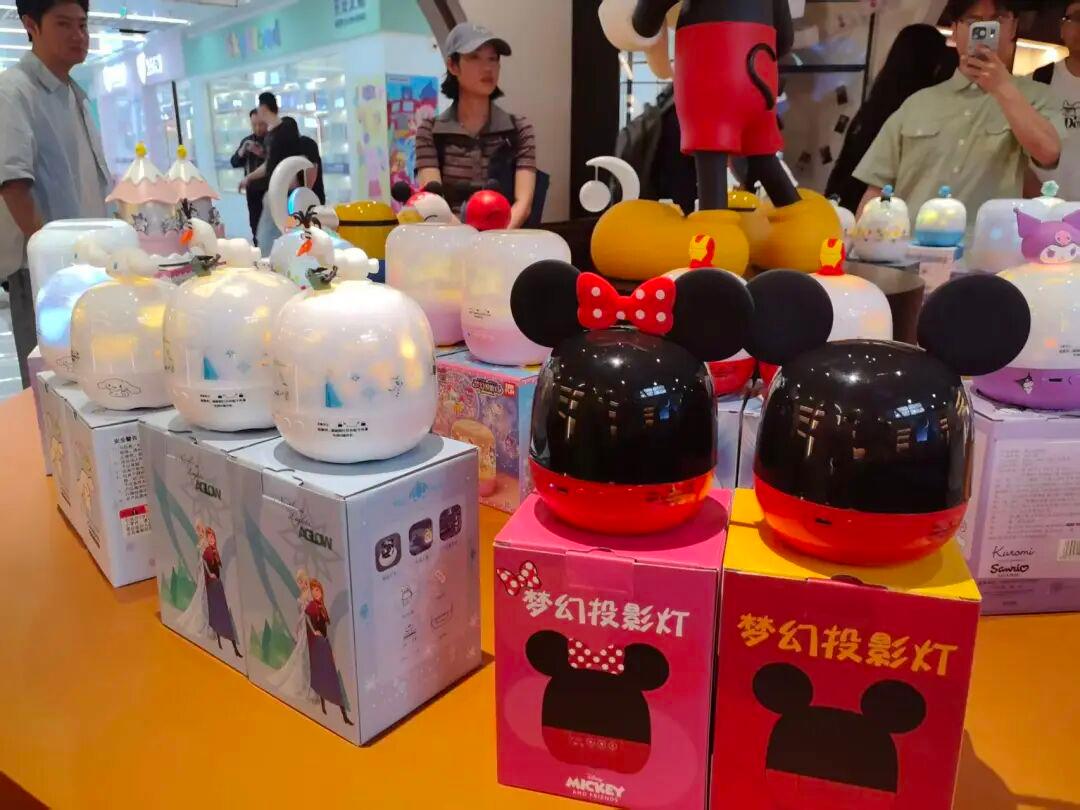
图片

创始人魏俊正在与阿拉伯语客商交流,他手中拿着钉钉A1录音卡和iPad,阿拉伯语和中文被录音卡实时互译并显示在iPad上,并且客商需求提炼整理后会同步到公司的AI表格中。

这一幕,正是义乌中小企业从"凭经验做事"到"用数据说话"的缩影。

作为"世界超市"的义乌,聚集着数万家工贸一体的中小企业,团队从几十人到几百人不等,业务链条从研发、生产到电商销售一气贯穿。当AI浪潮来袭,义乌则成了这场变化的天然试验场。优克拉用不到百人的团队,证明了AI不是大企业的专属玩具,而是每个普通人都能掌握的生产力工具。

01

优克拉的AI实践

浙江优克拉智能科技有限公司,义乌本地企业,成立超过十八年,是投影灯品类的隐形冠军。CEO魏俊,南昌大学计算机专业毕业,2007年和妻子来到义乌创业,第一款产品是一款会发光的陶瓷杯。公司至今保持着"前店后厂"的典型义乌模式——国际商贸城里开着店铺,工厂就在不远处,不到百人的团队承担着从产品研发到电商销售的全链路。

作为技术出身的创业者,魏俊虽然从事的传统行业,但公司的数字化一直走在前列。2017年,公司开始使用钉钉;2025年,全面部署钉钉AI表格;2026年3月,开始在全公司及义乌电商老板圈子里推广悟空。在大部分义乌老板还是用微信+Excel做生意的年代,最早吃到了数字化和AI的红利。

AI首先让优克拉的新品首发成功率从60%提升到了92%。

公司的产品长期聚焦在150元到200元的高客单价区间,理由很简单:利润空间大、客服压力小。当竞争对手推出售价仅58元的产品并迅速走红全球时,魏俊才意识到问题严重性。“原来靠高客单价赚钱,就不会想去做低价。”这一思维定式让企业在新兴需求面前反应迟缓。

AI接入销售数据后,系统发现了一个被长期忽视的信号——20岁到39岁的年轻消费群体,占据了行业总量的20%,而这个群体偏好的是百元以下产品,魏俊意识到,经验的边界就是认知的边界,而认知的边界正在被数据重新定义。

过去,整理产品研发需要的数据都靠人工:运营团队每天需要耗费整整两小时手动复制淘宝生意参谋里的数据,粘贴到Excel表格,依靠人工经验去看为什么竞品的款式会火。现在,悟空每天凌晨三点自动抓取全平台本类目的爆款数据,早晨九点准时推送进钉钉群。耗时从两小时压缩到五分钟,热点捕获率提升至百分之百。

,时长00:25

悟空分析亚马逊畅销投影灯并生成报告

投影灯的设计研发包括外壳和胶片两部分,外壳的设计需要考虑材质和结构,曾经一款投影灯因为没考虑光学聚焦产生的200多度高温,材料烧毁,模具损失四十万。"我们奋战半年,最后功亏一篑。"魏俊说。如今,魏俊会让悟空给新品方案打分,有一次,AI给一款普通灯具打出66分,并附带一条建议:"加入录音功能,让用户打开时听到老婆对不起,我爱你。"这个听起来荒诞的点子,后来成为一条短视频的爆款素材。

不仅如此,悟空能在10分钟内自动分析完5000条以上的用户评论,精准提炼出用户的痛点(如光线刺眼)、痒点(如需要蓝牙控制)和抓人点(如作为孩子睡前的仪式感)。基于这些真实数据,悟空能辅助生成多个外观设计方案供团队投票。这让"小而美"的原创设计不再是空中楼阁,而是真正长在用户需求的土壤之上,设计决策从"凭感觉"彻底走向了"有依据"。

,时长00:53

悟空生成投影灯设计方案

AI对于电商运营推广提效也发挥了巨大作用。

过去人工每天最多只能手动上传5个链接,需反复打开多个平台页面、填写参数、上传图片和视频,耗时且枯燥。现在AI整合了淘宝、京东、拼多多、1688、TikTok等多个电商平台的数据接口,单日可处理数百个链接,而且能自动校验链接所需的全部字段,包括SKU、认证资料、多端适配图(手机版/电脑版)、视频等,确保信息完整合规,不仅大幅提升效率,而且避免人工遗漏。

在推广投流方面,AI在广告素材(主图、视频)发布前自动评估“词-图-人”对齐度,确保广告关键词(如“喂奶小夜灯”)与画面内容(宝妈喂奶场景)、目标人群(母婴群体)高度匹配,达标分数(如80分)才允许投放,避免无效曝光;在投放过程中,AI能实时分析各链接在不同城市、人群中的转化表现,自动建议“加钱”或“减钱”——如南昌地区转化好则增加预算,新疆地区效果差则削减投放,实现精准资源分配。系统还设置了一道"AI质检员",如果主图点击率低于3%,直接拦截上架。

运营人员不再从事机械重复工作,转而投入内容创作、数据分析和短视频制作等高价值环节。运营助理转岗到内容部门后,每天分析五十个爆款案例,选出最优选题拍摄。通过短视频营销的方式,优克拉抖音日销售额从三四千元增长到超过两万元——不是靠砸钱投流,而是靠AI分析出来的选题逻辑。

AI还记录并且分析门店客户需求。

如本文开头所示,在"优克拉IP魔法城堡"店铺里,钉钉A1录音卡已经是必不可少的工具,这张小小的卡片全天候实时录音,自动完成语音转文字和多语言翻译,无论客商说的是英语、阿拉伯语还是西班牙语,A1都能把对话内容实时转写为中文。

更重要的是,这些跟客户的交流还会自动同步到公司的AI表格中,悟空即时从AI表格中检索、汇总、分析,给出结构化的客商需求清单。这样,产品研发、供应链和销售团队不需要反复追问"那个中东客户到底说了啥",只需要问悟空——"今天商贸城店铺来了哪些客商?他们对星空灯有什么具体需求?有没有定制化的要求?"

这意味着,从国际客商踏进店铺的那一刻起,他的需求就已经在数字化链路上流动了。对于优克拉这样"前店后厂"的工贸一体企业来说,AI录音卡 +AI表格 + 悟空,构成了一条从"店铺现场"到"工厂车间"的数据高速公路。

魏俊不仅自己深度使用,而且带动全公司形成了人人动手搓Skill的文化。借助"悟空"等AI平台,员工可将重复任务封装为"技能包",实现定时自动执行。魏俊说:"我们公司以前最重要的是销售部,现在最重要的是skill开发。"原销售部门负责人已转岗专职做Skill开发。

如今的优克拉,AI不仅仅是一个噱头,而是真正地开始渗透到从产品的外观设计、市场调研,再到推广图的生成、自动化运营等多个工作流程中。魏俊表示,目前月均AI投入约一万元,主要用于图像生成、PPT制作和报告分析。"相当于多了一个高效员工,整体工作效率提升三倍以上。"魏俊说。

02

义乌的AI赛跑

类似优克拉的义乌中小企业,没有大企业的技术团队,没有充足的预算请咨询公司,但同样要面对流量越来越贵、平台规则越来越细、靠经验和感觉越来越难跑赢市场的现实。

AI时代,义乌凭什么赢?

答案也许不在算法里,不在模型参数里,而在义乌这片土壤里积累了几十年的东西里。

义乌的工厂有完整的制造能力,有灵活的小单定制能力,有快速响应的供应链速度。过去的短板是信息传递效率低、决策周期长、经验难以沉淀为可复用的系统。但AI恰好补上了这块短板——它不替代制造,它替代的是那些靠人工重复、靠经验判断、靠记忆传承的中间环节。

更重要的是,义乌的AI实践证明了另一件事:AI落地不需要庞大的IT团队,不需要昂贵的定制开发,不需要写代码。一台录音卡、一套AI表格、一个能操作工作软件的AI助手,加上一个愿意动手的普通人,就能撬动真实的效率变革。

魏俊已经开始带动身边的小厂老板学AI。他们在厂房里办培训,用最土的语言讲最实在的道理——AI能帮你省时间,能帮你少踩坑,能让你一个人干原来两个人的活。这才是义乌AI故事最真实的模样:不是一场技术浪潮的冲刷,而是一群人用最务实的方式,把AI嵌进了自己最日常的工作流里。

义乌有工厂,有商贸城,有全球最大的小商品集散网络——现在,它还有了AI。

剩下的,就是继续跑。

亿邦持续追踪报道该情报,如想了解更多与本文相关信息,请扫码关注作者微信。

【版权提示】亿邦动力倡导尊重与保护知识产权。未经许可,任何人不得复制、转载、或以其他方式使用本网站的内容。如发现本站文章存在版权问题,烦请提供版权疑问、身份证明、版权证明、联系方式等发邮件至run@ebrun.com,我们将及时沟通与处理。

已点赞

+1

{{ praise_text }}

好文章,值得被更多人看到

FAQ回顾

AI如何帮助义乌中小企业提升产品研发成功率?

AI通过分析销售数据和用户评论来辅助决策。例如,浙江优克拉公司利用AI工具自动抓取全平台爆款数据,将热点捕获率提升至100%,并通过分析用户评论提炼痛点、痒点,辅助生成设计方案,使新品首发成功率从60%提升到92%。

AI在电商运营和推广方面具体有哪些应用?

AI实现了电商运营的自动化与精准化,包括自动处理多平台商品链接上传与校验、广告素材的“词-图-人”对齐度评估,以及根据实时转化数据自动调整不同地区和人群的广告投放预算,实现精准资源分配。

义乌中小企业如何利用AI工具处理国际客户需求?

企业使用钉钉A1录音卡等工具实时录音并转写翻译多语言对话,内容自动同步至AI表格,再由AI助手(如悟空)进行分析汇总,生成结构化的客户需求清单,实现从店铺到工厂的数字化信息流转。

广告

下一篇

亚马逊向第三方零售企业开放自研AI购物技术

支持60天内快速定制专属工具,首批客户Kate Spade已上线礼赠助手。