



• 亿邦公众号
    • APP下载

京东七鲜拿下“自有品牌奥斯卡”,成为国内首家获PLMA奖的即时零售业态

作者:龚作仁 文章来源:Laborer

2026-05-22 11:09

作者:龚作仁 文章来源:Laborer

2026-05-22 11:09

邦小白快读

EN
全文速览

本文核心信息是京东七鲜成为国内首家斩获全球自有品牌最高奖PLMA“国际致敬卓越奖”的即时零售企业,同时还在国内郑州自有品牌评选中拿下5项产品力奖项,展现了国内即时零售自有品牌的硬核实力,核心干货如下:

1. 本次国际获奖产品为京东七鲜和中华老字号鹤年堂联名打造的酸枣仁四宝酒礼盒,融合四味养生食材,走东方雅致包装路线,单瓶仅39.9元,礼盒价格不足百元,兼顾高品质与高性价比,成功通过国际评委严苛盲测脱颖而出。

2. 京东七鲜已经布局覆盖多品类的年轻化自有品牌矩阵,多款产品都贴合年轻消费需求,今年五一假期其自有品牌整体线上销量同比大增260%,休闲零食板块增幅更是达到10倍,市场认可度非常高。

3. 京东七鲜已经率先探索AI全链路开发自有商品的模式,多款AI参与开发的产品都成为爆款,复购和销售表现都很亮眼。

本文给布局自有品牌的品牌商提供了多个维度的参考干货,符合当下消费市场的发展方向,具体如下:

1. 消费趋势层面,当前Z世代已经成为影响产品开发的核心群体,他们偏好价格实惠、品质优良、有文化特色、符合健康需求的产品,品牌做自有品牌需要贴合这一需求方向。

2. 产品研发层面,可以走联名老字号的路线,挖掘东方文化底蕴打造差异化产品,同时可以探索将AI应用在产品开发全链路前端,改经验驱动为数据+AI驱动,更精准匹配用户需求。

3. 定价与品牌竞争层面,可以走高品质亲民价的路线,京东七鲜“好酒不贵”的定价策略,既让消费者享受到高品质产品,也让自有品牌形成了差异化竞争力,成功成为国际大牌的有力对手。

4. 品牌营销层面,参与权威行业评奖可以提升品牌认可度,形成荣誉和销售的正向增长闭环。

本文给做零售的卖家提供了很多市场机会和可借鉴的经验,干货如下:

1. 市场机会层面,当下健康养生、年轻化休闲食品饮品是高增长赛道,从京东七鲜的销售数据看,五一自有品牌线上销量同比增260%,休闲零食增幅达10倍,说明该赛道需求旺盛,有很大的增长空间,卖家可以提前布局。

2. 可学习的产品开发经验,打破了只有后端才用AI的认知,现在可以把AI用到产品开发全链路,从概念到营销都由AI参与,通过人机共创精准匹配用户需求,京东七鲜多款AI开发的产品都成为爆款,带动了销售增长,这个模式可复制。

3. 差异化打造经验,可以和老字号IP联名,结合东方文化做包装设计,走高品质性价比路线,更容易打造出圈产品,还能获得行业权威认可,提升自身品牌影响力。

4. 认知突破,即时零售业态同样可以打造获得国际认可的高端自有品牌,给做即时零售的卖家提供了新的增长方向。

本文给合作零售自有品牌的工厂提供了很多方向参考,干货如下:

1. 产品生产设计需求层面,当前市场越来越偏好药食同源、健康养生类产品,设计风格偏向年轻化兼具东方文化底蕴,同时要求产品兼顾高品质和亲民定价,工厂可以调整自身的生产研发和设计方向,适配当下零售端和消费者的需求。

2. 商业机会层面,京东七鲜作为头部即时零售企业,正在大力布局多品类的自有品牌矩阵,从养生酒水到休闲零食、饮品酸奶都有大量的开发需求,工厂可以抓住机会寻求和零售企业的自有品牌合作,拓展自身的业务空间。

3. 数字化转型启示,当前零售端已经开始将AI应用到自有品牌开发的前端,推动行业从经验驱动转向数据+AI驱动,工厂需要跟进数字化转型,适配零售端新的开发模式,更快响应市场需求,提升自身的合作竞争力,抓住行业转型的红利。

本文揭示了零售自有品牌行业的最新发展动向,给服务商提供了很多业务方向参考,干货如下:

1. 行业发展趋势层面,当前中国零售自有品牌已经发展到新的阶段,产品品质和创新能力已经获得国际认可,即时零售业态成为自有品牌发展的新力量,行业整体正在从传统的经验驱动开发向数据+AI驱动开发转型,创新速度加快。

2. 客户痛点层面,大多数零售企业目前只将AI应用在库存优化、用户推荐等后端环节,在前端产品开发上还是依赖经验,很难精准匹配Z世代快速变化的消费需求,在差异化产品打造上存在很大痛点。

3. 解决方案方向,服务商可以针对性布局AI全链路产品开发相关的服务,帮助零售企业将AI应用到从概念萌芽、产品研发到包装设计、营销推广的全流程,帮助零售企业打造更贴合市场需求的爆品,抓住行业转型带来的服务增长机会。

本文给布局自有品牌业务的零售平台提供了很多运营和发展参考,干货如下:

1. 商家需求层面,当下平台内的零售商家已经不满足于将AI用在后端运营,开始探索将AI用到自有品牌产品开发的前端,需要对应的工具和模式支持,平台可以针对性开发相关服务,满足商家的转型需求。

2. 可借鉴的运营做法,平台可以引导商家走差异化发展路线,鼓励商家和中华老字号等文化IP联名,挖掘东方文化特色打造产品,同时引导商家打造年轻化、差异化的多品类自有品牌矩阵,提升平台整体的产品力。

3. 选品与风险规避,当下Z世代偏好高性价比、健康养生、颜值出众的产品,平台可以引导商家往这个方向选品布局,规避不符合消费趋势的选品风险,同时可以组织商家参与国内外权威行业评奖,提升商家和平台的整体影响力,带动平台整体销售增长。

本文展现了中国即时零售自有品牌领域的最新产业动向,有很高的研究价值,核心干货如下:

1. 产业新动向,中国即时零售企业的自有品牌开发能力已经获得国际权威认可,京东七鲜成为国内首家斩获PLMA“国际致敬卓越奖”的即时零售业态,标志着中国零售自有品牌已经进入可以被全球看见的新阶段,行业价值锚点正在跃升。

2. 模式创新,原有自有品牌开发多为经验驱动,京东七鲜开创了人机共创的新模式,将AI应用到产品开发全链路前端,用用户数据加AI算法定义产品开发,推动整个行业加速向“数据+AI驱动”转型,这是零售行业值得研究的新商业模式。

3. 行业新变化,当前全球范围内自有品牌品质不断提升,已经成为全国性品牌的强劲竞争对手,Z世代正在重塑自有品牌的开发逻辑,推动行业向价格实惠、品质优良、有文化特色、符合社会责任的方向发展,即时零售切入高端自有品牌赛道,也是行业新的增长点,值得深入研究。

声明:快读内容全程由AI生成,请注意甄别信息。如您发现问题,请发送邮件至 run@ebrun.com 。

我是 品牌商 卖家 工厂 服务商 平台商 研究者 帮我再读一遍。

Quick Summary

This article highlights that JD 7Fresh has become China’s first instant retail company to win PLMA’s International Award for Excellence, the world’s top honor for private labels, and also took home 5 product excellence awards at a domestic private brand competition in Zhengzhou, showcasing the strong capability of China’s domestic instant retail private brands. Key takeaways are as follows:

1. The internationally awarded product is the Suanzaoren Sibeao Wine Gift Box, a co-creation between JD 7Fresh and century-old Chinese brand Heniantang. Infused with four traditional nourishing ingredients and featuring an elegant East Asian-style packaging, the product is priced at only 39.9 yuan per bottle, with the full gift box costing less than 100 yuan, balancing premium quality and strong value for money. It stood out from the competition after passing the strict blind review by international judges.

2. JD 7Fresh has built a multi-category private label portfolio tailored to young consumers, with many products designed to align with younger consumer demand. During this year’s May Day holiday, overall online sales of its private labels jumped 260% year over year, with the snack category recording a 10-fold increase, indicating strong market acceptance.

3. JD 7Fresh has pioneered an end-to-end AI-driven development model for private label products. Multiple products developed with AI involvement have become bestsellers, with standout repurchase rates and sales performance.

This article offers multi-dimensional insights for brands developing private labels, aligned with current consumer market trends. Key takeaways are as follows:

1. On consumer trends: Gen Z has become the core group shaping product development. This demographic favors affordable, high-quality products with cultural characteristics that meet health needs, and private label brands should align their offerings with this demand.

2. On product R&D: Co-branding with time-honored heritage brands is a viable path to build differentiated products by tapping into traditional Chinese cultural heritage. In addition, brands can explore integrating AI into the entire front-end of product development, shifting from experience-driven development to data + AI-driven development to match user demand more accurately.

3. On pricing and competitive positioning: A "high quality at accessible prices" strategy is effective. JD 7Fresh’s "premium wine at approachable prices" pricing delivers high-quality products to consumers while building differentiated competitive advantages for its private labels, enabling them to compete effectively against global big brands.

4. On brand marketing: Participation in authoritative industry awards can boost brand recognition, forming a positive growth cycle between industry honors and sales performance.

This article shares valuable market insights and actionable experience for retail sellers. Key takeaways are as follows:

1. On market opportunities: Health & wellness and youth-focused snacks and beverages are high-growth categories. JD 7Fresh’s sales data—260% year-over-year growth in private label online sales during May Day, with a 10-fold increase in the snack segment—confirms strong market demand and ample growth headroom, making these categories suitable for early布局 by sellers.

2. On replicable product development experience: Contrary to the common belief that AI is only useful for back-end operations, AI can now be integrated across the entire product development workflow, from concept generation to marketing. Human-AI co-creation enables more accurate alignment with user demand, and multiple AI-developed products from JD 7Fresh have become bestsellers driving sales growth, making this model replicable.

3. On differentiation: Co-branding with heritage brand IPs, integrating traditional Chinese culture into packaging design, and pursuing a high-quality, value-for-money strategy can help sellers create breakout products, win industry recognition, and boost brand influence.

4. On paradigm shift: Instant retail operators can successfully build premium private labels that earn international recognition, opening up a new growth path for instant retail sellers.

This article offers strategic guidance for factories that partner with retail private label programs. Key takeaways are as follows:

1. On product design and manufacturing demand: The market increasingly favors homology of medicine and food, health & wellness products, with design preferences leaning toward youth-oriented styles with traditional Chinese cultural elements, alongside a requirement for balancing high quality with accessible pricing. Factories can adjust their R&D, production and design strategies to align with current retail and consumer demand.

2. On business opportunities: As a leading instant retail player, JD 7Fresh is rapidly expanding its multi-category private label portfolio, with strong development demand across categories from nourishing alcohol to snacks, beverages and yogurt. Factories can capitalize on this opportunity to pursue private label cooperation with retail enterprises to expand their business scope.

3. On digital transformation inspiration: Retailers have begun integrating AI into the front-end of private label development, driving the industry’s shift from experience-driven to data + AI-driven development. Factories need to accelerate their own digital transformation to adapt to the new development model adopted by retailers, respond to market demand faster, improve their own competitiveness in cooperation, and capture the dividends from industry transformation.

This article outlines the latest development trends in the retail private label industry, and offers strategic guidance for service providers. Key takeaways are as follows:

1. On industry trends: China’s retail private label sector has entered a new phase of development, with product quality and innovation capability now earning international recognition. The instant retail segment has emerged as a new driving force for private label growth, and the industry as a whole is shifting from traditional experience-driven development to data + AI-driven development, accelerating innovation pace.

2. On client pain points: Most retail enterprises currently only apply AI to back-end operations such as inventory optimization and user recommendation, and still rely on experience for front-end product development. This makes it difficult to accurately match the rapidly changing consumer demand of Gen Z, creating a major pain point for differentiated product development.

3. On solution direction: Service providers can develop targeted services for end-to-end AI-powered product development, helping retailers integrate AI across the full process from concept ideation, product R&D, packaging design to marketing promotion. This allows retailers to build bestsellers that better match market demand, enabling service providers to capture growth opportunities from industry transformation.

This article offers operational and strategic guidance for retail platforms developing private label businesses. Key takeaways are as follows:

1. On merchant demand: Retail merchants on platforms are no longer satisfied with applying AI only to back-end operations, and have started exploring AI integration into the front-end of private label product development, requiring corresponding tooling and model support. Platforms can develop targeted services to meet merchants’ transformation needs.

2. On replicable operational practices: Platforms can guide merchants to pursue differentiated development, encourage co-branding partnerships with Chinese heritage cultural IPs to build products that leverage traditional Chinese cultural characteristics, and support merchants to build a youth-oriented, differentiated multi-category private label portfolio to lift the overall product strength of the platform.

3. On product selection and risk mitigation: Gen Z favors high-value, health & wellness products with attractive design. Platforms can guide merchants to focus their product布局 on this direction to avoid selection risks misaligned with consumer trends. In addition, platforms can organize merchant participation in domestic and international authoritative industry awards to boost the overall influence of both merchants and the platform, and drive overall platform sales growth.

This article presents the latest industry developments in China’s instant retail private label sector, with high research value. Key insights are as follows:

1. New industry developments: The private label development capability of Chinese instant retail enterprises has now won international authoritative recognition. JD 7Fresh is the first instant retail player in China to win PLMA’s International Award for Excellence, marking that China’s retail private labels have entered a new phase of global visibility, with the industry’s value anchor rising to a new level.

2. Model innovation: Traditional private label development was largely experience-driven. JD 7Fresh has created a new human-AI co-creation model, integrating AI into the front end of the full product development workflow, and defining product development via user data combined with AI algorithms. This is driving the entire industry’s accelerated shift to "data + AI-driven" development, representing a new business model worthy of in-depth research in the retail sector.

3. New industry shifts: Globally, private label quality is steadily improving, and they have become strong competitors to national consumer brands. Gen Z is reshaping private label development logic, pushing the industry to evolve toward affordable, high-quality products with distinct cultural characteristics that meet social responsibility requirements. The entry of instant retail into the premium private label track is also a new industry growth point that merits further research.

Disclaimer: The "Quick Summary" content is entirely generated by AI. Please exercise discretion when interpreting the information. For issues or corrections, please email run@ebrun.com .

I am a Brand Seller Factory Service Provider Marketplace Seller Researcher Read it again.

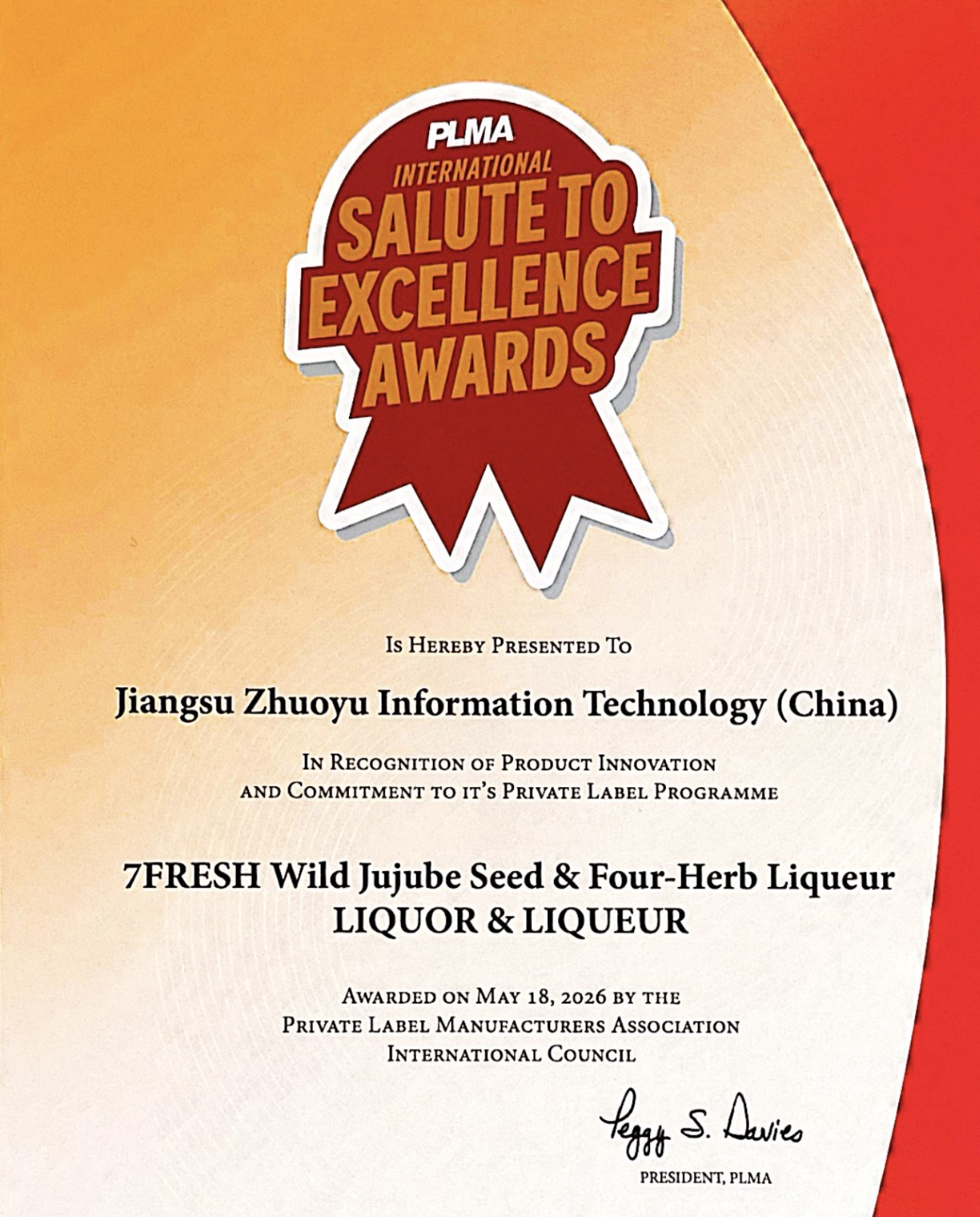
在国际自有品牌的最高领奖台上,首次出现了中国即时零售企业的身影。近日,京东七鲜超市自有品牌旗下的七鲜×鹤年堂联名“酸枣仁四宝酒礼盒”,荣获全球自有品牌制造商协会(PLMA)2026年“国际致敬卓越奖”,在“烈酒与利口酒”类别中脱颖而出。京东七鲜由此成为国内首家斩获PLMA大奖的即时零售业态。

与此同时,在国内郑州自有品牌供应链大会上,京东七鲜另有五款商品荣获“优秀自有品牌产品力奖”,实现国内外双线荣誉加冕。
自有品牌“奥斯卡”——解码PLMA的国际权威

PLMA(Private Label Manufacturers Association),即全球自有品牌制造商协会,成立于1979年,是国际自有品牌领域最权威的非营利性组织,会员覆盖全球70余个国家,在零售行业地位相当于电影节中的奥斯卡。其“国际致敬卓越奖”评选以严苛著称:每款产品均经专业评审团盲测,从产品创新、口感体验、包装设计到性价比多维度打分。在2026年的评选中,全球27个国家67家零售商提交近600款新品,最终仅106款获奖,且国内仅有四款商品获奖。

更严苛的是,PLMA通常遵循“一企业一品类一奖项”的惯例,同品类中全球仅一家零售商能获奖。京东七鲜能在烈酒与利口酒这一传统强势品类中拿到“国际致敬卓越奖”,其含金量不言而喻。
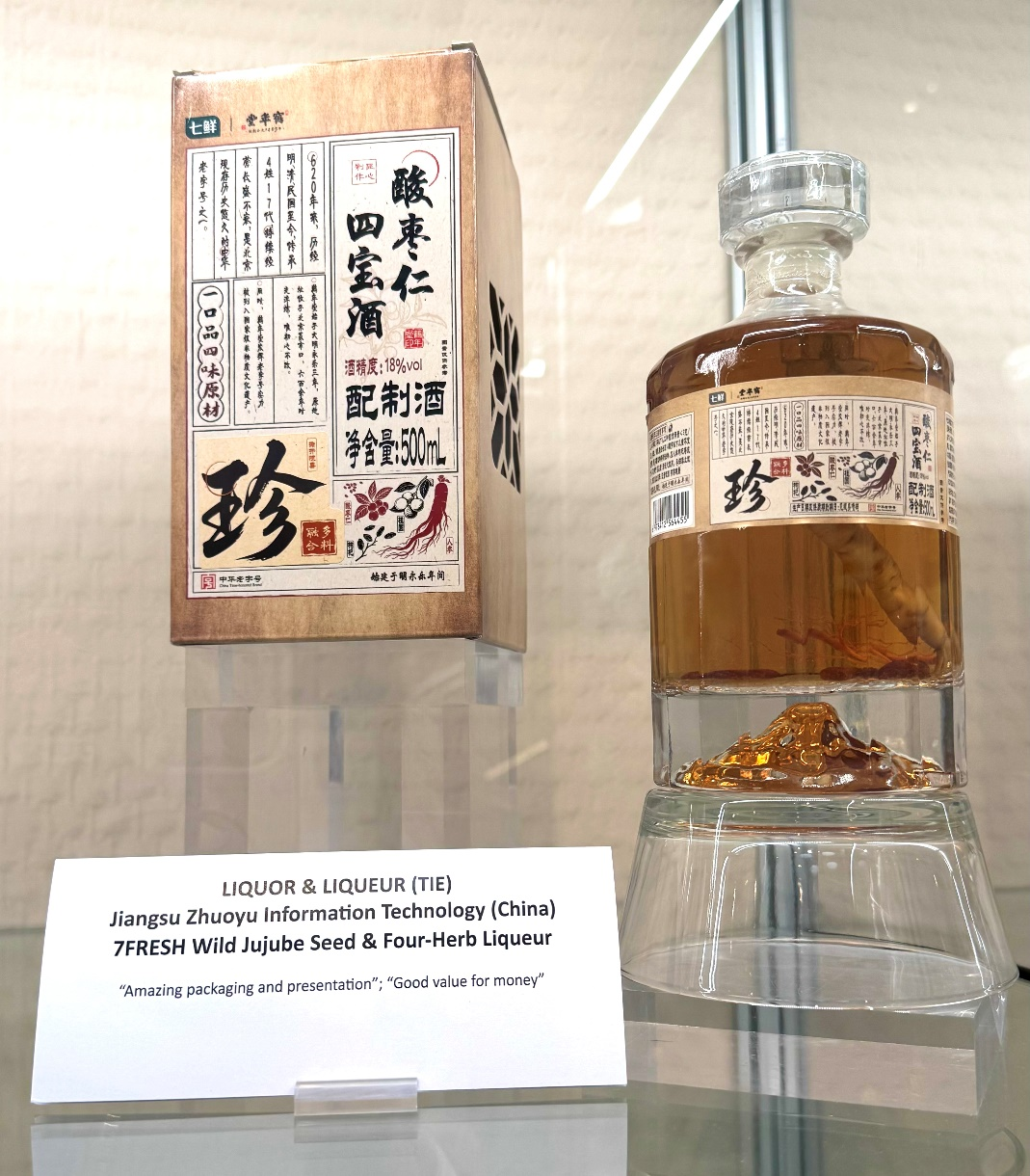
此次斩获国际大奖的酸枣仁四宝酒礼盒,是京东七鲜与中华老字号鹤年堂联袂打造的高端精酿产品。酸枣仁四宝酒融合了酸枣仁、茯苓、山药、莲子四味食材的养生精粹,采用传统工艺精心酿制。而令评委最为惊艳并给予获奖评价的,是其“包装与整体呈现效果惊艳”、“性价比出色”。礼盒视觉以东方雅致风格呈现,与传统烈酒的厚重感形成鲜明区隔,既衬托出产品的文化底蕴,又在货架上具有极强的视觉辨识度;39.9元/瓶以及礼盒装不足百元的价格也延续京东七鲜始终强调的“好酒不贵”定价策略,让消费者能够以低价享受到足以站上国际领奖台的高品质产品。

一款药食同源的自有品牌养生酒水,能够在“产品概念、包装、性价比”三个维度同时获得国际评委的高度肯定,体现了京东七鲜在自有品牌开发上兼顾“东方底蕴”与“国际视野”的独特能力。

在今年的PLMA评选中,评委们指出,自有品牌在质量上不断提升,现已成为全国性品牌的强劲竞争对手,它们越来越多地引领创新。Z世代正在对产品开发产生强烈影响,他们推动了对价格实惠、品质优良、具有全球灵感且具有社会责任感的产品的需求。而这些评价,也正是对京东七鲜自有品牌的契合概述。

郑州心选奖“五子登科”——从单一爆品到产品矩阵

京东七鲜自有品牌的实力并非只有一颗明珠,在近期举办的郑州国际自有品牌供应链大会“心选奖”评选上,另有五款京东七鲜自有品牌商品同时获得“优秀自有品牌产品力奖”,展现出覆盖多品类的创新活力。
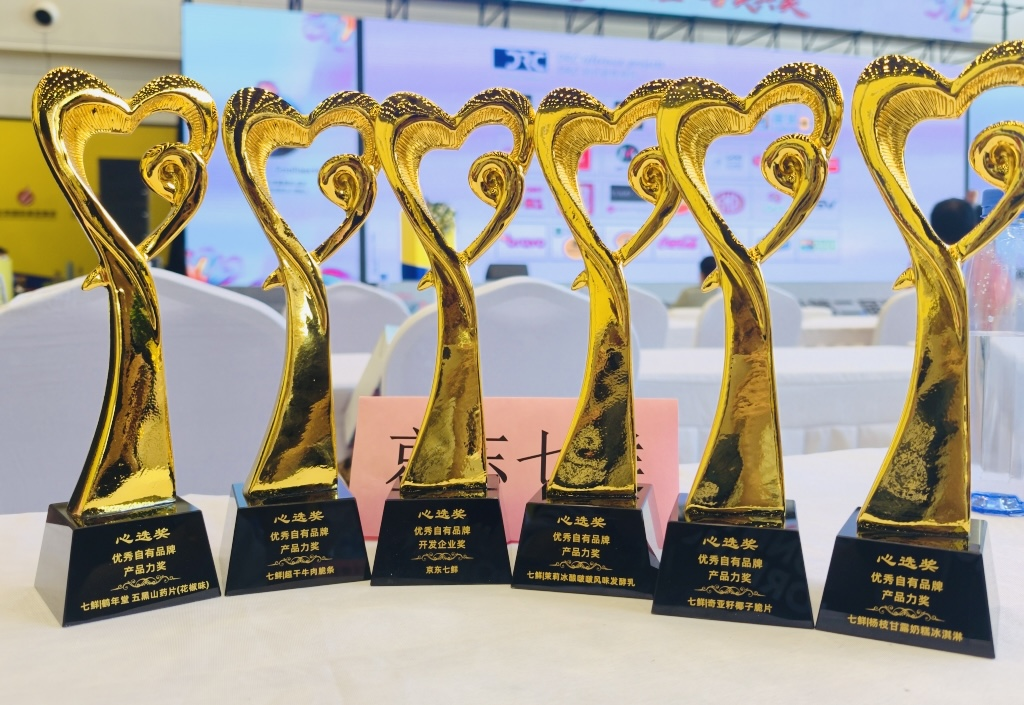
这五款商品分别是:七鲜鹤年堂五黑山药片(花椒味)、七鲜杨枝甘露奶糕冰淇淋、七鲜超干牛肉脆条、七鲜茉莉冰酿啵啵风味发酵乳、七鲜奇亚籽椰子脆片。从养生零食到风味酸奶,从冰淇淋到牛肉脆条,每一款产品都精准切入年轻消费群体,并在“健康化”与“美味化”之间找到平衡点。

爆款产品迭出的背后,是京东七鲜对自有品牌“年轻化、差异化”定位的深度坚持。早在2025年底,京东七鲜旗下的多款自有品牌商品就在自有品牌金星奖评选中大放异彩,美式鲜萃无糖黑咖啡、与鹤年堂合作的养生系列等产品获得多项荣誉。而在今年的五一消费旺季,京东七鲜自有品牌的整体线上销量同比大增260%,其中休闲零食销量增幅达10倍之多——销售数据的爆发式增长,与产品屡获国内外行业大奖的荣誉形成闭环印证。
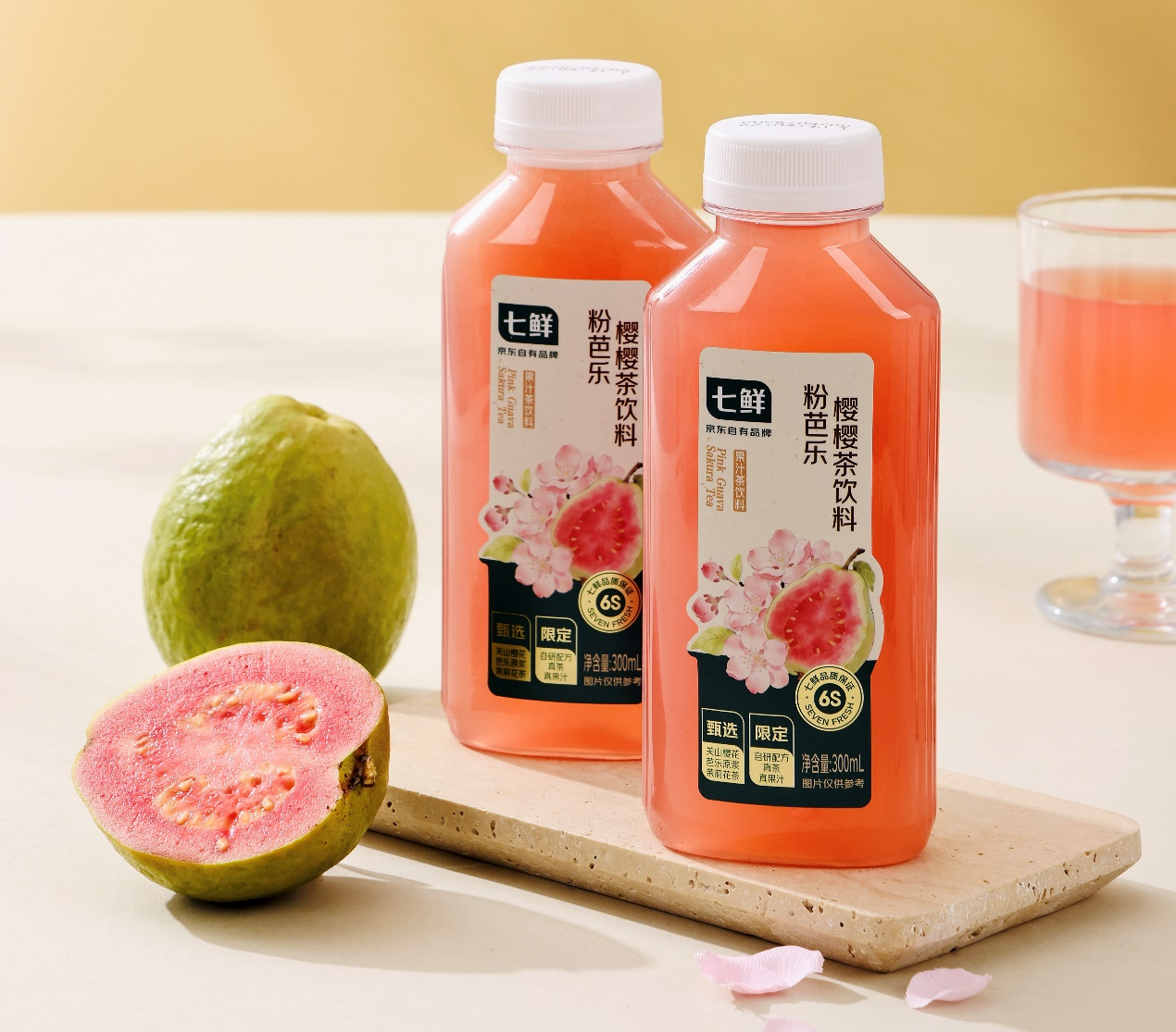
在传统与匠心之外,京东七鲜也在积极探索AI驱动产品研发与创新。早前,七鲜推出即时零售行业首个由AI指导开发的商品“七鲜粉芭乐樱樱茶”,其由AI提案,并借助AI完成从概念萌芽、产品研发、包装设计到营销推广全链路。在精准契合当下年轻消费者对“好喝、好看、轻负担”的需求下,粉芭乐樱樱茶一经上架便引发尝鲜热潮,线上线下的年轻用户复购率表现亮眼。

随后,由AI协同开发的七鲜黑桑莓莓奶皮子酸奶与七鲜抹茶多肉青提奶皮子酸奶,又一举击败网红爆品紫光园奶皮子酸奶,一度登顶酸奶品类榜首,合力将五月七鲜自有品牌酸奶销售环比推高了20%以上,同步带动酸奶品类在七鲜自有品牌整体销售大盘中的占比提升了6%。
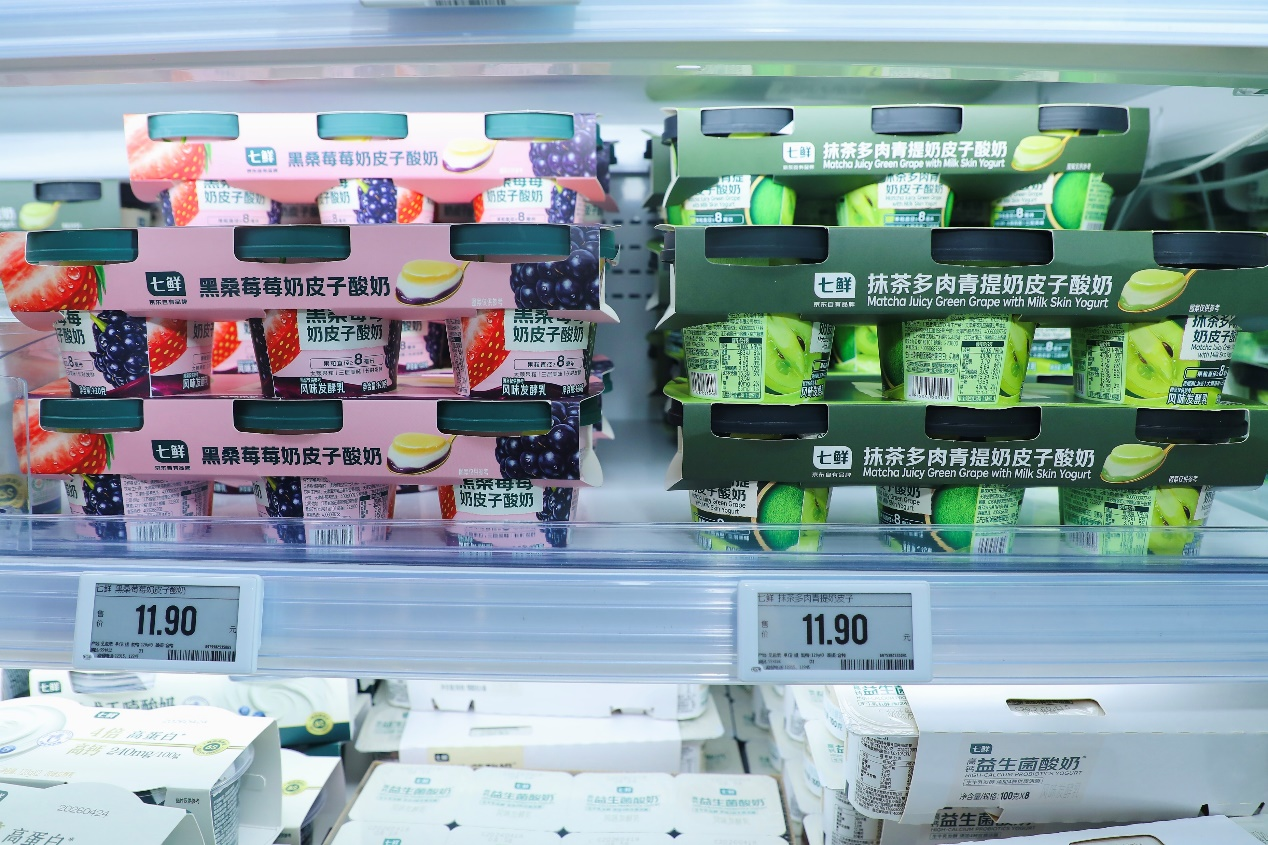
当大多数零售企业仍将AI应用于库存优化、智能推荐等后端环节时,七鲜已将其推向自有品牌商品开发的最前端,通过“人机共创”的模式找到了用消费者的“数据足迹”与AI的“算法画笔”共同定义商品的诞生方式。而这些爆款商品的问世,不仅是七鲜在数字化产品开发上的突破,也预示着未来自有品牌将从“经验驱动”向“数据+AI驱动”加速演进。

当国际大奖的评委为一件中国自有品牌礼盒写下“惊艳”的评价,当国内的权威机构将产品力奖项接连授予同一个品牌,背后也意味着中国零售企业的自有品牌开发能力,已经走到了一个可以被全球看见的新阶段。京东七鲜用一款款有温度、有品质的自有品牌产品,证明了即时零售玩家同样可以打造出兼具美学、风味与性价比的全球级好货——这不仅是一个品牌的进阶,更是整个行业价值锚点的跃升。

注:文/龚作仁,文章来源:Laborer,本文为作者独立观点,不代表亿邦动力立场。

【版权提示】亿邦动力倡导尊重与保护知识产权。未经许可,任何人不得复制、转载、或以其他方式使用本网站的内容。如发现本站文章存在版权问题,烦请提供版权疑问、身份证明、版权证明、联系方式等发邮件至run@ebrun.com,我们将及时沟通与处理。

已点赞

+1

{{ praise_text }}

好文章,值得被更多人看到

FAQ回顾

京东七鲜获得了什么国际奖项?

京东七鲜超市的自有品牌产品“七鲜×鹤年堂酸枣仁四宝酒礼盒”荣获全球自有品牌制造商协会(PLMA)2026年“国际致敬卓越奖”,在“烈酒与利口酒”类别中获奖,成为国内首家获此殊荣的即时零售业态。

京东七鲜自有品牌如何运用AI进行产品开发?

京东七鲜将AI应用于自有品牌产品开发前端,通过“人机共创”模式,由AI提案并参与从概念、研发、设计到营销的全链路。例如,AI开发的“七鲜粉芭乐樱樱茶”和两款奶皮子酸奶均成为热销爆品。

京东七鲜自有品牌在国内获得了哪些认可?

在郑州国际自有品牌供应链大会上,京东七鲜的五款自有品牌商品(如五黑山药片、杨枝甘露奶糕冰淇淋等)荣获“优秀自有品牌产品力奖”,显示出其多品类的产品创新实力。

广告

下一篇

跨境电商资源对接

《全球跨境电商服务商资源手册》第二期手册现已发布,触达更多资源,了解跨境服务商信息,欢迎点击链接下载。

了解详情

震坤行2026Q1财报:GMV同比增长12.9% 海外业务收入增长6倍

报告期内,震坤行实现GMV24.5亿元,同比增长12.9%,营收为21.14亿元,同比增长9.2%,毛利额3.5亿元,毛利率16.7%,环比提升1.2个百分点,经调整净利润为169万元。










