• 亿邦公众号
    • APP下载

AI爆款酸奶背后:京东七鲜引领行业进入“人机共创”时代

作者:龚作仁 文章来源:Laborer

2026-05-14 17:44

作者:龚作仁 文章来源:Laborer

2026-05-14 17:44

邦小白快读

EN
全文速览

本文核心介绍京东七鲜借助人机共创模式开发零售新品,已经跑出多个现象级爆款,核心干货如下:

1. 已落地爆款的实际表现:黑桑莓莓果味奶皮子酸奶上市不足一月,就击败长期霸榜的网红爆品紫光园奶皮子酸奶,部分单日登顶酸奶品类销量第一;两款AI开发的酸奶,带动五月七鲜自有品牌酸奶销售环比增长超20%,带动酸奶在自有品牌大盘占比提升6%;AI开发的七鲜粉芭乐樱樱茶开发周期从行业普遍的半年缩短至三个多月,快速成为网红单品;5.0g脱脂高钙牛乳上市后在健身圈引发口碑裂变,常上午售罄,冲上牛奶热销榜前列。

2. 人机共创的核心逻辑:并非AI完全取代人类开发产品,而是AI挖掘消费者行为数据寻找隐藏需求,最终由采销、产品团队负责落地和决策,是人类感性创意加机器理性数据分析的协作模式。

本文为品牌商提供了消费趋势变化和产品研发创新的核心干货,具体如下:

1. 当前消费趋势变化:原味酸奶长期垄断货架的格局已经被打破,小众口味可以引爆大众市场,Z世代消费者越来越偏好口感复合化、视觉层次感的产品,同时用户对乳制品同时存在好口感、高营养、减脂瘦身三重未被满足的需求,饱和赛道依然有创新空间。

2. 产品研发的可借鉴新范式:可以依托用户消费数据和AI工具挖掘隐藏需求,打破行业原有经验束缚,找到差异化创新方向,比如在高度饱和的奶皮子酸奶赛道,通过AI发现用户对奶皮子量少、口感单一的抱怨,进而开发出三层结构新品,实现对原有爆品的超越。

3. 高效协作模式:人机共创模式可以缩短新品开发周期,同时兼顾创新爆发力和落地执行力,AI负责数据挖掘需求验证,品牌团队负责最终决策,避免纯经验开发的盲目性。

对于线下及线上零售卖家来说,本文提供了选品增长、新品开发的多重重磅干货,具体如下:

1. 需求变化与增长机会:当前饱和品类仍然存在大量创新机会,消费者对复合口感、分层体验、多功能健康属性的需求尚未被完全满足,只要找到精准的未满足需求,就可以打造出超越原有爆品的新品,打破老牌产品的垄断格局。

2. 可复制落地的新品开发方法:可以借鉴京东七鲜的人机共创模式,从消费者留下的评价、销售数据等“数据脚印”中挖掘需求,结合社交媒体热点、行业趋势锁定创新方向,用AI验证需求、提出创新方案,再由团队做落地决策,这种模式可以将开发周期缩短近一半,还能提升新品成功率。

3. 选品创新提示:可以依托原有品类的创新积累延伸开发,比如七鲜从奶皮子月饼、蛋糕延伸开发奶皮子酸奶,借助消费者已经建立的品类认知,更容易获得市场认可。

对于食品生产加工工厂来说,本文透露了终端需求变化和新的商业机会,核心干货如下:

1. 产品生产与设计的最新需求:消费者已经不满足于同赛道产品的小调整,越来越追求结构创新、复合口感,同时对产品健康属性有更高要求,比如三层结构的奶皮子酸奶,虽然对工艺提出了更高挑战,但也带来了极强的差异化竞争力;脱脂乳制品需要同时满足高蛋白、0脂肪、全脂级口感,正好契合当下健康消费的趋势。

2. 新的商业合作机会:可以对接零售端的AI人机共创开品模式,依托零售端的需求挖掘能力,精准开发符合市场需求的新品,降低工厂自主开品的盲目性和风险,依托爆款新品打开市场空间。

3. 数字化转型启示:工厂可以改变过去依托经验开发产品的模式,对接零售端的消费数据,借助AI工具挖掘真实需求,让生产更匹配市场,提升新产品的上市成功率。

对于零售和食品行业的服务商来说,本文透露出行业发展新趋势和客户痛点,给出了业务方向的干货,具体如下:

1. 行业发展最新趋势:零售商品开发已经从传统的经验主义转向数据驱动的人机共创时代,AI已经开始介入商品开发全链路,即时零售领域已经跑出多个成功案例,人机共创会成为未来零售商品开发的主流方向之一,市场空间很大。

2. 品牌零售商的核心痛点:当下很多品牌零售商都面临饱和品类创新难的问题,依托经验开发新品不仅周期长,而且成功率低,很难精准捕捉消费者隐藏的未满足需求,难以在红海中找到新的增长突破口。

3. 可布局的解决方案方向:服务商可以围绕多智能体AI需求挖掘开发相关工具,帮助零售商快速扫描行业趋势、挖掘用户评价中的痛点,缩短新品开发周期,同时可以输出人机协同开品的流程方案,帮助零售商快速落地新的开品范式,抓住增长机会。

对于零售平台商来说,本文给出了平台提升核心竞争力、优化运营的核心干货,具体如下:

1. 当前商家和自有品牌业务对平台的核心需求:商家和平台自有品牌都需要平台提供精准的消费需求挖掘能力,帮助降低新品开发的风险,缩短开发周期,提升新品成功率,帮助商家在饱和赛道找到新的增长机会。

2. 平台可落地的创新做法:平台可以搭建自身的多智能体AI系统,依托平台积累的海量销售数据、用户评价数据,挖掘用户未被满足的隐藏需求,帮助平台自有品牌或者入驻商家开展人机共创开品,打造差异化爆款,带动平台整体销量增长,提升平台竞争力。

3. 风向规避提示:不要盲目让AI取代人类决策,要坚持人机协同的模式,AI负责数据挖掘和方案验证,最终的量产、定价等决策由人类团队做出,兼顾创新能力和落地可行性,避免AI方案脱离实际生产和市场的风险。

对于零售产业研究者来说,本文呈现了即时零售领域的最新产业动向和创新范式,核心干货如下:

1. 产业全新动向:即时零售行业已经进入人机共创开品的新阶段,京东七鲜已经推出行业首批AI协助开发的商品,还落地了首个由AI提案全链路开发的商品,开创了数据反哺+人机共创的开品新范式,彻底改变了传统商品开发依托从业者经验的旧模式。

2. 新的产业逻辑与商业模式:京东七鲜人机共创的核心公式是行业趋势+用户声音=精准产品匹配,AI负责扫描热点、竞品、挖掘数据找需求,人类团队负责落地决策,形成人类感性+机器理性的协作模式,不仅重构了商品诞生方式,还重构了零售的权力结构,真正实现需求驱动产品开发。

3. 新的研究方向提示:AI介入商品开发全链路对零售产业链上下游的影响、人机共创模式在不同零售品类的适配性、该模式对传统新品开发体系的重塑等,都是值得深入研究的新课题。

声明:快读内容全程由AI生成,请注意甄别信息。如您发现问题,请发送邮件至 run@ebrun.com 。

我是 品牌商 卖家 工厂 服务商 平台商 研究者 帮我再读一遍。

Quick Summary

This article introduces how JD 7FRESH has developed new retail products via a human-AI co-creation model, which has already produced multiple viral blockbusters. Key takeaways are as follows:

1. Performance of launched blockbusters: Its Black Mulberry & Berry flavored milk skin yogurt outperformed the long-reigning viral hit紫光园Ziguangyuan milk skin yogurt within one month of launch, topping the yogurt category sales chart on some days. The two AI-developed yogurt products drove over 20% month-over-month growth in 7FRESH's private-label yogurt sales in May, and lifted yogurt's share of the private-label overall category by 6 percentage points. The AI-developed Pink Guava Cherry Tea cut development time from the industry average of six months to just over three months, quickly becoming a viral social media hit. Its 5.0g skimmed high-calcium milk generated word-of-mouth virality among fitness enthusiasts, often selling out before noon and ranking high on milk bestseller lists.

2. Core logic of human-AI co-creation: AI does not fully replace human product developers. Instead, AI identifies hidden demands by analyzing consumer behavior data, while procurement, sales and product teams take charge of execution and final decision-making. The model combines human intuitive creativity with machine-powered rational data analysis.

This article shares key insights on shifting consumer trends and innovative product R&D for brand owners. Key takeaways are as follows:

1. Current shifting consumer trends: The long-standing market dominance of plain yogurt has been broken, and niche flavors can now breakout into mass markets. Gen Z consumers increasingly favor products with complex flavor profiles and visual layers. Consumers also hold three unmet demands for dairy products: great taste, high nutrition and fat reduction for weight management. Innovation opportunities still exist in saturated categories.

2. A replicable new paradigm for product R&D: Brands can leverage consumer data and AI tools to uncover hidden demands, break free from industry conventional experience, and identify differentiated innovation directions. For example, in the highly saturated milk skin yogurt category, AI uncovered consumer complaints about insufficient milk skin content and monotonous flavor, which led to the development of a new three-layer product that outperformed the existing blockbuster.

3. Efficient collaboration model: The human-AI co-creation model cuts new product development cycles, while balancing innovation potential and execution capability. AI handles demand mining and validation, while brand teams make final decisions, eliminating the blindness of experience-only product development.

For both online and offline retail sellers, this article shares valuable insights on product selection and new product development growth. Key takeaways are as follows:

1. Shifting demand and growth opportunities: Large numbers of innovation opportunities still exist in currently saturated categories. Consumer demand for complex flavors, layered experiences and multi-functional health benefits has not been fully satisfied. Brands that identify unmet needs can develop new products that outperform existing blockbusters and break the monopoly of established products.

2. A replicable new product development method: Sellers can adopt 7FRESH's human-AI co-creation model: uncover demand from "data footprints" such as consumer reviews and sales data, lock in innovation directions by combining social media trends and industry trends, use AI to validate demand and propose innovation plans, then let internal teams make execution decisions. This model cuts development cycles by nearly half, while improving new product success rates.

3. Guidance for innovative product selection: Sellers can extend development from existing category innovation accumulations. For example, 7FRESH developed milk skin yogurt based on its existing milk skin mooncakes and milk skin cakes. Leveraging consumers' established category recognition makes it easier to win market acceptance.

For food processing manufacturers, this article outlines shifting end-market demand and new business opportunities. Key takeaways are as follows:

1. Latest demand for product design and manufacturing: Consumers are no longer satisfied with minor adjustments to existing products, and increasingly pursue structural innovation and complex flavors, as well as higher health standards. For example, the three-layer milk skin yogurt, while raising higher technical requirements, also delivers extremely strong differentiated competitiveness. Skim dairy products that combine high protein, zero fat and whole-milk level taste perfectly align with current healthy consumption trends.

2. New business cooperation opportunities: Manufacturers can partner with retailers that adopt AI-powered human-AI co-creation product development models. Leveraging retailers' demand discovery capability allows them to develop new products that accurately match market demand, reduce the blindness and risk of independent product development, and open up new market space via blockbuster new products.

3. Insights for digital transformation: Manufacturers can shift from the traditional experience-based product development model, partner with retailers to access consumer data, and use AI tools to uncover real consumer demand. This aligns production better with market needs and improves new product success rates.

For service providers serving the retail and food industries, this article outlines new industry trends, core client pain points and actionable business directions. Key takeaways are as follows:

1. Latest industry trends: Retail product development has shifted from traditional experience-driven practice to a data-powered human-AI co-creation era. AI is now integrated across the entire product development workflow, and multiple successful use cases have already emerged in instant retail. Human-AI co-creation will become one of the mainstream directions for future retail product development, with large untapped market space.

2. Core pain points for brands and retailers: Many brands and retailers currently struggle to innovate in saturated categories. Experience-only new product development comes with long cycles and low success rates, and fails to accurately capture consumers' hidden unmet demands, making it hard to find new growth breakpoints in red ocean markets.

3. Actionable solution directions for layout: Service providers can develop related tools centered on multi-agent AI demand mining, to help retailers quickly scan industry trends and uncover pain points from user reviews, cut new product development cycles. They can also offer standardized process frameworks for human-AI collaborative product development, to help retailers quickly implement the new development paradigm and capture new growth opportunities.

For retail platform operators, this article shares key insights on boosting core competitiveness and optimizing operations. Key takeaways are as follows:

1. Core demands from merchants and platform private label businesses: Both third-party merchants and platform private label brands need platforms to provide accurate consumer demand mining capabilities, to help reduce new product development risk, cut development cycles, improve new product success rates, and help brands find new growth opportunities in saturated categories.

2. Actionable innovation practices for platforms: Platforms can build in-house multi-agent AI systems, leverage their massive accumulated sales and user review data to uncover consumers' hidden unmet demands, and support human-AI co-creation product development for both platform private labels and third-party merchants. This helps create differentiated blockbusters, drive overall platform sales growth and improve platform competitiveness.

3. Risk guidance: Platforms should not rush to replace human decision-making with AI, and should stick to the human-AI collaboration model. AI handles data mining and solution validation, while human teams make final decisions on mass production, pricing and other core issues. This balances innovation capability and execution feasibility, and avoids the risk that AI-generated solutions become disconnected from actual production and market conditions.

For retail industry researchers, this article presents the latest industry developments and innovation paradigms in instant retail. Key takeaways are as follows:

1. New industry developments: The instant retail industry has entered a new stage of human-AI co-creation product development. JD 7FRESH has launched the industry's first batch of AI-assisted developed products, and delivered the first product fully developed end-to-end from AI-proposed concepts. It has created a new product development paradigm of data feedback + human-AI co-creation, which completely replaces the old traditional model that relied entirely on practitioner experience.

2. New industry logic and business models: The core formula of 7FRESH's human-AI co-creation is industry trends + consumer voices = accurate product-market fit. AI scans hot topics, analyzes competitors and mines data to identify demand, while human teams handle execution and decision-making. This collaboration model combines human intuitive creativity with machine rational analysis, and has not only reshaped how products are created, but also reshaped retail's power structure, truly realizing demand-driven product development.

3. Guidance for new research directions: Worthy topics for in-depth research include the impact of end-to-end AI integration in product development on upstream and downstream retail supply chains, the adaptability of the human-AI co-creation model across different retail categories, and how this model reshapes traditional new product development systems.

Disclaimer: The "Quick Summary" content is entirely generated by AI. Please exercise discretion when interpreting the information. For issues or corrections, please email run@ebrun.com .

I am a Brand Seller Factory Service Provider Marketplace Seller Researcher Read it again.

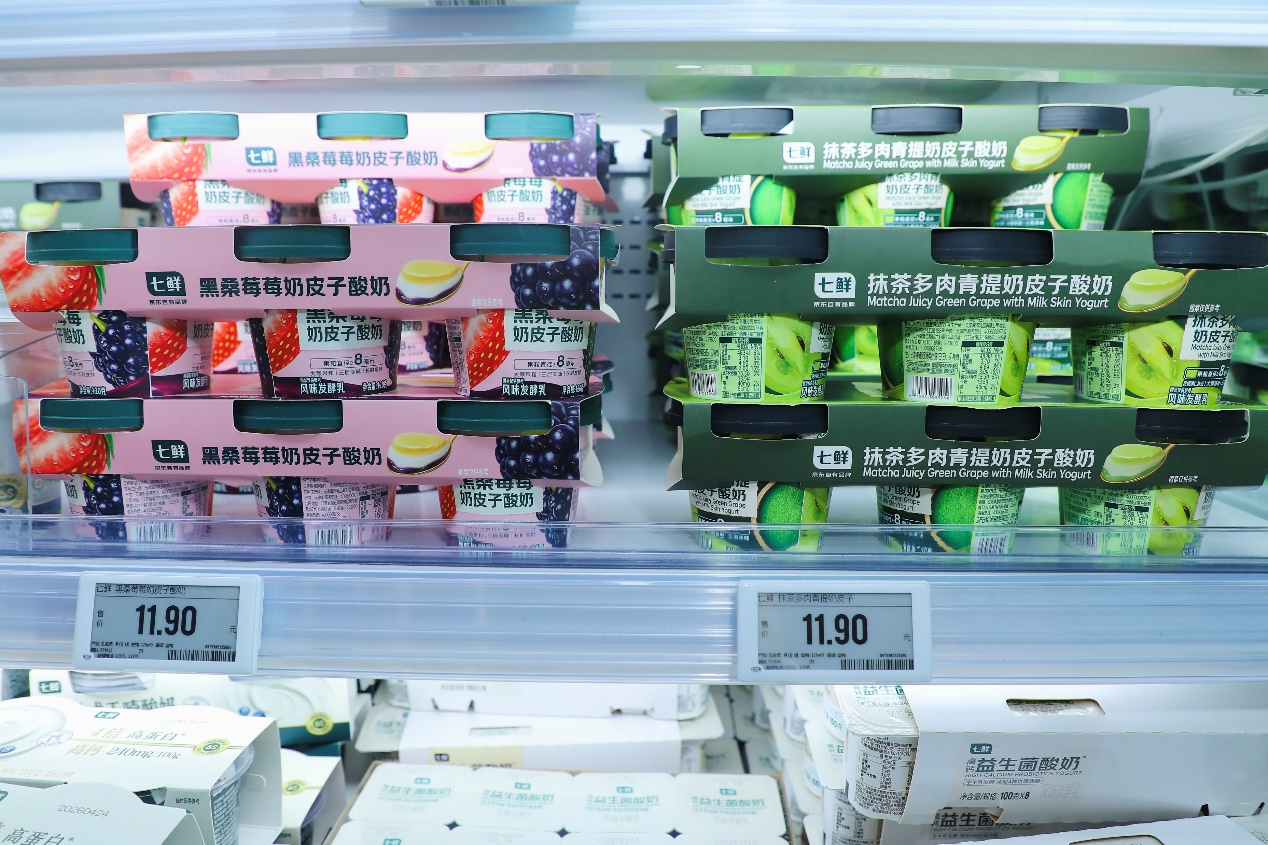
京东七鲜超市的酸奶货架上,一场颠覆正在发生。一款七鲜自有品牌果味奶皮子酸奶——黑桑莓莓口味,上市不足一月,便击败此前长期霸榜的网红爆品紫光园奶皮子酸奶,甚至在部分单日登顶酸奶品类销量榜首。

更令人意外的是,这款产品的核心创意并非来自资深乳业专家,而是由一套七鲜多智能体AI系统挖掘,再由采销、产品团队与AI协同完成。它与另一款抹茶多肉青提奶皮子酸奶一起,成为即时零售行业首批AI协助开发的商品。两款产品合力将五月七鲜自有品牌酸奶销售环比推高20%以上,带动酸奶品类在自有品牌整体大盘中占比提升6%。

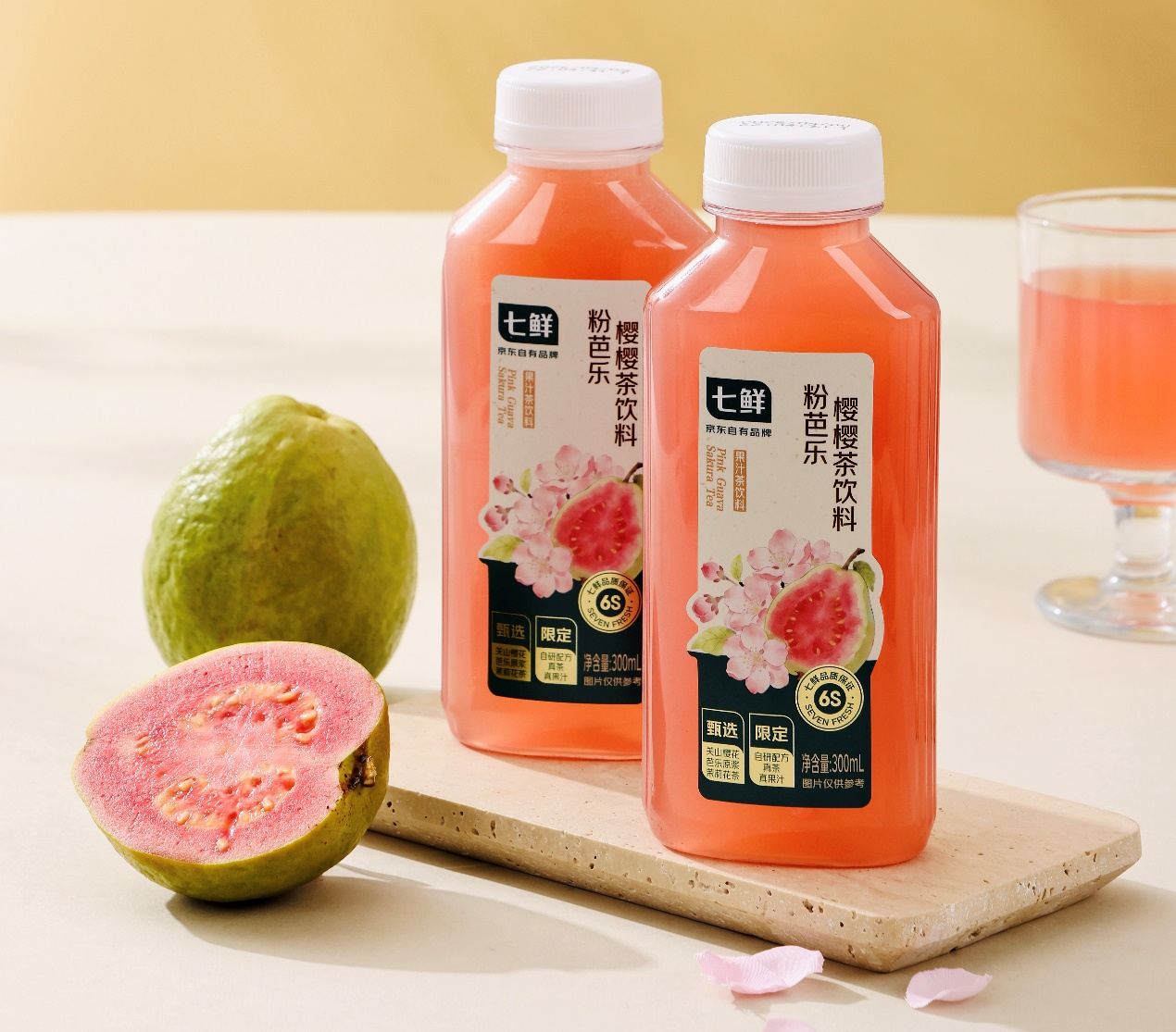
这不是孤例。今年四月,“七鲜粉芭乐樱樱茶”作为即时零售首个由AI提案并全链路开发的商品,上市后迅速成为年轻消费者热捧的“春日网红”,开发周期从行业通常的半年缩短至三个多月,开创“数据反哺+人机共创”的开品新范式。
小众口味引爆大众市场

零售商超酸奶货架上,原味酸奶长期占据统治地位。七鲜酸奶销量前十长期是原味产品,但这一铁律在五月被首次打破。

据七鲜自有品牌乳品采销负责人介绍,两款AI开发的果味奶皮子酸奶不仅在销量、回购率、新客增长上全面超越紫光园,更首次在原味爆品的主场上完成超越。黑桑莓莓口味在某些周末甚至登顶酸奶品类榜首。
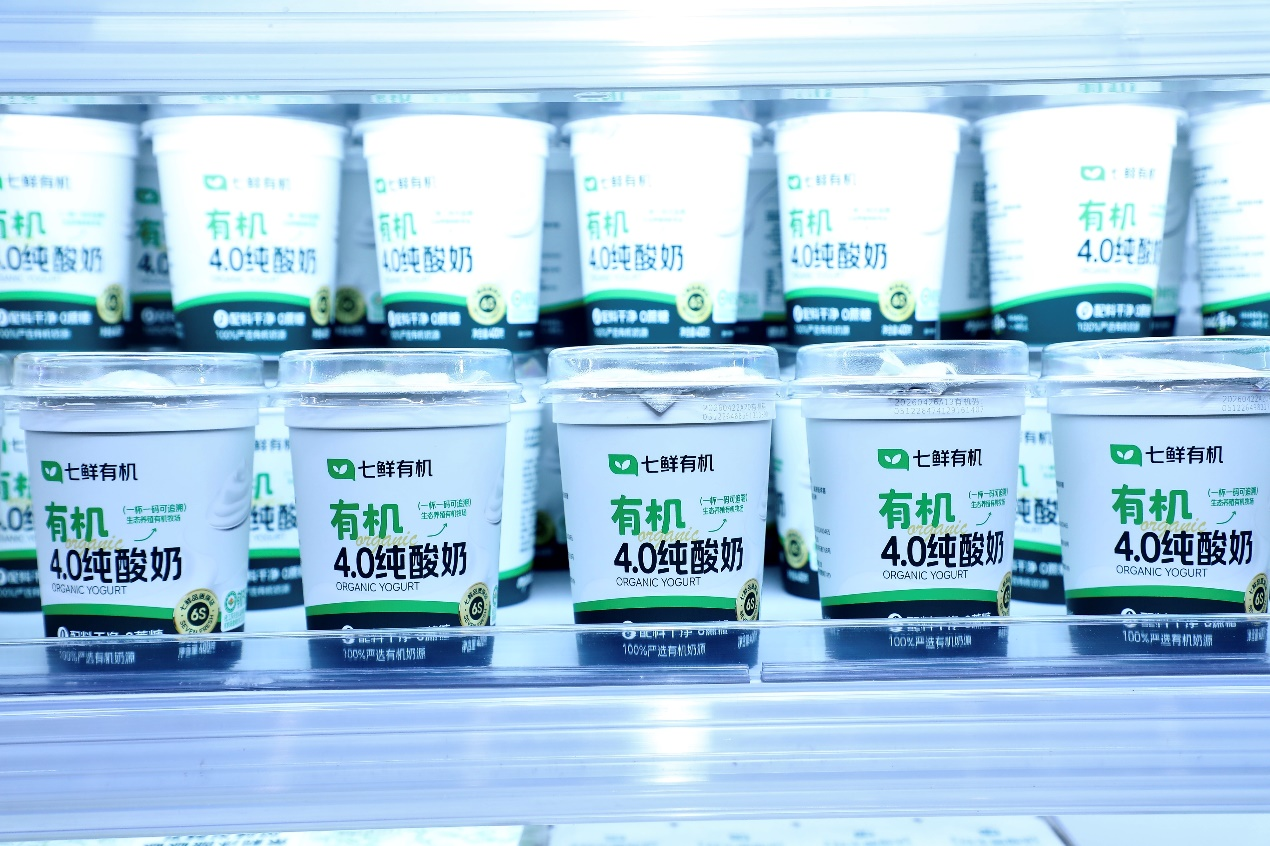
它们的独特之处在于“三层结构”:普通酸奶只有一层液体,奶皮子酸奶通常有两层(液体+固体),而七鲜做到了三层——顶部固体奶皮子、中间果味酸奶、底部带大颗果肉的果酱(青提或桑葚草莓)。这种“前调—中调—尾韵”式的口感设计,在即时零售酸奶货架上堪称首创。三层结构对工艺挑战极大,采销团队反复模拟数十种方案才锁定量产参数。

用消费者洞察玩出奶皮子新花样

AI在商品开发中的介入,并非凭空造物,而是在消费者行为数据中寻找隐藏的信号。

奶皮子品类在过去几年里一直是商品开发的热点。京东七鲜此前在这方面已有大量探索:在烘焙领域行业首推奶皮子月饼、奶皮子蛋糕、奶皮子青团;在零食领域行业首推山楂口味奶皮子卷,每款商品都带来了亮眼成绩。

但在奶皮子酸奶开发领域,实际上行业已经高度饱和,各家大多在口味上进行局部调整,却鲜有在形态结构上的突破。

基于京东七鲜内部评价大数据与行业趋势分析,AI发现两个关键信号:消费者抱怨奶皮子酸奶“奶皮子少、口感不够丰富”,同时Z世代对“口感复合化、视觉层次感”的偏好正从其他品类向乳制品迁移。据此,AI提出将两层升级为三层、增加大颗果肉固形物的颠覆性提案,青提+抹茶、草莓+桑葚的组合也精准踩中春夏时令节奏。

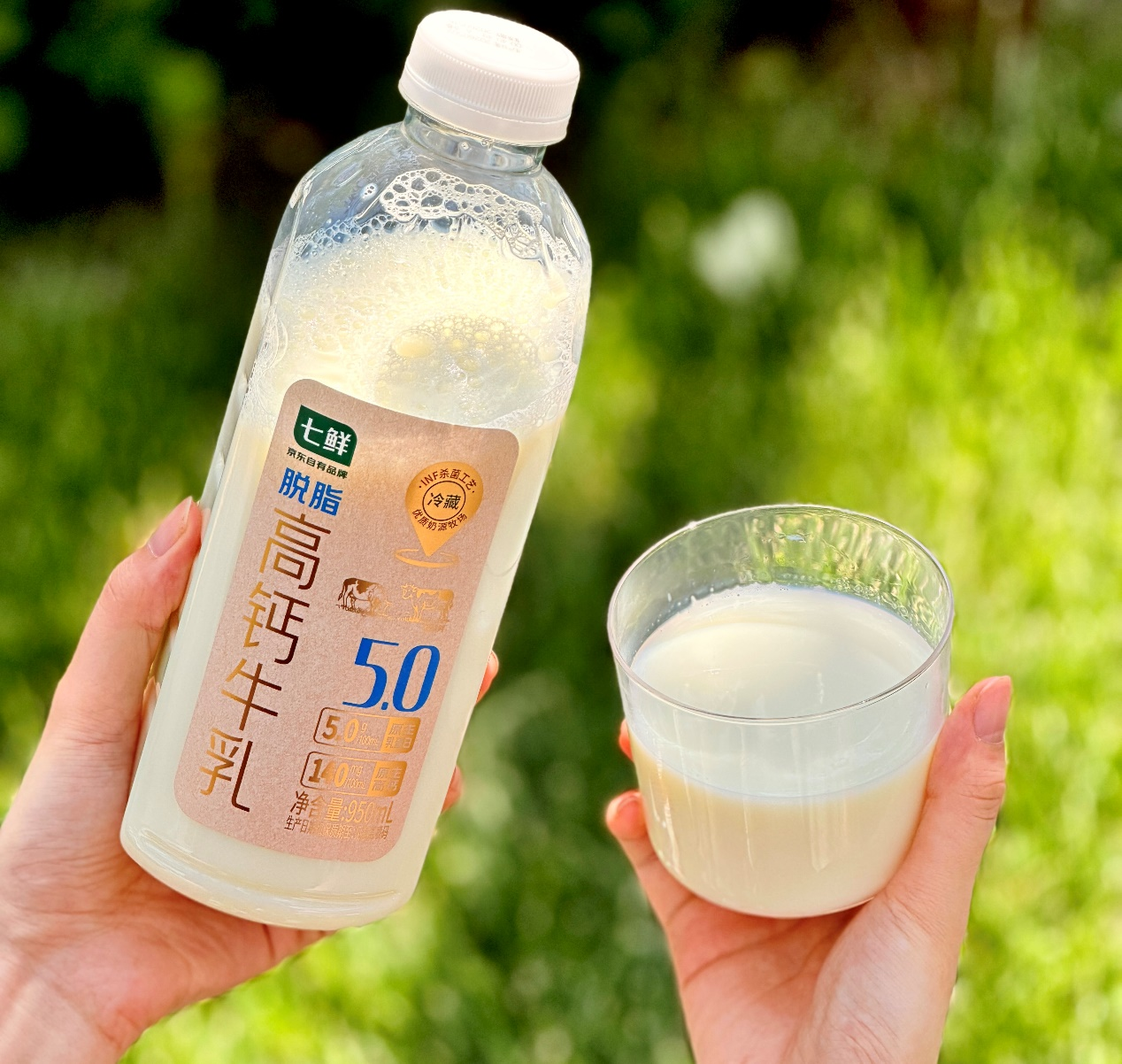
这套打法随后被复制到脱脂牛奶品类。AI锁定了一个普遍未被满足的“需求三角”:用户既要好喝(醇厚回甘),又要健康(高蛋白、高钙),还渴望减脂不长胖。而市面产品要么口感寡淡,要么营养成分平平。七鲜随即启动“5.0g脱脂高钙牛乳”项目。

该产品每100ml含5.0g优质乳蛋白(远超国标高蛋白标准≥3.3g/100ml),0脂肪,额外添加高钙,以高蛋白实现“全脂口感”。5月上市后迅速在健身圈引发口碑裂变,门店常上午售罄,冲上牛奶热销榜前列,成为AI驱动创新的又一现象级案例
从“经验主义”到“数据主义”

京东七鲜AI开发商品的核心公式是:行业趋势 + 用户声音 = 精准产品匹配。AI系统实时扫描社交媒体热点、消费报告、竞品动态,捕捉潜力风味关键词;同时深度挖掘销售数据和商品评价,找到未被满足的需求。每一款AI开发商品的起点,都是消费者留下的“数据脚印”。

但这不是“AI取代人”,而是“人机共创”。采销人员提出模糊构想,AI在海量数据中验证、提出创新组合、模拟配方可行性,最终由人类做出量产与定价的决策。这种“人类感性+机器理性”的协作,让七鲜兼具创新爆发力和落地执行力。
七鲜的这场AI先行,某种程度上也是对零售权力结构的一次重构——当消费者的“数据足迹”与AI的“算法画笔”相遇,商品的诞生方式正在被重新定义。

注:文/龚作仁,文章来源:Laborer,本文为作者独立观点,不代表亿邦动力立场。

【版权提示】亿邦动力倡导尊重与保护知识产权。未经许可,任何人不得复制、转载、或以其他方式使用本网站的内容。如发现本站文章存在版权问题,烦请提供版权疑问、身份证明、版权证明、联系方式等发邮件至run@ebrun.com,我们将及时沟通与处理。

已点赞

+1

{{ praise_text }}

好文章,值得被更多人看到

FAQ回顾

京东七鲜如何利用AI开发商品?

京东七鲜采用“人机共创”模式,AI系统通过分析行业趋势与用户消费数据提出创新提案,采销团队与AI协同完成开发。例如AI根据消费者对口感丰富度的偏好,提出了三层结构的奶皮子酸奶方案。

七鲜AI开发的酸奶产品有哪些特点?

其AI开发的果味奶皮子酸奶首创三层结构:顶部固体奶皮子、中间果味酸奶、底部带大颗果肉的果酱。这种结构提升了口感丰富度与视觉层次感,成功在销量上超越了原味爆品。

七鲜AI开发的脱脂高钙牛乳有何优势?

该产品每100ml含5.0g优质乳蛋白,远超国标高蛋白标准,且0脂肪并额外添加高钙。它通过高蛋白含量实现了类似全脂牛奶的醇厚口感,满足了消费者对健康与口感的双重需求。

广告

下一篇

跨境电商资源对接

《全球跨境电商服务商资源手册》第二期手册现已发布,触达更多资源,了解跨境服务商信息,欢迎点击链接下载。

了解详情

京东工业联手实验室用品领军品牌 破局中小企业客户采购难题

京东工业和大龙、欣维尔、世泰、兰杰柯、佑科、赛宁等实验室用品领域的领军企业家联合发起“不虚标”行动,推动实验室用品行业建立更透明、可信、高效的采购生态,助力行业回归品质竞争。