• 亿邦公众号
    • APP下载

这届CMEF 这个专注家庭健康的品牌火了

作者:亿邦动力 文章来源:亿邦动力

2026-04-13 18:37

作者:亿邦动力 文章来源:亿邦动力

2026-04-13 18:37

邦小白快读

EN
全文速览

本届CMEF展会中,左点品牌以其独特展台和家庭健康产品引发广泛关注。

1.展台设计弱化医疗器械传统冷峻感,采用丹砂色、麻绳等元素,营造温暖家居空间,传递家庭健康产品“无距离感”理念。

2.产品分为科技医疗(助听器、生发仪、睡眠仪等解决小部分人大问题)和健康生活(小艾盒、砭石按摩器等解决大部分人小问题)两大板块,助听器为核心产品,线上份额超50%,通过APP提供1V1定制化验配服务,价格从万元降至千元级。

3.用户群体以25至40岁Z世代和精致妈妈为主,女性主导;助听器等产品呈现“年轻子女购买、年长父母使用”代际特征;下沉市场用户偏好刚需产品(如助听器),高线城市用户注重悦己体验(如艾灸盒)。

4.购买渠道广泛,包括线上京东、天猫、抖音、小红书等电商平台,以及线下山姆、Costco、万象城、国药集团等商超、体验店和药房。

左点品牌的营销策略和渠道建设为行业提供借鉴。

1.品牌营销方面,通过CMEF展台丹砂色设计传递温暖家庭氛围信号,弱化产品医疗距离感,吸引目标用户关注。

2.品牌渠道建设覆盖线上天猫、京东等主流电商,线下布局山姆、Costco会员超市及万象城直营店,结合药房渠道如国药集团,形成全链路销售网络。

3.产品研发聚焦家用化、便携化,已申请3693项专利、取得38张医疗器械注册证,分为科技医疗和健康生活两类,精准定位用户需求。

4.消费趋势显示用户年龄结构年轻化(25-40岁为主),地域差异明显,下沉市场重刚需疗效,高线城市重情绪价值;用户行为以女性主导,健康焦虑驱动产品选择。

左点案例揭示市场机会和合作模式,可供卖家学习。

1.增长市场机会方面,家庭健康产品需求旺盛,用户群体扩展至年轻人群(25-40岁),代际传递(子女为父母购买)和地域差异(下沉刚需vs高线悦己)提供细分市场切入点。

2.可学习点和商业模式包括线上线下融合渠道策略(如京东电商+山姆商超),产品定位差异(科技医疗解决大问题、健康生活解决小问题),以及APP定制服务降低用户门槛。

3.合作方式提示:与品牌商合作可借力专利技术(3693项专利)和融资支持(高瓴创投等投资),扶持政策体现在多渠道招商,如药房渠道国药集团合作。

左点产品设计和电商实践为工厂提供生产和数字化转型启示。

1.产品生产需求强调家用化、便携化设计,如助听器小型化、艾灸盒智能化,满足家庭健康场景,需关注专利布局(3693项申请)。

2.商业机会在于高需求品类如助听器(线上份额超50%)和地域差异化产品(下沉市场刚需品),可开发类似便携设备。

3.推进数字化和电商启示:借鉴线上定制服务(APP验配)和全渠道销售(天猫、抖音等电商入驻),利用用户数据优化生产,如针对女性用户偏好设计。

行业新趋势和解决方案凸显服务商潜在服务点。

1.行业发展趋势方面,家庭健康科技兴起,用户健康焦虑(如碎片化生活重建身体秩序)驱动产品创新,CMEF展会火爆印证市场热度。

2.新技术应用包括APP提供1V1定制化服务(如助听器验配),整合数字化方案提升用户体验。

3.客户痛点如健康需求多样(科技医疗vs健康生活)、购买障碍(传统高价产品),解决方案见左点产品定价策略(千元级助听器)和渠道全覆盖,助力服务商开发针对性服务。

平台需求和运营管理需借鉴左点多渠道策略。

1.商业对平台需求:电商平台如京东、天猫需支持产品定制服务(APP验配),线下平台如商超需空间展示产品体验(如温暖设计),以匹配用户地域和行为差异。

2.平台的最新做法:招商合作覆盖山姆、Costco等会员超市及国药药房,运营管理利用用户数据(年龄、性别主导)优化库存,风向规避如避免过度医疗化设计。

3.平台招商机会:加强与类似品牌合作,针对高线城市用户悦己需求和下沉市场刚需,提供数据支持和渠道整合。

产业动向和商业模式为研究提供新视角。

1.产业新动向:家庭健康领域融资活跃(左点获高瓴创投等5轮数亿元投资),专利创新(3693项申请),用户结构年轻化(25-40岁为主)。

2.新问题如代际传递消费(年轻子女购买父母产品)、地域需求分化(下沉刚需vs高线悦己),提示政策启示需关注产品普惠性。

3.商业模式分析:双板块模式(科技医疗和健康生活)结合线上线下全渠道(电商+商超+药房),利用数字化(APP服务)降低价格门槛,提供产业优化参考。

声明:快读内容全程由AI生成,请注意甄别信息。如您发现问题,请发送邮件至 run@ebrun.com 。

我是 品牌商 卖家 工厂 服务商 平台商 研究者 帮我再读一遍。

Quick Summary

At this year's CMEF exhibition, the Zdeer brand garnered significant attention with its unique booth and home health products.

1. The booth design softened the traditionally cold aesthetic of medical devices by incorporating elements like cinnabar red and hemp rope, creating a warm, home-like atmosphere that conveys a "no-distance" philosophy for family health products.

2. Products are divided into two categories: Tech Medical (e.g., hearing aids, hair growth devices, sleep aids addressing major issues for a minority) and Healthy Living (e.g., Xiaoi moxibustion boxes, Bian stone massagers addressing minor issues for the majority). Hearing aids are the core product, holding over 50% online market share. They offer 1-on-1 customized fitting services via an app, with prices reduced from the ten-thousand-yuan range to the thousand-yuan range.

3. The primary user base consists of Gen Z (25-40 years old) and精致妈妈, with women as the dominant decision-makers. Products like hearing aids show an intergenerational consumption pattern, often purchased by younger children for their elderly parents. Users in lower-tier markets prefer essential products (e.g., hearing aids), while those in higher-tier cities focus on self-care experiences (e.g., moxibustion boxes).

4. Purchase channels are extensive, including online platforms like JD.com, Tmall, Douyin, and Xiaohongshu, and offline locations such as Sam's Club, Costco, MixC malls, and China National Pharmaceutical Group Co., Ltd. (Sinopharm) pharmacies.

Zdeer's marketing strategy and channel development offer valuable insights for the industry.

1. In brand marketing, the cinnabar-red booth design at CMEF signaled a warm, family-friendly ambiance, reducing the clinical feel of medical products to attract target users.

2. Channel development spans online platforms like Tmall and JD.com, and offline presence in membership stores (Sam's Club, Costco), direct-operated stores (e.g., in MixC malls), and pharmacy partnerships (e.g., Sinopharm), creating an end-to-end sales network.

3. Product R&D focuses on home-use and portability, supported by 3,693 patent applications and 38 medical device registration certificates. Products are categorized into Tech Medical and Healthy Living to precisely target user needs.

4. Consumption trends indicate a younger user base (primarily 25-40 years old) with clear regional differences: lower-tier markets prioritize essential efficacy, while higher-tier cities value emotional benefits. Female users dominate purchasing decisions, often driven by health anxieties.

The Zdeer case reveals market opportunities and partnership models for sellers to learn from.

1. Market growth opportunities lie in strong demand for home health products, with an expanding user base of young adults (25-40). Intergenerational consumption (children buying for parents) and regional differences (essential needs in lower-tier markets vs. self-care in higher-tier cities) offer entry points for niche markets.

2. Key learnings include an integrated online-offline channel strategy (e.g., JD.com + Sam's Club), differentiated product positioning (Tech Medical for major issues, Healthy Living for minor ones), and app-based customization services that lower user barriers.

3. Partnership opportunities include leveraging the brand's patented technology (3,693 patents) and financial backing (investors like Gaorong Capital). Support policies are evident in multi-channel recruitment, such as partnerships with Sinopharm pharmacies.

Zdeer's product design and e-commerce practices offer insights for factories on production and digital transformation.

1. Production demands emphasize home-use and portable designs, such as miniaturized hearing aids and smart moxibustion boxes, tailored for home health scenarios. Attention to patent strategy (3,693 applications) is crucial.

2. Commercial opportunities exist in high-demand categories like hearing aids (over 50% online share) and regionally differentiated products (essentials for lower-tier markets), suggesting potential for developing similar portable devices.

3. Digital and e-commerce insights include adopting online customization (e.g., app-based fitting services) and omnichannel sales (Tmall, Douyin). Leveraging user data, such as preferences of female users, can optimize production.

Emerging industry trends and solutions highlight potential service opportunities for providers.

1. Industry trends show a rise in home health technology, driven by user health anxieties (e.g., restoring bodily order from fragmented lifestyles). The popularity of CMEF confirms market heat.

2. New technology applications include app-based 1-on-1 customization (e.g., hearing aid fitting), integrating digital solutions to enhance user experience.

3. Client pain points include diverse health needs (Tech Medical vs. Healthy Living) and purchasing barriers (traditional high prices). Solutions like Zdeer's pricing strategy (hearing aids at thousand-yuan level) and full-channel coverage can guide service providers in developing targeted offerings.

Platform needs and operational management can learn from Zdeer's multi-channel strategy.

1. Platform requirements: E-commerce platforms (e.g., JD.com, Tmall) need to support product customization (app-based fitting), while offline platforms (e.g., supermarkets) require space for experiential displays (e.g., warm designs) to match user regional and behavioral differences.

2. Latest platform practices: Merchant recruitment covers membership stores (Sam's Club, Costco) and Sinopharm pharmacies. Operations utilize user data (age, gender dominance) for inventory optimization, avoiding pitfalls like overly medicalized designs.

3. Partnership opportunities: Strengthen collaborations with similar brands, catering to self-care needs in higher-tier cities and essential demands in lower-tier markets, with data support and channel integration.

Industry movements and business models provide new research perspectives.

1. Industry trends: Active financing in home health (Zdeer raised hundreds of millions over 5 rounds from investors like Gaorong Capital), patent innovation (3,693 applications), and a younger user structure (primarily 25-40 years old).

2. New issues include intergenerational consumption (young buyers purchasing for parents) and regional demand divergence (essential needs in lower-tier markets vs. self-care in higher-tier cities), suggesting policy implications for product accessibility.

3. Business model analysis: The dual-category model (Tech Medical and Healthy Living) combines online-offline omnichannel strategies (e-commerce + supermarkets + pharmacies), using digital tools (app services) to lower price barriers, offering references for industry optimization.

Disclaimer: The "Quick Summary" content is entirely generated by AI. Please exercise discretion when interpreting the information. For issues or corrections, please email run@ebrun.com .

I am a Brand Seller Factory Service Provider Marketplace Seller Researcher Read it again.

【亿邦原创】4月8日-12日,第93届CMEF(中国国际医疗器械博览会)在上海国家会展中心举办。亿邦动力前往参展,值得关注的是,连续几天,有一个“红房子”式展台,都挤满了人。
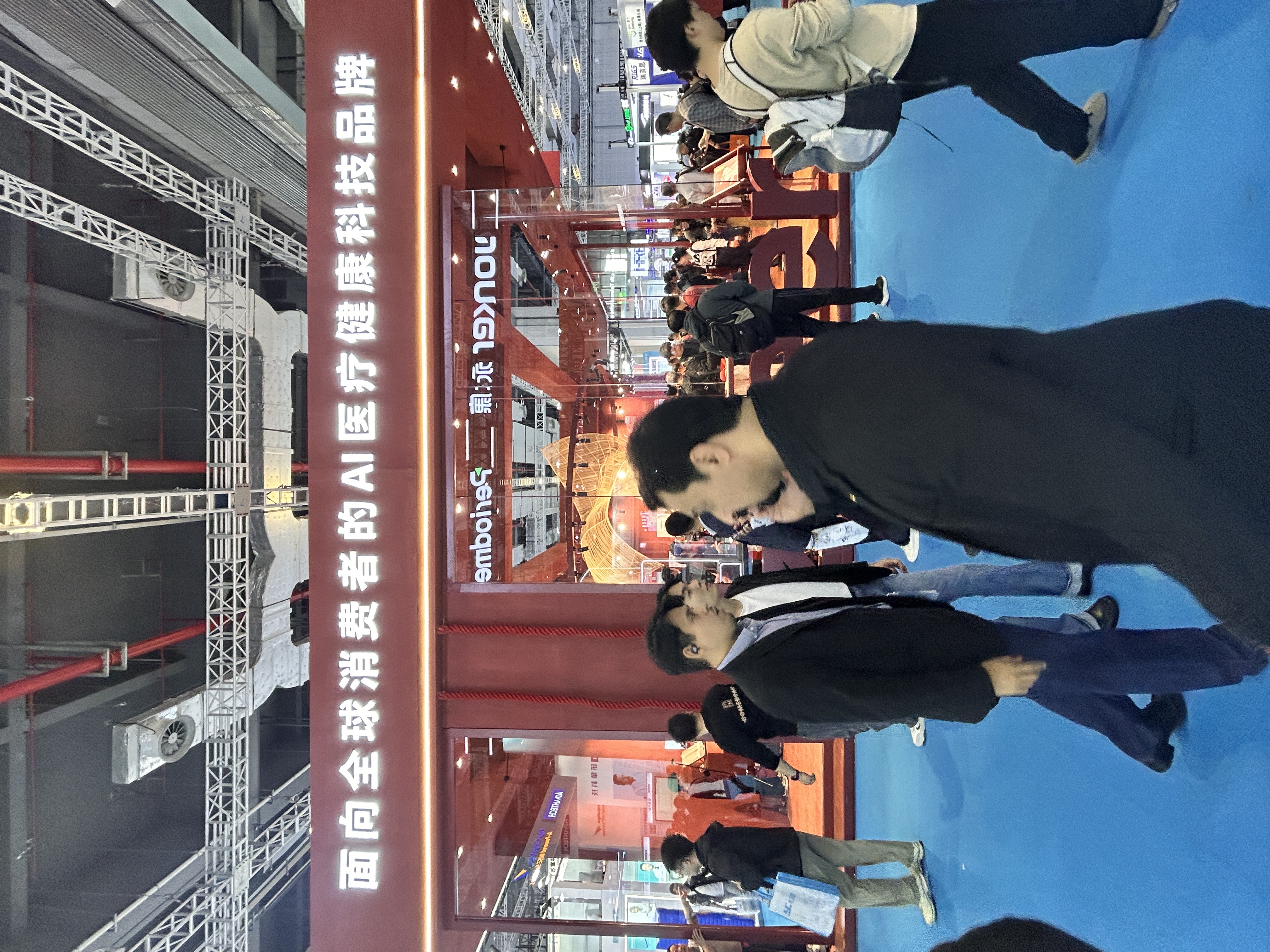
这是专注家庭健康的品牌左点(zdeer)在6.1号馆J38的展位,以“左点·红庭”为主题。

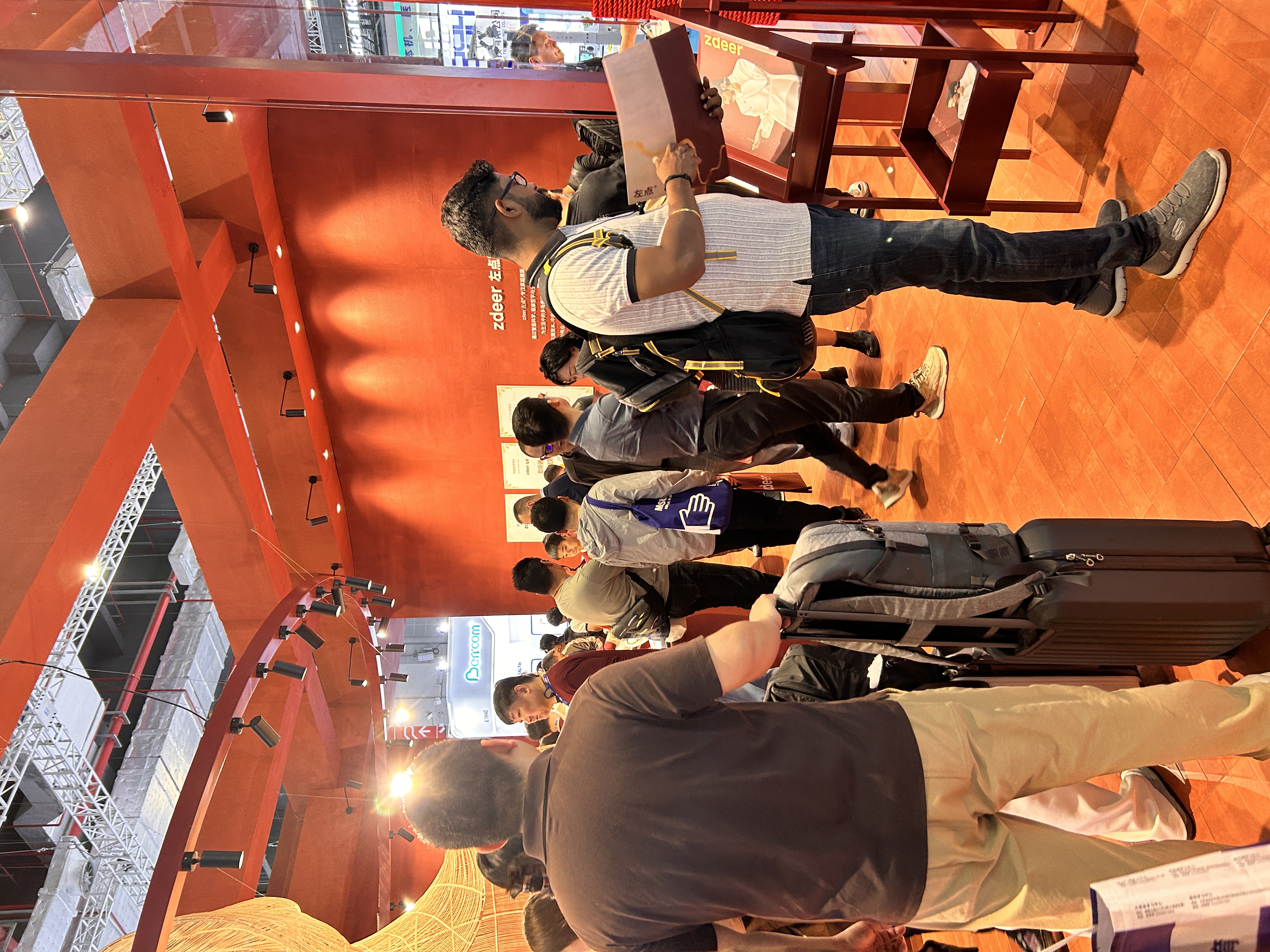
亿邦动力走近观看,展台设计刻意弱化了传统医疗器械展的冷峻感,没有白色刺眼的墙壁,没有亮色灯光,而是丹砂色、麻绳、艺术漆,更像一个温暖的家居生活空间,在整个展馆,独树一帜。

这或许正是左点想要传递的信号:家庭健康产品,不必像医院设备那样“有距离感”。展馆分为两大板块:科技医疗(助听器、生发仪、睡眠仪等)与健康生活(小艾盒、砭石按摩器、智能口腔喷雾等)。

据悉,左点(zdeer)成立于2014年,总部位于武汉光谷,是一家专注家庭健康的科技品牌。创始人朱江涛,从代理销售血压计等传统家用医疗器械起步,后进入家用医疗器械领域。专注家用化、便携化,截至目前,左点已申请3693项自主专利,取得38张国家医疗器械注册证。

融资方面,左点已获高瓴创投、中金汇融、天图资本、清流资本等机构5轮数亿元融资。左点的产品布局分为两大板块。科技医疗:助听器、生发仪、睡眠仪、鼻炎治疗仪等,定位“解决小部分人的大问题”。健康生活:智能艾灸盒、砭石按摩器、智能口腔喷雾、足浴桶等,定位“解决大部分人的小问题”。

其中,左点助听器为其核心产品,线上市场份额超过50%,产品通过APP提供线上1V1定制化验配服务,将传统万元级助听器价格降至千元档。

渠道方面,线上,左点已进驻京东、天猫、抖音、小红书、阿里健康、天猫超市等电商渠道。线下渠道方面,

商超端:山姆、Costco、胖东来、永旺、沃尔玛等头部会员制超市及连锁商超;品牌体验端:万象城、武商Mall等一线及新一线城市高端商圈直营店;药房渠道:国药集团、高济健康、老百姓大药房等全国性连锁药房

据悉,从年龄结构来看,左点的核心用户远非传统认知中的中老年群体,而是以25至40岁的Z世代和精致妈妈为主力,性别分布上女性占据主导,但针对助听器等医疗属性较强的产品线,则呈现出“年轻子女购买、年长父母使用”的代际传递特征。

从地域分布看,下沉市场用户更倾向于为“疗效刚需”买单,聚焦助听器、生发仪等解决具体问题的产品;而高线城市用户则更注重“悦己体验”,热衷于智能艾灸盒、砭石按摩器等提供情绪价值与生活仪式感的产品。

左点方面表示,整体而言,左点的用户并非单一维度的人群,而是一群借助科技手段,试图在碎片化生活中重建身体秩序、缓解健康焦虑的现代都市人。

亿邦持续追踪报道该情报,如想了解更多与本文相关信息,请扫码关注作者微信。

【版权提示】亿邦动力倡导尊重与保护知识产权。未经许可,任何人不得复制、转载、或以其他方式使用本网站的内容。如发现本站文章存在版权问题,烦请提供版权疑问、身份证明、版权证明、联系方式等发邮件至run@ebrun.com,我们将及时沟通与处理。

已点赞

+1

{{ praise_text }}

好文章,值得被更多人看到

FAQ回顾

左点品牌的核心产品有哪些?

左点产品分为科技医疗和健康生活两大板块。科技医疗包括助听器、生发仪、睡眠仪等,解决特定健康问题;健康生活包括智能艾灸盒、砭石按摩器等,注重日常保健。其中助听器是核心产品,线上市场份额超50%。

左点品牌的用户群体有哪些特征?

左点核心用户为25-40岁的Z世代和精致妈妈,女性为主。助听器等产品呈现年轻子女购买、年长父母使用的代际特征。下沉市场用户偏好功能型产品,高线城市用户注重悦己体验。

左点品牌的发展历程和融资情况如何?

左点2014年成立于武汉,从代理血压计起步。已申请3693项专利,获得38张医疗器械注册证。完成5轮数亿元融资,投资方包括高瓴创投、中金汇融、天图资本等机构。

广告

下一篇

征集报名《品牌数字化服务商资源手册》

《品牌数字化服务商资源手册》展示数字化服务商风采,亿邦全年零售大会通发,触达更多资源,马上加入!

马上入驻

装睡的品牌 正在被年轻人集体抛弃

糖酒会遇冷,或许是一场变革的前奏。有人30万没有回本,有的展位排起长队……从低度酒到气泡感,从盲盒到即时零售,年轻一代正在加速重塑行业生态。

独家 未来零售

2026-04-13 17:16:38