• 亿邦公众号
    • APP下载

中奥通宇:技术+设计双轮驱动,深耕大客户采购与员工福利赛道

作者:亿邦动力 文章来源:亿邦动力

2026-03-05 14:38

作者:亿邦动力 文章来源:亿邦动力

2026-03-05 14:38

邦小白快读

EN
全文速览

中奥通宇2025年业务亮点突出技术驱动和稳健发展:

1. 公司优化整体资产收益率,在行业挑战下保持抗风险能力,实现健康经营;

2. 逆势加大研发投入,将AI技术深度融入积分商城和员工福利等核心业务,提升运营效率;

3. 正式启动海外业务,参加法国时尚展,并与国际教科文组织合作开发文化产品,为品牌出海迈出实质性步伐。

核心竞争力聚焦设计与定制:

1. 拥有专业设计团队,从顶级院校聘请人才,提供IP形象设计、产品开发到供应链生产一体化服务,如成功参与鸟巢吉祥物和冰墩冬奥衍生品项目;

2. 技术自主研发所有业务平台,包括中台系统和客户服务系统,拥有近百项发明专利,实现订单分钟级流转和全国仓配实时同步。

2026年战略布局明确务实:

1. 继续提升资产收益率,保持财务稳健;

2. 拓展海外市场,增设销售网点,推动自有设计产品出海,并深化员工福利赛道,依托服务大客户经验,为集团提供一站式方案;

3. 全面渗透AI技术,应用于需求预测、智能选品和营销创意,探索礼品+智能硬件融合创新。

中奥通宇的品牌营销和产品研发模式值得借鉴:

1. 设计定制作为品牌差异化核心,通过专业团队开发高附加值IP衍生品,如鸟巢吉祥物和冰墩墩项目,避免同质化价格战,提升品牌溢价;

2. 品牌渠道建设依托海外拓展,2025年启动香港子公司业务,采取轻资产+本地合作策略,优先与中资企业或分销商合作,降低风险并扩展国际影响力;

3. 产品研发深度整合AI技术,应用于商品智能匹配和营销活动策划,提升创新效率,同时探索机器人+礼品融合的新消费趋势。

消费趋势洞察基于大客户服务:

1. 员工福利集采化趋势明显,央国企及大型企业需求增长,公司依托银行、航空经验提供一站式解决方案;

2. 用户行为观察显示技术驱动运营,AI赋能数据分析,提升客户黏性和转化率。

品牌出海策略提供实操参考:

1. 参加法国巴黎时尚礼品展,建立欧洲渠道联系,承接中法建交60周年文化项目,获得官方认可,强化品牌国际化形象。

政策解读与市场机会揭示央国企采购数字化挑战:

1. 行业面临系统互通弱、标准不统一问题,但中奥通宇通过技术解决,如自主研发订单分钟级流转系统,提供应对措施;

2. 增长市场聚焦员工福利赛道,抓住央国企集采化趋势,卖家可借鉴其技术+运营模式开拓大客户。

消费需求变化带来机会提示:

1. 海外市场需求增长,中奥通宇采取轻资产+本地合作策略,优先与中资企业合作,降低收款风险和管理成本,卖家可学习这种风险规避方法;

2. 事件应对措施如冬奥会期间快速响应市场,与工厂联动实现产到销无缝衔接,提供可复制的商业应急方案。

正面影响与可学习点突出:

1. 公司财务稳健,无负债无外部投资,基于现金流滚动发展,卖家可参考其风险控制;

2. 最新商业模式整合AI技术,应用于智能选品和营销创意,2026年计划封装AI工具赋能客户,提供合作方式灵感。

扶持政策启示虽未直接提及,但技术研发投入可视为内部扶持,鼓励卖家逆势投资创新。

产品生产和设计需求体现一体化能力:

1. 中奥通宇设计团队具备IP形象设计、产品开发到供应链生产全链条服务,如冬奥冰墩墩项目快速响应市场需求,与工厂联动实现产能调度和品质管控;

2. 生产需求强调高附加值定制,避免同质化,工厂可参考其品牌化生产策略提升竞争力。

商业机会聚焦海外和数字化:

1. 海外业务拓展带来合作空间,公司参加法国展并合作开发文化产品,计划2026年增设销售网点,工厂可对接其设计产品出海需求;

2. 推进数字化启示明显,AI技术深度应用于运营,如商品智能匹配和仓配实时同步,工厂可学习技术驱动效率提升。

产能优化方案提供实操参考:

1. 公司财务稳健支持逆势投资硬件,如北京总部升级,工厂可借鉴现金流管理;

2. 供应链协同平台自主开发,实现高效履约,工厂可探索类似系统提升生产响应速度。

行业发展趋势围绕央国企采购数字化深化:

1. 当前面临系统互通弱、标准不统一瓶颈,但中奥通宇技术驱动提供创新路径,如自主研发业务平台解决互通问题;

2. 新技术如AI深度应用成为焦点,公司将其融入商品匹配、营销策划和数据分析,构建数据驱动运营体系。

客户痛点与解决方案实操性强:

1. 痛点包括履约准确率低和运营效率不足,公司通过订单分钟级流转、全国仓配实时同步技术实现解决方案;

2. AI赋能客户需求预测和智能选品,解决数据分析难题,2026年计划封装AI工具为轻量级服务。

服务模式创新提示生态协同:

1. 海外业务采用轻资产+本地合作策略,降低管理成本,服务商可学习这种风险规避方案;

2. 设计定制能力整合IP衍生品服务,提供一体化方案如鸟巢项目,服务商可参考其供应链优化模型。

商业对平台需求聚焦系统互通和技术融合:

1. 央国企采购数字化中系统互通弱是核心问题,中奥通宇通过自主研发业务中台、客户服务等平台提供响应方案;

2. 平台运营管理需求体现在订单处理,公司实现分钟级流转和仓配同步,平台商可参考其技术架构提升效率。

平台最新做法强调自主开发和AI整合:

1. 所有平台如供应商协同系统和内部运营系统均自主开发,拥有近百项专利,确保掌控力;

2. AI全面渗透运营,应用于选品和营销创意,平台商可学习此数据驱动模式。

风险规避策略提供实用指导:

1. 海外拓展采取轻资产+本地合作,优先与中资企业合作,降低收款风险,平台商可应用类似招商策略;

2. 财务稳健基于自有资金滚动发展,无负债运营,平台商可规避融资风险,逆势投资硬件如总部升级。

平台招商启示虽未明说,但员工福利赛道拓展依托大客户经验,平台商可对接其集团客户需求。

产业新动向揭示央国企采购数字化深化瓶颈:

1. 系统互通弱、标准不统一和业务与技术融合不足仍制约发展,中奥通宇案例提供创新路径;

2. 新问题包括技术应用不足,公司通过AI深度整合解决方案如商品匹配和数据分析,为产业提供参考。

商业模式分析聚焦双轮驱动和轻资产:

1. 技术+设计双轮驱动模式,自主研发所有平台,结合设计定制能力避开价格战,实现高附加值;

2. 轻资产策略在海外业务中体现,通过本地合作降低管理成本,研究者可探讨其可持续性。

政策法规启示基于实践:

1. 虽无直接建议,但公司财务策略坚持现金流为王、无外部投资,提示政策应支持稳健经营;

2. 海外布局与国际教科文组织合作,研究者可分析文化产品出口的法规影响。

未来方向包括AI全面渗透和新兴品类探索,如2026年计划机器人+礼品融合,研究者可关注此产业新增长点。

声明:快读内容全程由AI生成,请注意甄别信息。如您发现问题,请发送邮件至 run@ebrun.com 。

我是 品牌商 卖家 工厂 服务商 平台商 研究者 帮我再读一遍。

Quick Summary

Zhongao Tongyu's 2025 business highlights emphasize technology-driven growth and resilient operations:

1. The company optimized its overall asset return ratio, maintaining strong risk resilience amid industry challenges to ensure healthy operations.

2. It increased R&D investment against market trends, deeply integrating AI into core businesses like loyalty points malls and employee benefits to enhance operational efficiency.

3. The firm officially launched overseas operations by participating in a French fashion exhibition and collaborating with UNESCO on cultural products, marking concrete steps toward global expansion.

Core competitiveness centers on design and customization:

1. With a professional design team recruited from top-tier institutions, it offers integrated services—from IP character design and product development to supply chain production—exemplified by successful projects like the Bird's Nest mascot and Winter Olympics Bing Dwen Dwen merchandise.

2. The company independently develops all business platforms, including middleware and customer service systems, backed by nearly 100 invention patents, enabling minute-level order processing and real-time nationwide warehouse synchronization.

2026 strategic plans are clear and pragmatic:

1. Continue improving asset returns to ensure financial stability.

2. Expand overseas markets by adding sales outlets, promoting in-house designed products globally, and deepening the employee benefits segment by leveraging experience with large clients to offer one-stop solutions for corporate groups.

3. Fully integrate AI technology for demand forecasting, intelligent product selection, and marketing creativity, while exploring innovations like gift-smart hardware integration.

Zhongao Tongyu's brand marketing and product development model offers valuable insights:

1. Design customization serves as a key differentiator, with professional teams creating high-value IP derivatives (e.g., Bird's Nest mascot, Bing Dwen Dwen) to avoid homogeneous price wars and enhance brand premium.

2. Brand channel development relies on overseas expansion, launching a Hong Kong subsidiary in 2025 with a capital-light, local-partnership approach, prioritizing collaborations with Chinese enterprises or distributors to mitigate risks and boost international influence.

3. Product R&D deeply integrates AI for smart product matching and marketing campaign planning, improving innovation efficiency while exploring new trends like robotics-gift fusion.

Consumer trend insights are derived from serving major clients:

1. Centralized procurement for employee benefits is growing among state-owned enterprises and large corporations; the company leverages experience with banks and airlines to provide one-stop solutions.

2. User behavior analysis shows technology-driven operations, where AI-powered data analytics increase customer loyalty and conversion rates.

Global expansion strategies provide actionable references:

1. Participation in France's Paris Fashion Gift Fair established European channel connections, and cultural projects for the 60th anniversary of Sino-French diplomatic relations gained official endorsement, strengthening the brand's international image.

Policy interpretation and market opportunities reveal digitalization challenges in state-owned enterprise procurement:

1. The industry faces weak system interoperability and inconsistent standards, but Zhongao Tongyu addresses these through self-developed, minute-level order processing systems, offering actionable solutions.

2. Growth markets focus on the employee benefits segment; sellers can emulate its technology-operations model to target large clients amid centralized procurement trends.

Shifting consumer demands present opportunities:

1. Rising overseas demand is met with a capital-light, local-partnership strategy, prioritizing collaborations with Chinese firms to reduce payment risks and management costs—a replicable risk-mitigation approach.

2. Crisis response measures, such as rapid market adaptation during the Winter Olympics via factory coordination, demonstrate scalable commercial contingency plans.

Positive impacts and learnable practices stand out:

1. The company maintains financial stability with zero debt and no external investment, relying on cash flow for growth—a model for risk control.

2. Its latest business model integrates AI for intelligent product selection and marketing creativity, with plans to package AI tools for clients in 2026, inspiring partnership ideas.

While not explicitly mentioned, heavy R&D investment acts as an internal support mechanism, encouraging sellers to innovate counter-cyclically.

Product production and design needs highlight integrated capabilities:

1. Zhongao Tongyu’s design team offers end-to-end services from IP design to supply chain production, as seen in the swift response for Bing Dwen Dwen merchandise, where factory collaboration enabled flexible capacity allocation and quality control.

2. Production demands emphasize high-value customization to avoid homogeneity; factories can adopt similar branding strategies to boost competitiveness.

Business opportunities focus on overseas expansion and digitalization:

1. Global growth opens collaboration avenues, with participation in French exhibitions and cultural product development, plus plans for new sales outlets in 2026—factories can align with its export needs.

2. Digital transformation is evident through AI applications in operations like product matching and real-time warehouse synchronization, offering efficiency lessons.

Capacity optimization provides practical references:

1. Financial stability supports counter-cyclical hardware investments (e.g., Beijing HQ upgrades), showcasing cash flow management worth emulating.

2. Self-developed supply chain coordination platforms ensure efficient fulfillment, inspiring factories to adopt similar systems for faster production responses.

Industry trends revolve around deepening digitalization in state-owned enterprise procurement:

1. Current bottlenecks include weak system interoperability and inconsistent standards, but Zhongao Tongyu’s tech-driven approach (e.g., self-built business platforms) offers innovative solutions.

2. Deep AI integration is a focal point, applied to product matching, marketing, and data analytics to build data-driven operations.

Client pain points and solutions are highly actionable:

1. Issues like low fulfillment accuracy and operational inefficiency are addressed through minute-level order processing and nationwide warehouse synchronization.

2. AI enables demand forecasting and intelligent product selection, tackling data analysis challenges, with plans to package AI tools as lightweight services in 2026.

Service model innovations highlight ecosystem synergy:

1. Overseas operations use a capital-light, local-partnership model to reduce management costs—a replicable risk-mitigation strategy.

2. Integrated design customization for IP derivatives (e.g., Bird’s Nest project) provides end-to-end solutions, offering supply chain optimization insights.

Commercial demands for platforms center on system interoperability and technology integration:

1. Weak interoperability in state-owned enterprise procurement is a key issue; Zhongao Tongyu’s self-developed middleware and customer service platforms present responsive solutions.

2. Platform management needs are met through minute-level order processing and warehouse synchronization, offering technical architecture references for efficiency gains.

Latest platform practices emphasize in-house development and AI integration:

1. All platforms, including supplier coordination and internal systems, are independently built, supported by nearly 100 patents to ensure control.

2. Full AI penetration in operations (e.g., product selection, marketing) provides a data-driven model worth studying.

Risk mitigation strategies offer practical guidance:

1. Overseas expansion adopts capital-light, local partnerships, prioritizing Chinese enterprises to reduce payment risks—applicable to platform merchant recruitment.

2. Financial stability through self-funded, debt-free growth allows counter-cyclical hardware investments (e.g., HQ upgrades), avoiding financing risks.

While not explicit, employee benefits segment growth leverages large-client experience, suggesting platform opportunities to serve corporate group needs.

Industry developments reveal deepening digitalization bottlenecks in state-owned enterprise procurement:

1. Constraints like weak system interoperability, inconsistent standards, and poor business-technology integration persist, but Zhongao Tongyu’s case offers innovative pathways.

2. Inadequate technology application is addressed through deep AI integration (e.g., product matching, data analytics), providing industry benchmarks.

Business model analysis highlights dual-drive and capital-light strategies:

1. A technology-design dual-drive model combines self-built platforms with customization to avoid price wars and achieve high value-add.

2. Capital-light overseas operations via local partnerships reduce management costs, inviting research into their sustainability.

Policy implications are practice-based:

1. While no direct recommendations exist, the firm’s cash flow-focused, zero-external-investment approach suggests policies should support stable operations.

2. Global collaborations (e.g., with UNESCO) offer avenues to study regulatory impacts on cultural product exports.

Future directions include full AI integration and emerging category exploration (e.g., robotics-gift fusion in 2026), pointing to new growth areas for research focus.

Disclaimer: The "Quick Summary" content is entirely generated by AI. Please exercise discretion when interpreting the information. For issues or corrections, please email run@ebrun.com .

I am a Brand Seller Factory Service Provider Marketplace Seller Researcher Read it again.

【亿邦原创】在央国企采购数字化加速转型的背景下,尽管取得了一定进展,但系统互通弱、标准不统一、业务与技术融合不足等问题仍制约其深化发展。为系统梳理行业瓶颈与创新路径,亿邦智库聚焦供应链服务侧视角,旨在从供应商视角切入,发起供应链服务侧视角系列访谈,复盘2025年成果,展望2026年策略,涵盖技术、服务模式创新及生态协同等方面,以期为供应链服务商群体的整体发展路径与未来方向提供参考。

受访人:中奥通宇董事长/CEO 刘向锋

访谈人:亿邦智库联席院长 赵廷超

              亿邦智库高级分析师 张晶

亿邦智库:中奥通宇成立近20年,在银行、航空等大客户领域积累了深厚基础。2025年公司在核心业务上有哪些亮点?

刘向锋:2025年对整个行业而言是极具挑战的一年,但中奥通宇凭借稳健的经营策略和扎实的业务基础,依然实现了稳定发展,取得来之不易的成绩。首先,公司在整体资产收益率上持续优化,经营、发展非常健康,这让我们在市场波动中保持极强的抗风险能力。其次,在别人缩减投资时,我们逆势加大投入——我们持续扩充研发团队,将AI技术深度融入积分商城、员工福利等核心业务,提升运营效率;同时完成了北京总部中奥科技大厦的硬件升级;第三,我们正式启动了海外业务布局,组建专门团队赴法国参加全球时尚产品展览,并与国际教科文组织合作开发中法建交60周年文化产品,为品牌出海迈出实质性一步。

亿邦智库:中奥通宇在服务大客户方面有独特的技术+运营模式,能否具体介绍一下技术优势如何赋能业务?

刘向锋:我们创始团队本身就是技术出身,2006年创业前我曾在美国NCR、亚信科技等公司从事数据仓库和系统集成工作,因此从一开始我们就坚持自主研发,业务发展始终以技术为驱动。目前公司拥有近百项项发明专利和软件著作权,所有业务平台——包括业务中台系统、客户服务系统、供应商协同平台、内部运营平台等——全部自主开发。这种技术底层的掌控力使我们能够快速响应客户需求,比如为大型银行提供积分服务的时候,可实现订单分钟级流转、全国仓配实时同步,确保履约准确率。2025年我们已经进一步将AI技术深度应用于商品智能匹配、营销活动策划和客户数据分析中。技术不仅是工具,更是我们为客户创造价值的核心引擎。

亿邦智库:2025年公司在海外市场迈出重要一步,目前的进展如何?

刘向锋:是的,2025年是中奥通宇国际化的元年。我们依托香港子公司,正式启动海外业务拓展。一方面,我们带着自主研发的文创产品参加法国巴黎的时尚礼品展,与欧洲多家渠道商建立联系;另一方面,我们承接了中法建交60周年部分文化交流物资的设计与供应,产品得到两国官方机构的认可。在业务模式上,我们采取“轻资产+本地合作”策略,优先与当地中资企业或成熟分销商合作,降低收款风险和管理成本。预计2026年会有更多海外项目落地。

亿邦智库:中奥通宇的设计定制能力在行业内口碑突出,例如鸟巢吉祥物、冰墩墩等知名IP衍生品都由贵公司深度参与,这部分业务是如何构建核心竞争力的?

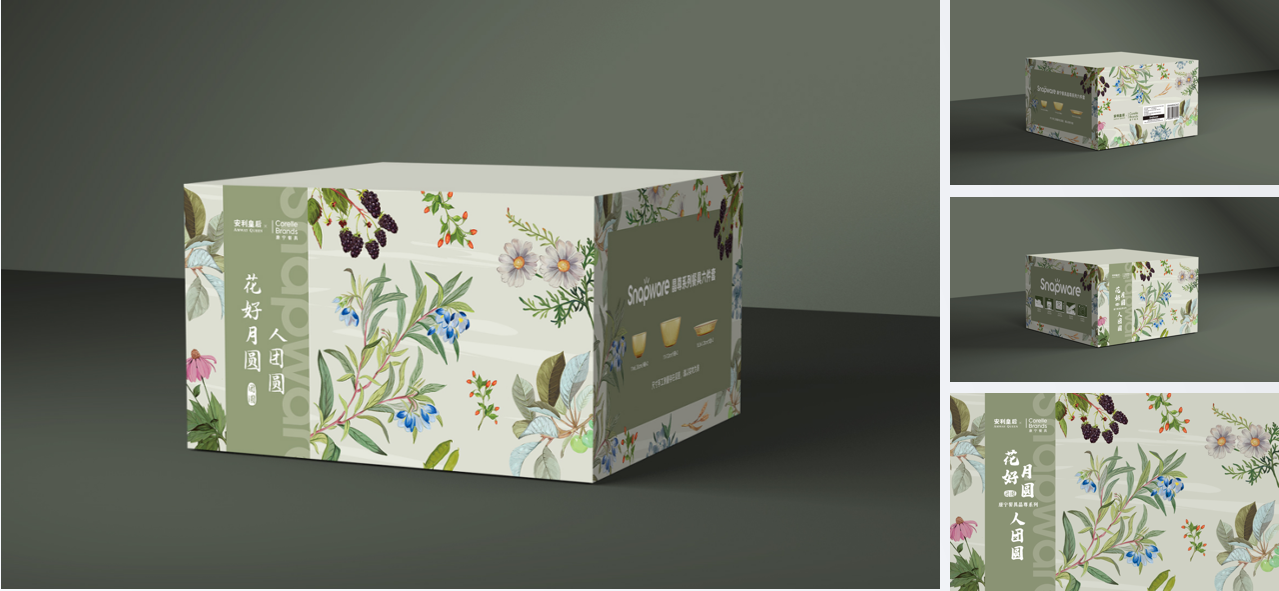
刘向锋:设计定制是我们区别于纯贸易型供应商的重要护城河。公司拥有一支专业设计团队,成员来自广州美院、清华美院等顶尖院校,具备从IP形象设计、产品开发到供应链生产的一体化能力。2022年北京冬奥会期间,公司在春节期间快速响应市场需求,与工厂联动,实现冰墩墩从产到销的无缝衔接,这背后是强大的产能调度和品质管控能力。2024年,在鸟巢国家体育场吉祥物设计项目,我们的设计师从全国1000多家竞标单位中脱颖而出。这种“IP+衍生品”的能力让我们能够为银行、航空、大型企业提供高附加值的营销礼品,避开同质化价格战,逐渐成为公司市场竞争中的重要能力。
亿邦智库:中奥通宇的财务状况非常健康,无负债、无外部投资,这在当前环境下很难得。这种稳健的财务策略如何支撑长期发展?

刘向锋:我们一直坚持“现金流为王”的经营哲学。20年来,公司的所有扩张都基于自有资金滚动发展。这种稳健让我们在行业低谷时能从容投入——比如去年我们逆势购买物业、扩充团队,今年又能在不依赖融资的情况下启动海外和AI项目。未来我们会继续保持低杠杆,但也不排斥在合适时机引入战略资源,前提是必须与业务协同且不牺牲经营自主权。我们相信,只有底子硬,才能在长跑中胜出。

亿邦智库:2026年,中奥通宇在战略上有哪些重点布局?

刘向锋:2026年我们将围绕三大方向推进:一是进一步提升中奥集团资产收益率,保持公司健康发展。二是兼顾国内外业务的发展:一方面:海外业务深度拓展,在已有基础上增设海外销售网点,推动自有设计产品和文化礼品出海,力争海外营收占比有实质性提升;另一方面:拓展员工福利赛道,抓住央国企及大型企业员工福利集采化趋势,依托我们服务银行、航空积累的技术和运营经验,为更多集团客户提供一站式福利解决方案。三是AI技术全面渗透,将AI应用于客户需求预测、智能选品、营销创意生成等环节,构建数据驱动的运营体系,同时探索将AI能力封装成轻量级工具赋能客户,全面提升公司运营效率和运营水平。此外,我们还在积极布局机器人等新兴消费品类,探索“礼品+智能硬件”的融合创新,为未来培育新增长点。

亿邦智库将持续关注央国企数字化采购领域的最新进展,如想了解更多与本文相关信息,请扫码关注作者微信或发送邮箱。

联系邮箱为:zhangjing@ebrun.com


【版权提示】亿邦动力倡导尊重与保护知识产权。未经许可,任何人不得复制、转载、或以其他方式使用本网站的内容。如发现本站文章存在版权问题,烦请提供版权疑问、身份证明、版权证明、联系方式等发邮件至run@ebrun.com,我们将及时沟通与处理。

已点赞

+1

{{ praise_text }}

好文章,值得被更多人看到

FAQ回顾

中奥通宇2026年的战略重点有哪些?

2026年中奥通宇将聚焦三大方向:提升资产收益率保持健康发展;深度拓展海外业务增设销售网点,同时拓展员工福利赛道服务央国企集采需求;全面渗透AI技术于需求预测、智能选品等环节,并布局机器人等新兴消费品类。

中奥通宇的技术优势如何赋能业务?

中奥通宇拥有近百项发明专利和软件著作权,所有业务平台均自主开发。技术优势实现订单分钟级流转、全国仓配实时同步,2025年已将AI深度应用于商品智能匹配、营销策划和数据分析,提升运营效率。

中奥通宇的设计定制能力有哪些核心竞争力?

公司拥有来自广州美院、清华美院的设计团队,具备从IP形象设计到供应链生产的一体化能力。曾深度参与鸟巢吉祥物、冰墩墩等知名IP衍生品开发,在竞标中脱颖而出,形成高附加值定制护城河。

广告

下一篇

征集报名《品牌数字化服务商资源手册》

《品牌数字化服务商资源手册》展示数字化服务商风采,亿邦全年零售大会通发,触达更多资源,马上加入!

马上入驻

瑞幸大股东 为何买下蓝瓶咖啡?

3月4日,彭博社援引知情人士称,瑞幸咖啡背后的私募股权机构大钲资本,正就收购蓝瓶咖啡(Blue Bottle Coffee)与雀巢进行深入谈判,交易已进入最后阶段。

未来零售

2026-03-05 11:34:48