• 亿邦公众号
    • APP下载

持续提升资源利用效率 希音15家场所获“废弃物零填埋”认证

作者:龚作仁 文章来源:Laborer

2026-02-26 10:59

作者:龚作仁 文章来源:Laborer

2026-02-26 10:59

邦小白快读

EN
全文速览

希音在可持续发展方面取得显著进展,其重点信息和实操干货值得关注。

1. 获得15家场所的“废弃物零填埋”认证:包括仓储物流园区等,通过国际机构TÜV莱茵评价,优化管理流程实现碳减排和资源化利用。

2. 推行废弃物全生命周期管理:在仓储环节审查包装材料,提升重复利用率,减少一次性材料,累计减少或避免约932公吨废弃物。

3. 创新“小单快反”供应链模式:按需生产减少传统服装行业的高库存问题,从源头降低生产浪费。

4. 提升能源效率措施:推广屋顶光伏、优化照明制冷系统、新建数字化能源管理系统、投放新能源电车,肇庆园区获碳中和认证。

5. 投资智慧供应链:超百亿元布局大湾区城市,践行绿色环保理念,覆盖规划设计到运营全流程。

希音通过绿色行动提升品牌价值和行业影响力,焦点在品牌营销和产品研发。

1. 品牌营销:获得国际认证如“废弃物零填埋”和碳中和,树立行业标杆,增强品牌信誉,响应可持续消费趋势。

2. 产品研发:推广再生涤纶原材料、面料前沿数码印染技术,帮助供应商工厂提升能效,创新设计减少浪费。

3. 消费趋势:以用户环保行为为导向,通过绿色升级吸引可持续时尚爱好者,减少产品生命周期资源消耗。

4. 品牌渠道建设:投资智慧供应链优化仓储物流,提升效率和响应速度,强化渠道可靠性。

希音的行动提供可学习点、机会和商业模式启示。

1. 政策解读和风险规避:通过ISO 14001环境管理体系认证,符合国际标准,减少环境风险,如废弃物管理规避填埋问题。

2. 增长市场和机会提示:投资大湾区智慧供应链开拓新市场,废弃物零填埋认证带来成本节约和环保效益机会。

3. 可学习点和商业模式:采用“小单快反”柔性供应链模式减少库存,应对高库存顽疾;合作方式包括与TÜV莱茵等机构合作获得扶持。

4. 事件应对措施:推行屋顶光伏和新能源车等措施,正面应对能源危机,提升仓储效率。

希音推动绿色生产和数字化启示,聚焦产品需求和生产机会。

1. 产品生产和设计需求:供应商工厂需提升能效,采用再生材料如再生涤纶,减少原材料浪费,响应按需生产模式。

2. 商业机会:参与希音供应链可获绿色认证机会,如能效提升项目,带来市场竞争力。

3. 推进数字化和电商启示:通过精益化工具和数码印染技术优化生产流程,利用智慧供应链实现数智化管理。

行业趋势和新技术的解决方案针对客户痛点。

1. 行业发展趋势:时尚产业向绿色转型,废弃物零填埋成为新标准,推动可持续发展。

2. 新技术:推广数码印染技术、屋顶光伏、数字化能源管理系统和新能源电车,提供高效节能方案。

3. 客户痛点和解决方案:针对废弃物管理难题,希音提供全生命周期管理模式,通过审查包装和循环回用减少废弃物;能源效率痛点通过优化照明制冷解决。

希音作为平台优化运营和规避风向,满足商业需求。

1. 平台的最新做法:践行绿色环保理念,在供应链中推行数智化,如投资超百亿元智慧项目提升效率。

2. 运营管理和风向规避:建立ISO 14001和ISO 45001管理体系,规范运行光伏和废弃物项目,减少环境风险。

3. 商业对平台的需求:平台需招商合作伙伴,通过认证吸引供应商;管理问题通过优化仓储物流解决,如提升重复利用率。

希音案例揭示产业动向和政策启示。

1. 产业新动向:时尚行业加速向可持续发展转型,如废弃物零填埋和碳中和成为新趋势。

2. 新问题:如何实现净零排放目标,通过SBTi批准科学减排,解决废弃物处理难题。

3. 政策法规建议和启示:认证标准如TÜV莱茵评价体系提供管理框架,推动企业碳减排;商业模式创新如“小单快反”模式减少资源浪费。

声明:快读内容全程由AI生成,请注意甄别信息。如您发现问题,请发送邮件至 run@ebrun.com 。

我是 品牌商 卖家 工厂 服务商 平台商 研究者 帮我再读一遍。

Quick Summary

SHEIN has made significant progress in sustainability, with key initiatives and practical measures worth noting.

1. Achieved "Zero Waste to Landfill" certification at 15 sites: Including warehouses and logistics parks, certified by TÜV Rheinland, optimizing management processes to reduce carbon emissions and enhance resource utilization.

2. Implemented full-lifecycle waste management: Reviewed packaging materials in warehouses, increased reuse rates, reduced single-use materials, and cumulatively cut or avoided approximately 932 metric tons of waste.

3. Innovated with an "on-demand, fast-response" supply chain model: Reduced overstock issues common in traditional fashion by producing based on demand, minimizing waste at the source.

4. Enhanced energy efficiency measures: Deployed rooftop solar panels, optimized lighting and cooling systems, built digital energy management systems, and introduced electric vehicles, with the Zhaoqing park achieving carbon neutrality certification.

5. Invested in smart supply chains: Allocated over RMB 10 billion to projects in the Greater Bay Area, integrating green practices from planning to operations.

SHEIN enhances brand value and industry influence through green initiatives, focusing on marketing and product development.

1. Brand marketing: Secured international certifications like "Zero Waste to Landfill" and carbon neutrality, setting industry benchmarks and boosting credibility amid rising sustainable consumer trends.

2. Product R&D: Promoted recycled polyester materials and digital printing technologies, assisted supplier factories in improving energy efficiency, and innovated designs to reduce waste.

3. Consumer trends: Aligned with eco-conscious user behavior, attracting sustainable fashion enthusiasts through green upgrades and lowering resource consumption across product lifecycles.

4. Channel development: Invested in smart supply chains to optimize warehousing and logistics, enhancing efficiency, responsiveness, and reliability.

SHEIN's actions offer learnings, opportunities, and business model insights for sellers.

1. Policy compliance and risk mitigation: Obtained ISO 14001 certification to meet international standards, reducing environmental risks like landfill issues through improved waste management.

2. Market opportunities: Investments in smart supply chains in the Greater Bay Area open new markets, while zero-waste certifications yield cost savings and environmental benefits.

3. Learnings and business models: Adopted an agile "on-demand, fast-response" supply chain to minimize inventory, addressing overstock challenges; collaborated with bodies like TÜV Rheinland for support.

4. Crisis response: Measures like rooftop solar and electric vehicles proactively tackle energy crises while boosting warehouse efficiency.

SHEIN drives green production and digitalization, highlighting product demands and production opportunities.

1. Production and design requirements: Supplier factories must improve energy efficiency, use recycled materials like polyester, and adopt on-demand models to reduce raw material waste.

2. Business opportunities: Participation in SHEIN's supply chain offers access to green certifications and energy-saving projects, enhancing market competitiveness.

3. Digital and e-commerce insights: Leveraged lean tools and digital printing to streamline processes, utilizing smart supply chains for data-driven management.

Industry trends and new technologies address client pain points.

1. Industry trends: Fashion is shifting toward sustainability, with zero waste to landfill emerging as a new standard.

2. New technologies: Digital printing, rooftop solar, digital energy management, and electric vehicles provide efficient, energy-saving solutions.

3. Client pain points and solutions: SHEIN's lifecycle waste management tackles disposal challenges via packaging reviews and recycling; energy efficiency is improved through optimized lighting and cooling systems.

SHEIN optimizes operations and mitigates risks as a platform, meeting commercial needs.

1. Platform practices: Embodied green principles in supply chains, investing over RMB 10 billion in smart projects to boost efficiency.

2. Operational management and risk avoidance: Established ISO 14001 and ISO 45001 systems to standardize solar and waste projects, reducing environmental risks.

3. Commercial demands: Platforms must attract partners through certifications; management issues are addressed via warehousing optimizations, such as increasing reuse rates.

SHEIN's case reveals industry shifts and policy implications.

1. Industry trends: Fashion is accelerating its sustainability transition, with zero waste and carbon neutrality becoming key trends.

2. Emerging challenges: Achieving net-zero goals via SBTi-approved emission reductions and addressing waste disposal complexities.

3. Policy and regulatory insights: Certifications like TÜV Rheinland's framework encourage corporate carbon cuts; business model innovations like "on-demand, fast-response" reduce resource waste.

Disclaimer: The "Quick Summary" content is entirely generated by AI. Please exercise discretion when interpreting the information. For issues or corrections, please email run@ebrun.com .

I am a Brand Seller Factory Service Provider Marketplace Seller Researcher Read it again.

希音(SHEIN)在可持续发展方面取得新进展。近日,国际独立第三方机构TÜV莱茵向其颁发了“废弃物零填埋”管理体系评价证书,覆盖其8家仓储物流园区。此前,包括希音服装制造创新研究中心和多个仓储物流园区在内的7家场所已获该项认证,并已全部顺利通过年度审核。至此,希音通过“废弃物零填埋”评价认证的场所总数已增加至15家。
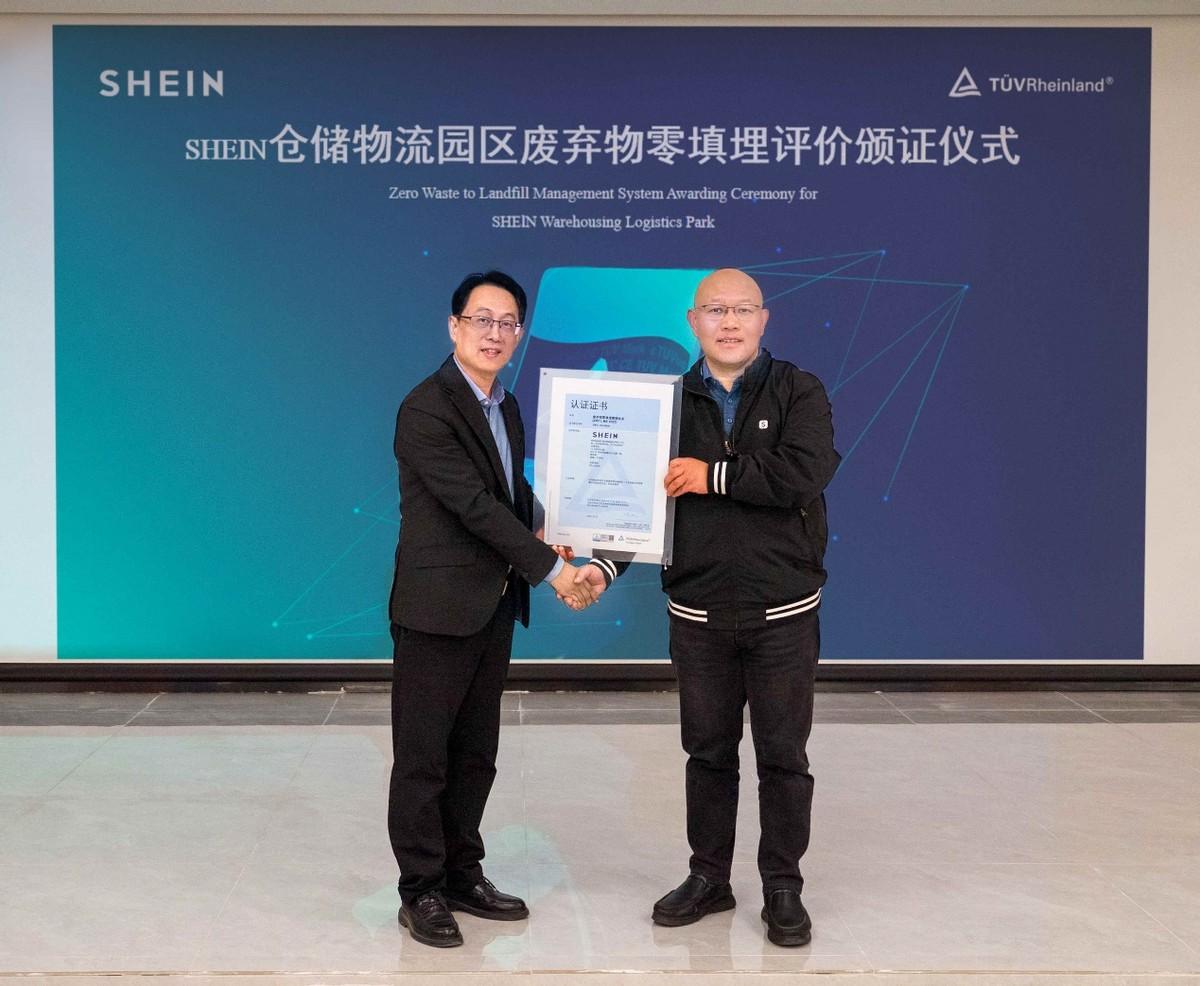
“此次获证,不仅是希音自身可持续发展战略的重要成果,也为整个时尚行业树立了标杆。”TÜV莱茵大中华区客制化服务企业可持续服务总经理陈庆表示,TÜV莱茵一直致力于推动各行业的绿色转型,开发了废弃物零填埋管理体系评价标准,通过管理流程和量化绩效两个维度,评估企业的废弃物管理水平。企业可在现有的ISO 14001环境管理体系基础上,通过优化废弃物管理实现碳减排,并推动废弃物资源化利用。

作为全球领先的时尚和生活方式在线零售商,希音持续以技术创新推进产业的数智化、绿色化升级。其创新的“小单快反”按需生产的柔性供应链模式,破解了传统服装行业的“高库存”顽疾,从源头上帮助行业有效减少了生产浪费。同时,通过研发和推广精益化工具、再生涤纶原材料、面料前沿数码印染技术、供应商工厂能效提升以及环保包装等措施,希音在原材料、生产制造、仓储物流等环节推动产品全生命周期和全流程的绿色升级,助力纺织服装产业实现可持续发展。希音还在2025年宣布了其2050年净零排放目标,其2030年近期、2050年长期科学减排目标已获SBTi(科学碳目标倡议组织)批准。

在仓储物流环节,希音正投资超百亿元,加码布局辐射广州、佛山、肇庆、江门等大湾区城市的智慧供应链体系。这些项目从规划设计、施工建造到管理运营全流程,均践行绿色环保和数智化理念。在已运营的仓储物流园区内,希音围绕源头减量、循环回用、重复利用等关键环节,推行废弃物全生命周期管理模式。例如,通过全面审查仓库内包装材料、耗材及其他物料的使用情况,着力提升重复利用率、减少废弃物产生,并减少一次性材料,相关措施累计已减少或避免了约932公吨废弃物。

近年来,希音还通过推广安装屋顶光伏、优化照明和制冷系统、新建数字化能源管理系统、投放运营上百台9.6米厢式新能源电车等措施,全方位提升仓储物流环节的能源效率。2025年,全球第三方测试、检验和认证机构必维国际检验集团(Bureau Veritas)向希音位于肇庆的一家仓储物流园区颁发了《碳中和核查意见书》,该物流园区成为希音首个实现“碳中和”的物流园区。

另外,希音运营的6家仓储物流园区也在近期通过第三方机构SGS的审核,成功获得ISO 14001环境管理体系与ISO 45001职业健康安全管理体系的双重认证。这表明,相关园区已建立起符合国际标准的管理体系,其现行的屋顶光伏发电、节能减排及废弃物零填埋等项目,均依托该体系的核心模块规范运行。

注:文/龚作仁,文章来源:Laborer,本文为作者独立观点,不代表亿邦动力立场。

【版权提示】亿邦动力倡导尊重与保护知识产权。未经许可,任何人不得复制、转载、或以其他方式使用本网站的内容。如发现本站文章存在版权问题,烦请提供版权疑问、身份证明、版权证明、联系方式等发邮件至run@ebrun.com,我们将及时沟通与处理。

已点赞

+1

{{ praise_text }}

好文章,值得被更多人看到

FAQ回顾

希音有多少家场所获得了废弃物零填埋认证?

希音共有15家场所获得TÜV莱茵颁发的废弃物零填埋管理体系认证,包括8家新认证的仓储物流园区和7家已通过年度审核的场所,如服装制造创新研究中心。

希音如何通过供应链模式减少生产浪费?

希音采用小单快反按需生产的柔性供应链模式,从源头上破解传统服装行业高库存问题,并推广再生涤纶、数码印染技术及环保包装,减少原材料和生产环节的浪费。

希音在仓储物流环节采取了哪些绿色措施?

希音投资超百亿元建设智慧供应链,推行废弃物全生命周期管理,通过屋顶光伏、新能源电车等措施减少约932公吨废弃物,并有园区获碳中和认证及ISO双体系认证。

广告

下一篇

跨境电商资源对接

《全球跨境电商服务商资源手册》第二期手册现已发布,触达更多资源,了解跨境服务商信息,欢迎点击链接下载。

了解详情

FedEx状告美国政府!要求全额退还关税税款

作为“全球三大综合快递巨头”之一的FedEx(联邦快递)日前正式向美国政府提起诉讼,要求全额退还其此前依据《国际紧急经济权力法》(IEEPA)征收的关税税款。

政策 美国 FedEx 跨境电商

2026-02-26 10:37:54