



• 亿邦公众号
    • APP下载

行业首个 海尔智家获评IDC中国AI数字工厂领导者

作者:龚作仁 文章来源:Laborer

2026-01-30 12:24

作者:龚作仁 文章来源:Laborer

2026-01-30 12:24

邦小白快读

EN
全文速览

海尔智家获IDC评为中国AI数字工厂领导者,展示了AI在智能制造中的实际应用和显著成果。

1. AI技术贯穿生产全流程,实现效率提升,例如通过APS AI智能体整合12类数据,达成分钟级排产优化,多联机定制订单换线时间从30分钟缩短至5分钟,订单响应周期压缩至7天。

2. 构建自进化生产系统,支持定制化生产,总装车间部署3D视觉+协作机器人系统,外机车间自动化率达60%,人均效率提升30%。

3. 成果包括产品质量提升和绿色低碳发展,形成用户交互-高端制造-绿色低碳三位一体生态,为行业提供可借鉴案例。

海尔智家AI数字工厂实践强化了品牌形象并推动产品研发,响应消费趋势和用户需求。

1. 品牌营销:获IDC全球性认可,树立行业标杆,提升品牌影响力,成为家电行业首个规模化应用AI智能体技术企业。

2. 产品研发:AI融入高端制造过程,支持定制化生产,例如通过AI智能体实现高精度装配工序,满足个性化消费趋势。

3. 用户行为观察:三位一体生态强调用户交互导向,通过数字孪生技术重构生产场景,提升用户体验,响应市场对高效、绿色产品的需求。

海尔智家AI数字工厂案例为卖家提供增长机会和可学习模式,包括市场变化和应对措施。

1. 机会提示:AI在制造业带来效率变革,如排产优化缩短换线时间,订单响应周期压缩,可应用于其他行业提升竞争力。

2. 可学习点:分钟级排产优化和数字孪生技术应用,解决产线效率低问题,人均效率提升30%,自动化率达60%,可作为实操参考。

3. 最新商业模式:构建用户交互-高端制造-绿色低碳三位一体生态,支持定制化生产,为卖家提供合作方式启示,如整合订单和设备数据。

海尔智家AI数字工厂实践为工厂提供数字化启示和效率提升方案,聚焦生产需求和商业机会。

1. 产品生产和设计需求:AI技术贯穿制造全流程,解决系统独立运行、数据标准不一问题,支持定制化生产,如多联机订单优化。

2. 商业机会:应用AI智能体提升生产效率,外机车间自动化率达60%,人均效率提升30%,带来成本节约和质量变革。

3. 推进数字化启示:基于AI大模型与数字孪生技术,实现绿色低碳可持续发展,为工厂提供电商化转型参考,如构建自进化生产系统。

海尔智家案例揭示行业发展趋势和新技术应用,提供客户痛点解决方案。

1. 行业发展趋势:AI重塑制造业格局,数字工厂成为核心载体,推动质量与效率变革,IDC专项评定显示AI应用方向新颖有借鉴性。

2. 新技术:AI智能体主导自进化生产系统,结合数字孪生、3D视觉+协作机器人技术,实现高精度装配和排产优化。

3. 客户痛点解决方案:针对产线换线效率低、数据孤岛问题,海尔提供全链路智能工厂建设实践,整合12类数据达成分钟级优化,提升自动化率。

海尔智家模式为平台商提供运营管理和招商参考,聚焦商业需求和平台做法。

1. 商业对平台的需求和问题:企业对AI整合需求强烈,如数据统一和产线效率提升,平台需支持类似分钟级排产优化技术。

2. 平台的最新做法:海尔使用数字孪生技术重构生产场景,构建三位一体生态,平台可借鉴此方法优化运营管理,吸引合作伙伴。

3. 平台招商和风向规避:案例展示AI技术落地价值,平台可推广类似解决方案,规避风险如技术融合挑战,通过绿色低碳导向确保可持续发展。

海尔智家AI数字工厂案例揭示产业新动向和商业模式创新,提供政策启示。

1. 产业新动向:AI智能体主导自进化生产系统成为新标杆,IDC首次聚焦AI赛道评定,显示技术融合趋势。

2. 新问题:挑战包括系统独立运行、数据标准不一,需政策支持推动数字化转型,海尔实践提供可落地参考路径。

3. 商业模式:构建用户交互-高端制造-绿色低碳三位一体生态,整合AI大模型与数字孪生,启示可持续发展模式。

4. 政策法规建议:案例强调绿色低碳引领,为产业政策提供启示,如鼓励企业AI落地三个月产生价值,推动高质量发展。

声明:快读内容全程由AI生成,请注意甄别信息。如您发现问题,请发送邮件至 run@ebrun.com 。

我是 品牌商 卖家 工厂 服务商 平台商 研究者 帮我再读一遍。

Quick Summary

Haier Smart Home has been recognized by IDC as a leader in China's AI digital factory sector, demonstrating practical applications and significant achievements of AI in smart manufacturing.

1. AI technology is integrated throughout the entire production process, boosting efficiency. For example, using APS AI agents to consolidate 12 types of data enables minute-level production scheduling optimization, reducing changeover time for customized multi-split unit orders from 30 minutes to 5 minutes and cutting order response cycles to 7 days.

2. The company has built a self-evolving production system that supports customized manufacturing. The final assembly workshop deploys 3D vision and collaborative robotics, achieving 60% automation in external unit workshops and a 30% increase in per capita efficiency.

3. Key outcomes include improved product quality and green, low-carbon development, forming a trinity ecosystem of user interaction, high-end manufacturing, and sustainability—providing a replicable case study for the industry.

Haier Smart Home's AI digital factory practices enhance brand image and drive product development, aligning with consumer trends and user demands.

1. Brand Marketing: Global recognition from IDC establishes industry benchmarks and elevates brand influence, making Haier the first home appliance company to scale AI agent technology.

2. Product R&D: AI integration in high-end manufacturing supports customized production, such as enabling high-precision assembly processes to meet personalized consumption trends.

3. User Behavior Insights: The trinity ecosystem emphasizes user interaction, leveraging digital twin technology to redesign production scenarios, improve user experience, and respond to market demand for efficient, green products.

Haier Smart Home's AI digital factory case offers growth opportunities and learnable models for sellers, highlighting market shifts and adaptive strategies.

1. Opportunity Alert: AI-driven efficiency gains in manufacturing, like optimized scheduling and shorter order response cycles, can be applied across industries to boost competitiveness.

2. Key Takeaways: Minute-level production scheduling and digital twin applications address low production line efficiency, increasing per capita efficiency by 30% and automation rates to 60%—providing actionable references.

3. Emerging Business Models: The trinity ecosystem of user interaction, high-end manufacturing, and sustainability supports customized production, inspiring collaboration methods such as integrating order and equipment data.

Haier Smart Home's AI digital factory practices offer digital transformation insights and efficiency solutions for factories, focusing on production needs and commercial opportunities.

1. Production and Design Demands: AI spans the entire manufacturing workflow, resolving issues like isolated systems and inconsistent data standards, while enabling customized production (e.g., multi-split unit order optimization).

2. Business Opportunities: AI agents improve production efficiency, with external unit workshops achieving 60% automation and 30% higher per capita efficiency, leading to cost savings and quality enhancements.

3. Digital Transformation Insights: Leveraging AI models and digital twins, Haier achieves sustainable, green development, offering a reference for e-commerce transformation, such as building self-evolving production systems.

Haier's case reveals industry trends and new technology applications, providing solutions for client pain points.

1. Industry Trends: AI is reshaping manufacturing, with digital factories as core drivers of quality and efficiency. IDC's assessment highlights novel,借鉴性 AI applications.

2. New Technologies: AI agents power self-evolving production systems, combining digital twins, 3D vision, and collaborative robotics for high-precision assembly and scheduling optimization.

3. Client Pain Point Solutions: Addressing inefficiencies like slow changeovers and data silos, Haier's full-link smart factory实践 integrates 12 data types for minute-level optimizations and higher automation rates.

Haier's model offers operational and partnership insights for platform operators, focusing on commercial needs and platform strategies.

1. Business Demands on Platforms: Companies seek AI integration for data unification and production line efficiency, requiring platforms to support technologies like minute-level scheduling.

2. Platform Innovations: Haier's use of digital twins to redesign production and build a trinity ecosystem can inspire platforms to optimize operations and attract partners.

3. Partnership and Risk Management: The case demonstrates AI's tangible value, enabling platforms to promote similar solutions while mitigating risks (e.g., technology integration challenges) through green, sustainable导向.

Haier's AI digital factory case reveals industry shifts and business model innovations, offering policy implications.

1. Industry Trends: AI agent-driven self-evolving production systems set new benchmarks, with IDC's first AI-focused evaluation highlighting technology convergence.

2. Emerging Challenges: Issues like system isolation and data standardization require policy support for digital transformation, with Haier's实践 providing a viable pathway.

3. Business Models: The trinity ecosystem integrates user interaction, high-end manufacturing, and sustainability, combining AI models and digital twins to inspire sustainable development.

4. Policy Recommendations: The case underscores green leadership, suggesting policies that encourage rapid AI value realization (e.g., within three months) to drive high-quality growth.

Disclaimer: The "Quick Summary" content is entirely generated by AI. Please exercise discretion when interpreting the information. For issues or corrections, please email run@ebrun.com .

I am a Brand Seller Factory Service Provider Marketplace Seller Researcher Read it again.

当前,人工智能正重塑制造业格局。在这一进程中,AI数字工厂作为智能制造的核心载体,已成为推动企业质量变革、效率变革的关键力量。作为国内智能制造领域的引领者,海尔智家始终以智慧家庭战略为导向,依托数字化、智能化等核心能力,积极部署和应用AI智能体技术,推动AI数字工厂建设,并不断收获行业认可。

1月29日,全球著名的科技市场研究机构国际数据公司IDC发布《IDC PeerScape:IDC中国AI数字工厂年度领导者案例,2025》报告。海尔智家旗下胶州中央空调互联工厂成功入选,其获奖项目“AI驱动的全链路智能工厂建设实践”,本质是构建了一套由AI智能体主导的、具备自进化能力的生产系统。这一定位与实践,使海尔智家成为家电行业首个因规模化应用AI智能体技术而获得全球性认可的企业,树立了行业新标杆。

据了解,本次评选是IDC首次聚焦AI赛道的专项评定。参选企业需满足两大核心条件:一是AI数字工厂建设已落地三个月并产生价值;二是AI应用案例方向新颖且有较好的行业借鉴性。这对企业的AI技术落地能力提出了严苛要求。

此次海尔智家成功入选背后,离不开AI智能体技术与工厂智能制造实践的深度融合。针对制造企业各环节系统独立运行、数据标准不一、产线换线效率低等问题,海尔胶州中央空调互联工厂以“AI技术贯穿制造全流程、数字孪生重构生产场景、绿色低碳引领可持续发展”为核心,基于AI大模型与数字孪生等技术,打造出适用于不同工艺的AI智能体,不仅实现生产效率与产品质量的提升,更构建起“用户交互-高端制造-绿色低碳”三位一体的AI智能制造生态,为行业树立技术融合与可持续发展的标杆。
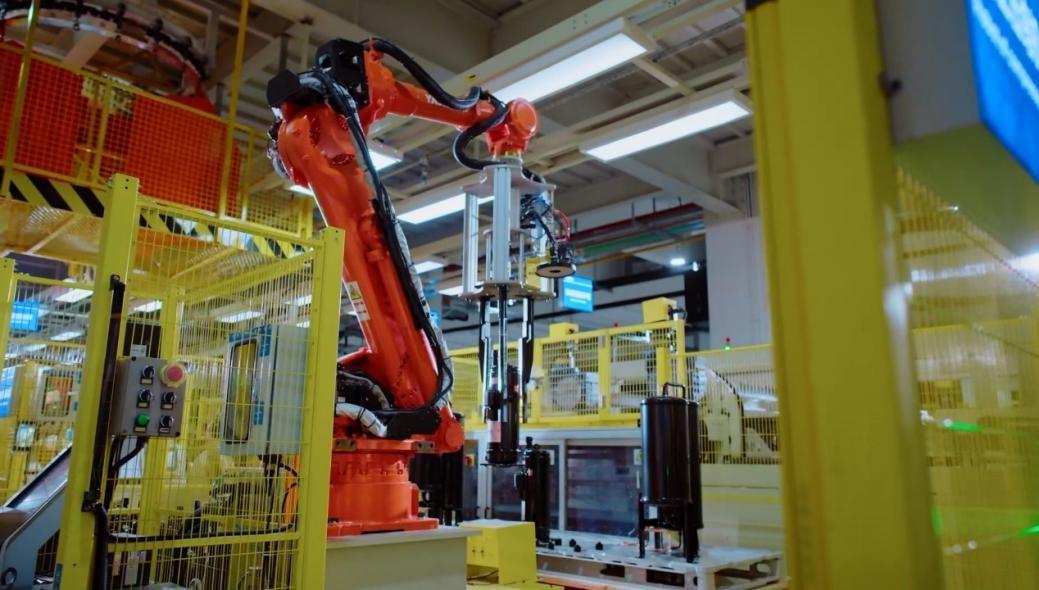
以生产环节为例,工厂将AI技术深度融入生产系统,实现定制化与效率的双重突破。通过搭建APS AI智能体,整合订单优先级、设备产能、物料库存等12类数据,工厂达成“分钟级”排产优化,多联机定制订单换线时间从30分钟缩短至5分钟,订单响应周期压缩至7天。总装车间部署的3D视觉+协作机器人系统,借助AI智能体精准完成高精度装配工序,外机车间自动化率达60%,人均效率提升30%。

海尔智家此次获得IDC权威认证,不仅标志着其AI探索实践获得国际权威认可,也为家电乃至整个制造业的数字化转型提供了可落地的参考路径。未来,海尔智家将继续深化AI在智能制造领域的融合应用,不断完善智能制造体系,助推行业高质量发展和用户体验持续升级。

注:文/龚作仁,文章来源:Laborer,本文为作者独立观点,不代表亿邦动力立场。

【版权提示】亿邦动力倡导尊重与保护知识产权。未经许可,任何人不得复制、转载、或以其他方式使用本网站的内容。如发现本站文章存在版权问题,烦请提供版权疑问、身份证明、版权证明、联系方式等发邮件至run@ebrun.com,我们将及时沟通与处理。

已点赞

+1

{{ praise_text }}

好文章,值得被更多人看到

FAQ回顾

什么是AI数字工厂?

AI数字工厂是智能制造的核心载体,通过部署和应用AI智能体技术,推动企业实现质量变革和效率变革。它以AI大模型、数字孪生等技术为基础,构建具备自进化能力的生产系统。

海尔智家AI数字工厂如何提升生产效率?

海尔胶州工厂通过APS AI智能体整合12类数据,实现分钟级排产优化,多联机定制订单换线时间从30分钟缩短至5分钟。外机车间自动化率达60%,人均效率提升30%。

IDC中国AI数字工厂领导者评选有哪些标准?

IDC评选要求参选企业的AI数字工厂已落地运行三个月并产生实际价值,同时AI应用案例需具备新颖性和行业借鉴性,对技术落地能力要求严苛。

广告

下一篇

跨境电商资源对接

《全球跨境电商服务商资源手册》第二期手册现已发布,触达更多资源,了解跨境服务商信息,欢迎点击链接下载。

了解详情

“狗语翻译项圈”火了 一个卖4000元 拿下5000万融资

在风头正盛的“它经济”热潮下,Traini既蹭上了AI的大热点,又正应对了广大养宠人与“毛孩子”沟通的痛点。

产业互联网

2026-01-30 10:14:47










