



• 亿邦公众号
    • APP下载

冬奥会点燃冰雪热潮 折扣滑雪服成新宠

作者:龚作仁 文章来源:Laborer

2026-01-30 10:22

作者:龚作仁 文章来源:Laborer

2026-01-30 10:22

邦小白快读

EN
全文速览

文章重点介绍了冰雪运动热潮和折扣滑雪服的实用性干货。

1. 冬奥会临近推动冰雪需求增长,2025-2026冰雪季首月滑雪场客流量达3500万人次(同比+10%),消费额363.5亿元(同比+6%),表明参与机会增多。

2. 折扣滑雪服因高性价比走红,消费者可选租赁雪具(如崇礼超100家租赁店提供7万件雪具)或购买折扣品(如唯品会平台低至4折的HALTI或哥伦比亚品牌),节省成本同时提升体验。

3. 专业滑雪服需求上升,消费者不再用普通羽绒服替代,而是选择防水、保暖、耐磨的滑雪服,国货品牌因色彩版式优势受到青睐。

4. 冰雪经济已超万亿元规模,预计2025-2026冬季休闲人数3.6亿人次,收入4500亿元,未来每个雪季都是消费黄金窗口,方便大众规划休闲活动。

消费趋势和用户行为显示滑雪装备市场变革,品牌机会在专业化和国货崛起。

1. 品牌营销需关注冬奥会驱动的冰雪热潮,消费者需求增长(如客流量+10%),滑雪服从“赛事驱动”转向“大众消费”,可持续转型带来新用户群。

2. 用户行为偏好性价比和专业度,不再用冲锋衣替代滑雪服,而是追求防水、保暖等功能,导致折扣大牌(如HALTI)和国潮产品(色彩版式出彩)热销。

3. 产品研发应聚焦高性价比创新,如唯品会平台折扣活动成功,国货品牌可借鉴租赁模式(崇礼案例)提升竞争力。

4. 品牌渠道建设可拓展线上折扣平台(如唯品会热搜词“折扣滑雪服”)和线下租赁店,结合消费趋势抢占市场。

冰雪经济增长带来新机会,消费需求变化提示可操作策略。

1. 增长市场数据明确,2025-2026冰雪季消费额363.5亿元(+6%),预计冬季收入4500亿元,卖家可布局滑雪装备销售或租赁业务。

2. 消费需求层面转向性价比和专业性,事件如冬奥会带动需求,卖家应提供折扣滑雪服(如唯品会4折活动)或租赁服务(崇礼案例),抓住机会提升销量。

3. 风险提示包括竞争加剧(如国货品牌崛起),但机会提示在合作方式,如与平台(唯品会)或品牌(HALTI、哥伦比亚)联营折扣产品。

4. 最新商业模式如雪具租赁(超7万件可租赁)和电商特卖(滑雪今日大牌活动),可学习点:满足消费者对专业装备的即时需求,避免季节性风险。

滑雪服生产需求和电商化启示,推动制造业机会。

1. 产品生产设计需求聚焦专业功能,消费者要求滑雪服具备防水、保暖、耐磨性能,替代普通羽绒服,工厂需优化材料和技术。

2. 商业机会在国货品牌崛起(色彩版式更出彩)和折扣市场,案例如唯品会平台上HALTI滑雪服折扣销售,适合批量生产高性价比产品。

3. 推进数字化和电商启示:冰雪经济规模超万亿元,预计冬季收入4500亿元,工厂可接入平台(如唯品会)销售,或支持租赁模式(崇礼租赁店),实现线上线下一体化。

行业趋势和技术需求揭示客户痛点解决方案。

1. 行业发展趋势:冰雪经济从季节性转向常态化(超万亿元规模),冬奥会驱动需求增长(客流量+10%),预计2025-2026冬季休闲人数3.6亿人次。

2. 新技术虽未直接提及,但客户痛点在于性价比和专业服务缺失,如消费者寻求折扣滑雪服或租赁方案以降低成本。

3. 解决方案包括提供租赁服务平台(崇礼超100家店)和电商折扣系统(唯品会活动),帮客户高效满足专业装备需求,规避资源浪费风险。

平台商业需求和管理策略,聚焦增长机会。

1. 商业对平台需求和问题:消费者寻求高性价比滑雪服(如郑超购买折扣品),平台需处理需求激增(如唯品会“折扣滑雪服”热搜词),问题包括价格竞争。

2. 平台最新做法:唯品会举办滑雪今日大牌活动,折扣至4折(如HALTI滑雪服),吸引用户;崇礼租赁模式(超7万件雪具)显示多样化服务。

3. 平台招商应引入更多品牌(如国潮雪具或国际大牌),运营管理需优化库存和促销,风控规避包括监控需求波动(如季节性风险),但机会在冰雪经济常态化增长。

产业动向和商业模式变革,启示政策与创新。

1. 产业新动向:冰雪经济从“赛事驱动”转向“大众消费”可持续转型(规模超万亿元),数据如2025-2026冬季预计收入4500亿元,新问题在于如何维持常态化增长。

2. 商业模式创新:折扣滑雪服热销(唯品会案例)和租赁模式兴起(崇礼案例)成为新焦点,显示消费者偏好性价比和专业度。

3. 政策法规建议可关注扶持冰雪产业(如冬奥会效应),启示:推动国货品牌发展(色彩版式优势)和线上平台整合,以应对消费升级挑战。

声明:快读内容全程由AI生成,请注意甄别信息。如您发现问题,请发送邮件至 run@ebrun.com 。

我是 品牌商 卖家 工厂 服务商 平台商 研究者 帮我再读一遍。

Quick Summary

The article highlights the winter sports boom and practical tips for discounted ski wear.

1. The approaching Winter Olympics is driving demand, with ski resort visits hitting 35 million (+10% YoY) and spending reaching ¥36.35 billion (+6% YoY) in the first month of the 2025-2026 season, indicating increased participation opportunities.

2. Discounted ski wear is gaining popularity for its value—consumers can rent equipment (e.g., over 100 rental shops in Chongli offering 70,000 items) or buy discounted products (e.g., HALTI or Columbia at up to 60% off on Vipshop), reducing costs while enhancing the experience.

3. Demand for professional ski wear is rising, replacing ordinary down jackets, with consumers prioritizing waterproof, warm, and durable gear. Domestic brands are favored for their color and design advantages.

4. The winter sports economy now exceeds ¥1 trillion, with 360 million participants and ¥450 billion in revenue projected for 2025-2026, making each season a golden window for leisure planning.

Consumer trends and behavior reveal shifts in the ski equipment market, with opportunities in specialization and domestic brands.

1. Brands should leverage Olympics-driven demand growth (e.g., 10% rise in visits), as ski wear transitions from event-driven to mass consumption, enabling sustainable user acquisition.

2. Preferences emphasize value and professionalism—consumers seek functional features like waterproofing over casual alternatives, boosting sales of discounted international brands (e.g., HALTI) and domestic products with stylish designs.

3. R&D should focus on cost-effective innovation, learning from Vipshop’s discount success and rental models (e.g., Chongli case) to enhance competitiveness.

4. Channel expansion can target online discount platforms (e.g., Vipshop’s “discount ski wear” searches) and offline rentals, aligning with trends to capture market share.

Winter sports growth presents new opportunities, with demand shifts suggesting actionable strategies.

1. Clear market data shows ¥36.35 billion in spending (+6% YoY) for 2025-2026, with ¥450 billion winter revenue projected—sellers can expand into ski equipment sales or rentals.

2. Demand prioritizes value and expertise; events like the Olympics drive interest, so offering discounted products (e.g., Vipshop’s 60% off deals) or rental services (Chongli model) can boost sales.

3. Risks include rising competition (e.g., domestic brands), but partnerships with platforms (Vipshop) or brands (HALTI, Columbia) for discounted items offer opportunities.

4. New models like equipment rentals (70,000+ items available) and e-commerce flash sales (e.g., Vipshop’s daily deals) meet immediate demand while mitigating seasonal risks.

Ski wear production demand and e-commerce trends reveal manufacturing opportunities.

1. Product design must emphasize professional features like waterproofing, warmth, and durability, as consumers move beyond ordinary down jackets.

2. Opportunities lie in domestic brand growth (noted for design appeal) and discount markets—e.g., HALTI’s discounted sales on Vipshop support bulk production of cost-effective gear.

3. Digital and e-commerce integration is key; with the winter sports economy exceeding ¥1 trillion and ¥450 billion revenue projected, factories can partner with platforms (Vipshop) or support rental models (Chongli shops) for omnichannel sales.

Industry trends and technical needs highlight solutions for client pain points.

1. The winter sports economy is shifting from seasonal to常态化 (surpassing ¥1 trillion), driven by Olympics-fueled demand (10% visit growth) and 360 million participants projected for 2025-2026.

2. While not explicitly technical, client pain points involve cost-effectiveness and professional service gaps, such as consumers seeking discounted or rental options to reduce expenses.

3. Solutions include rental platforms (100+ shops in Chongli) and e-commerce discount systems (Vipshop campaigns), helping clients efficiently access专业 gear while minimizing waste.

Platform demands and management strategies focus on growth opportunities.

1. Consumer demand for affordable ski wear (e.g., searches for “discount ski wear” on Vipshop) requires handling surges, though price competition poses challenges.

2. Current practices include Vipshop’s flash sales (up to 60% off brands like HALTI) and diversified services like Chongli’s rental model (70,000+ items).

3. Merchant acquisition should expand with domestic and international brands, while operations optimize inventory and promotions. Risk management involves monitoring seasonal fluctuations, but常态化 growth in winter sports offers sustained potential.

Industry shifts and business model innovations inform policy and innovation insights.

1. The winter sports economy is transitioning from event-driven to sustainable mass consumption (exceeding ¥1 trillion), with ¥450 billion revenue projected for 2025-2026; key challenges include maintaining常态化 growth.

2. Innovations like discounted ski wear sales (Vipshop case) and rental models (Chongli case) reflect consumer preference for value and professionalism.

3. Policy recommendations could support industry development (e.g., leveraging Olympics impact), encouraging domestic brand growth (via design strengths) and platform integration to address consumption upgrades.

Disclaimer: The "Quick Summary" content is entirely generated by AI. Please exercise discretion when interpreting the information. For issues or corrections, please email run@ebrun.com .

I am a Brand Seller Factory Service Provider Marketplace Seller Researcher Read it again.

2026年米兰冬奥会开幕在即,全球冰雪运动热潮再度席卷,中国消费者对滑雪装备的需求也呈现增长态势。数据显示,2025—2026冰雪季首月,全国滑雪场累计接待客流量为3500万人次,同比增长10%;消费额达363.5亿元,同比增长6%。其中,折扣滑雪服因高性价比成为市场焦点,折射出冰雪经济从“赛事驱动”向“大众消费”的可持续转型。

米兰冬奥会进入倒计时,各大雪场开始爆满,而性价比也成为年轻消费者走上雪道时重要的考虑因素,央视网报道,在崇礼,今年一个明显的变化是游客选择到雪场租赁滑雪装备。目前,崇礼雪具租赁店超100家,可租赁雪具超7万件。其中,拥有自主品牌的“国潮”雪具的崛起更让租赁模式性价比凸显,成为滑雪爱好者的新偏好。

同样,折扣滑雪服也受到消费者的偏爱,家住北京朝阳的郑超准备在春节假期前往张家口滑雪,他选择在折扣平台上购买滑雪服:“即使HALTI的雪服,折扣下来,也不超过1000元”。而据特卖电商唯品会相关负责人介绍,平台上,“折扣滑雪服”已成热搜词,在1月30日早10点开启的滑雪今日大牌活动中,低至4折的哥伦比亚儿童滑雪服、原价近4000元到手价仅750元左右的HALTI滑雪服等尤其受到关注。
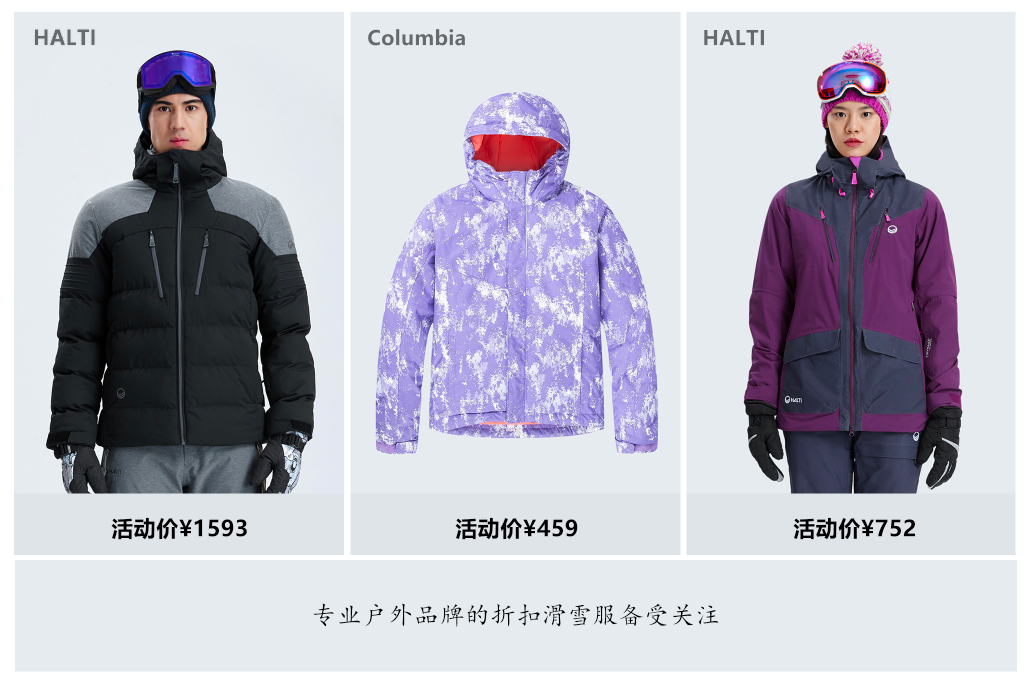
折扣滑雪服走红,一方面意味着消费者更追求滑雪的专业度,他们不再以羽绒服、冲锋衣等代替专业的滑雪服,具备极强防水、保暖、耐磨、透气能力的滑雪服成为首选,专业品牌也由此受到青睐。另一方面,消费者也重视性价比,事实上,不仅国际大牌的折扣滑雪服走红,同样更具性价比、在色彩/版式等方面更出彩的国货滑雪服也成为消费者的心头好。

从宏观上看,冰雪消费热潮正重塑产业生态。《中国冰雪旅游发展报告(2026)》显示,截至2025年,我国冰雪经济规模已超过1万亿元,预计2025-2026冬季,我国冰雪旅游休闲人数将达到3.6亿人次,冰雪旅游休闲收入有望达到4500亿元。冰雪旅游、装备与赛事消费协同增长已经成为新常态。而米兰冬奥会就像一针“强心剂”,让冰雪经济从季节性热潮转向常态化产业——未来,每个雪季都将是冰雪消费的黄金窗口。

注:文/龚作仁,文章来源:Laborer,本文为作者独立观点,不代表亿邦动力立场。

【版权提示】亿邦动力倡导尊重与保护知识产权。未经许可,任何人不得复制、转载、或以其他方式使用本网站的内容。如发现本站文章存在版权问题,烦请提供版权疑问、身份证明、版权证明、联系方式等发邮件至run@ebrun.com,我们将及时沟通与处理。

已点赞

+1

{{ praise_text }}

好文章,值得被更多人看到

FAQ回顾

2025-2026冰雪季中国滑雪市场消费数据如何?

2025-2026冰雪季首月,全国滑雪场接待客流量3500万人次,同比增长10%;消费额达363.5亿元,同比增长6%。冰雪旅游休闲收入预计达4500亿元。

折扣滑雪服市场有哪些热门品牌和价格?

HALTI、哥伦比亚等国际品牌折扣滑雪服受青睐,如HALTI滑雪服折扣后低于1000元,哥伦比亚儿童滑雪服低至4折。国潮品牌因高性价比同样热销。

冰雪经济如何从赛事驱动转向大众消费?

消费者更注重专业装备与性价比,崇礼雪具租赁店超100家,可租雪具7万件。国潮雪具崛起,推动租赁与折扣消费模式,形成可持续产业生态。

广告

下一篇

跨境电商资源对接

《全球跨境电商服务商资源手册》第二期手册现已发布,触达更多资源,了解跨境服务商信息,欢迎点击链接下载。

了解详情

“狗语翻译项圈”火了 一个卖4000元 拿下5000万融资

在风头正盛的“它经济”热潮下,Traini既蹭上了AI的大热点,又正应对了广大养宠人与“毛孩子”沟通的痛点。

产业互联网

2026-01-30 10:14:47










