



• 亿邦公众号
    • APP下载

34家园区入选2025年智慧园区标准应用案例

作者:龚作仁 文章来源:Laborer

2026-01-21 15:23

作者:龚作仁 文章来源:Laborer

2026-01-21 15:23

邦小白快读

EN
全文速览

34家园区被评为2025年智慧园区标准应用案例,这标志着智慧园区建设的新里程碑,为普通读者提供实用干货。

1. 核心事件:全国标准化技术委员会评选出34家园区,覆盖综合性产业园区等类型,评审基于基础设施、生态环保、管理服务、保障运维和应用价值五大维度。

2. 实操案例:以海尔卡奥斯工业互联网生态园为例,通过集成物联网、AI和数字孪生技术,打造数字化平台,实现全流程可视化和100%闭环管理。

3. 实际效果:该平台提升协同效率75%,降低能源消耗和碳排放,推动智慧化、绿色化发展,为企业降本提效树立标杆。

智慧园区案例展示了数字化趋势对品牌的影响,品牌商可从中获取用户行为洞察和产品研发启示。

1. 消费趋势:智慧园区强调绿色化和生态化,反映了用户对可持续性的关注,品牌可借鉴优化产品设计。

2. 品牌营销:海尔卡奥斯的五星案例案例,突出数字化赋能,品牌可利用类似故事提升形象,例如通过展示高效与环保实践吸引消费者。

3. 产品研发:案例中集成物联网、AI等技术应用,启发品牌在研发中引入创新,如开发智能产品满足数字化需求,提升市场竞争力。

智慧园区标准案例提供政策解读和市场增长机会,卖家应关注可操作模式与风险提示。

1. 政策解读:评选注重标准引领作用,从多维考量强化管理服务,帮助卖家理解合规要求,规避潜在风险。

2. 增长市场:入选案例推动产业数字化转型,揭示新需求如生态环保型园区合作,带来商机如服务或产品供应。

3. 学习点和机会:海尔案例的闭环管理模式可复制,提升运营效率75%;推广智慧园区经验可促进合作,为卖家拓展业务提供切入点。

智慧园区案例为工厂带来生产优化和商业机会,启示数字化转型的重要性。

1. 生产需求:案例强调技术应用如物联网和AI优化流程,工厂可引入类似数字孪生系统提升效率,减少工单处理时间75%。

2. 商业机会:参与智慧园区建设(如海尔模式)带来新市场,例如制造类园区中降本提效实践,可拓展为合作项目。

3. 数字化启示:案例显示通过数字化平台打破信息孤岛,工厂可借鉴实现全流程可视化管理,降低碳排放,适应绿色制造趋势。

智慧园区发展趋势揭示新技术和客户痛点,服务商可提供针对性解决方案。

1. 行业趋势:标准应用推动“技术赋能、生态协同”格局,服务商需关注智慧园区增长带来的需求增加。

2. 新技术:案例集成物联网、AI和数字孪生等前沿技术,服务商可开发类似平台解决客户信息孤岛问题。

3. 解决方案:海尔卡奥斯的案例显示,通过数字化平台提升效率75%,服务商可设计服务包助力园区实现闭环管理,应对生态环保等痛点。

智慧园区案例突出平台需求与运营管理机会,平台商需关注招商和风险控制。

1. 商业需求:园区需要高效平台如海尔智家全球平台,支持协同管理,平台商可开发类似工具满足多维度服务需求。

2. 平台做法:案例中平台实现全流程可视化和闭环管理,提升效率75%,平台商可推广此模式,优化招商策略吸引园区参与。

3. 风险规避:评选强调标准引领,平台商需确保运营符合环保和运维标准,以规避合规风险,同时加强生态协同。

智慧园区案例提供产业新动向和政策启示,研究者可分析商业模式创新。

1. 产业新动向:34家案例入选显示标准化进展,研究者可探究智慧园区如何加速产业数字化转型,例如海尔案例中的绿色化实践。

2. 新问题:案例揭示信息孤岛被解决的新方法,研究者可评估政策建议,如标准应用在多维度的推广效果。

3. 商业模式:案例推动“标准引领、技术赋能、生态协同”格局,研究者可研究此模式对数字经济高质量发展的启示,提炼可复制框架。

声明:快读内容全程由AI生成,请注意甄别信息。如您发现问题,请发送邮件至 run@ebrun.com 。

我是 品牌商 卖家 工厂 服务商 平台商 研究者 帮我再读一遍。

Quick Summary

34 industrial parks have been designated as 2025 Smart Park Standard Application Cases, marking a new milestone in smart park development and providing practical insights for general readers.

1. Core Event: The National Standardization Technical Committee selected 34 parks across various types, including comprehensive industrial parks, based on evaluations across five dimensions: infrastructure, ecological protection, management services, operational maintenance, and application value.

2. Practical Case: Taking Haier COSMOPlat Industrial Internet Eco-Park as an example, the integration of IoT, AI, and digital twin technologies has enabled the creation of a digital platform that achieves full-process visualization and 100% closed-loop management.

3. Actual Results: The platform has improved collaboration efficiency by 75%, reduced energy consumption and carbon emissions, and set a benchmark for cost reduction and efficiency enhancement in enterprises.

Smart park case studies highlight the impact of digital trends on brands, offering insights into consumer behavior and product development opportunities.

1. Consumer Trends: The emphasis on green and ecological practices in smart parks reflects growing consumer focus on sustainability, which brands can incorporate into product design.

2. Brand Marketing: Haier COSMOPlat's exemplary case demonstrates digital empowerment; brands can leverage similar narratives to enhance their image by showcasing efficiency and environmental practices.

3. Product Development: The integration of IoT and AI technologies in these cases inspires brands to innovate, such as developing smart products to meet digital demands and boost market competitiveness.

Smart park standard cases offer policy insights and market growth opportunities, with actionable models and risk considerations for sellers.

1. Policy Interpretation: The selection process emphasizes standard-driven leadership and multi-dimensional management, helping sellers understand compliance requirements and mitigate risks.

2. Growth Markets: The recognized cases drive industrial digital transformation, revealing new demands like eco-friendly park collaborations and creating business opportunities in service or product supply.

3. Key Takeaways: Haier's closed-loop management model, which boosts operational efficiency by 75%, is replicable; promoting smart park experiences can facilitate partnerships and expand seller business avenues.

Smart park cases provide production optimization and business opportunities, underscoring the importance of digital transformation for factories.

1. Production Needs: Cases highlight technologies like IoT and AI for process optimization; factories can adopt digital twin systems to improve efficiency and reduce work order processing time by 75%.

2. Business Opportunities: Participation in smart park development (e.g., Haier's model) opens new markets, such as cost-reduction practices in manufacturing parks that can be scaled into collaborative projects.

3. Digital Insights: Cases show how digital platforms break down information silos; factories can achieve full-process visualization, reduce carbon emissions, and align with green manufacturing trends.

Smart park trends reveal new technologies and client pain points, enabling service providers to offer targeted solutions.

1. Industry Trends: Standard applications promote a "technology-enabled, ecosystem-collaborative" framework, with service providers needing to address rising demand from smart park growth.

2. New Technologies: Cases integrate cutting-edge technologies like IoT, AI, and digital twins; service providers can develop similar platforms to solve client issues with information silos.

3. Solutions: Haier COSMOPlat's case demonstrates a 75% efficiency gain through digital platforms; service providers can design service packages to help parks achieve closed-loop management and address ecological challenges.

Smart park cases highlight platform needs and operational management opportunities, with a focus on investment attraction and risk control for platform operators.

1. Business Demand: Parks require efficient platforms like Haier's Smart Home Global Platform for collaborative management; platform operators can develop similar tools to meet multi-dimensional service needs.

2. Platform Practices: Cases achieve full-process visualization and closed-loop management, boosting efficiency by 75%; platform operators can promote this model to optimize investment strategies and attract park participation.

3. Risk Mitigation: The selection process emphasizes standard compliance; platform operators must ensure operations meet environmental and maintenance standards to avoid regulatory risks while enhancing ecosystem collaboration.

Smart park cases offer insights into industry trends and policy implications, enabling researchers to analyze business model innovations.

1. Industry Trends: The selection of 34 cases indicates progress in standardization; researchers can explore how smart parks accelerate industrial digital transformation, such as green practices in Haier's case.

2. Emerging Issues: Cases reveal new methods to address information silos; researchers can evaluate policy recommendations, like the effectiveness of multi-dimensional standard applications.

3. Business Models: Cases promote a "standard-led, technology-enabled, ecosystem-collaborative" framework; researchers can study its implications for high-quality digital economy development and extract replicable models.

Disclaimer: The "Quick Summary" content is entirely generated by AI. Please exercise discretion when interpreting the information. For issues or corrections, please email run@ebrun.com .

I am a Brand Seller Factory Service Provider Marketplace Seller Researcher Read it again.

当下,智慧园区已成为智慧城市建设的核心载体,也是产业数字化转型的重要抓手。而标准化落地成效,则是衡量园区智慧化水平的关键标尺。

1月13日,全国智能建筑及居住区数字化标准化技术委员会在北京揭晓“2025年智慧园区标准应用案例”评选结果,共有34家园区入选。在本次评选中,提报项目涵盖综合性产业园区、经济技术开发区等多种类型。案例审核注重强化标准引领指导作用,从基础设施、生态环保、管理服务、保障运维、应用价值等多个维度进行了综合考量。
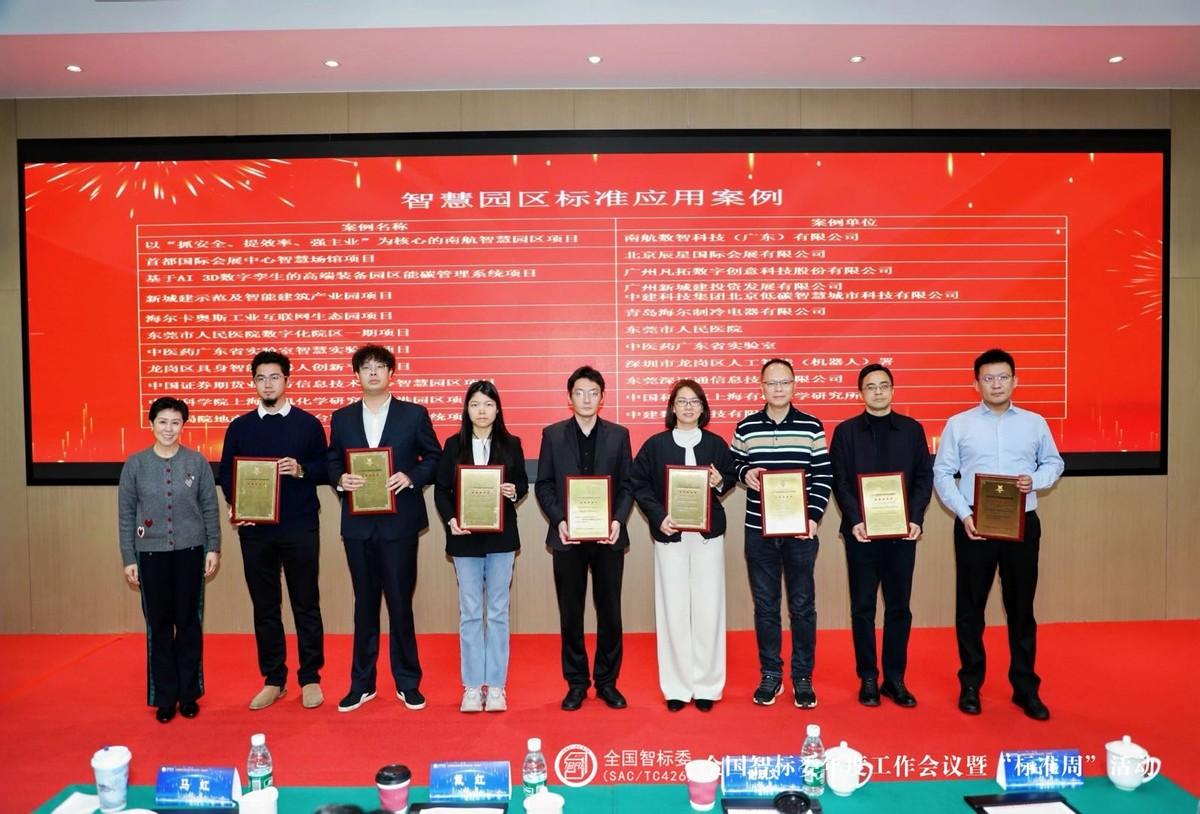
入选的34家园区,充分体现了当前智慧园区标准化建设的高水平实践。以海尔卡奥斯工业互联网生态园为例,作为制造类唯一五星案例,园区数字化项目组通过集成物联网、AI、数字孪生等前沿技术,对园区进行全面智慧化、数字化赋能,通过打造海尔智家全球园区数字平台,实现全流程可视与100%闭环管理。该平台打破了信息孤岛,在提升协同效率(工单提效75%)的同时,也提高了能源使用效率、降低了碳排放,有力推动了园区向智慧化、绿色化、生态化发展,为企业降本提效与产业智能化升级树立了实践标杆。

从技术赋能到标准落地,34家入选园区的探索实践为智慧园区发展勾勒出清晰的进阶路径。未来,这些案例经验的推广有望进一步推动形成“标准引领、技术赋能、生态协同”的智慧园区发展新格局,为数字经济高质量发展注入更强劲动力。

注:文/龚作仁,文章来源:Laborer,本文为作者独立观点,不代表亿邦动力立场。

【版权提示】亿邦动力倡导尊重与保护知识产权。未经许可,任何人不得复制、转载、或以其他方式使用本网站的内容。如发现本站文章存在版权问题,烦请提供版权疑问、身份证明、版权证明、联系方式等发邮件至run@ebrun.com,我们将及时沟通与处理。

已点赞

+1

{{ praise_text }}

好文章,值得被更多人看到

FAQ回顾

2025年智慧园区标准应用案例评选结果如何?

全国智能建筑及居住区数字化标准化技术委员会于1月13日公布评选结果,共有34家园区入选,涵盖综合性产业园区、经济技术开发区等多种类型。

智慧园区标准应用案例的评选标准有哪些?

案例审核从基础设施、生态环保、管理服务、保障运维、应用价值等多个维度进行综合考量,注重强化标准的引领指导作用。

海尔卡奥斯工业互联网生态园在智慧园区建设中取得了哪些成效?

作为制造类唯一五星案例,该园区通过物联网、AI、数字孪生等技术实现全流程可视与100%闭环管理,工单效率提升75%,并有效提升了能源使用效率和降低了碳排放。

广告

下一篇

跨境电商资源对接

《全球跨境电商服务商资源手册》第二期手册现已发布,触达更多资源,了解跨境服务商信息,欢迎点击链接下载。

了解详情

一年送出1.1亿只“小黄鸭” ,柠檬茶品牌“林里LINLEE”完成数千万融资

创始人王敬源表示,公司当前重心仍聚焦于国内市场。他认为,相比奶茶品类30%-40%的连锁化率,柠檬茶赛道连锁化率仅约10%,远未进入存量竞争阶段。

未来零售

2026-01-21 14:58:58










