



• 亿邦公众号
    • APP下载

2026年国补来了!第一单在京东落地

作者:龚作仁 文章来源:Laborer

2026-01-01 16:11

作者:龚作仁 文章来源:Laborer

2026-01-01 16:11

邦小白快读

EN
全文速览

2026年国家补贴政策正式启动,提供实操指南和实惠信息。

1. 政策细节:个人消费者购买手机、平板、智能手表等不超过6000元的产品,可获15%补贴,最高500元;购买冰箱、洗衣机、电视等6类家电中1级能效产品,同样15%补贴,最高1500元,每类产品限购一件。

2. 操作步骤:线上通过京东APP搜索“国家补贴”进入活动会场;线下全国近3万家京东MALL、京东电器等门店参与,跨年夜活动显示高人气,消费者可即时办理。

3. 成功案例:广州吴女士新年零点下单手机原价5999元省500元,成为首单;唐先生买冰箱原价11999元省1500元,证明政策带来显著实惠和换新热情。

国补政策推动消费趋势和品牌机遇,助力营销和渠道建设。

1. 消费趋势:政策点燃消费者换新热情,如跨年夜排队购买现象,显示高需求产品如手机和家电的升级机会,消费者行为表明对实惠政策的积极响应。

2. 品牌渠道:京东作为主要承接平台,线上线下结合覆盖全国,品牌可借机合作京东扩大销售网络,受益于补贴带来的价格竞争优势。

3. 产品研发:政策聚焦1级能效家电,品牌可研发符合标准的产品以抓住需求变化,同时通过案例如消费者购买行为,观察用户偏好,优化定价策略。

国补政策解读揭示市场机会,卖家可学习应对措施和合作方式。

1. 政策解读:补贴覆盖手机、家电等产品,最高优惠500-1500元,刺激消费需求增长,如跨年夜高人气案例显示正面影响,需注意产品类别和额度限制。

2. 机会提示:京东投入近300亿用于乡镇补贴,提供增长市场,尤其针对乡村消费提振,卖家可借机拓展下沉市场,抓住换新潮带来的销售机会。

3. 合作方式:与京东平台合作,利用其招商门店、物流和服务能力,如国补一站式体验模式,可学习最新商业模式,获得扶持政策支持。

国补政策提升产品需求和商业机会,启示电商数字化应用。

1. 产品需求:补贴产品如手机、冰箱等需求增加,工厂可生产1级能效家电以满足政策标准,抓住消费者换新热潮的商业机会。

2. 电商启示:京东推动线上线下结合,如全国近3万家门店参与,工厂可推进数字化转型,借电商渠道供应产品,受益于补贴政策带来的销售增长。

3. 生产启示:政策强调高效普惠,工厂可优化设计和生产流程,降低成本,以适应补贴落地中的市场需求和竞争环境。

国补政策反映行业趋势,服务商可提供解决方案应对痛点。

1. 行业趋势:政策协同市场提升消费信心和幸福感,显示补贴落地的高效普惠方向,服务商需关注消费升级和乡村经济提振等动向。

2. 客户痛点:京东投入资金解决物流履约和服务能力问题,如乡镇地区投入近300亿,服务商可开发类似解决方案,缓解实施中的瓶颈。

3. 新技术应用:虽未明提具体技术,但电商平台如京东的运作模式隐含数字化趋势,服务商可提供营销推广、履约优化等服务支持。

国补政策展示平台需求和京东最佳做法,指导招商运营管理。

1. 最新做法:京东线上线下同步承接补贴,APP搜索入口便捷,全国近3万家门店参与,确保高效普惠落地,如跨年夜活动案例展示运营效率。

2. 招商运营:平台招商京东MALL等门店,投入资金用于商品补贴和物流建设,如2025年乡镇投入近300亿,强化风险规避和支持服务能力。

3. 需求响应:政策要求客服、研发等支持,京东经验可借鉴,满足商业对平台的一站式需求,如提供国补贴换新体验以规避执行风险。

国补政策揭示产业动向和新问题,提供商业模式和政策启示。

1. 产业动向:政策促进消费升级和乡村经济增长,如京东助力乡镇高质量增长,显示新动向需关注消费者行为变化。

2. 政策启示:补贴提升市场信心和幸福感,启示政策设计需高效普惠,研究者可探讨法规建议,确保覆盖广大消费者。

3. 商业模式:京东“两新”政策承接模式,整合补贴、物流、服务,提供一站式体验,研究者可分析此模式对新问题的解决,如经济协同效果。

声明:快读内容全程由AI生成,请注意甄别信息。如您发现问题,请发送邮件至 run@ebrun.com 。

我是 品牌商 卖家 工厂 服务商 平台商 研究者 帮我再读一遍。

Quick Summary

The 2026 national subsidy program is now active, offering practical guidance and significant savings.

1. Policy Details: Individual consumers can receive a 15% subsidy (capped at ¥500) on purchases of phones, tablets, and smart watches under ¥6,000. For six categories of home appliances (e.g., refrigerators, washers, TVs) with Grade 1 energy efficiency, a 15% subsidy applies (capped at ¥1,500), with a limit of one item per category.

2. How to Participate: Online, search "国家补贴" in the JD.com app; offline, nearly 30,000 JD MALL and JD Electronics stores nationwide are participating, as seen during the high-traffic New Year's Eve events.

3. Success Stories: A Guangzhou consumer saved ¥500 on a ¥5,999 phone at midnight, becoming the first beneficiary; another saved ¥1,500 on a ¥11,999 refrigerator, demonstrating the policy's tangible benefits and driving upgrade demand.

The national subsidy policy fuels consumer trends and brand opportunities, aiding marketing and channel development.

1. Consumer Trends: The policy ignites upgrade demand, evidenced by New Year's Eve queues, highlighting opportunities in high-demand categories like phones and appliances, with consumers actively responding to incentives.

2. Brand Channels: JD.com serves as the primary platform, combining online and offline reach nationwide. Brands can collaborate with JD to expand sales networks and leverage subsidized pricing advantages.

3. Product R&D: With a focus on Grade 1 energy-efficient appliances, brands should develop compliant products to capture demand shifts, while using case studies like consumer purchases to refine pricing and preferences.

The subsidy policy解读 reveals market opportunities, with actionable strategies for sellers.

1. Policy解读: Subsidies cover phones and appliances, offering savings up to ¥500-¥1,500, boosting demand—as shown by New Year's Eve案例—though category and quota limits apply.

2. Opportunity Alert: JD's nearly ¥30 billion investment in rural subsidies opens growth markets, especially in townships; sellers can tap into下沉 markets during the upgrade wave.

3. Collaboration Models: Partner with JD.com to leverage its store network, logistics, and services, adopting its one-stop subsidy model to access support and learn new business practices.

The subsidy policy boosts product demand and commercial opportunities, highlighting e-commerce digitalization.

1. Product Demand: Demand rises for subsidized items like phones and refrigerators; factories can produce Grade 1 energy-efficient appliances to meet standards and capitalize on upgrade trends.

2. E-commerce Insights: JD's integration of nearly 30,000 offline stores prompts factories to digitalize and supply via e-channels, benefiting from subsidy-driven sales growth.

3. Production启示: The policy's efficient, inclusive focus encourages factories to optimize design and processes, reducing costs to compete in the subsidized market.

The subsidy policy reflects industry trends, with opportunities for solution providers to address pain points.

1. Industry Trends: Policies boost consumer confidence and well-being through efficient普惠 implementation; providers should monitor trends like consumption upgrades and rural economic revitalization.

2. Client Pain Points: JD's investments (e.g., nearly ¥30 billion in townships) tackle logistics and service gaps; providers can develop similar solutions to ease implementation bottlenecks.

3. Tech Applications: While not explicit, JD's operational model implies digital trends; providers can offer marketing, fulfillment optimization, and other support services.

The policy showcases platform demands and JD's best practices, guiding merchant operations.

1. Latest Practices: JD synchronizes online/offline subsidy rollout via app searches and 30,000+ stores, ensuring efficient普惠, as seen in New Year's Eve operational efficiency.

2. Merchant Operations: JD recruits stores like JD MALL, investing in subsidies and logistics (e.g., ¥30 billion in townships by 2025) to strengthen risk management and support.

3. Demand Response: The policy requires客服 and R&D support; JD's experience in one-stop upgrade experiences offers a model to meet merchant needs and mitigate execution risks.

The subsidy policy reveals industry shifts and new issues, offering insights into business models and policy design.

1. Industry Shifts: Policies drive consumption upgrades and rural growth, e.g., JD's role in township development; researchers should track consumer behavior changes.

2. Policy启示: Subsidies enhance market confidence and well-being, suggesting designs should be高效普惠; researchers can propose regulatory improvements for broader coverage.

3. Business Models: JD's "two-new" model integrates subsidies, logistics, and services for a one-stop experience; analysis can explore its efficacy in addressing issues like economic synergy.

Disclaimer: The "Quick Summary" content is entirely generated by AI. Please exercise discretion when interpreting the information. For issues or corrections, please email run@ebrun.com .

I am a Brand Seller Factory Service Provider Marketplace Seller Researcher Read it again.

1月1日零点,随着新年钟声敲响,2026年国家补贴正式启动。在广州京东MALL跨年夜活动上,市民吴女士零点刚过即成功下单,成为2026年国补首单消费者。而在此时,广州京东MALL的国补收银窗口已排起了队,国补消费热可见一斑。
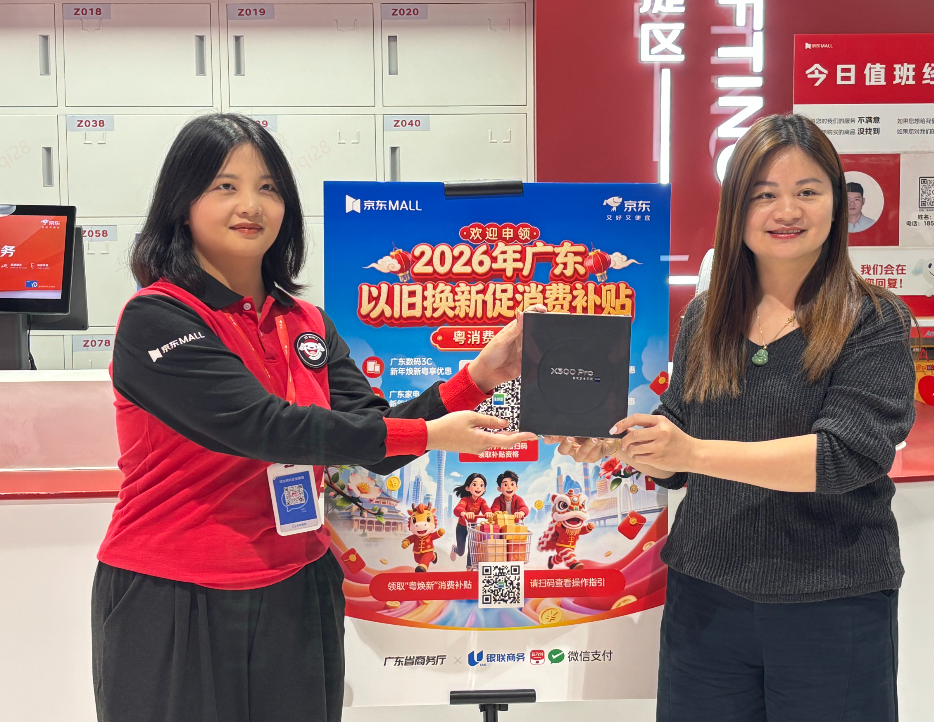
通过国补方式买到心仪手机后,吴女士高兴地分享:“我之前来看手机的时候了解到新年的国补政策,跨年夜便来到这里,新年零点一过就马上下单,没想到是全国第一单!原价5999元的手机,国补直接优惠了500元,非常划算!”

国补政策迅速点燃了消费者的换新热情。像吴女士一样,不少消费者选择在京东MALL跨年,0点一过便用国补选购产品,新年焕新在这里也有了具象化的场景。

“我在新闻上看到2026年国补开启的消息,就想着给家里的冰箱换新一下。今晚跨年夜,我和家人正好在附近,就特意来京东MALL逛逛。”现场另一位正在办理结账的唐先生说。当晚,他选购了一台11999元的冰箱,国家补贴1500元。
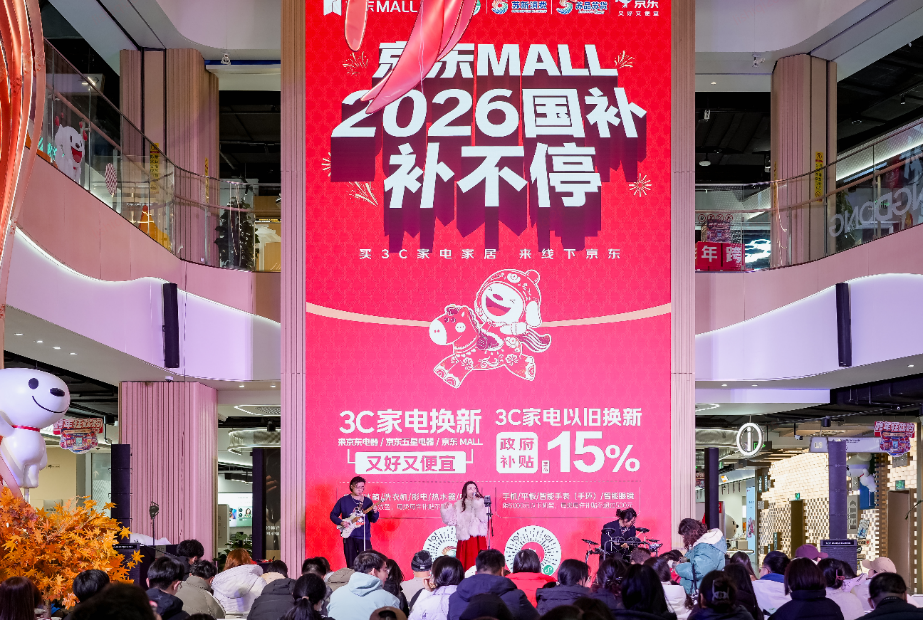
根据国家发改委消息,2026年1月1日起,对个人消费者购买手机、平板、智能手表手环(单件销售价格不超过6000元)、智能眼镜,按产品销售价格的15%给予补贴,每位消费者每类产品可补贴1件,每件补贴至高可达500元。对个人消费者购买冰箱、洗衣机、电视、空调、电脑、热水器等6类家电中1级能效或水效标准的产品,按产品销售价格的15%给予补贴,每位消费者每类产品可补贴1件,每件补贴不超过1500元。

伴随政策下发,京东再次全面承接国补落地。在线上,消费者打开京东APP,搜索“国家补贴”即可抵达活动会场。在线下,全国近3万家京东MALL、京东电器城市旗舰店、京东之家以及京东家电专卖店同步准备就绪。

自2024年“两新”政策实施以来,在商务部等部委的指导统筹下,京东采销、客服、研发、物流等数十万工作人员积极参与,以极大的热情和资金投入,全力保障国家补贴高效、普惠落地。为更好配合以旧换新政策落地,进一步促进乡村消费提振,京东在承接以旧换新工作的基础上,2025年针对乡镇及以下地区累计投入近300亿,用于商品补贴、营销推广、物流履约、服务能力建设等,为广大乡镇及以下地区消费者带去国家补贴与京东补贴的多重福利与海量产品,以及一站式高效国补换新体验,并助力当地经济高质量增长。

政策与市场的积极协同,不仅切实提升了消费者的幸福感,也进一步增强了市场发展信心。未来,京东将持续做好两新政策的落地实施工作,助力国家换新补贴高效、普惠地覆盖广大消费者。

注:文/龚作仁,文章来源:Laborer,本文为作者独立观点,不代表亿邦动力立场。

【版权提示】亿邦动力倡导尊重与保护知识产权。未经许可,任何人不得复制、转载、或以其他方式使用本网站的内容。如发现本站文章存在版权问题,烦请提供版权疑问、身份证明、版权证明、联系方式等发邮件至run@ebrun.com,我们将及时沟通与处理。

已点赞

+1

{{ praise_text }}

好文章,值得被更多人看到

FAQ回顾

2026年国家补贴政策对哪些产品提供补贴?

政策覆盖手机、平板、智能手表手环(单件不超过6000元)、智能眼镜,以及冰箱、洗衣机、电视、空调、电脑、热水器等1级能效家电,均按售价15%补贴。

2026年国补的补贴金额上限是多少?

手机等数码产品每件补贴最高500元,冰箱等6类1级能效家电每件补贴不超过1500元,每位消费者每类产品可补贴1件。

消费者如何在京东参与国家补贴?

线上打开京东APP搜索“国家补贴”进入会场,线下可在全国近3万家京东MALL、京东电器城市旗舰店等门店办理。

广告

下一篇

跨境电商资源对接

《全球跨境电商服务商资源手册》第二期手册现已发布,触达更多资源,了解跨境服务商信息,欢迎点击链接下载。

了解详情

罗永浩深夜道歉 自爆猛料冲上热搜 网友炸锅了

网友们的吐槽也是毫不留情:“情怀还在,但耐心真快用完了。”这究竟是一次预谋已久的流量博弈,还是老罗真的“廉颇老矣”?

未来零售

2026-01-01 13:06:30










