



• 亿邦公众号
    • APP下载

中国品牌跨越信任临界线:2025全球信任指数报告解析

作者:龚作仁 文章来源:Laborer

2025-12-26 10:03

作者:龚作仁 文章来源:Laborer

2025-12-26 10:03

邦小白快读

EN
全文速览

全球信任格局发生历史性逆转。

1. 中国品牌净信任度达32%,较2024年上升12个百分点,首次超越美国。

2. 发达市场如英美信任比例升至49%和48%,新兴市场如尼日利亚达89%。

标杆品牌引领行业升级。

1. 消费电子品牌联想、华为、小米全球领先,购买意愿40%,实际购买率40%。

2. 智能家电海信、海尔信任指数上升,汽车行业在新兴市场信任度51%。

信任驱动因素多元化。

1. 核心是提供高品质产品/服务,权重10.9%。

2. 其他因素包括始终如一传递主张(7.3%)和为本地经济带来净利益(6.3%)。

传播渠道以社媒广告为主。

1. 全球触达率59%,新兴市场65%。

2. 电商平台在新兴市场触达率42%,成为信任构建关键。

品牌营销渠道建设至关重要。

1. 社媒广告全球触达率59%,新兴市场65%,是高效工具。

2. 电视广告和搜索引擎广告在发达市场稳定,触达率42%和37%。

3. 电商站内推广在新兴市场触达率42%,超过搜索引擎。

产品研发需聚焦品质与本地化。

1. 提供高品质产品/服务是核心信任驱动因素,权重10.9%。

2. 发达市场更重关系型因素如诚实开放,新兴市场重环保和公平。

消费趋势显示新兴市场机会。

1. 新兴市场净信任度51%,增长13%,非洲和中东市场表现突出。

2. 用户行为观察:海外消费者在中国电商平台购物比例38%,高于美国品牌。

品牌定价与竞争策略。

1. 在AI行业,新兴市场如马来西亚对中国产品购买意愿超美国。

2. 汽车行业来源国效应显著,中国品牌在新兴市场机会大。

政策解读与增长市场机会。

1. 全球关税浪潮重塑贸易格局,中国品牌在新兴市场净信任度51%,增长13%。

2. 新兴市场如尼日利亚、埃及信任度高,形成高信任矩阵。

消费需求变化带来机会提示。

1. 电商平台受关税影响信任回落,但Temu知名度飙升,排名升至第20位。

2. AI行业在新兴市场购买意愿超美国,如马来西亚57%,卡塔尔51%。

事件应对与风险提示。

1. 汽车行业在发达市场净信任度仅4%,需规避来源国效应风险。

2. 电商整体信任指数回落,但实际使用比例38%,显示韧性。

可学习点与最新商业模式。

1. 标杆品牌如消费电子联想、华为引领,购买意愿40%。

2. 合作方式:精准本地化策略是核心,如为本地经济带来净利益驱动信任。

扶持政策启示。

1. 传播渠道以社媒为主,新兴市场电商推广重要,触达率42%。

产品生产和设计需求聚焦品质。

1. 提供高品质产品/服务是核心信任驱动因素,权重10.9%,全球共同诉求。

2. 发达市场需注重关系型设计,如诚实开放;新兴市场重环保和公平。

商业机会在新兴市场显著。

1. 新兴市场净信任度51%,增长快,如非洲尼日利亚89%、埃及76%。

2. 汽车行业在新兴市场信任度51%,超越韩国品牌。

推进数字化和电商的启示。

1. 电商平台成为关键传播渠道,新兴市场触达率42%。

2. 数字化实践如AI行业竞争激烈,中国产品在新兴市场机会大。

生产启示与机会。

1. 智能家电品牌海信、海尔信任上升,显示技术创新需求。

2. 传播渠道数据支持电商整合,如社媒广告高效触达。

行业发展趋势向多元信任升级。

1. 中国品牌信任驱动因素从产品维度扩展,权重如传递主张7.3%、关心本地社区6.8%。

2. 全球格局逆转,中国净信任度32%上升,新兴市场引擎强劲。

新技术领域竞争激烈。

1. AI行业成为中美核心竞争,新兴市场对中国产品购买意愿超美国。

2. 智能家电品牌如海信、海尔凭借技术创新信任指数上升。

客户痛点在于信任构建差异。

1. 发达市场更重可持续发展能力,如雇主吸引力;新兴市场重环保和公平。

2. 电商平台受关税波动影响信任回落,显示渠道风险。

解决方案聚焦精准策略。

1. 传播渠道如社媒广告全球触达率59%,是高效工具。

2. 本地化实践如为本地经济带来净利益,驱动信任优化,进入第一象限。

商业对平台的需求与问题。

1. 电商平台受关税波动影响整体信任指数回落,需规避风险。

2. 新兴市场对电商站内推广需求高,触达率42%,超过搜索引擎。

平台最新做法与招商机会。

1. Temu知名度飙升,排名从第29升至第20,显示增长潜力。

2. 在新兴市场如东南亚和中东北非,电商平台成为信任构建关键场景。

运营管理需关注传播渠道。

1. 社媒广告全球触达率59%,新兴市场65%,是核心工具。

2. 电视广告和搜索引擎广告在发达市场稳定,触达率42%和37%。

风向规避与机会提示。

1. 汽车行业来源国效应显著,在发达市场信任度低,需策略调整。

2. AI行业新兴市场机会大,如马来西亚57%购买意愿,可加强招商。

平台支持策略。

1. 精准本地化如为本地经济带来净利益,能提升信任,进入第一象限。

产业新动向与格局变化。

1. 全球信任格局逆转,欧美品牌下滑,中国净信任度32%上升12个百分点。

2. 新兴市场成为引擎,净信任度51%,非洲和中东市场领先。

新问题如来源国效应。

1. 汽车行业受来源国影响显著,发达市场信任度仅4%,新兴市场达51%。

2. 电商平台信任受关税波动,整体指数回落,但实际使用比例38%。

政策法规建议和启示。

1. 精准本地化策略是路径,如ESG实践能深化信任。

2. 传播渠道数据支持政策优化,社媒广告触达率59%全球。

商业模式从产品到品牌升级。

1. 中国品牌从产品输出转向品牌立信,进入深度价值竞争。

2. 信任驱动因素多元化,权重如高品质产品10.9%、传递主张7.3%。

研究启示。

1. 长期主义需结合高品质产品和本地利益,驱动信任优化至第一象限。

2. 行业差异:消费电子品牌领先,AI行业竞争激烈。

声明:快读内容全程由AI生成,请注意甄别信息。如您发现问题,请发送邮件至 run@ebrun.com 。

我是 品牌商 卖家 工厂 服务商 平台商 研究者 帮我再读一遍。

Quick Summary

A historic reversal has occurred in the global trust landscape.

1. Chinese brands achieved a net trust level of 32%, a 12-percentage-point increase from 2024, surpassing the US for the first time.

2. Trust levels rose to 49% and 48% in developed markets like the UK and US, while reaching 89% in emerging markets like Nigeria.

Benchmark brands are leading industry-wide upgrades.

1. Consumer electronics brands like Lenovo, Huawei, and Xiaomi are globally leading, with a purchase intent of 40% and an actual purchase rate of 40%.

2. Trust indices for smart home appliance brands like Hisense and Haier are rising, while the automotive industry enjoys a 51% trust level in emerging markets.

Trust drivers are becoming more diversified.

1. The core driver is providing high-quality products/services, with a weighting of 10.9%.

2. Other factors include consistently delivering on brand promises (7.3%) and generating net benefits for local economies (6.3%).

Social media advertising dominates communication channels.

1. It has a 59% global reach rate, and 65% in emerging markets.

2. E-commerce platforms have a 42% reach rate in emerging markets, becoming a key channel for building trust.

Brand marketing channel development is critical.

1. Social media advertising has a 59% global reach rate (65% in emerging markets), making it an efficient tool.

2. TV ads and search engine ads remain stable in developed markets, with reach rates of 42% and 37%.

3. In-platform promotions on e-commerce sites have a 42% reach rate in emerging markets, surpassing search engine ads.

Product R&D must focus on quality and localization.

1. Providing high-quality products/services is the core trust driver, with a 10.9% weighting.

2. Developed markets prioritize relational factors like honesty and openness, while emerging markets value environmental and fairness considerations.

Consumption trends highlight opportunities in emerging markets.

1. Emerging markets show a 51% net trust level, a 13% increase, with Africa and the Middle East performing strongly.

2. User behavior observation: 38% of overseas consumers shop on Chinese e-commerce platforms, a higher rate than for US brands.

Brand pricing and competitive strategies.

1. In the AI industry, purchase intent for Chinese products exceeds that for US products in emerging markets like Malaysia.

2. The country-of-origin effect is significant in the automotive industry, presenting major opportunities for Chinese brands in emerging markets.

Policy interpretation and growth market opportunities.

1. Global tariff waves are reshaping trade patterns; Chinese brands have a 51% net trust level in emerging markets, a 13% increase.

2. Emerging markets like Nigeria and Egypt show high trust levels, forming a high-trust matrix.

Changing consumer demands present opportunities.

1. E-commerce platform trust has declined due to tariff impacts, but Temu's brand awareness has surged, rising to 20th place in rankings.

2. Purchase intent for AI products in emerging markets exceeds that in the US (e.g., 57% in Malaysia, 51% in Qatar).

Event response and risk warnings.

1. The automotive industry has only a 4% net trust level in developed markets, necessitating caution against the country-of-origin effect.

2. Overall e-commerce trust indices have declined, but a 38% actual usage rate demonstrates resilience.

Key learnings and latest business models.

1. Benchmark brands like Lenovo and Huawei in consumer electronics lead with 40% purchase intent.

2. Collaboration approach: Precise localization strategies are core, such as generating net benefits for local economies to drive trust.

Support policy insights.

1. Communication channels are dominated by social media; e-commerce promotions are crucial in emerging markets, with a 42% reach rate.

Product manufacturing and design must prioritize quality.

1. Providing high-quality products/services is the core trust driver, with a 10.9% weighting, a universal demand.

2. Developed markets require relationship-focused design, like honesty and openness; emerging markets emphasize environmental and fairness considerations.

Significant business opportunities exist in emerging markets.

1. Emerging markets show a 51% net trust level with rapid growth, e.g., 89% in Nigeria, 76% in Egypt.

2. The automotive industry enjoys 51% trust in emerging markets, surpassing South Korean brands.

Implications for advancing digitalization and e-commerce.

1. E-commerce platforms have become key communication channels, with a 42% reach rate in emerging markets.

2. Digital practices like AI are highly competitive; Chinese products have major opportunities in emerging markets.

Production insights and opportunities.

1. Rising trust in smart appliance brands like Hisense and Haier indicates demand for technological innovation.

2. Communication channel data supports e-commerce integration, e.g., social media ads offer efficient reach.

Industry trends show a shift towards diversified trust-building.

1. Trust drivers for Chinese brands have expanded beyond products, including delivering on promises (7.3% weighting) and caring for local communities (6.8%).

2. The global landscape has reversed, with China's net trust rising to 32%, driven strongly by emerging markets.

Intense competition in new technology sectors.

1. The AI industry is a core US-China battleground; purchase intent for Chinese products exceeds US products in emerging markets.

2. Smart appliance brands like Hisense and Haier have seen trust indices rise due to technological innovation.

Client pain points lie in divergent trust-building needs.

1. Developed markets prioritize sustainable capabilities like employer appeal; emerging markets focus on environmental and fairness factors.

2. E-commerce platform trust has declined due to tariff fluctuations, highlighting channel risks.

Solutions focus on precision strategies.

1. Communication channels like social media ads have a 59% global reach rate, making them efficient tools.

2. Localization practices, such as generating net benefits for local economies, drive trust optimization into the first quadrant.

Business demands and challenges for platforms.

1. E-commerce platform trust has declined overall due to tariff fluctuations, requiring risk mitigation.

2. Emerging markets show high demand for in-platform e-commerce promotions, with a 42% reach rate, surpassing search engines.

Latest platform practices and merchant acquisition opportunities.

1. Temu's brand awareness has surged, rising from 29th to 20th in rankings, indicating growth potential.

2. In emerging markets like Southeast Asia and MENA, e-commerce platforms are key venues for building trust.

Operations management must focus on communication channels.

1. Social media ads have a 59% global reach rate (65% in emerging markets), making them core tools.

2. TV and search engine ads remain stable in developed markets, with reach rates of 42% and 37%.

Risk avoidance and opportunity alerts.

1. The automotive industry faces significant country-of-origin effects, with low trust in developed markets, requiring strategic adjustments.

2. The AI industry offers major opportunities in emerging markets (e.g., 57% purchase intent in Malaysia), warranting enhanced merchant acquisition.

Platform support strategies.

1. Precise localization, such as generating net benefits for local economies, can elevate trust into the first quadrant.

New industry dynamics and structural shifts.

1. A reversal in the global trust landscape: Western brands declined, while China's net trust rose 12 percentage points to 32%.

2. Emerging markets are the growth engine, with a 51% net trust level, led by Africa and the Middle East.

Emerging issues like the country-of-origin effect.

1. The automotive industry is significantly affected; trust is only 4% in developed markets but reaches 51% in emerging markets.

2. E-commerce platform trust declined due to tariff volatility, but a 38% actual usage rate indicates resilience.

Policy and regulatory recommendations.

1. Precise localization strategies, such as ESG practices, can deepen trust.

2. Communication channel data (e.g., 59% global reach for social media ads) supports policy optimization.

Business model evolution from products to branding.

1. Chinese brands are shifting from product exports to brand trust-building, entering a phase of deep value competition.

2. Trust drivers are diversifying, with weightings like high-quality products (10.9%) and delivering on promises (7.3%).

Research implications.

1. Long-termism requires combining high-quality products with local benefits to optimize trust into the first quadrant.

2. Industry variations: Consumer electronics brands lead, while the AI sector is highly competitive.

Disclaimer: The "Quick Summary" content is entirely generated by AI. Please exercise discretion when interpreting the information. For issues or corrections, please email run@ebrun.com .

I am a Brand Seller Factory Service Provider Marketplace Seller Researcher Read it again.

随着新一轮全球关税浪潮袭来,全球贸易格局正经历一场结构性的震荡。这场震荡不仅反映在金融市场的波动上,更深刻重塑着国际社会对不同国家的认知。

在全球贸易格局深度调整与地缘政治变化交织的背景下,中国品牌迎来了全球化进程的关键转折点。从单纯的产品出海到品牌价值深耕,从市场认可到全球信赖,中国品牌凭借持续的创新突破与本土化实践,逐步穿越信任临界线,实现跨越式发展。

为精准把握中国品牌全球信任发展态势,高效助力中国品牌深耕国际市场,全球领先的市场研究和咨询公司益普索发布的《2025中国品牌全球信任指数》报告(以下简称《报告》),通过多维度数据洞察与深度分析,全面解码中国品牌构建全球信任的全新路径与核心机遇。

全球信任格局迎来历史性逆转

《报告》显示,全球品牌信任格局正发生深刻变革,欧美品牌持续下滑与中日韩品牌稳步上扬形成鲜明对比。

这一变化在国家形象认知层面已率先显现,根据益普索北美《Know the New America》研究,49%的全球民众认为中国对世界事务产生积极影响,较2024年上升10个百分点,这一比例十年来首次超越美国,为中国品牌出海奠定了良好的认知基础。

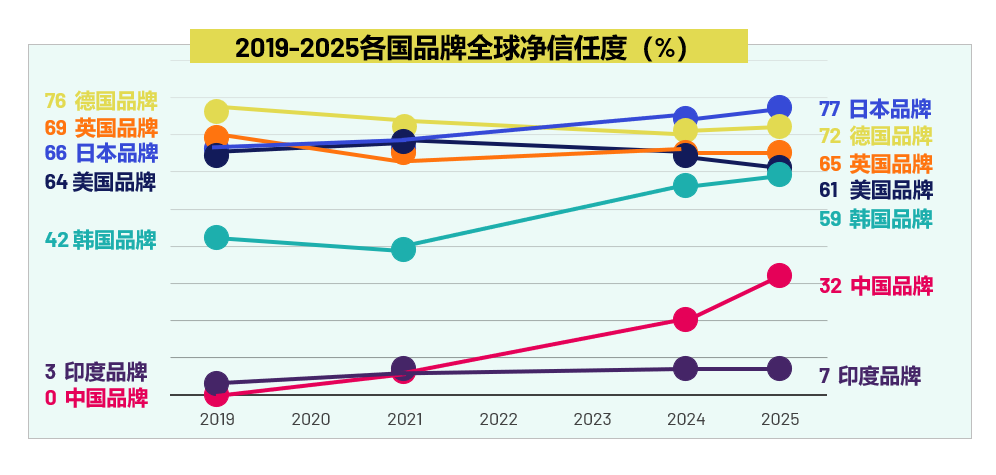
在品牌信任表现上,中国品牌全球净信任度达到32%,较2024年大幅提升12个百分点,信任比例持续攀升。日本品牌以77%的净信任度继续位居榜首,韩国品牌59%的净信任度与美国品牌61%已基本持平,而美国品牌从2021年的68%持续下滑至2025年的61%,其中在发达市场下滑幅度最为显著,一年之内下降6个百分点至43%。
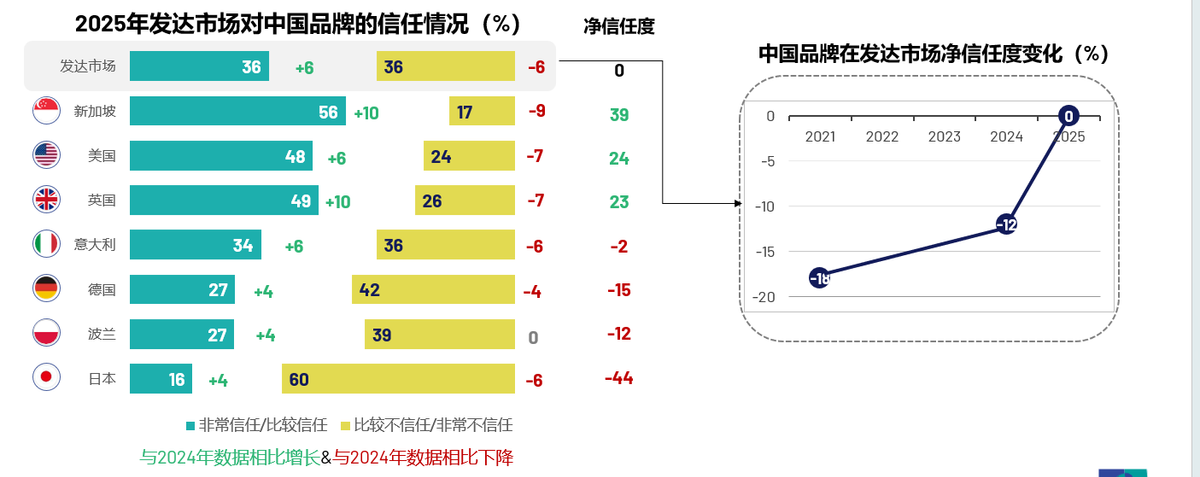
发达市场成为中国品牌信任突破的关键战场。2025年,受访发达市场对中国品牌的净信任度首次摆脱负值,非常信任/比较信任的比例升至36%,较2024年上升6个百分点,不信任比例同步下降6个百分点。英美市场表现尤为突出,英国消费者对中国品牌的信任比例从2021年的29%攀升至2025年的49%,美国则达到48%,较2024年增长6个百分点,显示出中国品牌在高信任门槛市场的突破能力。
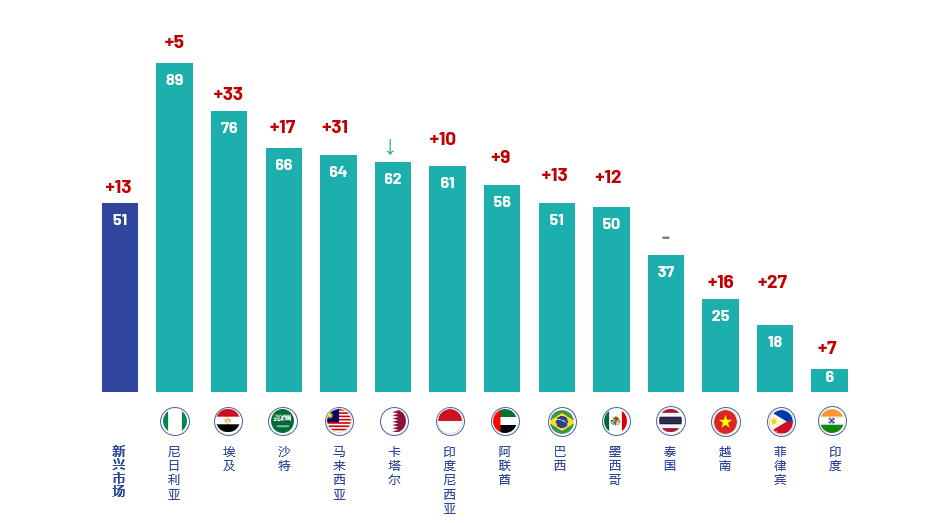
新兴市场持续成为中国品牌信任增长的强劲引擎。2025年中国品牌在新兴市场的净信任度高达51%,较2024年增长13个百分点,13个受访市场中有五个增长超15个百分点。非洲市场中尼日利亚(89%)、埃及(76%)的净信任度位居全球前列,中东市场沙特阿拉伯(66%)、阿联酋(56%)等均超过50%,南美市场巴西(51%)、墨西哥(50%)也实现双位数增长,形成了广泛的高信任市场矩阵。
标杆品牌引领行业信任升级

2025年中国标杆品牌全球信任表现亮眼,头部品牌矩阵持续扩大并引领行业升级。

消费电子行业继续领跑全球,联想、华为、小米稳居排行榜前三,OPPO、vivo、荣耀等品牌紧随其后,前10名中占据6席。海外消费者对中国消费电子品牌的购买意愿达到40%,超越美国(38%)和韩国(34%),过去一年实际购买率更是以40%领先于日本(34%)、美国(29%)和韩国(24%),确立了市场领先优势。

智能家电品牌成为信任增长新势力,海信、海尔、TCL、美的等智能家电品牌信任指数与排名同步上升,凭借技术创新与全球化布局巩固市场地位。

汽车行业受来源国效应影响显著。2025年海外消费者购买意愿上,日德品牌仍领先,中国品牌(30%)已超越韩国,次于美国。在信任度方面,中国品牌在发达市场净信任度仅为4%,但在新兴市场则达到了51%。

电商与AI行业呈现差异化竞争态势。电商平台虽受关税波动影响整体信任指数回落,但Temu凭借知名度飙升,排名从第29位升至第20位。在实际使用行为方面,过去⼀年中曾有在中国电商平台购物经历的海外消费者⽐例达到38%,高于美国电商品牌的34%。AI行业成为中美竞争核心领域,新兴市场中马来西亚(57%)、卡塔尔(51%)等国对中国AI产品的购买/使用意愿超过美国,显示出技术输出的新机遇。

信任驱动因素呈现多元化升级

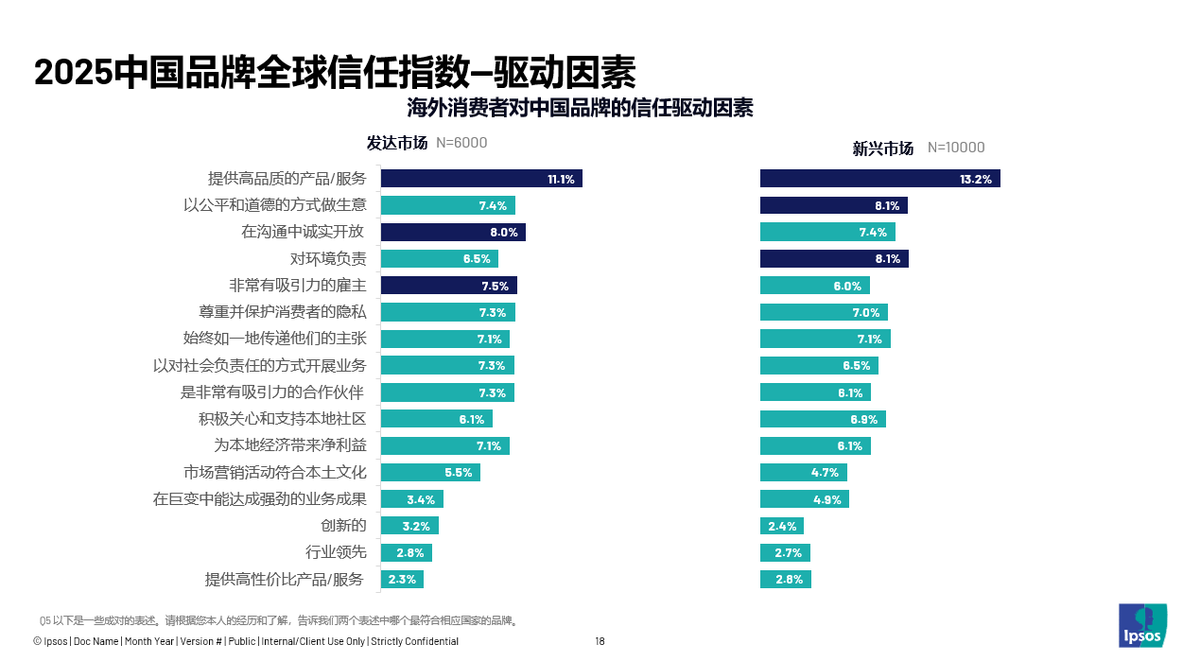
《报告》揭示,2025年中国品牌信任驱动因素已从单一产品维度向多元价值维度延伸,“提供高品质的产品/服务”以10.9%的权重仍居首位。值得注意的是,“始终如⼀地传递他们的主张”(7.3%)、“为本地经济带来净利益”(6.3%)和“积极关⼼和⽀持本地社区”(6.8%),三个因素均出现提升。
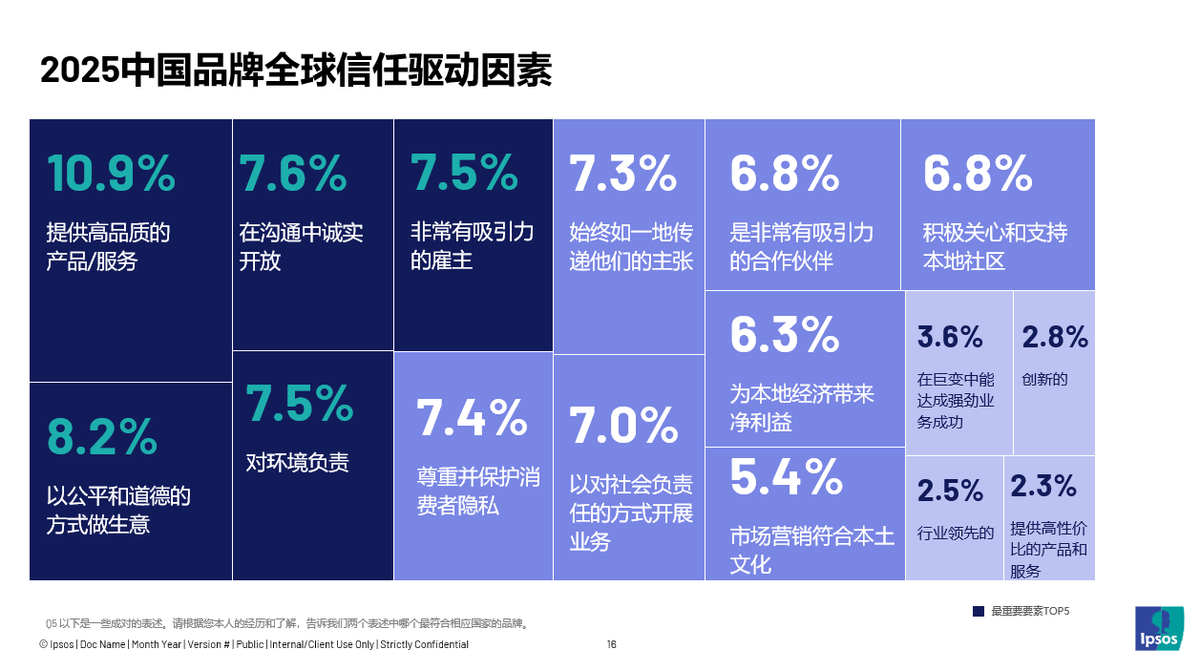
尽管「提供高品质的产品 / 服务」是全球消费者对中国品牌的共同核心诉求,但在发达市场与新兴市场中,各驱动因素的重要性占比仍存在显著差异。发达市场更注重关系型因素,“在沟通中诚实开放”和“非常有吸引力的雇主”跻身前三,反映出成熟市场消费者对品牌可持续发展能力的关注;新兴市场则更看重产品与环保维度,“以公平和道德的方式做生意”与“对环境负责”权重均达到8.1%,成为核心诉求点。
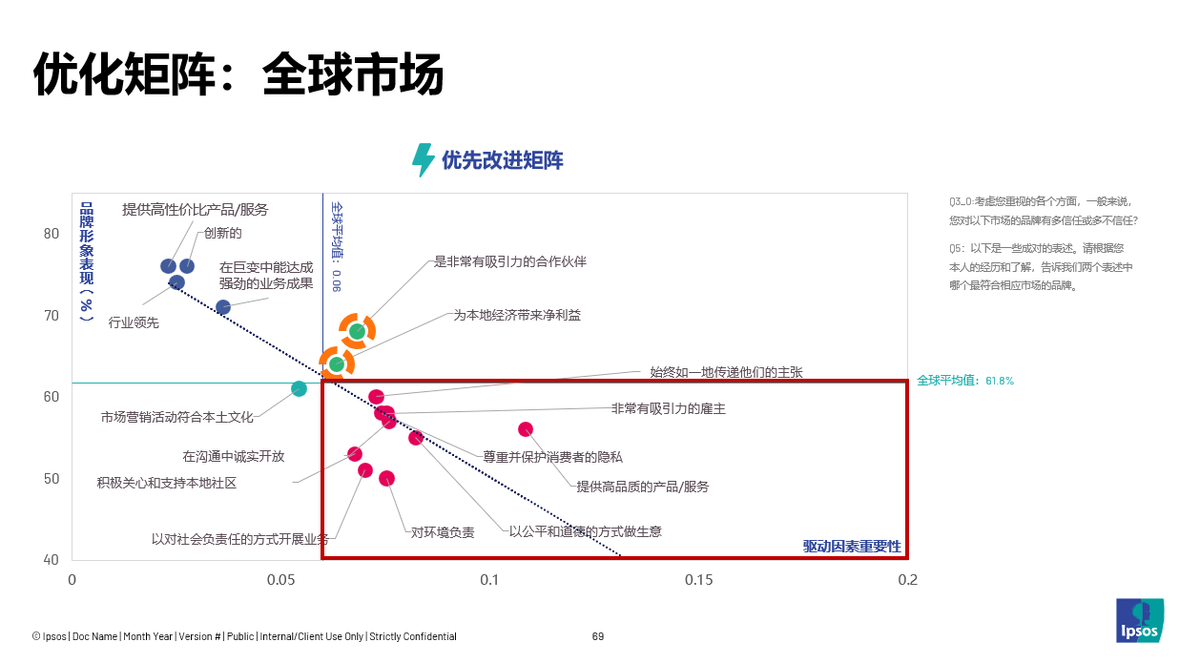
信任优化矩阵显示,2025年,中国品牌在“是⾮常有吸引⼒的合作伙伴”以及“为本地经济带来净利益”的两⼤重要驱动因素上的表现获得了全球消费者的认可,这也是连续追踪六年来,中国品牌的信任驱动因素第⼀次出现在第⼀象限:在重要的信任驱动因素上表现良好。
分市场精准施策实现信任深耕

总体来看,不论是在全球市场,还是发达或新兴市场,海外受访者获取品牌营销信息的主要传播渠道前五均为社媒广告、电视广告、搜索引擎告广告、电商站内推广和流媒体广告。

社媒广告以59%的全球触达率成为核心渠道,在新兴市场更是达到65%,成为高效触达工具;电视广告与搜索引擎广告分别以42%和37%的触达率,在发达市场保持稳定影响力,传统权威渠道仍具信任背书价值。

电商平台成为新兴市场传播关键阵地。在新兴市场,电商站内推广以42%的触达率超过搜索引擎广告,尤其在东南亚和中东北非市场,成为信任构建的重要场景。

结语

随着全球信任格局的重构,中国品牌正站在新的历史起点。

从产品输出到品牌立信,从硬实力突破到软实力提升,从市场进入到社会融入,中国品牌的全球化之路已进入深度价值竞争阶段。

未来,唯有坚持长期主义,以高品质产品为基石,以ESG实践为纽带,以精准本地化策略为路径,才能持续深化全球信任,实现从“穿越临界线”到“引领全球市场”的全新跨越,在世界舞台上书写中国品牌的传奇。

注:文/龚作仁,文章来源:Laborer,本文为作者独立观点,不代表亿邦动力立场。

【版权提示】亿邦动力倡导尊重与保护知识产权。未经许可,任何人不得复制、转载、或以其他方式使用本网站的内容。如发现本站文章存在版权问题,烦请提供版权疑问、身份证明、版权证明、联系方式等发邮件至run@ebrun.com,我们将及时沟通与处理。

已点赞

+1

{{ praise_text }}

好文章,值得被更多人看到

FAQ回顾

2025年中国品牌的全球信任度表现如何?

2025年中国品牌全球净信任度达到32%,较2024年大幅提升12个百分点。其中发达市场信任比例首次摆脱负值升至36%,新兴市场净信任度高达51%。

中国品牌在哪些行业取得了全球信任突破?

消费电子行业表现突出,联想、华为、小米位居前三,海外消费者购买意愿达40%。智能家电品牌海信、海尔等信任指数显著上升,成为增长新势力。

全球消费者通过哪些渠道获取中国品牌信息?

社媒广告以59%触达率成为核心渠道,新兴市场达65%。电视广告和搜索引擎广告在发达市场保持稳定,电商站内推广在新兴市场触达率达42%。

广告

下一篇

跨境电商资源对接

《全球跨境电商服务商资源手册》第二期手册现已发布,触达更多资源,了解跨境服务商信息,欢迎点击链接下载。

了解详情

张一鸣又出爆款 抖音豆包拿下1亿用户

豆包也正悄然渗透到大众生活,成为人们的智能伙伴。伴随着豆包应用势能的持续释放,其日均活跃用户数也已经突破1亿大关。

未来零售

2025-12-26 09:16:35










