



• 亿邦公众号
    • APP下载

Xiaomi MiMo大模型落地应用 小米“人车家全生态”合作伙伴大会介绍IoT平台生态新进展

作者:龚作仁 文章来源:Laborer

2025-12-18 20:01

作者:龚作仁 文章来源:Laborer

2025-12-18 20:01

邦小白快读

EN
全文速览

小米IoT平台取得显著进展,设备连接数突破10亿大关,提供实用新功能助力用户智能生活。

1. 核心数据亮眼:截至三季度,小米IoT平台连接设备达10.4亿台,米家App月活用户突破1.1亿,IoT模组年出货量超1亿片,标志着全球领先地位。

2. 实操功能升级:Xiaomi Miloco大模型基于MiMo-VL-Miloco-7B视觉语言技术,用户可通过口语化表达自动创建智能规则,融入摄像头数据分析实现复杂场景理解;米家11.0新增照明、安防等能力,包括IoT-BLE2.0与IoT-Mesh2.0模组矩阵,提升使用便捷性。

3. 创新交互体验:与脑机接口公司合作探索新交互方式,为行动不便患者带来可能;小爱AI技术支持设备间一体化控制,打破硬件壁垒,实现主动服务。

小米生态合作模式为品牌提供营销和研发机遇,基于消费趋势推动产品创新。

1. 品牌合作与渠道建设:小米与全球15000+企业合作,包括美诺、博世西门子、LG等国际品牌,展示“晶御×米家”等解决方案,通过一键设定提升用户体验,增强品牌影响力;开放生态接入,如汽车及CarIoT接入,拓展渠道。

2. 产品研发与消费趋势:AI赋能消费趋势,如Xiaomi Miloco大模型实现主动服务,推动设备交互从被动指令升级为环境感知;用户行为数据显示月活1.1亿,反映高需求;围绕舒适、省心、安全、节能诉求,米家升级照明、安防等重点品类,引入高质量标准准入。

3. 定价与竞争启示:生态繁荣吸引伙伴加入,提供合作方式如产教融合培养人才,启示品牌通过技术创新应对价格竞争。

小米大会揭示增长市场和合作机会,提供可学习商业模式应对需求变化。

1. 增长市场与需求变化:IoT设备连接数达10.4亿,月活用户1.1亿,显示巨大市场潜力;消费需求向AI驱动转变,如主动服务和空间智能,机会提示包括新接入能力如设备查找网络、运动健康和汽车接入。

2. 合作方式与扶持政策:与15000+企业合作,模式包括开放生态接入如IoT-BLE2.0模组矩阵,提供招商机会;扶持如社会责任项目,为障碍人士家庭改造,产教融合计划培养50000名人才,降低风险。

3. 事件应对与可学习点:AI注入新动能,技术创新全链路聚合,如Realtek的R-Mesh技术实现全屋覆盖,启示卖家学习安全架构;风险提示包括隐私合规讨论,正面影响如提升生活品质。

小米生态提供生产设计需求和数字化启示,创造商业机会。

1. 产品生产与设计需求:新模组如IoT-BLE2.0与IoT-Mesh2.0矩阵,以及室外4G Cat.1模组,要求高质量标准准入;安防多形态能力和环境清洁解决方案,启示工厂优化设计。

2. 商业机会与电商启示:加入小米开放生态,与15000+企业合作机会,如接入照明、安防等品类;数字化启示来自AI应用,如Xiaomi Miloco大模型端侧部署,推进电商整合,通过感知节能服务体系提升效率。

3. 生产优化点:IoT平台技术升级如空间智能跃迁,基于多模态感知和边缘大模型,启示工厂采用分布式计算技术;案例如Realtek的四层系统安全架构,可借鉴打造可靠解决方案。

行业趋势聚焦AI和新技术,提供解决方案应对客户痛点。

1. 行业发展趋势:AI正为产业注入新动能,推动全链路聚合,如空间智能跃迁,从被动控制到主动理解;全球化趋势下,AIoT开发者需关注多区域安全与隐私合规。

2. 新技术与解决方案:Xiaomi Miloco视觉语言大模型实现口语化规则创建,解决交互复杂痛点;Realtek的R-Mesh技术提供全屋无缝覆盖方案,结合四层安全架构;阿里云通义模型家族提供多模态感知能力,升级为主动服务。

3. 客户痛点与应对:痛点如设备连接壁垒,解决方案包括小爱Agent架构实现一体化控制;米家11.0新增安防能力、节能服务体系,解决用户舒适安全需求;脑机接口产品聚焦神经疾病,提供高效交互方案。

平台最新做法强化招商和运营管理,规避风险。

1. 平台需求与最新做法:商业对平台需求如无缝流转体验,小米通过开放生态接入设备查找网络、运动健康能力及汽车接入,实现“人车家全生态”闭环;平台做法包括升级米家11.0体验,新增IoT-BLE2.0模组矩阵和Cat.1模组,提升连接能力。

2. 平台招商与运营管理:与全球15000+企业合作,招商策略如分论坛展示接入能力,吸引美诺等品牌;运营管理基于10.4亿设备连接,通过分布式计算技术优化,如3D中控交互降低使用门槛。

3. 风险规避与风向:隐私安全为基石,论坛讨论AIoT开发者合规策略,如四层加密安全架构;风险提示包括全球化隐私浪潮,规避通过开放框架如拥抱Miloco平台。

产业动向聚焦新问题和商业模式,提供政策启示。

1. 产业新动向与新问题:小米向“空间智能”跃迁,基于多模态感知、边缘大模型和分布式计算,重构决策;新问题如隐私合规挑战,全球化趋势下需多区域策略,脑机接口产品面临安全高效问题。

2. 商业模式与政策启示:生态闭环商业模式,通过开放接入推动设备间一体化控制;政策启示来自社会责任,如与部门合作为障碍人士家庭改造,产教融合培养人才,建议法规支持创新。

3. 研究案例与观点:代表企业如阿里云通义模型推动交互升级,观点如AI注入新动能;案例Realtek的R-Mesh技术,启示产业聚合发力,商业模式以用户核心诉求驱动。

声明:快读内容全程由AI生成,请注意甄别信息。如您发现问题,请发送邮件至 run@ebrun.com 。

我是 品牌商 卖家 工厂 服务商 平台商 研究者 帮我再读一遍。

Quick Summary

Xiaomi's IoT platform has achieved significant progress, surpassing 10 billion connected devices and introducing practical new features to enhance users' smart living experience.

1. Strong Core Metrics: As of Q3, Xiaomi's IoT platform connected 10.4 billion devices, with the Mi Home App reaching over 110 million monthly active users. Annual shipments of IoT modules exceeded 100 million units, solidifying its global leadership position.

2. Enhanced Practical Features: The Xiaomi Miloco large model, based on the MiMo-VL-Miloco-7B visual language technology, allows users to create automation rules using natural spoken commands, integrating camera data analysis for complex scenario understanding. Mi Home 11.0 added capabilities in lighting and security, supported by new IoT-BLE2.0 and IoT-Mesh2.0 module matrices, improving ease of use.

3. Innovative Interaction: Collaborations with brain-computer interface companies explore new interaction methods, offering potential for users with mobility impairments. Xiao AI technology enables unified device control, breaking hardware barriers to provide proactive services.

Xiaomi's ecosystem partnership model offers brands opportunities in marketing and R&D, driving product innovation based on consumer trends.

1. Brand Collaboration & Channel Building: Xiaomi partners with over 15,000 global enterprises, including Miele, BSH (Bosch Siemens Hausgeräte), and LG, showcasing solutions like "Mijia × Jingyu" to enhance user experience via one-click settings and boost brand influence. The open ecosystem, including car and CarIoT access, expands channel reach.

2. Product R&D & Consumer Trends: AI empowers trends like proactive services via the Xiaomi Miloco model, shifting device interaction from passive commands to environmental awareness. With 110 million monthly active users reflecting high demand, Mi Home upgrades key categories like lighting and security, focusing on comfort, convenience, safety, and energy efficiency, while introducing high-quality standards.

3. Pricing & Competitive Insights: A thriving ecosystem attracts partners, offering cooperation models like industry-education integration for talent development, suggesting brands leverage technological innovation to address price competition.

Xiaomi's conference reveals growth markets and partnership opportunities, providing adaptable business models to meet evolving demand.

1. Growth Markets & Demand Shifts: With 10.4 billion connected IoT devices and 110 million monthly active users, the market shows immense potential. Demand is shifting toward AI-driven features like proactive services and spatial intelligence, with opportunities in new access capabilities such as device finding networks, fitness/health, and automotive integration.

2. Partnership Models & Support Policies: Collaboration with 15,000+ enterprises includes open ecosystem access via IoT-BLE2.0 module matrices, creating merchant opportunities. Support initiatives include social responsibility projects (e.g., home modifications for disabled individuals) and industry-education programs to train 50,000 talents, reducing risks.

3. Response Strategies & Learnings: AI injects new momentum, with full-chain technological integration (e.g., Realtek's R-Mesh for whole-home coverage) offering lessons in security architecture. Risk alerts include privacy compliance discussions, while positive impacts highlight life quality improvements.

Xiaomi's ecosystem provides production design requirements and digitalization insights, creating business opportunities.

1. Production & Design Needs: New modules like IoT-BLE2.0, IoT-Mesh2.0 matrices, and outdoor 4G Cat.1 modules require high-quality standards. Multi-form security capabilities and environmental cleaning solutions inform optimized factory designs.

2. Business Opportunities & E-commerce Insights: Joining Xiaomi's open ecosystem offers partnership opportunities with 15,000+ enterprises in categories like lighting and security. Digitalization insights stem from AI applications, such as on-device deployment of the Xiaomi Miloco model, advancing e-commerce integration and efficiency via sensor-based energy-saving systems.

3. Production Optimization: IoT platform upgrades like spatial intelligence leaps, leveraging multimodal perception and edge large models, suggest adopting distributed computing. Cases like Realtek's four-layer security architecture offer reference for reliable solutions.

Industry trends focus on AI and new technologies, offering solutions to address client pain points.

1. Industry Development Trends: AI is injecting new momentum, driving full-chain integration (e.g., spatial intelligence transitions from passive control to active understanding). Amid globalization, AIoT developers must prioritize multi-regional security and privacy compliance.

2. New Technologies & Solutions: Xiaomi Miloco's visual language model enables spoken rule creation, solving complex interaction pain points. Realtek's R-Mesh provides seamless whole-home coverage with a four-layer security architecture. Alibaba Cloud's Tongyi model family offers multimodal perception, upgrading to proactive services.

3. Client Pain Points & Responses: Issues like device connectivity barriers are addressed by Xiao AI's Agent architecture for unified control. Mi Home 11.0's added security features and energy-saving systems meet comfort and safety needs. Brain-computer interface products focus on neurological disorders, offering efficient interaction solutions.

Platform strategies emphasize merchant recruitment and operational management while mitigating risks.

1. Platform Demands & Latest Practices: Business needs for seamless experiences are met via open ecosystem access to device finding networks, fitness/health capabilities, and automotive integration, achieving a "Human-Car-Home" closed loop. Platform upgrades include Mi Home 11.0's new IoT-BLE2.0 module matrices and Cat.1 modules, enhancing connectivity.

2. Merchant Recruitment & Operations: Partnerships with 15,000+ global enterprises use sub-forums to showcase access capabilities, attracting brands like Miele. Operations leverage 10.4 billion device connections, optimized via distributed computing (e.g., 3D control interfaces reducing usage barriers).

3. Risk Mitigation & Trends: Privacy security is foundational, with forums discussing AIoT developer compliance strategies like four-layer encryption. Risk alerts include global privacy waves, mitigated through open frameworks like embracing the Miloco platform.

Industry movements highlight new challenges and business models, offering policy insights.

1. Industry Trends & New Issues: Xiaomi's leap toward "spatial intelligence" uses multimodal perception, edge large models, and distributed computing to redefine decision-making. New challenges include privacy compliance in globalization and safety/efficiency concerns for brain-computer interfaces.

2. Business Models & Policy Insights: Closed-loop ecosystems drive unified device control via open access. Policy insights stem from social responsibility (e.g., partnerships for disabled household modifications) and industry-education talent programs, suggesting regulatory support for innovation.

3. Research Cases & Viewpoints: Cases like Alibaba Cloud's Tongyi models advancing interaction upgrades illustrate AI's momentum. Realtek's R-Mesh technology demonstrates industry convergence, with business models driven by core user demands.

Disclaimer: The "Quick Summary" content is entirely generated by AI. Please exercise discretion when interpreting the information. For issues or corrections, please email run@ebrun.com .

I am a Brand Seller Factory Service Provider Marketplace Seller Researcher Read it again.

2025年12月17日,小米“人车家全生态”合作伙伴大会在北京国家会议中心成功举办。大会期间,除了主论坛分享外,小米IoT平台还设立了三个分论坛,分别是IoT未来峰会2026、IoT生态接入与体验创新以及IoT平台技术论坛,全面展示了面向开发者的最新能力和用户体验创新。
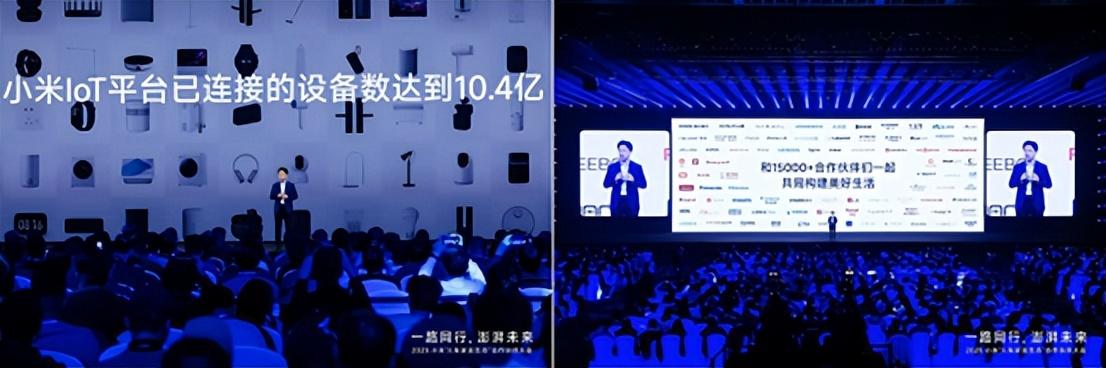
在主论坛,小米核心系统部总经理牛坤公布了小米人车家全生态互联体验的最新进展。截至三季度,小米IoT平台的连接设备,首次跨越10亿的里程碑,达到10.4亿台。米家App月活用户突破1.1亿,小米IoT模组的年出货量,首次突破1 亿片。这些核心数据都标志着小米IoT平台稳居全球最重要的智能生态平台之列。

生态的繁荣也吸引了更多伙伴加入,目前已与全球超过15000家企业合作,并迎来了美诺、博世西门子、LG等国际知名品牌。在创造商业价值的同时,小米积极践行社会责任,与相关部门合作,为障碍人士家庭进行智能化家居改造;同时,通过与全国350多所院校的产教融合,计划未来5年为物联网行业培养超50000名高质量人才。

在大会现场,小米还介绍了智能家居未来探索方案——Xiaomi Miloco。它基于端侧部署的MiMo-VL-Miloco-7B视觉语言大模型,让用户能通过口语化表达自动创建智能规则,首次将“视觉感知”融入智能家居,通过分析摄像头数据实现更复杂的场景理解。

此外,米家与行业领先的脑机接口公司展开早期合作,尝试为更多行动不便的患者带来全新的交互可能,米家平台也欢迎与更多合作伙伴一同探索前沿领域的可能性。
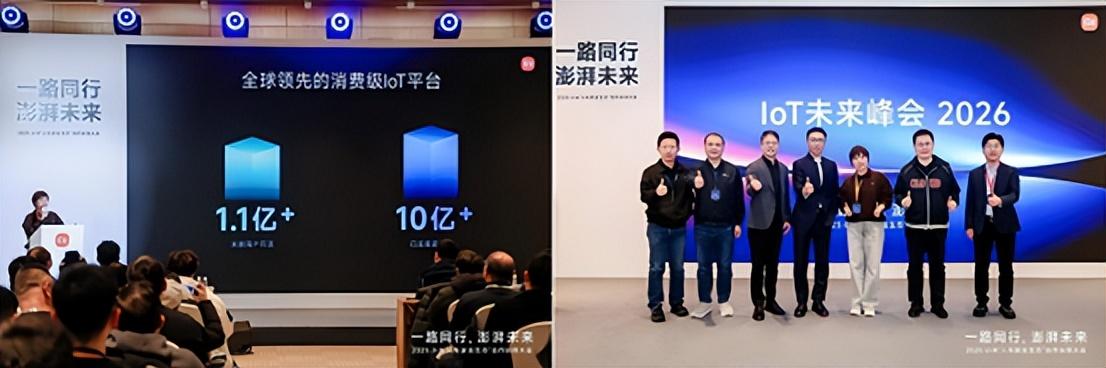
在IoT未来峰会2026,小米IoT平台部总经理石磊分享了小米IoT平台的进展,并指出AI正为产业注入全新动能,技术创新不再局限于单点突破,而是全链路、全生态的聚合发力。

博西中国区SVP孔凡解读“晶御×米家”生态智联进展,展示了其智能解决方案,通过“一键设定、全程托管”的便捷体验,显著提升生活品质与自主掌控感。

Realtek中国区CTO彭作辉介绍其创新的R-Mesh技术可实现全屋无缝覆盖,通过构建四层系统安全架构,携手小米等生态伙伴打造安全、可靠、可全球部署的AIoT解决方案。

小米小爱负责人王刚指出,IoT设备控制和服务已经成为智能家居生活不可或缺的部分,在小爱AI技术的支持下,小米的人车家设备更是打破硬件的交互壁垒,通过大模型的场景应用,实现了设备间的一体化智能控制与联动。

阿里云通义总经理徐栋展示了通义模型家族,通过全模态交互架构实现革命性突破,为智能家居提供“耳聪目明”的多模态感知能力,推动设备交互从被动指令升级为环境感知与主动服务。并全面拥抱Miloco平台框架,使“人车家全生态”用户能通过多模态自然交互,享受AI赋能的主动式生活服务,开启智能家居无感交互3.0时代。

脑虎创始人陶虎介绍了中国首款、全球第二款的全植入、全无线、全功脑机接口产品,以“安全、可靠、高效、通用”为核心,通过柔性电极、四层加密安全架构及自研操作系统XessOS®,聚焦神经疾病导致的运动、语言障碍,致力成为人类智能与AI融合的桥梁,推动患者从“生存”向“高品质生活”跨越;

小米IoT平台技术负责人孔令涛介绍,小米IoT正从设备连接层面向“空间智能”全面跃迁,其核心是通过多模态感知、边缘大模型和分布式计算技术,实现从被动控制到主动理解的决策重构。这一战略以稳健的连接和隐私安全为基石,最终旨在通过开放生态打破边界,为用户提供无缝流转的“人车家全生态”智能体验。
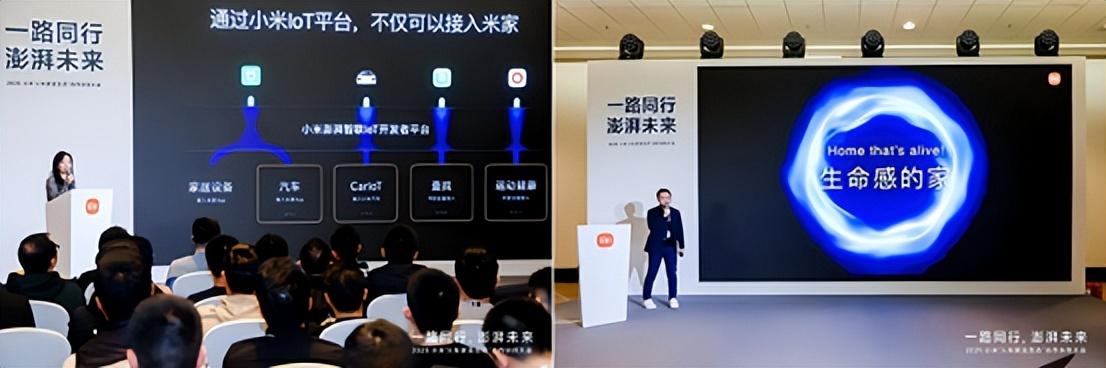
IoT生态接入与体验创新论坛聚焦米家11.0新体验及新的接入能力。米家的接入设备,涵盖大家电、影音娱乐、壁挂炉、电工照明等多个领域。今年,围绕“舒适、省心、安全、节能”的用户核心诉求,米家带来面向照明、安防、环境家电等重点品类的能力升级,包括更高质量标准准入、IoT-BLE2.0与 IoT-Mesh2.0模组矩阵、安防多形态能力与室外4G Cat.1模组、以及“懂人”的感知与节能服务体系;同时进一步开放设备查找网络、运动健康能力与汽车及CarIoT接入,推动“人车家全生态”持续闭环。面向体验创新,米家升级场景能力与3D中控交互,并以大模型驱动的小爱同学与米家智能助手为入口降低使用门槛、增强主动服务,携手更多伙伴共同为超过1.1亿月活用户带来更直觉、更高效的智能家居体验。
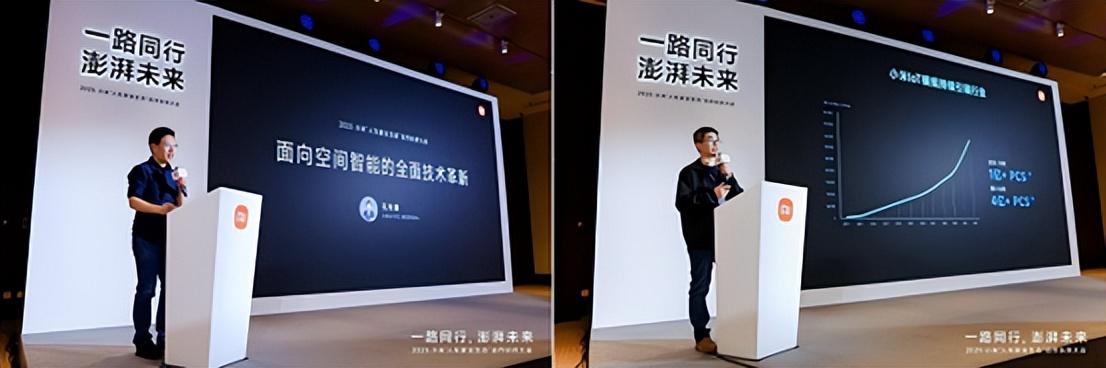
IoT平台技术论坛则聚焦于“空间智能化”展开,集中呈现小米IoT从硬件、连接、系统软件到大模型能力的全栈升级。在底层连接方面,首发IoT-BLE 2.0模组矩阵,以及Cat.1模组。介绍了面向AI的设备与空间的智能底座,也就是新一代人车家联动基建,让感知、记忆、决策与执行形成闭环。还介绍了米家3D中控背后的新一代交互技术。AI方面带来超级小爱Agent架构升级在AIoT的最新落地,以及Xiaomi Miloco对家庭AI未来体验的探索;同时,论坛也面向全球化趋势,系统讨论AIoT开发者在多区域安全与隐私合规浪潮下的策略与实践。
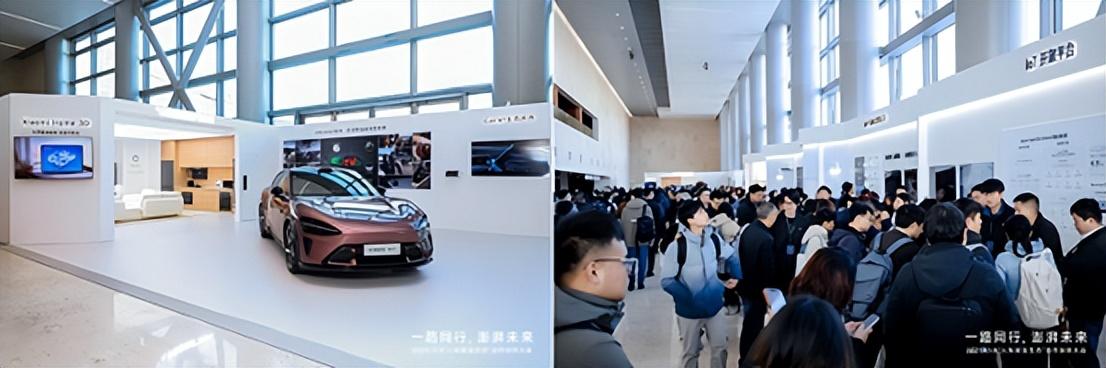
大会现场还设有IoT展区,包括Xiaomi Home 3D、照明场景解决方案、环境清洁场景解决方案、家庭安防场景解决方案,IoT连接技术与IoT开放平台,以及“人车家全生态”体验间,全方位展示了小米IoT平台的能力与全屋智能体验。

注:文/龚作仁,文章来源:Laborer,本文为作者独立观点,不代表亿邦动力立场。

【版权提示】亿邦动力倡导尊重与保护知识产权。未经许可,任何人不得复制、转载、或以其他方式使用本网站的内容。如发现本站文章存在版权问题,烦请提供版权疑问、身份证明、版权证明、联系方式等发邮件至run@ebrun.com,我们将及时沟通与处理。

已点赞

+1

{{ praise_text }}

好文章,值得被更多人看到

FAQ回顾

小米IoT平台最新的连接设备数量是多少?

截至2025年第三季度,小米IoT平台连接设备数量首次突破10亿里程碑,达到10.4亿台,米家App月活用户超过1.1亿,IoT模组年出货量首次突破1亿片。

Xiaomi MiMo大模型在智能家居中有哪些应用?

Xiaomi MiMo基于端侧部署的MiMo-VL-Miloco-7B视觉语言大模型,首次将视觉感知融入智能家居,用户可通过口语化表达创建规则,并分析摄像头数据实现复杂场景理解。

小米人车家全生态战略包含哪些技术升级?

战略核心包括多模态感知、边缘大模型和分布式计算技术,实现从被动控制到主动理解的决策重构,并推出IoT-BLE 2.0模组矩阵、Cat.1模组及米家3D中控交互等全栈升级。

广告

下一篇

跨境电商资源对接

《全球跨境电商服务商资源手册》第二期手册现已发布,触达更多资源,了解跨境服务商信息,欢迎点击链接下载。

了解详情

Pattern杨洛伟:全球化从“运营者”成为“品牌所有者”

在马蹄社品牌全球化CEO决策大课上,关于创始人如何从“运营者”到“品牌拥有者”,杨洛伟从授权采销模式、全球化品牌的品牌建设、AI工具和数据三个方面进行了分享。










