• 亿邦公众号
    • APP下载

看完这个视频了解年轻人高端家电都选谁

作者:龚作仁 文章来源:Laborer

2025-12-17 11:25

作者:龚作仁 文章来源:Laborer

2025-12-17 11:25

邦小白快读

EN
全文速览

年轻人高端家电消费趋势显示市场向头部品牌集中,偏好设计感和AI功能。

1. 市场份额高度集中,如高端洗衣机第一品牌份额达75%,冰箱市场卡萨帝以43.8%领先,海尔和西门子紧随。

2. 设计偏好上,《中国厨居发展趋势报告》显示78.5%消费者选择嵌入式一体化家电,如冰箱原创平嵌美学。

3. 体验需求上,AI家电爆发增长,双11期间销售占比超55%,95后、00后买家占比超4成,空调市场卡萨帝份额53.4%。

4. 整体行业格局重塑,竞争转向场景与体验较量,不再仅拼功能参数。

高端家电市场反映年轻人个性化需求,品牌需聚焦设计感和AI功能以提升竞争力。

1. 消费趋势显示,年轻人偏好能“藏”起来的嵌入式家电和“聪明”的AI功能,如冰箱市场卡萨帝份额43.8%源于平嵌设计。

2. 品牌渠道建设中,AI家电销售占比55%且增长快,双11数据表明95后、00后是主力买家,空调市场卡萨帝以L3级AI认证领先。

3. 产品研发启示:头部品牌如卡萨帝在多个赛道(洗衣机75%份额)领跑,因精准回应设计感和AI需求;用户行为显示78.5%选择嵌入式,提示研发重点。

4. 价格竞争方面,高端市场如1w+冰箱和1.5w+空调份额集中,品牌需平衡定价与创新体验。

高端家电市场增长显著,AI功能和设计偏好带来新机会,需关注需求变化和风险。

1. 增长市场方面,AI家电双11销售占比55%,较去年提升15个百分点,95后、00后买家超4成,提示高端品类如空调(卡萨帝53.4%份额)潜力大。

2. 消费需求变化:年轻人偏好嵌入式设计(78.5%选择)和AI功能,事件如双11显示销售爆发;机会点包括冰箱市场卡萨帝领先,可学习头部品牌策略。

3. 风险提示:市场头部集中(如洗衣机75%份额),新进入者面临竞争压力;正面影响是AI家电兴起带来新商业模式,如场景体验竞争。

4. 应对措施:聚焦可学习点,如卡萨帝通过原创平嵌和AI认证获份额;合作方式可借鉴电商平台数据(如苏宁易购)优化销售。

高端家电产品设计需求高,嵌入式与AI功能带来商业机会,推进数字化生产启示明显。

1. 产品生产和设计需求:年轻人偏好嵌入式一体化家电,78.5%消费者选择如冰箱平嵌设计,卡萨帝份额43.8%体现此趋势;生产需注重超薄嵌入技术。

2. 商业机会方面,高端市场头部集中(洗衣机75%份额),AI家电增长快(双11占比55%),工厂可切入冰箱、空调等品类,如卡萨帝在1.5w+空调份额53.4%。

3. 推进数字化和电商启示:AI功能(如L3级认证)推动销售,电商数据(苏宁易购)显示需求;工厂需整合数字化技术提升生产,响应场景体验竞争趋势。

行业发展趋势向头部集中和AI技术兴起,客户痛点聚焦设计感缺失,解决方案需创新。

1. 行业发展趋势:高端家电市场头部效应明显,如洗衣机75%份额、冰箱卡萨帝43.8%;新技术如AI功能爆发,双11销售占比55%,较去年提升15个百分点。

2. 客户痛点:年轻人需求个性化,家电需设计感(如78.5%选嵌入式)和AI体验,痛点包括基础功能不足;服务中需解决智能集成问题。

3. 解决方案:提供AI技术支持,如卡萨帝L3级认证空调份额53.4%;针对设计痛点,开发嵌入式方案,参考《中国厨居发展趋势报告》数据优化服务。

高端家电对平台需求和电商作用凸显,平台需优化招商和运营管理以应对风向。

1. 商业对平台的需求和问题:电商平台如苏宁易购提供数据支持,AI家电销售占比55%显示需求增长;问题包括管理高端品牌(如卡萨帝份额高)和体验导向产品。

2. 平台的最新做法:利用双11等事件推动销售,数据表明95后、00后买家超4成;招商重点在头部品牌(如冰箱卡萨帝43.8%),运营需强化场景体验。

3. 风向规避:市场头部集中(洗衣机75%份额)提示风险,平台需多元化招商;机会在AI家电增长,平台管理应聚焦新技术整合,避免功能参数竞争。

产业新动向显示高端家电头部集中和AI兴起,新问题在竞争转型,商业模式启示深刻。

1. 产业新动向:市场向头部品牌集中,如洗衣机份额75%、冰箱卡萨帝43.8%;新动向包括AI家电爆发(双11占比55%),年轻人偏好设计感(78.5%选嵌入式)。

2. 新问题:竞争焦点转向场景与体验,非功能参数;潜在问题如头部效应可能导致市场垄断,需研究平衡策略。

3. 商业模式启示:头部品牌如卡萨帝通过原创平嵌和AI认证(空调53.4%份额)领先;政策法规建议可基于消费趋势(如《中国厨居发展趋势报告》),推动创新标准。

声明:快读内容全程由AI生成,请注意甄别信息。如您发现问题,请发送邮件至 run@ebrun.com 。

我是 品牌商 卖家 工厂 服务商 平台商 研究者 帮我再读一遍。

Quick Summary

Young consumers are driving a trend toward premium home appliances, favoring design aesthetics and AI features, with the market consolidating around leading brands.

1. Market concentration is high: the top brand holds 75% share in premium washing machines, while Casarte leads the refrigerator market with 43.8%, followed by Haier and Siemens.

2. Design preferences: 78.5% of consumers prefer built-in, integrated appliances, such as refrigerators with seamless flush-fitting designs, according to the China Kitchen Living Trends Report.

3. Experience demands: AI appliance sales surged during Double 11, accounting for over 55% of sales, with Gen Z buyers (born post-1995 and 2000) comprising over 40%. Casarte holds a 53.4% share in the premium air conditioner segment.

4. Industry restructuring: competition is shifting from technical specifications to integrated scenarios and user experience.

The premium appliance market reflects young consumers' demand for personalization, requiring brands to focus on design and AI capabilities to enhance competitiveness.

1. Consumer trends show a preference for "hidden" built-in appliances and "smart" AI features; Casarte's 43.8% refrigerator market share is partly attributed to its flush-embedding design.

2. In channel strategy, AI appliances accounted for 55% of sales during Double 11, with rapid growth, and Gen Z buyers are the core demographic. Casarte leads in air conditioners with its L3-level AI certification.

3. R&D implications: leading brands like Casarte dominate multiple categories (e.g., 75% in washing machines) by accurately addressing design and AI needs; 78.5% consumer preference for built-in models signals R&D priorities.

4. Pricing strategy: the high-end market (e.g., refrigerators over ¥10,000 and air conditioners over ¥15,000) is highly concentrated, requiring brands to balance pricing with innovative experiences.

The premium appliance market shows significant growth, with AI features and design preferences creating new opportunities, necessitating attention to demand shifts and risks.

1. Growth segments: AI appliances represented 55% of Double 11 sales, up 15 percentage points year-on-year; Gen Z buyers exceed 40%, indicating potential in categories like air conditioners (Casarte holds 53.4%).

2. Demand evolution: young consumers prefer built-in designs (78.5% adoption) and AI functions, with sales spikes during events like Double 11; opportunities include learning from leading brands like Casarte in refrigerators.

3. Risk alerts: high market concentration (e.g., 75% in washing machines) intensifies competition for new entrants; positively, AI appliances enable new business models centered on experiential competition.

4. Countermeasures: focus on replicable strategies, such as Casarte's success with original flush-embedding designs and AI certifications; leverage e-commerce data (e.g., Suning.com) to optimize sales collaborations.

Premium appliance production demands high design standards, with built-in and AI features presenting commercial opportunities, highlighting the need for digital manufacturing.

1. Production and design needs: 78.5% of young consumers prefer integrated appliances, like flush-embedding refrigerators, reflected in Casarte's 43.8% market share; manufacturing must prioritize ultra-slim embedding technologies.

2. Commercial opportunities: the high-end market is concentrated (e.g., 75% in washing machines), with fast-growing AI appliances (55% Double 11 share); factories can target categories like refrigerators and air conditioners, where Casarte holds 53.4% in units over ¥15,000.

3. Digital and e-commerce insights: AI features (e.g., L3 certification) drive sales, supported by e-commerce data (Suning.com); factories should integrate digital technologies to enhance production agility and meet experiential competition trends.

Industry trends show market consolidation and AI technology rise, with client pain points centering on design shortcomings, requiring innovative solutions.

1. Industry trends: the premium appliance market exhibits a strong head effect (e.g., 75% share in washing machines, Casarte's 43.8% in refrigerators); AI technology is booming, with 55% Double 11 sales share, up 15 points year-on-year.

2. Client pain points: young consumers seek personalized appliances with design appeal (78.5% choose built-in) and AI experiences; challenges include inadequate basic functions and smart integration issues in services.

3. Solutions: provide AI技术支持, such as Casarte's L3-certified air conditioners (53.4% share); address design gaps by developing embedded solutions, leveraging data from the China Kitchen Living Trends Report to optimize services.

Premium appliances heighten platform demands and e-commerce roles, requiring optimized merchant recruitment and operations management to adapt to trends.

1. Merchant needs and challenges: e-commerce platforms like Suning.com offer data support, with AI appliances' 55% sales share indicating demand growth; challenges include managing dominant brands (e.g., Casarte's high share) and experience-oriented products.

2. Platform strategies: leverage events like Double 11 to boost sales, with data showing Gen Z buyers exceed 40%; recruitment focuses on leading brands (e.g., Casarte's 43.8% in refrigerators), while operations must enhance scenario-based experiences.

3. Risk mitigation: high market concentration (e.g., 75% in washing machines) signals risks, necessitating diversified merchant bases; opportunities lie in AI appliance growth, with management prioritizing technology integration over spec-based competition.

Industry shifts reveal premium appliance market consolidation and AI emergence, with new problems in competitive transformation offering profound business model insights.

1. New trends: markets are concentrating around head brands (e.g., 75% share in washing machines, Casarte's 43.8% in refrigerators); AI appliances are exploding (55% Double 11 share), and young consumers favor design (78.5% choose built-in).

2. Emerging issues: competition is shifting to scenarios and experiences, not just specs; potential problems like market monopolization from head effects require research into balancing strategies.

3. Business model insights: leaders like Casarte dominate through original flush-embedding designs and AI certifications (53.4% in air conditioners); policy recommendations can leverage consumption trends (e.g., China Kitchen Living Trends Report) to promote innovation standards.

Disclaimer: The "Quick Summary" content is entirely generated by AI. Please exercise discretion when interpreting the information. For issues or corrections, please email run@ebrun.com .

I am a Brand Seller Factory Service Provider Marketplace Seller Researcher Read it again.

买高端家电的年轻人越来越多了,那么,他们都中意哪些品牌?2025年收官之际,一份高端家电排行榜给出了答案。

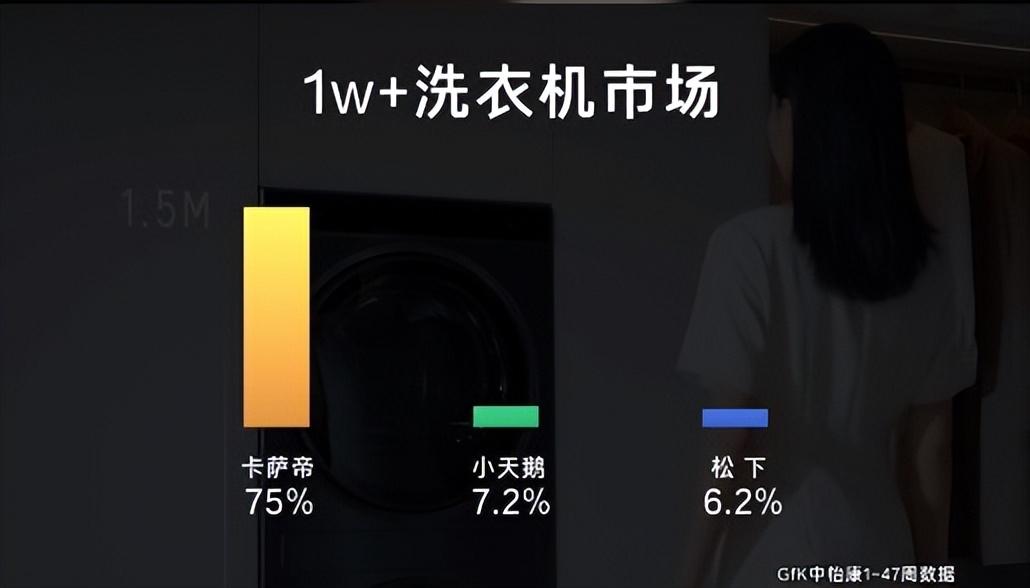
细看数据,会发现一个有意思的现象:市场越来越向头部集中,这恰恰说明,大家心目中的“最佳选项”高度一致。比如高端洗衣机市场,排名第一的品牌份额已经达到75%,相当于每卖出4台高端洗衣机,就有3台是这个牌子。而冰箱、空调、干衣机市场,也都出现了相似的“头部效应”。
说到底,这份榜单折射出的是年轻人的个性化需求:家电不能只有基础功能,还得有设计感、有最前沿的AI功能。而头部品牌之所以能在多个赛道同时领跑,正是因为精准回应了年轻人的这些期待。

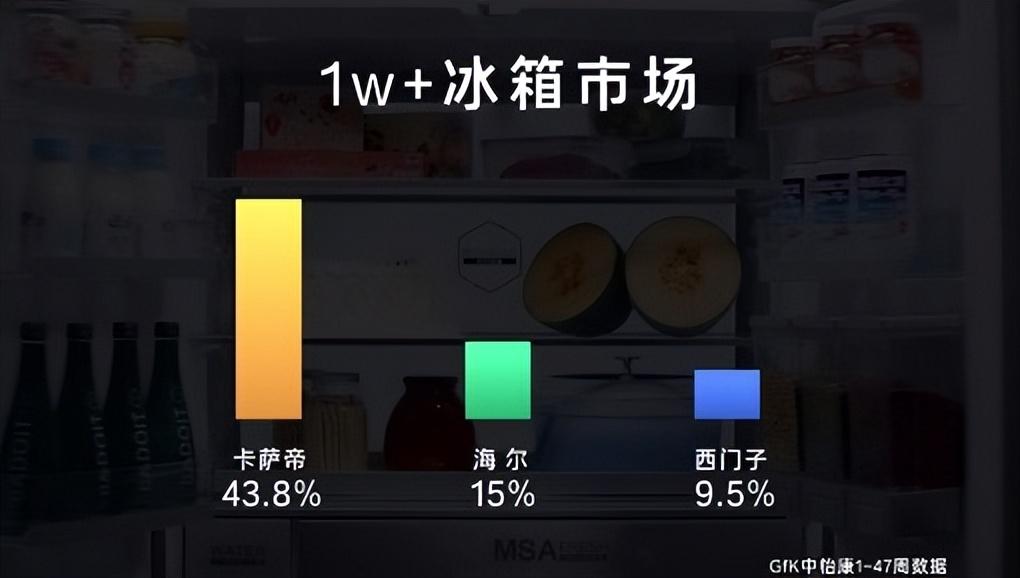
在设计上,年轻人更偏爱能“藏”起来的家电。《中国厨居发展趋势报告》显示,大家在改造厨房时,有高达78.5%的人倾向于选择嵌入式、一体化的家电,尤其是像冰箱这样的大件。从这份高端家电排行榜也可以看到,在1w+冰箱市场,原创平嵌美学的卡萨帝份额43.8%位列第一,海尔(15%)和西门子(9.5%)分列第二、第三,同样聚焦超薄嵌入产品。
在体验上,年轻人更喜欢“聪明”的家电。2025年,AI家电迎来爆发式增长。苏宁易购数据显示,今年双11期间,带有AI功能的智家电销售占比超55%,较去年提升15个百分点,其中95后、00后买家占比超4成。因此,在1.5w+空调市场,曾获行业首个L3级AI空调产品认证的卡萨帝份额达53.4%,其次是支持AI动态节能的格力(18.3%)、具备AI学习能力的三菱电机(9.1%)。

整体来看,年轻消费者正用他们的选择重塑高端家电行业格局。接下来的高端家电竞争,拼的不再只是功能参数,而是场景与体验的全面较量。

注:文/龚作仁,文章来源:Laborer,本文为作者独立观点,不代表亿邦动力立场。

【版权提示】亿邦动力倡导尊重与保护知识产权。未经许可,任何人不得复制、转载、或以其他方式使用本网站的内容。如发现本站文章存在版权问题,烦请提供版权疑问、身份证明、版权证明、联系方式等发邮件至run@ebrun.com,我们将及时沟通与处理。

已点赞

+1

{{ praise_text }}

好文章,值得被更多人看到

FAQ回顾

2025年高端洗衣机市场份额第一的品牌是谁?

卡萨帝在高端洗衣机市场排名第一,份额达到75%,相当于每卖出4台高端洗衣机中有3台是卡萨帝品牌。

年轻人偏好哪种类型的冰箱设计?

根据《中国厨居发展趋势报告》,78.5%的消费者倾向选择嵌入式家电。在1万元以上冰箱市场,卡萨帝凭借原创平嵌美学以43.8%的份额领先。

2025年AI智能家电的市场表现如何?

苏宁易购数据显示,2025年双11期间AI功能家电销售占比超55%。卡萨帝L3级AI空调以53.4%份额领跑1.5万元以上空调市场。

广告

下一篇

跨境电商资源对接

《全球跨境电商服务商资源手册》第二期手册现已发布,触达更多资源,了解跨境服务商信息,欢迎点击链接下载。

了解详情

盒马前置仓扩张至200个,能跑通这条赛道吗?

作为新零售的标杆,盒马一方面通过超盒算NB开放加盟进一步抢占低价到店流量,一方面加速前置仓布局深耕到家场景,从而构建起“到家+到店”的立体零售生态。

未来零售

2025-12-17 10:19:07