



• 亿邦公众号
    • APP下载

俞浩未来基金会“灯塔课堂”第二期开讲 以科学史启迪创新思维

作者:龚作仁 文章来源:Laborer

2025-12-01 11:00

作者:龚作仁 文章来源:Laborer

2025-12-01 11:00

邦小白快读

EN
全文速览

灯塔课堂第二期在江苏海门中学开讲,重点介绍科学史讲座和双轨培养模式的核心干货。

1.讲座主题为“牛顿的苹果神话”,吴国盛教授强调科学是技术根基,指出科学突破源于长期探索与坚持而非偶然,通过哥白尼、笛卡尔到牛顿的历史脉络展示科学的批判与继承演进。

2.互动环节学生探讨科学与技术关系、如何学好物理等,吴教授回应需保持好奇心和理性思考,科学教育注重世界观、方法论和价值观培养。

双轨并行机制聚焦实践与人文结合。

1.“灯塔实验室”配备无人机足球、3D打印、智能制造等设备,助力学生创新实践能力提升,解决真实问题。

2.课堂阶梯式培养首期重价值追寻,本期重科学史逻辑思维训练,整体构建知识到能力、技术到思想的成长支持。

未来基金会响应科教兴国战略,深化校企合作培育创新人才。

灯塔计划展现教育品牌建设和消费者行为观察的干货。

1.品牌营销:俞浩未来基金会通过“灯塔课堂”和“灯塔实验室”活动提升影响力,吸引热心人士和校友申请参与,强化公益形象推广。

2.消费趋势:学生行为显示对科学好奇和实践兴趣增强,如讲座互动中探讨科技关系,实验室新奇设备吸引驻足体验,反映教育消费转向注重创新素养培育。

产品研发启示基于科学教育核心。

1.吴国盛观点强调科学是技术根基,品牌可借鉴推动产品研发结合科学方法论,例如从历史案例中汲取创新理念。

2.基金会模式提供品牌渠道建设启示,通过课堂和实验室双轨拓展,探索社会力量参与路径。

政策解读和市场机会围绕科教兴国战略和合作机制。

1.政策支持:基金会响应国家战略,构建社会协同育人体系,政策利好推动教育增长市场,如各地校友申请项目引入。

2.消费需求变化:学生兴趣点转向科学探索和创新实践,如讲座激发好奇心,实验室解决真实问题,带来教育服务需求机会。

正面影响与风险提示。

1.合作方式:企业高校参与基金项目提供扶持,如“灯塔同行者”机制,促进资源共享降低风险。

2.机会提示:双轨模式可复制,卖家可学习实验室技术应用(如3D打印),规避风向如确保人文素养整合。

最新商业模式:课堂+实验室培养机制启发增长策略。

工厂关注产品生产和数字化启示干货。

1.生产设计需求:实验室设备如无人机足球、智能制造(激光雕刻)、三维创想(3D打印)的具体应用案例,显示教育工具制造需求增长。

2.商业机会:设备在海门中学科学节亮相吸引学生,带来制造业在教育领域的扩张机会,如提供定制技术设备。

推进数字化启示基于实践经验。

1.数字化教育:实验室通过3D打印等技术实践,启示工厂整合智能设备生产,支持创新人才培养。

2.电商启示:基金会的校友申请机制提供电商渠道合作模式,工厂可探索在线推广教育设备解决方案。

行业趋势和新技术聚焦教育创新解决方案。

1.行业发展趋势:灯塔计划展示科学人才培育需求增长,市场向课堂和实验室双轨整合倾斜。

2.新技术:实验室使用无人机足球、3D打印、智能制造等前沿设备,提供技术落地案例。

客户痛点与解决方案。

1.痛点:学生缺乏实践和批判思维技能,如讲座中学生问如何学好物理需方法论支持。

2.解决方案:实验室设备提升创新实践,应对真实问题;吴国盛观点强调科学教育价值观培养,服务商可借鉴提供系统方案。

整体反映教育服务创新动向。

平台需求问题和运营管理干货。

1.平台需求:基金作为培育平台面临资源整合问题,如需企业高校合作解决,模式强调课堂和实验室并轨管理。

2.平台做法:双轨机制提供可复制运营模式,课堂阶梯式培养、实验室技术应用设置招商机会,吸引校友申请加入。

风向规避与扶持政策。

1.运营管理:通过实验室设备如3D打印规避技术风险,确保安全实践。

2.招商支持:“灯塔同行者”和校友申请提供合作扶持,政策如科教兴国战略导向降低运营风向。

整体强化平台构建启示。

产业新动向和政策建议干货。

1.产业动向:教育创新人才培养机制成为焦点,灯塔计划的双轨模式(课堂+实验室)展示可复制机制。

2.新问题:如何整合人文与科技素养,如吴国盛观点强调科学世界观培养,学生课后反思旅程价值。

政策法规建议和商业模式。

1.政策启示:响应科教兴国战略,建议深化社会协同育人法规,支持企业高校合作路径。

2.商业模式:阶梯式培养从知识到能力演变,提供产学研结合创新案例,研究者可分析代表基金会运作。

声明:快读内容全程由AI生成,请注意甄别信息。如您发现问题,请发送邮件至 run@ebrun.com 。

我是 品牌商 卖家 工厂 服务商 平台商 研究者 帮我再读一遍。

Quick Summary

The second session of the Beacon Classroom was held at Jiangsu Haimen High School, focusing on the core insights of science history lectures and a dual-track training model.

1. The lecture, titled "The Myth of Newton's Apple," was delivered by Professor Wu Guosheng, who emphasized that science is the foundation of technology. He highlighted that scientific breakthroughs stem from long-term exploration and persistence rather than chance, illustrating the evolution of science through critical thinking and inheritance from Copernicus and Descartes to Newton.

2. During the interactive session, students discussed the relationship between science and technology and how to excel in physics. Professor Wu responded by stressing the importance of maintaining curiosity and rational thinking, noting that science education should focus on cultivating worldview, methodology, and values.

The dual-track mechanism integrates practical and humanities education.

1. The "Beacon Laboratory" is equipped with tools like drone football, 3D printing, and smart manufacturing to enhance students' innovative and practical abilities, enabling them to solve real-world problems.

2. The classroom adopts a tiered training approach: the first phase emphasized value pursuit, while this session focused on logical thinking training through science history, systematically building support from knowledge to skills and technology to ideology.

Moving forward, the foundation will respond to the national strategy of revitalizing the country through science and education by deepening school-enterprise cooperation to cultivate innovative talent.

The Beacon Project offers insights into educational branding and consumer behavior trends.

1. Brand Marketing: The Yuhao Future Foundation enhances its influence through activities like "Beacon Classroom" and "Beacon Laboratory," attracting enthusiastic individuals and alumni to apply for participation, thereby strengthening its public welfare image.

2. Consumer Trends: Student behavior reflects growing curiosity in science and hands-on interest, such as discussions on the science-technology relationship during lectures and engagement with novel lab equipment, indicating a shift in educational consumption toward fostering innovation literacy.

Product development insights are rooted in science education principles.

1. Professor Wu Guosheng's view that science is the foundation of technology can inspire brands to integrate scientific methodologies into product R&D, drawing innovative ideas from historical cases.

2. The foundation's model provides lessons for brand channel development, exploring pathways for social forces to participate through dual-track classroom and laboratory expansion.

Policy interpretation and market opportunities revolve around the national strategy of revitalizing the country through science and education and collaborative mechanisms.

1. Policy Support: The foundation's alignment with national strategy fosters a collaborative education system, with favorable policies driving growth in the education market, such as alumni applications for project introduction.

2. Changing Consumer Demand: Student interests are shifting toward scientific exploration and hands-on innovation, as seen in lecture-driven curiosity and lab-based problem-solving, creating opportunities for educational services.

Positive impacts and risk warnings.

1. Collaboration Methods: Enterprises and universities can participate in foundation projects through mechanisms like "Beacon Companions," promoting resource sharing and risk reduction.

2. Opportunity Insights: The dual-track model is replicable; sellers can learn from lab technology applications (e.g., 3D printing) while mitigating risks by ensuring integration of humanities literacy.

Latest Business Model: The classroom + laboratory training mechanism inspires growth strategies.

Factories focus on product manufacturing and digitalization insights.

1. Production Design Needs: Lab equipment applications, such as drone football, smart manufacturing (laser engraving), and 3D printing, demonstrate growing demand for educational tool manufacturing.

2. Business Opportunities: Equipment showcased at Haimen High School's science festival attracted student interest, offering expansion opportunities in the education sector, such as providing customized technical devices.

Digitalization insights based on practical experience.

1. Digital Education: Lab practices using technologies like 3D printing inspire factories to integrate smart equipment production to support innovative talent cultivation.

2. E-commerce Insights: The foundation's alumni application mechanism offers e-commerce channel collaboration models, enabling factories to explore online promotion of educational equipment solutions.

Industry trends and new technologies focus on innovative education solutions.

1. Industry Development: The Beacon Project highlights growing demand for scientific talent cultivation, with the market shifting toward integrated classroom and laboratory dual-track models.

2. New Technologies: The lab's use of cutting-edge equipment like drone football, 3D printing, and smart manufacturing provides real-world technology implementation cases.

Customer pain points and solutions.

1. Pain Points: Students lack practical and critical thinking skills, as seen in queries about learning physics effectively during lectures, requiring methodological support.

2. Solutions: Lab equipment enhances innovative practice to address real problems; Professor Wu's emphasis on values in science education offers a framework for providers to develop systematic solutions.

Overall, the project reflects trends in education service innovation.

Platform needs and operational management insights.

1. Platform Demands: The foundation, as a cultivation platform, faces resource integration challenges, requiring collaboration with enterprises and universities, with a model emphasizing parallel management of classrooms and labs.

2. Platform Practices: The dual-track mechanism offers a replicable operational model, with tiered classroom training and lab technology applications creating partnership opportunities, attracting alumni applications.

Risk mitigation and support policies.

1. Operational Management: Risks are mitigated through lab equipment like 3D printing, ensuring safe practices.

2. Partnership Support: Mechanisms like "Beacon Companions" and alumni applications provide collaboration support, with policies such as the national science and education strategy reducing operational risks.

Overall, the project strengthens platform-building insights.

Industry trends and policy recommendations.

1. Industry Dynamics: Innovative talent cultivation mechanisms in education are gaining focus, with the Beacon Project's dual-track model (classroom + lab) demonstrating a replicable framework.

2. Emerging Issues: How to integrate humanities and technological literacy, as highlighted by Professor Wu's focus on scientific worldview cultivation and student reflections on value journeys.

Policy and regulatory suggestions and business models.

1. Policy Insights: In response to the national strategy, recommendations include deepening regulations for collaborative education and supporting enterprise-university cooperation pathways.

2. Business Models: The tiered training evolution from knowledge to skills provides case studies for industry-academia-research integration, offering analysis opportunities for foundation operations.

Disclaimer: The "Quick Summary" content is entirely generated by AI. Please exercise discretion when interpreting the information. For issues or corrections, please email run@ebrun.com .

I am a Brand Seller Factory Service Provider Marketplace Seller Researcher Read it again.

11月30日,由俞浩未来基金会发起的“灯塔计划”第二期“灯塔课堂”在江苏省海门中学正式开讲。清华大学科学史系主任、科学博物馆馆长吴国盛作为“灯塔同行者”,以“牛顿的苹果神话”为主题,为学生们带来了一场生动的科学史讲座。

作为聚焦高中阶段创新人才培育的公益项目,“灯塔计划”自启动以来进展迅速。随着“灯塔实验室”捐赠的前沿科技设备在海门中学科学节亮相,“课堂+实验室”双轨培养模式进一步落地,持续助力青少年科学素养与创新能力的全面提升。
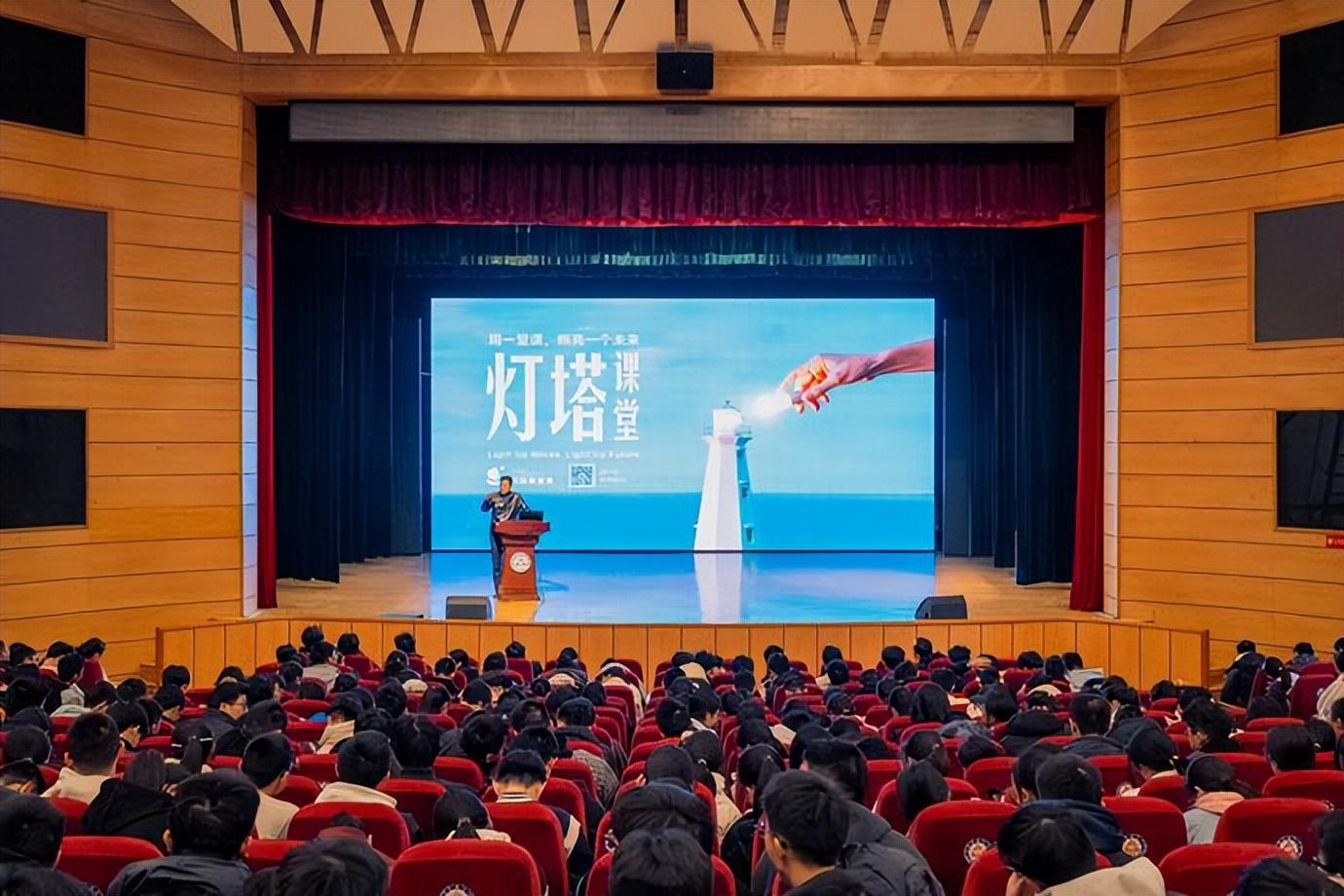
01、吴国盛:科学是技术的根基,学好科学才能创造更好的技术

在本期讲座中,吴国盛教授并未停留在“牛顿被苹果砸中”的传说表面,而是引导学生们穿透故事,深入理解科学突破背后的真实动因。他指出:“科学突破并非源于偶然,那些改变世界的理论背后,藏着未被知晓的探索与坚持。”
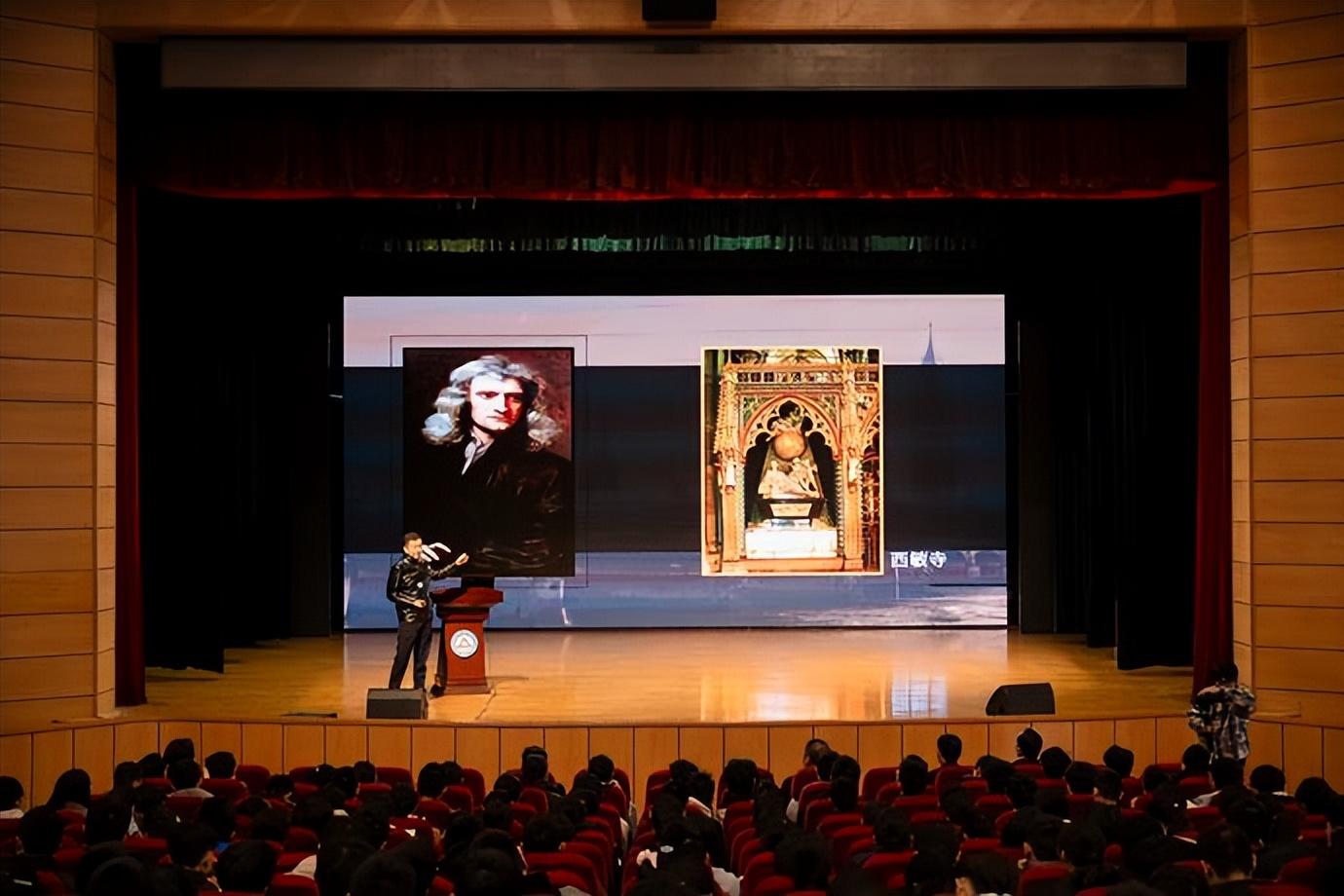
他从哥白尼日心说、笛卡尔的哲学思想,讲到牛顿历时二十余年的推演与验证,最终完成《自然哲学的数学原理》,系统勾勒出科学在批判与继承中不断演进的历史脉络。吴教授强调:“研究始于思辨,思辨本身就是通向真理的路径。敢于质疑、批评,才能不断接近真理。”

互动环节,同学们围绕科学与技术的关系、发现问题与发现真理的价值、如何学好物理等话题踊跃提问。吴教授一一回应,并进一步指出:“科学源于对自然的好奇,好奇始于对现象的关注。保持好奇,就是守护科学的起点。”

“科学教育,不只是教技术,更是培养科学的世界观、方法论和价值观。”吴教授提到,科学是技术的根基,学好科学,才能创造更好的技术。整场讲座不仅梳理了科学发展的内在逻辑,也在同学们心中播下了理性思考与不懈探索的种子。

截至目前,“灯塔课堂”已成功开展两期,逐渐构建起阶梯式培养路径。首期注重“成长选择与价值追寻”,引导学生思考人生方向;本期聚焦至“科学史探索”,系统训练学生的逻辑思维与批判性思维。学生在课后感慨:“原来科学不只是公式和结论,更是一段充满坚持与探索的旅程。”

02、双轨并行,“灯塔计划”构建创新人才培养新机制

自“灯塔计划”启动以来,获得了社会各界的广泛响应和支持。越来越多热心人士申请成为“灯塔同行者”,也有全国各地校友为母校申请引入该项目。

随着“灯塔课堂”持续推进,“灯塔实验室”作为科技实践平台也在加快落地。海门中学首间“灯塔实验室”设有无人机足球、智能制造(激光雕刻)、三维创想(3D打印)等主题空间,着力提升学生的创新实践能力。相关前沿科技设备也于海门中学科学节首次亮相,新奇体验吸引了众多同学驻足互动。通过亲身参与,学生们不仅感受到科技的魅力,也开启了面向真实问题、解决复杂能力的实践探索。
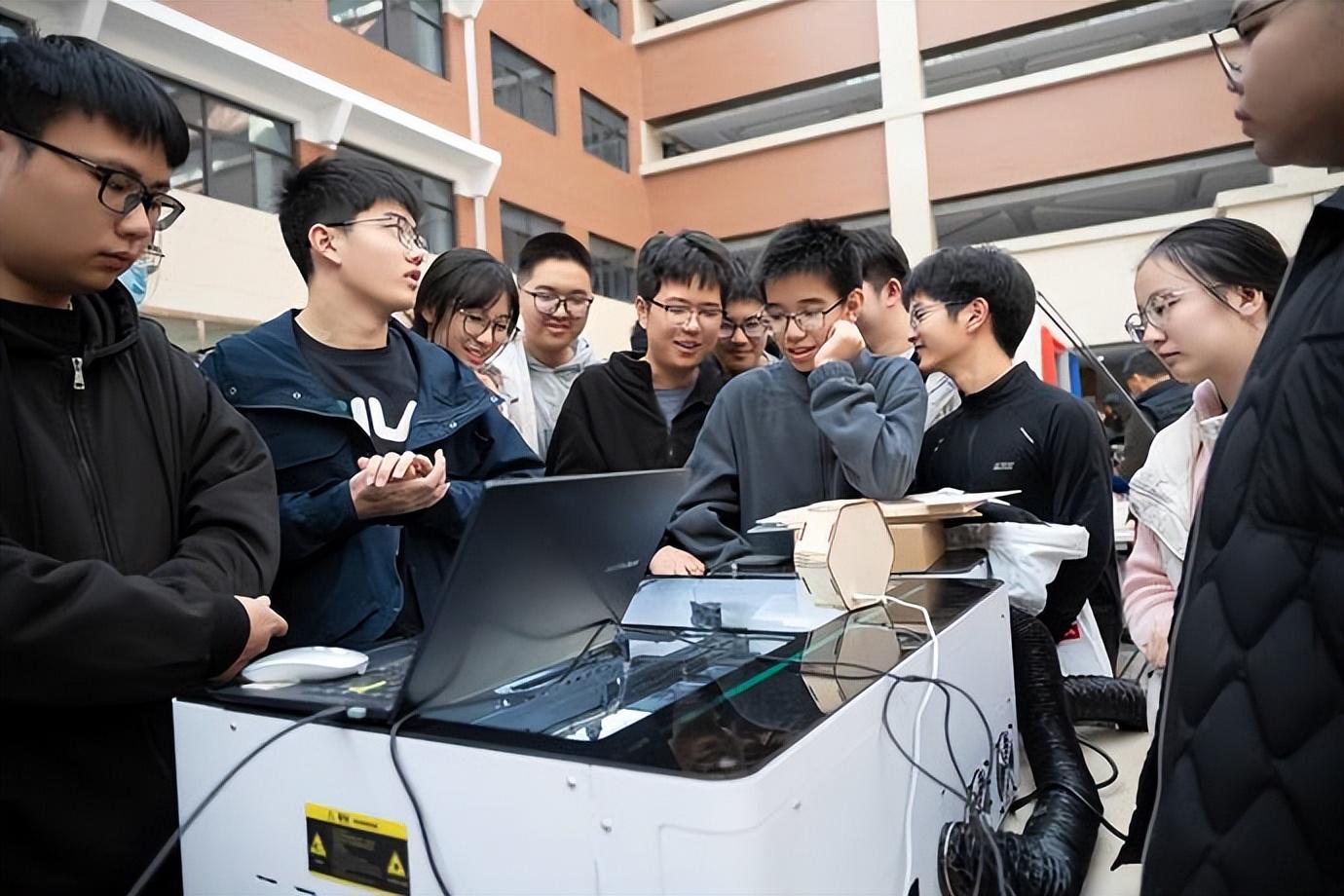
“灯塔计划”通过“课堂+实验室”双轨并行的创新模式,既强化学生的科技实践能力,也注重人文素养的培育,逐步构建起一套可复制、可持续的创新人才培养机制。该计划不仅为学生提供从知识到能力、从技术到思想的完整成长支持,也探索了产业及社会力量深度参与基础教育阶段人才培育的有效路径。

今后,俞浩未来基金会将继续响应国家“科教兴国”战略,深化社会协同育人机制,携手更多企业与高校,共同培养兼具创新能力与人文素养的下一代,为中国科技发展持续注入青春动能。

注:文/龚作仁,文章来源:Laborer,本文为作者独立观点,不代表亿邦动力立场。

【版权提示】亿邦动力倡导尊重与保护知识产权。未经许可,任何人不得复制、转载、或以其他方式使用本网站的内容。如发现本站文章存在版权问题,烦请提供版权疑问、身份证明、版权证明、联系方式等发邮件至run@ebrun.com,我们将及时沟通与处理。

已点赞

+1

{{ praise_text }}

好文章,值得被更多人看到

FAQ回顾

俞浩未来基金会灯塔计划是什么?

灯塔计划是俞浩未来基金会发起的聚焦高中创新人才培育的公益项目,采用课堂+实验室双轨培养模式,通过科学史讲座和前沿科技实践提升青少年科学素养与创新能力。

灯塔计划第二期课堂有哪些主要内容?

第二期由清华大学吴国盛教授主讲牛顿科学史,引导学生理解科学突破的真实动因,同时灯塔实验室配备无人机足球、3D打印等设备,在江苏海门中学科学节亮相。

灯塔计划如何培养创新人才?

通过阶梯式培养路径,首期注重价值追寻,二期训练批判性思维,结合实验室科技实践,构建可复制的创新人才培养机制,响应国家科教兴国战略。

广告

下一篇

跨境电商资源对接

《全球跨境电商服务商资源手册》第二期手册现已发布,触达更多资源,了解跨境服务商信息,欢迎点击链接下载。

了解详情

黑白调发布《2025职场久坐健康白皮书》 提出人体工学椅健康新解法

该白皮书由中国健康管理协会健康科普专业委员会秘书长郭弘葳、国家健康科普专家库成员张智海提供学术支持,在人民健康平台发布。

未来零售

2025-12-01 10:52:41










