



• 亿邦公众号
    • APP下载

京东紧急驰援香港大埔火灾 首家首批救援物资连夜送达

作者:龚作仁 文章来源:Laborer

2025-11-27 17:50

作者:龚作仁 文章来源:Laborer

2025-11-27 17:50

邦小白快读

EN
全文速览

总1:京东在大埔火灾中的高效援助关键行动

1.火灾发生后,京东旗下香港佳宝超市作为首个企业,当晚将首批生活物资如矿泉水、夹心饼干、麻薯和泡面送达灾区,展现快速响应能力。

2.后续行动包括提供超500份热食餐食,并为受灾群众持续补给物资,确保基本生活需求。

总2:物资配送的实操细节

1.京东物流立即成立应急小组,开通绿色通道,安排专人专车从香港和广东仓储调货,包括保暖被褥和卫生用品等急需品。

2.灾害初期,救援物资已通过京东小哥配送到庇护所,第二批物资已装车随时补充。

总1:京东品牌营销和渠道建设在灾害响应中的表现

1.京东利用旗下子品牌佳宝超市及时援助,提升品牌形象,展现渠道优势,如联动当地乡议会快速发放物资。

2.品牌在价格竞争和产品研发中,配送基础生活品体现了对消费趋势的理解,并通过热食服务增强用户粘性。

总2:企业社会责任提升品牌声誉

1.京东强调守望相助的理念,展示品牌定价策略在公益中的延伸,免费捐赠物资巩固用户信任。

2.佳宝超市确保门店物资充足,作为品牌延伸,强化了市场影响力。

总1:京东灾害响应政策解读和机会提示

1.内部规定允许库房管理者自主捐赠物资,避免审批延误,提供事件应对措施参考;成立应急保障团队确保专车专送,降低风险。

2.合作方式如中联办协作,提示增长市场在公益合作,扶持政策如绿色通道助卖家借力物流网络。

总2:商业模式的正面影响和学习点

1.京东物资快速调配展示最新商业模式,卖家可学习其供应链优化,如通过仓储网络实现即时响应。

2.风险提示在于灾害中及时补充货品,机会点在香港市场拓展,如佳宝超市行动可作为合作案例。

总1:京东供应链对生产的启示和商业机会

1.物资如夹心饼干和麻薯的快速调配,展示产品需求在灾害中的优先级,工厂可借鉴简化生产流程;推进数字化体现在京东物流的一体化供应链管理中。

2.商业机会在于为京东等企业代工生活必需品,电商启示利用仓储网络提升配送效率。

总2:灾害响应对产品设计需求的借鉴

1.京东专注于基础生活品配送,工厂可设计应急产品如便携食品;刘强东规定简化捐赠,启示在生产决策中引入自主机制。

2.推进数字化整合生产环节,类似京东仓储网络,减少响应时间。

总1:物流行业趋势和新解决方案

1.京东物流启动应急预案,依托大湾区仓储网络,展示行业新技术和一体化供应链,解决客户痛点如灾害物资延误;开通绿色通道提供专车专送方案。

2.发展趋势指向应急响应系统化,如成立应急小组处理客户需求。

总2:解决痛点的实践案例

1.客户痛点包括物资调拨难,京东从香港1号仓和广东仓加急发运,显示高效解决方案;热食供给体现服务延伸。

2.新技术应用在物流追踪中,服务商可学习其灾害管理体系。

总1:平台的最新做法和风险管理

1.京东平台开通绿色通道,确保社会爱心物资及时配送,展示最新招商和运营管理,规避配送延迟风险;专车专送满足商业需求。

2.平台需求在灾害响应中,需高效整合仓储,如从香港和广东仓调配资源成立应急小组。

总2:平台问题应对和风向规避

1.平台招商启示在佳宝超市行动,作为子平台;中联办协作强化合作关系,风险提示是确保供应链连续。

2.最新做法包括夜间配送和小哥管理,平台商可借鉴规避供应断链。

总1:京东商业模式和产业新动向

1.刘强东内部规定允许库房自主捐赠,作为政策创新启示;供应链管理在灾害中突显电商一体化的新动向,如京东物流响应模式。

2.商业模式涉及企业社会责任与运营结合,研究者可分析其政策法规建议,如简化公益决策。

总2:新问题和研究启示

1.新问题包括企业如何在重大事件中平衡商业与援助,京东案例提供观点;热食供给和物资调拨体现产业动向在快速响应。

2.研究者可从灾情应对中提取观点,探讨法规完善以支持类似京东的CSR模型。

声明:快读内容全程由AI生成,请注意甄别信息。如您发现问题,请发送邮件至 run@ebrun.com 。

我是 品牌商 卖家 工厂 服务商 平台商 研究者 帮我再读一遍。

Quick Summary

Summary 1: JD.com's key actions in efficient disaster relief during the Taipo fire

1. Following the fire, JD.com's Hong Kong subsidiary, Kaibo Supermarket, was the first company to deliver essential supplies like bottled water, sandwich biscuits, mochi, and instant noodles to the disaster area that same evening, demonstrating rapid response capabilities.

2. Subsequent actions included providing over 500 hot meals and continuously replenishing supplies for affected residents to ensure their basic living needs were met.

Summary 2: Practical details of material distribution

1. JD Logistics immediately established an emergency task force, opened a green channel, and arranged dedicated vehicles and personnel to dispatch urgently needed items like warm bedding and hygiene products from warehouses in Hong Kong and Guangdong.

2. During the initial disaster response phase, relief supplies were delivered by JD couriers to shelters, with a second batch of materials already loaded and ready for replenishment.

Summary 1: JD.com's brand marketing and channel performance in disaster response

1. JD.com leveraged its subsidiary Kaibo Supermarket for timely assistance, enhancing brand image and demonstrating channel advantages through coordinated distribution with local councils.

2. The delivery of basic necessities reflected the brand's understanding of consumer trends, while hot meal services helped strengthen user loyalty amid price competition and product development.

Summary 2: Corporate social responsibility enhancing brand reputation

1. JD.com emphasized mutual support values, extending its pricing strategy to philanthropy through free donations that solidified user trust.

2. Kaibo Supermarket ensured ample store supplies as a brand extension, reinforcing market influence.

Summary 1: Interpretation of JD.com's disaster response policies and opportunity alerts

1. Internal regulations authorized warehouse managers to autonomously donate supplies, avoiding approval delays and providing reference for crisis management; dedicated emergency teams ensured specialized delivery to mitigate risks.

2. Collaboration models like working with the Liaison Office highlighted growth opportunities in philanthropic partnerships, with supportive policies such as green channels helping sellers leverage JD's logistics network.

Summary 2: Positive impacts and learning points from the business model

1. JD.com's rapid material deployment demonstrated advanced business models, offering lessons in supply chain optimization through warehouse networks for instant response.

2. Risk alerts emphasized timely inventory replenishment during disasters, while opportunities included Hong Kong market expansion using Kaibo Supermarket's actions as a partnership case study.

Summary 1: Supply chain insights and commercial opportunities from JD.com's response

1. Quick deployment of items like sandwich biscuits and mochi revealed disaster demand priorities, suggesting factories simplify production processes; digitalization advances were evident in JD Logistics' integrated supply chain management.

2. Commercial opportunities included OEM production of daily necessities for JD.com, with e-commerce insights on using warehouse networks to enhance delivery efficiency.

Summary 2: Disaster response implications for product design needs

1. JD.com's focus on basic goods delivery informed factory designs for emergency products like portable food; simplified donation rules by Richard Liu suggested incorporating autonomous mechanisms in production decisions.

2. Digital integration of production processes, mirroring JD's warehouse network, could reduce response times.

Summary 1: Logistics industry trends and new solutions

1. JD Logistics activated emergency plans using the Greater Bay Area warehouse network, showcasing new technologies and integrated supply chains that address client pain points like disaster material delays; green channels offered dedicated delivery solutions.

2. Industry trends pointed toward systematic emergency response, such as forming task forces to handle client needs.

Summary 2: Practical case studies addressing pain points

1. Client challenges included difficult material allocation; JD.com's expedited shipments from Hong Kong and Guangdong warehouses demonstrated efficient solutions, with hot meal services extending service scope.

2. New technology applications in logistics tracking provided learnings for service providers in disaster management systems.

Summary 1: Platform's latest practices and risk management

1. JD.com's platform opened green channels to ensure timely delivery of charitable supplies, showcasing updated merchant recruitment and operational management to avoid delays; dedicated vehicles met commercial demands.

2. Disaster response required efficient warehouse integration, such as mobilizing resources from Hong Kong and Guangdong warehouses to form emergency teams.

Summary 2: Platform issue resolution and risk avoidance

1. Merchant recruitment insights from Kaibo Supermarket's actions as a sub-platform; collaboration with the Liaison Office strengthened partnerships, with risk alerts on maintaining supply chain continuity.

2. Latest practices included night deliveries and courier management, offering platforms借鉴 for avoiding supply disruptions.

Summary 1: JD.com's business model and industry developments

1. Richard Liu's internal rule allowing autonomous warehouse donations served as policy innovation; supply chain management highlighted new e-commerce integration trends, like JD Logistics' response model.

2. The business model combined corporate social responsibility with operations, suggesting research into policy recommendations for streamlined philanthropic decision-making.

Summary 2: Emerging issues and research implications

1. New questions included balancing commercial and aid efforts during major events, with JD.com's case offering perspectives; hot meal provision and material allocation reflected industry shifts toward rapid response.

2. Researchers could extract insights from disaster management to discuss regulatory improvements supporting CSR models like JD.com's.

Disclaimer: The "Quick Summary" content is entirely generated by AI. Please exercise discretion when interpreting the information. For issues or corrections, please email run@ebrun.com .

I am a Brand Seller Factory Service Provider Marketplace Seller Researcher Read it again.

11月26日下午,香港新界大埔屋邨宏福苑突发五级火灾,造成重大人员伤亡,灾情牵动着社会各界的心。

事故发生后,在香港中联办帮助下,京东集团旗下香港佳宝超市作为首家将救援物资送达现场的企业,第一时间联动当地乡议会,快速启动应急救援机制,成立专项应急响应专班,紧急调配矿泉水、夹心饼干、麻薯、泡面等生活急需物资。火灾发生当晚,首批救援物资就已从附近仓储发出,由专人专车送达受灾区域指定地点;目前第二批救援物资已装车完毕,将根据现场需求随时调拨补充,切实保障受灾同胞的基本生活需求。
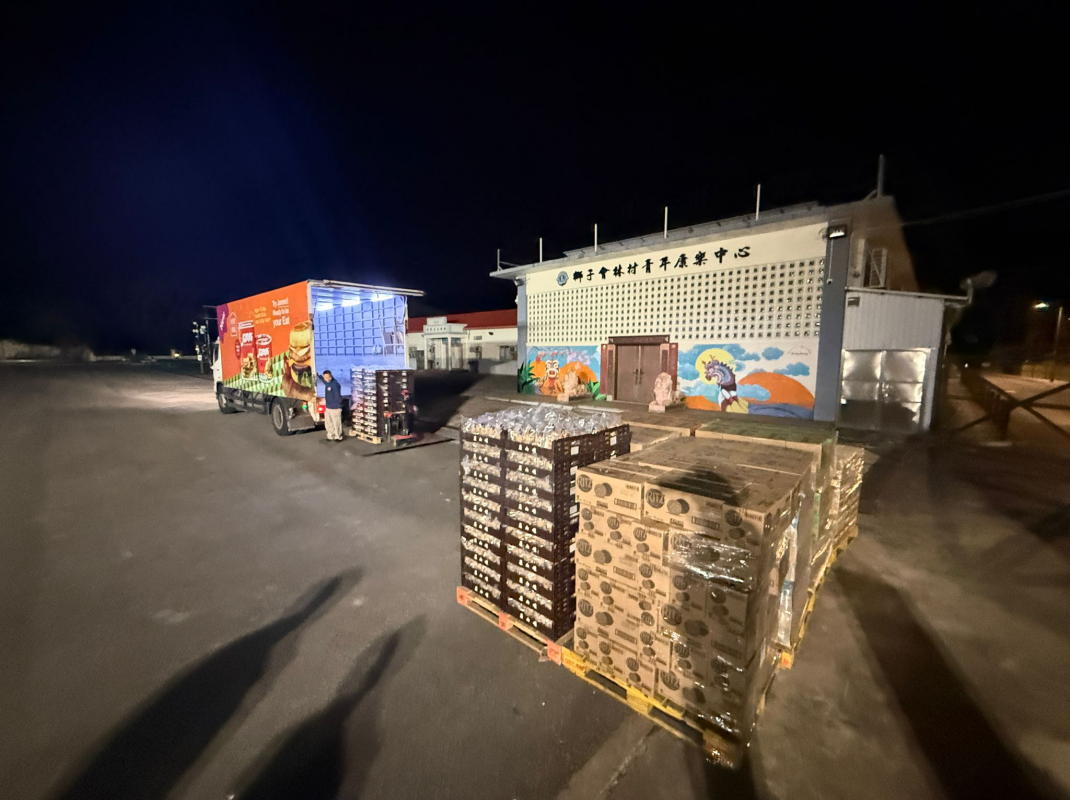
(京东佳宝工作人员连夜将物资送达指定地点)

11月27日上午,佳宝超市紧急调配资源,为受灾群众和救援人员提供超500份热食餐食,后续还将根据现场需要,持续进行援助供给。

与此同时,京东物流也第一时间启动预案并成立应急小组,依托遍及大湾区的仓储网络和一体化供应链,第一时间从香港1号仓以及位于广东的自营仓加急调拨床单、保暖被褥、卫生用品、毛巾及方便面、饮用水、自热小火锅等急需品,安排京东物流专人专车运送,确保救援物资及时送达。11月26日夜到27日凌晨,首批救援应急物资已经由京东小哥送到香港各地的庇护所。11月27日,其他批次的应急物资还在从香港、广东等地源源不断地发出。目前,京东物流已开通绿色通道,助力社会爱心物资及时运抵香港。
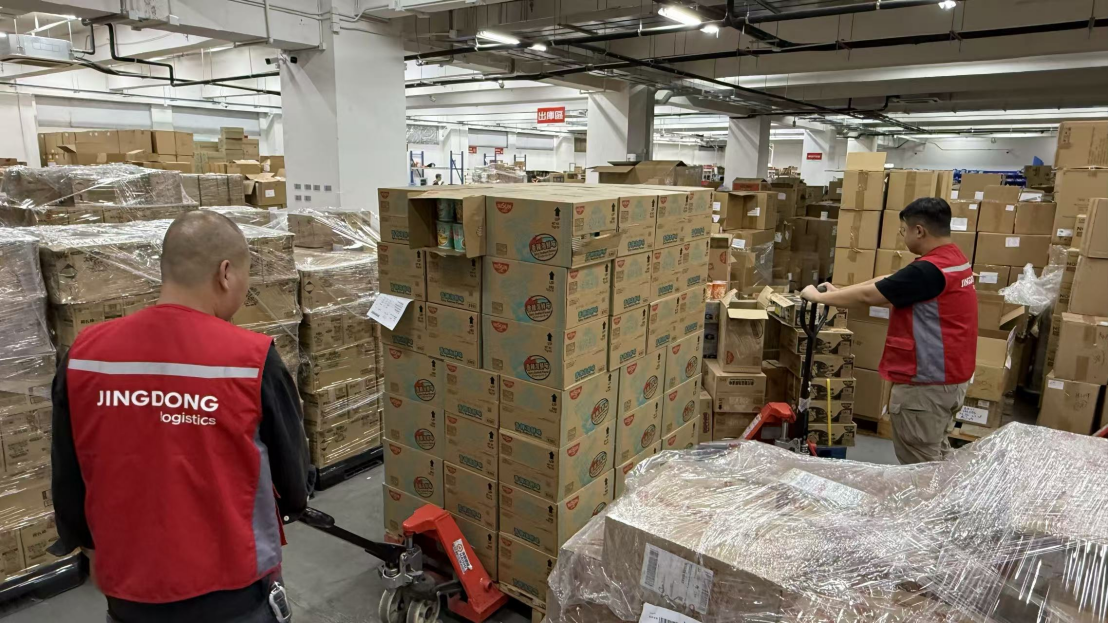
(京东物流香港1号仓的援助物资正在出库)

京东集团创始人、董事局主席刘强东先生曾在公司内部规定:全国任何地方发生灾难,京东临近库房的管理者都无需汇报,即有权捐出库房里灾区所需要的物资。同时,京东也会第一时间成立应急保障团队,确保救灾物资的专车专送。

后续,京东将继续与香港特区政府相关部门保持密切沟通,在需要时随时提供进一步支援,持续为香港大埔火灾救援工作贡献力量。佳宝超市将保持所有门店物资充足,确保满足受灾同胞的应急需求。京东始终坚信,守望相助、共克时艰是企业应尽的社会责任。我们将持续关注灾情进展,与香港同胞同心同行。

注:文/龚作仁,文章来源:Laborer,本文为作者独立观点,不代表亿邦动力立场。

【版权提示】亿邦动力倡导尊重与保护知识产权。未经许可,任何人不得复制、转载、或以其他方式使用本网站的内容。如发现本站文章存在版权问题,烦请提供版权疑问、身份证明、版权证明、联系方式等发邮件至run@ebrun.com,我们将及时沟通与处理。

已点赞

+1

{{ praise_text }}

好文章,值得被更多人看到

FAQ回顾

京东如何参与香港大埔火灾救援?

京东通过旗下佳宝超市和京东物流启动应急机制,首批救援物资包括矿泉水、饼干、泡面等于火灾当晚送达,并提供了超500份热食餐食。

京东物流为香港火灾提供了哪些物资支援?

京东物流从香港1号仓和广东仓调拨床单、被褥、卫生用品、自热火锅等应急物资,通过专人专车运送至香港各地庇护所,并开通绿色通道。

京东内部对灾难救援有何规定?

刘强东规定:发生灾难时,京东临近库房管理者无需汇报即可捐出灾区所需物资,并第一时间成立应急保障团队确保专车专送。

广告

下一篇

跨境电商资源对接

《全球跨境电商服务商资源手册》第二期手册现已发布,触达更多资源,了解跨境服务商信息,欢迎点击链接下载。

了解详情

阿里健康中期营收净利双增长 医药自营业务同比增长18.6%

公告指出:“本报告期内经调整后利润净额较去年同期提升,主要是由于医药自营业务用户规模持续增长,精细化运营所带来的议价和定价能力提升和经营效率优化,及平台规模经济推动效率提升和成本摊薄。”

未来零售

2025-11-27 17:23:42










