• 亿邦公众号
    • APP下载

海澜之家三季度营收155.99亿元 创上市以来历史同期新高

作者:陈如 文章来源:亿邦动力

2025-11-04 15:16

作者:陈如 文章来源:亿邦动力

2025-11-04 15:16

邦小白快读
EN
全文速览

海澜之家在休闲服饰行业普遍下滑中逆势增长,核心业绩表现亮眼且提供实操干货。

1.前三季度营收达155.99亿元,同比增长2.23%,创上市以来历史同期新高,扣非净利润18.16亿元,增长3.86%,凸显稳健增长趋势。

2.经营活动现金流净额大幅提升至20.27亿元,激增7436.93%,源于供应链管理和资金周转效率优化,减少了商品采购现金支出,显示高效运营手段。

3.单季度增长逐季加速,Q1/Q2/Q3营收分别增长0.16%/3.59%/3.71%,表明多品牌战略成效显著,增速持续提升。

4.海外市场拓展战略明确,计划港股上市以深化全球化布局,9月悉尼首店开业,下半年将开拓中亚、中东和非洲市场,提供国际化发展路径。

渠道结构优化带来直观收益。

1.门店总数7241家,净增加63家;直营店数量增至2220家,占比突破三成,收入增长17.64%,而加盟店减少185家,收入下降3.94%,转向直营模式可复制。

2.线上渠道收入30.93亿元,占比20.42%,显示电商渠道稳定贡献,线下提升1.61%至79.58%,优化线上线下结合策略。

海澜之家品牌矩阵布局和渠道优化带来营销、建设与趋势启示。

1.多品牌战略成效突出,OVV、黑鲸等新品牌收入增长37.19%,团购定制系列增长28.75%,但主品牌收入下降3.99%,反映品牌多元化需平衡成本与收益。

2.渠道结构升级,直营店占比超30%,收入增长17.64%,直营毛利率提升1.26%至63.22%,显示自营建设利于品牌定价和利润提升,应对价格竞争。

3.品牌国际化加速,海外营收上半年增长27.42%,111家海外门店为基础,港股上市旨在提升全球品牌形象,悉尼首店和中亚中东非洲布局拓展新市场。

消费趋势和产品研发关联渠道策略。

1.停止新加盟招募,直营主导模式(DTC转型)减少中间环节,提升毛利率,效仿安正时尚等行业案例,优化用户行为响应。

2.新品牌扩张带来产品研发需求,但培育期成本激增63.64%,毛利率降至44.26%,提示风险并启发精准开发节奏控制。

海澜之家的海外扩张和转型措施提供增长机会与风险提示。

1.海外市场为关键增长引擎,上半年海外收入增长27.42%,计划港股上市募资支持直营门店开拓,下半年布局中亚中东非洲,提示新兴市场机会和扩张路径。

2.事件应对上,转向直营模式(DTC)应对行业下滑,减少加盟店185家,直营店增加248家,提升毛利率至63.22%,效仿红豆股份等品牌案例,提供可学习操作点。

3.风险在成本控制,新品牌培育成本增加63.64%,毛利率下降9.01%,警示高投入低效率风险;机会在多品牌矩阵收入快速增长37.19%,可复制至其他品牌管理。

政策解读和最新商业模式启示。

1.公司报告显示供应链优化改善现金流,购买现金支出减少;合作方式以直营为主,停止加盟招募,显示扶持政策内化运营。

2.增长市场受消费需求变化影响,线上渠道占比20.42%,提示数字化趋势;可学习点包括渠道结构优化,从加盟转向直营减轻负面冲击。

供应链优化和新品牌需求提供生产启示和商业机会。

1.现金流大幅改善,经营活动现金流净额暴增7436.93%,因商品采购现金减少,反映供应链管理效率提升,提示生产流程简化和资金周转高效模式。

2.新品牌如OVV、黑鲸扩张期成本增加63.64%,毛利率降至44.26%,显示培育阶段高投入特征,启发工厂捕捉类似商业机会,支持多品牌设计需求。

推进数字化和电商启示。

1.线上渠道收入30.93亿元,占比20.42%,稳定贡献;线下渠道提升1.61%至79.58%,结合直营占比增长,提示线上线下整合需求,为生产商提供电商整合启示。

2.海外战略扩展至澳大利亚和中亚中东非洲,本地化运营需求提示生产本地化机会,支持全球化产品设计。

行业发展趋势与供应链解决方案为服务商提供关键洞察。

1.在休闲服饰整体下滑中,海澜之家通过供应链优化实现增长,现金流大增7436.93%,源于管理效率提升,解决成本控制痛点。

2.新品牌培育期效率低,成本增63.64%,毛利率降9.01%,凸显客户痛点如高投入低回报,服务商可提供效率优化解决方案。

技术整合与趋势响应。

1.渠道结构变革,直营模式(DTC)转型提升毛利率1.26%,减少中间环节,提供数字化运营解决方案借鉴。

2.线上收入占比20.42%,显示电商融合趋势;海外扩展技术需求,如本地化运营支持,服务商可开发相关系统解决国际扩张痛点。

线上渠道表现和品牌转型策略启示平台需求与做法。

1.线上渠道收入30.93亿元,占比20.42%,贡献稳定,平台招商需关注此类品牌需求,如线上整合机会。

2.品牌向直营模式(DTC)转型,加盟店减少185家,直营增248家,显示减少平台依赖趋势,平台运营管理应侧重直营合作模式优化。

风向规避和最新做法。

1.多品牌矩阵驱动增长37.19%,但主品牌下滑3.99%,警示竞争风险;平台需规避类似风控,通过数据监控渠道变化。

2.海外市场扩展计划港股上市,本地化运营需求或涉及平台合作机会,下半年中亚中东非洲布局提供新市场平台招商点。

产业新动向如DTC转型和海外战略提供研究焦点与问题。

1.商业模式变革向直营(DTC)模式转型,效仿安正时尚等行业案例,提升毛利率至63.22%,反映产业趋减中间环节新动向。

2.新问题突出,新品牌培育成本增加63.64%,毛利率降9.01%,显示高投入低效率挑战,启产业政策支持需求。

全球化趋势和政策启示。

1.海外营收增长27.42%,计划港股上市募资拓展市场,悉尼首店及中亚中东非洲布局,展示全球化新动向。

2.报告数据如营收增长加速(Q1-Q3从0.16%到3.71%),结合行业下滑背景,提供产业韧性分析点;政策建议可基于渠道结构优化,推广直营模式规避风险。

声明:快读内容全程由AI生成,请注意甄别信息。如您发现问题,请发送邮件至 run@ebrun.com 。

我是 品牌商 卖家 工厂 服务商 平台商 研究者 帮我再读一遍。

Quick Summary

HLA defied the downturn in the casualwear sector with robust growth, delivering strong core performance and actionable insights.

1. Revenue reached RMB 15.599 billion in the first three quarters, up 2.23% year-on-year—a record high for the period since its IPO. Non-GAAP net profit grew 3.86% to RMB 1.816 billion, highlighting steady growth momentum.

2. Net operating cash flow surged 7,436.93% to RMB 2.027 billion, driven by improved supply chain management and capital turnover efficiency, which reduced cash outlays for inventory purchases—a sign of highly efficient operations.

3. Quarterly growth accelerated sequentially, with Q1/Q2/Q3 revenue increasing by 0.16%/3.59%/3.71%, reflecting the success of its multi-brand strategy and sustained growth momentum.

4. The company has a clear overseas expansion strategy, including a planned Hong Kong listing to deepen global presence. Its first Sydney store opened in September, with further expansion into Central Asia, the Middle East, and Africa planned for the second half—offering a replicable international growth playbook.

Channel optimization delivered tangible benefits.

1. Total store count reached 7,241, with a net increase of 63 stores. Directly operated stores rose to 2,220, accounting for over 30% of the total, driving a 17.64% revenue increase. In contrast, franchised stores fell by 185, with revenue down 3.94%, signaling a replicable shift toward direct operations.

2. Online channel revenue reached RMB 3.093 billion, accounting for 20.42% of total sales, indicating stable e-commerce contribution. Offline sales grew 1.61% to 79.58%, reflecting an optimized omnichannel strategy.

HLA’s brand portfolio strategy and channel optimization offer key marketing, operational, and trend insights.

1. The multi-brand strategy proved effective, with emerging brands like OVV and Hei Whale growing revenue by 37.19%, and group customization series up 28.75%. However, the core brand declined 3.99%, underscoring the need to balance diversification with cost control.

2. Direct-operated stores now exceed 30% of the total, contributing to a 17.64% revenue increase. Gross margin for direct stores rose 1.26 percentage points to 63.22%, demonstrating how self-operated models enhance pricing power and profitability amid price competition.

3. Internationalization accelerated, with overseas revenue up 27.42% in H1. With 111 overseas stores as a foundation, the planned Hong Kong listing aims to elevate global brand presence. Expansion into Sydney, Central Asia, the Middle East, and Africa opens new market frontiers.

Consumer trends and product R&D are closely linked to channel strategy.

1. Halting new franchise recruitment and shifting to a direct-to-consumer (DTC) model reduces intermediaries, boosts gross margin, and improves responsiveness to user behavior—following examples like Anzheng Fashion.

2. New brand expansion spurs R&D demand, but incubation costs surged 63.64%, dragging gross margin down to 44.26%, highlighting risks and the need for disciplined development pacing.

HLA’s overseas expansion and transformation strategies offer growth opportunities and risk warnings.

1. Overseas markets are a key growth driver, with H1 international revenue up 27.42%. A planned Hong Kong listing will fund direct store expansion into Central Asia, the Middle East, and Africa in H2, signaling opportunities in emerging markets.

2. In response to industry headwinds, HLA pivoted to a DTC model, reducing franchised stores by 185 while adding 248 direct stores. Gross margin rose to 63.22%, mirroring strategies of peers like Hongdou Group and offering actionable takeaways.

3. Cost control remains a risk: new brand incubation costs jumped 63.64%, lowering gross margin by 9.01 percentage points—a warning against high investment with low efficiency. Conversely, the multi-brand portfolio grew 37.19%, offering a replicable model for brand management.

Policy insights and emerging business models.

1. Supply chain optimization improved cash flow by reducing procurement outlays. The shift to direct operations and halted franchise recruitment signals internalized operational support policies.

2. Growth markets are influenced by shifting consumer demand; online channels contributed 20.42% of revenue, underscoring digital trends. Learnings include channel optimization and mitigating downsides by reducing reliance on franchising.

Supply chain optimization and new brand demand offer production insights and business opportunities.

1. Cash flow improved dramatically, with net operating cash flow up 7,436.93%, driven by lower inventory purchase costs—reflecting enhanced supply chain efficiency and offering models for streamlined production and capital turnover.

2. New brands like OVV and Hei Whale saw costs rise 63.64% during expansion, pulling gross margin down to 44.26%, highlighting the high-investment nature of incubation phases. This presents opportunities for factories to support multi-brand design needs.

Digital and e-commerce implications.

1. Online revenue reached RMB 3.093 billion (20.42% of total), showing stable contribution. Offline sales grew 1.61% to 79.58%, while direct-operated share increased, signaling demand for integrated online-offline strategies—offering e-commerce integration insights for manufacturers.

2. Overseas expansion into Australia, Central Asia, the Middle East, and Africa creates localization needs, suggesting production localization opportunities and support for global product design.

Industry trends and supply chain solutions offer critical insights for service providers.

1. Amid a sector-wide slump, HLA achieved growth through supply chain optimization, with cash flow surging 7,436.93% due to improved management efficiency—addressing key pain points like cost control.

2. New brand incubation proved inefficient, with costs up 63.64% and gross margin down 9.01 percentage points, highlighting client challenges such as high investment with low returns. Service providers can offer efficiency-focused solutions.

Technology integration and trend response.

1. The shift to a DTC model lifted gross margin by 1.26 percentage points by cutting intermediaries, providing a reference for digital operation solutions.

2. Online sales accounted for 20.42% of revenue, underscoring e-commerce integration trends. Overseas expansion requires localization support, opening opportunities for service providers to develop systems addressing international growth pains.

Online channel performance and brand transformation strategies highlight platform needs and best practices.

1. Online revenue reached RMB 3.093 billion (20.42% of total), demonstrating stable contribution. Platforms should prioritize attracting brands with similar online integration needs.

2. The shift to DTC reduced franchised stores by 185 while adding 248 direct stores, signaling a trend toward reduced platform dependency. Platform operators should optimize direct partnership models.

Risk avoidance and emerging practices.

1. The multi-brand portfolio grew 37.19%, but the core brand fell 3.99%, warning of competitive risks. Platforms should mitigate similar risks by monitoring channel shifts through data analytics.

2. Overseas expansion, supported by a planned Hong Kong listing, creates localization demands that may involve platform partnerships. H2 plans for Central Asia, the Middle East, and Africa offer new marketplace recruitment opportunities.

Industry shifts like DTC transformation and overseas strategy offer research focus and questions.

1. The business model shift toward DTC, following examples like Anzheng Fashion, raised gross margin to 63.22%, reflecting an industry trend toward disintermediation.

2. New challenges emerged: new brand incubation costs rose 63.64%, pulling gross margin down 9.01 percentage points—highlighting inefficiencies in high-investment phases and raising questions about policy support needs.

Globalization trends and policy implications.

1. Overseas revenue grew 27.42% in H1, with a planned Hong Kong listing to fund expansion. The Sydney flagship and plans for Central Asia, the Middle East, and Africa illustrate new globalization dynamics.

2. Accelerating revenue growth (from 0.16% in Q1 to 3.71% in Q3) against an industry downturn provides a case for analyzing sector resilience. Policy recommendations could promote direct models to mitigate risks based on channel optimization.

Disclaimer: The "Quick Summary" content is entirely generated by AI. Please exercise discretion when interpreting the information. For issues or corrections, please email run@ebrun.com .

I am a Brand Seller Factory Service Provider Marketplace Seller Researcher Read it again.

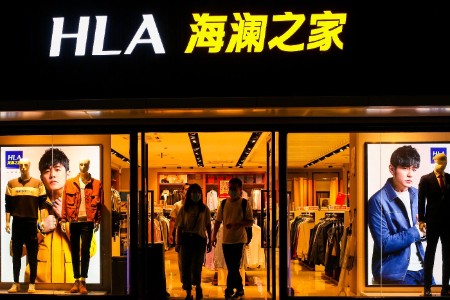
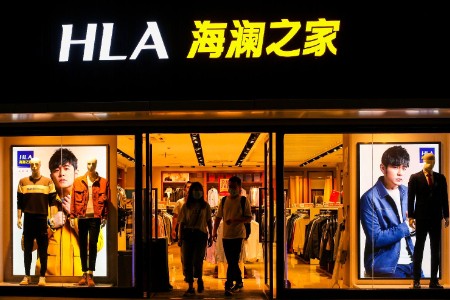
【亿邦原创】在休闲服饰企业业绩普遍下滑的颓势中,海澜之家交出了一份亮眼的成绩。今年前三季度,海澜之家营收155.99亿元,较同期增长2.23%,创上市以来历史同期新高,扣非净利润18.16亿元,增长3.86%。

值得一提的是,在营收小幅增长的同时,公司现金流状况大幅改善。今年前三季度经营活动现金流净额20.27亿元,暴增7436.93%,报告称主要因为购买商品、接受劳务支付的现金减少,这反映了公司在供应链管理和资金周转效率上的提升。

从单季度数据来看,海澜之家营收增长逐季提速,Q1/Q2/Q3营收分别较同期增长0.16%/3.59%/3.71%。这种逐季向好的趋势,与海澜之家多品牌矩阵布局与渠道结构优化有关。

从各品牌盈利情况看,多品牌矩阵营收增长显著,收入24.14亿元,较同期增长37.19%;海澜团购定制系列收入18.82亿元,增长28.75%;主品牌系列收入108.49亿元,下降3.99%。

海澜之家旗下拥有多个自主品牌,包括主品牌“海澜之家(HLA)”、 女装品牌“OVV”、潮流品牌“黑鲸(HLAJEANS)”、婴童品牌“英氏(YeeHoO)”等,同时是奥地利运动品牌HEAD(海德)在中国区服饰业务的授权商。由于多品牌培育及运营时间较长,且新业务尚处于扩张期,通常会造成成本激增。前三季度,海澜之家其他品牌成本较同期增加63.64%,毛利率下降9.01%至44.26%,反映出新品牌培育期的高投入与低效率问题。

前三季度,海澜之家线上渠道收入30.93亿元,占比20.42%;线下渠道收入120.52亿元,占比79.58%,提升1.61%。截至报告期末,海澜之家门店总数7241家,净开店63家。其中,直营店2220家,净开店248家,加盟店5021家,净关店185家。直营店占比突破三成,收入39.15亿元,较同期增长17.64%;加盟店及其他收入93.48亿元,下降3.94%,关店以加盟店为主。

据悉,海澜之家已停止新加盟商招募,新增门店以直营模式为主。今年上半年,安正时尚、红豆股份、九牧王和利郎等都明确提出向DTC转型,短期内冲击品牌成本结构,削减中间环节有助于提升毛利率,海澜之家前三季度直营店毛利率增加1.26%至63.22%。

海外市场拓展也是海澜之家的重要战略方向。今年9月9日,海澜之家发布公告称将赴港上市,旨在深化全球化战略布局,加快海外业务发展,提升国际化品牌形象。港股上市后,募资能为海外直营门店开拓和本地化运营提供资本支持。同时,香港上市是一张国际化名片,或能提升其全球品牌形象。今年上半年,海澜之家海外营收增长27.42%,海外门店共111家。今年9月20日,海澜之家又在澳大利亚悉尼开出首店,下半年计划推动在中亚、中东和非洲市场布局。

亿邦持续追踪报道该情报,如想了解更多与本文相关信息,请扫码关注作者微信。

【版权提示】亿邦动力倡导尊重与保护知识产权。未经许可,任何人不得复制、转载、或以其他方式使用本网站的内容。如发现本站文章存在版权问题,烦请提供版权疑问、身份证明、版权证明、联系方式等发邮件至run@ebrun.com,我们将及时沟通与处理。

已点赞

+1

{{ praise_text }}

好文章,值得被更多人看到

FAQ回顾

海澜之家2023年前三季度营收和净利润是多少?

海澜之家2023年前三季度营收155.99亿元,同比增长2.23%,创上市以来同期新高;扣非净利润18.16亿元,同比增长3.86%。

海澜之家的多品牌战略成效如何?

多品牌矩阵营收增长显著,达24.14亿元,同比增长37.19%;但新品牌培育导致成本增加63.64%,毛利率下降9.01%至44.26%。

海澜之家如何布局海外市场?

海澜之家计划赴港上市以支持海外扩张,上半年海外营收增长27.42%,目前拥有111家海外门店,并在悉尼开设首店,计划进军中亚、中东和非洲市场。

广告

下一篇

征集报名《品牌数字化服务商资源手册》

《品牌数字化服务商资源手册》展示数字化服务商风采,亿邦全年零售大会通发,触达更多资源,马上加入!

马上入驻

B站10月UP主带货榜:新人占比超50% 服饰跃居第二大品类

日前,B站公布2025年10月UP主带货榜。其中,新上榜UP主数量为79名,占比达53.02%。

独家 直播 二次元 平台

2025-11-04 15:11:40