• 亿邦公众号
    • APP下载

营收增长48% 利润仅增长11%?芭薇股份发布2024业绩快报

作者:张从容 文章来源:亿邦动力

2025-03-14 15:03

作者:张从容 文章来源:亿邦动力

2025-03-14 15:03

邦小白快读

EN
全文速览

芭薇股份2024年业绩关键信息

1.营业总收入6.95亿元,同比增长48.24%,显示业务快速增长

2.利润总额0.49亿元,同比增长9.02%;净利润0.46亿元,同比增长11.1%,利润增速远低于收入

盈利压力分析

1.利润增长慢于收入主因客户及产品结构变化导致毛利率下降

2.面膜和彩妆业务毛利率显著收窄,面膜从38.96%降至38.29%,彩妆从10.36%降至2.68%

业务实操变化

1.2023年护肤品(除面膜)营业收入同比增长13.19%,而面膜、洗护、彩妆等业务均收窄,如面膜同比收窄53.89%

2.客户结构集中化,主要客户销售额占比从2021年36.18%升至2023年61.55%,2022年前五大客户包括仁和集团、联合利华等

消费趋势与用户行为观察

1.护肤品需求稳定增长,2023年除面膜类同比增长13.19%,反映消费者偏好转向基础护肤

2.面膜和彩妆需求显著收窄,面膜同比收窄53.89%,彩妆同比收窄35.32%,显示市场饱和或竞争加剧

品牌合作与渠道启示

1.芭薇股份作为OEM/ODM工厂,合作客户如联合利华、丸美等,提供品牌代工机会

2.客户结构变化,2019-2021年主要为国产品牌,2022年新增联合利华及面向东南亚的Skintific,提示国际化渠道拓展

产品研发与定价策略

1.毛利率下降(面膜和彩妆业务)警示定价压力,需优化产品组合以提升利润

2.业务数据反映高毛利产品如护肤品更受市场欢迎,可指导新品开发

增长市场与消费需求变化

1.护肤品市场呈现增长机会,2023年除面膜类业务同比增长13.19%

2.面膜和彩妆需求收窄(面膜同比收窄53.89%),提示相关品类风险,需调整库存或转向高需求领域

风险提示与机会分析

1.芭薇股份利润增速(9.02%)远低于收入增速(48.24%),因毛利率下降,警示盈利压力风险

2.客户集中度上升(主客户占比从36.18%升至61.55%),机会在于多元化合作如新增国际品牌Skintific

可学习点与商业模式

1.OEM合作模式案例,合作客户包括海龟爸爸、温博士等,可借鉴供应链管理

2.事件应对启示:优化产品结构以应对毛利率挑战,如加强护肤品等高增长业务

产品生产与设计需求

1.护肤品需求上升,2023年除面膜类同比增长13.19%,提示生产资源向该领域倾斜

2.面膜和彩妆需求收窄(面膜同比收窄53.89%),需减少设计投入,避免产能过剩

商业机会与电商启示

1.OEM代工机会显现,芭薇股份合作品牌如联合利华、寻荟记,可拓展类似客户

2.客户结构国际化(新增Skintific面向东南亚),启示开拓海外市场或数字化渠道

推进启示

1.毛利率下降问题(面膜和彩妆业务)警示需优化生产流程以控制成本

2.主要客户占比升至61.55%,提示加强大客户管理以稳定订单

行业发展趋势

1.化妆品需求分化,护肤品增长13.19%,而面膜、彩妆等收窄超35%,显示市场转向基础品类

2.盈利压力增大,芭薇股份利润增速仅9.02%远低于收入48.24%,因毛利率下降

客户痛点与解决方案

1.工厂面临客户结构变化痛点,主客户占比从36.18%升至61.55%,导致依赖风险

2.产品毛利率痛点(如彩妆从10.36%降至2.68%),需解决方案如优化供应链或引入高效技术

潜在机会

1.需求变化提供数据服务机会,如分析消费趋势以辅助决策

2.合作案例(芭薇与联合利华)启示开发定制化服务方案

商业对平台的需求和问题

1.品牌商需求变化,如护肤品增长而面膜收窄,提示平台需调整招商重点

2.供应商如芭薇股份面临盈利问题(利润增速低),平台需管理风险如设置毛利率门槛

平台招商与运营管理

1.合作机会:芭薇客户包括丸美、联合利华等,平台可招商类似OEM工厂以丰富供应链

2.运营启示:客户集中度上升(占比61.55%),需分散风险,加强多元化供应商管理

风向规避

1.避免低毛利品类,如面膜和彩妆业务收窄且毛利率下降,平台应减少相关推广

2.关注稳定业务如护肤品增长13.19%,作为安全风向

产业新动向与新问题

1.化妆品业务分化动向:护肤品增长13.19%,面膜、彩妆等收窄超35%,反映消费结构变化

2.新问题:芭薇股份利润增速(9.02%)远低于收入增速(48.24%),揭示行业盈利压力

商业模式与政策启示

1.OEM模式分析:芭薇作为工厂合作品牌如联合利华,显示代工模式优势与风险(如客户集中度升至61.55%)

2.政策建议启示:毛利率下降问题(面膜和彩妆)提示需政策支持成本控制或创新激励

代表企业案例

1.芭薇股份数据:2024年营收6.95亿元增48.24%,利润0.46亿元增11.1%,提供行业基准

2.客户变化案例:2019-2021年国产品牌为主,2022年新增国际品牌,反映全球化趋势

声明:快读内容全程由AI生成,请注意甄别信息。如您发现问题,请发送邮件至 run@ebrun.com 。

我是 品牌商 卖家 工厂 服务商 平台商 研究者 帮我再读一遍。

Quick Summary

Bavei Co., Ltd. 2024 Key Performance Highlights

1. Total operating revenue reached ¥695 million, marking a 48.24% year-on-year growth, indicating rapid business expansion.

2. Total profit was ¥49 million, up 9.02% YoY; net profit was ¥46 million, up 11.1% YoY—profit growth significantly lagged behind revenue growth.

Profitability Pressure Analysis

1. Slower profit growth relative to revenue was primarily due to declining gross margins caused by shifts in customer and product mix.

2. Gross margins for face mask and color cosmetics businesses narrowed notably: face masks dropped from 38.96% to 38.29%, while color cosmetics fell sharply from 10.36% to 2.68%.

Operational Changes

1. In 2023, skincare (excluding face masks) revenue grew 13.19% YoY, while face masks, personal care, and color cosmetics segments contracted—face mask revenue declined by 53.89%.

2. Customer concentration intensified: sales from major clients rose from 36.18% in 2021 to 61.55% in 2023. Top five clients in 2022 included Renhe Group and Unilever.

Consumer Trends and User Behavior Insights

1. Skincare demand grew steadily, with skincare (excluding face masks) up 13.19% in 2023, reflecting a consumer shift toward essential skincare products.

2. Face mask and color cosmetics demand contracted significantly—face masks down 53.89% and color cosmetics down 35.32% YoY—indicating market saturation or intensified competition.

Brand Collaboration and Channel Implications

1. As an OEM/ODM manufacturer, Bavei partners with brands like Unilever and Marubi, offering private-label opportunities.

2. Customer structure evolved: domestic brands dominated from 2019–2021, while 2022 saw additions like Unilever and Skintific (targeting Southeast Asia), signaling international channel expansion.

Product R&D and Pricing Strategy

1. Declining gross margins (e.g., face masks and color cosmetics) highlight pricing pressures, necessitating product portfolio optimization for profitability.

2. Performance data suggests higher-margin products like skincare are more favored, guiding new product development strategies.

Growth Markets and Shifting Consumer Demand

1. Skincare presents growth opportunities, with skincare (excluding face masks) revenue up 13.19% in 2023.

2. Face mask and color cosmetics demand contracted (face masks down 53.89% YoY), signaling category risks and the need to adjust inventory or pivot to high-demand segments.

Risk Alerts and Opportunity Analysis

1. Bavei’s profit growth (9.02%) lagged far behind revenue growth (48.24%) due to margin compression, highlighting profitability risks.

2. Rising customer concentration (key clients’ share rose from 36.18% to 61.55%) offers opportunities for diversification, such as partnerships with international brands like Skintific.

Actionable Takeaways and Business Models

1. OEM collaboration case studies with clients like Turtle Dad and Dr. Wen offer supply chain management insights.

2. Strategic response: Optimize product mix to counter margin challenges, e.g., prioritizing high-growth segments like skincare.

Production and Design Demand Trends

1. Skincare demand increased (up 13.19% in 2023, excluding face masks), suggesting a reallocation of production resources to this segment.

2. Face mask and color cosmetics demand declined (face masks down 53.89% YoY), requiring reduced design investment to avoid overcapacity.

Business Opportunities and E-commerce Insights

1. OEM opportunities emerge from Bavei’s collaborations with brands like Unilever and Xunhuiji, indicating potential for similar client acquisition.

2. International client expansion (e.g., Skintific targeting Southeast Asia) suggests exploring overseas markets or digital channels.

Operational Implications

1. Declining gross margins (e.g., face masks and color cosmetics) underscore the need for production process optimization to control costs.

2. Key clients’ share rising to 61.55% emphasizes strengthening key account management for order stability.

Industry Development Trends

1. Cosmetic demand diverged: skincare grew 13.19%, while face masks and color cosmetics contracted over 35%, indicating a shift toward essential categories.

2. Profitability pressures intensified: Bavei’s profit growth (9.02%) trailed revenue growth (48.24%) due to margin erosion.

Client Pain Points and Solutions

1. Factories face customer concentration risks—key clients’ share rose from 36.18% to 61.55%—increasing dependency.

2. Margin compression (e.g., color cosmetics falling from 10.36% to 2.68%) requires solutions like supply chain optimization or efficiency technologies.

Potential Opportunities

1. Demand shifts create data service opportunities, e.g., trend analysis to support decision-making.

2. Collaboration cases (e.g., Bavei and Unilever) inspire customized service solutions for clients.

Platform Needs and Challenges

1. Evolving brand demands (e.g., skincare growth vs. face mask contraction) suggest adjusting merchant recruitment focus.

2. Suppliers like Bavei face profitability issues (low profit growth), requiring risk management measures such as gross margin thresholds.

Merchant Recruitment and Operations Management

1. Collaboration opportunities: Bavei’s clients include Marubi and Unilever, indicating potential to onboard similar OEMs to diversify supply chains.

2. Operational insights: Rising customer concentration (61.55%) necessitates risk dispersion through diversified supplier management.

Risk Mitigation Strategies

1. Avoid low-margin categories like face masks and color cosmetics, which contracted with declining margins; reduce related promotions.

2. Prioritize stable segments like skincare (up 13.19%) as safer growth avenues.

Industry Dynamics and Emerging Issues

1. Cosmetic segment divergence: Skincare grew 13.19%, while face masks and color cosmetics contracted over 35%, reflecting shifting consumption patterns.

2. New challenges: Bavei’s profit growth (9.02%) lagged far behind revenue (48.24%), revealing sector-wide profitability pressures.

Business Models and Policy Implications

1. OEM model analysis: Bavei’s partnerships with Unilever highlight the advantages and risks (e.g., customer concentration rising to 61.55%) of contract manufacturing.

2. Policy insights: Margin declines (e.g., face masks and color cosmetics) suggest needs for cost-control support or innovation incentives.

Representative Case Study

1. Bavei’s 2024 data: Revenue of ¥695 million (+48.24% YoY), net profit of ¥46 million (+11.1% YoY), providing an industry benchmark.

2. Client evolution: Shift from domestic brands (2019–2021) to international additions like Unilever in 2022, reflecting globalization trends.

Disclaimer: The "Quick Summary" content is entirely generated by AI. Please exercise discretion when interpreting the information. For issues or corrections, please email run@ebrun.com .

I am a Brand Seller Factory Service Provider Marketplace Seller Researcher Read it again.

【亿邦原创】日前,芭薇股份发布2024年业绩快报。快报显示,2024年,芭薇股份营业总收入6.95亿元,同比增长48.24%;利润总额0.49亿元,同比增长9.02%;归属于上市公司股东的净利润0.46亿元,同比增长11.1%。
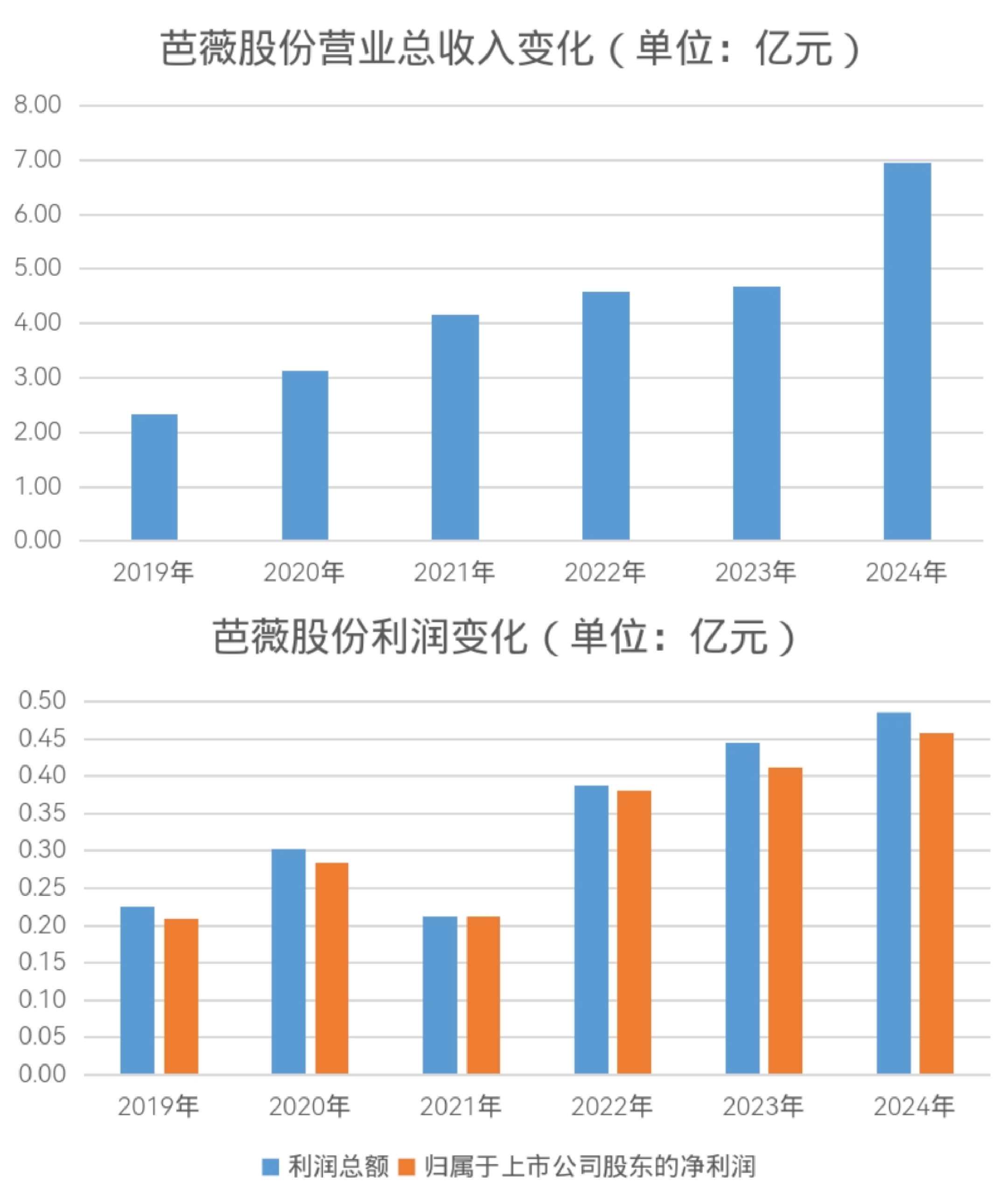
然而,业绩一路走高的芭薇股份,背后仍承担着较大盈利增长压力。值得注意的是,利润总额和归属于上市公司股东的净利润的增速,均远低于营业总收入的增速,说明收入虽增速较快,但盈利能力并未同比提升。快报中称,主要原因为公司客户及产品结构变化,毛利率有所下降。

2023年,在芭薇股份旗下的业务中,除护肤品(除面膜)的营业收入同比增长13.19%外,包含面膜、洗护、彩妆、检测等业务的营业收入均有收窄:面膜同比收窄53.89%,洗护同比收窄16.6%,彩妆同比收窄35.32%,检测同比收窄44.7%,其他业务同比收窄39.68%。

同时,面膜和彩妆业务的毛利率均有收窄:面膜业务毛利率由2022年的38.96%缩窄至38.29%,彩妆业务的毛利率则由10.36%缩窄至2.68%。

芭薇股份作为包含OEM/ODM业务的工厂,合作客户包括海龟爸爸、温博士、丸美、联合利华、寻荟记等。2023年,芭薇股份未公布前五大客户名称。自2021年至2023年,芭薇股份主要客户的销售额占比一路从36.18%飙升至61.55%。
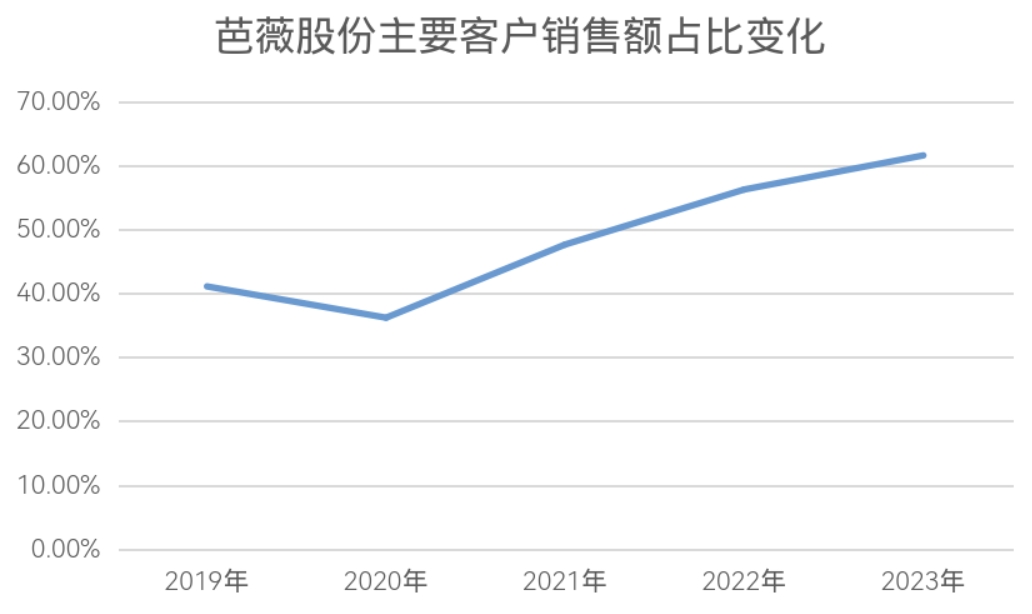
2022年的前五大客户则分别是仁和集团、广州蜚美网络技术有限公司、深圳市护家科技有限公司、山东朵拉朵尚生物科技有限公司、联合利华(中国)有限公司。值得注意的是,2019年至2021年,芭薇股份的前五大客户旗下的品牌均为国产品牌,但2022年新增了联合利华以及品牌主要面向东南亚市场的Skintific。

亿邦持续追踪报道该情报,如想了解更多与本文相关信息,请扫码关注作者微信。

【版权提示】亿邦动力倡导尊重与保护知识产权。未经许可,任何人不得复制、转载、或以其他方式使用本网站的内容。如发现本站文章存在版权问题,烦请提供版权疑问、身份证明、版权证明、联系方式等发邮件至run@ebrun.com,我们将及时沟通与处理。

已点赞

+1

{{ praise_text }}

好文章,值得被更多人看到

FAQ回顾

芭薇股份2024年营收和净利润是多少?

芭薇股份2024年营业总收入为6.95亿元,同比增长48.24%;归属于上市公司股东的净利润为0.46亿元,同比增长11.1%。

芭薇股份利润增速低于营收增速的主要原因是什么?

主要原因是客户及产品结构变化导致毛利率下降。例如,2023年彩妆业务毛利率从10.36%缩窄至2.68%,面膜业务毛利率也从38.96%降至38.29%。

芭薇股份的主要客户有哪些?

合作客户包括海龟爸爸、温博士、丸美、联合利华、寻荟记等。2022年前五大客户为仁和集团、广州蜚美网络技术有限公司、深圳市护家科技有限公司、山东朵拉朵尚生物科技有限公司、联合利华(中国)有限公司。

广告

下一篇

征集报名《品牌数字化服务商资源手册》

《品牌数字化服务商资源手册》展示数字化服务商风采,亿邦全年零售大会通发,触达更多资源,马上加入!

马上入驻

2025年 零售下行品类能翻身吗?

消费市场分层,存量竞争占主导。品牌中,站上风口奔跑者有之,跌倒撤场亦不少,统一的姿势是更迭加速。

实体零售 未来零售

2025-03-14 14:30:06