• 亿邦公众号
    • APP下载

增速放缓 欧莱雅集团在中国“狂飙”不动了?

作者:张从容 文章来源:亿邦动力

2025-02-08 15:48

作者:张从容 文章来源:亿邦动力

2025-02-08 15:48

邦小白快读
EN
全文速览

欧莱雅集团2024年业绩增速整体放缓,中国市场表现疲软成为关键重点。

1. 销售额同比增长5.59%至434.8亿欧元,毛利润增6.6%,毛利率达74.18%,但增速均低于往年。

2. 皮肤科学美容部门表现最佳,销售额增9.25%,营业利润增9.69%,显示高端护肤需求强劲。

3. 北亚地区销售额下跌3.38%,中国大陆市场出现个位数下降,大众化妆品部门销售疲软。

4. 三个品牌退出中国市场:平价彩妆NYX、纯净护肤TAKAMI和面膜品牌美即,反映市场调整。

5. CEO叶鸿慕下调全球增长预期至4.5-5%,归因于中国市场疲软拖累整体销售。

6. 雅诗兰黛集团2025财年第二季度亚太地区净销售额降11%,护肤品类降12%,证实中国消费者情绪低迷问题。

消费趋势变化和用户行为观察显示中国市场疲软,但特定产品需求增长提供研发方向。

1. 中国市场消费者情绪低迷导致品牌销售下降,如欧莱雅大众化妆品疲软和雅诗兰黛护肤销售额降12%,提示需调整营销策略。

2. 皮肤科学美容部门高增长9.25%,代表高端或科学护肤产品需求上升,启示产品研发向高端化倾斜。

3. 品牌退出案例(NYX、TAKAMI、美即)显示平价和纯净护肤品牌在中国遇冷,反映消费趋势转向价值导向。

4. 拉丁美洲市场增长13.27%,提供新兴市场机会,品牌可探索渠道建设和定价策略。

5. 用户行为变化:中国及亚太地区消费者情绪影响整体销售,品牌需加强用户行为监测以优化产品定位。

市场风险与机会并存,中国疲软是主要风险,拉美和特定部门提供增长机会。

1. 风险提示:中国市场销售疲软导致欧莱雅北亚销售额下跌3.38%,雅诗兰黛亚太降11%,需警惕消费者情绪低迷带来的负面影响。

2. 机会提示:拉丁美洲市场同比增长13.27%,皮肤科学美容部门增长9.25%,可作为增长市场重点拓展。

3. 可学习点:欧莱雅皮肤科学美容部门营业利润增9.69%,启示优化商业模式聚焦高增长领域。

4. 事件应对措施:品牌退出中国市场(如美即),显示应对市场变化的调整策略,卖家可参考优化产品组合。

5. 合作方式:雅诗兰黛案例印证亚太旅游零售业务挑战,提示需加强合作以应对零售环境变化。

产品需求变化带来商业机会,皮肤科学美容需求高增长,中国市场调整影响生产。

1. 皮肤科学美容部门销售额增长9.25%,显示高端护肤产品需求旺盛,工厂可优先生产设计相关产品。

2. 商业机会:拉丁美洲市场增长13.27%,提供生产供应拓展机会,工厂可布局该地区供应链。

3. 产品生产需求变化:中国市场疲软导致大众化妆品销售下降,可能降低相关生产需求,需调整产能。

4. 品牌退出案例(如TAKAMI纯净护肤),启示工厂需关注市场趋势,避免过剩生产。

5. 推进数字化启示:市场波动(如销售增速放缓)提示需灵活生产响应,工厂可探索电商数据驱动生产优化。

行业痛点聚焦消费者情绪低迷,趋势是皮肤科学美容增长,需开发解决方案。

1. 客户痛点:中国及亚太地区消费者情绪低迷导致欧莱雅销售下降和雅诗兰黛护肤降12%,服务商需解决情绪相关销售挑战。

2. 行业发展趋势:中国市场疲软拖累全球增长(欧莱雅CEO下调预期),但皮肤科学美容逆势增长9.25%,代表高端化趋势。

3. 解决方案:品牌退出案例(如NYX)显示市场问题,服务商可提供数据分析工具监控消费趋势。

4. 新技术需求:无直接提及,但痛点提示需创新技术(如AI预测消费者行为)以应对销售疲软。

5. 案例启示:雅诗兰黛亚太旅游零售业务影响,服务商可开发旅游零售优化方案。

市场变化带来平台风险,需规避中国疲软风向,抓住增长机会优化运营。

1. 商业对平台需求和问题:中国市场疲软导致欧莱雅销售下降,平台需应对销售风险,如调整招商策略。

2. 平台最新做法:品牌退出中国市场(如美即),启示平台需优化品牌组合管理,避免库存积压。

3. 风险规避:中国消费者情绪低迷(雅诗兰黛案例)是主要风向,平台需加强市场监控以规避损失。

4. 机会提示:皮肤科学美容部门增长9.25%,拉丁美洲市场增13.27%,平台可加强招商和运营聚焦高增长领域。

5. 运营管理:北亚市场地位下降(欧莱雅从第二大跌至第三大),平台需调整区域运营平衡资源。

产业新动向是中国市场疲软成为核心问题,商业模式差异提供政策启示。

1. 新问题:中国消费者情绪低迷拖累全球美妆增长(欧莱雅CEO下调预期),雅诗兰黛亚太降11%,成为产业新挑战。

2. 产业新动向:皮肤科学美容部门表现突出(销售额增9.25%),对比大众化妆品疲软,显示商业模式分化。

3. 政策法规建议和启示:市场疲软需政策刺激消费(如提振零售环境),研究者可分析监管优化方向。

4. 商业模式:部门间差异(皮肤科学美容增长 vs 大众疲软)提供案例,启示企业聚焦高价值产品。

5. 案例研究:欧莱雅北亚销售额差距扩大(与北美差15.02亿欧元),研究者可探讨区域市场动态影响。

声明:快读内容全程由AI生成,请注意甄别信息。如您发现问题,请发送邮件至 run@ebrun.com 。

我是 品牌商 卖家 工厂 服务商 平台商 研究者 帮我再读一遍。

Quick Summary

L'Oréal Group's 2024 performance growth slowed overall, with weak performance in China being a key focus.

1. Sales increased 5.59% year-on-year to €43.48 billion, gross profit rose 6.6%, and gross margin reached 74.18%, but all growth rates were lower than previous years.

2. The Dermatological Beauty division performed best, with sales up 9.25% and operating profit up 9.69%, indicating strong demand for premium skincare.

3. Sales in North Asia fell 3.38%, with mainland China experiencing a single-digit decline, and the Consumer Products division showed weak sales.

4. Three brands exited the Chinese market: budget makeup NYX, clean skincare TAKAMI, and mask brand MG, reflecting market adjustments.

5. CEO Nicolas Hieronimus lowered global growth expectations to 4.5-5%, attributing it to weak performance in China dragging down overall sales.

6. The Estée Lauder Companies reported an 11% drop in Q2 FY2025 net sales in Asia-Pacific, with skincare sales down 12%, confirming weak consumer sentiment in China.

Shifting consumption trends and consumer behavior observations indicate weakness in the Chinese market, but growth in specific product categories provides R&D direction.

1. Weak consumer sentiment in China led to sales declines for brands like L'Oréal's Consumer Products division and Estée Lauder's 12% skincare drop, suggesting a need for marketing strategy adjustments.

2. The Dermatological Beauty division's high 9.25% growth represents rising demand for premium/science-backed skincare, indicating a shift towards upscale product development.

3. Brand exits (NYX, TAKAMI, MG) show budget and clean skincare brands facing challenges in China, reflecting a consumer shift towards value-oriented purchasing.

4. Latin America's 13.27% growth presents emerging market opportunities, suggesting brands explore channel development and pricing strategies there.

5. Changing consumer behavior: Sentiment in China/Asia-Pacific impacts overall sales, necessitating enhanced consumer behavior monitoring for optimized product positioning.

The market presents both risks and opportunities, with China's weakness being the primary risk, while Latin America and specific divisions offer growth potential.

1. Risk alert: Weak sales in China caused L'Oréal's North Asia sales to fall 3.38% and Estée Lauder's Asia-Pacific sales to drop 11%, requiring vigilance against negative impacts from low consumer sentiment.

2. Opportunity alert: Latin America grew 13.27% YoY, and the Dermatological Beauty division grew 9.25%, indicating potential key growth markets for expansion.

3. Learning point: L'Oréal's Dermatological Beauty division's 9.69% operating profit growth suggests optimizing business models to focus on high-growth areas.

4. Response measures: Brand exits from China (e.g., MG) demonstrate adjustment strategies for market changes, which sellers can reference to optimize product portfolios.

5. Collaboration methods: Estée Lauder's case confirms challenges in Asia-Pacific travel retail, highlighting the need for strengthened cooperation to adapt to retail environment changes.

Changing product demand creates business opportunities; high growth in dermatological beauty demand and China's market adjustments impact production.

1. The Dermatological Beauty division's 9.25% sales growth indicates strong demand for premium skincare products, suggesting factories prioritize production and design for related items.

2. Business opportunity: Latin America's 13.27% growth offers production and supply expansion potential, indicating factories could establish supply chains in the region.

3. Shifting production demand: Weakness in China led to declining mass-market cosmetics sales, potentially reducing related production needs and requiring capacity adjustments.

4. Brand exit cases (e.g., TAKAMI clean skincare) highlight the need for factories to monitor market trends to avoid overproduction.

5. Digitalization push: Market volatility (e.g., slowing sales growth) necessitates flexible production responses; factories could explore e-commerce data-driven production optimization.

Industry pain points focus on weak consumer sentiment; the trend is dermatological beauty growth, requiring solution development.

1. Client pain point: Weak consumer sentiment in China/Asia-Pacific caused L'Oréal's sales decline and Estée Lauder's 12% skincare drop, requiring service providers to address sentiment-related sales challenges.

2. Industry trend: China's weakness drags global growth (L'Oréal CEO lowered expectations), but Dermatological Beauty grew 9.25% against the trend, representing premiumization.

3. Solutions: Brand exits (e.g., NYX) reveal market issues; service providers can offer data analysis tools to monitor consumption trends.

4. New technology needs: Not directly mentioned, but pain points suggest a need for innovative tech (e.g., AI for predicting consumer behavior) to counter weak sales.

5. Case insight: Impact on Estée Lauder's Asia-Pacific travel retail business suggests service providers could develop travel retail optimization solutions.

Market changes bring platform risks; need to navigate China's weakness while seizing growth opportunities for operational optimization.

1. Business demands/platform issues: China's weakness caused L'Oréal's sales decline; platforms must address sales risks, e.g., by adjusting merchant recruitment strategies.

2. Latest platform practices: Brand exits from China (e.g., MG) suggest platforms need to optimize brand portfolio management to avoid inventory buildup.

3. Risk avoidance: Weak Chinese consumer sentiment (Estée Lauder case) is a key trend; platforms need enhanced market monitoring to mitigate losses.

4. Opportunity alert: Dermatological Beauty's 9.25% growth and Latin America's 13.27% growth indicate platforms should strengthen merchant recruitment and operations in high-growth areas.

5. Operational management: North Asia's declining position (L'Oréal fell from 2nd to 3rd largest market) requires platforms to adjust regional operations for resource balance.

The key new industry dynamic is China's market weakness becoming a core issue; business model differences offer policy implications.

1. New problem: Weak Chinese consumer sentiment drags global beauty growth (L'Oréal CEO lowered expectations), Estée Lauder's Asia-Pacific down 11%, presenting a new industry challenge.

2. New industry dynamic: Dermatological Beauty's standout performance (9.25% sales growth) versus weak mass cosmetics shows business model divergence.

3. Policy/regulatory implications: Market weakness requires policies to stimulate consumption (e.g., boosting retail environment); researchers can analyze regulatory optimization directions.

4. Business models: Divergence between divisions (Dermatological Beauty growth vs. mass weakness) provides case studies, suggesting companies focus on high-value products.

5. Case study: L'Oréal's North Asia sales gap widening (€1.502B difference with North America) offers research potential on regional market dynamics.

Disclaimer: The "Quick Summary" content is entirely generated by AI. Please exercise discretion when interpreting the information. For issues or corrections, please email run@ebrun.com .

I am a Brand Seller Factory Service Provider Marketplace Seller Researcher Read it again.

【亿邦原创】2月7日,欧莱雅集团发布2024年报。财报显示,2024年,欧莱雅集团销售额达434.8亿欧元,同比增长5.59%;毛利润和毛利率创新高,毛利润同比增长6.6%,毛利率达74.18%;值得注意的是,销售额、毛利润和营业利润的增速均有放缓。
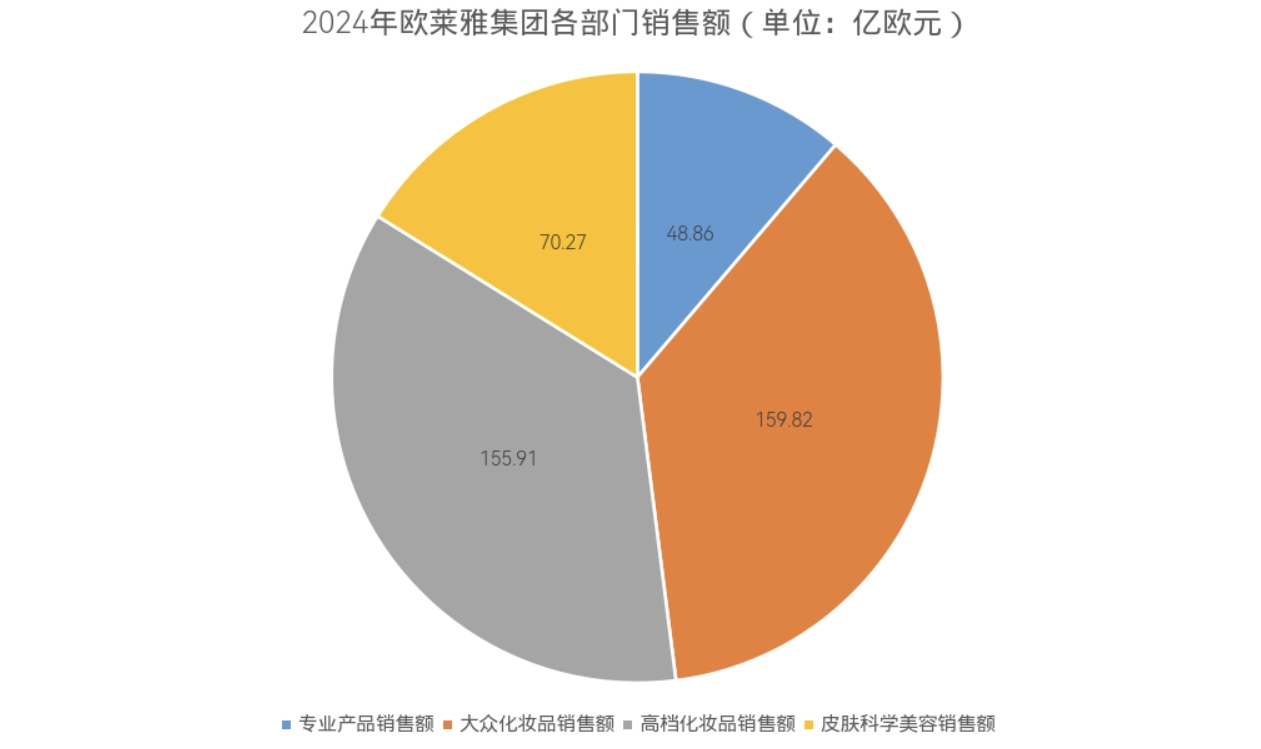
按部门看,2024全年销售额和营业利润涨势最猛的部门均为“皮肤科学美容”,该部门销售额同比增长9.25%,营业利润同比增长9.69%。按地区看,2024年增长最猛的是拉丁美洲地区,同比增长13.27%。
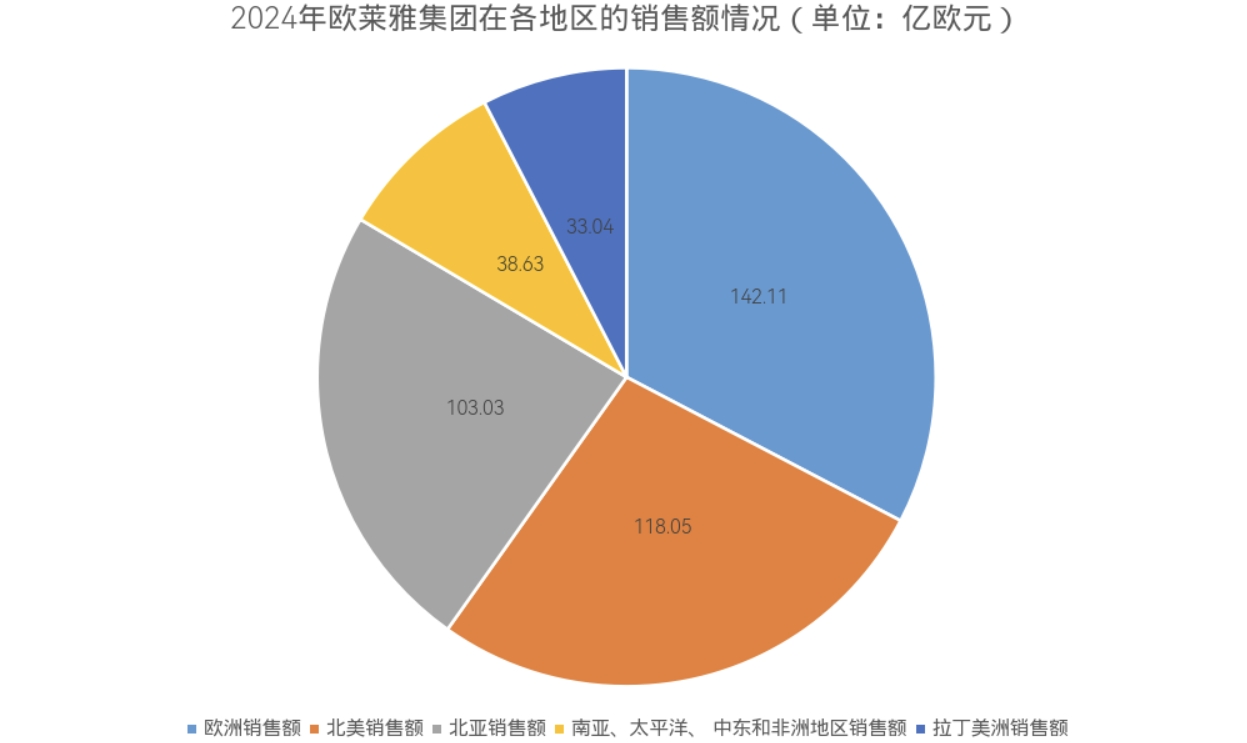
北亚是唯一一个销售额同比下跌的地区,同比下跌3.38%。年报显示,欧莱雅集团在中国大陆市场的销售额出现了个位数的下降,同时,2024年,集团旗下的大众化妆品部门,在中国销售疲软。亿邦动力统计显示,2024年共有3个欧莱雅集团旗下的品牌不同程度退出中国市场,分别为平价彩妆品牌NYX、纯净护肤品牌TAKAMI、面膜品牌美即。

欧莱雅集团CEO叶鸿慕于2024年6月时表示,他预计今年全球美妆市场的增长率为4.5%至5%,此前预计的增长率则为5%。值得注意的是,叶鸿慕称,下调原因是中国市场的疲软,在经历了多年迅速增长后,中国市场的疲软拖累了整体销售。

实际上,自2023年北亚从欧莱雅集团的第二大市场跌为第三大市场后,北亚市场与现第二大市场北美市场的销售额差距越来越大,由2023年的4.84亿欧元增至2024年的15.02亿欧元。

同样将近期业务疲软归因于中国及亚太地区的还有雅诗兰黛集团。2月4日,雅诗兰黛集团发布2025财年第二季度(2024年9月30日至12月31日)的财务报告,报告显示,2025财年第二季度雅诗兰黛集团在亚太地区净销售额下降11%,主要受整体零售环境的挑战影响,包括中国内地、中国香港特别行政区和韩国的消费者情绪低迷;护肤品类净销售额下降12%,主要受亚太地区整体零售环境以及公司亚太旅游零售业务的影响,包括中国消费者情绪低迷,导致雅诗兰黛和海蓝之谜品牌销售额下降。

亿邦持续追踪报道该情报,如想了解更多与本文相关信息,请扫码关注作者微信。

【版权提示】亿邦动力倡导尊重与保护知识产权。未经许可,任何人不得复制、转载、或以其他方式使用本网站的内容。如发现本站文章存在版权问题,烦请提供版权疑问、身份证明、版权证明、联系方式等发邮件至run@ebrun.com,我们将及时沟通与处理。

已点赞

+1

{{ praise_text }}

好文章,值得被更多人看到

FAQ回顾

欧莱雅集团2024年财报有哪些关键数据?

2024年欧莱雅集团销售额达434.8亿欧元,同比增长5.59%;毛利率创新高达74.18%;但销售额、毛利润和营业利润增速均放缓。北亚是唯一销售额下跌地区,同比下跌3.38%。

欧莱雅集团在中国市场表现如何?

2024年欧莱雅集团在中国大陆市场销售额出现个位数下降,大众化妆品部门销售疲软。旗下NYX、TAKAMI、美即三个品牌已退出中国市场。CEO叶鸿慕将全球增长预期下调归因于中国市场疲软。

欧莱雅集团哪个部门在2024年增长最快?

皮肤科学美容部门是2024年增长最快的部门,销售额同比增长9.25%,营业利润同比增长9.69%。按地区看,拉丁美洲增长最猛,同比增长13.27%。

广告

下一篇

征集报名《品牌数字化服务商资源手册》

《品牌数字化服务商资源手册》展示数字化服务商风采,亿邦全年零售大会通发,触达更多资源,马上加入!

马上入驻

第一波用DeepSeek“搞跨境”的人出现了

由杭州深度求索开发的国产AI大模型——DeepSeek依靠独特技术路线,打破人工智能开发“越大越好”的迷思,上线短短几天便超越OpenAI的ChatGPT,成为了AI领域讨论度最高的“新晋顶流”。


AI技术 AI 智能商业 跨境电商

2025-02-08 15:13:33