• 亿邦公众号
    • APP下载

盒马创始人侯毅评名创收购永辉:供应链垂直一体化 可完胜电商

作者:亿邦动力 文章来源:亿邦动力

2024-09-24 14:26

作者:亿邦动力 文章来源:亿邦动力

2024-09-24 14:26

邦小白快读
EN
全文速览

侯毅评论名创优品收购永辉超市,强调中国零售业需外力破局,并指出三大核心问题及解决方案。

1. 企业家眼界和格局问题:第一代零售人草根出身,学习能力弱,落后世界20年,缺乏国际视野和进化能力。

2. 团队能力弱化:零售业低工资导致人才吸引力不足,高管家族化、中层老龄化、基层平民化,影响运营效率。

3. KA采购体系弊端:利益机制绑架超市经营权,商品同质化严重、价格奇高,需彻底改革。

解决方案:借鉴胖东来调改经验,打破原有利益格局,实施供应链垂直一体化,大力发展自有品牌(PB)商品,与供应商长期合作,加强线下体验式服务,实现极致低成本运行,以完胜电商。

品牌商可关注零售业变革中的品牌营销和产品研发机遇,基于供应链优化提升竞争力。

1. 品牌渠道建设:供应链垂直一体化模式启示减少中间环节,直接与供应商合作,降低渠道成本,增强品牌控制力。

2. 品牌定价和产品研发:发展PB商品(自有品牌)可提升性价比,避免同质化,迎合消费趋势向高性价比转变,需加强产品创新设计。

3. 消费趋势和用户行为:加强线下体验式商品和服务,如互动体验,能吸引用户,提升品牌忠诚度,应对电商竞争。

侯毅观点显示,打破KA体系可释放品牌潜力,实现差异化竞争。

卖家可从中解读政策启示、市场机会及风险,学习商业模式变革。

1. 政策解读和增长市场:外力破局如名创收购,带来零售业整合机会,供应链垂直一体化模式可复制,开拓新增长点。

2. 消费需求变化和机会:消费者追求性价比和体验,PB商品和体验服务是蓝海,卖家可调整策略抓住需求转变。

3. 风险提示和事件应对:KA采购体系问题可能导致经营失败,需及时改革避免负面影响;电商竞争是潜在威胁,但新模式可完胜。

4. 可学习点和商业模式:胖东来调改案例提供实操经验,如放弃KA供应商、强化合作,卖家可借鉴优化运营。

工厂可发掘供应链合作和PB商品生产的机会,推进数字化启示。

1. 产品生产和设计需求:供应链垂直一体化需要工厂直接参与PB商品开发,提供定制化生产,满足零售商对性价比和独特性的要求。

2. 商业机会:与零售商长期合作,共同发展PB产品线,可扩大订单规模,提升工厂在价值链中的地位。

3. 推进数字化和电商启示:工厂需优化生产流程,采用数字化技术降低成本,支持零售商极致低成本运行,并探索电商渠道整合。

侯毅建议打破传统采购体系,工厂可成为核心伙伴,共享发展红利。

服务商应关注行业痛点、解决方案及趋势,提供针对性服务。

1. 行业发展趋势:零售业向供应链垂直一体化转型,服务商需把握此方向,开发相关管理工具。

2. 客户痛点:KA采购体系导致商品同质化、运营成本高,服务商可识别此痛点,提供供应链优化方案。

3. 解决方案:帮助客户实施垂直一体化,如数字化系统支持PB商品管理、体验式服务设计,实现极致低成本。

新技术如数据分析可提升效率,服务商需整合资源解决零售业老化问题。

平台商可思考商业需求、平台做法及风险规避,优化运营管理。

1. 商业对平台的需求:零售商需平台支持供应链整合和体验服务,平台可提供招商合作,吸引品牌和供应商入驻。

2. 平台的最新做法:借鉴垂直一体化模式,平台可强化资源整合,如直接连接工厂和卖家,降低中间成本。

3. 运营管理和风险规避:避免KA体系问题,平台需建立公平机制,防止利益绑架;电商竞争风险下,平台应加强线下融合,提升体验以完胜。

侯毅观点提示平台需创新招商策略,确保健康运营。

研究者可分析产业新动向、问题及商业模式启示,提供政策建议。

1. 产业新动向:外力如名创收购推动零售业变革,供应链垂直一体化成为趋势,研究者需追踪此动态。

2. 新问题:三大核心问题包括企业家格局局限、团队能力弱化、KA体系弊端,研究者可深入探讨成因和影响。

3. 政策法规建议:鼓励打破利益机制,推广PB商品和合作模式,政策应支持数字化改革和公平竞争。

4. 商业模式启示:垂直一体化模式可完胜电商,提供健康之路,研究者可评估其可持续性和复制性。

声明:快读内容全程由AI生成,请注意甄别信息。如您发现问题,请发送邮件至 run@ebrun.com 。

我是 品牌商 卖家 工厂 服务商 平台商 研究者 帮我再读一遍。

Quick Summary

Hou Yi comments on MINISO's acquisition of Yonghui Superstores, emphasizing that China's retail sector needs external forces to break the status quo, and points out three core problems and solutions.

1. Entrepreneurial vision and mindset: The first generation of retail entrepreneurs come from grassroots backgrounds with weak learning abilities, lagging 20 years behind global standards, lacking international vision and evolutionary capacity.

2. Weakened team capabilities: The industry's low wages result in poor talent attraction, with nepotism in senior management, an aging mid-level workforce, and a generalized base level, affecting operational efficiency.

3. Flaws in the Key Account procurement system: Profit mechanisms hijack supermarket operations, leading to severe product homogenization and excessively high prices, requiring thorough reform.

Solutions: Learn from Pang Donglai's restructuring experience, dismantle existing interest structures, implement vertical supply chain integration, vigorously develop private brand products, foster long-term supplier partnerships, enhance offline experiential services, and achieve ultra-low-cost operations to outperform e-commerce.

Brands should focus on opportunities in brand marketing and product R&D arising from retail transformation, leveraging supply chain optimization to enhance competitiveness.

1. Brand channel development: Vertical supply chain integration models suggest reducing intermediaries, collaborating directly with suppliers to lower channel costs and strengthen brand control.

2. Brand pricing and product R&D: Developing private brand products improves cost-performance ratios, avoids homogenization, and aligns with the shift toward value-driven consumption, requiring strengthened innovation in design.

3. Consumer trends and user behavior: Enhancing offline experiential products and services, such as interactive experiences, can attract users and boost brand loyalty to counter e-commerce competition.

Hou Yi's views indicate that breaking the KA system can unleash brand potential and enable differentiated competition.

Sellers can interpret policy implications, market opportunities, risks, and learn from business model transformations.

1. Policy interpretation and growth markets: External disruptions like MINISO's acquisition create retail consolidation opportunities; replicable vertical supply chain integration models can open new growth avenues.

2. Changing consumer demands and opportunities: Consumers prioritize value and experience, making private brand products and experiential services blue oceans; sellers can adapt strategies to capture this shift.

3. Risk warnings and contingency planning: Flaws in the KA procurement system may lead to operational failures, necessitating timely reforms to avoid negative impacts; e-commerce competition poses threats, but new models can outperform.

4. Learnable strategies and business models: Pang Donglai's restructuring case offers practical insights, such as abandoning KA suppliers and strengthening partnerships, which sellers can adopt to optimize operations.

Factories can explore opportunities in supply chain collaboration and private brand production, advancing digitalization insights.

1. Product production and design needs: Vertical supply chain integration requires factories to directly participate in private brand development, offering customized production to meet retailers' demands for value and uniqueness.

2. Business opportunities: Long-term partnerships with retailers to co-develop private brand product lines can expand order scales and elevate factories' position in the value chain.

3. Digitalization and e-commerce insights: Factories must optimize production processes, adopt digital technologies to reduce costs, support retailers' ultra-low-cost operations, and explore e-commerce channel integration.

Hou Yi's suggestion to break traditional procurement systems positions factories as core partners, sharing development dividends.

Service providers should focus on industry pain points, solutions, and trends to offer targeted services.

1. Industry development trends: The retail sector's shift toward vertical supply chain integration requires service providers to align with this direction and develop relevant management tools.

2. Client pain points: The KA procurement system causes product homogenization and high operational costs; service providers can identify these issues and offer supply chain optimization solutions.

3. Solutions: Assist clients in implementing vertical integration, such as digital systems for private brand management and experiential service design, to achieve ultra-low-cost operations.

New technologies like data analytics can boost efficiency; service providers must integrate resources to address the retail industry's aging challenges.

Platform operators should consider commercial demands, platform strategies, and risk mitigation to optimize operations.

1. Commercial demands on platforms: Retailers need platform support for supply chain integration and experiential services; platforms can facilitate merchant partnerships and attract brands/suppliers.

2. Latest platform practices: Adopting vertical integration models, platforms can strengthen resource consolidation, e.g., directly connecting factories and sellers to reduce intermediary costs.

3. Operational management and risk avoidance: To avoid KA system issues, platforms must establish fair mechanisms preventing profit hijacking; amid e-commerce competition risks, platforms should enhance offline integration and improve experiences to outperform.

Hou Yi's insights suggest platforms need innovative merchant strategies to ensure healthy operations.

Researchers can analyze industry movements, problems, and business model implications to provide policy recommendations.

1. Industry movements: External forces like MINISO's acquisition drive retail transformation, with vertical supply chain integration becoming a trend; researchers should track this dynamic.

2. Emerging problems: The three core issues—limited entrepreneurial vision, weakened team capabilities, and KA system flaws—warrant in-depth study of causes and impacts.

3. Policy recommendations: Encourage breaking interest mechanisms, promote private brands and partnership models; policies should support digital reforms and fair competition.

4. Business model implications: Vertical integration models can outperform e-commerce, offering a sustainable path; researchers should assess their viability and replicability.

Disclaimer: The "Quick Summary" content is entirely generated by AI. Please exercise discretion when interpreting the information. For issues or corrections, please email run@ebrun.com .

I am a Brand Seller Factory Service Provider Marketplace Seller Researcher Read it again.

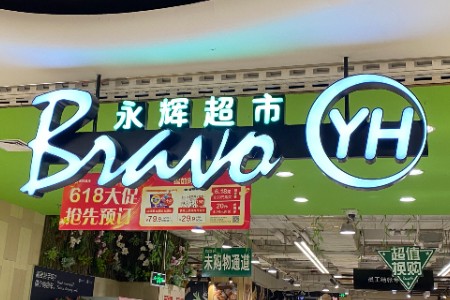
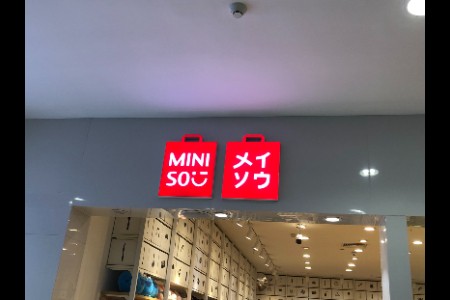
【亿邦原创】9月24日凌晨,盒马创始人侯毅发布朋友圈,就名创优品收购永辉超市部分股权一事进行评价。他表示,看了名创优品股东大会的发言,为叶国富的勇气和魄力点赞。

侯毅表示坚信叶国富提出的“中国零售业未来一定能够有一个万亿级别的超市”。中国传统零售业积重难返,需要靠外力来破局,需要有世界格局和眼光的企业家来推动变革。

具体而言,他认为,中国零售业存在三大核心问题亟需解决。

1、企业家的眼界和格局。中国第一代零售人基本是草根出身、白手起家,在学习外资零售业和外资竞争中长大,一旦失去学习对象,自我进化能力就很弱。中国零售业落后世界20年,现有企业家团队缺乏走向世界,学习世界先进零售业和进化迭代的能力。

2、团队能力弱化、零售业低工资,失去了吸引优秀人才的能力,基本是高管家族化、中层老龄化、基层平民化。

3、KA采购体系的利益机制绑架超市的经营权和运营权,超市自身的经营能力老化、商品同质化严重、价格奇高。从胖东来的调改看,只要打破超市原有的利益格局和机制,彻底放弃KA供应商采购体系,走全球先进模式——供应链垂直一体化,大力发展零售业极致性价比PB商品,走零售供应商长期合作共同合作发展,加强线下各类体验式商品和服务,极致低成本运行,相信在叶国富的带领下,永辉超市一定能“走出中国零售业发展的高速健康之路,完胜电商”。

亿邦持续追踪报道该情报,如想了解更多与本文相关信息,请扫码关注作者微信。

【版权提示】亿邦动力倡导尊重与保护知识产权。未经许可,任何人不得复制、转载、或以其他方式使用本网站的内容。如发现本站文章存在版权问题,烦请提供版权疑问、身份证明、版权证明、联系方式等发邮件至run@ebrun.com,我们将及时沟通与处理。

已点赞

+1

{{ praise_text }}

好文章,值得被更多人看到

FAQ回顾

侯毅认为中国零售业存在哪些核心问题?

侯毅指出三大问题:企业家眼界格局有限、团队能力弱化且人才流失、KA采购体系利益绑架导致商品同质化且价格高。

供应链垂直一体化如何帮助零售业破局?

通过放弃传统KA供应商体系,采用全球先进模式,发展自有品牌PB商品,实现极致性价比和低成本运营,从而提升竞争力。

侯毅对名创优品收购永辉超市有何评价?

侯毅赞赏叶国富的勇气,认为其推动的变革有望带领永辉走出健康发展的新路,并实现对中国零售业格局的突破。

广告

下一篇

征集报名《品牌数字化服务商资源手册》

《品牌数字化服务商资源手册》展示数字化服务商风采,亿邦全年零售大会通发,触达更多资源,马上加入!

马上入驻

购物中心 要靠文化引流?

经济大环境对各行各业的影响是巨大的,这几年最显著的特征就是结构性矛盾,表现为供给端的产能和需求端不相匹配。

线下零售渠道 万达 文化娱乐

2024-09-24 14:23:38