• 亿邦公众号
    • APP下载

颐莲开设全国首家线下店 母公司上半年线下营收占比提升

作者:张从容 文章来源:亿邦动力

2024-09-11 11:27

作者:张从容 文章来源:亿邦动力

2024-09-11 11:27

邦小白快读
EN
全文速览

文章重点介绍了颐莲品牌开设首家线下店及母公司财务数据变化。

1. 颐莲在山东济南开设全国首家线下店,集科技护肤、文化交流、体验空间于一体,打造综合旅游目的地。

2. 品牌之前以与零售商合作为主,如屈臣氏全国门店、三福、KK、盒马鲜生等渠道。

3. 同公司瑷尔博士品牌线下门店签约600余家,但部分城市已停止授权,提示渠道管理风险。

4. 福瑞达2024年线下营收1.92亿元,占比从去年12.57%提升至16.19%,线上占比下降。

5. 品牌营收数据:颐莲2023年营收8.57亿元,2024上半年4.47亿元同比增长14.03%;瑷尔博士2023年营收13.48亿元,2024上半年6.45亿元。

6. 福瑞达2024上半年总营收19.25亿元同比下降22.16%,归母净利润1.27亿元同比下降33.16%。

文章展示了颐莲的线下渠道建设和品牌增长趋势。

1. 品牌营销:颐莲开设首家线下体验店,强调科技护肤和文化交流,提升品牌形象。

2. 品牌渠道建设:与屈臣氏全国门店合作,布局三福、KK、盒马鲜生等零售商,扩展线下覆盖。

3. 消费趋势:线下营收占比提升至16.19%,显示用户偏好转向体验式消费。

4. 品牌定价和竞争:瑷尔博士停止授权部分城市,提示价格竞争和区域管理风险。

5. 产品研发:科技护肤元素融入线下店,迎合创新需求。

6. 用户行为观察:体验空间设计吸引用户参与,可能影响购买决策。

文章提供线下市场机会、风险提示和可学习商业模式。

1. 增长市场:福瑞达线下营收占比提升,显示线下渠道增长潜力。

2. 消费需求变化:体验店模式迎合综合休闲需求,颐莲营收增长14.03%证明需求旺盛。

3. 机会提示:与零售商合作如屈臣氏,提供可复制的合作方式。

4. 风险提示:瑷尔博士停止授权部分城市,提示过度扩展风险。

5. 可学习点:颐莲从纯线上转向线下综合店,作为最新商业模式。

6. 事件应对措施:母公司营收下降22.16%,需优化渠道策略应对市场变化。

文章启示产品生产需求和商业机会。

1. 产品生产和设计需求:科技护肤产品需求支撑线下体验店,需生产创新元素。

2. 商业机会:线下渠道扩展如屈臣氏合作,带来订单增长机会。

3. 推进数字化启示:线上营收占比下降,线下提升至16.19%,启示平衡生产供应链。

4. 电商启示:从线上转向线下,需调整生产以适应多渠道需求。

文章揭示美妆行业趋势和潜在解决方案。

1. 行业发展趋势:线下体验店兴起,如颐莲的综合空间,成为新零售方向。

2. 新技术:科技护肤应用,展示技术驱动需求。

3. 客户痛点:福瑞达营收下降22.16%,线上占比降低,可能面临竞争加剧问题。

4. 解决方案:支持品牌渠道管理,如优化授权策略避免风险。

文章涉及平台合作需求和运营管理。

1. 商业对平台需求:品牌如颐莲需要平台如屈臣氏进行渠道入驻,扩展覆盖。

2. 平台的最新做法:入驻三福、KK、盒马鲜生等,展示招商策略。

3. 平台招商:通过合作吸引品牌,提供增长机会。

4. 运营管理:瑷尔博士停止授权部分城市,提示需精细化管理避免风险。

5. 风向规避:注意营收下降风险,优化平台合作模式。

文章分析产业动向和商业模式问题。

1. 产业新动向:线下体验店模式发展,颐莲开设首家综合店,显示零售转型。

2. 新问题:福瑞达总营收下降22.16%,净利润降33.16%,提示渠道失衡风险。

3. 商业模式:综合旅游目的地零售模式,整合购物和体验。

4. 政策法规启示:线下占比提升,需研究渠道管理政策优化。

声明:快读内容全程由AI生成,请注意甄别信息。如您发现问题,请发送邮件至 run@ebrun.com 。

我是 品牌商 卖家 工厂 服务商 平台商 研究者 帮我再读一遍。

Quick Summary

The article highlights Yilian's opening of its first physical store and financial data changes at its parent company.

1. Yilian opened its first offline store in Jinan, Shandong, integrating tech skincare, cultural exchange, and experiential space to create a comprehensive tourism destination.

2. Previously, the brand mainly partnered with retailers such as Watsons nationwide stores, Sanfu, KK, and Hema Fresh.

3. Dr. Alor, under the same parent company, has signed over 600 offline stores, but some city authorizations have been terminated, indicating channel management risks.

4. Freda's offline revenue reached ¥192 million in 2024, with its share rising from 12.57% last year to 16.19%, while online revenue share declined.

5. Brand revenue data: Yilian's revenue was ¥857 million in 2023 and ¥447 million in H1 2024, up 14.03% YoY; Dr. Alor's revenue was ¥1.348 billion in 2023 and ¥645 million in H1 2024.

6. Freda's total revenue in H1 2024 was ¥1.925 billion, down 22.16% YoY, with net profit attributable to shareholders falling 33.16% to ¥127 million.

The article showcases Yilian's offline channel expansion and brand growth trends.

1. Brand marketing: Yilian opened its first experiential store, emphasizing tech skincare and cultural exchange to enhance brand image.

2. Channel strategy: Partnerships with Watsons nationwide stores and retailers like Sanfu, KK, and Hema Fresh expanded offline coverage.

3. Consumer trends: Offline revenue share rose to 16.19%, indicating a shift toward experiential consumption.

4. Pricing and competition: Dr. Alor's termination of authorizations in some cities highlights pricing pressure and regional management risks.

5. Product R&D: Tech skincare elements integrated into physical stores cater to innovation demand.

6. User behavior: Experiential space design attracts engagement, potentially influencing purchase decisions.

The article identifies offline market opportunities, risks, and replicable business models.

1. Growth market: Freda's rising offline revenue share signals potential in physical channels.

2. Demand shift: Experiential stores meet integrated leisure needs, with Yilian's 14.03% revenue growth proving strong demand.

3. Opportunities: Partnerships with retailers like Watsons offer replicable collaboration models.

4. Risks: Dr. Alor's terminated city authorizations warn against overexpansion.

5. Key takeaway: Yilian's transition from online-only to integrated offline stores exemplifies a modern business model.

6. Response measures: Parent company revenue fell 22.16%, necessitating optimized channel strategies to adapt.

The article reveals product demand shifts and commercial opportunities.

1. Production needs: Tech skincare demand supports experiential stores, requiring innovative product elements.

2. Business opportunities: Offline expansion (e.g., Watsons partnerships) drives order growth.

3. Digital shift: Online revenue share declined as offline rose to 16.19%, highlighting the need for balanced supply chains.

4. E-commerce insight: Transitioning from online to offline requires production adjustments for multi-channel demand.

The article uncovers beauty industry trends and potential solutions.

1. Industry trend: Rise of experiential offline stores, like Yilian's integrated space, as a new retail direction.

2. Technology: Tech skincare applications demonstrate demand driven by innovation.

3. Client pain points: Freda's 22.16% revenue drop and declining online share suggest intensified competition.

4. Solutions: Support brand channel management, such as optimizing authorization strategies to mitigate risks.

The article discusses platform collaboration needs and operational management.

1. Platform demand: Brands like Yilian require platforms (e.g., Watsons) for channel expansion.

2. Platform strategies: Partnerships with Sanfu, KK, and Hema Fresh showcase merchant acquisition approaches.

3. Merchant recruitment: Collaborations attract brands and offer growth opportunities.

4. Operations management: Dr. Alor's terminated city authorizations highlight the need for精细化 management to avoid risks.

5. Risk mitigation: Address revenue decline risks by optimizing platform collaboration models.

The article analyzes industry shifts and business model challenges.

1. Industry trend: Growth of experiential offline stores, exemplified by Yilian's integrated outlet, signaling retail transformation.

2. Emerging issues: Freda's 22.16% revenue drop and 33.16% net profit decline indicate channel imbalance risks.

3. Business model: Integrated tourism-retail model combining shopping and experiences.

4. Policy implications: Rising offline share necessitates research on optimized channel management policies.

Disclaimer: The "Quick Summary" content is entirely generated by AI. Please exercise discretion when interpreting the information. For issues or corrections, please email run@ebrun.com .

I am a Brand Seller Factory Service Provider Marketplace Seller Researcher Read it again.

【亿邦原创】日前,颐莲在山东济南开设首家线下店。颐莲官方微信公众号显示,该线下店以“莲”为灵感,集科技护肤、文化交流、体验空间于一体,打造集购物、休闲、文化体验于一体的综合旅游目的地。

此前,颐莲品牌的线下布局以与零售商的合作为主,品牌爆款产品全面入驻屈臣氏全国门店,同时布局三福、KK、盒马鲜生等线下渠道。据媒体报道,同属于福瑞达的瑷尔博士品牌线下门店已累计签约600余家。亿邦动力获悉,瑷尔博士在部分城市和地区已停止授权。

实际上,颐莲母公司福瑞达财报数据显示,福瑞达2024年线下营收1.92亿元,在总营收中的占比由去年的12.57%提升至16.19%,线上营收占比对应下降。

财报数据显示,2023全年,颐莲品牌营收达8.57亿元;今年上半年,颐莲品牌营收达4.47亿元,同比增长14.03%。同公司旗下的瑷尔博士品牌,2023全年营收13.48亿元,今年上半年营收6.45亿元。两个品牌2024年全年营收均有望达到10亿元。
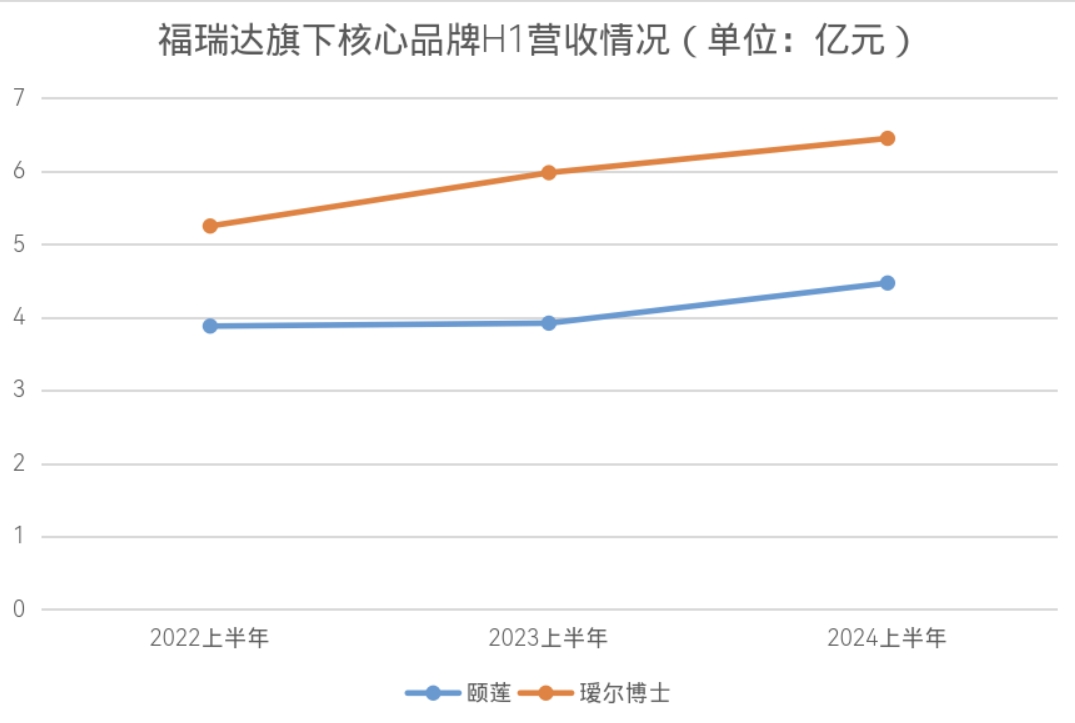
今年上半年,福瑞达总营收19.25亿元,同比下降22.16%;归母净利润1.27亿元,同比下降33.16%。

亿邦持续追踪报道该情报,如想了解更多与本文相关信息,请扫码关注作者微信。

【版权提示】亿邦动力倡导尊重与保护知识产权。未经许可,任何人不得复制、转载、或以其他方式使用本网站的内容。如发现本站文章存在版权问题,烦请提供版权疑问、身份证明、版权证明、联系方式等发邮件至run@ebrun.com,我们将及时沟通与处理。

已点赞

+1

{{ praise_text }}

好文章,值得被更多人看到

FAQ回顾

颐莲首家线下店有什么特点?

颐莲全国首家线下店位于山东济南,以‘莲’为灵感,集科技护肤、文化交流、体验空间于一体,旨在打造一个集购物、休闲、文化体验于一体的综合旅游目的地。

福瑞达2024年线下渠道营收表现如何?

福瑞达2024年线下营收达1.92亿元,在总营收中的占比由2023年的12.57%提升至16.19%,显示其线下渠道布局取得成效。

颐莲和瑷尔博士品牌2024年上半年营收分别是多少?

2024年上半年,颐莲品牌营收为4.47亿元,同比增长14.03%;同公司的瑷尔博士品牌营收为6.45亿元。两个品牌全年营收均有望达到10亿元。

广告

下一篇

征集报名《品牌数字化服务商资源手册》

《品牌数字化服务商资源手册》展示数字化服务商风采,亿邦全年零售大会通发,触达更多资源,马上加入!

马上入驻

菜鸟控股递四方 意欲何为?

菜鸟控股的全球化物流网络版图,再添新玩家。9月9日,国家市场监督管理总局披露了浙江菜鸟供应链管理有限公司收购深圳市递四方信息科技有限公司股权案。