• 亿邦公众号
    • APP下载

Temu半托管模式上线,听官方一手分享,稳抓跨境新红利

作者:马蹄社 文章来源:马蹄社

2024-05-20 11:30

作者:马蹄社 文章来源:马蹄社

2024-05-20 11:30

邦小白快读

EN
全文速览

本文核心信息是跨境电商平台Temu新上线半托管模式,目前Temu月独立访问量已经位居全球第二,是当前跨境电商的新红利风口,核心干货如下

1. 半托管模式面向已经有海外仓合作、海外主体、具备成熟本土履约能力的跨境商家,商家可自主制定仓储物流方案,减少选品步骤,营销推广、客服仍由平台负责,比原有模式更灵活

2. 该模式尤其利好家具、家电等原本无法通过国内直发货的大件品类,帮这类商家打开了新的增长空间,还能给商家提供订单增量,帮助商家重塑经营节奏

3. 新老商家都可以根据自身能力选择模式,没有成熟海外资源选保姆式非半托管,有资源就选灵活的半托管,充分发挥自身优势,目前已有多个类目的商家关注该模式

本文分享了Temu半托管新模式的相关信息,能给布局跨境出海的品牌商提供不少参考,具体干货如下

1. 品牌渠道建设层面,半托管模式为有海外履约能力的品牌开放了新的入驻渠道,尤其解决了大件家具、家电等品类原本无法入驻Temu的问题,帮助品牌获得新的流量入口和订单增量

2. 经营选择层面,品牌可以根据自身发展阶段和资源情况选择适配模式,新品牌或者没有成熟海外资源的品牌,可以选择平台保姆式的非半托管模式,已经布局海外的成熟品牌,可以选择半托管发挥自身资源禀赋,重塑经营节奏

3. 行业趋势层面,Temu通过半托管推进全品类平台建设,会进一步丰富产品层次、提升客单价,入驻品牌也能享受到平台增长带来的红利,目前已有多个不同类目的头部品牌参与对接

本文公开了Temu半托管模式的一手信息,能给跨境卖家提供明确的机会参考,具体干货如下

1. 模式规则明确:半托管面向已经和海外仓物流商达成合作、拥有海外主体、具备成熟本土履约能力的卖家,卖家自主负责仓储、配送、逆向物流,平台提供灵活发货选项,负责营销推广和客服,比原有模式灵活性更高

2. 增长机会清晰:该模式为家具、家电等原本无法通过国内直发的大件品类卖家扫清了入驻障碍,能给卖家带来可观的订单增量,还能帮助卖家调整经营节奏,发挥自身的海外资源优势

3. 实操选择提示:卖家不需要强制更换模式,可以根据自身能力选择,没有成熟海外履约能力就选保姆式非半托管,有资源就选半托管,目前多个类目都开放接入,是值得把握的跨境新红利

Temu推出的半托管新模式,给布局跨境出海的生产工厂带来了新的机会和启示,具体干货如下

1. 新商业机会:半托管开放了大件品类的入驻通道,原本做家具、家电等大件产品出海的工厂,只要匹配海外仓、海外主体的要求,就可以入驻Temu打开新的销路,获得更多订单增量,拓展自身的销售渠道

2. 数字化电商转型启示:如果工厂已经提前布局海外仓,具备本土履约能力,可以选择半托管模式,发挥自身供应链和仓储资源的优势,减少平台托管的中间成本,自主把控履约环节,提升利润空间

3. 生产调整方向:Temu借半托管模式推进全品类布局,对更多品类的产品需求会持续上升,工厂可以结合平台的品类缺口,调整自身的生产和设计方向,匹配海外本土的消费需求,更好抓住跨境增长红利

本文透露出跨境电商行业的最新发展动向,能给跨境相关服务商提供不少业务参考,具体干货如下

1. 行业发展趋势:当前Temu已经成长为全球月独立访问量第二的跨境电商平台,依然保持快速扩张的节奏,推出半托管模式吸引各类商家入驻,大件出海已经成为跨境电商新的增长点,行业整体还有较大的增长空间

2. 商家核心痛点:原来很多做跨境大件的商家,受限于平台的发货规则无法入驻头部流量平台,也缺乏适配大件品类的灵活运营模式,半托管模式解决了商家的核心痛点,也催生了新的服务需求

3. 业务机会方向:大量商家布局半托管,需要配套的海外仓储物流、海外主体合规、本土逆向物流等相关服务,服务商可以围绕商家做半托管的需求,拓展对应的业务模块,抓住这一轮跨境增长的红利

Temu半托管模式的创新,给各类跨境平台带来了运营和发展的相关启示,具体干货如下

1. 商家核心需求:很多已经成熟的跨境商家,已经布局了海外本土资源,希望有更灵活的履约模式,能够发挥自身的资源优势,原有一站式全托管模式无法满足这类商家的需求,尤其是大件品类商家的本土发货需求长期没有得到满足

2. 平台创新玩法:Temu针对不同能力的商家推出差异化的模式,既保留了给新商家的保姆式非半托管服务,又给成熟商家开放半托管选项,商家自主做物流履约,平台负责营销客服,实现了灵活适配

3. 运营管理启示:这种差异化模式能帮助平台丰富品类结构、提升产品层次、提高客单价,还能让平台管理更精准高效,吸引更多不同类型的商家入驻,推进全品类平台建设,值得其他平台参考

本文介绍的Temu半托管新模式,反映了当前跨境电商产业的最新动向,对产业研究有较高的参考价值,具体干货如下

1. 产业新动向:Temu作为跨境电商新秀,已经实现月独立访问量全球第二,超越了诸多老牌平台,打破了原有的行业格局,目前仍在不断进行模式创新,拓展自身的品类边界

2. 商业模式创新:半托管模式是介于全托管和完全自主运营之间的创新模式,差异化满足不同发展阶段商家的需求,既发挥了平台在流量、营销、客服方面的优势,又给有资源的商家留出发挥空间,实现平台和商家的双赢

3. 行业影响:该模式解决了大件品类出海的平台接入痛点,推动跨境平台向全品类方向发展,也进一步加速了跨境电商本土履约的发展进程,是跨境电商领域商业模式创新的重要探索,对研究行业演进有重要意义

声明:快读内容全程由AI生成,请注意甄别信息。如您发现问题,请发送邮件至 run@ebrun.com 。

我是 品牌商 卖家 工厂 服务商 平台商 研究者 帮我再读一遍。

Quick Summary

This article introduces the new semi-fulfillment model newly launched by cross-border e-commerce platform Temu. Currently, Temu ranks second globally in monthly unique visitors, and this new model represents the latest growth opportunity in the cross-border e-commerce space. Key takeaways are as follows:

1. The semi-fulfillment model targets cross-border sellers that already have overseas warehouse partnerships, overseas registered entities, and mature local fulfillment capabilities. Under this model, merchants can design their own warehousing and logistics solutions, reduce product selection work, while the platform remains responsible for marketing and customer service, making it more flexible than Temu's original model.

2. This model particularly benefits large-sized categories such as furniture and home appliances that could not previously be shipped directly from China, opening up new growth room for merchants in these categories, driving incremental orders and helping merchants restructure their operational rhythm.

3. Both new and existing merchants can choose the model that fits their capabilities: merchants without mature overseas resources can opt for the full-service non-semi-fulfillment model, while those with existing resources can choose the more flexible semi-fulfillment model to leverage their strengths. Multiple categories already have significant merchant interest in this new model.

This article shares details of Temu's new semi-fulfillment model, which offers valuable insights for brands looking to expand cross-border business. Key takeaways are as follows:

1. In terms of brand channel development, the semi-fulfillment model opens up a new onboarding channel for brands with local overseas fulfillment capabilities. It particularly solves the problem that large-sized categories such as furniture and home appliances were previously unable to join Temu, helping brands access new traffic entry points and gain incremental orders.

2. In terms of operational selection, brands can choose a suitable model based on their development stage and existing resources. New brands or brands without mature overseas resources can choose the full-service non-semi-fulfillment model run by the platform, while established brands with existing overseas layouts can choose semi-fulfillment to leverage their existing resource endowments and restructure their operational rhythm.

3. In terms of industry trends, Temu is advancing its transformation into a full-category platform through the semi-fulfillment model, which will further enrich product tiers and lift average order value. Participating brands can also capture the growth dividends brought by the platform's expansion, and multiple leading brands across different categories have already initiated onboarding discussions.

This article reveals first-hand information about Temu's semi-fulfillment model, offering clear opportunity insights for cross-border sellers. Key takeaways are as follows:

1. Clear model rules: The semi-fulfillment model targets sellers that already have partnerships with overseas warehouse logistics providers, own overseas registered entities, and have mature local fulfillment capabilities. Sellers take charge of warehousing, delivery, and reverse logistics independently, while the platform provides flexible shipping options and remains responsible for marketing and customer service, delivering greater flexibility than the original model.

2. Clear growth opportunities: This model removes onboarding barriers for sellers of large-sized categories such as furniture and home appliances that cannot be shipped directly from China, bringing considerable incremental order growth, helping sellers adjust their operational rhythm, and leveraging their existing overseas resource advantages.

3. Practical guidance for selection: Sellers are not required to switch models mandatorily, and can choose based on their own capabilities: sellers without mature overseas fulfillment capabilities can choose the full-service non-semi-fulfillment model, while those with existing resources can opt for semi-fulfillment. The model is open to sellers across multiple categories, and represents a new cross-border growth opportunity worth capturing.

Temu's new semi-fulfillment model brings new opportunities and insights for manufacturing factories expanding cross-border business. Key takeaways are as follows:

1. New business opportunities: The semi-fulfillment model opens up onboarding access for large-sized categories. Factories producing large goods such as furniture and home appliances can join Temu to open up new sales channels, gain incremental orders, and expand their sales network as long as they meet the requirements for overseas warehouses and overseas registered entities.

2. Insights for digital e-commerce transformation: Factories that have already built out overseas warehouses and have local fulfillment capabilities can choose the semi-fulfillment model to leverage their advantages in supply chain and warehousing resources, cut intermediate costs of full platform fulfillment, control the fulfillment process independently, and expand profit margins.

3. Guidance for production adjustment: Temu is advancing its full-category layout through the semi-fulfillment model, which will drive sustained growth in demand for more product categories. Factories can adjust their production and design strategies to align with the platform's category gaps and meet local consumer demand in overseas markets, to better capture cross-border growth dividends.

This article reveals the latest development trends in the cross-border e-commerce industry, offering valuable business insights for cross-border service providers. Key takeaways are as follows:

1. Industry development trends: Temu has grown into the second largest cross-border e-commerce platform globally by monthly unique visitors, and continues to expand rapidly. Its launch of the semi-fulfillment model to attract more merchants confirms that cross-border sales of large-sized goods have become a new growth driver for the industry, and the overall sector still holds considerable room for growth.

2. Core merchant pain points: Previously, many cross-border large-sized goods merchants were unable to access leading traffic platforms due to shipping rule restrictions, and lacked flexible operational models adapted to large-sized categories. The semi-fulfillment model solves these core pain points for merchants, and also generates new demand for supporting services.

3. New business opportunity directions: As a large number of merchants adopt the semi-fulfillment model, they need supporting services including overseas warehousing and logistics, overseas entity compliance, and local reverse logistics. Service providers can expand corresponding business segments around the needs of semi-fulfillment merchants to capture this round of cross-border growth dividends.

The innovative semi-fulfillment model from Temu offers operational and development insights for other cross-border platforms. Key takeaways are as follows:

1. Core merchant demands: Many established cross-border merchants have already built out local overseas resources, and want more flexible fulfillment models to leverage their own resource advantages. The original one-stop full-fulfillment model cannot meet this demand, and the local shipping needs of large-sized category merchants in particular have long been unmet.

2. Innovative platform playbook: Temu launched differentiated models for merchants with different capabilities: it retains the full-service non-semi-fulfillment offering for new merchants, while opening the semi-fulfillment option for established merchants, where merchants handle logistics and fulfillment independently and the platform takes charge of marketing and customer service, achieving flexible adaptation to different merchant needs.

3. Operational management insights: This differentiated model helps platforms enrich their category structure, upgrade product tiers, lift average order value, and achieve more accurate and efficient management. It also attracts more diverse merchants to join and advances the transformation to a full-category platform, making it a worthwhile reference for other cross-border platforms.

The new semi-fulfillment model launched by Temu introduced in this article reflects the latest trends in the cross-border e-commerce industry, and offers high reference value for industrial research. Key takeaways are as follows:

1. New industry trends: As a rising star in cross-border e-commerce, Temu has already claimed second place globally in monthly unique visitors, outperforming many long-established platforms and disrupting the existing industry landscape. It continues to innovate its business model to expand its category boundaries.

2. Business model innovation: The semi-fulfillment model is an innovative offering positioned between full fulfillment and fully independent operation. It meets the differentiated needs of merchants at different development stages: it leverages the platform's advantages in traffic, marketing and customer service, while leaving room for merchants with existing resources to leverage their own strengths, achieving a win-win outcome for both the platform and merchants.

3. Industry impact: This model solves the platform access pain point for large-sized category cross-border expansion, pushes cross-border platforms to evolve toward full-category offerings, and further accelerates the development of local fulfillment in cross-border e-commerce. It represents an important exploration of business model innovation in the cross-border e-commerce space, and holds great significance for research on industry evolution.

Disclaimer: The "Quick Summary" content is entirely generated by AI. Please exercise discretion when interpreting the information. For issues or corrections, please email run@ebrun.com .

I am a Brand Seller Factory Service Provider Marketplace Seller Researcher Read it again.

图片

跨境电商平台Temu的月独立访问量已经超越了诸多老牌平台,拿下了全球TOP2的成绩。


作为一支异军突起的新秀,物流履约一直是Temu的重点建设方向,其于日前推出的“半托管”模式更是有效地释放了卖家自有的物流资源,以更好地服务于本土消费者。


· Temu的“半托管”与其他平台有何不同?

· 这一新模式将给商家带来怎样的新机遇?

· 不同类目商家如何借势Temu“半托管”稳稳盈利?


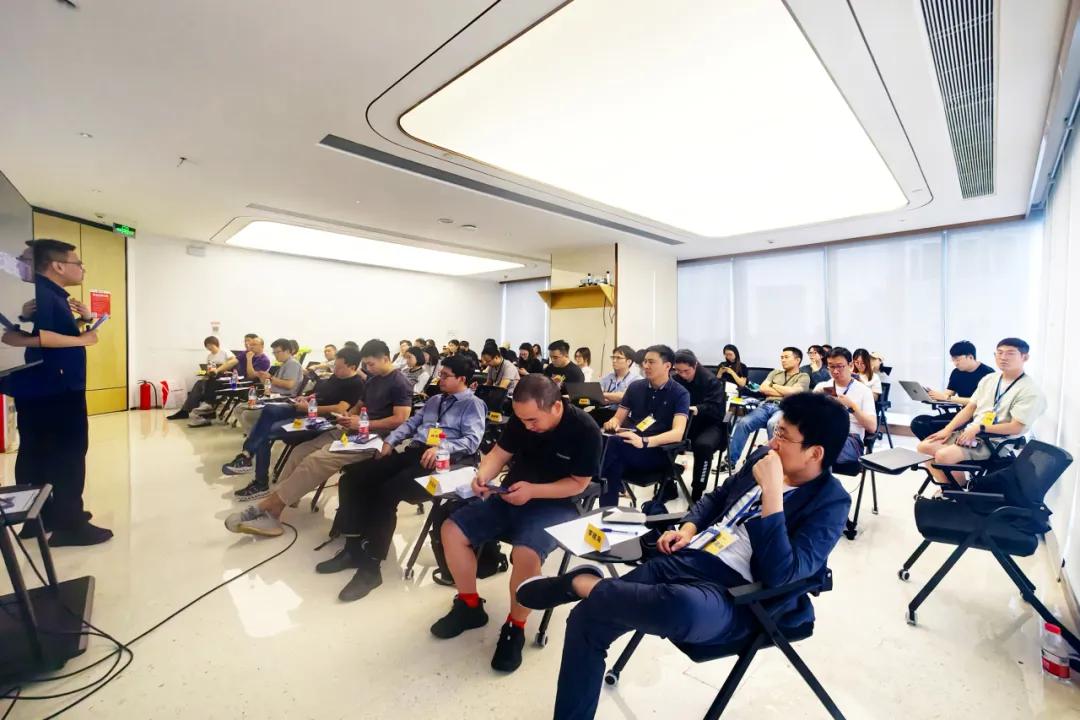
日前,马蹄社同学们一起走进Temu,听官方一手分享,抓跨境新红利!

图片

活动现场


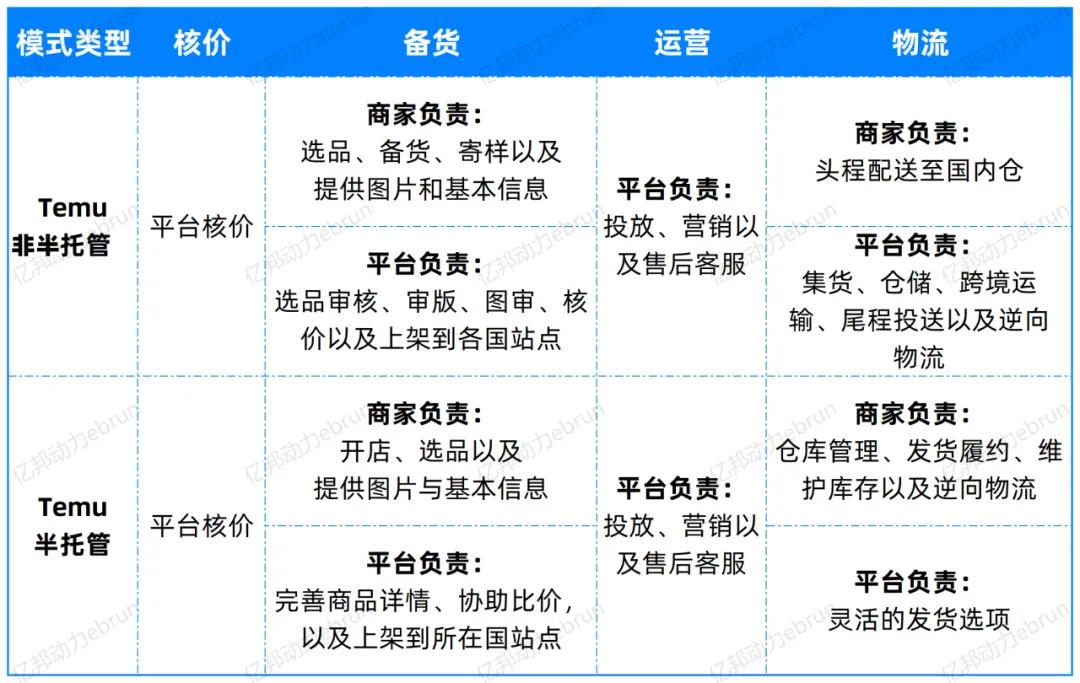
据了解,Temu半托管服务面向的主要是已经与海外仓库物流合作商达成合作、具有海外主体、具备成熟的本土履约能力的跨境商家。这些备货在海外仓的商家可根据订单自行决定仓储物流方案,同时减少选品步骤,除此之外,营销推广、客服等仍由平台协助商家进行。


半托管和非半托管相比,最大的不同是在仓储物流方面更加灵活,商家可选择自行负责仓库和配送管理,完成货品履约,同时处理相关订单的逆向物流,而平台则可以为其提供灵活的发货选项(单件/多件合并发货)。

图片


有业内人士表示,Temu的半托管模式让一些如家具、家电等很难通过国内直发货的品类在Temu找到了新的增长机遇,除了能够为商家提供可观的订单增量,更为商家重塑经营节奏提供了契机。


有跨境商家表示:“相较于一站式运营的非半托管,半托管最大的价值在于给了所有新老商家多一个选择。卖家可以根据自己的能力,选择保姆式的非半托管模式;或者当具备海外发货能力的时候,有更加灵活的半托管模式可供选择,让他们充分发挥自己在海外的资源禀赋。”


特别是对于经营大件产品的商家而言,此次开启的“本对本发货”模式,无疑为家具、家电等大件商品登陆Temu扫清了障碍,使得Temu进一步向真正的“全品类平台”迈出坚实步伐。

图片


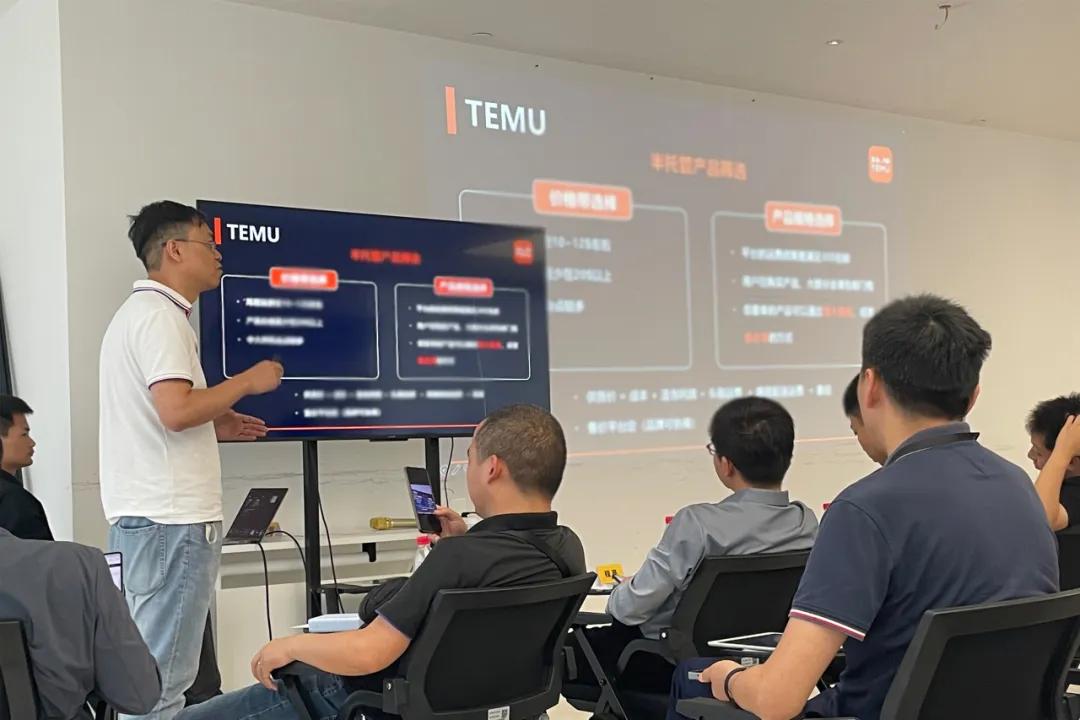
当然,对Temu半托管感兴趣并不只有大件产品卖家,此次参会同学来自家居、家电、个护、美妆、保健、鞋服等等不同类目品牌企业,Temu专门邀请到不同类目的负责人来为大家答疑解惑。


而对于Temu来说,以半托管模式吸引更多不同类目玩家入局,带来的不止是履约的加速,无疑也有利于提升产品丰富度、增加产品层次、优化品类结构并提升客单价,同时也让平台管得更少、更精准、更有效,为卖家发挥自有禀赋提供了空间。


马蹄社课程为闭门私密共创研学,每节课程全体同学均会签署课程内容《保密协议》,因此以下内容仅呈现导师已公开观点,不涉及马蹄社课程现场具有保密属性的核心内容。


马蹄社本期参会同学

(A-Z首字母排序)


陈冯佐    funnyfuzzy CMO     

陈泽东    tronsmart VP     

陈镇泉    外宝电商 CEO     

程    亮    MIKUA CEO     

董    婷    deconovo 海外业务负责人     

高倩妮    Peachista 品牌CEO     

龚晓璇    摩飞电器 海外市场负责人     

郭    镭    AKASO CEO     

黄    斌    金味 CEO     

黄绍聪    ETOP集团 创始人、董事长     

金    纬    宁波维亿Radeway 董事长     

李春辉    欧达家居 创始人     

李建海    inse CEO     

刘    洋    deconovo 总裁助理兼跨境运营负责人    

毛小辉    SKG 海外零售负责人     

聂小塔    C咖 联合创始人     

欧焯镔    欧木科技 海外负责人     

谭文斌    KILALA可啦啦 海外营销负责人     

唐茂钧    居密码 总经理     

吴树杰    Viture 跨境运营负责人     

吴致嘉    Gmisun 项目合伙人     

徐恢信    康晋ComKing 总经理     

徐    龙    卓越新零售(方太) 创始人     

许小新    TCL 海外电商负责人     

杨全坤    欧达家居 总经理     

杨义光    supermade 副总裁     

殷钧钧    华青科技 CTO     

尹    昕    汤臣倍健 ECCEO     

余小燕    FASCINATE 副总经理     

俞    健    speediance 联合创始人     

张    强    奶糖派 创始人     

钟佳奇    UIBI柚比 总经理     

周    沁    西屋 抖音电商负责人     

曾文浩    创乐出海 CEO     


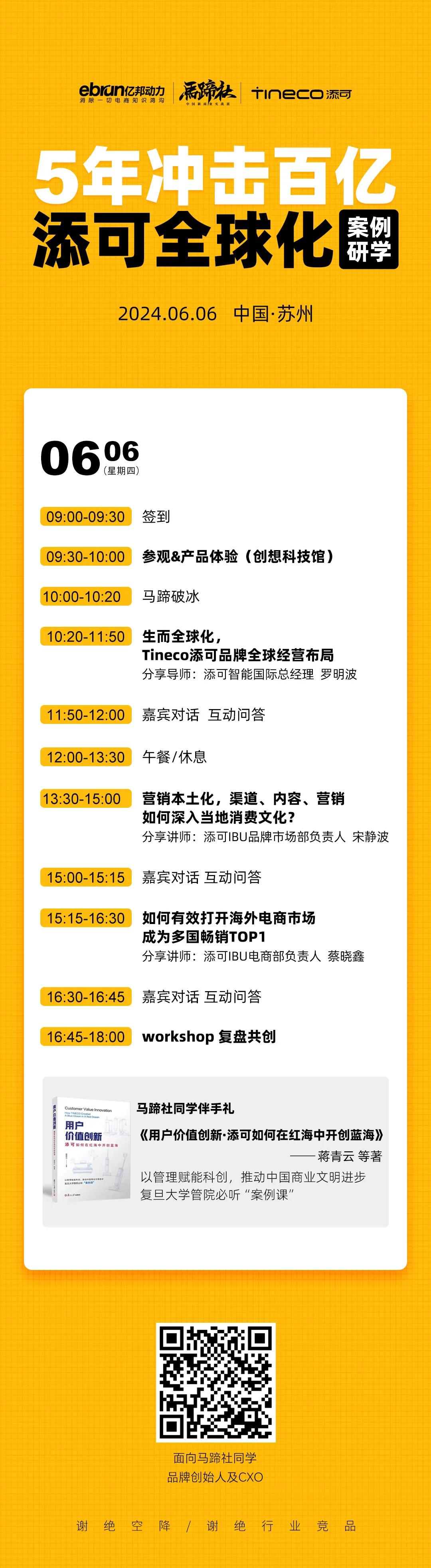
优质课程 马不停蹄,6月6日,亿邦动力马蹄社走进Tineco添可,围绕Tineco添可全球化历程,聚焦海外渠道、营销本土化、国际电商增长等实践经验展开闭门研学交流。

图片


【版权提示】亿邦动力倡导尊重与保护知识产权。未经许可,任何人不得复制、转载、或以其他方式使用本网站的内容。如发现本站文章存在版权问题,烦请提供版权疑问、身份证明、版权证明、联系方式等发邮件至run@ebrun.com,我们将及时沟通与处理。

已点赞

+1

{{ praise_text }}

好文章,值得被更多人看到

FAQ回顾

Temu的半托管模式是什么?

Temu半托管模式是面向具备海外仓和本土履约能力的跨境商家的服务,商家可自行负责仓储物流和配送管理,平台则提供营销推广和客服支持。

Temu半托管模式为哪些品类带来新机遇?

半托管模式特别适合家具、家电等大件商品,通过‘本对本发货’解决了跨境直发难题,为这些品类在Temu平台提供了新的增长机会。

商家如何选择Temu的半托管模式?

商家需具备海外主体、成熟的海外仓合作和本土履约能力,可根据自身资源选择半托管模式发挥物流优势,或选择非半托管的一站式运营。

广告

下一篇

跨境电商资源对接

《全球跨境电商服务商资源手册》第二期手册现已发布,触达更多资源,了解跨境服务商信息,欢迎点击链接下载。

了解详情

京东工业启动工业蜂巢计划 两年助力100个品牌营收破亿

京东工业召开行业合作伙伴大会,宣布正式启动工业蜂巢计划,未来两年将助力100个品牌年销售额过亿,打造1000个千万级单品,与10000个合作伙伴实现全面数字化链接。