



• 亿邦公众号
    • APP下载

全国唯一!杭州钱塘区跨关区退货业务新模式试点启动

作者:亿邦动力 文章来源:亿邦动力

2023-10-11 11:45

作者:亿邦动力 文章来源:亿邦动力

2023-10-11 11:45

邦小白快读

EN
全文速览

总:本文介绍了杭州钱塘区杭州综合保税区启动全国唯一跨境电商网购保税零售进口跨关区退货新模式试点的核心信息,干货整理如下

1. 新模式彻底打破了原有进口保税商品退货“原进原出”的规则,全国各地保税仓售出的进口商品,退货时无需退回原发出仓,可统一退至杭州综合保税区,实现“一点退全国”。

2. 对普通跨境消费者来说,新模式大幅提升了退货处理时效,消费者可以更快收到退款,优化了跨境网购的整体体验,降低了购买进口商品的退货顾虑。

3. 杭州钱塘区拥有综保区、自贸区、跨境电商综试区三重政策叠加优势,已经累计产出71项跨境电商制度创新成果,多项成果入选国家级、省级创新案例,该新模式目前正在推广,后续将有更多群体受益。

总:本次杭州推出的跨关区退货新模式,对布局进口跨境电商业务的品牌商有诸多利好,也能帮助品牌把握消费趋势,核心干货如下

1. 成本层面,新模式帮助品牌降低退货环节的运营成本,原来退货需要退回原出仓,流程繁琐、人力物力消耗大,现在统一退回杭州保税区,精简了退货流程,直接压缩了品牌的运营成本。

2. 用户运营层面,新模式提升了退货退款速度,优化了消费者购物体验,能降低消费者购买进口商品的决策门槛,提升品牌的用户口碑和复购率,帮助品牌更好地打开进口零售市场。

3. 布局层面,钱塘区拥有多重政策叠加优势,还有大量经过验证的制度创新成果,品牌布局跨境进口业务,可以依托这里的创新优势,适配消费者对便捷退货的需求,抓住进口消费升级的趋势。

总:本次跨关区退货新模式试点,给跨境进口电商卖家带来了明确的政策红利和发展机会,干货整理如下

1. 政策层面,本次试点是全国唯一的跨关区退货业务试点,突破了原有“原进原出”的退货规则,允许全国各保税仓售出的商品统一退至杭州保税区,实现“一点退全国”,能直接降低卖家退货环节的人力物力成本,压缩运营开支。

2. 机会层面,目前试点刚刚启动,杭州综合保税区正在对接推广更多卖家接入新模式,卖家可以抓住试点的政策红利,接入新模式降低自身运营成本,提升利润空间。

3. 经营层面,退货时效提升能帮助卖家提升用户好评率,降低消费者购物顾虑,拉动销量增长,同时新模式实现了监管系统和企业系统的对接,监管便利度大幅提升,能帮助卖家降低合规风险。

总:本次跨关区退货新模式试点,给布局跨境相关业务的工厂带来了商业机会和数字化转型的启示,干货整理如下

1. 商业机会层面,跨境电商进口退货流程的便捷化,会进一步降低消费者购买进口商品的顾虑,带动整个进口消费市场的规模增长,做进口原材料加工、进口商品代工、面向国内进口市场供货的工厂,可以抓住进口消费扩容的机会,拓展自身业务规模。

2. 数字化转型启示,杭州综合保税区围绕企业退货需求,完成了监管系统的改造升级,实现了企业数据和监管系统的对接,大幅提升了效率,这启示工厂布局跨境电商业务时,要主动推进数字化改造,适配新的业务和监管模式,提升自身运营效率。

3. 布局参考,钱塘区拥有三重政策叠加优势,还有大量成熟的制度创新成果,想要拓展跨境业务的工厂可以落地钱塘区,享受政策红利,优化业务环节成本。

总:本次跨关区退货新模式试点,反映了跨境电商行业的发展趋势,明确了客户痛点和解决方案方向,核心干货如下

1. 客户痛点层面,本次试点解决了行业长期存在的痛点:原有“原进原出”的退货模式,让跨境电商企业承担了很高的退货运营成本,流程繁琐,同时消费者退货等待时间长,体验差,这些都是服务商服务客户时需要解决的核心问题。

2. 行业发展趋势层面,当前跨境电商进口已经从规模扩张转向服务和效率升级,围绕企业和消费者需求,开展制度创新、数字化升级是行业未来的发展方向,退货便捷化是行业发展的必然趋势。

3. 解决方案方向,本次试点探索出升级退货中心仓功能、跨区域统一退货、监管系统与企业数据对接的模式,为服务商开发配套的仓储、物流、信息系统服务提供了可参考的样本,服务商可以围绕新模式开发配套服务,抓住市场机会。

总:本次跨关区退货新模式试点,为跨境电商平台的运营、招商和风险管理提供了很多参考,干货整理如下

1. 需求层面,新模式反映了商家和消费者的核心需求:跨境进口商家有降低退货运营成本的强烈需求,消费者对跨境网购的退货时效、退款速度有更高的要求,平台需要适配新的监管模式,对接新的退货系统,满足两端需求。

2. 招商运营层面,杭州综合保税区是全国唯一的跨关区退货试点,拥有独一无二的政策红利,平台可以依托该试点的政策优势开展招商,吸引更多做跨境进口业务的商家入驻,同时可以将接入新模式作为平台的差异化服务,提升平台吸引力。

3. 风险管理层面,平台需要跟进监管政策的创新方向,及时调整平台的运营规则和系统对接方式,适配新的监管要求,规避合规风险,抓住政策创新带来的发展红利。

总:本次杭州钱塘区的跨关区退货新模式试点,是我国跨境电商领域制度创新的新动向,为产业研究提供了典型样本,核心干货如下

1. 产业新动向层面,当前我国跨境电商进口已经从早期的规模扩张,转向流通环节的服务升级和制度创新,针对行业痛点优化监管流程、降低企业运营成本,是推动跨境电商高质量发展的重要方向,跨关区退货新模式就是这类创新的典型代表。

2. 区域创新案例层面,钱塘区作为综保区、自贸区、跨境电商综试区三重政策叠加区域,已经累计形成71项制度创新成果,2项入选国务院服贸创新最佳案例,1项入选国务院自贸试验区改革试点经验,多项入选省级市级创新案例,形成了可复制的制度创新路径,为研究区域跨境电商发展提供了典型案例。

3. 商业模式层面,本次试点探索出“一点退全国”的跨境退货新商业模式,解决了原有模式高成本、低效率的问题,为后续全国范围推广积累了实践经验,也为研究跨境电商监管便利化提供了新的研究样本。

声明:快读内容全程由AI生成,请注意甄别信息。如您发现问题,请发送邮件至 run@ebrun.com 。

我是 品牌商 卖家 工厂 服务商 平台商 研究者 帮我再读一遍。

Quick Summary

This article outlines the core details of a new cross-regional cross-border e-commerce returns pilot launched at Hangzhou Comprehensive Bonded Zone in Qiantang District, Hangzhou — the only program of its kind in China. Key takeaways are as follows:

1. The new model completely breaks the original "same-entry same-exit" rule for bonded imported goods returns. Instead of being returned to the original warehouse of dispatch, imported goods sold from bonded warehouses across the country can all be returned centrally to Hangzhou Comprehensive Bonded Zone, enabling "one-point returns for the whole country".

2. For individual cross-border consumers, the new model drastically improves returns processing efficiency, allowing consumers to receive refunds faster, optimizes the overall cross-border online shopping experience, and reduces purchase hesitation related to returns for imported goods.

3. Qiantang District benefits from overlapping policy advantages as a comprehensive bonded zone, free trade zone, and cross-border e-commerce comprehensive pilot zone. It has produced 71 institutional innovations for cross-border e-commerce to date, with multiple achievements selected as national and provincial-level innovation cases. The new returns model is currently being rolled out, and more groups will benefit from it in the future.

The new cross-regional cross-border returns model launched in Hangzhou brings multiple benefits to brands with cross-border e-commerce import operations and helps them capitalize on shifting consumer trends. Key insights are as follows:

1. On the cost side: The new model helps brands cut operational costs in the returns link. The original returns process, which required sending items back to the original warehouse, was cumbersome and resource-intensive. Centralized returns to Hangzhou Bonded Zone streamlines workflows and directly reduces brands' operating expenses.

2. On user operations: Faster returns and refunds under the new model improve consumer experience, lower the decision threshold for consumers buying imported goods, boost brands' word-of-mouth and customer repurchase rates, and help brands better penetrate the import retail market.

3. On business expansion: Qiantang District offers overlapping policy advantages and a large track record of proven institutional innovations. Brands building out cross-border import businesses can leverage the district's innovation advantages to meet consumer demand for convenient returns and capitalize on the trend of import consumption upgrading.

This new pilot cross-regional returns model brings clear policy dividends and growth opportunities for cross-border import e-commerce sellers. Key takeaways are as follows:

1. Policy impact: As the only cross-regional returns pilot in China, the program breaks through the original "same-entry same-exit" returns rule, allowing goods sold from bonded warehouses nationwide to be returned centrally to Hangzhou Bonded Zone for "one-point returns for the whole country". This directly cuts sellers' labor and logistics costs for returns and reduces overall operating expenses.

2. Growth opportunities: The pilot has just launched, and Hangzhou Comprehensive Bonded Zone is actively onboarding more sellers to the new model. Sellers can capitalize on the pilot's policy dividends to reduce operating costs and expand profit margins.

3. Business performance: Faster returns processing helps sellers improve customer ratings, reduce consumer purchase hesitation, and drive sales growth. The new model also enables direct integration between regulatory systems and corporate systems, greatly improving regulatory convenience and helping sellers reduce compliance risks.

This new cross-regional returns pilot brings new business opportunities and digital transformation insights for factories with cross-border-related operations. Key takeaways are as follows:

1. Business opportunities: Streamlined returns processes for cross-border e-commerce imports will further reduce consumer hesitation to buy imported goods, driving overall growth of the import consumption market. Factories engaged in imported raw material processing, OEM production for imported goods, or supplying to the domestic import market can seize this opportunity to expand business scale amid growing import consumption.

2. Digital transformation insights: To accommodate the new returns model, Hangzhou Comprehensive Bonded Zone upgraded its regulatory system to enable integration with corporate data, driving major efficiency gains. This demonstrates that factories building cross-border e-commerce operations should proactively pursue digital upgrades to adapt to new business and regulatory models and improve operational efficiency.

3. Location reference: Qiantang District offers overlapping policy advantages across three national-level zones and a large portfolio of proven institutional innovations. Factories looking to expand cross-border business can establish operations in Qiantang to access policy dividends and optimize costs across business links.

This new cross-regional returns pilot reflects emerging trends in the cross-border e-commerce industry and clarifies core customer pain points and solution directions. Key insights are as follows:

1. Core customer pain points: The pilot solves a long-standing industry pain point. The original "same-entry same-exit" returns model forced cross-border e-commerce companies to bear high returns operational costs and cumbersome processes, while consumers faced long waiting times for returns and poor experience. These are the core problems service providers need to solve for their clients.

2. Industry development trends: Cross-border e-commerce imports have shifted from pure scale expansion to service and efficiency upgrading. Institutional innovation and digital upgrades centered on enterprise and consumer demand are the future direction of the industry, and convenient returns are an inevitable trend of industry development.

3. Solution direction: The pilot tested a model of upgraded return center warehouse functions, unified cross-regional returns, and integration between regulatory systems and enterprise data, providing a proven reference for service providers developing supporting warehousing, logistics, and information system services. Service providers can develop supporting services around the new model to capture new market opportunities.

This new cross-regional returns pilot offers valuable insights for cross-border e-commerce platforms on operations, merchant recruitment, and risk management. Key takeaways are as follows:

1. Demand alignment: The new model reflects the core needs of both merchants and consumers: cross-border import merchants have strong demand to reduce returns operational costs, while consumers have higher expectations for returns speed and refund timelines for cross-border purchases. Platforms need to adapt to the new regulatory model, integrate with the new returns system, and meet the needs of both sides.

2. Recruitment and operations: As the only cross-regional returns pilot in China, Hangzhou Comprehensive Bonded Zone offers unique policy dividends. Platforms can leverage the pilot's policy advantages for recruitment to attract more cross-border import merchants, and position access to the new model as a differentiated service to boost platform appeal.

3. Risk management: Platforms need to follow the direction of regulatory policy innovation, adjust platform operating rules and system integration in a timely manner to align with new regulatory requirements, avoid compliance risks, and capture the growth dividends brought by policy innovation.

The new cross-regional returns pilot in Qiantang District, Hangzhou represents a new direction of institutional innovation in China's cross-border e-commerce sector and provides a representative case for industrial research. Key insights are as follows:

1. New industrial trends: China's cross-border e-commerce import sector has shifted from early-stage scale expansion to service upgrading and institutional innovation in distribution links. Optimizing regulatory processes and reducing corporate operating costs to address industry pain points is a core direction for high-quality development of cross-border e-commerce, and the new cross-regional returns model is a typical example of this type of innovation.

2. Regional innovation case study: As a region overlapping with three national-level zones — a comprehensive bonded zone, free trade zone, and cross-border e-commerce comprehensive pilot zone — Qiantang District has produced 71 institutional innovation achievements to date. Two of these have been selected as top national cases for trade in services innovation, one is included in the State Council's pilot reform experience for free trade zones, and multiple others are recognized as provincial and municipal-level innovation cases. It has developed a replicable path for institutional innovation, providing a representative case for research on regional cross-border e-commerce development.

3. Business model innovation: The pilot developed the new "one-point returns for the whole country" business model for cross-border returns, which solves the problems of high costs and low efficiency plaguing the original model. It has accumulated practical experience for future nationwide rollout, and also provides a new research sample for studies on regulatory facilitation in cross-border e-commerce.

Disclaimer: The "Quick Summary" content is entirely generated by AI. Please exercise discretion when interpreting the information. For issues or corrections, please email run@ebrun.com .

I am a Brand Seller Factory Service Provider Marketplace Seller Researcher Read it again.

近日,杭州综合保税区以全国唯一跨境电商网购保税零售进口商品跨关区退货试点资质顺利走通首单。这标志着,杭州综合保税区在全国率先打破了跨境电商网购保税零售进口商品“原进原出”的退货模式,实现跨关区退货业务新模式试点启动。

“与原有的退货模式相比,新模式下,从各个保税仓售出的进口商品,在退货时不必退回原仓,而是可以统一退回至杭州保税区。”尝到“头口水”的京东跨境相关负责人介绍,“对我们跨境电商企业来说,可以实现‘一点退全国’,节约人力物力,极大降低企业运营成本。”
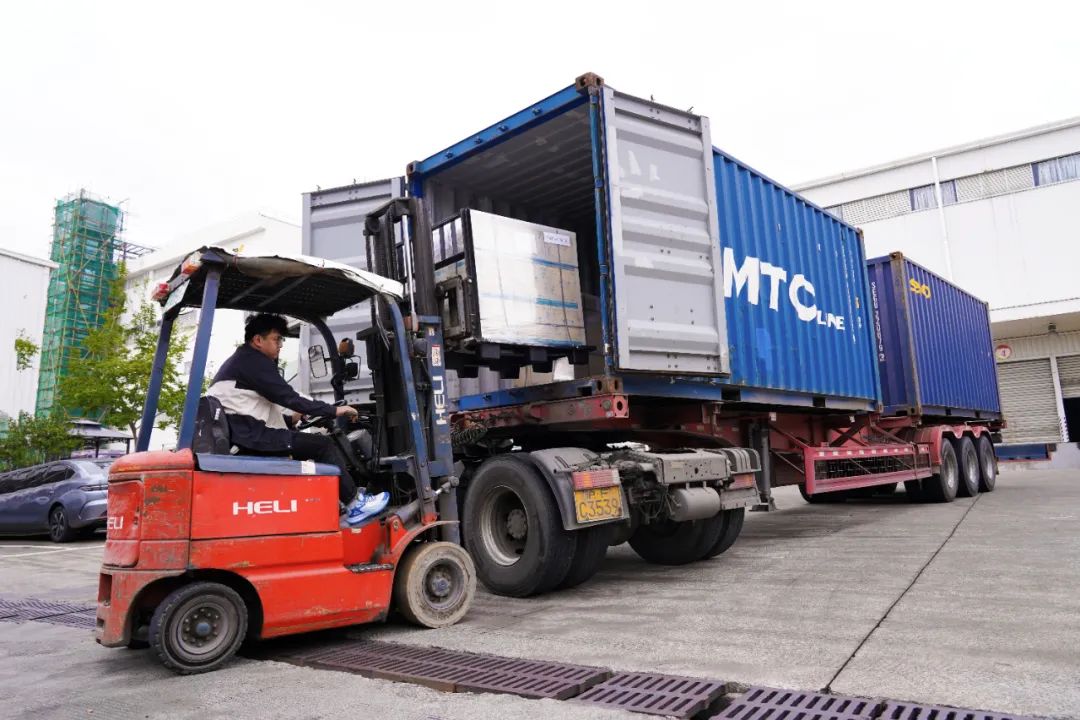
针对企业退货的痛点,杭州综合保税区会同钱江海关驻下沙办事处优化跨境电商商品进出口退货措施,完善升级退货中心仓功能,创新跨境电商网购保税零售进口商品跨关区退货新模式,全力推进完成系统功能的改造和新增,稳步开展业务测试和监管方案制定。

“新模式不仅仅为企业带来利好,对跨境买家来说,退货时效的提升可以让买家快速收到退款,优化客户跨境购物的体验感。”杭州综合保税区跨境电商负责人李伟军介绍,“同时,监管信息系统也能实现和企业数据对接,进一步提高监管便利度。”

截至目前,杭州综合保税区是全国跨关区退货业务新模式的唯一试点,“我们正在与其他跨境电商企业积极对接,宣传推广这一退货新模式,让更多跨境电商市场主体从中受益。”李伟军表示。

钱塘区是杭州跨境电商综试区先行先试的重要承载地。作为全国首个跨境电商综合试验区核心园区,同时也是全国跨境电商首发园区,近年来,杭州综合保税区全力推动跨境电商高质量发展,成为杭州综试区“六体系两平台”的重要组成部分。拥有综保区、自贸区、跨境电商综试区综合效应叠加优势,钱塘区正不断加速形成开放新格局。

聚焦企业需求变化,钱塘已形成制度创新成果71项,其中,“跨境电商进口B2C包裹退货新模式”等2项入选国务院首批服贸创新最佳案例,“跨境电商零售进口退货中心仓模式”入选国务院自贸试验区第六批改革试点经验,“特殊生物制品一体化通关平台助力进口生物制剂高效通关”“生物医药国际职业资格比照认定职称大力提升国际人才流动便利度”等9项入选省级最佳制度创新案例,“数字化赋能跨境贸易的司法实践”等18项入选市级制度创新案例。


【版权提示】亿邦动力倡导尊重与保护知识产权。未经许可,任何人不得复制、转载、或以其他方式使用本网站的内容。如发现本站文章存在版权问题,烦请提供版权疑问、身份证明、版权证明、联系方式等发邮件至run@ebrun.com,我们将及时沟通与处理。

已点赞

+1

{{ praise_text }}

好文章,值得被更多人看到

FAQ回顾

什么是跨境电商跨关区退货新模式?

跨境电商跨关区退货新模式是指从不同保税仓售出的进口商品,退货时无需退回原仓,可统一退至杭州综合保税区,实现‘一点退全国’,打破了传统‘原进原出’的限制。

跨关区退货新模式对企业和消费者有哪些好处?

对企业可节约人力物力,降低运营成本;对消费者可提升退货时效,快速收到退款,优化跨境购物体验。同时监管信息系统与企业数据对接,提高监管便利度。

钱塘区在跨境电商领域取得了哪些制度创新成果?

钱塘区已形成71项制度创新成果,其中2项入选国务院首批服贸创新最佳案例,1项入选国务院自贸试验区第六批改革试点经验,9项入选省级、18项入选市级最佳制度创新案例。

广告

下一篇

跨境电商资源对接

《全球跨境电商服务商资源手册》第二期手册现已发布,触达更多资源,了解跨境服务商信息,欢迎点击链接下载。

了解详情

B站需要“李佳琦”

B站正试图打造“下一个李佳琦”。9月初,B站宣布全新UP主直播带货孵化计划——超新星计划,通过向直播小白提供流量和商品资源扶持,拟孵化上百个百万量级的带货UP主。

B站 直播 二次元 平台

2023-10-11 11:33:51










