• 亿邦公众号
    • APP下载

震坤行陈龙:工业用品跨境产品力致胜 做深比做广更重要

作者:亿邦动力 文章来源:亿邦动力

2022-12-28 18:54

作者:亿邦动力 文章来源:亿邦动力

2022-12-28 18:54

邦小白快读

EN
全文速览

本文整理了震坤行董事长兼CEO陈龙在2022全球数字贸易大会跨境产业互联网峰会上的演讲干货,核心分享了工业用品跨境出海的方向和实操经验,核心观点是工业用品跨境靠产品力致胜,做深比做广更重要,路径为“跨境贸易+跨境制造”。

1. 行业趋势判断:中国工业制造业已经发展到制造能力出海的阶段,不只是单纯出口产品,还要实现全球制造服务全球,这是经济发展的必然趋势,工业用品出海核心竞争力是产品力,而非线下服务。

2. 实操干货总结:跨境选品要做到精和准,同一个应用场景保留少量SKU,比铺大量SKU更能控制供应链成本提升效率;要摆脱低价低质量的旧路径,靠质量和性价比打造竞争力;切入市场可优先选择小语种国家,竞争更小发展更快,要提前熟悉各国法规做好合规,震坤行自有品牌PPE的实践验证,有技术专利的精品增长速度快,更容易冲上榜首。

本次演讲为出海工业用品品牌提供了趋势判断和实操方向,干货内容如下。

1. 行业与消费趋势:中国工业制造业已经进入制造能力出海的新阶段,从单纯出口贸易转向全球制造全球服务是必然趋势,海外B端客户对供应链稳定性、本地化服务的需求不断提升,部分客户宁可接受更高成本也偏好本地供应,存在新的市场机会。

2. 产品研发与选品方向:要摆脱传统低价低质量的竞争路径,核心靠产品力打造竞争力,选品要坚持精和准,同一个应用场景只布局少量SKU,优化供应链成本与效率,重点布局有专利、有技术、质量过硬的产品,更容易获得B端客户认可,实现快速增长。

3. 渠道与风险提示:切入市场可优先选择欧美小语种区域,竞争不激烈发展速度更快,要提前布局合规,熟悉不同国家的法规要求;中小品牌可依托跨境服务平台抱团出海,降低单独出海的成本与风险。

本次演讲为工业用品跨境出海卖家梳理了趋势方向和实操经验,核心干货如下。

1. 趋势与机会:工业用品出海已经从单纯贸易出海升级为制造能力出海,全球制造服务全球是必然发展趋势,当前外部环境变化下,本地化制造越来越受客户认可,存在大量新的市场机会。

2. 市场切入机会:布局出海可优先选择欧洲等地区的小语种国家,这类区域竞争程度低,整体发展态势更好,更容易起量。

3. 经验总结与风险提示:选品要坚持精和准,不要盲目铺大量SKU,同一个应用场景只保留少量SKU,优化供应链成本与效率;要放弃低价低质量的旧路径,靠产品质量和性价比竞争;提前做好不同国家的合规准备,应对各国法规碎片化的问题;中小卖家可依托跨境服务平台抱团出海,有效降低单独出海的成本和风险。

本次演讲为想要出海的中国工业制造工厂提供了方向指引,核心干货如下。

1. 行业趋势与商业机会:中国工业制造已经进入制造能力出海的新阶段,从单纯出口卖货转向海外本地制造服务本地客户是必然趋势,海外客户对供应链稳定性、交付敏捷性要求提升,偏好本地供应,给中国制造能力出海带来了新机会。

2. 产品生产与设计方向:出海产品核心竞争力是产品力,工厂要聚焦提升产品质量与技术含量,打造有专利的精品,摆脱低价低质量的旧标签,选品要做精做准,不要盲目拓展过多品类,同一个应用场景聚焦少数产品,更容易控制成本获得客户认可。

3. 出海路径启示:单一中小工厂单独出海成本高风险大,可以依托跨境工业服务平台抱团出海,共享平台的合规、销售、制造资源,既可以开展贸易出海,也可以依托平台实现海外本地制造,有效降低出海门槛。

本次演讲透露出工业出海领域的行业趋势、客户痛点和服务商发展方向,核心干货如下。

1. 行业发展趋势:工业用品出海已经进入新阶段,从单纯跨境贸易转向跨境贸易加跨境制造结合的模式,客户对本地化制造的认可度不断提升,中小制造企业抱团出海的需求越来越强烈,跨境服务平台未来有很大的发展空间。

2. 客户核心痛点:中国中小制造工厂单独出海,面临合规难度大、各国法规碎片化、出海成本高风险大的问题;单一工厂很难同时满足贸易出海和海外本地产能布局的需求,B端客户对供应链稳定性的要求提升,也需要第三方服务商提供配套支持。

3. 服务商发展方向:要提升自身的合规服务能力,帮助合作伙伴搞定不同国家的法规、供应链问题,同时打造能同时支持贸易出海和共享式海外制造的服务模式,带动优质产业带抱团出海,满足市场需求。

针对布局工业用品跨境的平台商,本次分享的核心干货如下。

1. 市场对平台的核心需求:当前大量中小工业制造企业有出海需求,但单一企业出海成本高风险大,既需要平台支持贸易出海,也需要平台对接海外制造资源实现本地化制造,平台的核心机会在于聚合产业资源带领企业抱团出海。

2. 平台运营方向:平台要坚持产品力致胜的方向,引导入驻商家做精做深选品,不要盲目铺品类扩规模,鼓励商家做有质量有技术的精品,同一个应用场景保留少量SKU,提升整体供应链效率,降低成本。

3. 平台落地与风险规避:拓展市场可优先布局小语种区域,这类区域竞争少发展速度快;平台要搭建专业的合规服务团队,熟悉各国碎片化的法规要求,赋能商家解决合规问题,规避合规风险;探索同时支持跨境贸易和共享式跨境制造的模式,帮助商家实现全球制造全球销售,提升平台核心竞争力。

本次分享提出了工业出海领域的产业新动向、新问题和创新商业模式,对研究领域有较高参考价值,核心内容如下。

1. 产业新动向:中国工业用品出海已经进入全新阶段,不再是单纯的产品出口贸易,已经升级为中国制造能力出海,整体向着全球制造服务全球的方向发展,这是经济发展规律下的必然结果,也契合当前国际环境变化下客户对供应链稳定性的需求。

2. 产业新问题:当前工业用品出海面临诸多新问题,包括各国监管法规碎片化、更新快,贸易壁垒不断增加,中小制造企业单独出海成本高风险大,单纯跨境贸易已经无法完全满足海外客户对本地化服务的需求。

3. 创新商业模式:提出了“跨境贸易+跨境制造”结合的跨境服务平台创新模式,通过平台聚合优质产业带资源,实现抱团出海、共享制造,既帮助企业开展贸易出海,也帮助企业布局海外本地制造,实现从中国制造全球销售到中国企业全球制造全球销售的升级,同时验证了做深选品、产品力致胜路径的可行性。

声明:快读内容全程由AI生成,请注意甄别信息。如您发现问题,请发送邮件至 run@ebrun.com 。

我是 品牌商 卖家 工厂 服务商 平台商 研究者 帮我再读一遍。

Quick Summary

This article summarizes key insights from a speech by Chen Long, Chairman and CEO of ZKH, at the 2022 Global Digital Trade Conference's Cross-border Industrial Internet Summit. Chen shared direction and practical experience for cross-border expansion of industrial goods, arguing that product strength is the core competitive advantage, deep market penetration is more valuable than broad surface expansion, and the optimal path is "cross-border trade + cross-border manufacturing".

1. Industry trend outlook: China's industrial manufacturing sector has entered an era of exporting manufacturing capacity, shifting from pure product exports to global manufacturing serving global demand — an inevitable trend of economic development. For cross-border expansion of industrial goods, the core competitive advantage lies in product strength, rather than offline services.

2. Practical takeaways: Sellers should focus on a precise, curated selection of products. Keeping a small number of SKUs for the same application scenario cuts supply chain costs and improves efficiency far more than broad SKU expansion. Brands should move away from the old low-price, low-quality model and build competitiveness through quality and value-for-money. New entrants can prioritize entering smaller non-English speaking markets, which face less competition and allow faster growth. Firms must also familiarize themselves with local regulations and achieve compliance in advance. The performance of ZKH's own branded personal protective equipment (PPE) line confirms that premium, patent-protected products grow faster and are more likely to capture top market positions.

This speech provides trend analysis and practical direction for cross-border industrial goods brands, with key takeaways as follows:

1. Industry and consumer trends: China's industrial manufacturing industry has entered a new phase of exporting manufacturing capacity, and the shift from pure export trade to global manufacturing and global service is an inevitable trend. Overseas B2B clients are increasingly demanding supply chain stability and localized services, and some are willing to pay a premium for local supply, creating new market opportunities.

2. Product R&D and selection direction: Brands need to abandon the traditional low-price, low-quality competition path and build competitiveness around core product strength. Selection should focus on precision and curation: keep only a small number of SKUs per application scenario to optimize supply chain costs and efficiency. Prioritizing patented, technically advanced, high-quality products makes it easier to win B2B client approval and achieve rapid growth.

3. Channel entry and risk notes: New market entrants can prioritize small non-English speaking regions in Europe and the US, where competition is limited and growth is faster. Firms need to prepare for compliance in advance and familiarize themselves with each country's regulatory requirements. Small and medium-sized brands can expand collectively via cross-border service platforms to reduce the cost and risk of independent expansion.

This speech outlines clear trends and practical experience for cross-border industrial goods sellers, with key takeaways as follows:

1. Trends and opportunities: Cross-border expansion for industrial goods has upgraded from pure trade export to exporting manufacturing capacity, and global manufacturing serving global demand is an inevitable trend. Against the backdrop of current external changes, localized manufacturing is increasingly favored by clients, creating abundant new market opportunities.

2. Market entry opportunities: Sellers looking to expand overseas can prioritize small non-English speaking countries in regions such as Europe. These markets have lower competition, better overall growth prospects, and make it easier to scale quickly.

3. Experience and risk warnings: Selection should stick to precision and curation; avoid盲目铺SKU。Keep only a small number of SKUs per application scenario to optimize supply chain costs and efficiency. Abandon the old low-price, low-quality path, and compete based on quality and value-for-money. Prepare compliance for different target markets in advance to address the fragmentation of national regulations. Small and medium-sized sellers can expand collectively via cross-border service platforms to effectively reduce the cost and risk of independent expansion.

This speech provides clear direction for Chinese industrial manufacturing factories looking to expand overseas, with key takeaways as follows:

1. Industry trends and business opportunities: Chinese industrial manufacturing has entered a new phase of exporting manufacturing capacity. The shift from pure export product sales to local manufacturing serving local overseas clients is an inevitable trend. Overseas clients are demanding higher supply chain stability and faster delivery, and increasingly prefer local supply, creating new opportunities for Chinese manufacturing capacity to expand overseas.

2. Product production and design direction: The core competitiveness of export products is product strength. Factories should focus on improving product quality and technical content, developing premium patented products, and shedding the old low-price, low-quality label. Selection should be refined and precise; avoid盲目 expanding into too many product categories. Focusing on a small number of products per application scenario makes it easier to control costs and win client approval.

3. Expansion path insights: Independent expansion for small and medium-sized factories comes with high costs and large risks. These factories can expand collectively via cross-border industrial service platforms, sharing the platform's compliance, sales and manufacturing resources. This model supports both trade-based expansion and localized overseas manufacturing via the platform, effectively lowering the barrier to entry for cross-border expansion.

This speech reveals industry trends, client pain points and development directions for service providers in the industrial cross-border expansion space, with key takeaways as follows:

1. Industry development trends: Cross-border expansion of industrial goods has entered a new phase, shifting from pure cross-border trade to a combined model of cross-border trade plus cross-border manufacturing. Client acceptance of localized manufacturing is rising, and demand from small and medium-sized manufacturers for collective expansion is growing rapidly, leaving significant room for future growth for cross-border service platforms.

2. Core client pain points: When small and medium-sized Chinese manufacturing factories expand independently, they face high compliance barriers, fragmented national regulations, high expansion costs and large risks. Single factories struggle to meet the dual demand for trade expansion and localized overseas capacity layout. As B2B clients raise requirements for supply chain stability, they also need supporting services from third-party providers.

3. Development directions for service providers: Providers should strengthen their compliance service capabilities to help partners navigate the regulations and supply chain challenges of different countries. They should also build a service model that supports both trade-based expansion and shared overseas manufacturing, enabling high-quality industrial clusters to expand collectively to meet market demand.

For marketplace players operating in the cross-border industrial goods space, this speech shares the following key insights:

1. Core market demand for platforms: A large number of small and medium-sized industrial manufacturers currently have cross-border expansion demand, but single-firm expansion carries high costs and high risks. They need platforms not only to support trade-based expansion, but also to connect overseas manufacturing resources to enable localized production. The core opportunity for platforms lies in aggregating industrial resources to lead collective expansion for enterprises.

2. Platform operation direction: Platforms should adhere to the product-first strategy, guide participating merchants to refine and deepen their product selection, avoid盲目 expanding categories and scale, and encourage merchants to develop high-quality, technically advanced premium products. Keeping a small number of SKUs per application scenario improves overall supply chain efficiency and reduces costs.

3. Market expansion and risk mitigation: When expanding into new markets, platforms can prioritize non-English speaking regions, which have limited competition and faster growth. Platforms should build a professional compliance service team familiar with fragmented regulatory requirements across different countries, empower merchants to solve compliance issues, and mitigate compliance risks. They should also explore a model that supports both cross-border trade and shared cross-border manufacturing, helping merchants achieve global manufacturing and global sales, and enhance the platform's core competitiveness.

This speech proposes new industrial trends, emerging problems and an innovative business model in the field of industrial cross-border expansion, offering high reference value for academic and industry research. Core content is as follows:

1. New industrial trends: Cross-border expansion of Chinese industrial goods has entered a completely new phase. It is no longer just pure product export trade, but has upgraded to the export of Chinese manufacturing capacity, moving toward the overall direction of global manufacturing serving global demand. This is an inevitable result of economic development law, and also aligns with client demand for supply chain stability amid changing international conditions.

2. Emerging industrial problems: Cross-border expansion of industrial goods now faces a host of new problems, including fragmented and rapidly changing regulatory requirements across countries, rising trade barriers, high costs and risks for independent expansion by small and medium-sized manufacturers, and the fact that pure cross-border trade can no longer fully meet overseas clients' demand for localized services.

3. Innovative business model: The speech proposes an innovative cross-border service platform model that combines "cross-border trade + cross-border manufacturing". By aggregating resources from high-quality industrial clusters, the platform enables collective expansion and shared manufacturing, helping enterprises pursue both trade-based expansion and localized overseas manufacturing. This enables the upgrade from "Made in China, sold globally" to "Chinese companies manufacture globally, sell globally", while also validating the feasibility of the path of curated product selection and product-driven competition.

Disclaimer: The "Quick Summary" content is entirely generated by AI. Please exercise discretion when interpreting the information. For issues or corrections, please email run@ebrun.com .

I am a Brand Seller Factory Service Provider Marketplace Seller Researcher Read it again.

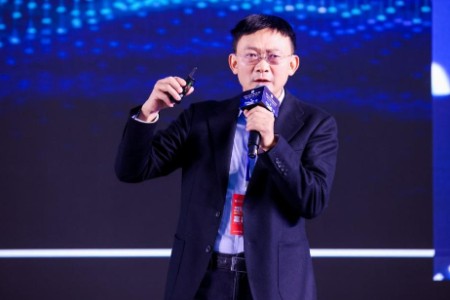
【亿邦原创】12月28日消息,在2022全球数字贸易大会暨首届亿邦跨境产业互联网峰会上,震坤行董事长兼CEO陈龙发表了题为《工业用品跨境平台:跨境贸易+跨境制造》的演讲。他指出,跨境选品最重要的是精和准,工业用品跨境依靠产品力制胜,做深比做广更重要。

陈龙表示,中国的工业用品出海,核心竞争力在于“产品力”。跨境选品,不仅意味着产品质量要好,更重要的是“精”和“准”

同时,陈龙认为, 为了刚好地满足全球化的客户需求,跨境贸易,需要具备协同合作伙伴“跨境制造”的能力。这意味着,跨境服务平台或许是一个助力跨境电商未来发展的好方式。既要帮助我们的伙伴实现贸易出海,也要帮助中国有志于出海国外的制造企业,实现在国外制造。

据悉,汉交会已连续举办了12届,已成为我国商品交易盛会,同步举办的全球数字贸易大会由湖北省人民政府主办,吸引了生产制造、品牌商及外贸企业、数字科技企业、外交使节参加,是企业家及各界决策人参与的高端盛会。在本次大会期间,亿邦动力与卓尔智联联合举办了“首届亿邦跨境电商产业互联网峰会”,邀请全国产业互联网、跨境电商平台、数字经济、资本市场等领域的嘉宾,共同探讨产业互联网公司出海的机会和路径。

温馨提示:本文为速记初审稿,在不影响原意的基础上,由亿邦动力编辑整理。

以下为演讲实录:

大家好,不好意思,嗓子现在不太好,今天在线参加,我抓紧时间分享三个方面的看法。今天,我分享的主题是《工业用品跨境平台:跨境贸易+跨境制造》。

我为什么用“跨境贸易+跨境制造”呢?

第一,跨境是一个必然的趋势。我讲的跨境不仅仅是跨境贸易,还包括中国制造能力的出海。即便没有现在面对的各种国际环境的挑战,按照经济发展规律,当年日本也是日本制造出口全球,然后到了全球制造、服务全球,我觉得中国的制造业也到了这个阶段。无论你愿意不愿意,现在的趋势已经到了,更何况我们现在面对着更加严峻的外部挑战、国际环境的挑战、价值观的挑战、新技术的应用导致成本变化的挑战。

如何规划好我们的制造能力出海?一方面是到贸易政策比较好的区域,另一方面也要考虑一些制造能力直达客户的路径,实现本地制造服务本地的客户,我觉得这是必然的趋势。

作为工业用品的服务平台,我们也在思考一个问题,那就是我们这样的角色,包括我们中国制造业的出海,竞争力到底是什么?我们是卖产品还是卖服务?

我的体会是,工业用品行业出海,包括平台的出海,我们的核心竞争力在于产品本身。因为我们中国的制造业要想到海外去提供大量的服务,尤其是线下的服务,目前不太现实。从价值观的认可、企业管理等方面来看,我觉得是有一定难度的。但是,我们可以做好产品,靠我们的产品力去竞争。

第二,跨境选品最重要的是精和准。B2B企业的采购是理性的,它们对产品的质量和成本都有要求,但如果我们现在还是重走依靠低价、低质量的竞争路线,那就过时了。那应该怎么做呢?尤其是面对工业用品这么海量的MRO市场。我们要精选,这个“精”强调的是不仅仅产品质量要好,而且性价比更高,彻底摆脱中国传统制造业给大家形成的低质量的印象。在B2B里,如果没有做好产品,在客户口碑上出现问题,之后很难做好。

因为产品数量众多,为了供应链的效率和成本,我们必须要精选。任何一个品类,同一个场景的应用,只放一只羊要比放一群羊有效。

我们震坤行的出海是怎么做的呢?

首先,跨境出海的团队要有跨境出海的经验,用线上数据研究海外客户下单的习惯、搜索的习惯、使用的习惯,再有针对性地推出产品,同时做好合规、准入各个方面的安排,没有必要进行极度的低价竞争。

有了选品以后,接下来就是跨境合规。目前面临着监管法规更新频繁、生效窗口期短、碎片化等情形,各个国家有各自的法律要求,我们要熟悉这些法规要求。一开始,我们跟着客户去了越南,因为客户想让我们去;然后我们去了欧美,尤其是欧洲的一些法语、德语、西班牙语等小语种的国家。我们发现,越是相对小语种的国家,竞争越没有那么激烈,总体发展的态势往往会更快一点。这也从另外一个角度说明,如果你想做跨境平台型的企业,要有能力帮助上游合作伙伴做好跨境合规方面的工作,尤其要熟悉法律法规、供应链方面的事情,才能成为跨境出海的专家,赋能我们的合作伙伴。

出境的时候我们先选了PPE,我们研发的自有品牌。通过这一尝试,发现总体来讲增长速度非常成功。我们发现,有一定专利和技术研发能力,在产品质量和技术方面都做得好的产品,往往销售更好,在亚马逊的销售榜上可以快速排到前列。这进一步验证了选精品,选真正有产品竞争力的产品,是工业用品出海更好的方式。

总结成一句话,就是:“工业用品跨境‘产品力’致胜!做深比做广更重要。”

但是,是不是做跨境贸易就能更好地满足客户需求呢?我觉得做不到,前面已经讲到了现在各种方面的竞争因素,比如贸易壁垒,文化和价值观的成本,这些都在逐渐增强。尤其在MRO这个领域里,基于品类的不同,客户的价值体现也是不一样的。

大家都非常熟悉制造业的“微笑曲线”,但是大家要注意右侧这个曲线,是日本提出的“武藏曲线”。不同的产品、不同的领域、在不同的时间点,价值曲线是不一样的,尤其在全球动荡的时候,我们可能要重新思考“制造”的价值。制造业本身的价值,在这个时代里面变得越来越重要,尤其是那些需要技术支撑的、需要敏捷反应的品类,尤其是客户认为供应链风险比较高的品类,他们希望最好有本地化的服务,哪怕成本要高一些。

两条曲线结合来看,也许像驼峰。但是站在不同的品类来看,哪些适合规模制造,哪些适合在东南亚低成本制造出海,哪些适合落在欧洲和美国,离我们的客户更近,实现更加敏捷的线上方式,应对客户的快速反应需求,这是不同的。这意味着,我们做一个跨境平台,既要帮助我们的伙伴实现贸易出海,也要帮助中国有志于出海国外的制造企业,实现在国外制造。

MRO领域有一定的特殊性,因为品种非常繁杂。某些细分的市场,相对来说规模没那么大,我们的制造业企业规模也没那么大。在这种情况下,单一企业单独出海,成本是非常高的,风险也比较高。

但是,如果我们有跨境服务的平台,大家实现优质产业带的抱团出海、抱团制造,同一个平台实现销售,也许这是跨境电商未来发展的一种好方式。不仅仅是在同一个平台销售同时能够实现部分产品的共享式的同一区域制造,然后在同一区域的同一个平台销售,从而实现从中国制造全球销售,到中国企业全球制造全球销售。

这是我跟大家分享的内容,谢谢各位。

【版权提示】亿邦动力倡导尊重与保护知识产权。未经许可,任何人不得复制、转载、或以其他方式使用本网站的内容。如发现本站文章存在版权问题,烦请提供版权疑问、身份证明、版权证明、联系方式等发邮件至run@ebrun.com,我们将及时沟通与处理。

已点赞

+1

{{ praise_text }}

好文章,值得被更多人看到

广告

下一篇

征集报名《品牌数字化服务商资源手册》

《品牌数字化服务商资源手册》展示数字化服务商风采,亿邦全年零售大会通发,触达更多资源,马上加入!

马上入驻

龙腾云创董事长谢海:重塑数字化供应链 构建平台生态圈

五矿发展龙腾云创董事长谢海指出,企业竞争进入平台化战略阶段,企业要打造平台,可能是交易平台、物流平台、供应链金融平台或者是技术的平台。

产业互联网

2022-12-28 18:07:57