



• 亿邦公众号
    • APP下载

从超市到Mall模式 震坤行向300亿进发

作者:亿邦动力网 文章来源:亿邦动力网

2019-10-08 07:54

作者:亿邦动力网 文章来源:亿邦动力网

2019-10-08 07:54

邦小白快读
EN
全文速览

本文核心介绍了国内MRO(工业辅料易耗品)一站式服务平台震坤行的发展模式,其目标是在未来两三年做到300亿规模后考虑上市,相关干货如下:

1. 核心定位围绕解决传统采购痛点,传统工厂MRO采购要对接数千供应商,不到10%的产品要消耗超60%的采购精力,震坤行主打一站式采购,当前已有200万+SKU,未来目标扩张到600万SKU。

2. 扩张路径分为平台化和并购两种,未来自营和第三方商品占比约1:1,震坤行聚焦做供应链和数字化服务,已经完成多家细分品类企业的并购。

3. 搭建了总仓+区域服务中心+工厂前置EVM智能仓的三级仓配体系,针对不同距离、不同复购率的商品匹配不同交付方式,时效从随时取用到3天不等。

本文梳理了MRO行业的发展趋势和头部平台震坤行的布局方向,能给MRO领域品牌商提供不少参考,干货如下:

1. 行业趋势层面,国内MRO整体市场规模达2.1万亿元,当前行业参与者多而小散,整合空间极大,同时工厂端正在发生采购升级,从传统分散采购转向一站式采购,越来越关注降低采购管理成本,需求端变化带来了大量的合作机会。

2. 渠道合作机会,震坤行正在推进平台化战略,未来平台一半的商品将开放给第三方供应商,标准化属性强的商品可以接入平台,借助震坤行的供应链、数字化能力和流量触达全国工厂客户。

3. 资本层面当前MRO+产业互联网是资本热门赛道,震坤行已经完成6轮融资,获得腾讯领投的D轮融资,行业整体资本认可度高,细分品类优势品牌也会获得更多资本和并购关注。

本文透露出MRO行业的大量市场机会和可借鉴的实操经验,干货如下:

1. 市场层面,国内MRO市场规模超2万亿,行业长期处于小散乱状态,缺乏头部整合企业,互联网渠道的价值还未完全释放,是当前资本看好的高增长产业互联网赛道,存在大量创业和增长机会。

2. 商业模式和增长经验可借鉴,震坤行采用先增长后融资的逻辑,不照搬2C互联网的流量融资逻辑,靠自身增长拉动融资,扩张走“自营起家+逐步平台化”的路径,通过并购快速补充弱势品类,对标亚马逊的发展路径,清晰可控。

3. 仓配交付经验可参考,针对工业品客户点状分布的特点,搭建三级仓配体系分层满足需求,同时行业也存在明显风险:即时性需求、中西部偏远地区需求的满足成本极高,千万级SKU覆盖难度大,新进入者需要提前做好风险应对。

本文针对工厂MRO采购的痛点,介绍了头部平台的服务模式,也给出了数字化升级的方向,干货如下:

1. 传统采购痛点明确,多数工厂MRO采购需要对接数千个供应商,仅不到10%的产品会消耗超过60%的采购精力,大幅推高了工厂的管理成本,采购从分散走向一站式平台化是必然升级方向。

2. 现有一站式平台的服务可以匹配工厂多场景需求,震坤行的三级仓配体系,针对高复购耗材在工厂前置EVM智能仓,实现24小时随时领用;区域服务中心覆盖就近工厂,24小时内就能完成配送;还会针对特定行业(如煤矿)在区域仓布局专属品类,满足行业个性化需求。

3. 对于生产MRO相关产品的工厂,也可以通过接入震坤行第三方平台、接受并购等方式获得商业机会,借助平台的服务能力触达更多客户,降低自身的获客和运营成本。

本文明确了MRO服务行业的发展趋势、客户核心痛点和可落地的解决方案,干货如下:

1. 行业发展趋势清晰,国内MRO整体市场规模达到2.1万亿元,传统行业长期小而散,没有形成头部整合,随着工厂端越来越重视降低管理成本,一站式MRO采购服务的需求快速释放,MRO+产业互联网是当前资本认可度极高的赛道,发展空间非常大。

2. 客户核心痛点集中在三个方面:一是无法一站式买齐所需MRO产品,对接多个供应商消耗太多采购管理成本;二是工业品客户点状分布,不同场景对交付时效要求不同,即时故障维修类的高时效需求很难满足;三是中西部偏远地区工厂的需求交付成本过高,很难兼顾成本和服务质量。

3. 可参考的解决方案:SKU扩张走平台化+并购结合路线,通过开放第三方快速扩充品类;搭建三级仓配体系分层备货,匹配不同需求,平衡服务质量和运营成本。

本文分享了头部MRO平台震坤行的运营和扩张经验,明确了平台的核心发展方向,干货如下:

1. 客户对MRO平台的核心需求十分明确,就是一站式买齐所有所需工业品,减少采购精力消耗,同时获得匹配需求的交付服务,这也是平台的核心竞争力来源。

2. SKU扩张和平台运营经验可借鉴:通过平台化+并购双路径扩张SKU,未来平台中自营和第三方商品占比为1:1,平台只自营服务属性强的商品,标准化商品交给第三方供应商运营,平台聚焦做好供应链和数字化服务,既可以快速扩充SKU规模,又能控制自身运营成本。

3. 仓配运营和风险规避可参考:针对工业品客户点状分布的特点,搭建总仓+区域服务中心+工厂前置智能仓的三级体系,总仓放低复购商品覆盖偏远地区,区域仓做最后一公里配送,还可以按行业布局专属品类,前置仓满足高复购耗材的即时需求;需要注意规避的风险是盲目向中西部偏远地区扩张,避免因交付成本过高拖垮整体盈利,扩张需要节奏化推进。

本文记录了国内MRO产业互联网的最新发展动向,梳理了头部企业的创新商业模式,对产业研究有较高价值,干货如下:

1. 产业新动向清晰:国内MRO市场总规模达2.1万亿元,传统行业长期处于小而散的状态,当前已经进入互联网整合的阶段,MRO+产业互联网成为资本热门赛道,头部企业震坤行已经获得腾讯领投的D轮融资,目标两年内做到300亿规模后上市,对比美国市场,美国MRO市场top50企业占据30%份额,头部企业固安捷市值达110亿美元,国内市场整合空间极大。

2. 创新商业模式特点突出:震坤行定位一站式工业用品服务平台,从自营工业超市逐步向开放Mall模式转型,走平台化路线,对标亚马逊的发展路径;扩张采用平台化开放+细分品类并购结合的方式,资本逻辑和2C互联网完全不同,坚持先做增长再融资,不提前讲故事透支增长。

3. 当前产业存在的新问题:即时性维修配件需求、中西部偏远地区工厂需求的满足成本极高,全品类千万级SKU覆盖难度大,行业整合还处于早期阶段,还有很多问题待解决。

声明:快读内容全程由AI生成,请注意甄别信息。如您发现问题,请发送邮件至 run@ebrun.com 。

我是 品牌商 卖家 工厂 服务商 平台商 研究者 帮我再读一遍。

Quick Summary

This article introduces the business model of Zhenkunhang, China's one-stop MRO (Maintenance, Repair and Operations) service platform. The company targets reaching RMB 30 billion in scale within 2-3 years before pursuing an IPO. Key takeaways are as follows:

1. Zhenkunhang focuses on solving pain points of traditional MRO procurement. For traditional factories, managing MRO procurement requires coordinating with thousands of suppliers, and less than 10% of products consume over 60% of total procurement manpower. The company offers one-stop procurement with over 2 million SKUs currently, and plans to expand to 6 million SKUs in the future.

2. It pursues expansion through two approaches: platformization and acquisition. Going forward, the ratio of self-operated to third-party products will be roughly 1:1. Zhenkunhang focuses on building supply chain and digital capabilities, and has already completed multiple acquisitions of firms in niche MRO categories.

3. It has built a three-tier warehousing and delivery network: national distribution center, regional service centers, and on-site EVM smart vending warehouses at factory sites. It matches different delivery methods based on distance and product repurchase rate, with delivery lead times ranging from instant pickup to 3 days.

This article outlines the development trend of China's MRO industry and the strategic layout of leading platform Zhenkunhang, offering valuable insights for MRO brand owners. Key takeaways are as follows:

1. Industry trend: China's overall MRO market size reaches RMB 2.1 trillion, and the current market is fragmented with many small players, leaving enormous room for consolidation. Meanwhile, factories are upgrading their procurement practices, shifting from traditional fragmented procurement to one-stop services, and increasingly focusing on cutting procurement management costs. This demand shift has created massive cooperation opportunities.

2. Channel cooperation opportunities: Zhenkunhang is advancing its platformization strategy, and will open half of its platform product slots to third-party suppliers in the future. Standardized MRO products can access the platform to reach factory customers nationwide by leveraging Zhenkunhang's supply chain, digital capabilities and traffic.

This article reveals abundant market opportunities and actionable operational experience in China's MRO industry. Key takeaways are as follows:

1. Market outlook: China's MRO market exceeds RMB 2 trillion in size, and has long been fragmented without dominant leading players. The value of online channels has not been fully tapped, making MRO + Industrial Internet a high-growth track favored by capital, with massive opportunities for entrepreneurship and growth.

2. Replicable business model and growth experience: Zhenkunhang follows a "growth before financing" logic, instead of copying the 2C internet model of raising capital first for user growth. It drove financing with organic business growth, and follows an expansion path of "starting with self-operation, gradually opening to the platform", quickly filling category gaps through acquisition. This clear, controllable path follows the growth model of Amazon.

3. Replicable warehousing and delivery experience: It built a three-tier warehousing network to meet the scattered distribution of industrial customers. The industry also faces notable risks: meeting the cost of on-demand emergency needs and demand from remote central and western regions is extremely high, and covering tens of millions of SKUs is very challenging. New entrants need to prepare risk mitigation strategies in advance.

This article addresses pain points in factory MRO procurement, introduces the service model of the leading platform, and outlines directions for digital upgrading. Key takeaways are as follows:

1. Traditional procurement has clear pain points: Most factories need to coordinate with thousands of suppliers for MRO procurement, and less than 10% of products consume over 60% of total procurement manpower, which significantly pushes up factory management costs. Shifting from fragmented procurement to one-stop platform-based procurement is an inevitable upgrading direction.

2. Existing one-stop platform services can match factories' multi-scenario needs. Zhenkunhang's three-tier warehousing system places high-frequency repurchase consumables in on-site factory EVM smart warehouses to enable 24/7 instant access; regional service centers cover nearby factories and deliver within 24 hours; it also places category-specific inventory in regional warehouses for specialized industries such as coal mining to meet industry-specific personalized needs.

3. For factories that produce MRO products, you can capture business opportunities by joining Zhenkunhang's third-party platform or accepting acquisition, reaching more customers and cutting your own customer acquisition and operational costs by leveraging the platform's service capabilities.

This article clarifies the development trend of the MRO service industry, core customer pain points and actionable solutions. Key takeaways are as follows:

1. Clear industry development trend: China's overall MRO market size reaches RMB 2.1 trillion. The traditional industry has long been fragmented with no leading integrated players, and as factories increasingly focus on cutting management costs, demand for one-stop MRO procurement services is growing rapidly. MRO + Industrial Internet is now a highly recognized track among investors, with enormous room for growth.

2. Core customer pain points fall into three categories: First, the inability to source all required MRO products from one place, so coordinating with multiple suppliers consumes too much procurement management cost; second, industrial customers are geographically scattered, have different delivery lead time requirements across scenarios, and high-priority demand for emergency repair parts is hard to meet; third, fulfilling demand from factories in remote central and western regions has extremely high costs, making it difficult to balance cost and service quality.

3. Referenceable solutions: Expand SKU through a combined approach of platform opening and acquisition, quickly expanding product lines by onboarding third-party sellers; build a three-tier warehousing system for tiered inventory stocking to match different demand types, balancing service quality and operational cost.

This article shares operational and expansion experience from leading MRO platform Zhenkunhang, and clarifies the core development direction for MRO platforms. Key takeaways are as follows:

1. The core customer demand for MRO platforms is very clear: source all required industrial products in one place to cut procurement time and effort, while receiving delivery services matched to their specific needs. This is also the source of a platform's core competitiveness.

2. Referenceable SKU expansion and platform operation experience: Expand SKU through the dual path of platformization and acquisition. In the future, the ratio of self-operated to third-party products on the platform will be 1:1. The platform only self-operates products with strong service attributes, and leaves standardized products to third-party suppliers to operate. The platform focuses on supply chain and digital services, which allows it to quickly expand SKU scale while controlling operating costs.

3. Referenceable warehousing operation and risk mitigation: To accommodate the scattered geographic distribution of industrial customers, build a three-tier system of national distribution center + regional service center + on-site factory smart warehouse. The national distribution center stocks low-repurchase products to cover remote regions; regional warehouses handle last-mile delivery, and can stock category-specific inventory for different industries; on-site front warehouses meet instant demand for high-repurchase consumables. Platforms need to avoid the risk of blind expansion into remote central and western regions, which can drag down overall profitability with excessive delivery costs, and expansion should proceed in a phased, controlled manner.

This article records the latest development trends of China's MRO + Industrial Internet sector, and sorts out the innovative business model of the industry's leading enterprise, offering high value for industry research. Key takeaways are as follows:

1. Clear industry new trends: China's total MRO market size reaches RMB 2.1 trillion. The traditional industry has long been fragmented, and has now entered a phase of internet-driven consolidation. MRO + Industrial Internet has become a popular track for capital, and leading player Zhenkunhang has already completed D-round financing led by Tencent, targeting reaching RMB 30 billion in scale within two years before pursuing an IPO. Compared to the U.S. market, where the top 50 MRO players hold 30% market share and leading player W.W. Grainger has a market capitalization of $11 billion, China's market has enormous room for consolidation.

2. The innovative business model has distinct features: Zhenkunhang positions itself as a one-stop industrial products service platform, transitioning from a self-operated industrial supermarket to an open mall-style platform, following Amazon's growth path. It pursues expansion through a combination of platform opening and acquisition of niche category players, and follows a completely different capital logic from 2C internet: it prioritizes business growth before raising financing, and refuses to overpromise future growth to raise capital early.

3. Existing new industry challenges: Meeting the demand for instant emergency repair parts and demand from factories in remote central and western regions carries extremely high costs, and covering a full catalog of tens of millions of SKUs is very challenging. Industry consolidation is still in an early stage, and many issues remain to be resolved.

Disclaimer: The "Quick Summary" content is entirely generated by AI. Please exercise discretion when interpreting the information. For issues or corrections, please email run@ebrun.com .

I am a Brand Seller Factory Service Provider Marketplace Seller Researcher Read it again.

【亿邦原创】在美国,有超过15万的MRO从业企业,市场规模已超过1400亿美元,其中top50的企业占据整个市场的30%,世界知名的头部企业固安捷市值达到110亿美元。

但中国的情况是MRO商贸企业多如牛毛,普遍小而散,竞争也多集中在1亿-5亿的体量。在这个行业中,互联网渠道的价值就可以极大地发挥出来,形成独角兽甚至巨头企业。震坤行正是这样的企业之一。

震坤行工业超市主要经营品类为工厂使用的辅料及易耗品(MRO),定位为“一站式工业用品服务平台”。那么,它是如何做“一站式”的?超市是它的最终目标吗?针对震坤行发展过程中要解决的问题,亿邦动力与震坤行创始人兼CEO陈龙进行了一次交流。

01

商品:向600万sku进发

目前,震坤行自营业务共有28条产品线,200万+SKU,8000+品牌。但是这个量级产品数依然无法完全满足客户需求。按照陈龙的规划,未来达到600万SKU数时,才能基本满足客户在震坤行网站上买齐所需工业品的需求。

MRO总的SKU数达到千万级,传统的企业采购可能要面向几千个供应商,比例上只占不到10%的MRO产品在采购精力上花费超过60%。所以在一个平台买齐对工厂采购来讲至关重要,这是一站式定位的由来。

“传统的工厂MRO采购方式就像菜市场买菜,必然会升级到超市的明码标价上。”陈龙说。

增加SKU数是震坤行商品方面的重要方向,在这方面有两个方法:

一、平台化。陈龙介绍,未来震坤行上自营和平台商品的占比大概是1:1,商品属性越强的商品越可能交给第三方供应商,而震坤行的目标是把服务属性强(比如,有的工具需要维修服务)的商品全部自营。“震坤行的规模越大越往右边退,我更多的是起到供应链和数字化的作用。”

这意味着,震坤行正在从开超市慢慢变成经营Shoppingmall的业主,“正如亚马逊从自营卖书慢慢平台化。”

二、并购。纵观世界上的大型企业也多采用并购的方式实现规模和品类的扩张,比如美国企业丹纳赫用30年的时间并购了近400家企业。“我们会针对一些我们做的不够强的品类,并购传统企业中做的不错的企业。”

据了解,去年震坤行收购了主要专注于工业安防用品、个人防护设备(PPE)领域的上海航利实业;2019年5月,震坤行和矿业的建龙集团达成战略合作;9月,宣布与爱瑞德股份、乐扣科技股份签署战略并购协议。

02

交付:300个区域服务中心

相比于消费品快递的平面布点,工业品的客户(工厂)更多的是点状布局。所以震坤行采用的物流方式是:70公里以内物流自营,之外的远距离客户会使用第三方物流。

70公里以外,如果有区域配送中心,由震坤行自营配送,没有的话就会通过第三方进行配送。如果配送中心没货,则有两种方式:总仓调拨和总仓直发(第三方物流)。目前9个总仓主要在工厂集中的地方,比如长三角、珠三角、京津冀地区,覆盖大多数客户。

这里涉及到全国总仓和区域服务中心,全国总仓解决了偏远地区备货的问题;区域服务中心,可以帮客户解决最后一公里服务及配送问题;加上前置在工厂的EVM智能小仓库(可以帮助客户实现24小时不间断领料)构成震坤行目前建设的三级仓配体系。

目前震坤行区域服务中心有50个左右,2020年要建到300个左右。这些区域服务中心主要服务两类客户:一是工业区的工厂(主要是通用商品);一是行业集中区域(如煤炭、化工、线缆行业等等)。

针对工业区的工厂,主要提供通用的MRO商品,而行业服务中心里会集中针对行业的耗材等,比如针对内蒙的煤矿建仓,会放各种防爆灯、气体检测仪、防爆电缆等。区域服务中心里通常2000-3000个sku。

目前震坤行的全国总仓个数为9个,2020年预计为12个,所放商品通常为复购率较低的工业品。而EVM智能小仓库是震坤行利用物联网技术,把仓库前置到工厂里的一个“无人自提柜”,主要商品为复购率较高的耗材(如每天要用的劳保用品)。

交付时效方面,如果工厂有EVM智能小仓库,就可以随时取用,“领用即下单”;如果服务中心配送,一天在几个工厂送货一次,通常24小时之内;最晚的是总仓直发,第三方物流通常需要3天左右。

尽管如此,目前在交付方面,陈龙认为,震坤行的服务还只能做到六七成,剩下的三四成是:首先,现有条件下有些即时性需求很难满足,比如工厂生产过程中机器上的轴承损坏,即时性要求就非常高;其次是中西部偏远地区工厂的需求很难满足,如果完全满足成本将是巨大的;最后就是之前所说的达到千万级商品的可能性极小。

03

融资:300亿后考虑上市

工业消耗品和易耗材MRO+电商是近期资本最关注的产业互联网赛道之一。重要原因是这个行业:

一、足够大。国家统计局数据显示,2018年中国工业增加值规模超过30万亿元,工业产值的7%左右构成MRO市场容量,因此其总规模在2.1万亿元左右。

二、变化出现。过去贸易公司多而大的整合少,因为工厂没有时间和精力关注到MRO行业,现在工厂更加关注管理成本。

三、渠道优势。传统MRO行业上下游企业多如牛毛,小而散的状况让B2B企业的渠道价值凸显。

其中一支独大的MRO企业震坤行成为资本关注的焦点之一,从2016年至今,其已实现了6轮公开的融资,今年6月获得腾讯领投的1.6亿美元D轮。据了解,这是腾讯第一次对MRO行业企业投资。
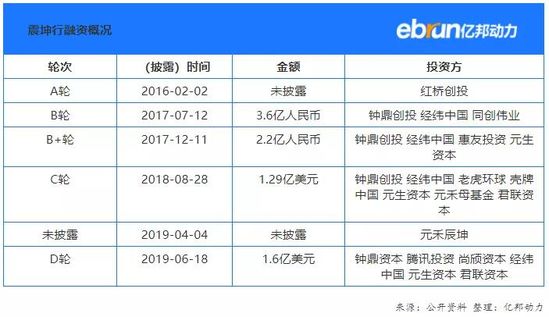
震坤行融资计划和2C的流量逻辑(讲故事–融资–获得流量)几乎没有关系。陈龙不否认资本对于增速的提高,但是打心里的逻辑是先增长后融资。正如他告诉亿邦动力的,“如果没增长那么快,融资也没什么用。”所以,“(震坤行)现在不需要什么融资,明年再考虑融资的事情。”

关于未来计划,陈龙表示,未来两三年震坤行达到300亿以上的规模才会考虑上市。据了解,震坤行去年的营业额约20亿元,今年的目标是继续保持3倍增速。(文/秦川)

【版权提示】亿邦动力倡导尊重与保护知识产权。未经许可,任何人不得复制、转载、或以其他方式使用本网站的内容。如发现本站文章存在版权问题,烦请提供版权疑问、身份证明、版权证明、联系方式等发邮件至run@ebrun.com,我们将及时沟通与处理。

已点赞

+1

{{ praise_text }}

好文章,值得被更多人看到

广告

下一篇

征集报名《品牌数字化服务商资源手册》

《品牌数字化服务商资源手册》展示数字化服务商风采,亿邦全年零售大会通发,触达更多资源,马上加入!

马上入驻

苏宁如何切入38万亿的公共采购市场?

苏宁B2B公司运营中心总经理何世华认为,中国公共采购领域的改革需要“数字化+电商化”双轮驱动。

苏宁 政策 品牌故事 物流

2019-10-08 07:06:04










