• 亿邦公众号
    • APP下载

震坤行B轮融资3.6亿元 钟鼎创投领投

作者:亿邦动力网 文章来源:亿邦动力网

2017-07-12 09:37

作者:亿邦动力网 文章来源:亿邦动力网

2017-07-12 09:37

邦小白快读
EN
全文速览

本文核心信息是MRO工业超市震坤行完成3.6亿元B轮融资,同时披露了震坤行改造国内MRO行业的实操干货,内容如下:

1. 核心事件信息:震坤行是国内首家注册工业超市,主营工厂辅料易耗品MRO,现有30多万种产品,合作5000多家供应商,服务超过10000家先进制造业客户;本轮融资由钟鼎创投领投,资金将用于IT技术研发、数据能力建设等供应链核心能力升级。

2. 行业实操干货:国内MRO是极度分散的蚂蚁市场,传统互联网撮合模式不适用,要按产品属性分类运营,小单低值产品适合自营,大单标准化产品适合平台撮合;要布局线下区域服务中心,用物联网智能终端帮客户实现生产线边零库存,可帮客户降低综合成本30%左右,同时帮供应商联合管理库存降本一半。

本文给MRO相关品牌商梳理了行业趋势、渠道机会和产品方向,干货内容如下:

1. 行业消费与资本趋势:国内MRO市场是极度分散的蚂蚁市场,传统夫妻老婆店为主的渠道能力不足,缺少一站式优质供应商,行业存在假货多、分销环节多、采购管理难度大的痛点,整合升级空间大;目前资本重新关注MRO赛道,头部整合平台获得大额融资,行业迎来整合窗口期。

2. 产品与渠道方向:产品端可开发高性价比的大众款产品,替代国外品牌的溢价产品,满足制造企业降本需求;渠道端可和震坤行这类头部MRO工业超市合作,通过联合库存管理、统一运输的模式,降低自身的区域库存和物流成本,最多可降低一半,同时能依托平台覆盖海量制造客户,拓展市场份额。

本文给B2B领域的卖家梳理了MRO赛道的增长机会、风险提示和可借鉴的运营经验,干货如下:

1. 赛道机会与风险:MRO是国际对标下有大市值成长空间的赛道,国内市场分散整合空间大,资本重新关注该赛道,有不少融资和增长机会;但要注意风险,照搬传统互联网撮合模式无法解决国内MRO市场的痛点,很难做成规模。

2. 可借鉴的运营经验:要按产品属性分类运营,小额多品种的MRO产品适合做自营,大额单品适合做平台撮合入驻;必须重视线下服务能力,布局区域服务中心做就近仓储物流和技术服务,解决线下覆盖痛点;可以用物联网智能终端放在客户生产线边,帮客户实现零库存,整体能帮客户降本30%左右,还能帮客户砍掉一半冗余SKU,有效提升客户粘性。

本文给制造工厂梳理了MRO采购环节的降本方向和数字化改造启示,干货如下:

1. MRO采购的核心痛点:传统MRO采购存在假货多、分销环节多、SKU冗余杂乱的问题,管理成本极高,根据西门子研究,单次下单的管理成本就达到700元,小金额采购的管理成本占比远超产品本身价值,传统分散渠道无法解决这些问题。

2. 可落地的降本方案:可以选择震坤行这类一站式MRO工业超市合作,通过智能终端放生产线的模式实现工厂MRO零库存,依托平台整合后的供应链,整体可降低MRO相关综合成本30%左右;平台还可以帮助工厂优化冗余SKU,至少可砍掉一半重复冗余的SKU,大幅降低工厂的采购管理成本。

3. 数字化启示:工厂可以引入物联网、智能终端改造非核心的MRO采购库存环节,通过和专业平台合作简化流程,聚焦核心生产业务。

本文给B2B工业领域的服务商梳理了MRO赛道的行业趋势、客户痛点和成熟解决方案,干货如下:

1. 行业发展趋势:MRO是国际对标下有大市值成长空间的赛道,国内市场极度分散,传统渠道服务能力不足,存在很大的整合空间;2016年融资热潮后行业沉寂多年,近期震坤行完成3.6亿元B轮融资,意味着资本重新关注该赛道,行业整合服务需求旺盛。

2. 两端核心客户痛点:面向制造工厂的痛点是MRO假货多、采购环节多、SKU冗余、管理成本高,小单采购的管理成本甚至超过产品本身价值;面向供应商的痛点是跨区域建库存、铺渠道的成本太高,效率低下。

3. 解决方案参考:要按产品属性匹配运营模式,小额多品种做自营,大额单品做撮合;布局线下区域服务中心做就近服务,用物联网智能终端帮客户做线边零库存,联合供应商做库存管理降本,同时帮客户优化SKU。

本文给MRO领域的平台商梳理了用户核心需求、运营经验和风向前瞻,干货如下:

1. 用户核心需求:国内制造工厂不缺供应商连接,缺的是优质、低价、服务完善的一站式MRO供应商,传统分散的夫妻老婆店渠道无法满足需求,纯线上撮合模式也无法解决小单采购的高管理成本痛点,平台需要摸索适配国内市场的新模式。

2. 运营管理经验:不能照搬传统互联网撮合模式,要做品类分层运营,小额多品种的MRO产品做自营,大额标准化产品做开放撮合入驻;必须重视线下能力建设,布局区域服务中心,做就近仓储配送和技术服务,补齐线下服务短板,提升客户体验。

3. 风向提示:要提前布局技术研发,投入IT和数据能力建设,用物联网技术升级供应链效率,同时要重视团队文化建设,吸引优秀人才,才能完成对传统分散行业的改造。

本文呈现了国内MRO工业B2B赛道的最新产业动向,总结了适配中国市场的创新商业模式,对产业研究有较高参考价值,干货如下:

1. 产业最新动向:MRO赛道在2016年经历融资热潮后陷入长期沉寂,近期震坤行完成3.6亿元B轮融资,钟鼎创投完成MRO子品类的投资布局,意味着资本重新关注该赛道;MRO赛道契合国内制造业降本增效的需求,市场规模大,整合空间足,是B2B领域少有的优质赛道。

2. 行业新问题:国内MRO市场是典型的分散蚂蚁市场,传统渠道能力薄弱,照搬国外成熟模式和国内传统互联网撮合模式,都无法适配国内市场的需求,行业改造必须兼顾线上技术和线下运营能力。

3. 创新商业模式总结:国内MRO整合的可行模式是品类分层+技术赋能+线下服务,按品类属性分自营和撮合两种模式,用IT、数据、物联网技术提升供应链效率,布局区域服务中心完成线下落地,同时帮供需两端降低成本,实现行业整合。

声明:快读内容全程由AI生成,请注意甄别信息。如您发现问题,请发送邮件至 run@ebrun.com 。

我是 品牌商 卖家 工厂 服务商 平台商 研究者 帮我再读一遍。

Quick Summary

This article covers that China's first registered industrial supermarket, MRO operator Zhenkunhang, has closed a RMB 360 million Series B funding round, and shares its practical insights on transforming China's domestic MRO industry:

1. Core event details: Zhenkunhang specializes in MRO (maintenance, repair and operations) supplies and auxiliary consumables for manufacturing factories, with over 300,000 SKUs, partnerships with more than 5,000 suppliers, and services for over 10,000 advanced manufacturing clients. The round was led by JD Capital, and the proceeds will be used to upgrade core supply chain capabilities including IT R&D and data infrastructure.

2. Practical industry insights: China's MRO market is an extremely fragmented "ant market" where the traditional online matchmaking model does not work. Successful operations require category-based segmentation: small-ticket, low-value products are best suited for self-operation, while large-ticket, standardized products work better with a platform matchmaking model. Zhenkunhang has built regional offline service centers and deployed IoT-enabled smart terminals at clients' production lines to achieve on-site zero inventory. This model reduces clients' total MRO costs by roughly 30%, and cuts inventory costs for suppliers by half through joint inventory management.

This article outlines industry trends, channel opportunities and product directions for MRO-related brands:

1. Industry and capital trends: China's MRO market is an extremely fragmented "ant market" dominated by inefficient traditional mom-and-pop stores that lack the capacity to offer one-stop high-quality supply. The industry suffers from widespread counterfeit products, excessive distribution layers, and high procurement management complexity, leaving huge room for consolidation. Capital has recently refocused on the MRO track, with leading platforms securing large funding rounds, opening a window of opportunity for industry consolidation.

2. Product and channel strategy: On the product side, brands can develop cost-effective mass-market products to replace overpriced offerings from foreign brands, meeting manufacturing clients' cost-reduction demand. On the channel side, partnering with leading industrial supermarkets like Zhenkunhang enables brands to cut regional inventory and logistics costs by up to half through joint inventory management and consolidated distribution. It also allows brands to access a large base of manufacturing clients and expand market share.

This article summarizes growth opportunities, risk warnings and actionable operational insights for sellers in the B2B MRO space:

1. Opportunities and risks: The MRO track has the potential to produce large-cap companies based on global benchmarks, and the highly fragmented domestic market leaves massive room for consolidation. With capital refocusing on the sector, there are abundant opportunities for fundraising and growth. However, sellers must note that blindly copying the traditional online matchmaking model cannot solve China's MRO market pain points, and it is extremely difficult to scale with that approach.

2. Actionable operational insights: Operate based on product category attributes: small-batch, multi-SKU MRO products are suited for self-operation, while large-ticket single products are better handled through platform matchmaking. Offline service capacity is non-negotiable: brands need to build regional service centers for local warehousing, logistics and technical support to solve the offline coverage gap. Deploying IoT smart terminals at clients' production lines to enable zero-inventory MRO reduces clients' total costs by around 30% and cuts redundant SKUs by half, significantly boosting customer retention.

This article outlines cost-reduction directions and digital transformation insights for MRO procurement at manufacturing factories:

1. Core pain points of MRO procurement: Traditional MRO procurement suffers from counterfeit goods, excessive distribution layers, redundant and disorganized SKUs, and extremely high management costs. According to Siemens research, the administrative cost of a single MRO order reaches RMB 700, meaning the management cost for small-ticket purchases far exceeds the value of the products themselves. Traditional fragmented channels cannot solve these problems.

2. Actionable cost-reduction solutions: Partnering with one-stop MRO industrial supermarkets like Zhenkunhang enables factories to achieve on-site zero MRO inventory via smart terminals placed at production lines. Leveraging the platform's integrated supply chain can reduce total MRO-related costs by approximately 30%. The platform also helps factories optimize redundant SKUs, cutting at least half of duplicate SKUs to drastically reduce procurement management costs.

3. Digital transformation insights: Factories can leverage IoT and smart terminals to transform the non-core MRO procurement and inventory process, simplify workflows by partnering with professional platforms, and refocus resources on core production operations.

This article summarizes industry trends, client pain points and proven solutions for B2B industrial service providers in the MRO sector:

1. Industry development trends: The MRO track has the potential to produce large-cap companies based on global benchmarks. China's domestic market is extremely fragmented, and traditional channels lack sufficient service capacity, leaving enormous room for consolidation. After a 2016 funding boom followed by years of quiet, Zhenkunhang's recent RMB 360 million Series B round signals that capital is refocusing on the track, and demand for industry consolidation services is booming.

2. Core pain points for both ends of the supply chain: For manufacturing factories, pain points include widespread counterfeit MRO products, convoluted procurement processes, redundant SKUs, and high management costs—with administrative costs for small-ticket purchases often exceeding the product value itself. For suppliers, pain points include high costs and low efficiency of building cross-regional inventory and distribution networks.

3. Reference solutions: Match operational models to product attributes: run small-batch, multi-SKU products as self-operation, and use a matchmaking model for large-ticket single products. Build regional offline service centers for local support, deploy IoT smart terminals to enable on-site zero inventory for clients, carry out joint inventory management with suppliers to cut costs, and help clients optimize SKU portfolios.

This article summarizes core user needs, operational experience and trend outlooks for MRO platform operators:

1. Core user needs: Chinese manufacturing factories do not lack supplier connections—what they lack is a high-quality, low-cost one-stop MRO supplier with comprehensive services. Traditional fragmented mom-and-pop channels cannot meet this demand, and pure online matchmaking models also fail to solve the high management cost problem for small-ticket purchases. Platforms must develop a new model adapted to the domestic market.

2. Operational management insights: Do not copy the traditional online matchmaking model blindly. Adopt tiered category operations: run small-batch, multi-SKU MRO products through self-operation, and open an open matchmaking model for large-ticket standardized products. Offline capacity building is a must: build regional service centers for local warehousing, distribution and technical services to fill the offline service gap and improve customer experience.

3. Trend outlook: Invest in early-stage technology R&D, build up IT and data capabilities, and leverage IoT technology to upgrade supply chain efficiency. Also prioritize building a strong team culture to attract top talent, which is essential to transforming the traditional fragmented industry.

This article presents the latest industry developments in China's domestic MRO industrial B2B track, summarizes an innovative business model adapted to the Chinese market, and offers high reference value for industry research:

1. Latest industry developments: After a 2016 funding boom followed by a long period of stagnation, Zhenkunhang's recent RMB 360 million Series B round and JD Capital's completed investment layout in MRO sub-categories signal that capital has refocused on the track. Aligned with China's manufacturing sector's demand for cost reduction and efficiency improvement, the MRO track boasts a large market size and massive room for consolidation, making it one of the few high-quality segments in the B2B space.

2. Unresolved industry challenges: China's MRO market is a typical extremely fragmented "ant market" with weak capacity among traditional channels. Blindly copying mature foreign models or China's traditional online matchmaking model cannot meet the demands of the domestic market. Transforming the industry requires balancing online technology capabilities and offline operational capacity.

3. Summary of the innovative business model: A viable model for consolidating China's MRO market combines tiered category operations, technology empowerment and offline services. It splits operations into self-operation and matchmaking based on category attributes, leverages IT, data and IoT technology to improve supply chain efficiency, builds regional service centers for offline delivery, and cuts costs for both supply and demand sides to achieve industry consolidation.

Disclaimer: The "Quick Summary" content is entirely generated by AI. Please exercise discretion when interpreting the information. For issues or corrections, please email run@ebrun.com .

I am a Brand Seller Factory Service Provider Marketplace Seller Researcher Read it again.

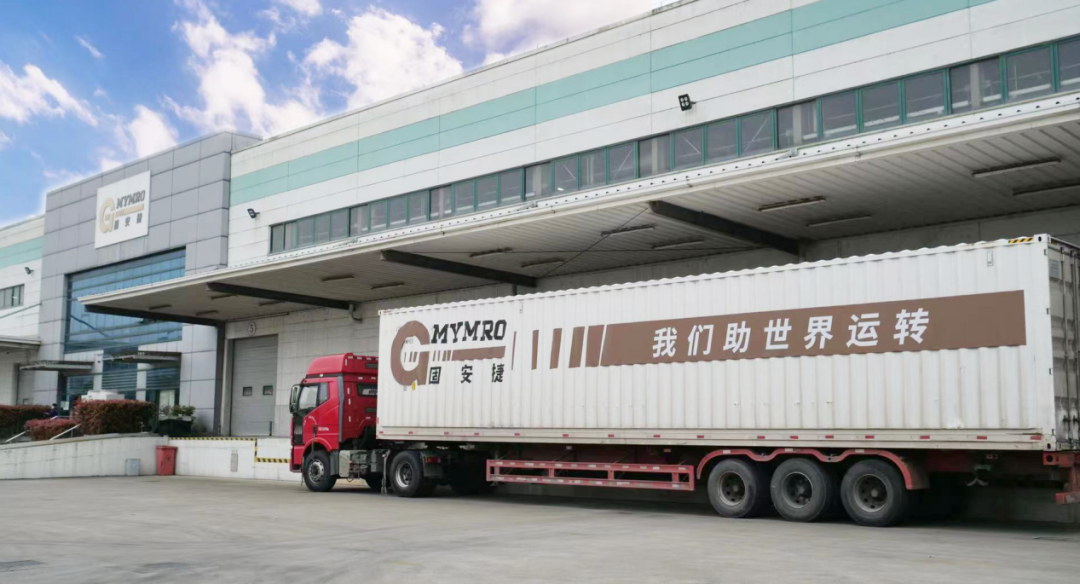
【亿邦动力网】7月12日消息,亿邦动力网最新获悉,MRO平台“震坤行”对外宣布,已经完成3.6亿元B轮融资,投资方为钟鼎创投、同创伟业。震坤行方面对外介绍称,震坤行工业超市经营包括30多万种工厂使用辅料和易耗品(MRO),拥有5000多家供应商,与超过10000家先进制造业客户保持长期合作。

据亿邦动力网了解,钟鼎创投曾在今年先后宣布投资汽配B2B平台巴图鲁、信良记、震坤行等,投资额度均达到数亿元。另一方面,MRO领域曾在2016年红极一时,好工品、西域机电等也都在较为集中的时间内拿到了数额较大的融资,但随后超过半年的时间,MRO领域乏人问津。

震坤行董事长陈龙表示,本轮融资完成后,钟鼎创投和同创伟业也将注入产业资源和支持,将进一步提升公司战略和运营能力。同时,本轮资金将用于IT技术研发、数据能力创新等供应链核心能力的完善。

钟鼎创投合伙人朱迎春介绍称,震坤行是钟鼎在B2B供应链领域,继汽配、快消、食材之后,在MRO子品类的再次投资布局。MRO同样是一个在国际有对标大市值的跑道,我们深入做了国际国内研究,并推演了中国MRO企业可能的成长路径,结果与震坤行不谋而合。

震坤行创始人陈龙曾作为压轴嘉宾在亿邦动力网的B2B大会上做出演讲,演讲内容如下:

先介绍一下我做什么事,然后谈一下我的体会。因为我在做转型,做B2B这块是四五年前做准备,从招聘人开始做储备,到2014年我下决心往这个方向走。这些方面有很多的改变,有很多做法。可以跟大家做一些汇报。那公司实际上我们是第一家注册的工业超市的公司。

我为什么要干这样一件事呢?是因为我在九八年的时候参加了几次沃尔马培训。我当时有一个想法,我认为在中国应该有服务制造业超市出现,那个时候不知道国外有这样的模式。工业领域也有大量的产品属性什么?属性品种非常多。金额非常小的产品。这类产品,我叫成超市型产品。

因为这类产品,它的特点是不太适合直接找厂家买。就像你们家买酱油一样,你不可能找工厂,就是通过超市,其实工业里也有这样的产品,品种特别多,达到上百万的SKU。这种就是超市型产品。这个行业的痛点是什么?在中国很有意思,假货特别多,参差不齐的质量,分销环节特别多,采购供应商非常分散。很多的厂家这个SKU都是两三千个SKU,管理难度非常大。运营起来难度也非常高。

那我想干一件什么事?我感觉在B2B环节里面我们共同使命就是提升供应链效率,降低制造业的成本。我想在这个环节都是我们的共同使命。尤其是在提升供应链效率方面。那如何提升?我一开始想得简单,实际上传统互联网在创业的过程中都用这模式,搭一个网站,想减少中间层,把价格透明,但是不灵。有的企业虽然拿到融资。但是实际中国真实的情况是中国工厂不缺乏供应商,他们不缺乏连接,他们缺乏的是优质的供应商,缺乏价格更好,服务更好的供应商。但是这个问题,在MRO这个行业,中国的传统渠道就是缺失的,能力不够的。不像在欧洲,在美国他们,有很强的一站式传统企业,跟传统百货商店一样。

但是中国MRO这个市场是典型蚂蚁市场,特别分散,特别夫妻老婆店。像这样行业即便连接到网上也没有用。用户也不喜欢,也不能解决问题。所以用传统互联网模式做这个MRO,并不合适的模式。所以当然网站也要有。我们把这个产品做了一些分析。分析以后我们认为打通,减少供应商这个环节里面,有大量的文章可以做。但是产品要分类。怎么分类呢?我们要明确哪些产品应该自营,比如说工厂买一个简单的工具,你要我网上买半天,要开发票,签合同是很烦琐的事。

因为对于制造业来讲,下每一次定单成本都要几百块,西门子自己做过研究,他下订单是700元人民币。在美国差不多500元。你下两三千块钱的定单,你要花几百块钱管理成本是划不来的。所以撮合是没有意义的。所以这种小产品实际上适合自营的这种模式。这像现实生活中一样,越是小的,渠道越有价值。

我们做电商也是渠道,所以有些越大的东西适合做平台入驻型,完全免费的撮合交易。所以这个产品的分类是非常重要的一件事。不管怎么样,我是认为多品种的渠道价值,远远高于大批量的渠道价值。只不过多品种东西运营起来难度比较高的一种模式。但是呢,毛利率是相当高的。但是在这思考当中从提升效率角度,我们也在思考,借鉴国外的经验,实际上我认为我们做的事更多是整个产业的供应链效益的提升,怎么提升呢?要有技术的手段。我们借鉴了国外的方法,用智能的终端,智能传感器,或者距离传感器,让所有产品联网了,变成物联网。这样的话,客户就实现了0库存,就放在生产线边上,极大的减低了客户的成本。那这样的方式我认为未来应该是一种趋势。

另外一点我们要什么样事情?我们除了帮助客户降低成本,提升效益的同时,也要帮助我们供应商降低成本,提高效益。我们现在帮助做什么样事情?比如库存的联合管理,你一个工厂到每个城市建库存,做销售,成本非常高的。但是放在一起做联合管理,这个成本就下降了,正常费用可能下降一半都可能。包括运输也是统一管理,就是由这个库存和GMR的方式,对整个供应链成本下降非常大。

MR这些小产品,帮助你的降低的成本就是销售额7%左右。我们产品要经过四到五次搬运,仅仅一两次的话,实际上成本是大幅度下降的。运费大量下降。这是我们干的一件事。这个模式从去年6月份开始推出以后,现在到工厂的量是越来越多的。客户感受的效果非常明显的。有些客户给我们做了总结,这样的方式成本的下降,起码在30%左右。这最起码减少了大量的浪费,这个还有谁在做?一个卖办公的一家公司,模式跟我们一样。这是一个某钢铁的机器。

关于成本的下降还有就是产品类型成本下降,这是很有意思的事情。实际上在工厂用的产品里面有点像我们家用产品一样,有一些产品属于可乐型的。从超市里买,超市买可口可乐也赚钱,这些成本的下降始终是有限的。这些东西实际上就渠道来讲就是做好什么?避免假货就是价值,做好供应链方面的事情。

然后对于MR这块,就是长尾型产品太多,那就是针对产品的型产品很重要的。实际上,它的品种太多很重要一个原因是疏于管理。很多同一个应用的东西,买了很多厂家的东西,根据我们的研究,至少所有的SKU里面可以砍掉一半,当他SKU两千时,最起码减掉一千个。

所以我说,都面临着成本的降低,从线下帮助客户做简化优化开始。那简化优化到哪里去?我认为工厂买产品这块,未来要做的一件事空间在哪里?就是阿尔迪型产品涌入。这个产品的价格非常低的。我们国外大量的企业,他们加了50%、60%价格销售给国内的企业。我们要让我们的客户真正得到实惠。这一块也是我们这个行业,面临很重要的一点。这个产品的类型分配出来,也是重要一件事。

无论如何在B2B这个行业里面,线下的服务都是要做好。因为中国实际上最大的B2B的挑战是传统运营能力的提高。实际上现在很多B2B行业人越来越重视线下。反过来做线下理念。我们现在这个行当也是一样的。我们在国内已经建了25个区域服务中心,今年4个中心,就是解决覆盖的问题,解决就近的仓储物流配送和技术服务的问题。这件事是要一定做的。一定要改造好传统的渠道。传统渠道的改造。能赋予给这些传统的公司。因为他们没有强大的IP研发。我们在B2B行业要做好五件事,才可能真正实现客户体验的提升,客户满意度的提升。那我们在阿里巴巴也在跟我们合作。他们在做MR线下的交互。线上是我们可以做的,线下是巨大的挑战。

那一个总结来讲,真正的互联网时代,包括这个电子商务的应用,这关键的东西在哪里?实际上在人,一个传统行业,像我们MR这个行业改造根本在于人怎么凝聚起来,靠时代先锋企业特点,靠大家的梦想使命,有了IT技术支撑,卖菜也变得高大上了。你这样才能吸引优秀的人才,吸引人才干什么呢?我们跟传统企业是文化的竞争,是价值观的竞争。只有这样才能真正的实现我们很多传统行业的真正的改变。好吧,这是我跟大家分享的内容。谢谢大家。

【版权提示】亿邦动力倡导尊重与保护知识产权。未经许可,任何人不得复制、转载、或以其他方式使用本网站的内容。如发现本站文章存在版权问题,烦请提供版权疑问、身份证明、版权证明、联系方式等发邮件至run@ebrun.com,我们将及时沟通与处理。

已点赞

+1

{{ praise_text }}

好文章,值得被更多人看到

广告

下一篇

征集报名《品牌数字化服务商资源手册》

《品牌数字化服务商资源手册》展示数字化服务商风采,亿邦全年零售大会通发,触达更多资源,马上加入!

马上入驻

唯品会对医药下手:228万收购一家连锁药店

今日,有业内人士告诉亿邦动力网,电商平台唯品会以极低的价格收购了广州一家名为“好信医药”的连锁药店。

医药 零售商 唯品会

2017-07-12 09:30:04