• 亿邦公众号
    • APP下载

对话:从“井口争水”到“源头注水”品牌全球化需要重新认知全域营销

作者:王昱 文章来源:亿邦动力

2026-09-21 14:32

作者:王昱 文章来源:亿邦动力

2026-09-21 14:32

邦小白快读

EN
全文速览

这篇文章核心拆解了中国品牌全球化过程中,营销逻辑从短期流量投流向长期品牌资产沉淀转型的核心要点,普通读者可从中掌握实用的商业认知与可迁移的做事方法。

1.要建立长期资产思维,不要只盯着短期即时回报。流量是付费就有、停投就失的可变成本,能让用户主动选择、持续复购的心智信任才是可以穿越周期的长期资产,判断一件事、一个品牌是否建立了长期壁垒,最直观的标准就是他人是否会跳过比价环节,直接做出选择。

2.做事要避免在存量里无谓内卷,学会在上游做增量蓄水。就像品牌营销不能只挤在搜索转化端抢有限流量,要提前通过内容触达培育用户好感,才能降低后续转化成本;评估事情成效也不能只看单次投入的即时回报,要关注增量拓展、口碑积累、长期价值、全链路效率几个核心维度。

3.可以参考真实案例理解成长路径,比如韶音通过匹配目标用户渠道、绑定核心用户群体、精准圈层拓展实现增长,某母婴品牌通过挖掘被忽略的奶爸等增量人群实现客群破圈。

这篇文章围绕品牌全球化阶段的全域营销逻辑,为品牌商梳理了从卖货思维转向品牌资产沉淀的实操路径,核心指向跳出低价内卷、构建长期品牌护城河的发展方向。

1.品牌营销要从“井口争水”的流量内卷转向“源头注水”的全域布局,不能把全部预算放在底层搜索投流上,要拿出部分预算布局流媒体、内容营销、信息流等上层场景做用户心智培育,降低整体获客成本,获得品牌溢价与自然复购;衡量品牌广告效果要重点关注新客占比、品牌搜索热度、用户全生命周期价值、多触点全链路转化效果四个核心指标。

2.渠道建设要先找准目标用户的真实购买场景,比如韶音进入日本市场时,最初照搬美国线下体育用品店渠道遇冷,调整到线上亚马逊和消费电子线下门店后销量才逐步起量。

3.用户运营要先找准原点核心用户,通过匹配的场景活动绑定核心群体形成口碑传播,遇到增长瓶颈时要挖掘被忽略的增量人群,比如某母婴品牌挖掘参与育儿消费决策的奶爸群体,针对不同人群匹配个性化沟通素材,实现从“妈妈品牌”到“家庭品牌”的定位升级。

这篇文章针对跨境卖家当下普遍面临的流量成本上涨、投流ROI下滑、停投即掉量的现实痛点,给出了明确的转型方向和可落地的实操增长机会。

1.风险提示:过去靠抢关键词排名、拼低价、紧盯短期ACOS波动的卖货打法已经逐渐失效,这种流量即买即停的模式下,一旦停止广告投入销量就可能断崖式下跌,长期会陷入低价内卷,难以形成自身护城河。

2.可复用的实操方法:要从纯流量思维转向品牌资产思维,营销预算不要全部砸在底层搜索广告上争抢存量流量,要分配部分预算到内容、流媒体等上层场景做用户蓄水培育;同时放弃只看末次点击转化的评估方式,重点跟踪新客获取占比、品牌搜索量变化、用户长期复购价值、全触点归因四个指标,衡量长期投放效果。

3.增量机会提示:就算是未开设亚马逊店铺的独立站卖家,也可以借助亚马逊广告的全域能力获取增量,比如用平台购物人群信号为独立站引流、结合Prime服务的信任背书提升转化、通过营销云交叉匹配用户减少重复投放浪费;日常运营可参考韶音等品牌的路径,先找准用户真实购买渠道,绑定核心用户群做口碑,再挖掘增量人群拓圈。

这篇文章透露出跨境品牌从卖货向品牌化转型的明确趋势,给有意向布局自有品牌、开拓全球市场的生产工厂指明了产品设计、渠道布局和业务拓展的方向。

1.产品设计与需求匹配层面,要跳出只盯着核心消费人群的惯性思维,挖掘参与购买决策的增量人群需求,比如母婴类产品除了关注核心宝妈群体,还要关注参与育儿消费决策、偏好科技参数的奶爸群体,针对不同人群的偏好设计产品沟通点,给奶爸群体突出产品硬核科技属性,给高净值人群突出品质感,给核心用户突出使用省心的价值。

2.商业合作机会层面,当前出海流量成本持续走高,品牌端对供应链柔性、产品差异化的需求不断上升,能够配合品牌做细分人群定制、联名款快速开发的工厂会获得更多合作机会,比如韶音在日本市场推出的明星联名款曾实现一周售罄,背后就需要供应链的快速响应配合。

3.数字化转型启示:工厂做自有品牌出海时,不要一开始就陷入关键词竞价、价格战的内卷,要先找准目标用户真实的购买渠道,绑定核心用户群体做口碑沉淀,再逐步通过内容营销拓圈,沉淀长期品牌资产。

这篇文章清晰呈现了跨境营销服务领域的行业发展趋势,点出了当下出海品牌的核心痛点,以及对应的服务创新方向。

1.行业发展趋势:中国品牌出海已经从早期卖货阶段进入全球品牌建设阶段,营销需求从单纯的搜索投流、追求短期转化,转向全域全链路的品牌资产沉淀,营销评估逻辑从只看单次ROI、末次点击转化,转向关注长期品牌价值与全链路效率。

2.客户核心痛点:当前出海品牌普遍面临流量成本持续上涨、投流ACOS走高、停止投放就销量下滑、陷入低价内卷的困境,很多品牌对全域营销存在认知偏差,比如误以为电商平台广告只有站内搜索投流功能,不知道如何衡量上层品牌广告的投放效果,也缺乏跨平台用户匹配、减少重复投放的技术能力。

3.解决方案方向:可结合AI人群画像、营销云多触点归因等技术,帮助品牌搭建从上层内容蓄水、中层用户培育到底层转化收割的营销体系,配套新客占比、品牌搜索热度、用户全生命周期价值、多触点归因的效果评估体系;还可以帮助品牌挖掘被忽略的增量人群,针对不同人群制作个性化传播素材,帮助品牌提升营销费效比。

这篇文章通过亚马逊广告团队的一线分享,明确了跨境电商平台在品牌全球化阶段的服务升级方向,也点出了平台招商、商家运营的核心抓手。

1.平台的最新服务能力:亚马逊广告已经从单一的站内搜索广告工具,升级为覆盖顶级体育赛事、流媒体影视、游戏直播、智能硬件交互端口的全域营销网络,基于用户授权的购物数据、内容交互数据、智能硬件交互数据,通过AI和营销云工具可以细分多类精准人群标签,帮助品牌精准触达处于决策窗口期的目标用户,同时支持多触点全链路转化归因。

2.平台的招商拓展方向:除了服务站内开店的卖家,平台广告体系已经面向三类客户开放增量服务,分别是做DTC和独立站的品牌、汽车等高客单耐用品企业、金融旅游本地生活类App,不同类型客户可以匹配对应营销场景,比如独立站可借助平台购物信号引流、用Prime服务提升转化,耐用品可通过大屏内容建立品牌声量、收集高意向线索。

3.平台运营的风向引导:要引导商家从纯流量投流的卖货思维转向品牌资产沉淀,避免商家全部挤在搜索广告端无序内卷,引导商家布局上层内容营销,通过品牌建设获得长期自然流量,同时配套完善的效果评估指标体系,帮助商家衡量长期投入价值。

这篇行业对话呈现了中国跨境产业发展阶段转换期的多个新动向、新问题与新型商业模式,为跨境产业研究提供了鲜活的实践样本。

1.产业新动向:中国企业出海已经整体从“把货卖出去”的卖货阶段,转向建设全球品牌的高质量发展阶段,底层商业逻辑从争抢关键词流量坑位、比拼价格的流量竞争,转向沉淀用户心智信任、获得品牌溢价与自然复购的品牌资产竞争;衡量品牌全球化成效的核心标志,也从短期ROI指标,转向用户是否会主动搜索品牌名、是否能在AI生成式推荐场景中进入主流品牌推荐列表。

2.产业新问题:当前出海品牌普遍面临流量成本攀升、投流ROI下滑、停投即掉量的增长困境,多数品牌仍然存在营销认知偏差,将电商平台广告等同于站内搜索投流,缺乏评估品牌长期投放价值的科学指标体系,也存在跨平台重复投放、营销预算浪费的普遍问题。

3.新型商业模式:跨境平台的广告服务正在从单一的站内引流工具,升级为打通购物数据、内容场景、智能硬件端口的全域营销生态,以开放网络的形式服务未在平台开店的多行业客户,形成“流量蓄水-心智培育-转化收割-资产沉淀”的全链路营销服务模式,成为品牌全球化的长期服务合伙人。

声明:快读内容全程由AI生成,请注意甄别信息。如您发现问题,请发送邮件至 run@ebrun.com 。

我是 品牌商 卖家 工厂 服务商 平台商 研究者 帮我再读一遍。

Quick Summary

This article breaks down the core shift in marketing logic as Chinese brands go global: from chasing short-term traffic to building long-term brand equity. It offers actionable business insights and transferable strategic takeaways for general readers.

1. Adopt a long-term asset mindset instead of fixating on immediate returns. Paid traffic is a variable cost that disappears the moment spending stops; mindshare and trust that drive active user choice and repeat purchases are durable assets that withstand market cycles. The most straightforward test of whether a business or brand has built long-term moats is whether customers skip price comparisons and choose it directly.

2. Avoid fruitless zero-sum competition in saturated existing markets, and learn to build incremental growth upstream. For example, rather than fighting over limited traffic at the bottom-funnel search and conversion stage, brands should cultivate user goodwill through early content touchpoints to reduce future conversion costs. When evaluating outcomes, look beyond immediate single-investment returns to focus on core dimensions: incremental user expansion, reputation accumulation, long-term value, and full-funnel efficiency.

3. Real-world cases illustrate practical growth paths. Shokz achieved growth by aligning with channels where its target users are active, engaging its core user base, and expanding into precise niche communities; a maternal and baby brand expanded its customer base by tapping into overlooked incremental segments such as fathers who participate in parenting purchase decisions.

This article outlines full-funnel marketing logic for the global brand-building stage, mapping out a practical playbook for brands to shift from a transactional sales mindset to long-term brand equity building, with a core focus on escaping low-price competition and building durable competitive moats.

1. Shift marketing spend from zero-sum traffic competition, or “fighting for water at the wellhead”, to upstream full-funnel positioning, or “filling the reservoir at the source”. Instead of allocating the entire budget to bottom-funnel search ads, reserve a portion for upper-funnel scenarios including streaming, content marketing, and in-feed ads to nurture user mindshare, lower overall customer acquisition costs, and capture brand premiums and organic repeat purchases. Measure brand ad performance against four core metrics: new customer share, branded search volume, customer lifetime value, and multi-touch full-funnel conversion impact.

2. For channel strategy, first identify where target users actually make purchase decisions. For example, when Shokz first entered the Japanese market, it initially underperformed by copying its U.S. playbook of selling through offline sporting goods stores; sales only gained traction after it shifted to Amazon online and consumer electronics brick-and-mortar locations.

3. For user operations, first anchor your core initial user group, build word-of-mouth by engaging them through relevant scenario-based campaigns, and tap overlooked incremental segments when hitting growth ceilings. For example, a maternal and baby brand expanded from a “mom-focused brand” to a “family-focused brand” by targeting fathers involved in parenting purchase decisions, delivering tailored messaging to each segment to reposition its offering.

This article addresses the widespread pain points cross-border sellers face today—rising traffic costs, declining ad ROI, and immediate traffic drops once ad spend pauses—by outlining clear transition paths and actionable growth opportunities.

1. Risk warning: The old playbook of chasing keyword rankings, competing on low prices, and fixating on short-term ACOS fluctuations is increasingly ineffective. Under this buy-it-and-lose-it traffic model, sales can cliff-dive as soon as ad spend stops, trapping sellers in long-term low-price competition with no durable moat.

2. Actionable, replicable strategies: Shift from a pure traffic mindset to a brand equity mindset. Do not pour the entire marketing budget into bottom-funnel search ads to compete for saturated existing traffic; allocate a share to upper-funnel scenarios such as content and streaming to nurture user demand early. Abandon last-click conversion as the sole measurement metric, and instead track four core indicators to evaluate long-term ad performance: new customer acquisition share, changes in branded search volume, long-term user repeat purchase value, and multi-touch attribution.

3. Incremental growth opportunities: Even independent site sellers without Amazon storefronts can leverage Amazon Ads’ full-funnel capabilities to drive incremental growth—for example, using platform shopper signals to drive traffic to independent sites, leveraging Prime’s trust endorsement to boost conversions, and using marketing cloud tools to cross-match users and reduce redundant ad spend. Day-to-day operations can follow the playbook of brands like Shokz: first identify users’ actual purchase channels, engage core user groups to build word-of-mouth, then expand into incremental segments to reach broader audiences.

This article highlights the clear trend of cross-border brands shifting from transactional selling to brand building, providing direction for product design, channel layout, and business development for manufacturers looking to launch private labels and expand into global markets.

1. For product design and demand matching, move beyond the惯性 of focusing only on core consumer groups, and tap into demand from incremental stakeholders involved in purchase decisions. For maternal and baby products, for example, do not only target core mom segments; also cater to fathers who participate in parenting purchase decisions and prioritize technical specifications. Tailor product messaging for each group: highlight hard-core technical features for fathers, premium quality for high-net-worth users, and hassle-free usability for core customers.

2. For business partnership opportunities: As outbound traffic costs continue to rise, brands are increasingly demanding supply chain flexibility and product differentiation. Manufacturers capable of supporting brands with niche segment customization and rapid co-branded product development will win more partnership opportunities. For example, Shokz’s celebrity co-branded model in Japan sold out within a week of launch, a result that required fast, responsive supply chain support.

3. Digital transformation takeaway: When launching private labels overseas, factories should avoid falling into keyword bidding wars and price competition from day one. Instead, first identify target users’ actual purchase channels, engage core user groups to build word-of-mouth, then gradually expand reach through content marketing to accumulate long-term brand equity.

This article clearly maps development trends in the cross-border marketing services sector, identifying core pain points for outbound brands and corresponding directions for service innovation.

1. Industry trend: Chinese outbound brands have moved past the early transactional selling stage into a global brand-building era. Marketing demand has shifted from pure search ad buying for short-term conversions to full-funnel, end-to-end brand equity building. Marketing measurement logic has also evolved, from focusing only on single-campaign ROI and last-click conversions to prioritizing long-term brand value and full-funnel efficiency.

2. Core client pain points: Outbound brands universally face rising traffic costs, climbing ad ACOS, sharp sales drops when ad spend stops, and entrapment in low-price competition. Many hold misperceptions about full-funnel marketing: for example, they assume e-commerce platform ads only serve in-station search traffic, lack the know-how to measure upper-funnel brand ad performance, and do not have the technical capability to match users across platforms to cut redundant spend.

3. Solution directions: Service providers can leverage AI user profiling and marketing cloud multi-touch attribution technologies to help brands build end-to-end marketing systems spanning upper-funnel content audience building, mid-funnel user nurturing, and bottom-funnel conversion, paired with an evaluation framework covering new customer share, branded search interest, customer lifetime value, and multi-touch attribution. Providers can also help brands identify overlooked incremental segments, develop tailored communication assets for different groups, and improve overall marketing ROI.

Drawing on first-hand insights from the Amazon Ads team, this article clarifies the service upgrade direction for cross-border e-commerce platforms amid the global brand building wave, and identifies core levers for platform merchant recruitment and operation.

1. Latest platform service capabilities: Amazon Ads has evolved from a single in-station search ad tool into a full-funnel marketing network covering top-tier sports events, streaming video, game livestreams, and smart hardware interaction endpoints. Leveraging user-authorized shopping data, content interaction data, and smart device interaction data, AI and marketing cloud tools can generate granular, precise audience tags to help brands reach target users in the decision window, while supporting multi-touch full-funnel conversion attribution.

2. Merchant and client expansion direction: Beyond serving sellers with in-platform storefronts, the platform’s ad system now offers incremental services to three additional client groups: DTC and independent site brands, high-ticket durable goods enterprises such as automakers, and local services apps spanning finance, travel, and lifestyle. Different client types can be matched to relevant marketing scenarios: for example, independent sites can use platform shopper signals to drive traffic and leverage Prime to lift conversions, while durable goods brands can build awareness through large-screen content and capture high-intent leads.

3. Platform operation guidance: Platforms should guide merchants to shift from a pure paid traffic sales mindset to brand equity building, avoid chaotic zero-sum competition concentrated solely on search ads, and encourage merchants to invest in upper-funnel content marketing to earn long-term organic traffic through brand building. This should be paired with a robust performance measurement system to help merchants quantify the value of long-term investment.

This industry dialogue highlights multiple new trends, challenges, and emerging business models amid the phase transition of China’s cross-border sector, providing vivid practical samples for cross-border industry research.

1. New industry trends: Chinese outbound companies have generally moved past the “selling goods abroad” stage to enter a high-quality development phase focused on building global brands. The underlying business logic has shifted from traffic competition—fighting for keyword ad slots and competing on price—to brand equity competition centered on building user mindshare and trust to capture brand premiums and organic repeat purchases. The core metric for measuring global brand building success has also evolved beyond short-term ROI, to include whether users actively search for brand names and whether brands appear in mainstream recommendation lists on generative AI platforms.

2. Emerging industry challenges: Outbound brands universally face growth bottlenecks including rising traffic costs, declining ad ROI, and immediate traffic drops after ad spend pauses. Most brands still hold misperceptions about marketing, equating e-commerce platform ads solely with in-station search bidding. They lack scientific indicator systems to measure the long-term value of brand investment, and widespread cross-platform redundant ad spending leads to budget waste.

3. New business models: Cross-border platform ad services are evolving from single-function in-station traffic tools into full-funnel marketing ecosystems that integrate shopping data, content scenarios, and smart hardware endpoints. Serving clients across industries even without platform storefronts through an open network model, these ecosystems form an end-to-end marketing service loop covering “audience building – mindshare nurturing – conversion harvesting – equity accumulation”, positioning platforms as long-term service partners for global brand building.

Disclaimer: The "Quick Summary" content is entirely generated by AI. Please exercise discretion when interpreting the information. For issues or corrections, please email run@ebrun.com .

I am a Brand Seller Factory Service Provider Marketplace Seller Researcher Read it again.

【亿邦原创】当中国企业从“把货卖出去”转向建设全球品牌,广告也不再只是围绕关键词、点击和单次转化展开。流量成本上升、竞争加剧,正在迫使品牌重新思考:如何把短期投放转化为可沉淀的品牌资产,又如何衡量搜索广告之外的内容触达与长期价值?

2026年9月17日,在由Pattern栢藤主办、亿邦动力担任战略合作伙伴的“Accelerate26跨境生态加速大会·中国站”专题论坛上,Amazon亚马逊广告中国大客户业务拓展总监Susan Lai围绕“亚马逊广告如何重新定义‘全流域广告’”展开分享,Pattern栢藤国际业务采销总监Irene Huang担任对话主持。

温馨提示:本文为速记初审稿,部分精彩讨论节选,在不影响原意基础上由亿邦动力编辑整理。

01 从搜索品类到搜索品牌名

Irene Huang: 今天很荣幸邀请到Susan。您长期深耕全球电商和品牌出海一线,对中国品牌这些年的变化有很多直接观察。今天我们不只聊广告,更想聊一聊,当中国品牌从卖货出海走向品牌全球化,营销应该怎样改变。

过去中国很多卖家聚焦的是怎样把货卖出去,现在有更多企业开始思考怎样做一个真正的品牌。从卖货转向做品牌,这一变化背后究竟发生了什么?

Susan Lai: 首先谢谢Pattern的邀请,很高兴能和中国跨境品牌分享我们对出海的新想法和新变化。

我是Susan,来自亚马逊广告大客户业务团队。过去十多年,我一直在服务中国跨境品牌出海。此前八年,我在Google广告部服务过中国跨境卖家、手机品牌、消费电子类品牌以及滴滴、快手等出海App;两年半之前,我加入了亚马逊广告。

我选择加入亚马逊广告,一个非常重要的原因是:如果要陪伴中国品牌出海,就必须思考怎样讲清楚品牌故事,怎样把品牌信息真正植入消费者心中。亚马逊广告有一套完整的系统,可以帮助中国品牌更好地把故事讲出去。

过去一两年,很多出海品牌主都会问我:“为什么过去一些行之有效的打法,现在好像不太灵了?”核心原因是,当更多品牌进入海外市场,市场逐渐成为红海,出海的底层游戏逻辑也发生了变化。

过去很多亚马逊团队本质上是卖货思维:关注关键词竞争排名,争抢有限的流量坑位,对价格高度敏感,也会天天为广告ROI和ACOS的波动感到焦虑。这种模式最大的痛点是“流量即买即停”——一旦停止广告花费,销量就可能断崖式下降。

今天,企业应该从流量思维、卖货思维走向品牌资产。品牌的本质,是用户心智的确定性和信任的复利。很多品牌主心里想的是做品牌,但身体很诚实,因为最终还要解释广告ROI。可是,如果停掉广告,销量还在吗?当海外用户真正认同你的品牌价值,你所拥有的是品牌的溢价空间、更长生命周期的复购,以及不用持续付费的自然流量。这是从每一单都要付费,走向让飞轮自动运转的根本跨越。

如果要找一个衡量出海品牌最直观的标准,我认为就是:让消费者从搜索产品品类,转变为搜索你的品牌名。

当用户需要一台扫地机、一个充电宝或一副耳机时,他不是在亚马逊或Google搜索品类词,再从一堆相似产品里货比三家,而是直接输入你的品牌名。到了那一刻,品牌才真正摆脱低价内卷,拥有自己的护城河。

在AI驱动的GEO(生成式引擎优化)场景下,这一点也同样重要。当消费者在AI聊天框里输入需求,AI推荐出不同品牌时,你能不能和三星、苹果等品牌站在一起,消费者最终会不会选择你?这正是品牌资产的重要性。

Irene Huang: 有没有成功案例,能让大家更直观地理解从卖货到品牌的变化?

Susan Lai: 我想分享一个自己很喜欢的消费电子品牌——韶音。我是铁人三项运动爱好者,从2021年就开始使用韶音。最初我在自行车店的货架上看到它,一直以为这是国外品牌。加入亚马逊后,韶音成为我的客户,我才知道它是一个中国品牌。

韶音最早进入的是美国市场,先从各个城市的体育用品店开始销售,再进驻亚马逊。2017年进入日本市场时,它复制了美国的运营模式,销量却一直没有起色。团队到线下探店后发现,日本体育用品店的消费者主要购买运动服装和游泳用品,现场销售人员并不擅长销售消费电子。进一步调研后,他们发现,当地体育爱好者购买消费电子产品,主要在线上亚马逊和消费电子线下门店。因此,韶音调整了渠道,销量才逐渐起来。

这是第一步:找到用户究竟在哪里购买你的产品。

第二步,是找到品牌的原点客户。韶音的原点客户是马拉松爱好者。过去一段时间,它在全球马拉松大满贯及各类越野赛事中进行了很多赞助,因为核心用户群体就在这里。赛事让更多核心用户认识品牌,使用后再分享给身边的运动爱好者。

第三步,是在成长遇到瓶颈时拓圈。韶音从挂耳式骨传导耳机进入开放式耳机市场,需要面对Apple、三星、华为等众多品牌。在日本市场,它邀请当地受欢迎的明星代言并推出联名款,通过大屏视频广告触达更多人。这支15秒视频带动了新品认知,也让联名款耳机在一周内卖断货。

02 亚马逊广告不只是站内搜索广告

Irene Huang: 谈品牌增长,绕不开广告和营销。但这里存在一个认知差:提到亚马逊广告,很多人的第一反应还是站内搜索广告或电商投流。今天的亚马逊广告究竟是什么,和大家过去的认知有哪些不同?

Susan Lai: 我从Google来到亚马逊后,和很多客户、品牌主沟通。我说自己现在负责亚马逊广告,对方经常回答:“那我帮你连接一下我们的电商部门。”可见在很多品牌主和广告主眼中,亚马逊广告仍然只是Amazon.com上的搜索广告——通过搜索引流到亚马逊站内,再完成购买转化。

实际上,过去十年间,亚马逊已经形成了强大的内容生态。体育方面,有NBA、NFL以及英超、欧冠等赛事内容;影视和流媒体方面,有米高梅影业、Prime Video、Twitch等平台和资源。亚马逊广告已经布局了很多消费者日常观看和使用的内容平台。
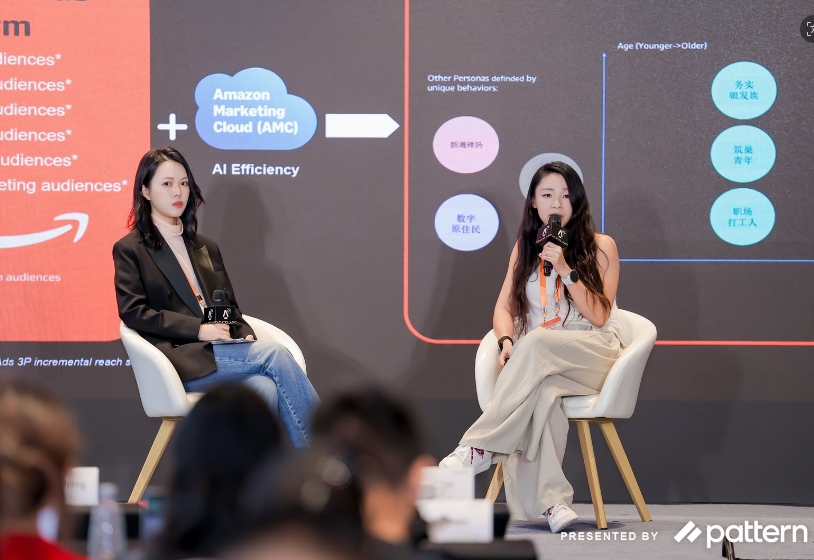
Irene Huang: 亚马逊广告从哪里获得对消费者的洞察?

Susan Lai: 在社交平台,我们可以知道用户平时聊什么、对什么感兴趣;在搜索平台,我们可以知道用户在查什么。亚马逊的独特之处在于,可以基于用户授权的购物数据,了解消费者实际购买什么、多久复购一次、把哪些产品加入心愿单,以及在什么竞品之间犹豫。

亚马逊既有购物数据,也有覆盖多个场景的内容触点。基于这些数据和流媒体信号,亚马逊可以通过AI和亚马逊营销云(Amazon Marketing Cloud,简称AMC)提炼人群画像,例如新潮辣妈、资深中产、新锐白领、筑巢青年等。

这意味着品牌在投入时,不必盲目撒网,而可以基于消费数据,把品牌信息投放给正处于决策窗口的目标客户群体。

Irene Huang:Alexa是否也会收集消费者的问题,统一回传到亚马逊?

Susan Lai: 是的。Alexa是亚马逊旗下的智能硬件端口,掌握了很多家庭日常交互的数据,在用户授权的情况下, 也可以成为广告决策的数据来源。

03 不只在井口争水,更要在源头注水

Irene Huang: 今天品牌能做的远远不只是给一个商品购买流量、观察转化。现场很多卖家在亚马逊上已经有了一定基础。这些品牌怎样运用亚马逊广告的新能力推动增长,把投流卖货转化为真正的品牌营销?

Susan Lai: 过去一段时间,很多广告主都在问:“为什么广告点击成本越来越高,ACoS越来越难看?”我经常用一个比喻来回答:如果团队把90%甚至100%的预算都放在底层搜索广告上,就像所有人挤在井口捞水;井里的水只有这么多,大家都拿着勺子捞,成本自然会越来越高。

真正的品牌打法,不只是在“井口争水”,更要注重“源头注水”。品牌必须把一部分预算上移,在流媒体、内容营销和信息流上做上层蓄水与中层培育,让新的消费者不断认识品牌、对品牌产生好感。这样到了底层转化时,溢价收割才会更加轻松,营销成本也会更低。

Irene Huang: 底层搜索广告通常看ROI。对于上层品牌广告,应该看哪些指标,才能判断投放有没有效果?

Susan Lai: 我推荐四个重要指标。

第一是New to Brand(NTB),即新客获取。预算到底带来了多少新客?这个指标衡量的是增量,而不是在存量市场里打转。

第二是Brand Search,即品牌搜索热度。上层广告投放后,品牌主动搜索量有没有上升?这是观察品牌心智变化最直接的晴雨表。

第三是Lifetime Value(LTV),即用户全生命周期价值。品牌需要把视线从单次成交,拉长到用户整个生命周期的复购价值链。

第四是借助Amazon Marketing Cloud做多触点归因。品牌要告别只看末次点击的归因模式,审视每一笔营销预算对应的用户转化周期。通过AMC,可以观察用户从视频广告触达、看到信息流广告,到最后在亚马逊成交的完整链路,进而判断营销预算是否花在了正确的地方。

这四个指标构成了品牌方的一张晴雨表。

04 流量是成本,品牌是资产

Irene Huang: 现场还有一些品牌,DTC业务和独立站做得很好,甚至还没有开设亚马逊店铺。这类品牌也可以使用亚马逊广告吗?有哪些值得关注的机会?

Susan Lai: 答案非常明确:有关系。亚马逊广告已经构建了一个全域营销漏斗,也是一个开放的全球数字网络。我们在不同国家服务了很多DTC品牌,以及尚未在亚马逊平台销售的客户。

这里有三类增量场景:DTC与独立站品牌、汽车及高客单耐用品企业,以及金融、旅游、本地生活App。

对于独立站品牌,第一,可以利用亚马逊的购物人群信号为独立站引流;第二,可以结合Buy with Prime,借助亚马逊的信任背书提升转化;第三,可以通过AMC接收独立站的用户信号,交叉对比同时接触过亚马逊和独立站的用户,减少不同平台对同一用户的重复投放,提升整体营销费效比。

对于汽车等大宗耐用品企业,可以通过Prime Video锁定中高端家庭用户,建立品牌声量,并定位高意向试驾线索。

对于金融、旅游和本地生活App,则可以结合亚马逊的消费能力与跨国旅行行动信号,触达高价值用户。

Irene Huang: 汽车和高端App如何通过亚马逊广告打造声量?有没有实际案例?

Susan Lai: 先说一个汽车案例。Nissan与亚马逊Prime Video的纪录片内容合作,在国际残疾人日上线,讲述一位残奥会冠军兼肠癌幸存者战胜命运、完成马拉松的故事。这个项目最终获得了Clio大奖。日产汽车通过CTV(联网电视)大屏和纪录片形式,把品牌与狂热、拼搏、信任等情感连接起来。这种长内容带来的情感震撼,与短平快的硬广很不一样。

再比如旅游App Booking.com。它与Prime Video进行广告合作,整体品牌知名度提升8%,品牌好感度提升11%,用户未来使用意向提升73%。Prime Video让品牌触达规模庞大且高度活跃的受众,并以贴合内容和兼具娱乐性的方式与消费者建立连接,融入文化对话。

Irene Huang:Booking.com在旅游App生态中已经名列前茅,与Prime Video合作后,品牌知名度仍然有显著提升。有没有中国品牌的案例,能让现场卖家更具体地理解这些新玩法?

Susan Lai: 我分享一个中国母婴品牌的案例。具体品牌和部分数据尚未对外公开,所以这里以口述为主。

这个品牌的核心品类是吸奶器和哺乳文胸。面对红海竞争和消费者对品牌日益挑剔的变化,他们希望完成一次战略跃迁:从流量竞争走向高客单价的品牌竞争,从“妈妈品牌”转向“家庭品牌”。

过去很长时间,他们的广告只和妈妈对话,覆盖了17.2%的母婴受众核心群体。但通过亚马逊的一方数据,团队发现,还有14.7%的奶爸人群值得关注。这些用户对科技、家电和消费电子感兴趣,也会参与暖奶器、监视器等家庭产品的购买决策,过去的营销却很少与他们对话。

团队进一步从人群画像中找到了两个核心客群标签:一类是奶爸占比较高、关注科技电器的“理性消费者”;另一类是30岁至45岁、消费能力较强的“资深中产”。

有了更清晰的人群定位,品牌开始针对不同用户制作个性化素材:面向宝妈呈现真实育儿场景,强调信任与省心;面向高净值人群突出生活质感与消费升级;面向奶爸,则突出产品参数和硬核科技感。随后,品牌结合亚马逊AI驱动的“品牌加效果”智能产品矩阵,不仅推动销量增长、拓宽受众圈层,也提升了品牌力。

Irene Huang: 最后一个问题,既简单也有些难。面对现场的全球品牌决策者,如果只能给大家一个建议,您会说什么?

Susan Lai: 我希望大家带回去一句话:流量是成本,品牌是资产。

请大家不要永远只关注下一个点击或下一个Buy Box的争夺。在充满不确定性的时代,唯有品牌才是帮助大家穿越周期的唯一解药。走出那个小小的盒子,去构建真正属于你们的全球影响力。

亚马逊广告也愿意成为大家坚定的品牌合伙人,帮助大家建立品牌。


亿邦持续追踪报道该情报,如想了解更多与本文相关信息,请扫码关注作者微信。

本文首发于 亿邦动力 官方网站

【版权提示】亿邦动力倡导尊重与保护知识产权。未经许可,任何人不得复制、转载、或以其他方式使用本网站的内容。如发现本站文章存在版权问题,烦请提供版权疑问、身份证明、版权证明、联系方式等发邮件至run@ebrun.com,我们将及时沟通与处理。

已点赞

+1

{{ praise_text }}

好文章,值得被更多人看到

FAQ回顾

亚马逊广告除了站内搜索投流还有哪些服务能力?

亚马逊广告已构建全域营销服务体系,除站内搜索投流外,还整合了Prime Video、Twitch、米高梅影业、顶级体育赛事等多场景内容资源,可依托用户授权的购物数据、Alexa交互数据,通过亚马逊营销云实现精准人群定向与全触点归因,服务各类品牌客户。

中国品牌出海从卖货转向品牌化的核心判断标准是什么?

最直观的衡量标准是海外消费者从搜索产品品类词,转变为直接搜索品牌名。当用户产生品类需求时不再在同类产品中比价筛选,而是主动选择你的品牌,就代表品牌已建立心智护城河,拥有溢价空间、高复购与免费自然流量,摆脱低价流量内卷。

品牌衡量上层品牌广告投放效果应关注哪些指标?

可重点关注四类核心指标:一是New to Brand(NTB)新客获取量,衡量增量获客效果;二是Brand Search品牌搜索热度,反映用户心智变化;三是LTV用户全生命周期价值,关注长期复购收益;四是借助亚马逊营销云做多触点归因,评估全链路预算投放效率。

未开设亚马逊店铺的独立站DTC品牌可以使用亚马逊广告吗?

可以。亚马逊广告是开放的全球数字营销网络,独立站品牌可从三类场景获益:一是利用亚马逊购物人群信号为独立站精准引流;二是结合Buy with Prime借助亚马逊信任背书提升转化;三是通过亚马逊营销云打通数据,减少重复投放,提升整体营销费效比。

广告

下一篇

跨境电商资源对接

《全球跨境电商服务商资源手册》第二期手册现已发布,触达更多资源,了解跨境服务商信息,欢迎点击链接下载。

了解详情

美团CatPaw定名“妙手” AI正在本地生活经营场景加速落地

“妙手”希望把美团长期服务本地生活商家积累的数据、经营知识和专业方法,转化为商家可以使用、训练和管理的AI能力,并让每个商家最终能长出自己的AI经营能力。