• 亿邦公众号
    • APP下载

逸仙电商2025财报:护肤业务占比过半 净利润实现转正

作者:李梦琪 文章来源:亿邦动力

2026-03-03 16:25

作者:李梦琪 文章来源:亿邦动力

2026-03-03 16:25

邦小白快读
EN
全文速览

逸仙电商2025年财报关键信息

1. 净利润首次转正,Non-GAAP净利润为840万元人民币,扭转了2024年亏损1.28亿元的局面。

2. 净营收达43.01亿元,同比增长26.7%,保持两位数增速。

业务转型与增长

1. 护肤业务成为核心,收入22.8亿元,同比增长63.5%,占总营收53.0%,第四季度占比升至61.1%。

2. 毛利率提升至78.2%,显示盈利能力增强。

实操干货

1. 营销费用占比下降至20.8%,效率改善,但绝对额仍高。

2. 研发支出增至1.37亿元,聚焦创新,如仿生膜精华口红产品提升复购率。

品牌营销与产品研发

1. 营销策略优化,销售费用占比降至20.8%,效率提升,但绝对投入仍高于行业平均,需平衡成本。

2. 高端化战略奏效,护肤业务毛利率从2023年74%升至78.2%,品牌资产增强。

消费趋势与用户行为

1. 护肤业务高速增长,占比超50%,反映消费向高毛利护肤产品转移趋势。

2. 产品创新如仿生膜精华口红市场反应好,复购率和客户忠诚度高,显示用户偏好功能性产品。

品牌渠道与定价

1. 护肤品牌如DR.WU、EVE LOM贡献收入,高端布局强化品牌定位。

2. 研发主导创新,全年支出1.37亿元,支持产品差异化。

增长市场与机会提示

1. 护肤市场扩张机会大,业务同比增长63.5%,占比过半,可切入高端护肤领域。

2. 消费需求向护肤转移,彩妆业务仅增1.9%,但创新单品如仿生膜精华口红带来新机会。

风险提示与可学习点

1. 营销投入绝对额高,潜在盈利压力,需优化效率。

2. 研发投入增加,占比仍低(3.2%),可借鉴以提升产品力。

事件应对与商业模式

1. 战略转型成功,从彩妆转向护肤,三大核心战略(研发创新、品牌资产、盈利提升)可学习。

2. 合作方式启示:品牌布局如Galénic等明星产品贡献收入,强化长期增长。

产品生产与设计需求

1. 护肤产品需求旺盛,收入占比超50%,同比增长63.5%,需聚焦高端护肤设计和生产。

2. 创新技术如仿生膜精华口红结合化妆品与生物技术,设计需兼顾功能性和差异化。

商业机会与数字化启示

1. 护肤市场高速增长,提供生产扩容机会,毛利率提升至78.2%显示高价值产品潜力。

2. 电商转型启示:逸仙电商从流量驱动转向科学驱动,工厂可推进数字化生产以匹配需求。

研发与成本控制

1. 研发支出增加至1.37亿元,启示加大创新投入提升产品力。

2. 毛利率改善,显示优化生产流程可降本增效。

行业发展趋势

1. 护肤业务成为核心,占比过半且持续提升,反映行业向高毛利、高端化转型趋势。

2. 彩妆创新结合生物技术,如仿生膜精华口红,显示技术融合新方向。

新技术与客户痛点

1. 研发投入增至1.37亿元,但占比仅3.2%,客户痛点在于研发不足,需加强技术解决方案。

2. 营销费用高(8.94亿元),痛点在于效率优化,解决方案包括运营杠杆改善占比下降。

解决方案启示

1. 效率提升案例:营销占比从2023年30%降至20.8%,可借鉴数字化工具优化投入。

2. 创新驱动:高端护肤布局和产品差异化,提供技术整合方案机会。

商业对平台需求

1. 品牌高端化需求,如DR.WU、EVE LOM等护肤品牌贡献收入,平台需支持招商和品牌布局。

2. 创新产品需求,仿生膜精华口红市场反响好,平台应引入差异化商品。

平台最新做法与运营管理

1. 逸仙电商战略转型,从彩妆转向护肤,平台可效仿优化品类管理。

2. 运营效率提升,营销占比下降,启示平台加强数据驱动管理。

风险规避与招商

1. 高营销投入风险(绝对额高于行业平均),平台需规避过度依赖流量。

2. 护肤增长机会(占比61.1%),招商重点可放在高端护肤品牌,支持长期增长。

产业新动向与新问题

1. 逸仙电商成功转型护肤,业务占比超50%,毛利率升至78.2%,显示产业向利润驱动模式转变。

2. 新问题:研发投入占比仅3.2%,低于高端同行,需加大以解决创新不足问题。

商业模式与政策启示

1. 商业模式从流量驱动转向研发主导,三大战略(创新、品牌资产、盈利)可研究可持续性。

2. 政策启示:营销效率改善(占比下降),但高投入风险,建议政策支持研发优化。

数据案例与代表

1. 数据案例:护肤收入从2023年13.5亿元增至2025年22.8亿元,增长显著。

2. 代表人物:黄锦峰强调战略转型长期价值,杨东皓指出运营杠杆作用。

声明:快读内容全程由AI生成,请注意甄别信息。如您发现问题,请发送邮件至 run@ebrun.com 。

我是 品牌商 卖家 工厂 服务商 平台商 研究者 帮我再读一遍。

Quick Summary

Yatsen's 2025 Financial Report: Key Highlights

1. Achieved first-ever net profit profitability, with a Non-GAAP net profit of RMB 8.4 million, reversing the RMB 128 million loss in 2024.

2. Net revenue reached RMB 4.301 billion, marking a 26.7% year-on-year increase and sustaining double-digit growth.

Business Transformation & Growth

1. Skincare emerged as the core business, generating RMB 2.28 billion in revenue (up 63.5% YoY) and accounting for 53.0% of total revenue, increasing to 61.1% in Q4.

2. Gross margin improved to 78.2%, indicating enhanced profitability.

Operational Insights

1. Marketing expenses as a percentage of revenue decreased to 20.8%, reflecting improved efficiency, although absolute spending remains high.

2. R&D expenditure increased to RMB 137 million, focusing on innovation such as the bionic film essence lipstick, which boosted repurchase rates.

Brand Marketing & Product R&D

1. Optimized marketing strategy lowered sales expenses to 20.8% of revenue, improving efficiency, but absolute investment remains above industry average, requiring cost balance.

2. Premiumization strategy proved effective, with skincare gross margin rising from 74% in 2023 to 78.2%, strengthening brand equity.

Consumer Trends & User Behavior

1. Skincare business grew rapidly, exceeding 50% of total revenue, reflecting a consumer shift toward high-margin skincare products.

2. Product innovations like the bionic film essence lipstick received positive market feedback, showing high repurchase rates and customer loyalty, indicating user preference for functional products.

Brand Channels & Pricing

1. Skincare brands like DR.WU and EVE LOM contributed significantly to revenue, reinforcing the brand's premium positioning.

2. R&D-led innovation, with annual expenditure of RMB 137 million, supported product differentiation.

Growth Markets & Opportunity Insights

1. Significant expansion potential in the skincare market, with the segment growing 63.5% YoY and accounting for over half of revenue; opportunities exist in the premium skincare space.

2. Shifting consumer demand toward skincare, while color cosmetics grew only 1.9%; innovative products like the bionic film essence lipstick present new opportunities.

Risk Alerts & Learnings

1. High absolute marketing investment poses potential profit pressure, necessitating efficiency optimization.

2. Increased R&D spending, though still low at 3.2% of revenue, offers a model for enhancing product competitiveness.

Strategic Response & Business Model

1. Successful strategic pivot from color cosmetics to skincare; the three core strategies (R&D innovation, brand equity, profitability enhancement) are replicable.

2. Partnership insights: Brand portfolio management, including star products like Galénic, contributed to revenue and reinforced long-term growth.

Product Production & Design Demand

1. Strong demand for skincare products, accounting for over 50% of revenue with 63.5% YoY growth, necessitates a focus on high-end skincare design and production.

2. Innovative technologies like the bionic film essence lipstick, combining cosmetics and biotechnology, require designs that balance functionality and differentiation.

Business Opportunities & Digital Insights

1. Rapidly growing skincare market offers production expansion opportunities; gross margin increase to 78.2% indicates potential for high-value products.

2. E-commerce transformation lesson: Yatsen's shift from traffic-driven to science-driven operations suggests factories should advance digital production to match demand.

R&D & Cost Control

1. R&D expenditure increased to RMB 137 million, highlighting the importance of innovation investment for product strength.

2. Improved gross margin demonstrates that optimizing production processes can reduce costs and increase efficiency.

Industry Development Trends

1. Skincare becoming the core business, exceeding 50% of revenue and growing, reflects an industry trend toward high-margin, premiumization.

2. Color cosmetics innovation integrating biotechnology, such as the bionic film essence lipstick, indicates a new direction for technology convergence.

New Technologies & Client Pain Points

1. R&D investment increased to RMB 137 million, but remains low at 3.2% of revenue; a key client pain point is insufficient R&D, requiring stronger technical solutions.

2. High marketing expenses (RMB 894 million) highlight the pain point of efficiency optimization; solutions include improving operational leverage, as seen in the decreased expense ratio.

Solution Insights

1. Efficiency case study: Marketing expense ratio dropped from 30% in 2023 to 20.8%, demonstrating the value of digital tools for optimizing investment.

2. Innovation-driven: Premium skincare portfolio and product differentiation create opportunities for integrated technology solutions.

Platform Requirements from Businesses

1. Demand for brand premiumization, with skincare brands like DR.WU and EVE LOM contributing significantly to revenue; platforms need to support merchant acquisition and brand portfolio strategies.

2. Demand for innovative products, such as the well-received bionic film essence lipstick; platforms should introduce differentiated merchandise.

Latest Platform Practices & Operations Management

1. Yatsen's strategic pivot from color cosmetics to skincare offers a model for platforms to optimize category management.

2. Improved operational efficiency, with a lower marketing expense ratio, suggests platforms should enhance data-driven management.

Risk Mitigation & Merchant Acquisition

1. Risk of high marketing investment (absolute amount above industry average); platforms should avoid over-reliance on traffic.

2. Skincare growth opportunity (61.1% share in Q4); merchant acquisition focus can be placed on premium skincare brands to support long-term growth.

Industry Trends & New Questions

1. Yatsen's successful pivot to skincare, with the segment exceeding 50% of revenue and gross margin rising to 78.2%, indicates an industry shift toward profit-driven models.

2. New question: R&D investment ratio remains low at 3.2%, below premium peers, requiring increased focus to address innovation gaps.

Business Model & Policy Implications

1. Business model evolution from traffic-driven to R&D-led; the sustainability of the three core strategies (innovation, brand equity, profitability) warrants study.

2. Policy implication: Improved marketing efficiency (lower ratio) coexists with high investment risk; policies supporting R&D optimization are recommended.

Data Case Studies & Representatives

1. Data case: Skincare revenue grew significantly from RMB 1.35 billion in 2023 to RMB 2.28 billion in 2025.

2. Key figures: Huang Jinfeng emphasized the long-term value of strategic transformation; Yang Donghao highlighted the role of operational leverage.

Disclaimer: The "Quick Summary" content is entirely generated by AI. Please exercise discretion when interpreting the information. For issues or corrections, please email run@ebrun.com .

I am a Brand Seller Factory Service Provider Marketplace Seller Researcher Read it again.

【亿邦原创】逸仙电商终于在2025年实现了Non-GAAP净利润转正。然而,更值得关注的,是公司正在完成从以流量驱动的彩妆企业向以护肤产品为核心的利润型企业的结构性转型。

3月2日,逸仙电商发布2025年全年及第四季度财务公告:

全年净营收为43.01亿元,同比增长26.7%,而2024年全年净营收为33.95亿元,增长幅度明显收窄,但仍保持两位数增速。全年Non-GAAP净利润首次转正,为840万元人民币,2024年同期Non-GAAP净亏损为1.28亿元人民币。

护肤业务收入全年达到22.8亿元,同比增长63.5%,占总营收53.0%;第四季度占总营收比例提升至61.1%,显示护肤业务已成为收入结构核心。相比2023年,护肤业务占比仅为约40%,可见过去两年护肤业务增长速度显著高于彩妆。

毛利率全年提升至78.2%,第四季度为77.7%,较2024年的76.0%有明显改善。

公司创始人兼董事长兼首席执行官黄锦峰在财报发布中表示:“我们很高兴以稳固的业绩结束2025财年,这体现了战略转型的长期价值。全年我们坚持三大核心战略:研发主导的创新、提升品牌资产及盈利能力提升。进入2026,我们相信这些基础优势将推动可持续增长并为股东创造持久价值。”

01 护肤业务成为增长主引擎

财报显示,高毛利护肤产品已成为公司营收和利润的主要来源。

对比历史数据可以发现:

2023年全年护肤业务收入仅13.5亿元,占比约40%,毛利率约74%;

2024年护肤业务收入14.0亿元,占比略升,毛利率提升至76%;

2025年护肤收入增至22.8亿元,占比超过50%,毛利率进一步提升至78.2%;

对此,黄锦峰指出,“护肤业务在营收结构中的占比持续提升,同时毛利率改善显著,这体现了我们在高端化、研发驱动和产品创新方面的战略方向正在奏效。”

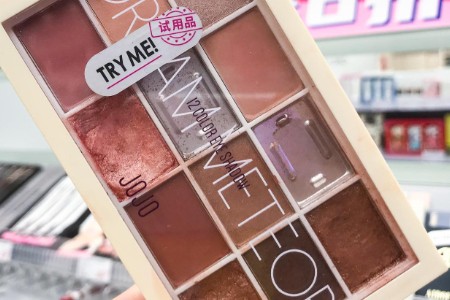
彩妆业务方面,2025年全年收入实现同比1.9%增长。除此之外,财报指出,过去几年完美日记在技术和产品创新上也取得突破,例如2024年推出的仿生膜精华口红产品,兼具妆效、护唇精华及唇膜功能,市场反应积极,复购率和客户忠诚度均较高。

02 营销投入高位但效率提升

2025年全年,集团销售及市场费用8.94亿元人民币,占全年营收20.8%,尽管绝对数额较高,但占比较2024年的约25%,以及2023年的约30%已明显下降。

对此,集团董事兼首席财务官杨东皓表示:“随着经营杠杆逐步发挥作用,集团在维持营销投入的同时,整体运营效率有所改善。”

但财报也同时指出,尽管营销费用占比下降,但绝对数额仍高于行业上市企业的平均水平(约45%-55%),持续的高投入仍是集团盈利能力的潜在压力。

03 战略转型与市场扩张持续推进

逸仙电商自2021年提出战略转型后,逐步由趋势驱动转向科学驱动,重点在护肤、高端化、研发与创新。财报显示,集团在产品线和品牌布局上延续了这一战略:

其中,护肤品牌扩张方面,DR.WU、EVE LOM、Galénic等多款明星产品继续贡献收入,同时新产品研发和高端化布局保持推进。

彩妆创新方面,完美日记在2024年推出的仿生膜精华口红等创新单品,结合化妆品与生物技术,保持产品差异化。

研发投入上,逸仙电商全年研发支出约1.37亿元人民币,相较2024年大幅提升,但占比仅3.2%,与成熟的高端护肤品集团之间仍有差距。

对此,集团高管指出,逸仙电商将继续在护肤、彩妆及相关技术创新上加大投入,以巩固产品力和市场竞争力。同时,集团通过稳步扩张,强化在高端护肤领域的品牌布局,为长期可持续增长奠定基础。

亿邦持续追踪报道该情报,如想了解更多与本文相关信息,请扫码关注作者微信。

【版权提示】亿邦动力倡导尊重与保护知识产权。未经许可,任何人不得复制、转载、或以其他方式使用本网站的内容。如发现本站文章存在版权问题,烦请提供版权疑问、身份证明、版权证明、联系方式等发邮件至run@ebrun.com,我们将及时沟通与处理。

已点赞

+1

{{ praise_text }}

好文章,值得被更多人看到

FAQ回顾

逸仙电商2025年财报的主要业绩指标是什么?

逸仙电商2025年全年净营收43.01亿元,同比增长26.7%;Non-GAAP净利润840万元,首次实现转正;护肤业务收入22.8亿元,占总营收53.0%;毛利率提升至78.2%。

逸仙电商的护肤业务有哪些战略变化?

逸仙电商正从彩妆企业转型为以护肤为核心的企业,护肤业务占比从2023年的40%提升至2025年的53%,毛利率从74%提升至78.2%,重点布局高端化和研发创新。

逸仙电商2025年的营销投入效率如何?

2025年销售及市场费用为8.94亿元,占营收比例20.8%,较2024年的25%和2023年的30%明显下降,但绝对数额仍高于行业平均水平(45%-55%)。

广告

下一篇

征集报名《品牌数字化服务商资源手册》

《品牌数字化服务商资源手册》展示数字化服务商风采,亿邦全年零售大会通发,触达更多资源,马上加入!

马上入驻

小红书再度细化电商结算规则 店铺分与账期全面绑定

围绕商家结算账期与提现机制进行调整,核心变化集中在两点:账期动态生效范围扩大,以及提现次数增加。