• 亿邦公众号
    • APP下载

霸王茶姬推出副品牌“第二杯茶”!进军即饮纯茶赛道

作者:亿邦动力 文章来源:亿邦动力

2025-02-25 14:17

作者:亿邦动力 文章来源:亿邦动力

2025-02-25 14:17

邦小白快读
EN
全文速览

霸王茶姬推出新副品牌“第二杯茶”,专注于现制外带传统中式纯茶,提供实用干货信息。

1. 品牌核心信息:首家门店位于上海五角场,每杯茶售价约13元,采用“即买即走”外带模式,方便快捷。

2. 产品细节:产品分为“茶中式”和“茶拿铁”两大类,其中“浓萃”系列强调醇厚口感,代表产品如雅安藏茶、黑巧班章;“轻萃”系列突出清新回甘,代表产品如高山乌龙、五花清清茶。

3. 扩展计划:计划在上海开设近30家门店,纯茶定价13-16元,茶拿铁定价19-22元,锁定主流奶茶价格区间。

新副品牌“第二杯茶”的推出涉及品牌营销、产品研发和定价策略,反映消费趋势。

1. 品牌营销:品牌标志采用小房子图标,区别于主品牌京剧脸谱,去年创始人张俊杰提出“年轻人的第一杯茶”概念,现重新打造品牌,针对年轻市场。

2. 产品研发:主打“传统萃取中式纯茶”,分“浓萃”和“轻萃”系列,浓萃代表雅安藏茶等,轻萃代表高山乌龙等,强调口感差异。

3. 定价和价格竞争:单杯纯茶定价13-16元,茶拿铁19-22元,锁定10-20元主流区间,应对奶茶市场竞争。

4. 消费趋势和用户行为:响应即饮纯茶需求,外带模式迎合便捷消费行为,门店轻奢装修吸引商务洽谈。

新品牌提供增长市场机会、最新商业模式和可学习点,助力业务发展。

1. 增长市场和消费需求变化:进军即饮纯茶赛道,计划在上海开近30家门店,满足消费者从奶茶转向纯茶的健康需求。

2. 机会提示和可学习点:外带“即买即走”模式可借鉴,产品分类(浓萃和轻萃)提供差异化策略,定价13-22元覆盖主流区间。

3. 最新商业模式:轻奢装修门店面积30-50平方米,设有产品展示区和堂食区,支持短暂休息或商务洽谈。

新品牌带来产品生产需求和商业机会,启示数字化电商推进。

1. 产品生产和设计需求:主打传统中式纯茶,使用“盒装茶叶”展示,生产需聚焦浓萃和轻萃系列,如雅安藏茶和高山乌龙。

2. 商业机会:计划在上海扩张近30家门店,提供合作可能,代表企业霸王茶姬的案例可参考。

3. 推进数字化和电商启示:外带“即买即走”模式类似电商便捷性,启示高效生产和配送流程。

行业发展趋势和客户痛点解决方案,基于新品牌推出。

1. 行业发展趋势:即饮纯茶兴起,新品牌填补传统茶与奶茶间的市场空白,反映消费升级。

2. 客户痛点:传统茶缺乏即饮便捷性,新品牌通过外带模式和现制产品提供解决方案。

3. 解决方案:产品分浓萃和轻萃系列,满足不同口感需求,如浓萃雅安藏茶针对醇厚爱好者,轻萃高山乌龙针对清新偏好者。

商业对平台的需求和运营管理,涉及招商和风向规避。

1. 商业需求和平台做法:外带“即买即走”模式需要高效运营平台,门店轻奢装修和堂食区支持商务功能。

2. 平台招商和运营管理:计划在上海开近30家门店,提供招商机会,店面积30-50平方米便于管理。

3. 风向规避:定价锁定10-20元主流区间,避免过高风险,针对年轻人市场减少不确定性。

产业新动向和商业模式,提供研究案例。

1. 产业新动向:霸王茶姬推出副品牌“第二杯茶”,进军即饮纯茶赛道,代表新消费趋势。

2. 商业模式:外带模式、产品分类(茶中式和茶拿铁)、定价策略(13-22元)构成核心框架,创始人张俊杰去年提出概念。

3. 新问题:针对年轻人市场,如何平衡传统与现代,案例中门店设计轻奢风格,设有堂食区。

声明:快读内容全程由AI生成,请注意甄别信息。如您发现问题,请发送邮件至 run@ebrun.com 。

我是 品牌商 卖家 工厂 服务商 平台商 研究者 帮我再读一遍。

Quick Summary

Bawang Chaji launches new sub-brand "Second Cup Tea," focusing on freshly prepared takeaway traditional Chinese pure tea with practical information.

1. Brand essentials: First store located in Shanghai's Wujiaochang, priced around ¥13 per cup, adopting a "grab-and-go" takeaway model for convenience.

2. Product details: Two categories—"Chinese-style tea" and "tea latte." The "Intense Brew" series emphasizes rich flavors (e.g., Ya'an Tibetan tea, Heiqiao Ban Zhang), while "Light Brew" highlights refreshing notes (e.g., High Mountain Oolong, Wuhua Qingqing tea).

3. Expansion plan: Nearly 30 stores planned in Shanghai, with pure tea priced at ¥13–16 and tea lattes at ¥19–22, targeting the mainstream milk tea price range.

The launch of sub-brand "Second Cup Tea" involves brand marketing, product R&D, and pricing strategies, reflecting consumer trends.

1. Brand marketing: Logo features a small house icon, distinct from the main brand’s Peking opera mask. Founder Zhang Junjie’s "young people’s first cup of tea" concept is now repositioned for the youth market.

2. Product R&D: Focuses on "traditionally extracted Chinese pure tea," divided into "Intense Brew" (e.g., Ya'an Tibetan tea) and "Light Brew" (e.g., High Mountain Oolong) series to emphasize taste differentiation.

3. Pricing and competition: Pure tea priced at ¥13–16, tea lattes at ¥19–22, targeting the ¥10–20 mainstream range to compete in the milk tea market.

4. Consumer trends: Addresses demand for ready-to-drink pure tea; takeaway model suits convenience-seeking behavior; light-luxury store design attracts business meetings.

The new brand offers growth opportunities, latest business models, and actionable insights for business development.

1. Market growth and demand shifts: Enters the ready-to-drink pure tea segment, with ~30 stores planned in Shanghai, catering to health-conscious consumers shifting from milk tea to pure tea.

2. Key takeaways: Adoptable "grab-and-go" takeaway model; product segmentation (Intense/Light Brew) enables differentiation; ¥13–22 pricing covers mainstream preferences.

3. Business model: Light-luxury stores (30–50㎡) include product display and dine-in areas for short breaks or business talks.

The new brand drives production demand and commercial opportunities, highlighting digital-ecommerce synergies.

1. Production and design needs: Focus on traditional Chinese pure tea using "boxed tea leaves" presentation; prioritize Intense Brew (e.g., Ya'an Tibetan tea) and Light Brew (e.g., High Mountain Oolong) series.

2. Commercial opportunities: ~30-store Shanghai expansion offers partnership potential; Bawang Chaji’s case serves as a reference.

3. Digital-ecommerce insights: "Grab-and-go" model mirrors e-commerce efficiency, informing optimized production and delivery workflows.

Industry trends and client pain point solutions based on the new brand launch.

1. Industry trends: Rise of ready-to-drink pure tea fills the gap between traditional tea and milk tea, reflecting consumption upgrades.

2. Client pain points: Traditional tea lacks convenience; the brand addresses this via takeaway models and fresh preparation.

3. Solutions: Intense Brew (e.g., Ya'an Tibetan tea) targets rich-flavor enthusiasts, while Light Brew (e.g., High Mountain Oolong) suits mild-preference consumers.

Commercial demands on platforms, operational management, and risk mitigation strategies.

1. Platform needs: "Grab-and-go" model requires efficient operational support; light-luxury stores with dine-in areas enable business functions.

2. Recruitment and management: ~30 Shanghai stores create leasing opportunities; 30–50㎡ footprint simplifies operations.

3. Risk avoidance: ¥10–20 pricing avoids premium risks; youth targeting reduces market uncertainty.

Industry developments and business models offering research case studies.

1. Industry trends: Bawang Chaji’s "Second Cup Tea" sub-brand enters ready-to-drink pure tea, representing new consumption patterns.

2. Business model: Takeaway approach, product categorization (Chinese-style tea/tea latte), and ¥13–22 pricing form the core framework, building on founder Zhang Junjie’s 2023 concept.

3. Research questions: Balancing tradition and modernity for youth markets; light-luxury store design with dine-in zones exemplifies hybrid strategies.

Disclaimer: The "Quick Summary" content is entirely generated by AI. Please exercise discretion when interpreting the information. For issues or corrections, please email run@ebrun.com .

I am a Brand Seller Factory Service Provider Marketplace Seller Researcher Read it again.

【亿邦原创】日前,霸王茶姬推出了全新的副品牌“第二杯茶”,专注于销售“现制”且可外带的“传统中式纯茶”。首家门店选择在上海五角场开设,每杯茶的售价约为13元。核心理念仍是“即买即走”的外带模式。

“第二杯茶”首家店铺名为CHAGEE MODERN TEA,品牌标志与霸王茶姬的京剧脸谱不同,是一个包含C字母的小房子图标。去年5月,霸王茶姬品牌创始人张俊杰在“现代东方茶创新论坛”上提出了“年轻人的第一杯茶”这一概念,并透露公司将围绕“第二杯茶”重新打造品牌,尝试新的店型。

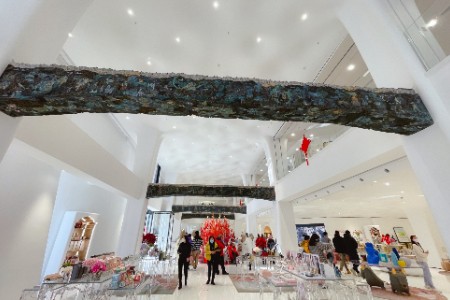
据悉,首店面积与去年官方透露的计划一致,控制在30至50平方米,小巧而精致。店内装修采用轻奢风格,设有产品陈列展示区,以“盒装茶叶”为主;还有堂食区,配备3张小桌,供顾客短暂休息或商务洽谈。

从产品层面来看,新副品牌的产品主打“传统萃取中式纯茶”,区别于“奶茶”。门店产品主要分为“茶中式”和“茶拿铁”两大类,进一步细分为“浓萃”和“轻萃”两个系列。浓萃茶强调高浓度茶汤的醇厚口感,代表产品包括雅安藏茶、黑巧班章、武夷大红袍、月光白兰等;轻萃茶则突出清新回甘,代表产品有高山乌龙、五花清清茶、天心黑乌龙、半山奇红等。

目前,“第二杯茶”计划在上海开设近30家门店。定价锁定在主流奶茶品牌的价格区间,即10至20元左右。单杯纯茶售价在13至16元之间,“加奶”的茶拿铁则定价在19至22元。

亿邦持续追踪报道该情报,如想了解更多与本文相关信息,请扫码关注作者微信。

【版权提示】亿邦动力倡导尊重与保护知识产权。未经许可,任何人不得复制、转载、或以其他方式使用本网站的内容。如发现本站文章存在版权问题,烦请提供版权疑问、身份证明、版权证明、联系方式等发邮件至run@ebrun.com,我们将及时沟通与处理。

已点赞

+1

{{ praise_text }}

好文章,值得被更多人看到

FAQ回顾

霸王茶姬副品牌第二杯茶的产品定位是什么?

第二杯茶专注于销售现制可外带的传统中式纯茶,产品分为茶中式(浓萃和轻萃系列)和茶拿铁两大类,区别于奶茶,强调传统萃取工艺。

第二杯茶的首家门店开设在哪里?定价如何?

首家门店位于上海五角场,面积30至50平方米,采用轻奢装修风格。单杯纯茶售价13至16元,茶拿铁定价19至22元,计划在上海开设近30家门店。

第二杯茶的品牌理念和门店模式有何特点?

品牌核心理念是即买即走的外带模式,标志为包含C字母的小房子图标。门店设有产品陈列区和3张小桌的堂食区,主打年轻人的第一杯茶概念。

广告

下一篇

征集报名《品牌数字化服务商资源手册》

《品牌数字化服务商资源手册》展示数字化服务商风采,亿邦全年零售大会通发,触达更多资源,马上加入!

马上入驻

AI浪潮里 产业资本正在重新相信中国新故事

无论是无人驾驶还是具身智能,两者都不是新概念,看到的上市潮和融资热也仅是冰山一角,冰山之下,真正受资本宠爱的依旧是扎根到垂直行业的具体应用。AI大模型的兴起,让资本重新看到它们的商业价值。

未来零售 AI技术 AI 智能商业

2025-02-25 14:15:42