



• 亿邦公众号
    • APP下载

阳采集团受邀参加2024年首期“采购供应链沙龙”

作者:龚作仁 文章来源:Laborer

2024-03-18 08:49

作者:龚作仁 文章来源:Laborer

2024-03-18 08:49

邦小白快读

EN
全文速览

本文核心是报道2024年3月阳采集团受邀参加中物联主办的首期采购供应链沙龙,分享了采购数字化领域的相关干货内容,具体重点信息如下:

1. 本次沙龙由中物联两个相关分会主办,聚焦《采购物资分类与编码》系列国标、团标的征求意见稿,共有来自中石油、中石化等多家头部企业的60余名行业专家参会,围绕标准修订、物资分类编码、企业数字化转型等核心议题展开讨论。

2. 阳采集团结合自身实践分享了核心观点,认为统一规范的采购物资编码是企业物资管理的基础数据,贯穿采购全业务流程,标准出台能推动整个供应链数字化发展,有效降低供需双方的同步协作成本。

3. 阳采已经落地了数字化实践,基于自身积累的数据搭建标准化物料信息库,实现了降本提效,可参考性较强。

本文透露了采购供应链领域的最新行业动向,对品牌商开展To B业务、布局数字化有不少参考干货,具体内容如下:

1. 当前行业正推进采购物资分类与编码的统一标准化建设,相关国标、团标已经进入征求意见阶段,标准正式出台后会降低供需双方的协同成本,推动全链路数字化发展,品牌商可提前布局适配相关标准要求,抢占先发优势。

2. 阳采集团的实践经验值得参考,品牌商可依托自身积累的用户交易和SKU数据,搭建标准化的物料信息管理系统,用数据支撑自有品牌的产品研发和营销策略制定,提升决策科学性。

3. 当前政企采购端已经显现出数字化、精准化的发展趋势,品牌商只有适配统一的标准化物料编码体系,才能更精准触达目标采购客户,匹配客户个性化采购需求。

本文给To B领域的卖家提供了赛道机会提示和可借鉴的运营经验,干货内容如下:

1. 当前采购供应链领域正在推进统一采购物资分类编码标准的制定工作,标准落地后会大幅降低全链路的协同对接成本,卖家可持续关注标准动态,提前做好业务适配,抓住行业变革带来的增长机会。

2. 政企采购当前仍是稳定的增长市场,卖家可对接头部数字化采购平台,依托平台的大数据能力,获取精准的采购需求信息,降低获客成本,提升成交概率。

3. 阳采集团的发展路径值得卖家学习:通过积累自身运营的交易数据,搭建标准化数字化的物料管理系统,既可以挖掘潜在市场机会,又能精准匹配客户需求,实现降本提效,还可通过参与行业交流汲取先进经验,拓展合作空间。

本文给面向To B领域供货的工厂带来了采购端的最新发展动向,以及数字化转型的启示和商业机会,具体内容如下:

1. 当前全行业都在推进采购物资分类编码的统一标准化,未来下游采购方都会对接统一标准,工厂在产品生产设计阶段,就需要适配统一的编码标准要求,方便下游采购对接,提升自身产品的市场竞争力。

2. 头部采购平台已经完成了物料信息的精准数字化搭建,能够依托海量采购数据为工厂匹配精准的需求订单,工厂可主动对接这类平台,获取精准需求信息,挖掘更多稳定的商业机会。

3. 工厂推进自身数字化转型可参考阳采集团的路径,从产品物料信息的标准化数字化入手,搭建统一的信息管理体系,提升内部运营效率,优化生产决策,更好地对接下游数字化供应链体系。

本文给采购供应链相关服务商提供了行业发展趋势、客户痛点和可布局的解决方案方向,干货内容如下:

1. 当前采购供应链行业的核心发展趋势是数字化、标准化,统一的采购物资分类与编码是全行业数字化转型的基础刚需,目前相关国标、团标正在征求意见阶段,服务商可围绕标准落地,开发配套的服务产品,抓住行业风口。

2. 当前行业客户的核心痛点是采购物料编码不统一,不同供应链节点之间对接不畅,导致协同成本居高不下,严重阻碍企业数字化转型,这就是服务商可切入的核心市场方向。

3. 头部企业已经验证了物料标准化数字化的实际价值,能够帮助企业挖掘市场机会、精准匹配需求、降低运营成本提升效率,服务商可参考这一实践路径,针对不同规模类型的客户,开发适配的标准化数字化解决方案。

本文给采购供应链领域的平台商分享了最新行业需求和头部平台的运营经验,干货内容如下:

1. 当前各类企业对采购供应链的数字化、标准化需求越来越强烈,统一物料编码是打通上下游供应链、实现全链路数据互通的核心基础,平台需要率先推进物料编码的标准化统一工作,完善上下游环节的衔接,提升平台核心竞争力。

2. 头部平台阳采集团的运营经验可直接借鉴:依托平台积累的海量客户采购数据和SKU数据,搭建标准化物料信息商品库管理系统,实现物料信息的精准数字化,既可以依托数据挖掘市场机会,赋能平台自有品牌发展,也能精准匹配客户采购需求,为客户降本提效,提升客户满意度。

3. 平台可积极参与行业标准的制定研讨,加强业内同行交流,汲取先进经验,实现优势互补,完善自身服务能力,提前布局未来全球化商贸流通、信息互联互通的发展需求。

本文对研究采购供应链数字化转型的研究者提供了最新的产业动向和一手实践案例,干货内容如下:

1. 最新产业动向方面,2024年国内已经正式启动采购物资分类与编码的国标、团标制定工作,汇聚了中石油、中石化、阳采集团等多家头部央企和头部平台参与研讨,统一标准落地后将有效推动整个供应链的数字化、智慧化转型,这是当前采购供应链领域的重要新动向。

2. 实践案例方面,阳采集团探索出了可研究的新商业模式:依托平台自身积累的海量交易数据,搭建标准化数字化的物料管理系统,将数据应用于市场机会挖掘、客户需求匹配、业务决策支撑,最终实现全链路降本提效,模式具备较高的研究价值。

3. 产业发展层面,统一采购编码标准对供需双方都能降低协同成本,是供应链数字化发展的核心基础,未来这一领域还有广阔的发展空间,值得开展更深入的研究。

声明:快读内容全程由AI生成,请注意甄别信息。如您发现问题,请发送邮件至 run@ebrun.com 。

我是 品牌商 卖家 工厂 服务商 平台商 研究者 帮我再读一遍。

Quick Summary

This article reports that in March 2024, Yangcai Group was invited to the first procurement supply chain salon hosted by the China Federation of Logistics & Purchasing (CFLP), where it shared insights on procurement digitalization. Key takeaways are as follows:

1. Co-hosted by two CFLP branches, this salon focused on the draft for public comment of the national and industry standards series *Classification and Coding of Procurement Materials*. More than 60 industry experts from leading enterprises including CNPC and Sinopec attended the event, and discussions centered on standard revision, material classification and coding, and enterprise digital transformation.

2. Drawing on its own operational experience, Yangcai Group shared that unified and standardized procurement material coding serves as core foundational data for enterprise material management, running through the entire procurement workflow. The formal release of these standards will advance digital development across the entire supply chain and effectively cut collaborative costs between suppliers and buyers.

3. Yangcai has already implemented its digitalization practice: it built a standardized material information database based on accumulated in-house data, which has successfully reduced costs and improved efficiency, offering a valuable reference for other players.

This article outlines the latest industry trends in the procurement and supply chain space, with actionable insights for brands looking to expand their B2B business and map out their digital strategy. Key details are as follows:

1. The industry is currently advancing the unified standardization of procurement material classification and coding, with relevant national and industry standards already open for public comment. Once the standards take effect, they will cut collaboration costs between suppliers and buyers and drive end-to-end digital transformation. Brands can adapt their business to the upcoming standards early to seize a first-mover advantage.

2. Yangcai Group’s practical experience offers a valuable reference: brands can leverage their accumulated user transaction and SKU data to build a standardized material information management system. Data can then inform product R&D and marketing strategy for private labels, leading to more scientific decision-making.

3. The government and enterprise procurement sector is already moving toward digital and precision-oriented operations. Only brands that adapt to the unified standardized material coding system can accurately reach target procurement clients and meet their customized procurement needs.

This article shares sector opportunity alerts and actionable operational insights for B2B sellers, outlined below:

1. The procurement and supply chain industry is currently developing unified standards for procurement material classification and coding. Once implemented, the standards will significantly reduce end-to-end collaboration and connection costs. Sellers should keep track of updates to the standards, prepare their business for adaptation early, and capture growth opportunities brought by industry transformation.

2. Government and enterprise procurement remains a stable growth market. Sellers can partner with leading digital procurement platforms to access accurate procurement demand data via the platforms’ big data capabilities, reducing customer acquisition costs and increasing closing rates.

3. Sellers can learn from Yangcai Group’s growth path: build a standardized, digital material management system by accumulating operational transaction data. This not only helps identify potential market opportunities and match customer demands accurately to cut costs and improve efficiency, but also allows players to gain advanced experience and expand cooperation opportunities through participation in industry exchanges.

This article shares the latest developments on the procurement side, takeaways for digital transformation, and business opportunities for B2B-focused manufacturing factories. Key details are as follows:

1. The entire industry is advancing the unified standardization of procurement material classification and coding. All downstream buyers will align with the unified standard in the future. Factories should adapt their product design and production processes to the unified coding standard requirements to facilitate downstream procurement connections and improve their products’ market competitiveness.

2. Leading procurement platforms have already completed the accurate digital construction of material information, and can match factories with precise demand orders based on massive procurement data. Factories can proactively partner with these platforms to access accurate demand information and unlock more stable business opportunities.

3. For factories pursuing digital transformation, Yangcai Group’s path offers a strong reference: start with the standardization and digitalization of product material information, build a unified information management system, improve internal operational efficiency, optimize production decision-making, and better connect with downstream digital supply chain systems.

This article outlines industry development trends, core client pain points, and actionable solution directions for procurement and supply chain service providers. Key insights are as follows:

1. The core development trends of the current procurement and supply chain industry are digitalization and standardization. Unified procurement material classification and coding is a fundamental requirement for industry-wide digital transformation. Relevant national and industry standards are currently in the public comment phase. Service providers can develop supporting service products around the implementation of these standards to capture industry opportunities.

2. The core pain point for industry clients is the lack of unified procurement material coding, which leads to poor connection between different supply chain nodes, keeps collaboration costs persistently high, and seriously hinders corporate digital transformation. This is the core market entry point for service providers.

3. Leading enterprises have already validated the practical value of standardized digital material management, which helps enterprises identify market opportunities, match demands accurately, and cut operational costs while boosting efficiency. Service providers can reference this practical path and develop adapted standardized digital solutions for clients of different sizes and types.

This article shares the latest industry demand and operational experience from leading platforms for procurement and supply chain platforms. Key takeaways are as follows:

1. Demand for digitalized and standardized procurement supply chains is growing across all types of enterprises. Unified material coding is the core foundation for connecting upstream and downstream supply chains and enabling end-to-end data interoperability. Platforms should take the lead in advancing the unification and standardization of material coding, improve connections between upstream and downstream links, and boost their core competitiveness.

2. Leading platform Yangcai Group’s operational experience can be directly referenced: leverage the massive customer procurement and SKU data accumulated by the platform to build a standardized material information and product library management system, and realize accurate digitalization of material information. This allows the platform to identify market opportunities through data, empower the development of its private label brands, accurately match customer procurement demands, cut costs and improve efficiency for clients, and boost customer satisfaction.

3. Platforms can actively participate in the discussion and formulation of industry standards, strengthen exchanges with industry peers, absorb advanced experience, achieve complementary advantages, improve their own service capabilities, and prepare early to meet the future development needs of global trade circulation and information interconnection.

This article provides the latest industry developments and first-hand practical cases for researchers studying the digital transformation of procurement and supply chains. Key insights are as follows:

1. In terms of latest industry developments, China officially launched the formulation of national and industry standards for procurement material classification and coding in 2024, with participation from multiple leading central enterprises and platforms including CNPC, Sinopec, and Yangcai Group. The implementation of the unified standards will effectively advance the digital and intelligent transformation of the entire supply chain, marking a major new development in the procurement and supply chain sector.

2. In terms of practical cases, Yangcai Group has developed a new business model worth studying: it built a standardized digital material management system based on massive transaction data accumulated on its platform, and applies the data to market opportunity identification, customer demand matching, and business decision support, ultimately realizing end-to-end cost reduction and efficiency improvement. This model carries high research value.

3. From the perspective of industrial development, unified procurement coding standards reduce collaboration costs for both suppliers and buyers, and serve as the core foundation for digital development of the supply chain. This field still has broad room for development in the future, and is worthy of further in-depth research.

Disclaimer: The "Quick Summary" content is entirely generated by AI. Please exercise discretion when interpreting the information. For issues or corrections, please email run@ebrun.com .

I am a Brand Seller Factory Service Provider Marketplace Seller Researcher Read it again.

2024年3月8日,由中物联公共采购分会、中物联采购与供应链管理专业委员会主办的2024年首期“采购供应链沙龙”在北京顺利举行,阳采集团受邀参加2024年首期“采购供应链沙龙”,与业界专家共同研讨《采购物资分类与编码》系列标准。
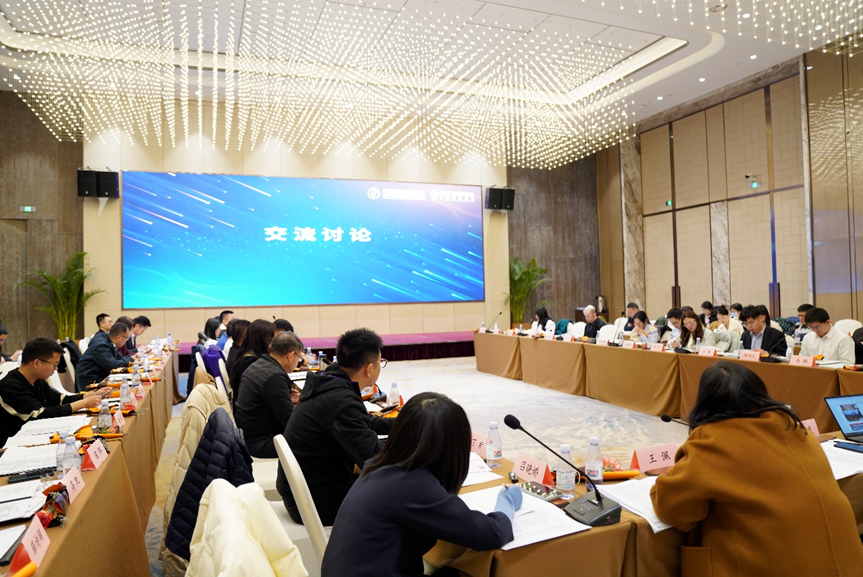
本次沙龙聚焦国标《企业采购物资分类编码指南》、团标《采购物资分类与编码 非生产性物资 第1部分:办公物资类》和《采购物资分类与编码 非生产性物资 第2部分:维护、维修和运营物资类》征求意见稿等内容,汇聚中石油、中石化、中海油、南方电网供应链集团、中国信息通信科技、中国兵工物资集团、国网电商科技、国网物资、国家能源物资公司等60余名行业专家对标准条款修订、物资分类与编码、企业数字化转型等进行深入讨论。

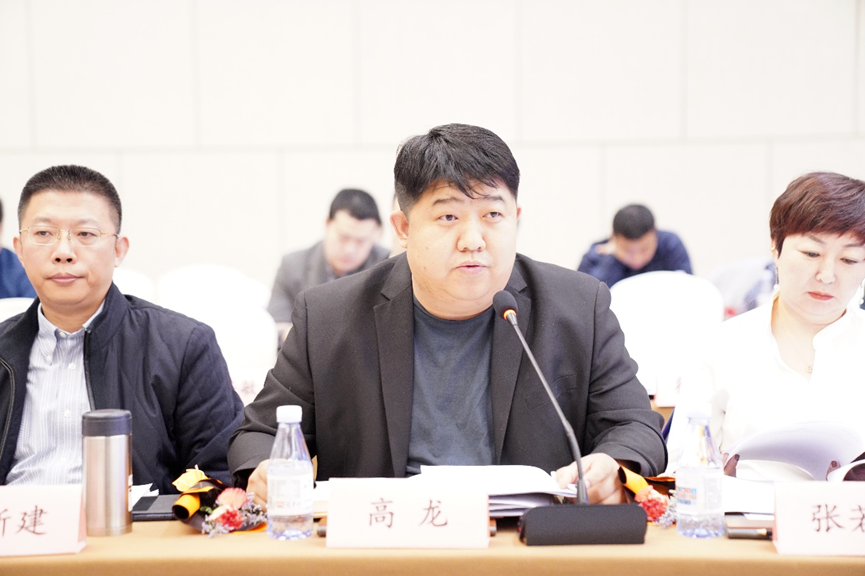
会上,阳采集团有限公司副总裁高龙从市场红利、标准细化、未来展望三个方面进行了交流。他讲到,采购物资分类与编码是企业进行物资管理工作的重要基础数据,贯穿于企业物资计划、采购、入库、出库、消耗、财务核算、统计等全过程,而采购物资编码的统一与规范及标准文件的出台,将为企业采购管理提供基础数据与支撑,也将为供应链各个节点业务工作的衔接提供保障,能够有效推动企业供应链信息化、数字化、智慧化发展。标准的制定对供需双方都是利好,希望标准能够尽快出台,可以降低各方的同步成本,同时标准分类可以更精准细化。
目前,阳采集团根据300余家政企客户采购成交数据和300万SKU数据积累,通过对数字化数据的字符和图片两个类型维度去收集、存储和管理,建立了标准化物料信息商品库管理系统,所有产品物料信息统一标准化,全面实现信息精准数字化,构建起高效精准的数字化产业。阳采集团通过应用这些精准数字化大数据,不仅发现了更多市场机会,为开发自有品牌产品及营销策略提供有力支持,还根据同行业同领域的客户数据,精准筛选推荐专用产品池,以有效精准的产品数据满足客户的采购需求,提高了决策的科学合理性,为客户采购数字化降本提效。

通过此次沙龙会,阳采集团也将汲取业内先进经验,加强企业间交流,平台优势互补,充分发挥数字化技术进一步完善上下游链接的物料编码的标准与统一,为全球商贸流通,全球信息交换与分享,为全球互联互通添砖加瓦。

注:文/龚作仁,文章来源:Laborer,本文为作者独立观点,不代表亿邦动力立场。

【版权提示】亿邦动力倡导尊重与保护知识产权。未经许可,任何人不得复制、转载、或以其他方式使用本网站的内容。如发现本站文章存在版权问题,烦请提供版权疑问、身份证明、版权证明、联系方式等发邮件至run@ebrun.com,我们将及时沟通与处理。

已点赞

+1

{{ praise_text }}

好文章,值得被更多人看到

FAQ回顾

2024年首期采购供应链沙龙讨论了哪些主要内容?

沙龙聚焦《采购物资分类与编码》系列标准,包括国家标准《企业采购物资分类编码指南》和两项团体标准征求意见稿,组织60余名行业专家对标准条款修订、物资分类编码及企业数字化转型进行深入研讨。

采购物资分类与编码对企业管理有什么重要性?

采购物资分类编码是企业物资管理的基础数据,贯穿计划、采购、入库、财务核算等全过程。统一规范的标准能为采购管理提供数据支撑,保障供应链各环节衔接,推动企业信息化、数字化、智慧化发展。

阳采集团在采购数字化方面有哪些实践成果?

阳采集团基于300余家政企客户数据和300万SKU积累,建立了标准化物料信息商品库管理系统,通过精准数字化大数据开发自有品牌、筛选专用产品池,为客户采购提供数字化降本提效解决方案。

广告

下一篇

跨境电商资源对接

《全球跨境电商服务商资源手册》第二期手册现已发布,触达更多资源,了解跨境服务商信息,欢迎点击链接下载。

了解详情

Thinkplus无线降噪蓝牙耳机在TikTok美国站月售206万美金!

据Echotik最新数据显示,在TikTok Shop美国小店手机和电子产品类销售额月榜中,Thinkplus Specialty Store凭借销售无线降噪蓝牙耳机位居榜一,预估销售额206万美金!











