• 亿邦公众号
    • APP下载

千峰访谈金联创:从“给数据”升级为“给决策”

作者:亿邦动力 文章来源:亿邦动力

2026-11-04 14:23

作者:亿邦动力 文章来源:亿邦动力

2026-11-04 14:23

邦小白快读

EN
全文速览

总1:文章核心是金联创把产业数据服务从给数据升级为给决策,用AI和出海服务大宗商品企业。

1.定位与业务:公司定位大宗商品数据及智能应用服务解决方案引领者,三层业务包括自有数据结合大小模型做监测预测模拟决策、为出海企业提供全球进出口智能大数据找买家找市场找服务、外部数据与客户内部数据本地化部署共创全链条服务。

2.技术路线:大模型负责知识理解自然语言交互复杂推理,小模型负责市场预测供需匹配库存物流高精度建模,两者结合。

3.案例价值:煤化工企业用系统一站式看价格竞争对手动态市场走势;化工新材料集团用采购销售决策辅助系统降采购成本提销售力,推动经验决策转向数据加模型决策。

4.落地方法:数据靠自有采集保证准确及时专业权威,再加强治理和场景化建模;交付采用本地化部署共创,Token与算力成本是必要投入。

5.未来判断:产业互联网是智能体底座,智能体是升级形态;竞争关键是把数据变成决策、决策变成价值。

总1:品牌定位与产品研发。

1.金联创把自己定位为大宗商品数据及智能应用服务解决方案引领者,品牌主张从给数据升级为给决策,产品组合分三层:自有产业数据加大小模型的市场监测分析预测模拟决策;出海企业全球进出口智能大数据系统;外部数据与客户内部数据结合的全链条服务。

总2:定价价格竞争与出海渠道。

1.在大宗商品采购销售场景,采购定价与销售时机直接决定利润,AI辅助客户降采购成本、提销售力,形成价格与效率竞争力。

2.出海渠道上,系统帮客户找买家、找市场、找服务,并用本地化部署和共创增强连接性。

总3:用户行为与趋势。

1.客户需求从找信息转向要决策,市场应变从经验决策转向数据加模型决策。

2.收入来自系统建设费与服务费,说明品牌价值要落到系统与服务交付。

总1:增长市场与机会。

1.出海企业对全球市场分析预测商机与数据智能系统建设有刚需,金联创提供全球进出口智能大数据系统,帮找买家找市场找服务;产业智能体会重塑B2B,从检索信息转向直接给分析与决策建议,垂类大模型有长远必要。

总2:商业模式与合作方式。

1.收入来自系统建设费与服务费,提供的是数据智能加决策智能;交付采用本地化部署与客户共创,服务规模更大、连接性更强、解决问题价值更高。

总3:风险与可学习点。

1.挑战在定制化数据颗粒度需投入人力物力财力,模型精度需按场景选型调优;应对是自有采集加强治理加场景化建模。

2.Token调用与算力成本涉及付费,但属于创造价值的必要投入。

总1:生产相关数据与设计需求。

1.金联创的数据覆盖市场价格、供应、需求、库存、生产利润、产业链、物流与仓储,全部靠自有采集团队一手获取,服务采购端定价管理、成本核算、供应商与成本管理,也服务销售端价格趋势供需竞争情况。

总2:商业机会。

1.面向出海企业提供全球进出口智能大数据系统,帮找买家找市场找服务;面向煤化工企业做市场监测分析预测系统,面向化工新材料集团做采购销售决策辅助系统。

总3:数字化启示。

1.技术路线是大模型加小模型,大模型做知识理解交互推理,小模型做预测供需匹配库存物流建模;落地要自有采集加强治理加场景化建模,并通过本地化部署与客户共创,把经验决策转向数据加模型决策。

总1:行业趋势。

1.AI与全球化推动产业模态进化,中国产业从迎接进口转向走出去,大宗商品进出口格局重构;产业互联网是智能体底座,智能体是升级形态,两者递进;垂类大模型因更精准专业贴近业务有长远必要。

总2:新技术与客户痛点。

1.技术采用大模型加小模型组合,大模型负责知识理解自然语言交互复杂推理,小模型负责市场预测供需匹配库存物流高精度建模;客户痛点包括信息分散决策滞后、采购定价销售时机难、定制化数据颗粒度与模型精度挑战。

总3:解决方案。

1.三层业务覆盖监测预测模拟决策、出海找买家找市场找服务、外部加内部数据本地化部署共创;四层竞争力是自有产业数据、数据治理、建模应用、数据安全;方法论是自有采集加强治理加场景化建模。

总1:平台需求与问题。

1.产业智能体离不开产业互联网基础,没有扎实产业数据积累智能体会空转;智能体又从检索型服务升级为直接给分析与决策建议,平台需回答从给数据到给决策的升级问题。

总2:平台做法与运营管理。

1.金联创以三层业务布局:自有数据加大小模型做监测预测模拟决策,出海全球进出口智能大数据系统,外部数据与客户内部数据本地化部署共创全链条服务;收入来自系统建设费与服务费。

2.运营上形成四层竞争力:自有产业数据完整知识产权、数据治理、建模应用、数据安全;交付强调本地化部署与共创,规模更大连接更强价值更高。

总3:风向规避。

1.不能单一依赖一类模型,需大模型加小模型;要应对定制化数据需求与模型精度挑战;Token与算力成本需视为必要投入,同时保障数据合规可用。

总1:产业新动向。

1.AI与全球化带来产业模态进化,中国产业角色从迎接进口转向走出去,大宗商品进出口格局重构;产业互联网与智能体是底座与升级形态的递进关系;垂类大模型有长远存在必要。

总2:商业模式与新问题。

1.金联创从给数据升级为给决策,收入来自系统建设费与服务费,交付从卖数据卖报告转向本地化部署共创,输出从数据到模型再到系统的能力;三层业务和四层竞争力构成产业AI体系。

2.新问题包括定制化数据颗粒度、模型精度、Token与算力成本、数据安全与权限边界;启示是自有采集加强治理加场景化建模,护城河在自有产业数据、行业模型能力、懂产业懂数据与模型的复合人才。

声明:快读内容全程由AI生成,请注意甄别信息。如您发现问题,请发送邮件至 run@ebrun.com 。

我是 品牌商 卖家 工厂 服务商 平台商 研究者 帮我再读一遍。

Quick Summary

Summary 1: The article's core is that Jinlianchuang is upgrading industrial data services from providing data to providing decisions, using AI and overseas services to serve commodity companies.

1. Positioning and business: The company positions itself as a leading provider of commodity data and intelligent application service solutions. Its three-tier business includes proprietary data combined with large and small models for monitoring, forecasting, simulation, and decision-making; global import-export intelligent big data for overseas companies to find buyers, markets, and services; and localized deployment and co-creation combining external data with customers' internal data to deliver full-chain services.

2. Technology path: Large models handle knowledge understanding, natural-language interaction, and complex reasoning, while small models handle high-precision modeling for market forecasting, supply-demand matching, inventory, and logistics. The two are combined.

3. Case value: Coal chemical companies use the system as a one-stop view of prices, competitor dynamics, and market trends; a chemical new-materials group uses the procurement and sales decision-support system to reduce procurement costs and improve sales capability, shifting decision-making from experience-based to data-plus-model-based.

4. Implementation method: Data relies on proprietary collection to ensure accuracy, timeliness, professionalism, and authority, with strengthened governance and scenario-based modeling; delivery uses localized deployment and co-creation, and token and compute costs are necessary investments.

5. Future judgment: The industrial internet is the foundation for agents, and agents are the upgraded form; the key to competition is turning data into decisions and decisions into value.

Summary 1: Brand positioning and product development.

1. Jinlianchuang positions itself as a leading provider of commodity data and intelligent application service solutions. Its brand proposition has evolved from providing data to providing decisions. Its product portfolio has three tiers: market monitoring, analysis, forecasting, simulation, and decision-making based on proprietary industry data plus large and small models; a global import-export intelligent big data system for overseas companies; and full-chain services combining external data with customers' internal data.

Summary 2: Pricing, price competition, and overseas channels.

1. In commodity procurement and sales, procurement pricing and sales timing directly determine profit. AI helps customers reduce procurement costs and improve sales capability, creating competitiveness in price and efficiency.

2. On overseas channels, the system helps customers find buyers, markets, and services, and enhances connectivity through localized deployment and co-creation.

Summary 3: User behavior and trends.

1. Customer demand is shifting from finding information to requiring decisions, and market response is shifting from experience-based decisions to data-plus-model-based decisions.

2. Revenue comes from system construction fees and service fees, indicating that brand value must be realized through system and service delivery.

Summary 1: Growth markets and opportunities.

1. Overseas companies have rigid demand for global market analysis and opportunity forecasting and for building data-intelligence systems. Jinlianchuang provides a global import-export intelligent big data system that helps find buyers, markets, and services. Industrial agents will reshape B2B, moving from information retrieval to directly providing analysis and decision recommendations, and domain-specific large models are necessary for the long term.

Summary 2: Business model and collaboration approach.

1. Revenue comes from system construction fees and service fees; what is provided is data intelligence plus decision intelligence. Delivery uses localized deployment and customer co-creation, enabling larger service scale, stronger connectivity, and higher value in solving problems.

Summary 3: Risks and lessons.

1. Challenges include the manpower, material resources, and financial investment required for customized data granularity, and the need to select and tune models for accuracy by scenario. The response is proprietary collection plus stronger governance plus scenario-based modeling.

2. Token usage and compute costs involve payment, but they are necessary investments for value creation.

Summary 1: Production-related data and design needs.

1. Jinlianchuang's data covers market prices, supply, demand, inventory, production profit, industry chains, logistics, and warehousing. All are obtained first-hand by its own collection team. It serves procurement-side pricing management, cost accounting, supplier and cost management, and also serves the sales side with price trends, supply-demand conditions, and competition.

Summary 2: Business opportunities.

1. It provides overseas companies with a global import-export intelligent big data system to help find buyers, markets, and services; it provides coal chemical companies with a market monitoring, analysis, and forecasting system; and it provides chemical new-materials groups with a procurement and sales decision-support system.

Summary 3: Digitalization implications.

1. The technology path is large models plus small models: large models handle knowledge understanding, interaction, and reasoning; small models handle forecasting, supply-demand matching, inventory, and logistics modeling. Implementation requires proprietary collection plus stronger governance plus scenario-based modeling, and through localized deployment and customer co-creation, it shifts experience-based decisions to data-plus-model-based decisions.

Summary 1: Industry trends.

1. AI and globalization are driving the evolution of industrial paradigms. China's industries are shifting from welcoming imports to going global, and the import-export landscape for commodities is being restructured. The industrial internet is the foundation for agents, and agents are the upgraded form; the two are progressive. Domain-specific large models are necessary for the long term because they are more precise, professional, and close to business operations.

Summary 2: New technologies and customer pain points.

1. The technology uses a combination of large and small models: large models handle knowledge understanding, natural-language interaction, and complex reasoning; small models handle high-precision modeling for market forecasting, supply-demand matching, inventory, and logistics. Customer pain points include fragmented information and delayed decisions, difficulty in procurement pricing and sales timing, and challenges in customized data granularity and model accuracy.

Summary 3: Solutions.

1. Three-tier business covers monitoring, forecasting, simulation, and decision-making; overseas buyer, market, and service discovery; and localized deployment and co-creation of external plus internal data. Four layers of competitiveness are proprietary industry data, data governance, modeling applications, and data security. The methodology is proprietary collection plus stronger governance plus scenario-based modeling.

Summary 1: Platform needs and problems.

1. Industrial agents cannot do without the foundation of the industrial internet; without solid accumulation of industry data, agents will spin idle. Agents are also upgrading from retrieval-based services to directly providing analysis and decision recommendations. Platforms need to answer the upgrade question from providing data to providing decisions.

Summary 2: Platform approach and operations management.

1. Jinlianchuang lays out a three-tier business: proprietary data plus large and small models for monitoring, forecasting, simulation, and decision-making; a global import-export intelligent big data system for overseas expansion; and full-chain services through localized deployment and co-creation combining external data with customers' internal data. Revenue comes from system construction fees and service fees.

2. Operationally, it builds four layers of competitiveness: full intellectual property over proprietary industry data, data governance, modeling applications, and data security. Delivery emphasizes localized deployment and co-creation, enabling larger scale, stronger connectivity, and higher value.

Summary 3: Risk avoidance.

1. It cannot rely on a single type of model; it needs large models plus small models. It must address customized data needs and model-accuracy challenges. Token and compute costs should be treated as necessary investments while ensuring data compliance and usability.

Summary 1: New industry developments.

1. AI and globalization are bringing about the evolution of industrial paradigms. China's industrial role is shifting from welcoming imports to going global, and the commodity import-export landscape is being restructured. The industrial internet and agents have a progressive relationship between foundation and upgraded form; domain-specific large models have a long-term reason to exist.

Summary 2: Business model and new issues.

1. Jinlianchuang is upgrading from providing data to providing decisions. Revenue comes from system construction fees and service fees. Delivery is shifting from selling data and reports to localized deployment and co-creation, and output is shifting toward capabilities spanning data, models, and systems. The three-tier business and four-layer competitiveness constitute an industrial AI system.

2. New issues include customized data granularity, model accuracy, token and compute costs, and data security and permission boundaries. The implication is proprietary collection plus stronger governance plus scenario-based modeling. The moat lies in proprietary industry data, industry-model capabilities, and composite talent that understands both industry and data and models.

Disclaimer: The "Quick Summary" content is entirely generated by AI. Please exercise discretion when interpreting the information. For issues or corrections, please email run@ebrun.com .

I am a Brand Seller Factory Service Provider Marketplace Seller Researcher Read it again.

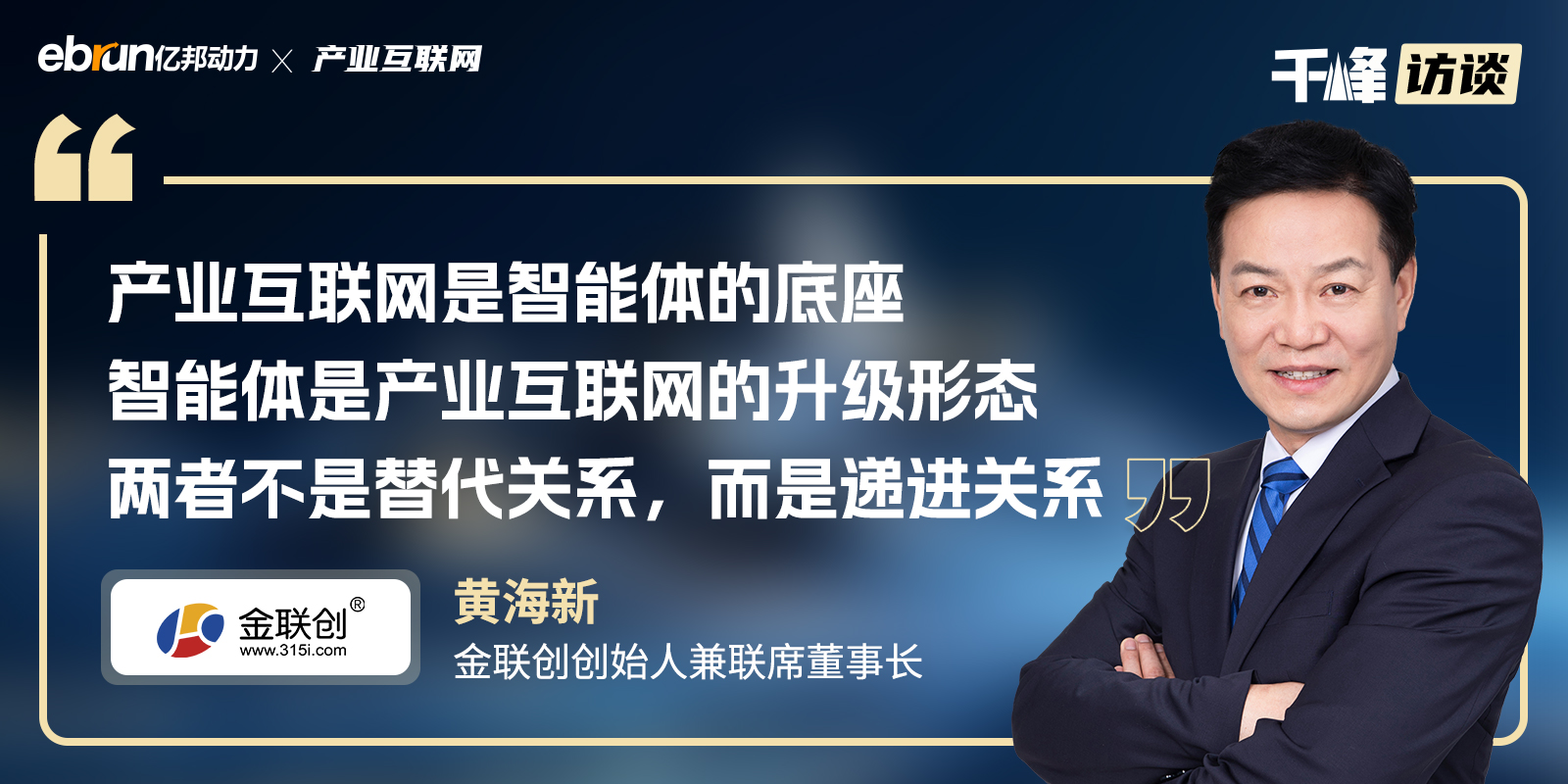
【亿邦原创】“产业互联网是智能体的底座,智能体是产业互联网的升级形态,两者不是替代关系,而是递进关系。”
金联创定位为大宗商品数据及智能应用服务解决方案引领者,围绕AI与出海布局三层业务:以自有产业数据结合大小模型提供市场监测、分析预测与模拟决策;为出海企业提供全球进出口智能大数据系统服务;把外部数据与客户内部数据结合,通过本地化部署与客户共创,提供从数据到模型、再到系统的全链条服务。本届千峰奖访谈中,金联创围绕AI与全球化驱动的产业模态进化,分享了公司在产业数据、决策智能方向的实践与判断。

亿邦:本届千峰奖以「AI与出海带来的模态进化」为核心主题,聚焦产业能力的深层重构。结合软件和信息技术服务业,您如何理解这一轮由AI和全球化共同驱动的产业模态进化?金联创在AI能力建设与全球化出海上有哪些核心战略布局?能否具体介绍一下公司的定位及业务模式?

金联创:这一轮“模态进化”,本质是中国产业在全球分工中的角色切换:过去大量产品依赖进口,需要“迎接进口”;如今随着中国产品竞争力提升及产业国际化提速,越来越多的中国企业开始“走出去”,能源化工等大宗商品的进出口格局正在重构。

金联创在这一变化中看到两个确定性机会:一是出海企业对全球市场分析、预测、商机与数据智能系统建设的刚需,二是AI让这些服务从“给数据”升级为“给决策”。

我们的定位很清晰——做大宗商品数据及智能应用服务解决方案引领者。围绕AI与出海,布局集中在三层:第一,以自有产业数据为基础,结合大小模型技术提供市场监测、分析预测与模拟决策能力;第二,为出海企业提供全球进出口智能大数据系统服务,帮客户找买家、找市场、找服务;第三,把外部数据与客户内部数据结合,通过本地化部署与客户共创,提供从数据到模型、再到系统的全链条服务。

业务模式上,收入主要来自系统建设费与服务费两部分:为客户提供专业产业数据,提供市场监测、市场分析、预测、决策系统,并提供咨询服务。一句话概括——金联创提供的是“数据智能+决策智能”服务。

亿邦:您提到金联创的出海服务包括“帮客户找买家、找市场、找服务”。这三件事分别对应什么产品能力?和传统外贸获客方式相比,AI在其中改变了什么?

金联创:对出海企业来说,最刚需的是全球市场分析、预测、商机与数据智能系统建设。我们为出海企业提供全球进出口智能大数据系统服务,帮客户找买家、找市场、找服务。和传统方式相比,AI让这些服务从“给数据”升级为“给决策”:不只是把信息找出来,而是结合市场监测、分析预测和模拟决策,告诉客户哪里有机会、什么时候进入、风险在哪里。

亿邦:目前贵公司在哪些核心业务环节落地了AI/大小模型技术?形成了怎样独具特色的AI或数智化竞争力体系?

金联创:金联创的AI落地,贯穿客户从外部数据采集、内部数据治理到决策智能的全流程,主要覆盖采购、销售两大场景。

在采购端,客户需要定价管理、成本核算、供应商与成本管理,这些都离不开对市场数据的分析、预测与决策支持;在销售端,企业需要实时掌握价格、市场变化趋势、供需动态与竞争对手情况,提升销售效率与市场应变能力。我们的AI体系,正是围绕这两端的价值链环节展开。

技术路线上,我们采用“大模型+小模型”结合的方案,而非单一依赖某一类模型。大模型负责知识理解、自然语言交互与复杂推理,小模型针对市场预测、供需匹配、库存与物流等具体场景做高精度建模,两者结合为客户提供服务。

由此形成四层竞争力体系:第一,自有产业数据,具备完整知识产权;第二,数据治理能力,全部数据经过治理后可直接进入大模型应用;第三,市场分析、预测与决策的建模应用能力;第四,完整的数据安全体系,保障客户数据合规可用。这四层叠加,构成了金联创的产业AI竞争力。

亿邦:您提到技术路线是“大模型+小模型”结合,而不是单一依赖某一类模型。为什么大宗商品场景需要这种组合?大模型和小模型分别承担什么角色?

金联创:大模型负责知识理解、自然语言交互与复杂推理,小模型针对市场预测、供需匹配、库存与物流等具体场景做高精度建模。大宗商品场景既需要理解复杂的市场信息、政策文本和产业链关系,也需要对价格、供需、库存等做高精度预测,单一模型很难同时满足。两者结合,才能为客户提供从市场监测到分析预测再到决策支持的服务。

亿邦:能否分享一个最具代表性的“AI+价值链”创新实践案例?它解决了哪些行业共性痛点,创造了哪些可感知、可量化的价值?

金联创:有两个案例比较有代表性。

一是为某煤化工企业搭建的市场监测、分析、预测系统。过去企业看市场,价格和竞争对手情况分散在多个信息源,决策滞后。这套系统让客户能够一站式看到市场价格、竞争对手动态和市场走势,把“找信息”变成“支持决策”,显著提升了市场应变效率。

二是为某国内领先的化工新材料集团提供的采购销售决策辅助系统。大宗商品的采购定价与销售时机直接决定利润,我们帮客户把采购成本降下来、把销售力提上去,在采购与销售两端同时提高效率。客户反馈,实际效率与市场应变能力都有了大幅提升。

这类系统的共性价值在于:把原本依赖经验、分散的采购与销售决策,变成基于数据的实时分析与预测,帮助企业管理从“经验决策”逐渐转移到“数据+模型决策”。

我们的服务交付方式,是与客户本地化部署相结合,和客户一起共创。相比传统模式,这一方式有三个变化:一是服务规模更大,二是连接性更强,三是解决问题的价值更高。

亿邦:您提到服务交付方式是与客户本地化部署相结合、和客户一起共创。这种“共创”模式和传统卖数据、卖报告有什么不同?为什么大宗商品决策智能需要本地化部署?

金联创:传统卖数据、卖报告,交付的是信息;本地化部署加共创,交付的是从数据到模型、再到系统的能力。大宗商品决策涉及客户内部数据、业务规则和权限边界,必须把外部数据、我们自有数据与客户内部数据结合起来,通过本地化部署为客户解决实际问题。相比传统模式,这一方式服务规模更大、连接性更强、解决问题的价值更高。

亿邦:您提到Token确实涉及付费,在本地化部署和共创过程中都会用到Token调用与算力成本。金联创怎么看待这部分成本?它是必要投入还是需要控制的成本项?

金联创:Token确实涉及付费。在把外部数据、我们自有数据与客户内部数据结合起来、通过本地化部署为客户解决实际问题的过程中,都会用到Token调用与算力成本。但这些都是为创造价值而发生的投入,属于必要且值得的成本。

亿邦:在推进AI规模化落地过程中,数据要素扮演了怎样的支撑角色?金联创更侧重自有产业数据深耕,还是推进跨主体、跨行业的数据协同?核心挑战是什么、如何应对?

金联创:没有高质量数据,AI就无从落地——数据是AI应用的前提,这一点在大宗商品领域尤其明显。

金联创的数据竞争力,首先体现在数据的“质”与“快”。我们的市场价格数据、供应数据、需求数据、库存数据、生产利润数据、产业链数据、物流与仓储数据,全部依靠自有采集团队一手获取,保证准确、及时、专业、权威,这是AI能够真正上线应用的基础。

在布局上,我们以自有产业数据深耕为主,同时也与宏观数据、客户侧数据进行协同。目标是围绕“价格”及“价格影响因素”构建完整的数据体系,为市场分析、预测与决策提供支撑。

推进过程中有两个核心挑战:一是定制化数据需求。不同客户需要的颗粒度不同,需要投入人力、物力与财力做定向采集和治理;二是模型精度。不同场景适用的模型不同,必须针对具体场景选型和调优,持续提升预测的方向准确率与精度。我们的应对方式是“自有采集+强治理+场景化建模”,三者缺一不可。

亿邦:您把应对方式概括为“自有采集+强治理+场景化建模”。这三者分别解决什么问题?为什么缺一不可?

金联创:自有采集解决数据来源的准确、及时、专业、权威;强治理解决数据能直接进入大模型应用的问题;场景化建模解决不同场景下模型选型和调优的问题。没有自有采集,数据没有根基;没有强治理,数据进不了模型;没有场景化建模,模型精度上不去。三者缺一不可。

亿邦:您怎么看产业智能体改写B2B?垂类大模型是否有长远发展必要?产业互联网公司的AI护城河在何处?

金联创:产业智能体一定会重塑B2B。过去产业互联网的技术水平主要停留在“检索”——把信息和数据找给你;而智能体解决的是“问题”——直接给出分析与决策建议。从这个意义上说,智能体会在相当程度上替代传统产业互联网的检索型服务。

但反过来,智能体也离不开产业互联网打下的基础。没有扎实的产业数据积累,再强的智能体也只是空转。所以更准确的判断是:产业互联网是智能体的底座,智能体是产业互联网的升级形态,两者不是替代关系,而是递进关系。

垂类大模型有长远存在的必要。它的价值在于更精准、更专业、更贴近业务。通用大模型做不到这一点,而垂直场景的需求方与供给方一旦形成规模效应,垂类模型的发展空间就非常明确。

至于AI护城河,我认为有三点:一是自有产业数据,二是行业模型能力,三是既懂产业、又懂数据与模型的复合型人才。数据与模型结合,才能形成智能体;三者叠加,才是产业互联网公司的真正壁垒。

亿邦:您在补充分享中提到,金联创的未来路径是从“数据智能”进一步走向“决策智能”。这个判断怎么理解?未来竞争为什么不仅是掌握更多一手数据,而是把数据变成决策、决策变成价值?

金联创:从数据到智能,是产业服务不可逆的发展方向。金联创的未来路径,是从“数据智能”进一步走向“决策智能”——把数据与产业深度结合,用数据、大小模型和智能体解决产业链各环节的实际场景问题。未来竞争,不仅是要掌握更多的一手数据,而是把数据变成决策,决策变成价值。金联创会持续把数据、模型与产业场景打通,做深做透产业智能体,帮助客户在复杂的市场环境中做出更准、更快、更智慧的决策。

作为TO B领域年度风向标,“2026第八届亿邦产业互联网年会暨首届产业智能体大会”将于2026年11月20日在北京召开。主题定为“AI与出海带来的模态进化”,聚焦产业智能体落地、AI供应链价值重构、数据要素与TOKEN经济、产业出海新生态等前沿议题深度思辨。大会将集结学界权威、央国企标杆、产业龙头、投资机构、服务生态伙伴,汇聚产业核心力量、拆解产业数智化转型路径、分享前沿实战经验。同期还将发布年度产业互联网报告及标杆案例,举办决策人闭门会、“千峰奖”颁奖盛典。


本文首发于 亿邦动力 官方网站

【版权提示】亿邦动力倡导尊重与保护知识产权。未经许可,任何人不得复制、转载、或以其他方式使用本网站的内容。如发现本站文章存在版权问题,烦请提供版权疑问、身份证明、版权证明、联系方式等发邮件至run@ebrun.com,我们将及时沟通与处理。

已点赞

+1

{{ praise_text }}

好文章,值得被更多人看到

FAQ回顾

金联创的“数据智能+决策智能”服务主要面向哪些业务场景?

主要覆盖采购、销售两大场景。采购端包括定价管理、成本核算、供应商与成本管理;销售端包括实时掌握价格、市场变化趋势、供需动态与竞争对手情况,提升销售效率与市场应变能力。同时为出海企业提供全球进出口智能大数据系统服务,帮客户找买家、找市场、找服务。

大宗商品企业为什么需要“大模型+小模型”结合,而不是只用大模型?

大宗商品场景既要理解复杂市场信息、政策文本和产业链关系,也要对价格、供需、库存等做高精度预测。大模型负责知识理解、自然语言交互与复杂推理,小模型针对市场预测、供需匹配、库存与物流等具体场景做高精度建模,单一模型很难同时满足。

产业智能体与产业互联网是什么关系?

产业互联网是智能体的底座,智能体是产业互联网的升级形态,两者不是替代关系,而是递进关系。产业互联网过去主要提供“检索”型服务,智能体则直接给出分析与决策建议;但没有扎实的产业数据积累,再强的智能体也难以真正发挥作用。

出海企业如何通过AI获得全球市场商机和决策支持?

金联创为出海企业提供全球进出口智能大数据系统服务,帮客户找买家、找市场、找服务。AI使服务从“给数据”升级为“给决策”,结合市场监测、分析预测和模拟决策,告诉客户哪里有机会、什么时候进入、风险在哪里。

产业互联网公司的AI护城河由哪些能力构成?

文章指出三点:一是自有产业数据,二是行业模型能力,三是既懂产业、又懂数据与模型的复合型人才。数据与模型结合才能形成智能体,三者叠加构成产业互联网公司的真正壁垒。

广告

下一篇

征集报名《品牌数字化服务商资源手册》

《品牌数字化服务商资源手册》展示数字化服务商风采,亿邦全年零售大会通发,触达更多资源,马上加入!

马上入驻

今年只开了一场发布会的极氪 提前撞线全年销售目标

半月前,工信部会同公安部、生态环境部、市场监管总局就同一议题发布征求意见稿,要求新车完成不低于3万公里的可靠性试验,还要跨过“两冬一夏”的环境适应性验证,并新增51项技术参数。

品牌故事 未来零售 汽车 新车

2026-11-04 13:22:16